
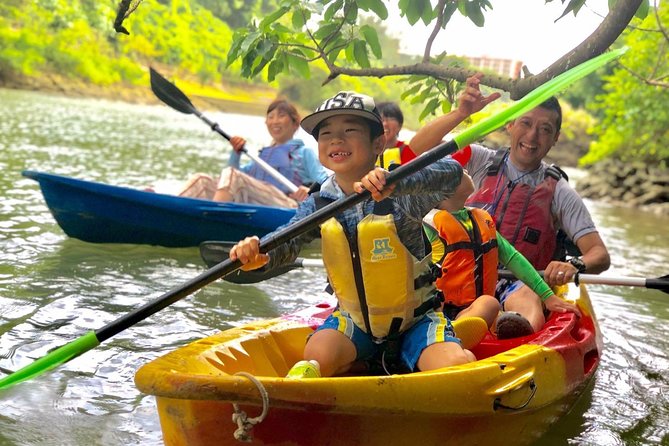
REVIEW · OKINAWA ISLANDS AND BEACHES
Mangrove kayaking to enjoy nature in Okinawa
Mangroves are a lot closer than you think. A guided kayak on Okinawa’s Hija River turns Kadena nature into something you can feel, not just see, with hands-on ecosystem talk and wildlife watching. You get a calm paddle, simple instruction, and cultural context that makes the scenery mean more. One note up front: this is more of a relaxed nature route than a high-adrenaline workout.
I really like that the tour includes all required equipment and keeps the experience easy for mixed ages, from 2 to 84. I also like the way support is built in for non-Japanese speakers, with English explanations and extra visuals through flip charts and guide materials.
The main consideration is that conditions are weather-dependent and the river ride is intentionally leisurely, so you may want a bit more time than you expect if you’re hoping for a longer distance. Also, expect a bit of splash, so plan for getting wet.
In This Review
- Key points to know before you go
- Why Kadena’s Mangroves Feel Different From Typical Okinawa Nature Tours
- What the 2-Hour Paddle Actually Looks Like, From Check-In to Photo
- Getting the Most From the Hija River: Wildlife You Can Spot
- Guides, English Support, and Why the Trip Feels Personal
- Timing and Pace: Five Departures a Day on a Calm River
- Gear, Comfort, and the Small Tips That Save Your Trip
- Price and Value: Is $36.33 Worth It?
- Pairing It With Other Okinawa Stops Near Kadena
- Should You Book This Mangrove Kayak Tour?
- FAQ
- FAQ
- What’s the duration of the mangrove kayaking tour?
- How many departure times are available each day?
- Is kayaking equipment included?
- Do I need to speak Japanese to join?
- What wildlife can I expect to see on the paddle?
- What happens if weather is poor?
Key points to know before you go
- 2-hour experience with a full flow, from check-in to paddling practice to photos at the end
- Choose from five daily departure times so you can fit kayaking around other Okinawa stops
- Hija River mangroves with a real chance to spot small wildlife like crabs, gobies, and mudskippers
- Beginner-friendly guidance that helps you learn paddling basics on site
- Multi-language support including English, plus guide materials to connect dots fast
- Small group size (up to 15) for a more relaxed, manageable pace
Island hopping from Kadena cho, reviewed
- 2 hours family fishing in Okinawa
★ 4.5 · 33 reviews
Why Kadena’s Mangroves Feel Different From Typical Okinawa Nature Tours
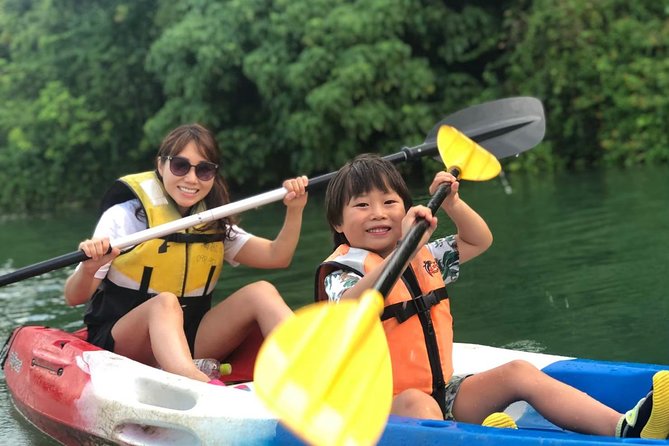
If you only know Okinawa as beaches and busy streets, Kadena’s mangrove forest is a quick reality check in the best way. From your kayak, the Hija River feels tucked and quiet, with roots and plants shaping the waterline like living architecture. It is one of those places where the environment looks pretty, but it also functions like a habitat with its own rules.
What makes this tour feel worth it is the mix of easy movement and actual meaning. You are not just paddling through scenery, you are being guided through the ecosystem while you watch what is around you. That guide-led focus is what turns a calm hour on the water into a memory with details.
I also like the fact that it is built for families and older adults, not only athletic travelers. The river is described as calm and suitable for young kids, which is exactly what you want if you are traveling with multiple ages or you simply do not want to stress about technique.
What the 2-Hour Paddle Actually Looks Like, From Check-In to Photo
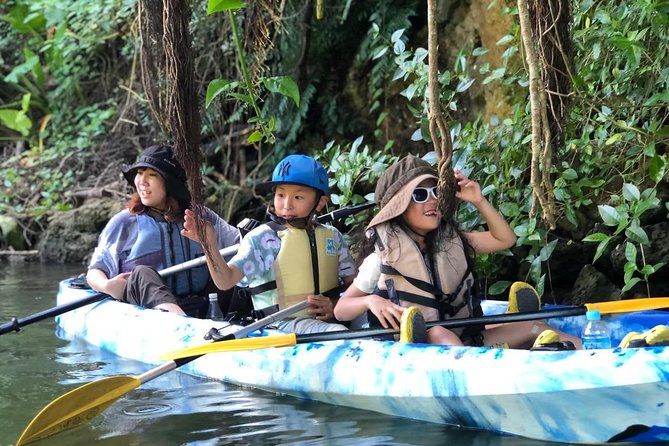
This is a short, well-managed activity. The whole experience runs about 2 hours from meeting to disbanding, and it resets you cleanly into the rest of your day.
Here is the typical rhythm:
You arrive at the meeting point in Kadena and check in. Then you change clothes for kayaking and do a quick paddling practice. That practice matters, especially if you are new, because it helps you feel in control before you get into the mangrove stretch.
After that, you start kayaking along the Hija River. The active paddling portion is about an hour at an easy pace. You move with your guide’s guidance, but you also get time to observe, stop when something catches your attention, and take in the plants and small creatures along the river edge.
When you finish, you get out of the kayak, change clothes again, and your guide shares a photo of your memories. Several people talk about how many pictures are taken during the trip, so if you want a good souvenir, treat this as part of the experience, not an afterthought.
One small practical note: your seat will likely get wet. The tour itself is casual and smooth, but water happens on kayaks. If you have a favorite outfit you want to stay dry, bring a change of clothes.
Getting the Most From the Hija River: Wildlife You Can Spot
The fun part of kayaking mangroves is that nature is right beside you. You are not scanning from shore, you are traveling through the same water lane where small animals move around. The tour focuses on helping you notice.
You can look out for:
- Crabs and other small shoreline creatures
- Goby-type fish (the tiny fish people often spot near roots and shallow water)
- Waterfowl, depending on conditions
- Plants that play a role in how the mangrove system stays alive and productive
Some people also mention mudskippers, which fit the overall theme: mangroves attract small critters adapted to tricky mud and water edges. The guide’s job is to help you spot them and explain what you are seeing, so you do not miss the interesting stuff just because you do not know what you are looking at.
The ecosystem talk is delivered while you paddle, which is a big deal. Learning works better when the information connects to something you are currently staring at, like a specific kind of root structure or a patch of leaves that supports the local food chain.
And yes, you can still enjoy it even if you cannot identify everything. Even if you only catch a few animals and a handful of plant details, the experience still feels special because you are seeing them up close, in their own setting.
Guides, English Support, and Why the Trip Feels Personal
One of the strongest selling points here is support. This is one of those tours where the communication setup is designed for real travelers, not just people fluent in Japanese.
You are told that the explanations are given in English and other languages using flip charts. Several people also mention guide books that help explain what you see. Even when a guide’s English is limited, the materials and communication enough to connect the dots are part of the experience.
Guides you may encounter include names like Miku and Ryu, plus Oyamori in some cases. People specifically praise how friendly and enthusiastic the guides are, and how they take time to show highlights.
Another practical plus: photo support. The tour includes a photo at the end, and some people say the guide takes lots of photos and shares them after, sometimes via email or messaging services if you provide contact details. If you care about having real images of you on the kayak, this is a good tour to lean into.
Also, there is help with the end of your outing. If you need a taxi, staff can help you arrange it, which saves you from the awkward last-minute scramble.
Timing and Pace: Five Departures a Day on a Calm River
You get five tour times daily: 9:00, 10:00, 11:00, 13:00, and 15:00. Same-day reservations are also accepted when available, which gives you flexibility if weather or plans shift.
Why the schedule matters: mangrove tours can feel different depending on the time of day. Earlier departures often suit people who want a quieter start and a bit less heat. Later times can work well if you are pairing kayaking with other sightseeing and you prefer a slower morning.
As for pace, think leisurely. Your route is casual, and the goal is to enjoy the river, not to race it. That is a benefit for families, beginners, and travelers who want a break from walking.
The calm nature of the river also helps solo travelers. One person notes they were able to kayak on a single boat and learned how to paddle properly through instruction. If you are nervous about doing water sports alone, this kind of coaching can make a big difference.
Gear, Comfort, and the Small Tips That Save Your Trip
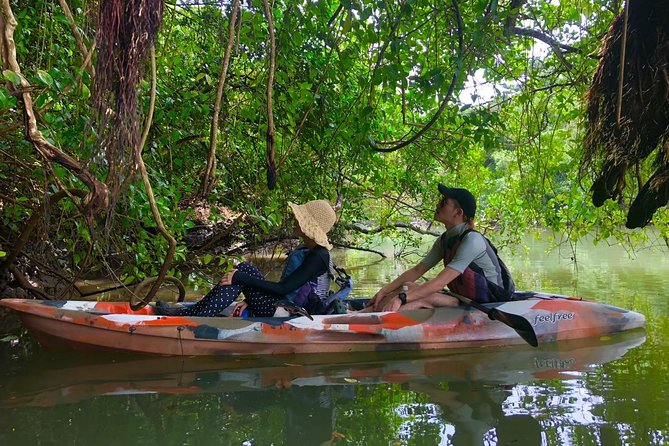
The tour includes all required equipment, so you do not have to show up wondering what gear you still need. That usually means fewer worries on the day, especially if you are traveling light.
Still, a few comfort points can make your kayak day easier:
- Bring a change of clothes because the seat can get wet
- Wear clothes you are okay getting damp
- If you want showers or extra cleanup, some people report there are toilets and changing areas and showers available
Hydration is one item to plan for. While there may be vending options near the start area, at least one person ran into a situation where water was not available from a vending machine. So if you are the type who likes to be self-sufficient, bring your own water.
If you care about your photo or video, you might also want to wear something you feel good in before you change. Once you get geared up, you can stop thinking about it and just enjoy the water.
Finally, if you are bringing a service animal, the tour allows service animals. That helps make the experience more accessible for travelers with specific needs.
Price and Value: Is $36.33 Worth It?
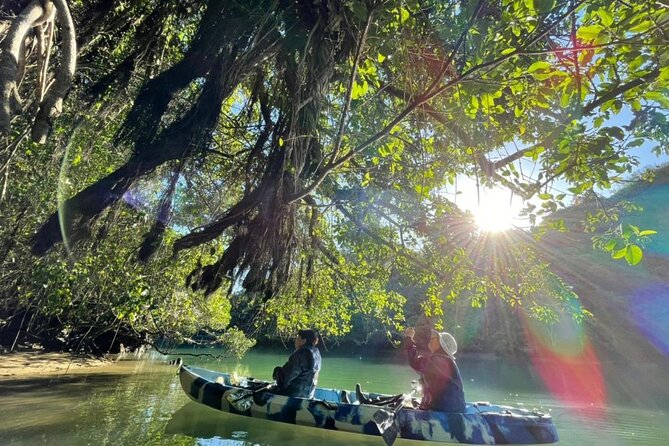
At $36.33 per person for about 2 hours, this sits in the value zone for a guided activity in Okinawa. The price becomes more reasonable when you consider what is included.
You are paying for:
- A guide who teaches you the ecosystem while you paddle
- Equipment included, which saves money and hassle versus renting gear on your own
- A structured experience with instruction and safety focus
- Photo support at the end
And because the group is capped at 15 travelers, the guide attention feels more practical than it would in a huge crowd. Some people describe it as relaxing and well-organized, and the included instruction is a real cost saver if you are new to kayaking.
If you compare this to DIY kayaking, the big difference is context. You could paddle around and still have a good time, but you would miss the reason the mangroves matter and the small wildlife you are meant to look for. This tour aims to make the hour on the water feel like more than just a pleasant paddle.
Pairing It With Other Okinawa Stops Near Kadena
One reason this tour is easy to schedule is that Kadena is surrounded by day-trip style sights. You are told you can also visit places like Ryukyu Village, Zakimi Castle Ruins, and Cape Zanpa.
Here is the simple planning logic:
- Kayaking works well as a morning activity if you want nature early and sightseeing later
- Or do kayaking around lunch if you prefer a relaxed break between more urban or scenic stops
Because the tour finishes back at the meeting point, you can keep your logistics clean and avoid complicated transit. If you are using taxis, staff can help arrange the ride after the tour, which can be a lifesaver if you are moving on to a specific viewpoint next.
Should You Book This Mangrove Kayak Tour?
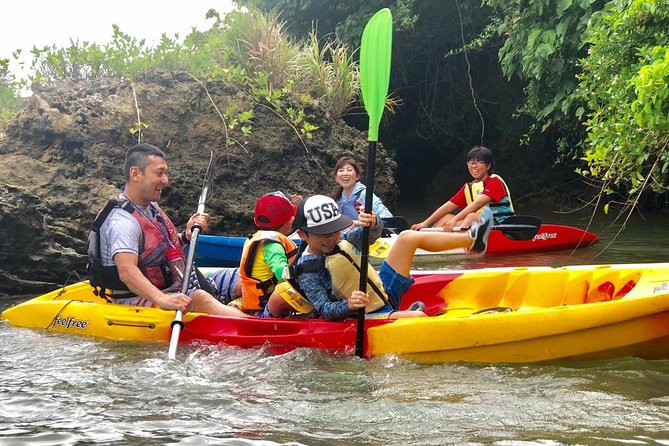
Book it if you want a calm, beginner-friendly Okinawa nature experience with real guidance. This is a strong pick for families with kids, multigenerational groups, and travelers who want something quieter than beach hopping.
Skip it or adjust expectations if you are hunting for an all-day adventure, a long-distance paddling challenge, or a fast-paced route. This is designed to be easy and enjoyable, not intense.
I would also recommend it if you are not comfortable with Japanese. The tour explicitly supports English and other languages through flip charts and guide materials, and people report that communication feels workable even when a guide’s English is limited.
One last decision tip: if you care about wildlife spotting, bring patience and a bit of curiosity. Mangrove ecosystems reward slow looking. If you are ready to watch roots, mud edges, and tiny movement in the shallows, you will get a lot out of the hour on the Hija River.
FAQ
FAQ
What’s the duration of the mangrove kayaking tour?
The tour runs for about 2 hours from meeting to disbanding. You paddle for roughly an hour during that time.
How many departure times are available each day?
There are five tours a day, at 9:00, 10:00, 11:00, 13:00, and 15:00. Same-day reservations are accepted when available.
Is kayaking equipment included?
Yes. The tour includes all required equipment.
Do I need to speak Japanese to join?
No. Explanations are provided in English and other languages using flip charts, and support is offered through messages up to the day of the reservation.
What wildlife can I expect to see on the paddle?
The experience focuses on spotting local wildlife such as crabs, waterfowl, and gobies, along with mangrove plants and the local ecosystem.
What happens if weather is poor?
This experience requires good weather. If it is canceled due to poor weather, you will be offered a different date or a full refund.
Okinawa, Island by Island
Newest Kadena cho write-ups from the Loving Japan desk
Okinawa Islands and Beaches, side by side.
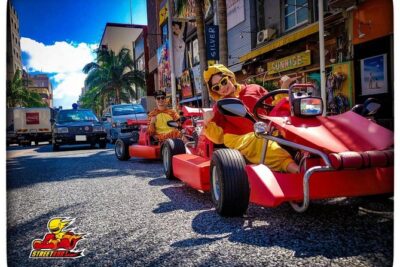 ★ 5.0Official Street Go-Kart Tour – Okinawa ShopFrom $36699 reviews
 ★ 4.4Naha: North Okinawa Sightseeing Tour & Churaumi AquariumFrom $50472 reviews
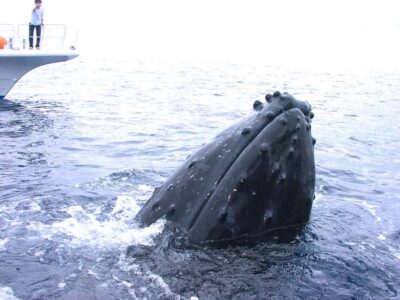 ★ 4.4From Naha: Kerama Islands 1-day snorkeling tourFrom $81423 reviews
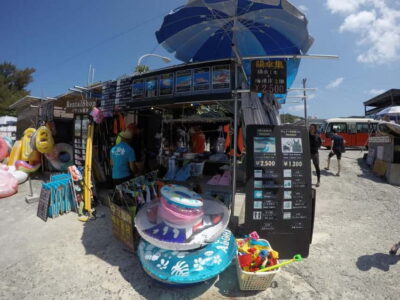 ★ 4.3From Naha: Tokashiki Island Day Trip by BoatFrom $58385 reviews
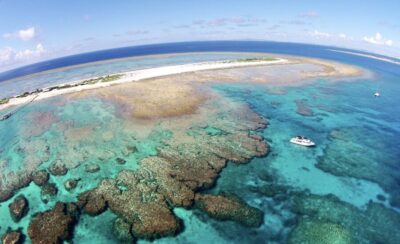 ★ 4.7Naha, Okinawa: Keramas Island Snorkeling Day Trip with LunchFrom $70370 reviews
 ★ 5.0[Miyako Island/Half Day] Sea Turtle SnorkelingFrom $45337 reviews
 ★ 5.0Okinawa Ishigaki Blue Cave Snorkeling TourFrom $45332 reviews
 ★ 4.5Snorkeling in the Blue Cave area【Okinawa Prefecture: Free feeding & photo images!English and Chinese speaking guide available!From $19249 reviews
Filed on these lists too