
REVIEW · OKINAWA ISLANDS AND BEACHES
Okinawa: Discover SCUBA Diving 2 Dives at Minna, Sesoko or Motobu
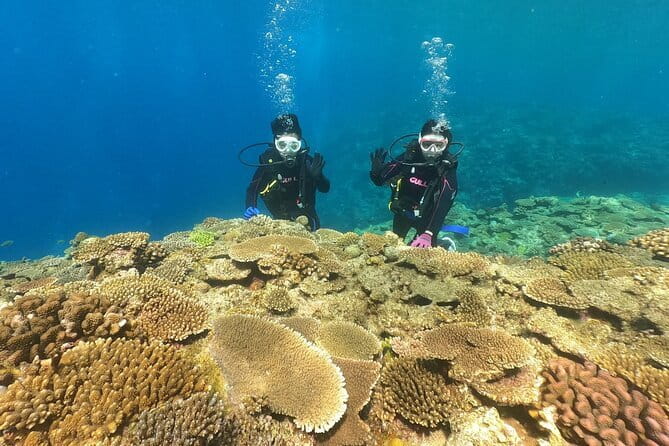
Scuba in Okinawa, without the stress. What I like most is the professional instruction with VIP care for first-timers, plus the free photo and movie data after you’re done. One potential downside to plan around: this is not for people who get seasick easily or have certain health issues.
You get a true half-day flow, either morning or afternoon, with a small cap of 6 people. The boat captain chooses your two spots from Minna Island, Sesoko Island, or around Sakimotobu based on weather and water conditions, which is exactly how you want it when you’re learning.
On board you’re looked after with drinks, cookies, seasonal fruit, and even a T-shirt, and the staff keeps the safety gear in good shape. Still, you should expect a fast-moving schedule, about 4 hours total, so bring a calm head and you’ll do great.
In This Review
- Key points before you go
- Motobu, Okinawa: Why this area works for first-timers
- Starting at Yamagawa Port: paperwork, briefing, and gear in order
- The boat ride and site choice: Minna, Sesoko, or around Sakimotobu
- Two underwater sessions: what you practice and how you’ll spend your time
- VIP care for beginners: what it means in plain terms
- Photos and the small Okinawa touches you actually get
- Price and value: is $157.65 a fair deal?
- Timing and what to wear so you don’t waste the experience
- Who this suits best, and who should skip it
- Safety, instructors, and the one-off negative story to keep in mind
- Should you book this two-session intro in Motobu?
- FAQ
- How long is the experience?
- Where do I meet and where does it end?
- How many underwater sessions are included?
- Can I choose the morning or afternoon?
- What’s included in the price?
- What is not included?
- How many people are on the tour?
- What happens if weather or marine conditions cancel the activity?
Key points before you go
- VIP care for new students, with an experienced instructor who focuses on comfort and control
- Two underwater sessions in Minna, Sesoko, or around Sakimotobu, chosen by the captain for conditions
- Gear and boat fee included, so you can focus on learning instead of logistics
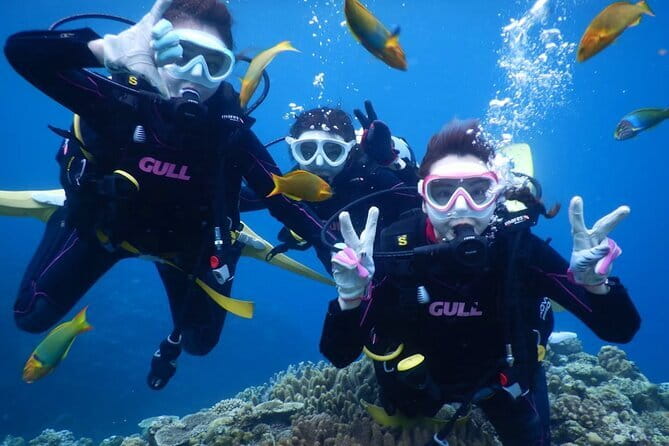
- Free digital photo and video data, so you have memories beyond a few phone shots
- Small group size (max 6), which usually means more time and attention
Island hopping from Motobu cho, reviewed
- Okinawa: Scuba Diving Tour with Wagyu Lunch and English guide
★ 5.0 · 32 reviews
Motobu, Okinawa: Why this area works for first-timers
Motobu is one of those Okinawa bases that makes learning practical. You’re close to multiple coastal areas, and the tour operator can shift your location depending on winds and water. That matters because your comfort underwater depends heavily on the day’s conditions, not just the calendar.
The big win for you here is flexibility. Instead of being stuck at one site no matter what, the captain decides where you’ll go based on weather. For a first course, that is a smart way to reduce stress and increase the chance you get clear, comfortable water for practice.
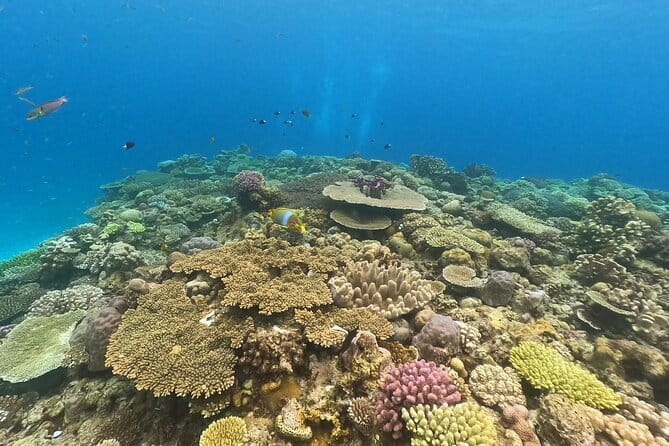
If your goal is confidence, not just check-the-box sightseeing, Motobu fits the bill. You’re in an area known for marine life, and your sessions are guided toward the kind of spots that beginners can enjoy while still getting proper instruction.
Starting at Yamagawa Port: paperwork, briefing, and gear in order
Your day kicks off at the Yamagawa Port boat meeting point in Motobu, with either an 8:00 or 12:30 start. You’ll do paperwork first, then a briefing. This is not the kind of tour where you’re thrown into the water and hoped for the best.
The most valuable part is the gear check and safety setup. The tour includes full scuba equipment, and the safety gear is maintained and cleaned. For me, that feels like a real indicator that they want you to succeed, not just schedule sessions and move on.
Next comes the briefing, led by a professional instructor. From the feedback I’ve seen, communication is designed to be clear for beginners. One person noted that the instructor used just enough English to make instructions understandable, which is exactly what you want: simple directions, not a lecture you can’t use.
Small detail that adds up: this experience includes drinks on the boat with cookies and seasonal fruit. When you’re learning a new breathing rhythm and buoyancy control, staying hydrated and getting a quick snack helps keep nerves down.
The boat ride and site choice: Minna, Sesoko, or around Sakimotobu
After you depart, you’ll head to your first underwater site. The schedule is built around two sessions with a move between them. Your exact spots come from a short list, and the boat captain chooses the day’s best option: Minna Island, Sesoko Island, or the area around Sakimotobu.
Why this matters: if the wind or water is rough at one location, you might end up more focused on keeping steady than on learning. By choosing based on conditions, the operator gives you a better chance at smooth entry, manageable current, and better visibility.
You’ll also notice the pacing is designed for learning without wasting time. You go out, do your first guided session, then you reposition and do the second. It’s not a slow drift tour. It’s a practical course format that aims to build skills and then use them quickly while the muscle memory is fresh.
A realistic heads-up: you do not pick the exact sites. If you’re the type who likes to research a specific reef ahead of time, you may feel a little out of control on the day. The trade-off is that you’re more likely to get the most comfortable conditions.
Two underwater sessions: what you practice and how you’ll spend your time
You’re scheduled for about 4 hours total, with two separate underwater time blocks. Morning typically runs from the initial meeting through returning around 12:00, and the afternoon option returns around 16:30. The tour timeline includes moving to a second site mid-day.
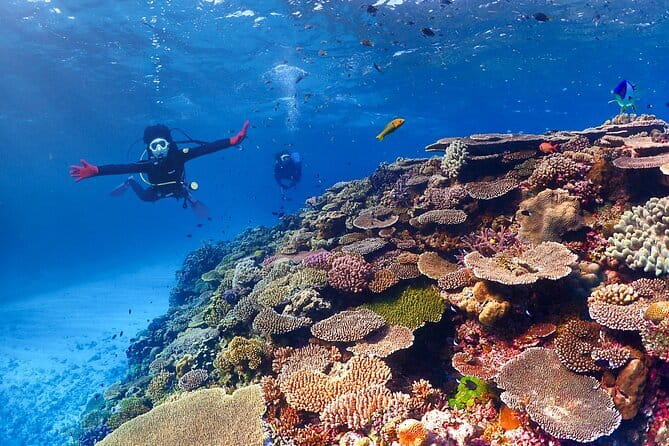
So what do you actually do during those sessions? The purpose is learning scuba skills with a professional instructor in tropical waters. You should expect structured practice, not just time floating around.
Here’s what the format generally feels like for first-timers:
- First session: you get guided instructions, learn how to manage breathing and buoyancy, and practice basic control with close support.
- Move between sites: you regroup on the boat, then get ready for your second session with fresh energy.
- Second session: you apply what you practiced, with continued coaching so you can enjoy the underwater environment while staying safe.
One of the biggest takeaways from the positive feedback is that the experience feels safe and step-by-step. People highlighted that they were walked through everything and felt looked after. That matters more than flashy promises, because your comfort early on shapes how much you enjoy the rest of the day.
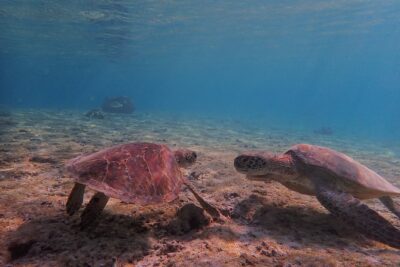
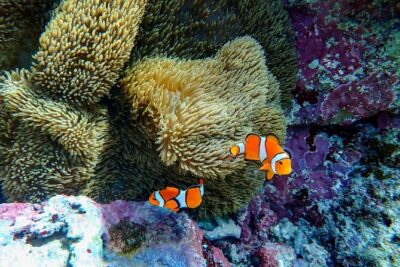
You can also look forward to marine life. Multiple people specifically mentioned seeing sea turtles and lots of coral and fish. Those sightings are never guaranteed, but the fact that the spots can deliver that kind of life is a good sign for your odds.
VIP care for beginners: what it means in plain terms
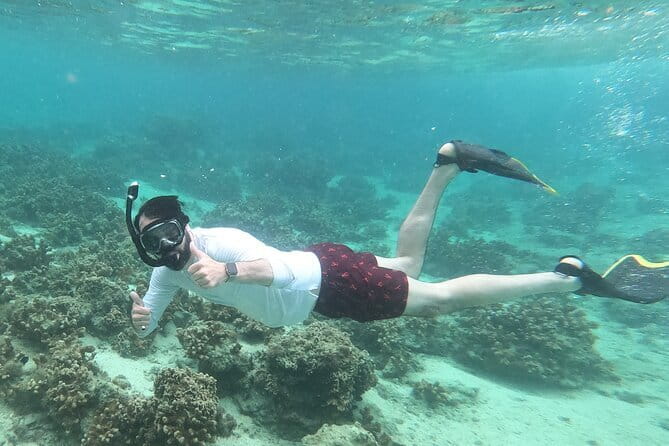
This tour is designed for beginners, and it comes with an explicit VIP care approach. The key promise is that experienced instructors provide guaranteed courses for first-timers with VIP care.
In practice, that usually means:
- You get more guidance when you need it
- The instructor keeps an eye on your comfort level
- The lesson is paced to your learning curve instead of pushing you straight to advanced tasks
If you’re doing this as a couple, the small group size helps here too. You’re not fighting for attention, and the instructor can focus on your skills without splitting the day into too many skill levels.
The reason this is valuable is simple. New scuba skills can feel weird at first. Breathing underwater, controlling depth, and staying calm are the real challenges. An instructor who supports you through that phase lets you enjoy the reward part, which is the underwater world.
Now, a balanced note. One negative experience described an instructor stopping a participant after a trial because of air consumption concerns, along with claims of unprofessional behavior. I can’t verify what happened, but it is a reminder that safety decisions can be strict. If you have any condition that could affect how you manage breathing or stress, tell the operator clearly before you go, and be ready for the instructor to make call based on safety.
Photos and the small Okinawa touches you actually get
This is one of the easiest parts of the value equation. You receive digital data of photos and a movie, included in the price. That means you don’t have to worry about waterproof phone problems or missing the moment while trying to capture it.
People also specifically mentioned that the photos came out great. For me, that’s a big deal on an intro course, because your first goal is learning, not performing. Good photo coverage lets you remember it without needing to focus on camera angles.
On top of that, you get Okinawa-style hospitality on the boat. The experience includes drinks, cookies, and seasonal fruit. There’s also mention of a T-shirt. One person described iced tea, cut pineapple, and local pastries, which sounds like a nice reset between the boat ride and the second session.
It’s a small touch, but it makes the whole outing feel less clinical and more like you’re with a team. After you’ve practiced a new skill under a lot of concentration, having something sweet and refreshing on board helps your energy come back fast.
Price and value: is $157.65 a fair deal?
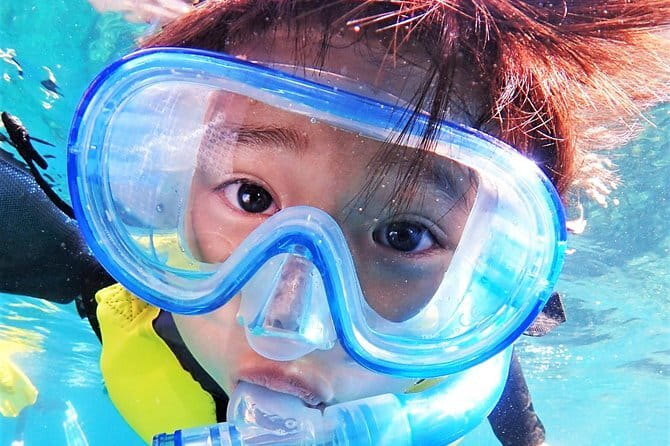
At $157.65 per person, you’re paying for a short, guided course with two underwater sessions, not just a single taste. The price includes:
- Full diving equipment (scuba gear)
- Boat passenger fee
- Certified professional instructor
- Drinks with cookies and seasonal fruit
- Digital photo and movie data
What this means for you is that you avoid common hidden costs. Equipment rental plus a boat fee plus instructor time can add up quickly if you try to piece it together yourself. This tour bundles those items into one number.
The only optional extra mentioned is motion-sickness medicine at ¥200 per booking, which matters if you’re prone to nausea. And lunch is not included, so you’ll want to plan a meal before or after.
Also consider the group size. With a max of 6, you’re paying for an instructor who can actually see what you’re doing, and that usually improves learning. If you’re comparing prices, don’t just compare the headline cost. Compare whether you’re getting gear, a boat, and actual guided coaching for two sessions.
Timing and what to wear so you don’t waste the experience
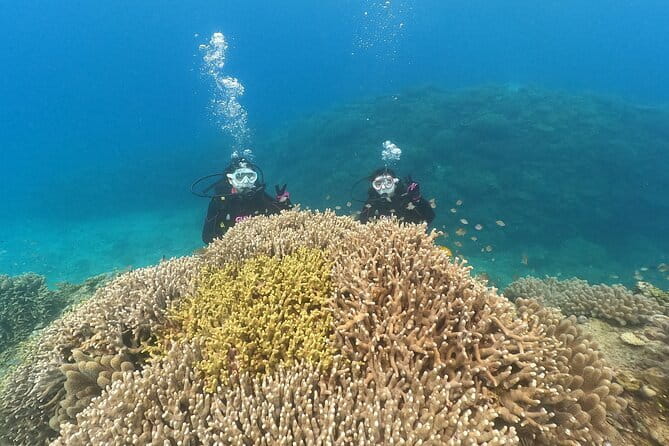
The tour runs about 4 hours. That’s a good length for most beginners because it’s not too long to get overwhelmed, but it still gives enough time to practice, not just dip a toe.
Wear practical swim-ready clothing and plan for wet gear handling. You’ll return to the pier, change clothes, and wrap up at the starting point.
If you get cold easily, you should think about that too. The schedule moves fast, and you’ll be on the water and then in the water. You don’t want to spend your second session distracted by feeling chilled.
If you’re especially nervous about the boat, ask yourself honestly whether you’ve handled choppy water in the past. The tour is specifically not recommended for people prone to seasickness. If that’s you, it’s better to choose a different activity for your day.
Who this suits best, and who should skip it
This experience is meant for people with at least moderate physical fitness. It is specifically not recommended for:
- respiratory issues
- epilepsy
- diabetes
- seasickness-prone people
- high blood pressure
- recent surgeries
- low level of fitness
- lactose intolerance
Before booking, I’d treat this as a real checklist. Scuba involves breathing control and physical steadiness, and the operator lists health exclusions for a reason. If you fall into any category, talk to a medical professional first, or choose a different water activity.
It’s also a great fit if:
- you want an instructor-led course, not solo exploration
- you want two underwater sessions in one outing
- you like the idea of having photos and video included
- you prefer a small group setting
It might not be a great fit if you:
- want a slow, sightseeing-only day
- hate boat rides
- need a lunch included and don’t want to plan meals
Safety, instructors, and the one-off negative story to keep in mind
Most feedback points to careful, patient instruction. People praised an instructor named Hisashi-San for being experienced, safe, and considerate. Multiple comments also mention kindness, snacks on the boat, and clear guidance that helped first-timers feel secure.
That said, the outlier negative account matters to read with a clear head. It described a participant being barred from continuing after the trial due to air consumption, and it also used very harsh language about the way they were treated.
I can’t judge the facts of that individual story. But here’s what I want you to do with it: be open and honest during the briefing and any pre-check. If you have trouble managing breathing or you tend to panic under stress, say so early. A good instructor can adjust coaching. A safety-first instructor might still stop the session if conditions are unsafe, even when it feels disappointing.
In other words: treat the lesson as a partnership with clear communication. You’ll get the best outcome when the instructor has accurate information and you follow guidance closely.
Should you book this two-session intro in Motobu?
Yes, I think you should book if your main goal is learning scuba with real support, and you like the idea of getting photos and video without extra hassle. The small group size, the included gear, and the VIP care approach for beginners are the three ingredients that make this feel like a solid deal.
I’d hesitate if you are prone to seasickness or fall into any of the health categories the operator lists as not recommended. I’d also be cautious if you need a perfectly predictable site. The captain chooses spots based on the day, which is smart for safety, but not as fun if you’re a planner who needs certainty.
If you go in with the mindset of learning, not performing, you stand a strong chance of leaving with confidence and an underwater memory that looks great on your camera roll.
FAQ
How long is the experience?
It runs about 4 hours, with times varying by the morning or afternoon session you choose.
Where do I meet and where does it end?
You meet at the Yamagawa Port boat meeting point in Motobu and the activity ends back at the same meeting point.
How many underwater sessions are included?
The experience includes 2 underwater sessions during the same half-day outing.
Can I choose the morning or afternoon?
Yes. You can choose either the morning schedule or the afternoon schedule.
What’s included in the price?
Full scuba equipment, the boat passenger fee, a certified professional instructor, drinks with cookies and seasonal fruits, and digital data of photos and a movie.
What is not included?
Lunch is not included, transportation is not included (you need to ask), and motion-sickness medicine costs ¥200 per booking.
How many people are on the tour?
The maximum group size is 6 travelers.
What happens if weather or marine conditions cancel the activity?
If it is canceled due to weather or marine conditions, you will be offered a different date or a full refund.
Back in the Water
Okinawa, Island by Island
Newest Motobu cho write-ups from the Loving Japan desk
Okinawa Islands and Beaches, side by side.
 ★ 5.0Official Street Go-Kart Tour – Okinawa ShopFrom $36699 reviews
 ★ 4.4Naha: North Okinawa Sightseeing Tour & Churaumi AquariumFrom $50472 reviews
 ★ 4.4From Naha: Kerama Islands 1-day snorkeling tourFrom $81423 reviews
 ★ 4.3From Naha: Tokashiki Island Day Trip by BoatFrom $58385 reviews
 ★ 4.7Naha, Okinawa: Keramas Island Snorkeling Day Trip with LunchFrom $70370 reviews
 ★ 5.0[Miyako Island/Half Day] Sea Turtle SnorkelingFrom $45337 reviews
 ★ 5.0Okinawa Ishigaki Blue Cave Snorkeling TourFrom $45332 reviews
 ★ 4.5Snorkeling in the Blue Cave area【Okinawa Prefecture: Free feeding & photo images!English and Chinese speaking guide available!From $19249 reviews
Filed on these lists too