
REVIEW · OKINAWA ISLANDS AND BEACHES
Ishigaki: Mangrove SUP or Canoe & Phantom Island Snorkeling
Mangroves and snorkeling, all in one day. On Ishigaki, this tour pairs Miyara River canoe or SUP with a Phantom Island snorkeling session, timed to the island’s tide shifts, and guided by friendly pros like Makoto and Sebastian.
What I like most is how hands-on the paddling feels, you actually work the canoe/SUP through the mangrove waterways instead of just floating past. I also really appreciate the included photo data, plus full snorkeling gear, so you spend less time shopping and more time seeing.
One thing to plan around is that water conditions matter. The schedule and even the snorkeling location can change if weather, tides, or strait conditions make it unsafe, and you need to be comfortable in the ocean and follow the guide’s instructions closely.
In This Review
- Key takeaways before you go
- Mangrove canoeing and SUP on Miyara River’s hirugi forest
- Who will feel at home on the water
- The morning speedboat, Hamahiga Island photo stop, and snorkeling time
- If snorkeling needs to change
- Phantom Island snorkeling, how the tide changes the sandbar
- What you’re likely to see
- Canoe vs SUP in the mangroves: what’s actually different
- What the guides do for you, from English clarity to photo help
- Safety that feels practical
- Photos and underwater shooting
- Timing, the two-hour port break, and how to plan your day
- Weather, rain, and tide realities
- Gear, clothing, and the small rules that make it smoother
- What you should bring
- Not allowed, the basics
- Price and value: what your $103 is paying for
- The real tradeoff
- Who should book this Ishigaki tour, and who should skip it
- My booking checklist for Phantom Island and the mangroves
- Should you book this mangrove SUP or canoe and Phantom Island snorkeling tour?
Key takeaways before you go
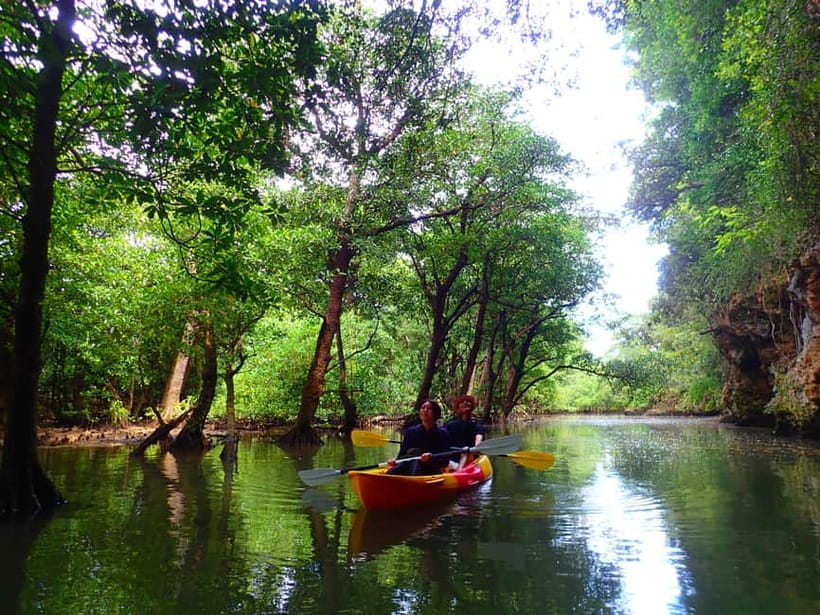
- Miyara River hirugi forest paddling: You move through mangrove channels built for slow, close-up nature watching.
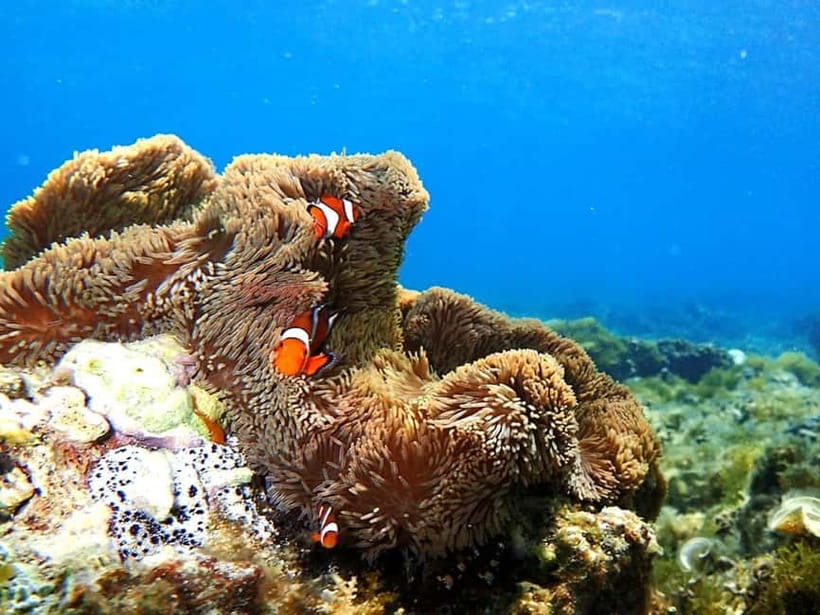
- Phantom Island snorkeling: A sandy shoreline that changes shape with the tide, with fish and coral nearby.
- SUP or canoe options: The day can be set up for your comfort level and the sea conditions.
- Guides take safety seriously: Life jacket, required mask and fins, and clear pacing help first-timers feel steady.
- Photo data is part of the deal: Underwater photos and on-water shots reduce the effort of capturing everything yourself.
- A break at Euglena Ishigaki Port Terminal: You get a real pause between the sea and the river.
Island hopping from Ishigaki, reviewed
- Okinawa Ishigaki Blue Cave Snorkeling Tour
★ 5.0 · 332 reviews - Ishigaki: Jungle Walk and Stargazing Night Tour
★ 4.5 · 149 reviews - Ishigaki Island: Blue Cave Exploration & Snorkeling Tour
★ 4.7 · 139 reviews - Okinawa Ishigaki Island Night Starry sky and Jungle night tour
★ 4.5 · 132 reviews
Mangrove canoeing and SUP on Miyara River’s hirugi forest
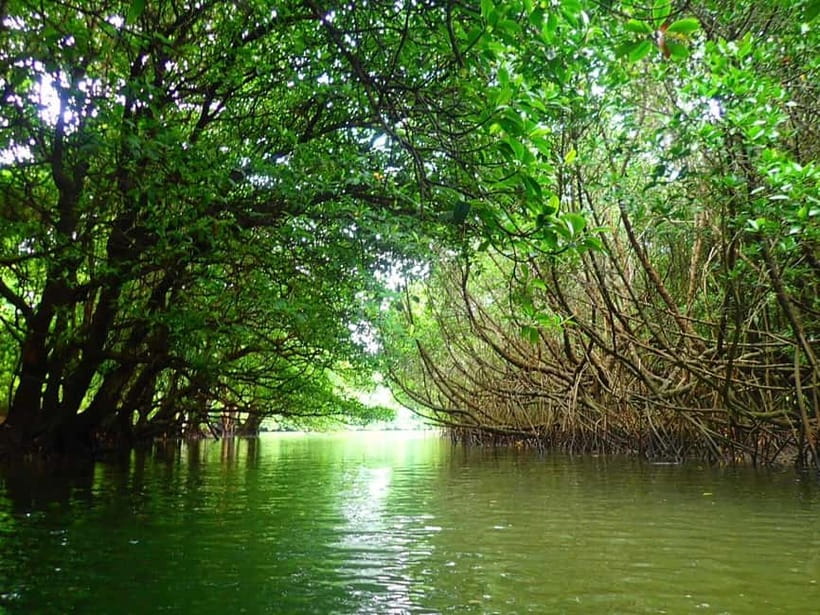
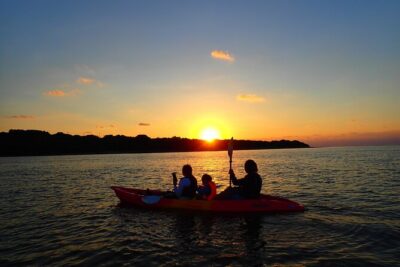
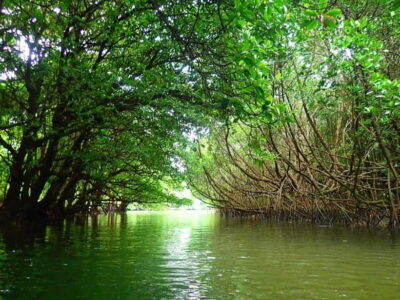
This is the part of the day that feels most “I’m really here.” The Miyara River mangrove area is known for its hirugi forest, and the canoe or SUP route is the kind of outing where you slow down on purpose. You go from open water energy into tight, quiet channels where the mangroves frame your view and you notice details like roots, shade, and the way the current nudges you along.
I like that the paddling is usually relaxed in tone. Even when there’s gear on and people are learning, guides keep things organized so you do not feel rushed. One highlight from the experience is how much time you get to steer and look, including time to get close under the mangrove crowns, not just a quick pass-and-photo stop.
Another good sign for this kind of tour is the way guides manage the group. I saw multiple examples of guides pacing so no one gets left behind, like Arai making sure everyone was cared for during first-time snorkeling stress, and Akari guiding paddlers through clear navigation cues. If you’re worried about your fitness or balance, this is a route where steady instruction can make a big difference.
Who will feel at home on the water
If you like hands-on nature time, this fits. If you want a “sit and watch” cruise only, you might find the paddling effort more involved than you expected. The good news is you can choose canoeing or SUP depending on sea conditions and the day’s setup, and the guides are used to different comfort levels.
Also, note the age and health rules. This is for ages 3 to 59, but it separately says it is not suitable for children under 5, pregnant guests, people with heart problems, and people over 60. If any of those apply, check with the operator before booking.
The morning speedboat, Hamahiga Island photo stop, and snorkeling time
The day starts with a speedboat transfer, about 30 minutes from the port area. You get out of Ishigaki Island’s harbor scene quickly, which helps keep the morning from dragging. The tour includes a photo stop at Hamahiga Island and then a snorkeling session for around one hour.
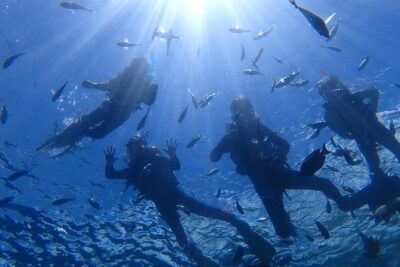
That hour is where your ocean skills start to matter. You’re given fins and a mask, and you’ll also wear a life jacket and special snorkeling shoes (required). If you are a first-timer, you’ll likely appreciate the step-by-step guidance and the fact that you’re not doing anything technical like reef diving. It’s more like supervised floating and controlled swimming around what the guide considers a safe, fish-and-coral area.
One thing I took from the experience is that guides actively watch individuals. Guides like Diego and Sebastian were described as letting people explore, keeping the pace comfortable, and helping you feel safe in the water. If you’re nervous, it’s worth knowing that you can still have a good time even if you are not an expert swimmer.
Back in the water. Other trips off Ishigaki
- Ishigaki Island: Boat Snorkeling Tour at Phantom Island★ 4.5 · 120 reviews
- Okinawa Ishigaki Kabira Bay SUP or Canoe Tour★ 5.0 · 118 reviews
- Okinawa Ishigaki Kabira Bay SUP or Canoe and Blue Cave Snorkeling★ 5.0 · 94 reviews
- [Ishigaki]Mangrove SUP/Canoe + Blue Cave Snorkeling★ 5.0 · 92 reviews
- Ishigaki Island: 2-Hour Miyara River SUP or Canoeing Tour★ 4.6 · 81 reviews
If snorkeling needs to change
Water conditions can force changes. The tour notes that departure and the order of activities may shift due to weather, tides, or strait conditions, and snorkeling could happen at a different location. One review example even mentioned an alternative snorkeling site when conditions were not right, so you can expect a problem-solving mindset rather than a total stop.
Phantom Island snorkeling, how the tide changes the sandbar
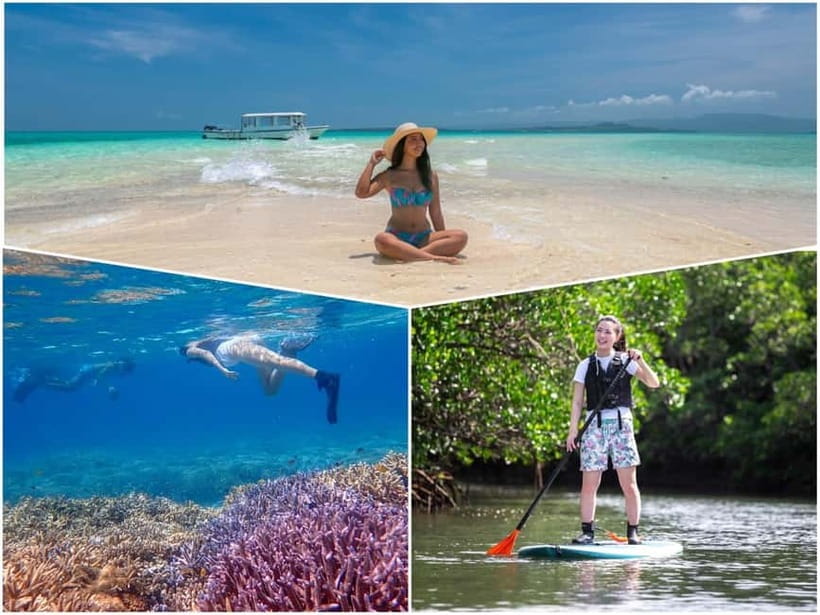
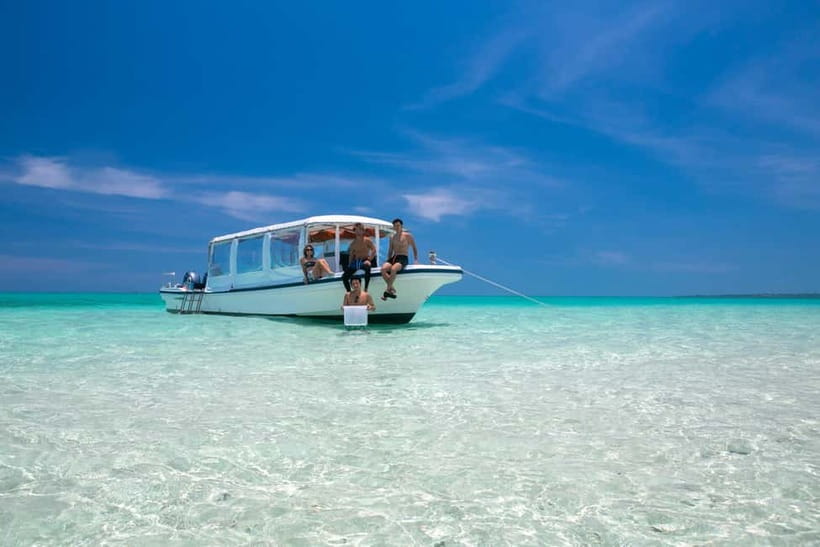
Phantom Island is the main character of this tour name, and for good reason. It’s a sandy beach island floating in the ocean on the west side of Ishigaki Island, and the name comes from how it changes shape depending on tide level.
That detail matters because it changes the feel of the snorkeling area. At higher or lower tide, your surroundings shift, the accessible sand edge can look different, and the way you approach the waterline changes. It’s not a static “one-view” spot. You’re snorkeling in a place that literally reshapes itself as the day moves along.
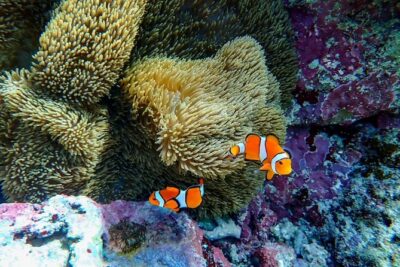
During snorkeling, the goal is simple: see fish and coral in a natural aquarium setting. Guides often help you position where you can see more life without stirring up trouble. In multiple experiences, guides took underwater photos or videos right from your side, which is handy because you can focus on looking instead of fighting with a camera.
What you’re likely to see
You should expect many fish and coral, and it’s generally described as beginner-friendly snorkeling with guidance. Some people even flagged it as good for first-timers, while others noted that choppier conditions can make snorkeling feel harder than the plan. Bottom line: follow the guide’s swim boundaries, keep your breathing steady, and trust that they know where the fish activity is likely to be.
Canoe vs SUP in the mangroves: what’s actually different
Choosing canoe or SUP changes the “workout level,” but the bigger difference is how you relate to the mangroves. With a canoe, you usually feel more stable and guided by hand controls, which can help if you want a calmer experience. Several people described the canoe segment as calm, chill, and stress-free, with plenty of time to enjoy the scenery and take photos.
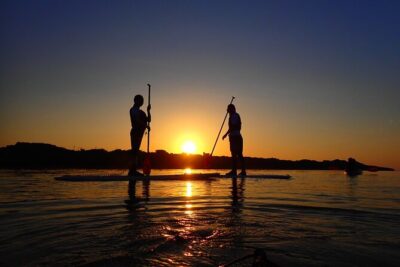
With SUP, you are balancing while paddling, so you feel the water more. Some people end up falling into a rhythm quickly, especially when the guide gives short, practical tips. The upside is a very “you are part of the water” feeling, and it’s great if you want a little more physical challenge.
Either way, the route through the mangroves is where you slow down. It’s not about speed or distance. It’s about getting close to the environment and learning how to move without scraping or bumping into roots or walls of greenery.
What the guides do for you, from English clarity to photo help
Guide quality is a huge part of why this tour earns a strong rating. Names that show up repeatedly include Makoto, Sebastian, Kote, Diego, Akari, Arai, Ayaka, and Misaki. You’ll likely notice two patterns: safety instruction that actually makes sense and a cheerful, supportive vibe.
Safety that feels practical
You wear a life jacket, and you have to use required snorkeling gear like mask and fins. The tour also notes that refusal of required items may mean you are excluded from the activity, so it’s worth treating the rules as part of the plan, not an obstacle.
Some guides also explain not just what to do, but how to avoid common mistakes, like keeping your position and not rushing the water around you. That’s especially important for Phantom Island snorkeling where small changes in water movement can make a difference.
Photos and underwater shooting
One of the standout perks is that photo data is included. In at least one experience, the guide took underwater photos and videos right below participants, which is exactly what you want from an on-water pro. When someone else captures the action, you spend more energy watching fish and coral instead of trying to get your own shots.
Even on the canoe or SUP side, people described guides taking pictures and giving explanations about what they were seeing. One guide, Ayaka, even recommended a lunch spot, Vanilla Deli, mentioning avocado wasabi burgers. That’s not guaranteed, but it’s a nice example of the local knowledge you can ask for.
Timing, the two-hour port break, and how to plan your day
This is a true half-day plus travel style outing, about six hours total. The day splits into sea time, snorkeling time, a break back at the port, and then river paddling.
After the snorkeling portion, you’ll have a break of around two hours at the Euglena Ishigaki Port Terminal. This matters because you’re not stuck on a boat the whole day, and you can cool down, change into dry clothes, and reset before the paddling segment. Hot showers are available near the terminal, which is a very practical detail after wet gear time.
For the break, bring patience and snacks you like. There’s no mention of food being included, so plan to purchase drinks or a simple meal on your own. If you want local advice, ask the guide about a lunch stop, since you might get a suggestion like the one described above.
Weather, rain, and tide realities
The tour runs rain or shine. That’s good because it protects your schedule, but it also means you should pack like you might be wet both ways. If the operator decides conditions are unsafe, they may cancel or modify what happens, including swapping snorkeling locations. This is one reason I think paying attention to water comfort matters more than it sounds.
Gear, clothing, and the small rules that make it smoother
This tour includes a lot of the stuff that usually slows people down. You get SUP or canoe equipment, and you also get snorkeling equipment and safety equipment. Life jacket use is mandatory, fins and masks are required for snorkeling, and special shoes are part of the snorkeling setup.
Wetsuits are provided for winter. If you’re going in a cooler month, that’s a big value add since renting or buying gear elsewhere can be a hassle. On warmer days, you still need the right swimwear and protection from getting cold if the wind picks up.
What you should bring
Bring a change of clothes and a towel. Wear swimwear so you do not waste time once you’re wet. Bring drinks, cash, and clothes that can get dirty.
Use the restroom before you go, because the info says there is no restroom on-site. That’s a small detail that can save you stress later.
Not allowed, the basics
No alcohol and no smoking, and the tour also lists no drugs. Baby carriages are not allowed. If you’re traveling with children, pay attention to the age requirements and the “not suitable” limits.
Price and value: what your $103 is paying for
At around $103 per person for a six-hour tour, the value comes from coverage, not just the guiding.
Here’s what you’re getting in the included cost:
- SUP or canoe equipment
- Snorkeling equipment and safety equipment, plus special shoes and fins and mask requirements
- Wetsuits when needed
- Photo data
- Experience fee, liability insurance, and sales tax
What you do not get is transportation. So you still need to handle getting to and from the meeting points on your own, since it’s not included.
For many people, this price feels fair because it replaces multiple rentals and the headache of coordinating gear, especially in a place like Ishigaki where day trips often require multiple items. The photo data also has real value. If you’ve ever spent a snorkeling session trying to hold a camera and breathe at the same time, you’ll appreciate why this matters.
The real tradeoff
You’re paying for an organized, guided route with safety rules. That means less freedom to wander on your own, and it also means you need to accept that weather and tide may alter the plan. If you are the kind of traveler who wants total control over every detail, consider whether a guided format feels right.
Who should book this Ishigaki tour, and who should skip it
This is best for you if you want:
- A mix of mangrove paddling and ocean snorkeling in one day
- A guided experience with clear safety rules and supportive instruction
- Included gear, plus photo help so you don’t have to bring everything yourself
- A chance to see Phantom Island’s tide-shifting sandbar and fish activity nearby
It might not be a fit if you:
- Are pregnant or have a heart problem
- Are older than 60
- Are traveling with young kids under the practical minimum age (the info lists not suitable for children under 5, even though participation is listed as ages 3 to 59)
- Struggle with ocean comfort or fear the water, unless you talk to the operator in advance
Also think about your pace. The canoe or SUP is active. Even when it feels relaxed, you will be moving, balancing, and cooperating with the guide’s instructions.
My booking checklist for Phantom Island and the mangroves
If you want this to go smoothly, here’s what I’d do before you show up:
- Wear swimwear from the start and pack a towel and change of clothes
- Bring clothes that can get dirty, plus drinks
- Use the restroom before departure since there is no restroom on-site
- Plan for rain, since the tour runs in wet weather
- Keep your phone active for the day-before contact with meeting details
- If English is your preference, know that your guide may be Japanese only depending on guide availability
And for a small morale boost, ask about lunch suggestions during the port break. You might get something like the Vanilla Deli tip described in one experience, and it helps you avoid wasting your break time guessing.
Should you book this mangrove SUP or canoe and Phantom Island snorkeling tour?
I’d book it if you want an Ishigaki day that feels like two different ecosystems, mangroves inland and reef life offshore, without spending half your trip managing logistics. The included gear, photo data, and safety-forward guiding make it a good value at around $103 for a six-hour day.
I’d be more cautious if you have strong ocean anxiety, if you know you cannot follow required safety gear rules, or if you are in any of the “not suitable” categories listed. Also, go in with flexibility, because tides and weather can shift where snorkeling happens and in what order the activities run.
If that flexibility is fine with you, this is a genuinely fun format: paddling through quiet mangrove channels, then snorkeling a tide-changing sandbar that earns its name for a reason.
Back in the Water
Okinawa, Island by Island
Newest Ishigaki write-ups from the Loving Japan desk
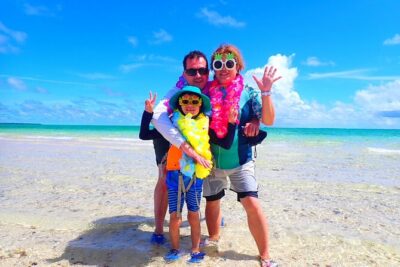
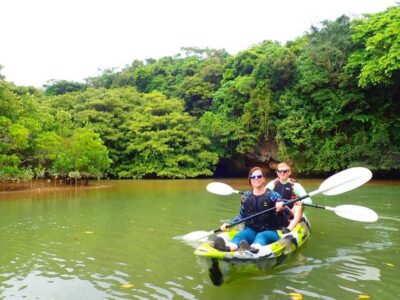
Okinawa Islands and Beaches, side by side.
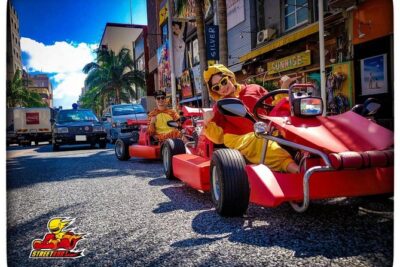 ★ 5.0Official Street Go-Kart Tour – Okinawa ShopFrom $36699 reviews
 ★ 4.4Naha: North Okinawa Sightseeing Tour & Churaumi AquariumFrom $50472 reviews
 ★ 4.4From Naha: Kerama Islands 1-day snorkeling tourFrom $81423 reviews
 ★ 4.3From Naha: Tokashiki Island Day Trip by BoatFrom $58385 reviews
 ★ 4.7Naha, Okinawa: Keramas Island Snorkeling Day Trip with LunchFrom $70370 reviews
 ★ 5.0[Miyako Island/Half Day] Sea Turtle SnorkelingFrom $45337 reviews
 ★ 5.0Okinawa Ishigaki Blue Cave Snorkeling TourFrom $45332 reviews
 ★ 4.5Snorkeling in the Blue Cave area【Okinawa Prefecture: Free feeding & photo images!English and Chinese speaking guide available!From $19249 reviews
Filed on these lists too