

REVIEW · OKINAWA ISLANDS AND BEACHES
Spirit of Ishigaki: Explore the land and Lore
Story turns Ishigaki into a living map. On this private 4 to 5 hour outing, Steph, a native English speaker, strings together storytelling with geology, plants, wildlife, and local culture. You do not just hop from view to view, you learn what you are actually looking at and why the island tells these specific stories.
Two things I like a lot: first, the way the stops connect science and culture. Limestone caves, rock formations, and the sea at low tide sit right beside Shisa pottery traditions, bayside scenes, and palm varieties found only on these islands. Second, Steph makes the plan fit you, starting with pickup where you want, then adjusting the route to your pace and interests. One possible drawback is simple: the itinerary leans on good outdoor conditions, so if weather is rough, you may need changes or a rescheduled date.
In This Review
- Key highlights I’d plan around
- How the tour works in real life: short time, tight meaning
- Ishigaki Island Limestone Cave: where the island’s chemistry becomes a story
- Ishigakikanko Pineapple Mango Orchards and the pineapple queen
- Kabira Bay: ocean views with local food and local context
- Ibaruma Sabichi Cave: rock formations and how they formed
- Ishigaki Yaki Kamamoto and the Shisa outdoor museum vibe
- Ishigaki-jima Blue Cave at low tide: sea life spotting and snorkel potential
- Oganzaki Lighthouse: waves that feel like the island’s creation myth
- Emerald no Umi viewing platform: quick panoramic orientation
- Yonehara Beach reset, then Yarabudake for jungle-cliff views
- Tamatorizaki Observatory and Satake Yaeyama Palm Trees Museum
- Price and value: what $156.77 buys you on Ishigaki
- Who this tour fits best (and who should skip it)
- Weather matters more than you think
- Should you book Spirit of Ishigaki with Steph?
- FAQ
- How long is the Spirit of Ishigaki tour?
- Is pickup included, and can I choose where I get picked up?
- Is this tour private?
- What is included in the tour price?
- Which stops include admission tickets?
- Is the Blue Cave stop good for snorkeling?
- What happens if the weather is poor?
- Is there a mobile ticket?
Key highlights I’d plan around

- Native English guide, story-first explanations that make each stop easier to understand
- Limestone cave pair with admission tickets included, plus time to actually look
- Low tide Blue Cave option that can bring sea life into view and supports snorkeling plans
- Shisa outdoor pottery museum experience tied to Okinawan deity traditions
- Quick beach and viewpoint rhythm so you get ocean time without a full day commitment
- A flexible route that starts from your chosen pickup location and adapts on the fly
Island hopping from Ishigaki, reviewed
- Okinawa Ishigaki Blue Cave Snorkeling Tour
★ 5.0 · 332 reviews - Ishigaki: Jungle Walk and Stargazing Night Tour
★ 4.5 · 149 reviews - Okinawa Ishigaki Mangrove SUP or Canoe Tour
★ 5.0 · 147 reviews - Ishigaki Island: Blue Cave Exploration & Snorkeling Tour
★ 4.7 · 139 reviews
How the tour works in real life: short time, tight meaning
This is a private tour unless you agree to something semi-private. Either way, your group gets the guide’s full attention, and that matters on Ishigaki where the best spots are spread out. Expect an air-conditioned vehicle, and a mobile ticket for the booking.
Steph starts with a sample itinerary, but the real value is that she builds your route around your interests. You can request famous sights, hidden local spots, sacred places, or a nature-focused line-up. In the time you have, it is a smarter way to travel than a long bus loop, because the guide helps you pick what fits your curiosity right now, not what fits some generic checklist.
The total time is about 4 to 5 hours. That duration is ideal if you want a full snapshot of Ishigaki’s variety, but you still want room to eat well afterward or hop to another activity the same day.
Ishigaki Island Limestone Cave: where the island’s chemistry becomes a story
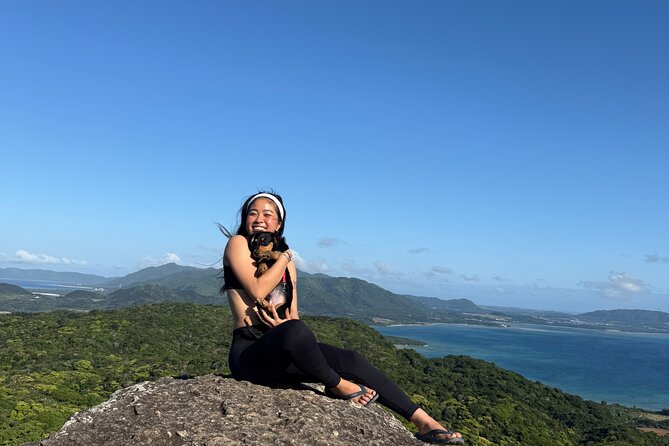
The tour begins with the Ishigaki Island Limestone Cave. You get about 30 minutes here and an admission ticket is included. This stop is built around history, plus what you can see in the minerals and how they formed over long time periods.
Why I think this is a strong opener: it sets the mental framework for the rest of the day. Ishigaki’s sea caves, rock shapes, and dramatic coastal scenes make more sense once you understand the limestone story in plain language. If you normally skip caves, this is the kind that helps you notice details fast, like the way mineral patterns hint at how the cave developed.
If you are traveling with limited mobility, keep in mind that caves can be uneven. The tour says most travelers can participate, but always use your common sense for footing and comfort.
Ishigakikanko Pineapple Mango Orchards and the pineapple queen
Next up is a short stop at Ishigakikanko Pineapple Mango Orchards for about 10 minutes. Admission is not included for this one, but the experience is still structured around a real local flavor: you meet Ishigaki’s famous pineapple queen, and she serves two variations of pineapples cut fresh from her farm.
This is not a long meal stop, so I treat it like a taste and photo moment. It is quick, but it gives you something you cannot replicate later. The fruit is tied to place and people, and you get a sense of how Ishigaki’s agriculture identity shows up in everyday life.
If you are the type who likes to linger over food, you might consider adding a separate orchard or cafe on your own after the tour. The orchard stop is designed to keep the day moving.
- Okinawa Ishigaki Island Night Starry sky and Jungle night tour★ 4.5 · 132 reviews
- Ishigaki Island: Boat Snorkeling Tour at Phantom Island★ 4.5 · 120 reviews
- Okinawa Ishigaki Kabira Bay SUP or Canoe Tour★ 5.0 · 118 reviews
- Okinawa Ishigaki Kabira Bay SUP or Canoe and Blue Cave Snorkeling★ 5.0 · 94 reviews
- [Ishigaki]Mangrove SUP/Canoe + Blue Cave Snorkeling★ 5.0 · 92 reviews
Kabira Bay: ocean views with local food and local context
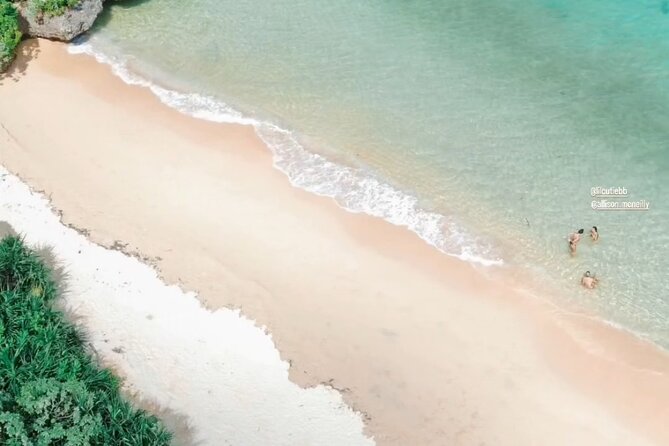
At Kabira Bay, you get about 30 minutes with admission free. The emphasis here is the ocean, local food, and history. This is one of those stops where the best advice is to slow down and look from more than one angle.
Kabira Bay works well in the middle of the tour because you have already learned the cave basics. Now you can connect what limestone and sea forces do to a coastline that looks effortless, but took time and weather to shape.
Because the tour includes mention of local food, you may want to plan to grab something simple here if it appeals. The tour itself does not include meals, so having a heads-up mindset helps you avoid hunger surprises.
Ibaruma Sabichi Cave: rock formations and how they formed
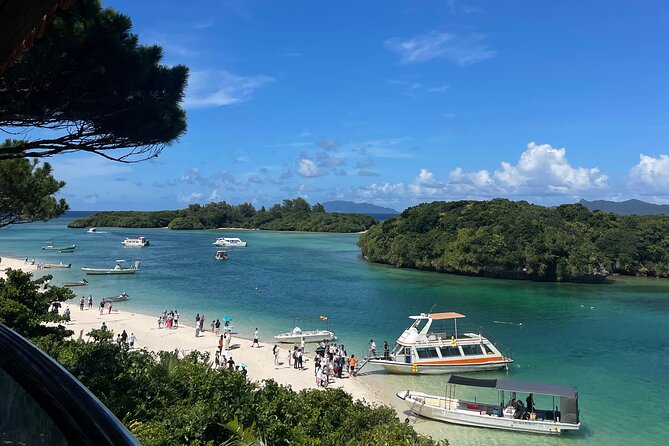
The Ibaruma Sabichi Cave comes next, again with about 30 minutes and an admission ticket included. This stop focuses on spectacular rock formations and the history of how they were created.
The value of a second cave stop is that it turns the first cave into a lesson, not just a location. You start recognizing how limestone behaves, how water and time reshape surfaces, and how different caves can show different patterns of formation. Even if you are not a geology person, Steph explains it so you can follow along without needing a textbook.
If the weather is bad, cave time can actually be a relief, since you are not standing around outside for long.
Ishigaki Yaki Kamamoto and the Shisa outdoor museum vibe
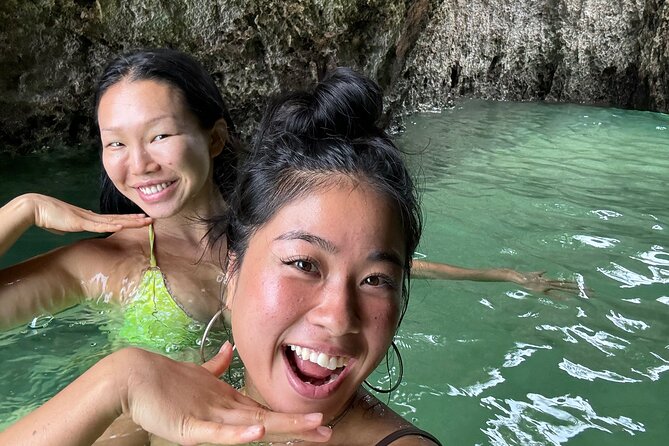
Then you head to Ishigaki Yaki Kamamoto, a Shisa place described like an outdoor museum on Ishigaki. You get about 20 minutes, and admission is free.
Shisa are Okinawan deities and related protectors, and this spot is devoted to pottery makers who dedicate space to the eccentric variations of Shisa. That word matters: you are not seeing one standard statue style. You are seeing creative expression shaped by local beliefs.
Why this works in an Ishigaki “lore” tour: you see how spiritual symbolism connects to hands-on craft. In a short day, it is easy to get stuck in only landscapes. This stop helps you switch gears from natural formations to cultural interpretation.
Ishigaki-jima Blue Cave at low tide: sea life spotting and snorkel potential
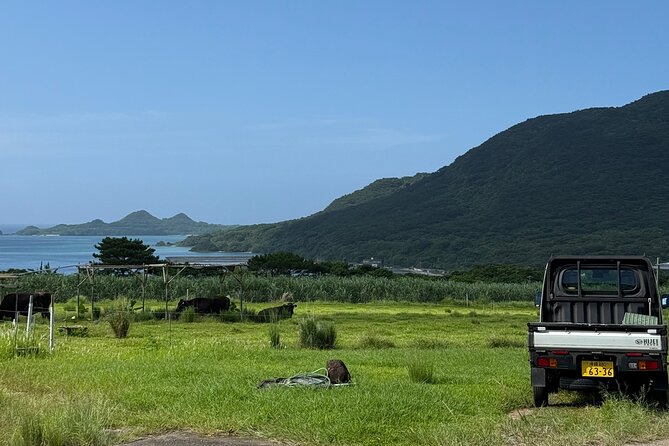
At the Ishigaki-jima Blue Cave, you get about 20 minutes and it is free. This limestone sea cave is known for gorgeous ocean views. You may also see different sea animals during low tide, and it is described as a great place to snorkel.
Here’s how to make this stop work for you. Treat it as both a viewpoint and a nature moment. If you plan to snorkel, low tide matters, but you only have what conditions you are given that day. Either way, the guiding logic is the same: the cave is about the sea’s relationship to limestone, not just a pretty photo.
Also, because it is outdoors and coastal, wind and wave conditions can affect how long you feel comfortable near the water. I like that the time block is short and planned.
Oganzaki Lighthouse: waves that feel like the island’s creation myth
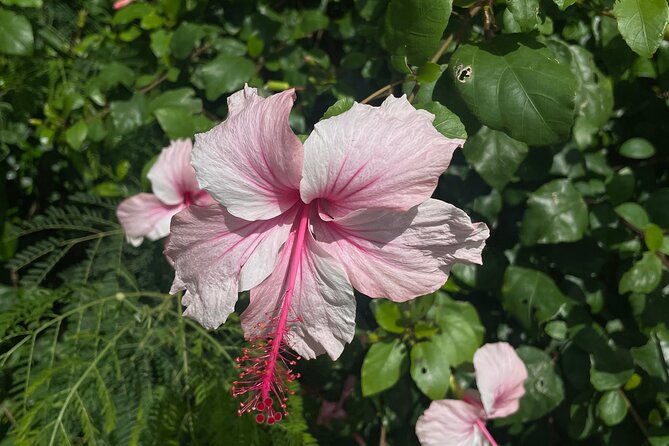
Next is Oganzaki Lighthouse for about 20 minutes, free. This lighthouse is described as breathtaking, with waves crashing against rock formations. The guide frames it with imagery about symbolizing creation, and there is a practical suggestion: if you listen closely to the sounds of the waves, it adds another layer to what you are seeing.
I love lighthouse stops when the guide helps you understand what you are actually witnessing. The sea is constantly rewriting the coastline, and at Oganzaki you can feel that force without needing big explanations.
Bring a layer if it is windy. The tour is not long here, but the coast can be cold even in mild seasons.
Emerald no Umi viewing platform: quick panoramic orientation
The Emerald no Umi o Miru Viewing Platform gives you a 10 minute panoramic look at Ishigaki. Admission is free.
This is the kind of stop that makes a big difference later, especially if the route you take means you do not see the whole island at once. A quick “map in one view” helps you understand the distances, the coastline shape, and where you have been.
If you are short on energy that day, this is also a good pause. Ten minutes is enough to reset without dragging the schedule.
Yonehara Beach reset, then Yarabudake for jungle-cliff views
You get Yonehara Beach for about 15 minutes, free. It is a chance to swim and relax. That break is one of the reasons I like this tour format. You are learning and walking, then you get water time to cool off.
After that, the tour heads to Yarabudake, described as loosely translating to troll’s nose. You get about 15 minutes here and the plan is to hike up the mountain for a snapshot of Ishigaki’s lush jungle vibe, plus breathtaking cliff views.
This section is where you should match the activity to your comfort. The tour keeps it short, but it is still a hike. If you have limited hiking stamina, you might find the best value comes from taking it slow and focusing on the viewpoint aspect.
Tamatorizaki Observatory and Satake Yaeyama Palm Trees Museum
The day finishes with two smaller nature and viewpoint stops.
At Tamatorizaki Observatory, you get about 15 minutes, free. This place gives the lay of the land, essentially a “how everything fits” view. The tour notes that Tamatorizaki can pair with visiting a bakery along the ocean, if you want.
Then there is Satake Yaeyama Palm Trees Museum for about 10 minutes, free. This is focused on native palm trees found only on these islands. It is a compact stop, but it satisfies the ecology angle of the tour without turning the day into a long botanical lesson.
If you have limited time, these two together help you end on a grounded sense of place. Views at the end make earlier stops feel more connected.
Price and value: what $156.77 buys you on Ishigaki
At $156.77 per person, you are paying for an experience designed around a short window and a customized route. The tour includes an air-conditioned vehicle and your guide, and two key admission-ticket stops are included, the limestone caves at the start and mid-day.
Not included: meals and alcoholic beverages. That is typical, but it is worth planning for. With a tour like this, I recommend you eat before you start if possible, or decide where you want to grab something between stops like at Kabira Bay.
The value also comes from the human part. Steph is a native English speaker, and the day is shaped around your interests. That is the difference between seeing five or six places and actually understanding what you are looking at when you are there.
There is also pickup offered, and you can choose your pickup location. That can save real time, especially on an island where your next stop might be far from where you are starting.
Who this tour fits best (and who should skip it)
This is a great fit if you want a story-driven tour that links nature, culture, and local meaning. If you like asking why something exists, or you enjoy learning how a landscape connects to local beliefs, you will probably click with this format.
It also works well for people who prefer efficient time use. The stops are not giant marathons. You get short, focused windows, with breaks like the beach and viewpoint stops built into the schedule.
You might skip this tour if you only want pure lounging time, because the itinerary does include active viewing and one hiking segment. Also, if you dislike cave environments or have strong mobility concerns, you may find the physical aspects harder.
Weather matters more than you think
This experience requires good weather. If it gets canceled due to poor weather, you are offered a different date or a full refund. That tells you something practical: much of the day is coastal and outdoor.
When you book, I treat it like planning for Ishigaki conditions, not your home conditions. Layers help, especially if it is windy near the water. If you are the type who wants full control, you might keep your next-day plans flexible too, just in case.
Should you book Spirit of Ishigaki with Steph?
If you want a half-day that actually teaches you Ishigaki, yes. This tour turns limestone, sea caves, Shisa craft culture, and palm ecology into one connected narrative, without dragging you through a long schedule. The guide’s native English skill, the pickup flexibility, and the tight stop timing make it a solid choice when you want maximum understanding per hour.
If you mainly want a low-effort drive-by sightseeing tour, look elsewhere. But if you like the idea of learning what you see and getting real local flavor, this is the kind of experience that makes the island stick in your head.
FAQ
How long is the Spirit of Ishigaki tour?
The tour runs about 4 to 5 hours (approx.).
Is pickup included, and can I choose where I get picked up?
Pickup is offered, and your tour customization starts with the pickup location of your choosing.
Is this tour private?
It is a private tour/activity, and only your group participates. It may be semi-private if specified or agreed upon.
What is included in the tour price?
The tour includes an air-conditioned vehicle. Some stops include admission tickets, but meals and alcoholic beverages are not included.
Which stops include admission tickets?
Admission tickets are included for the Ishigaki Island Limestone Cave and the Ibaruma Sabichi Cave. Admission is not included for the Ishigakikanko Pineapple Mango Orchards.
Is the Blue Cave stop good for snorkeling?
Yes, the Ishigaki-jima Blue Cave is described as a great place to snorkel, and sea animals may be visible during low tide.
What happens if the weather is poor?
This experience requires good weather. If it is canceled due to poor weather, you will be offered a different date or a full refund.
Is there a mobile ticket?
Yes, the tour uses a mobile ticket. Confirmation is received within 48 hours of booking, subject to availability.
Okinawa, Island by Island




Newest Ishigaki write-ups from the Loving Japan desk



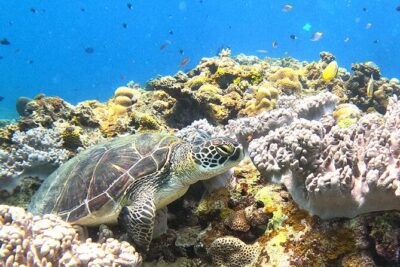
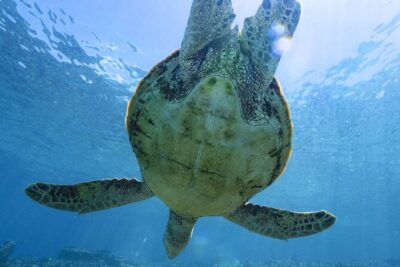
Okinawa Islands and Beaches, side by side.
 ★ 5.0Official Street Go-Kart Tour – Okinawa ShopFrom $36699 reviews
 ★ 4.4Naha: North Okinawa Sightseeing Tour & Churaumi AquariumFrom $50472 reviews
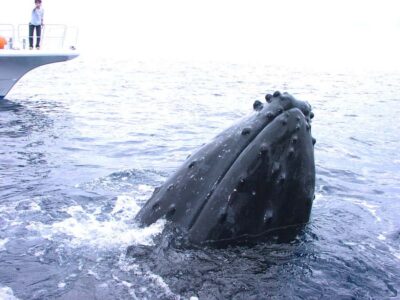 ★ 4.4From Naha: Kerama Islands 1-day snorkeling tourFrom $81423 reviews
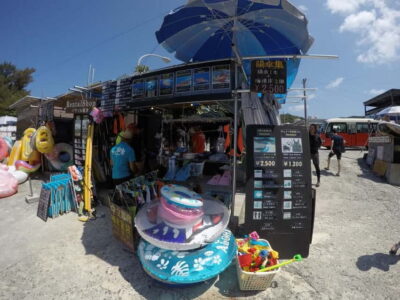 ★ 4.3From Naha: Tokashiki Island Day Trip by BoatFrom $58385 reviews
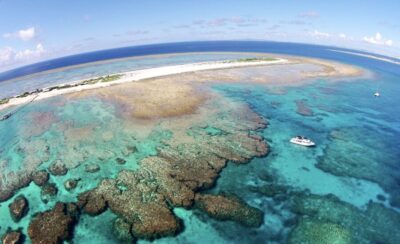 ★ 4.7Naha, Okinawa: Keramas Island Snorkeling Day Trip with LunchFrom $70370 reviews
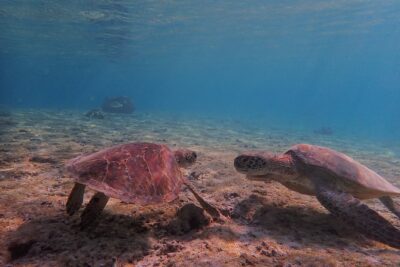 ★ 5.0[Miyako Island/Half Day] Sea Turtle SnorkelingFrom $45337 reviews
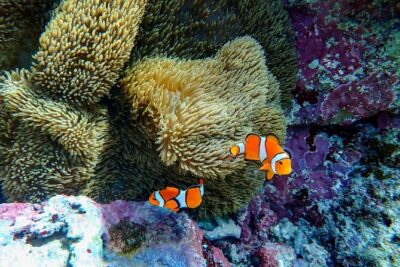 ★ 5.0Okinawa Ishigaki Blue Cave Snorkeling TourFrom $45332 reviews
 ★ 4.5Snorkeling in the Blue Cave area【Okinawa Prefecture: Free feeding & photo images!English and Chinese speaking guide available!From $19249 reviews
Filed on these lists too