
REVIEW · NIKKO SHRINES AND WATERFALLS
Nikko Private Custom Tour with Local Guide
Cedar trees, gold carvings, and a guide who connects the dots. This Nikko private custom tour takes you through Japan’s most eye-catching shrine complex at a relaxed walking pace. You’ll focus on Nikko Toshogu Shrine on Honshu, then weave in nearby highlights that most people miss.
What I like most is the way the tour turns big sights into clear stories. Your guide ties the shrine’s details to the Edo period, including why a Shinto-Buddhist blend shows up so naturally in the architecture and symbolism.
The other thing I like is the flexibility for your day. You can see the main Nikko icons and also add one quieter stop around the area, while staying on track for a 6-hour visit. One consideration: entrance fees, lunch, and some transportation costs are not included, so budget a bit beyond the tour price.
In This Review
- Key takeaways
- Why a private English guide changes Nikko fast
- The main event: Nikko Toshogu Shrine and the Gate of Sunlight
- Five-story Pagoda, Sleeping Cat, and the Three Wise Monkeys
- Rinnoji Temple: the gold-lacquered Buddha statues
- Futarasan Shrine: Nikko’s mountain deities
- Kegon Falls and Lake Chuzenji: the nature reset
- The “hidden” side of Nikko, without the guesswork
- Value and price: what $214 per person gets you
- Who this Nikko tour suits best
- Quick planning checklist for your 6-hour day
- Should you book this Nikko Private Custom Tour?
- FAQ
- How long is the Nikko private custom tour?
- What is the price for this experience?
- Is the tour private or shared?
- What language is the guide?
- What does the tour include?
- What is not included in the tour price?
- What is the cancellation policy?
Key takeaways
Nikko Toshogu Shrine is the star, with explanations tied to Tokugawa Ieyasu and the Edo period.
You get pointed time at the Yomeimon Gate, plus iconic carvings like the Sleeping Cat and Three Wise Monkeys.
A private walking approach helps you slow down for details instead of just passing through.
The day can include Rinnoji Temple, Futarasan Shrine, Kegon Falls, and Lake Chuzenji.
You can tailor the route at booking, but you’ll still pay separate entrance fees and some costs for yourself.
Up into the Nikko hills by another route
- Nikko Full-Day Private Tour with Government-Licensed Guide
★ 5.0 · 259 reviews - Nikko – Beautiful Full-Day Personal and Private Tour
★ 4.9 · 119 reviews - Nikko Heritage & Nature Day Trip from Tokyo
★ 4.8 · 94 reviews - Tokyo: Nikko Private Customize Tour English Driver & Guide
★ 5.0 · 70 reviews
Why a private English guide changes Nikko fast
Nikko can feel like a lot at once. You arrive for Tokugawa Ieyasu’s shrine, but you quickly realize the place is also a showcase of politics, religion, and craft. Having an English speaking local guide matters because you do not just look at carvings. You learn what they’re doing there, and that makes the whole shrine complex click.
This is a private group tour, which means the pacing is yours. The goal is a calm walking tour through the main sites, with time for one less hectic stop depending on what you want to prioritize. That flexibility is especially useful when you’re mixing culture stops (shrines and temple) with nature stops (falls and lake).
Also, you’re not locked into a fixed script. The itinerary is customize-able, so you can adjust emphasis, like spending longer on the Toshogu details or giving more time to nearby temples and scenery.
The main event: Nikko Toshogu Shrine and the Gate of Sunlight
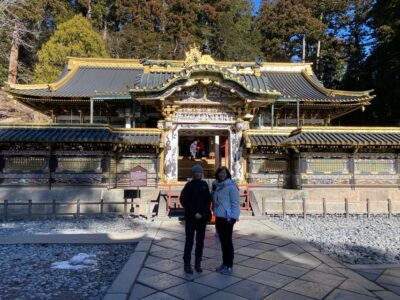
Your day centers on Nikko Toshogu Shrine, a UNESCO World Heritage Site and one of Japan’s most lavishly decorated shrine complexes. It is dedicated to Tokugawa Ieyasu, the founder of the Tokugawa shogunate, which ruled Japan for over 250 years. The shrine complex dates to 1617, so you’re looking at a space built to project power, reverence, and status.
The first big impression is how the shrine sits in a forest of ancient cedar trees. It feels hushed and shaded, which helps your eyes adjust from outside the site to the details that fill the buildings. And those details are not just decoration. The shrine is known for blending Shinto and Buddhist elements, reflecting the syncretism of the period, when different religious traditions were often mixed in real life.
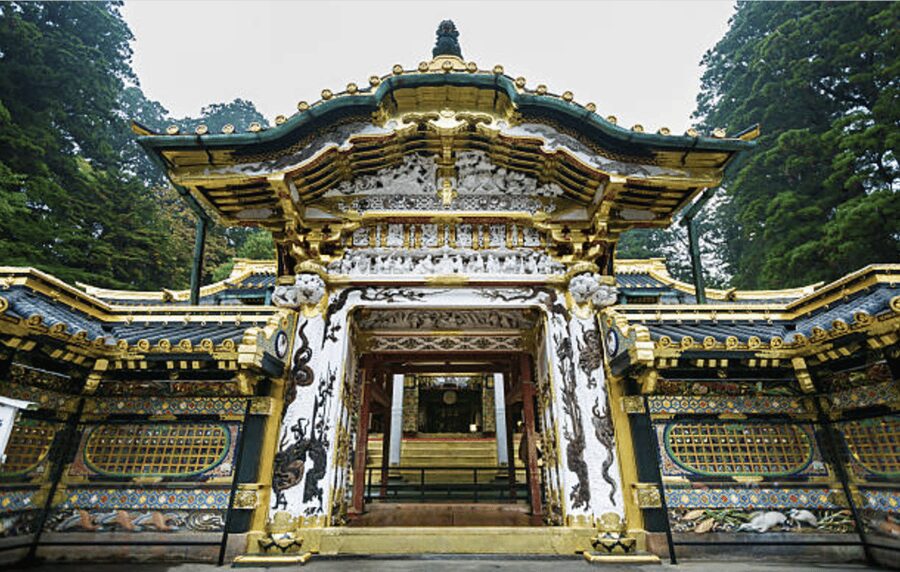
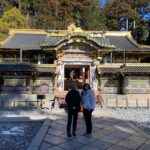
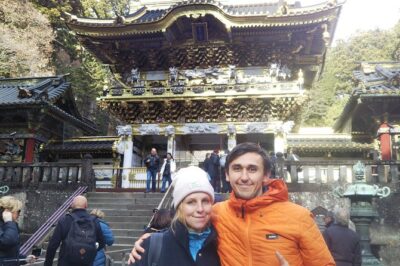
One highlight to plan for is the Yomeimon Gate, known as the Gate of Sunlight. It is famous for more than 500 carvings. You’ll see mythical creatures, flowers, and sages worked into the design. This is the kind of place where a guide helps you slow down and notice what you might otherwise miss, like how the carving themes reinforce the shrine’s message rather than simply show off artistic skill.
Practical tip: treat your time at the Yomeimon Gate like a mini photo session plus a mini lesson. It’s easy to take one glance and move on, but the value here is in the second and third look when the symbolism becomes clearer.
Five-story Pagoda, Sleeping Cat, and the Three Wise Monkeys
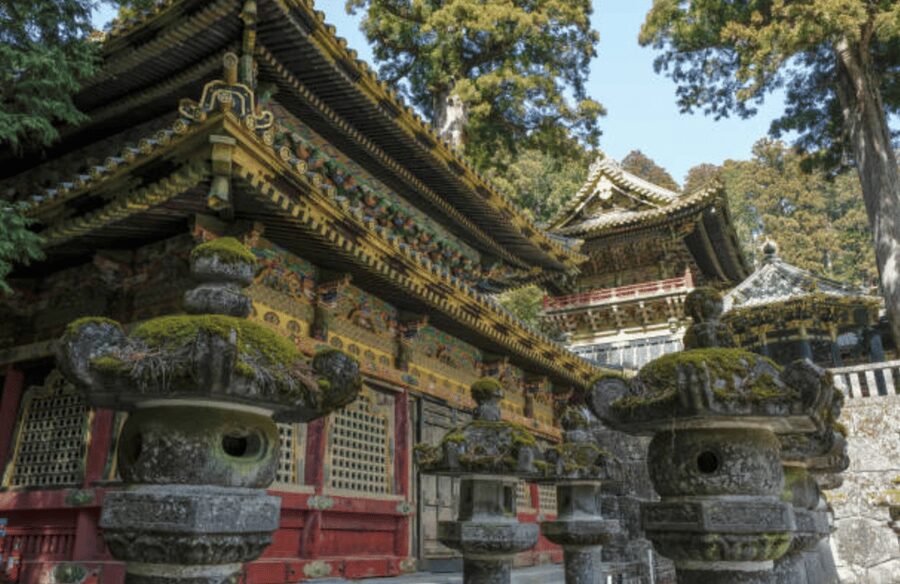
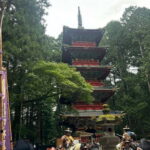
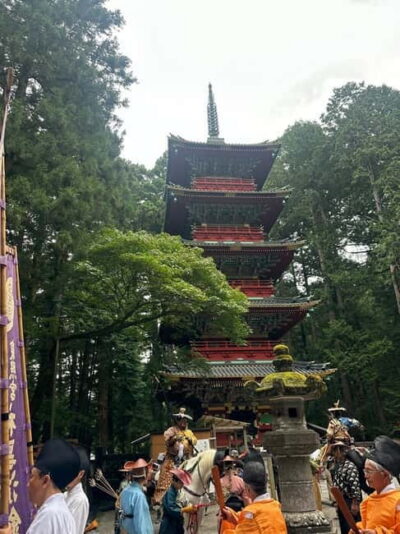
After the Gate of Sunlight, the shrine grounds keep delivering standout moments. The Five-Story Pagoda is one of the big visual anchors. It’s often noticed for its vibrant red color and careful embellishment, and it also gives you a sense of the Edo period’s architectural elegance.
Then comes the kind of detail you really need a guide to point out: the Nemuri-neko, also called the Sleeping Cat. It sits above the Kuguri-mon Gate. The carving is associated with peace and tranquility, and that tone is a useful counterpoint to the shogunate’s image of authority. In other words, the shrine is not only about power. It’s also about how people wanted the world to feel.
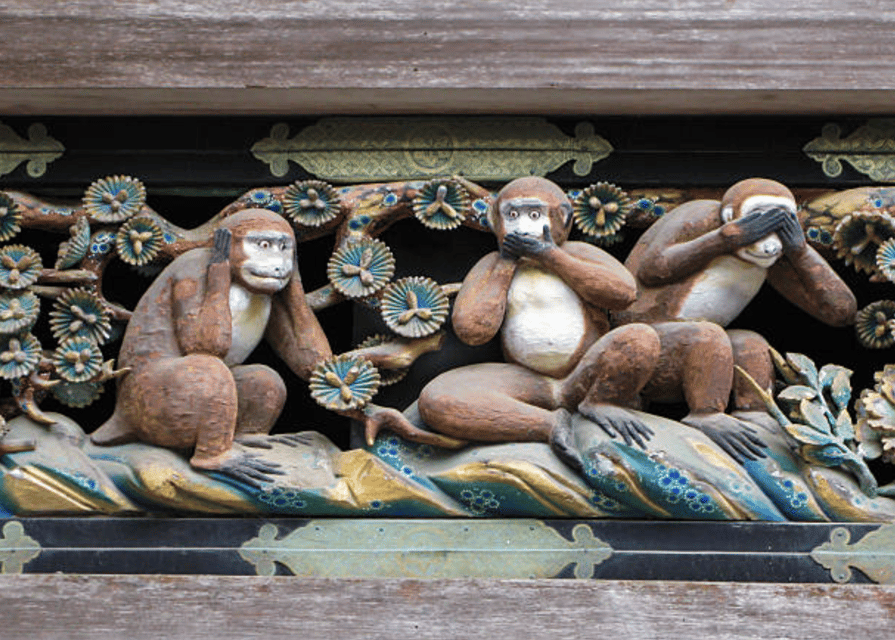
Another icon is the Three Wise Monkeys. You’ll see the classic theme of see no evil, hear no evil, speak no evil. In Nikko Toshogu, those figures symbolize an ethical code connected to the Edo period. A good guide will connect the monkeys to the larger idea of moral behavior, not just the familiar pose.
Why this matters for you: if you’ve ever walked through a decorated site and felt like you’re trying to understand it with only your own guesswork, this tour format helps. You get a guided lens. The carvings stop being random and start behaving like a message.
- Nikko: Private Walking Tour with Local Guide★ 4.8 · 35 reviews
Rinnoji Temple: the gold-lacquered Buddha statues
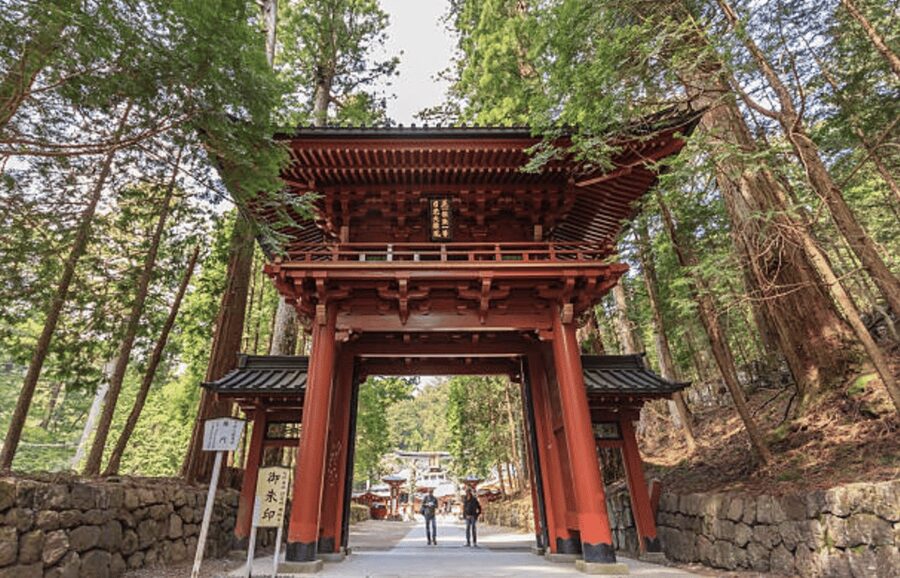
To keep your day well-rounded, the tour can include stops near Toshogu, including Rinnoji Temple. Rinnoji is known for three large gold-lacquered wooden statues of the Buddha. That description alone tells you what to expect visually: impressive mass, warm gold color, and a strong sense of presence.
This stop works well because it shifts the focus a bit. Toshogu is about Ieyasu and the shogunate’s shrine complex. Rinnoji adds a temple perspective, letting you see Nikko as more than one monumental site. With an English speaking guide, the significance of the statues is easier to grasp, instead of feeling like you’re just reading signs.
Practical tip: keep your pacing steady. Gold-lacquered works can be dazzling, and it’s easy to overshoot into fatigue. Slow down, look from a distance first, then closer, and you’ll get a better sense of form and craft.
Futarasan Shrine: Nikko’s mountain deities
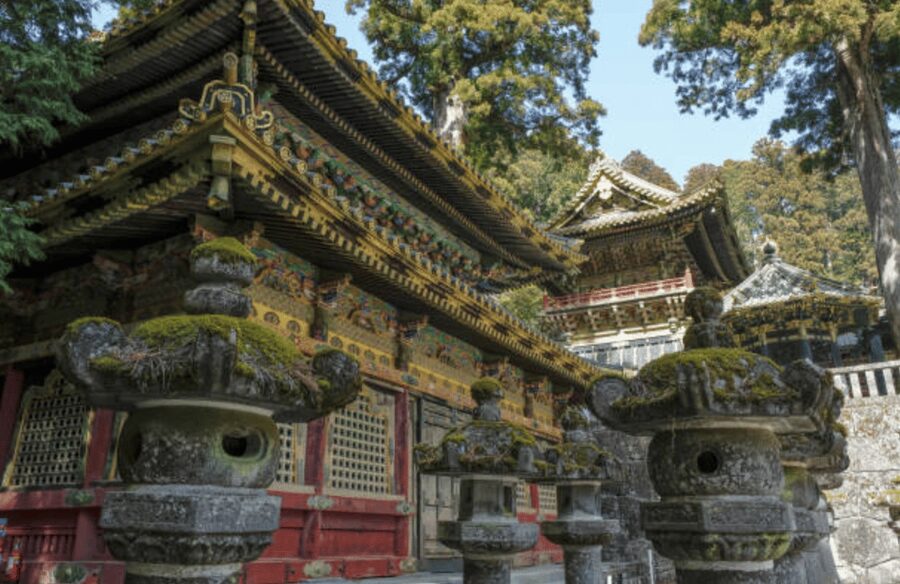
Another optional but closely aligned cultural stop is Futarasan Shrine, dedicated to the deities of the Nikko mountains. This is the kind of stop that adds spiritual context to the scenery. Even if you are mainly there for Toshogu, Futarasan helps you understand why Nikko is treated with reverence beyond any single historical figure.
For many people, this is where Nikko feels more personal. You go from grand shogunate visuals to a shrine tied to the natural world around it. If your guide is good at tailoring the route, you can make this stop fit your interests, either as a calm pause between big icons or as a focused cultural stop right after Toshogu.
Kegon Falls and Lake Chuzenji: the nature reset
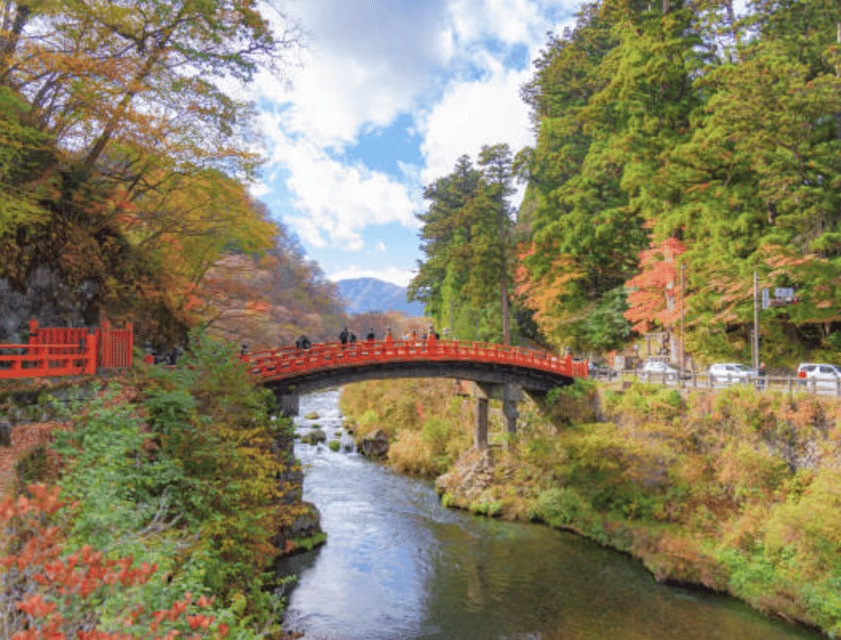
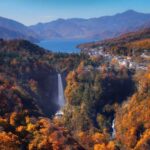
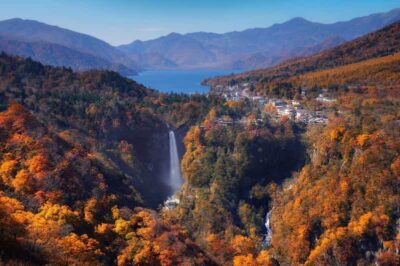
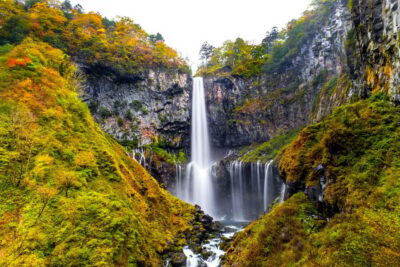
Not all of Nikko is about buildings. If your route includes them, Kegon Falls and Lake Chuzenji give you a nature reset that helps the day feel complete. These are popular scenic stops, and they work as a counterweight to the carvings and architecture.
Kegon Falls are a strong visual anchor in the Nikko area, and Lake Chuzenji adds a more open, atmospheric contrast after shrine interiors. The best part is how the day sequencing can help. Once you’ve spent time understanding the Edo period symbolism, nature scenery feels less random. It becomes part of the same Nikko story, where people historically linked sacred space with the mountains.
If you care about photos: plan to spend a little longer than you think at the viewpoints. You want time for the change in light and for your eyes to adjust from bright details to wider views.
The “hidden” side of Nikko, without the guesswork
The experience is described as including the main sites plus a quieter stop. Since the exact hidden option can vary based on customization, treat this as flexible time with guidance, not a fixed mystery.
Here’s how to make that time work for you:
- Tell your guide what you like most, carvings, temple statuary, or scenery.
- Ask for one stop that supports that preference instead of adding one more rushed attraction.
- Use the guide’s suggestions to choose depth over checking boxes.
You’ll likely get more value out of this extra stop when you keep your expectations realistic. It’s not going to replace Toshogu. It’s meant to round out the day and give you a different angle on Nikko.
Value and price: what $214 per person gets you
At $214 per person for 6 hours, this is a private experience with an English speaking local guide and a walking focus. That price includes the structure that saves you energy and time, like having someone plan the flow, interpret the symbolism, and adjust your route.
Here’s the value logic that matters:
- Private guide time is what you’re paying for, not just access to sites.
- You’re getting context for major icons like the Yomeimon Gate and the Sleeping Cat carving, which can be hard to fully grasp on your own.
- Customization helps you match the tour to your interests, rather than forcing you to accept someone else’s priorities.
What you should budget for separately is clearly stated: entrance fees, transportation fees for yourself, and lunch for yourself. Also, guide-related expenses during the tour and private transportation are listed as not included. One practical takeaway: even if private transport is mentioned as part of comfort options in the broader tour description, the cost details are still your responsibility unless your specific booking confirms otherwise. I’d plan on extra out-of-pocket spending beyond the base price.
Time-wise, 6 hours is a solid half day. You should expect walking and steady movement. The tour is designed for a walking tour, so comfortable shoes matter.
Who this Nikko tour suits best
This tour fits best if you want:
- A private experience with an English speaking guide who can explain what you’re seeing.
- A focus on Nikko Toshogu Shrine and the major carvings, including Yomeimon Gate and key symbols tied to Edo culture.
- A blend of culture and scenery, since nearby options can include Rinnoji Temple, Futarasan Shrine, Kegon Falls, and Lake Chuzenji.
- Flexibility to shape the day through customization, including a quieter stop.
It may not be ideal if you prefer a self-guided pace and you enjoy reading on your own without a guide. Also, if you have a tight budget that cannot stretch to entrance fees and meals, you’ll want to account for those added costs upfront.
Quick planning checklist for your 6-hour day
Bring what makes walking comfortable, because this tour is built around walking. Plan for separate entrance fees and have some cash or card ready. Since lunch is not included, decide in advance whether you’ll grab something simple nearby or bring a plan that does not slow you down.
Also, be ready to spend time on details. The best parts here are not just the big names. They’re the carvings and symbolic elements that take a little time to register.
Should you book this Nikko Private Custom Tour?
I think this is a strong choice if Nikko Toshogu Shrine is your top priority and you want the day explained in clear English. The combination of a private, customizable route and guided interpretation of the Edo period symbolism makes the experience more rewarding than doing this area as a quick stop.
Book it if you want value from your time, not just access to famous places. If you’re comfortable paying extra for entrance fees, lunch, and any transportation costs for yourself, the $214 per person price starts to look fair for the amount of guide attention you get over a full 6-hour walking tour.
If you want to see Nikko mainly as scenery with minimal talking, you might prefer a lighter format. But if you want to walk out understanding why the Gate of Sunlight has those 500 plus carvings, why the Sleeping Cat matters, and how the Three Wise Monkeys connect to behavior in the Edo period, this is the right style of tour.
FAQ
How long is the Nikko private custom tour?
The tour lasts 6 hours.
What is the price for this experience?
The price is $214 per person.
Is the tour private or shared?
It is a private group tour.
What language is the guide?
The guide is an English speaking local guide.
What does the tour include?
It includes a private tour, a walking tour, an English speaking local guide, and a customizable itinerary.
What is not included in the tour price?
Entrance fees, transportation fees for yourself, lunch for yourself, guide’s necessary expenses during the tour, and private transportation are not included.
What is the cancellation policy?
Free cancellation is available up to 7 days in advance for a full refund.
Nikko, Up the Hill
Newest Nikko write-ups from the Loving Japan desk
Nikko Shrines and Waterfalls, side by side.
 ★ 4.6Nikko: Kegon Falls, Lake Chuzenji & Toshogu TempleFrom $891,577 reviews
 ★ 4.5Nikko Toshogu Shrine and Kegon Waterfall TourFrom $841,266 reviews
 ★ 5.0Nikko Full-Day Private Tour with Government-Licensed GuideFrom $155259 reviews
 ★ 4.9From Tokyo: Nikko World Heritage Site Private Full-Day TripFrom $483243 reviews
 ★ 4.3Nikko: Edo Wonderland Edomura Cultural Theme Park TicketFrom $35205 reviews
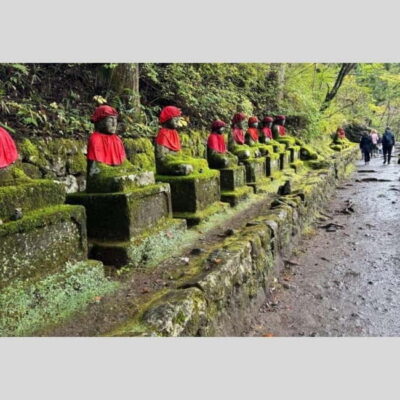 ★ 4.8Nikko World Heritage Private Day Trip Hotel Pick-upFrom $390145 reviews
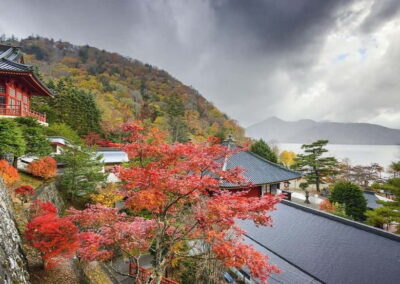 ★ 4.9Nikko – Beautiful Full-Day Personal and Private TourFrom $364119 reviews
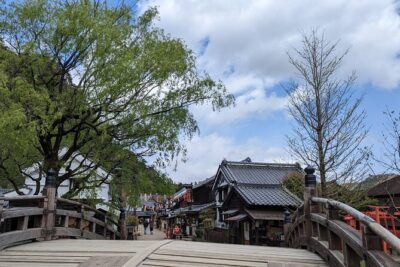 ★ 5.0Chartered Private Tour – Tokyo to Nikko, Toshogu, Edo WonderlandFrom $1,286105 reviews
Filed on these lists too