
REVIEW · NIKKO SHRINES AND WATERFALLS
Nikko Full-Day Private Tour with Government-Licensed Guide
Nikko gets way easier when you stop guessing. This private full-day tour in Nikko lets you tailor a 3 to 4 stop route around what you actually care about, from Tosho-gu’s ornate carvings to Lake Chuzenji’s calm. I like that you’re traveling with a government-licensed English-speaking guide and that the itinerary has no fixed script. The main tradeoff is practical: it is a walking-focused day, and you’ll need cash for local rides plus you should expect some sites to charge separate entrance fees.
For logistics, you make your own way to Nikko and meet your guide near Nikko Station within a designated area on foot. There may be pickup options, but the safest plan is to be ready to connect on foot and move promptly once you meet. If you want a more relaxed pace than big group buses, this format fits well, as long as you’re comfortable hopping between sights efficiently in 6 hours.
You’ll also get the kind of travel help that matters in Japan, pre-trip communication and on-the-ground timing. In the same day, you can stack UNESCO-ranked shrines, dramatic waterfalls, and viewpoint stops without feeling lost, especially with guides like Yumi, Yoko, Yoshii, Ichiro, or Taka who have been praised for planning ahead and adjusting when conditions change.
In This Review
- Key things to know before you go
- Why this Nikko tour beats a do-it-yourself scramble
- Meeting at Nikko Station, pacing for a 6-hour day
- How customization works when you pick 3 to 4 sites
- Nikko Tosho-gu, where the Tokugawa story becomes sculpture
- Kegon Falls and the Lake Chuzenji connection
- Senjogahara Field for myth, plus a break from big crowds
- Taiyū-in mausoleum and Rinnōji Temple for deeper Nikko context
- Tamozawa Imperial Villa and Kanmangafuchi Abyss for contrast
- Shinkyo Bridge, Futarasan Shrine, and Nikko’s “first impression”
- Botanical Garden, Kirifuri Waterfall, and Kanaya Hotel History House
- Akechidaira Plateau and the ropeway viewpoint payoff
- Price and logistics: what $155.86 gets you, and what it does not
- Best fit: who this private Nikko tour is for
- Should you book this Nikko private tour?
- FAQ
- Where do we meet the guide?
- How many sights will we see?
- Are entrance fees included?
- What about transportation and lunch?
- Is this a private tour?
- Can the itinerary be customized?
- Can I cancel and get a full refund?
Key things to know before you go
- A truly private, on-foot meeting style: meet near Nikko Station within a designated area and only your group participates
- Pick 3 to 4 stops from a strong shortlist: Nikko Tosho-gu, Kegon Falls, Lake Chuzenji, Senjogahara, and more
- No fixed route, route is flexible: your guide builds the day around your interests instead of forcing a rigid loop
- Cash matters for local transport: public transit and taxis are part of the plan, and entrance fees are not fully included
- Guides handle timing and adjustments well: you’ll see calm handling of weather and schedule shifts in how the day is run
- Seasonal nature upgrades the day: snow at the shrines, autumn colors, and waterfall views can make the same route feel totally different
Up into the Nikko hills by another route
- Nikko Full-Day Private Tour with Government-Licensed Guide
★ 5.0 · 259 reviews - Nikko – Beautiful Full-Day Personal and Private Tour
★ 4.9 · 119 reviews - Nikko Heritage & Nature Day Trip from Tokyo
★ 4.8 · 94 reviews - Tokyo: Nikko Private Customize Tour English Driver & Guide
★ 5.0 · 70 reviews
Why this Nikko tour beats a do-it-yourself scramble
Nikko can be overwhelming fast. Between the shrine complex crowding and the sheer number of meaningful sites, it is easy to spend your day walking around with a half-formed plan.
This private setup fixes that by giving you two things most DIY trips miss. First, you get interpretation that turns carvings and mausoleums into stories you can actually follow. Second, you get timing, meaning you use the hours efficiently and don’t burn them figuring out which bus or where the line starts.
The possible downside is simple: you only have room for 3 to 4 chosen attractions in about 6 hours. If your goal is to tick off everything on your wish list, you’ll probably want either a second day or a different plan.
Meeting at Nikko Station, pacing for a 6-hour day
Your base plan is straightforward. You travel to Nikko on your own, then meet your guide on foot near Nikko Station within the designated meeting area.
From there, it is a walking-focused experience. Some segments are short, but you’re still moving from stop to stop, and you should wear comfortable shoes and plan for stairs or uneven ground around shrines and scenic trails.
Also, think cash and tickets. The tour price covers the guide and the guided experience, not your transport rides, entrance tickets, or lunch. If you’re budgeting, I strongly suggest keeping extra cash on hand for buses or taxis, plus enough for any paid sites you choose.
How customization works when you pick 3 to 4 sites
This tour does not force a fixed itinerary. Instead, your guide customizes the route based on your interests, choosing from the selection of possible stops.
That flexibility is exactly what you want in Nikko because different travelers prioritize different things:
- shrine architecture and Tokugawa-era symbolism
- nature drama, waterfalls, and lakes
- quiet scenic walks with viewpoint payoff
- a mix of everything in one day
The selection you were offered includes everything from Tosho-gu and Rinnōji Temple to Kegon Falls, Lake Chuzenji, and Kanmangafuchi Abyss. Practically, this means you can build a day that fits your energy level, for example combining one major shrine complex with one or two nature stops.
One caution: admission ticket inclusion depends on the site. Some stops are listed as ticket-free, while others require you to buy tickets separately.
Nikko Tosho-gu, where the Tokugawa story becomes sculpture
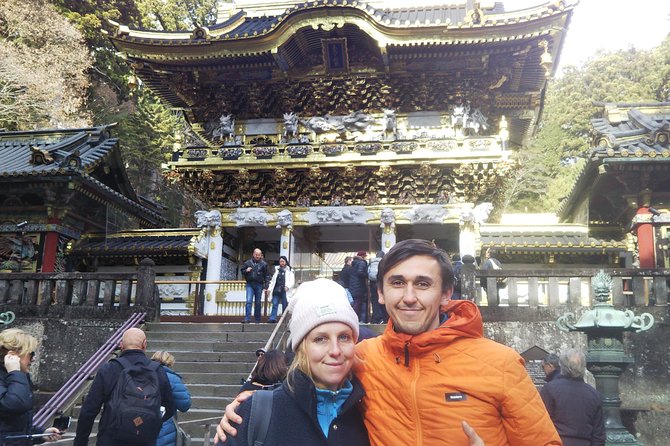
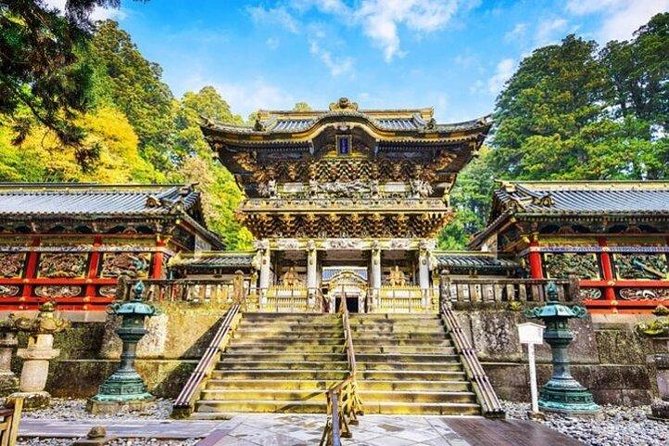
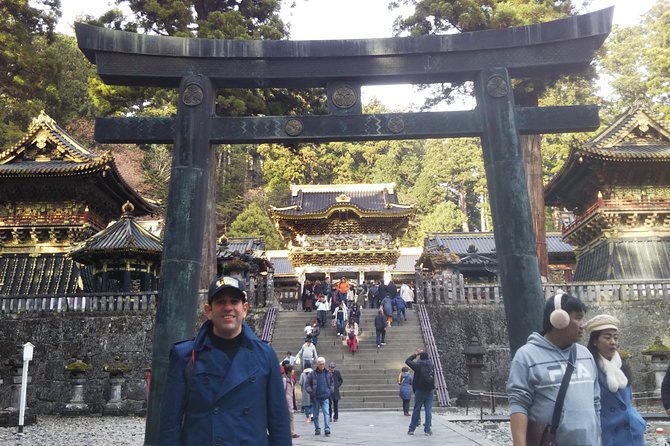
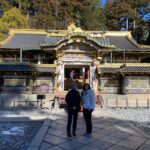
If you choose only one big shrine stop, Tosho-gu is usually the anchor. You’ll spend about 30 minutes here, focusing on the final resting place of Tokugawa Ieyasu, founder of the Tokugawa Shogunate, plus nearby shrines and temples.
What makes Tosho-gu worth your time is that it is not just a single building. It is a whole complex of symbolism and style, and the guide’s job is to help you read what you’re seeing instead of just admiring gold details.
Practical tip: this stop is often the most visually intense, so it helps to go in with one or two questions in mind. For example, ask what features relate to Tokugawa power or why Nikko is treated as sacred ground.
Kegon Falls and the Lake Chuzenji connection
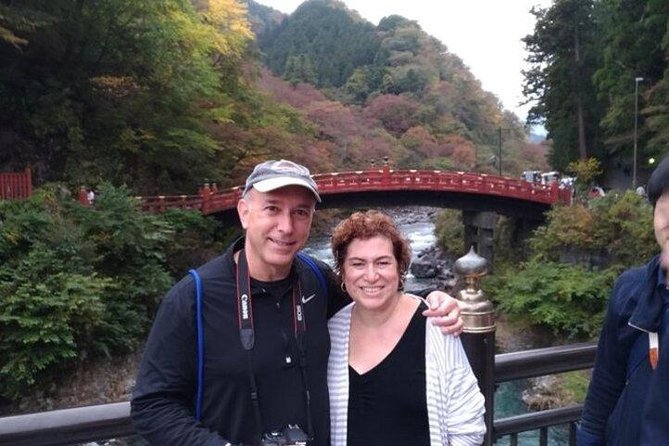
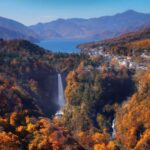
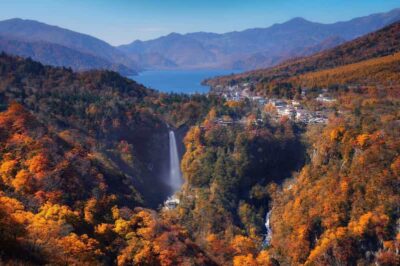
Kegon Falls is short and dramatic. You get about 15 minutes at the falls, where water from Lake Chuzenji drops roughly 97 meters straight down.
There is also a special lift for visitors, which matters because it changes the viewpoint experience. Even with limited time, you get a clearer angle on the waterfall than you would just by wandering around.
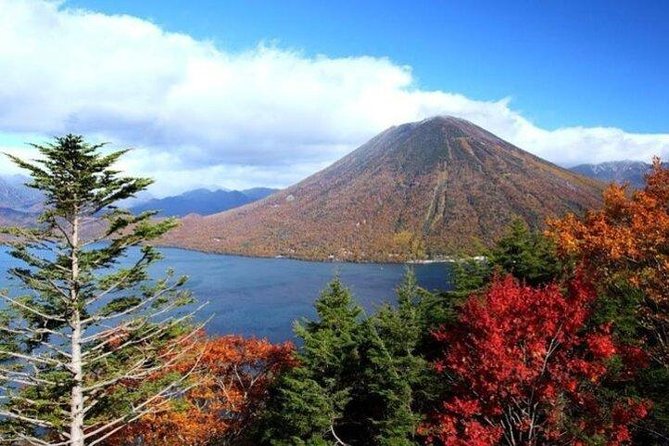
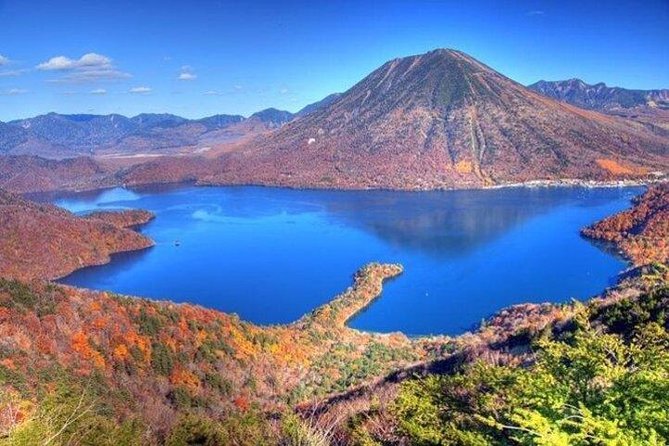
A very smart pairing is Kegon Falls with Lake Chuzenji. Lake Chuzenji is the largest lake in Tochigi, framed by about 25 kilometers of nature, and the visit slot is about 15 minutes. From the way Nikko’s history is described in this area, the lake also connects to a past era when it was a popular summer resort for foreigners in the late 19th to early 20th centuries.
One practical note: Kegon Falls and the surrounding area can feel weather-dependent. If it’s rainy or freezing, your guide may shift the order to keep you comfortable and keep time for the best viewing windows.
Senjogahara Field for myth, plus a break from big crowds
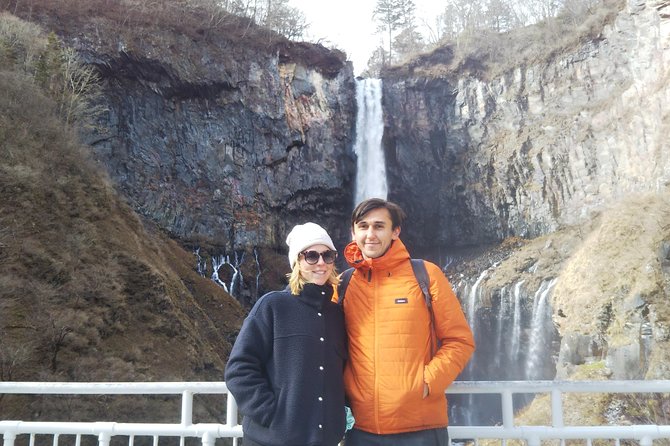
Senjogahara Field is listed as free and about 15 minutes. The name refers to a battlefield, tied to a myth about gods from Mount Nantai and Mount Akagi fighting over neighboring lakes.
Even if you are not a myth person, this stop works because it changes the tone of the day. You move away from grand shrine details and get a more open-feeling site, where nature and legend share the same space.
It is also a good reset if your group needs a breather before another more enclosed or structured stop.
Taiyū-in mausoleum and Rinnōji Temple for deeper Nikko context

Two more Tokugawa-adjacent stops round out the cultural side.
Taiyū-in, the mausoleum of Iemitsu, the third Tokugawa shogun, is about 30 minutes and not ticket-free. The complex is described as lavish and similar in layout to nearby Toshogu Shrine, which gives you an easy way to compare styles across Tokugawa generations.
Then there is Rin’nōji Temple, about 30 minutes. It is Nikko’s most important temple, founded by Shodo Shonin, the monk associated with bringing Buddhism to Nikko in the 8th century. Again, the guide’s value is in helping you connect the dots between shrine and temple spaces, and why Nikko is treated as both sacred and historically layered.
What I like about this pair is that you’re not just seeing one type of religious architecture. You see how the day can balance Shinto shrine power symbolism with Buddhist temple significance.
Tamozawa Imperial Villa and Kanmangafuchi Abyss for contrast
After the shrine-and-temple intensity, this is where Nikko can feel more human and scenic at the same time.
Tamozawa Imperial Villa Memorial Park is about 30 minutes. It blends traditional Edo and early Meiji-era architecture, and the villa was erected in Nikko in 1899. The important part for you is variety: you’re seeing Nikko as a place of comfort and state life, not only sacred drama.
Then Kanmangafuchi Abyss is listed as free and about 30 minutes. It is a short gorge formed by a Mount Nantai eruption, and you enjoy it from a riverside walking trail. If you want a stop that feels active but not strenuous, this one often hits the right note.
This is also an easy spot for photos because you can slow down and look at the gorge from the trail without feeling rushed.
Shinkyo Bridge, Futarasan Shrine, and Nikko’s “first impression”
Many people think of Shinkyo Bridge first, and that’s for a reason. Shinkyo Bridge stands at the entrance to the shrines and temples area and belongs to Futarasan Shrine. It is ranked among Japan’s three finest bridges, and it is free.
Time-wise, the stop is about 30 minutes. You get to see why the bridge is treated as more than a crossing, and your guide can explain the practical meaning of being at the threshold of Nikko’s sacred zone.
Futarasan Shrine itself is also part of the options list. It is much older than its more lavish neighbor, and it was founded in 782 by Shodo Shonin.
If you are choosing only one “bridge plus shrine” angle, you can often build a day that starts with Shinkyo Bridge for mood, then follows with either Tosho-gu for scale or Rinnōji for Buddhist context.
Botanical Garden, Kirifuri Waterfall, and Kanaya Hotel History House
Not every Nikko day has to be only shrines and waterfalls. You have options that add softer pacing.
Nikko Botanical Garden is about 30 minutes and not ticket-free. It is owned and maintained by the University of Tokyo, and the day’s value here is in the plant research connection. Even if you’re not a serious botanist, it gives you a calm break from major temple corridors.
Kirifuri Waterfall is listed as about 15 minutes, and not ticket-free. It is a 75-meter-high, two-tiered waterfall below the Kirifuri Highlands. This stop sits a few kilometers northeast of the temples and shrines, so it often works best when you want one strong nature hit plus a change of scenery.
Kanaya Hotel History House is about 15 minutes and not ticket-free. It’s a historical building that served as the predecessor of the celebrated Kanaya Hotel. If you like architecture and social history, this can help balance the religious sites with a story about how the area developed for visitors.
Akechidaira Plateau and the ropeway viewpoint payoff
Akechidaira Plateau is listed as free and about 15 minutes. It’s near the top of Irohazaka Slope, with sweeping views over a winding road and a dramatic mountain backdrop.
You take a ropeway up to the observation platform. That detail matters because it compresses travel time so you still get a proper viewpoint without turning the day into a hiking project.
This stop is also a smart “choose-your-own-day mood” add-on. If the weather is clear, it’s a big win for views. If it is gray or rainy, your guide can decide whether the time spent is worth it for you.
Price and logistics: what $155.86 gets you, and what it does not
At about $155.86 per person for a roughly 6-hour private experience, you are paying for planning plus interpretation. You’re not paying for transport, entrance tickets, or lunch, and that is the key financial factor to understand.
Included is the licensed local English-speaking guide, customization for 3 to 4 chosen stops, and the meet-up within the Nikko area on foot. Some sites in the option list are free, but many are marked as not included for admissions.
So the real value equation looks like this:
- If you want to understand what you’re seeing and move efficiently through Nikko, the guide value is high.
- If you already know exactly what you want, and you have the patience to navigate transport and ticketing on your own, you might save money with a DIY approach.
- For families, first-time Japan visitors, or anyone who gets stressed by transit timing, this format often feels worth it fast.
I also like that group discounts and mobile tickets are part of the setup. If you’re traveling with friends, that can make the price feel more manageable.
Best fit: who this private Nikko tour is for
This tour is a great match if:
- you want to avoid crowded tour-group pacing
- you like the idea of a guide who can adjust based on weather or your interests
- you are visiting Nikko for the first time and want a structured day without fixed itinerary pressure
- your group includes different ages, since a guide can steer the day toward what your pace can handle
It is less ideal if:
- you want to see a long list of everything in one day
- you dislike walking or quick transitions between stops
- you’re trying to avoid any extra costs beyond the tour price, because transport rides and many admissions are separate
Should you book this Nikko private tour?
Book it if you want a Nikko day that feels calm and meaningful, not frantic. This is especially smart if you care about Tosho-gu and want nature highlights like Kegon Falls, Lake Chuzenji, or Kanmangafuchi Abyss without spending hours juggling transit.
Skip it or rethink if you’re the type who enjoys building your own route start to finish, and you’re comfortable handling multiple lines, buses, and ticket timing without a guide.
FAQ
Where do we meet the guide?
You meet your guide near Nikko Station within a designated area on foot. Pickup is listed as offered, but the tour also clearly uses an on-foot meet-up.
How many sights will we see?
The tour is built around 3 to 4 attractions chosen from the available stops, with a total duration of about 6 hours.
Are entrance fees included?
Entrance fees are not included for the tour. Some specific stops are listed as free, but several others show admission ticket not included.
What about transportation and lunch?
Transportation fees and lunch are not included. Since the experience involves getting between Nikko sights, have cash ready for public transportation or taxis.
Is this a private tour?
Yes. It is a private tour/activity, so only your group participates.
Can the itinerary be customized?
Yes. There is no fixed itinerary, and the route is customizable based on your interests.
Can I cancel and get a full refund?
Yes. You can cancel up to 24 hours in advance of the experience start time for a full refund.
Nikko, Up the Hill
Newest Nikko write-ups from the Loving Japan desk
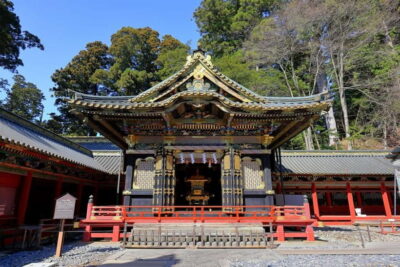
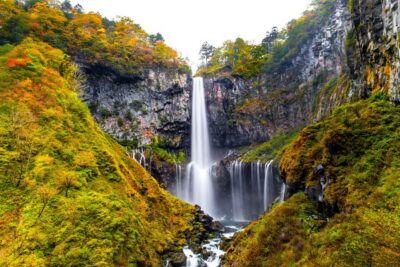
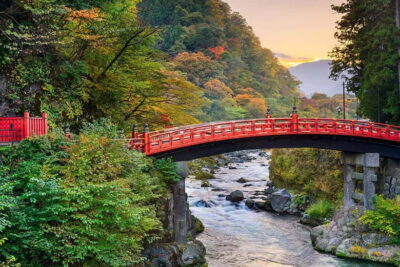
Nikko Shrines and Waterfalls, side by side.
 ★ 4.6Nikko: Kegon Falls, Lake Chuzenji & Toshogu TempleFrom $891,577 reviews
 ★ 4.5Nikko Toshogu Shrine and Kegon Waterfall TourFrom $841,266 reviews
 ★ 4.9From Tokyo: Nikko World Heritage Site Private Full-Day TripFrom $483243 reviews
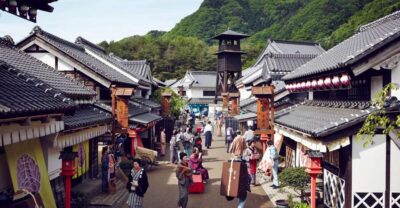 ★ 4.3Nikko: Edo Wonderland Edomura Cultural Theme Park TicketFrom $35205 reviews
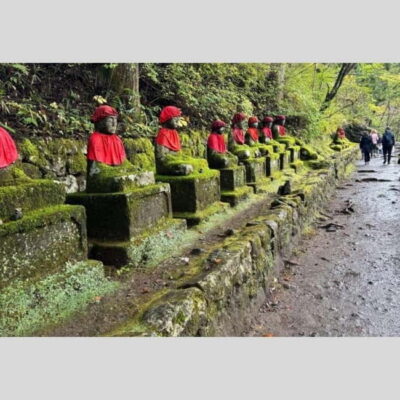 ★ 4.8Nikko World Heritage Private Day Trip Hotel Pick-upFrom $390145 reviews
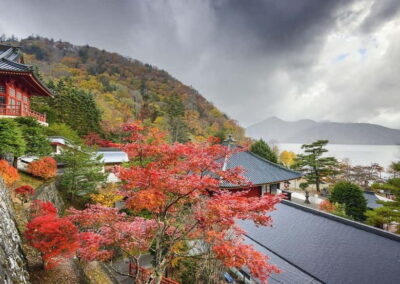 ★ 4.9Nikko – Beautiful Full-Day Personal and Private TourFrom $364119 reviews
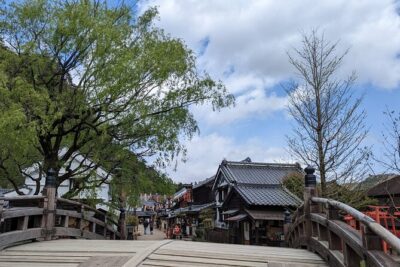 ★ 5.0Chartered Private Tour – Tokyo to Nikko, Toshogu, Edo WonderlandFrom $1,286105 reviews
 ★ 4.8Nikko Heritage & Nature Day Trip from TokyoFrom $39194 reviews
Filed on these lists too