
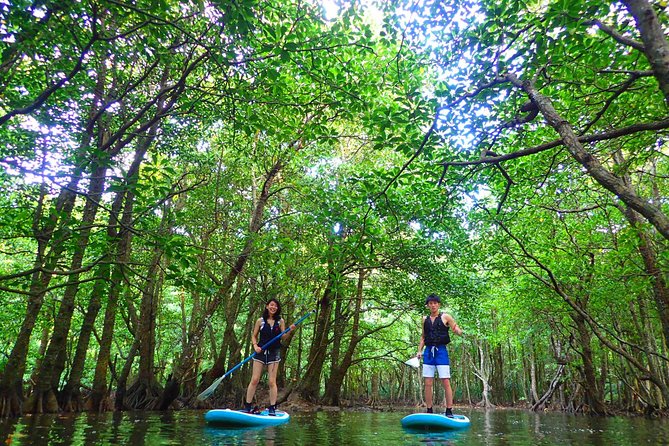
REVIEW · OKINAWA ISLANDS AND BEACHES
Okinawa Iriomote Mangrove SUP or Canoe Tour
Mangroves feel like a quiet world of their own. This 2-hour Iriomote mangrove SUP or canoe outing is built for easy paddling in sheltered river water, so you spend less time worrying and more time watching the mangrove maze go by. I also love the free waterproof photo data, because you leave with proof of the trip without needing to gamble on your own camera.
There is one catch: you will get wet. The tour calls for clothes that can handle it, there are no toilets on the route, and you’ll need to plan your timing before you head out.
If you want an eco-friendly, low-wind paddle through mangrove channels, this is the kind of activity that feels simple in the best way. You meet at Densa Terminal Japan in Uehara, then get a guided ride along the Urauchi River and back around Iriomote-jima scenery at a relaxed pace.
In This Review
- Key highlights to know before you go
- Mangroves, rivers, and why this feels beginner-friendly
- The 2-hour loop: what you actually do on the water
- Urauchi River: a calm start that helps you settle in
- Iriomote-jima channels: narrow passages and close-up mangroves
- SUP vs canoe on this course, and who should choose what
- Guide style, free photos, and how memories get made
- Eco-friendly mangroves: what sustainability looks like in practice
- Packing list: what to wear, what to bring, and shower reality
- Price and value: is $52.40 worth it?
- Should you book this Iriomote mangrove SUP or canoe tour?
- FAQ
- How long is the Okinawa Iriomote Mangrove SUP or Canoe Tour?
- Is hotel pickup offered?
- What are the age limits for SUP and canoe?
- Is the tour beginner-friendly?
- Do you get photos from the tour?
- Can I cancel for free?
Key highlights to know before you go
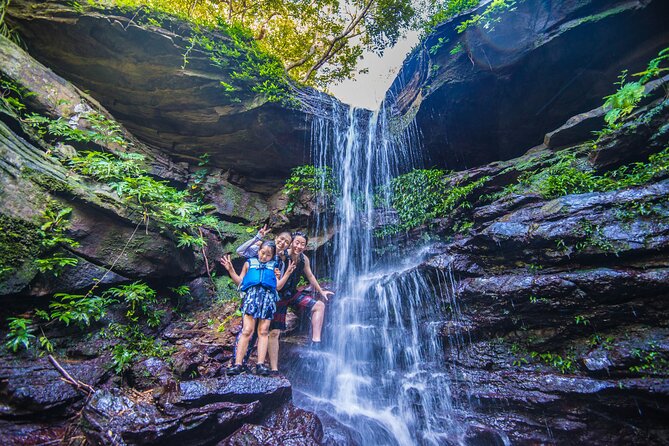
- Beginner-friendly water: The route is on a mangrove river where wind influence is low.
- Free photos with a waterproof camera: The guide captures pictures and shares the data for free.
- Two paddling styles: Choose SUP (ages 12-59) or canoe (ages 3-65).
- Eco-minded tour design: The program is described as built with sustainability in mind.
- Light rain usually still runs: Tours may continue in light rain, but safety weather rules apply.
- Limited by planning reality: It’s capped at a maximum of 100 travelers.
Island hopping from Iriomote jima, reviewed
- Okinawa Iriomote Mangrove SUP or Canoe Tour
★ 5.0 · 214 reviews - Okinawa Iriomote SUP or Canoe and Sightseeing in Yubujima Island
★ 5.0 · 124 reviews - Iriomote Island 1-Day Snorkeling & Mangrove SUP or Canoe
★ 5.0 · 119 reviews - Okinawa Iriomote Mangrove SUP or Canoe and Splash Canyoning Tour
★ 5.0 · 98 reviews
Mangroves, rivers, and why this feels beginner-friendly
Okinawa’s Yaeyama area has a lot of beach time options. What makes this tour different is that you’re not paddling open water. You’re moving through a mangrove river where the wind has little influence, which is exactly what you want on your first SUP or canoe outing.
That sheltered setting matters more than it sounds. When wind stays low, the paddle feels more like steady effort than constant correction. You can focus on staying balanced, enjoying the rhythm, and looking at the mangrove walls sliding past on both sides.
Also, the “easy” part is supported by what you get during the tour. You’re required to wear a life jacket, and you follow your guide’s instructions throughout. That combination usually helps people relax fast, even if they’ve never used a paddle before.
If you’re nervous about fitness or water, you can contact the team in advance. That’s a good sign, because it means they expect questions and try to reduce surprises before you even arrive.
The 2-hour loop: what you actually do on the water
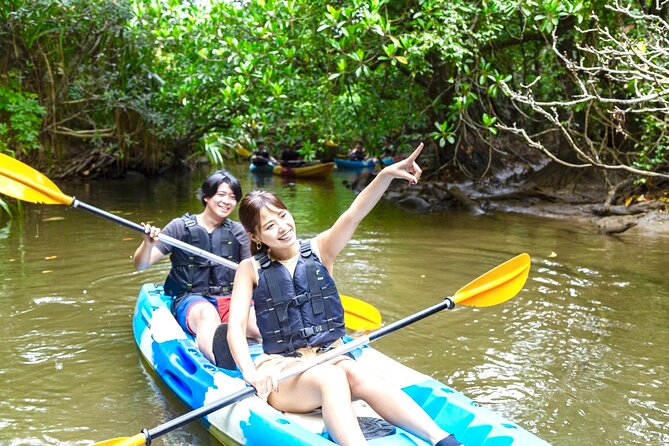
The tour runs about 2 hours, and it’s designed as a guided loop that keeps things simple. You start at the designated meeting point, then the experience centers on two areas: the Urauchi River and the Iriomote-jima surroundings.
You’re not trying to “cover ground” the way you might on a long hike. Instead, the structure is about slowing down. You spend time where the mangroves are close enough that you can see the patterns in the trees and the shape of the waterways around them.
Stop 1 is the Urauchi River. Expect the route to feel calm and controlled. This is where you get your paddling routine in place.
Stop 2 brings you back into Iriomote-jima scenery with more of that mangrove-channel feeling. The idea is that you’re paddling through narrow routes and staying near the natural edges, so the whole point is what’s around you rather than distance traveled.
One small detail that makes the schedule easier: the tour is practical about timing. You’re told to arrive on time, and you’ll be contacted the day before to confirm pickup timing. That matters because you’re paying for a water experience, and water time does not wait forever.
Urauchi River: a calm start that helps you settle in
Urauchi River is the first stop, and it’s the one that sets the tone. Mangrove rivers can feel wild in photos, but this one is chosen specifically because wind influence is low. That translates to steadier movement, which is what helps beginners build confidence quickly.
Here’s what you’ll likely notice right away: the river feels enclosed. Mangroves form natural walls, so you get that enclosed feeling without needing to handle heavy surf or strong current.
This is also where you benefit from the guide’s active role. The tour includes safety equipment, and you follow the guide’s instructions the whole way. If you’re doing SUP, you’re still learning balance, so a calm first section is not just “nice,” it’s the foundation of the experience.
If the day turns rainy, this start can still work. The tour notes that it runs in light rain, which is a big deal in Okinawa. Rain changes the texture of the water and the look of the trees, and it often keeps the wind down.
Back in the water. Other trips off Iriomote jima
- Okinawa Iriomote Snorkeling Tour at Coral Island★ 5.0 · 51 reviews
Iriomote-jima channels: narrow passages and close-up mangroves
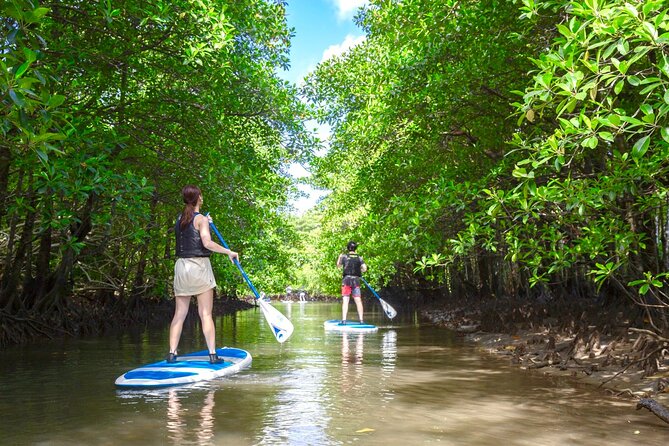
The second stop shifts the focus toward close-up mangrove scenery on the Iriomote-jima side. This is where the waterway can feel tighter and more playful, depending on conditions and group flow.
One of the strongest reasons to book this is the closeness. You’re not just watching mangroves from a distance. You get close enough to notice the structure of the mangrove trees and how the waterways thread between them.
On canoe, the tour is designed so you can feel like you’re actively driving the experience, not just sitting there. Canoe participation is for ages 3-65, so it’s often the choice for families who want everyone involved.
On SUP, the experience is slightly different in feel, because balancing is part of the paddling. That’s also why age range matters. SUP is listed for ages 12-59, which usually helps keep the equipment and technique matched to the group.
Either way, your guide’s explanations are part of the value. Instructor Ayuka is mentioned as sharing lots of details about mangrove trees and Iriomote nature, and that kind of hands-on explanation is exactly what turns a “pretty paddle” into a “now I get what I’m seeing” moment.
SUP vs canoe on this course, and who should choose what
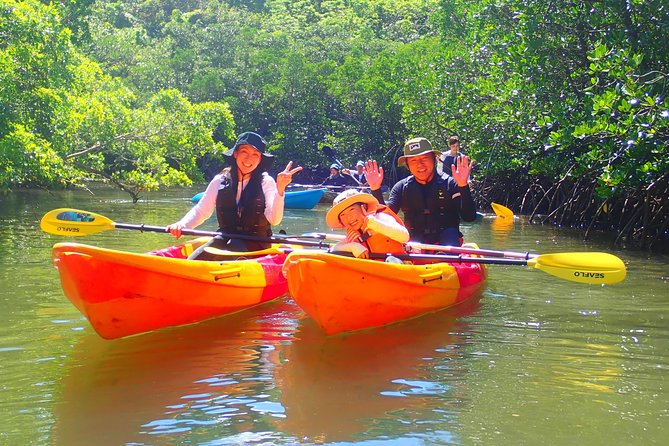
You basically have two paths: SUP or canoe. The tour is clear about age ranges, and that clarity helps you choose.
- SUP: ages 12-59
- Canoe: ages 3-65
The canoe option can be more flexible for younger kids, since it starts at age 3. But it has its own limitations. The tour is not for pregnant people, kids under 3, or anyone with health issues. If you’re unsure, you’re told to contact the team.
If you’re deciding between SUP and canoe based on comfort, think about this:
- Choose SUP if you want to feel more directly connected to balance and pacing.
- Choose canoe if you want a more stable platform where teamwork with the paddle is the main focus.
Also, remember the basic safety rule: you wear a life jacket. The tour says there is no participation without the safety gear, so you’re not just relying on your own judgment.
If you worry about water, it helps that wind influence is low in this mangrove river. Still, you should be honest with yourself about comfort in wet conditions. You’ll be on the water for roughly 2 hours, and you’ll want to be ready for that.
Guide style, free photos, and how memories get made
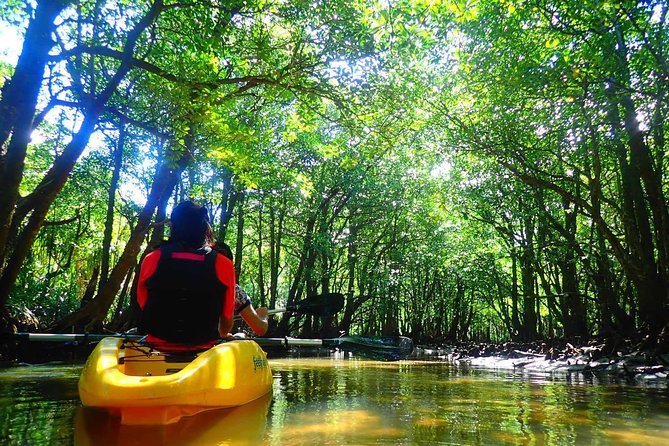
The tour doesn’t just throw you on a board and hope for the best. You get guided instruction, plus something practical that many outdoor tours forget: photos.
The guide takes pictures with a special waterproof camera and provides the data for free. That means you can actually enjoy the ride without constantly switching between paddling and trying to get a perfect shot.
In a place like Iriomote, where mangrove scenery can look magical in rain, having someone capture images matters. One review mentions kayaking in the rain being fun, and that the guide let the person explore a bit while waiting for other tourists. That type of flexible guidance is usually what makes the difference between a rigid experience and a comfortable one.
Language can also affect how “guided” the tour feels. The tour is offered in Japanese or English, but it may be Japanese-only depending on the day. If language matters to you, check when you book.
If you’re traveling with kids or anyone who needs reassurance, this is where a good guide earns their paycheck. The combination of safety gear, instruction, and ongoing explanations is what keeps the experience easy instead of stressful.
Eco-friendly mangroves: what sustainability looks like in practice
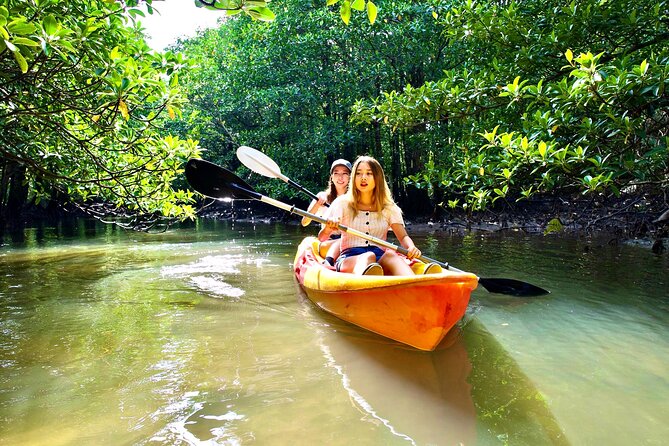
“Mangroves” can sound like a buzzword. What you actually want is a tour that doesn’t treat a fragile environment like a playground.
This experience describes itself as eco-friendly, designed with sustainability in mind. While the exact methods are not spelled out here, the overall structure points toward low-impact practices: a short guided paddle, required safety equipment, and an emphasis on learning what you’re seeing rather than just rushing through it.
That matters because mangrove ecosystems are sensitive. Even when conditions are calm, you’re moving through an environment where tree roots and narrow channels shape the whole area.
The value for you is simple: you get close enough to appreciate the mangroves, and you also get a guide who shares details about the trees and nature. The best eco-style tours change how you look at a place afterward.
If you want a nature activity that feels authentic, not staged, this is the kind of outing where your attention naturally shifts to what’s around you. Rain, shade, and close tree lines all make the experience feel more real than a photo-stop.
Packing list: what to wear, what to bring, and shower reality
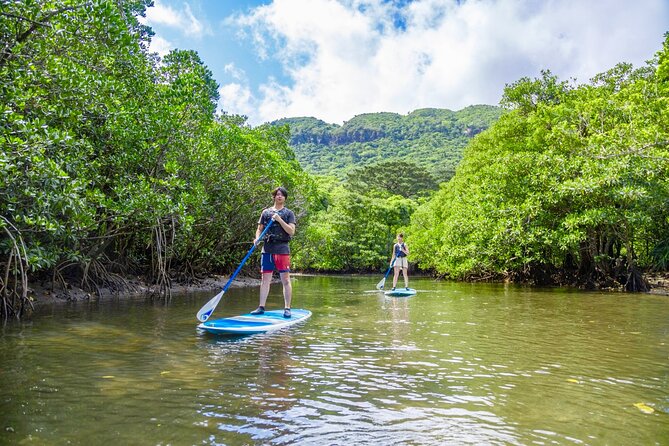
This is a wet activity. Plan for it like you’re going to a water park, not a museum.
Wear clothes that can get wet. The tour also notes no toilets on the course, so go beforehand. Skipping that one small step can turn a calm paddle into a distraction-fest.
After the tour, showers are available at the office. Bring a towel and dry clothes so you can actually feel human again after you change.
One practical warning: wet clothes may prevent ferry boarding. That’s the kind of detail that saves you from an annoying end-of-day problem. If you’re combining the paddle with ferry travel, bring a way to keep your clothes as dry as possible after the tour, or at least plan your change time carefully.
Also avoid alcohol before or during the tour. The rules are straightforward here, but it’s worth repeating because outdoor water activities are only safe when everyone is fully aware and following instructions.
Price and value: is $52.40 worth it?
At $52.40 per person for roughly 2 hours, this is not a “budget snack” activity. But it also isn’t inflated when you compare what’s included.
You get:
- Guided SUP or canoe time in a mangrove river setting
- Required life jackets and on-water instruction
- Free photo data from a waterproof camera
- Pickup offered (timing varies by day, but it’s part of the offer)
- An eco-minded tour approach
The free photos alone often justify the price for people who don’t want to worry about gear in wet conditions. And the guide-led explanations, including the kind of mangrove tree knowledge associated with instructors like Ayuka, add meaning beyond the paddle.
The other value factor is the learning curve. This course is described as easy for beginners because the wind influence is low. If you’ve ever tried a “self-guided” water experience without local help, you know how fast that can turn into stress. Here, you’re paying for the parts that keep it smooth.
If you want a peaceful, nature-focused activity that feels safe and structured, the price-to-time ratio makes sense.
Should you book this Iriomote mangrove SUP or canoe tour?
I think this tour is a smart booking if you want:
- A beginner-friendly water activity with low wind
- Close-up mangrove scenery in a calm setting
- A guided experience that includes real info about what you see
- The convenience of a free waterproof photo set
It might not be the right fit if you:
- Need a guaranteed dry experience (you’re expected to wear wet-friendly clothing)
- Are pregnant, have health issues, or have concerns about the age limits (SUP starts at 12, canoe starts at 3)
- Can’t handle outdoor conditions where light rain can happen, and unsafe weather can lead to cancellation
If you’re deciding between SUP and canoe, choose based on comfort with balance and the ages in your group. If you want the simplest confidence boost, start with the option that best matches the ages and your comfort level, and show up ready to follow the guide’s safety instructions.
The overall vibe from the experience details is clear: peaceful mangrove paddling, guided support, and a low-stress way to enjoy Iriomote-jima nature for about 2 hours.
FAQ
How long is the Okinawa Iriomote Mangrove SUP or Canoe Tour?
It lasts about 2 hours.
Is hotel pickup offered?
Yes, pickup is offered. Pickup times may vary, and you should confirm the time the day before.
What are the age limits for SUP and canoe?
SUP is for ages 12 to 59. Canoe is for ages 3 to 65. The tour is not for pregnant people, kids under 3, or those with health issues.
Is the tour beginner-friendly?
Yes. The course is held on a mangrove river where the wind has little influence, which makes it easier for beginners.
Do you get photos from the tour?
Yes. The guide takes your pictures with a special waterproof camera and gives the photo data for free.
Can I cancel for free?
You can cancel for a full refund up to 24 hours before the experience start time. If you cancel less than 24 hours before, you will not get a refund.
Back in the Water

Okinawa, Island by Island
Newest Iriomote jima write-ups from the Loving Japan desk

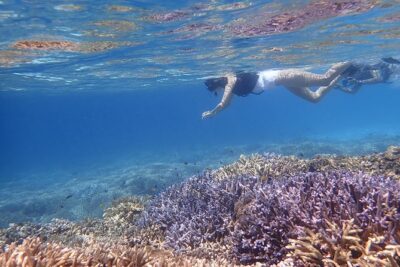
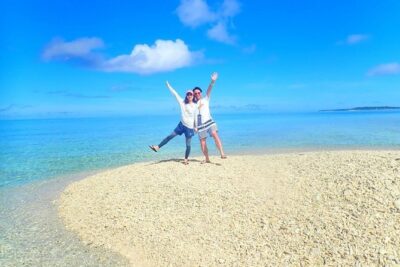
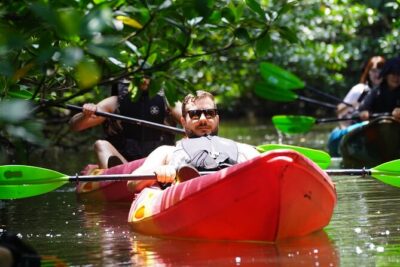
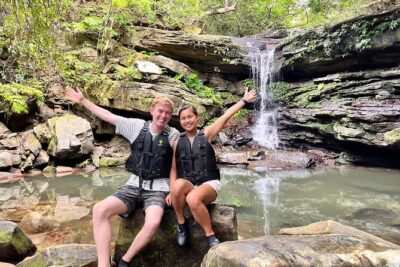
Okinawa Islands and Beaches, side by side.
 ★ 5.0Official Street Go-Kart Tour – Okinawa ShopFrom $36699 reviews
 ★ 4.4Naha: North Okinawa Sightseeing Tour & Churaumi AquariumFrom $50472 reviews
 ★ 4.4From Naha: Kerama Islands 1-day snorkeling tourFrom $81423 reviews
 ★ 4.3From Naha: Tokashiki Island Day Trip by BoatFrom $58385 reviews
 ★ 4.7Naha, Okinawa: Keramas Island Snorkeling Day Trip with LunchFrom $70370 reviews
 ★ 5.0[Miyako Island/Half Day] Sea Turtle SnorkelingFrom $45337 reviews
 ★ 5.0Okinawa Ishigaki Blue Cave Snorkeling TourFrom $45332 reviews
 ★ 4.5Snorkeling in the Blue Cave area【Okinawa Prefecture: Free feeding & photo images!English and Chinese speaking guide available!From $19249 reviews
Filed on these lists too