
REVIEW · OKINAWA ISLANDS AND BEACHES
Okinawa Iriomotejima Night Adventure Tour
Night falls fast on Iriomote Island, so this tour turns darkness into a guided nature hunt. I like that you get experienced nighttime guidance for a coast and jungle that can feel risky alone, and I also like the chance to spot high-interest animals like coconut crabs and other nocturnal creatures during a short, well-timed outing. One drawback to keep in mind: you are at the mercy of weather and tide, and sightings like the Iriomote wildcat are never guaranteed.
This is a 90-minute style experience focused on doing one thing well: walking safely at night, looking closely, and then (if conditions cooperate) shifting your attention up to the sky. The guides emphasize eco-friendly, sustainable touring, which matters here because you are moving through sensitive coastal and jungle habitats.
Finally, the tour is small and simple: meet up, go out, explore the jungle coastline, then return. It can be a good fit for families (ages 3 to 65), but if you have trouble with wet walking or medical limits, you should double-check before you book.
In This Review
- Key Things I’d Prioritize on This Iriomote Night Tour
- Why Iriomote Night Walking Feels Different From Daytime
- Meeting at Densa TerminalJapan, With Uehara Pickup and a Clear Timeline
- The Jungle Coastline Walk: What You Are Really Looking For
- Stargazing on Iriomote: When the Sky Shows Up
- Guides Like Shoma, Yuina, Yume-san, and Seki Make the Difference
- Why the 90-Minute Format Feels Efficient (Not Rushed)
- What to Wear and How to Handle Wet Jungle Conditions
- Eco-Friendly Touring You Can Actually See in the Way It’s Run
- Price, Value, and What You Should Expect for $32.37
- Who This Tour Fits Best on Iriomote-jima
- Should You Book the Okinawa Iriomotejima Night Adventure Tour?
- FAQ
- Where is the meeting point, and what time does the tour start?
- Is pickup offered?
- How long is the tour?
- What will we do during the night walk?
- Will I see the starry sky?
- What should I wear, and can I drink alcohol?
- Is there a restroom at the activity site?
- What languages are available?
- Who can participate, and who cannot?
Key Things I’d Prioritize on This Iriomote Night Tour
- Nighttime safety and route guidance for a place with very little light after dark
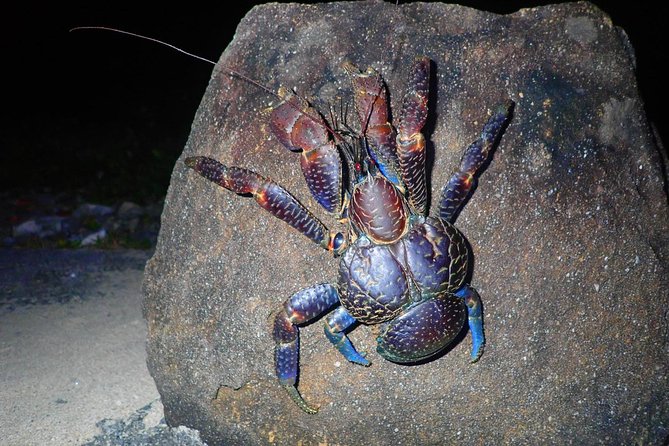
- Creature spotting with help from experienced guides, including famous Iriomote coconut crabs
- Stargazing depends on clear conditions, so be ready for a rain-forward reality
- Short 1.5-hour format that keeps the outing manageable at night
- Eco-friendly approach that stresses wildlife respect and coexistence
- Language options: Japanese or English, depending on availability
Island hopping from Iriomote jima, reviewed
- Okinawa Iriomote Mangrove SUP or Canoe Tour
★ 5.0 · 214 reviews - Okinawa Iriomote SUP or Canoe and Sightseeing in Yubujima Island
★ 5.0 · 124 reviews - Iriomote Island 1-Day Snorkeling & Mangrove SUP or Canoe
★ 5.0 · 119 reviews - Okinawa Iriomote Mangrove SUP or Canoe and Splash Canyoning Tour
★ 5.0 · 98 reviews
Why Iriomote Night Walking Feels Different From Daytime
Iriomote-jima is famous for jungle and coast, but at night it is a whole different world. Daytime visibility drops quickly, paths feel unfamiliar, and even simple shoreline stretches can become slippery or confusing. That is the main reason this tour exists: you are not just being shown animals, you are being guided through a darker environment with real safety support.
The second big difference is how the island teaches you to look. This tour is built around searching for jungle creatures after dark, and the best part is that you are not guessing where to look. You follow the guide’s pace and focus, which matters a lot when you are trying to spot small movement or things that only appear for a moment.
The possible downside is also simple: you might get rain or low visibility. The tour generally proceeds in rain, but it can be canceled if conditions make the field unsafe. In other words, this is not a guaranteed star show every night. It is a guided nature experience that works best when you show up ready to accept the weather as part of the adventure.
Meeting at Densa TerminalJapan, With Uehara Pickup and a Clear Timeline
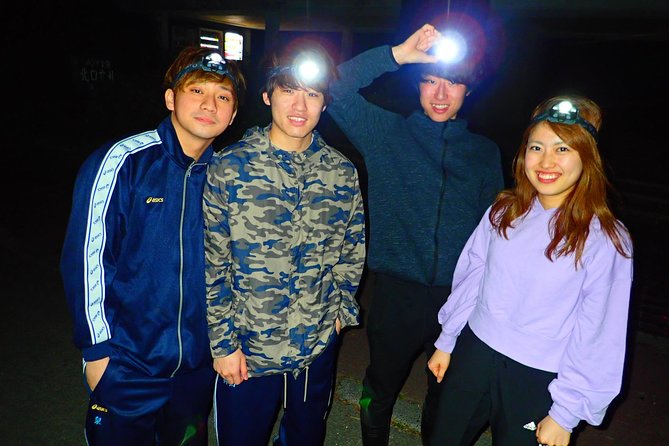
The tour starts at 8:00 PM at Densa TerminalJapan (Uehara, 竹富町上原553-1). If you are staying in the Uehara area, pickup is offered, with pickup typically at 8:00 PM and arrival to the activity area around 8:15 PM.
The schedule then settles into the main block: jungle exploration and stargazing around 8:45 PM, finishing around 9:45 PM. That timing is practical. It gives you enough darkness to see nocturnal activity, but it still gets you back early enough that the rest of your night is not shot.
One logistics detail I would take seriously: the schedule can vary depending on weather and tide. On an island like this, tides can affect shoreline timing, and guides will adjust to keep things safe and workable. So if you are planning a late dinner or a night bus, keep some slack.
Also note the group size cap is high at up to 100 travelers, but the reviews and typical pacing suggest the walk experience is still managed in smaller clusters. Either way, you should expect a lively group energy, with guide instructions keeping everyone together.
The Jungle Coastline Walk: What You Are Really Looking For
This tour is built around one core activity: walking the jungle coastline at night and searching for creatures. In practice, that usually means slow movement, frequent stops, and attention to what is happening on the ground, near plants, and around beach edges.
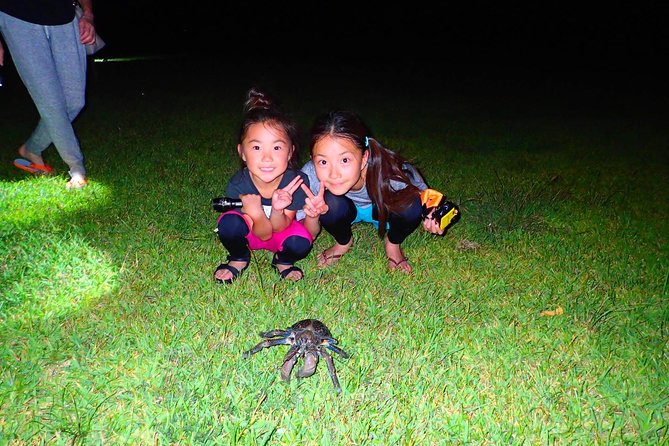
The tour concept emphasizes animal spotting, and the reviews back up the kinds of sightings people remember. You might see large coconut crabs near vegetation, and you could also spot other nocturnal life such as palm crabs and hermit crabs. Some sightings described include stalked spiders and firefly larvae, plus moments like crabs near the shore.
One review also mentions seeing a Japanese flying fox at dusk, which hints at how guides can read the timing between day fade-out and full night. That matters because some animals appear around transitions, not at a single fixed time.
A very practical tip from how these guides operate is how you handle light. One review includes the idea of turning off lights, which is smart on a dark island. Less stray light helps your eyes adjust and also reduces unnecessary disturbance. You do not need to be an expert. Just follow the guide’s direction, keep lights controlled, and stay quiet when they tell you to.
A fair caution: the Iriomote wildcat is a major dream for many people, but that is not something the tour can promise. One review reflects that the odds were low. You can absolutely enjoy the night without the cat sighting, but set your expectations accordingly and treat the tour as a wildlife and night-sky experience first.
- Iriomote 1 Day Mangrove SUP/Canoe, Barasu Island & Yubu Island★ 5.0 · 67 reviews
- Okinawa Iriomote Snorkeling Tour at Coral Island★ 5.0 · 51 reviews
- Okinawa Iriomotejima Night Adventure Tour★ 5.0 · 46 reviews
Stargazing on Iriomote: When the Sky Shows Up
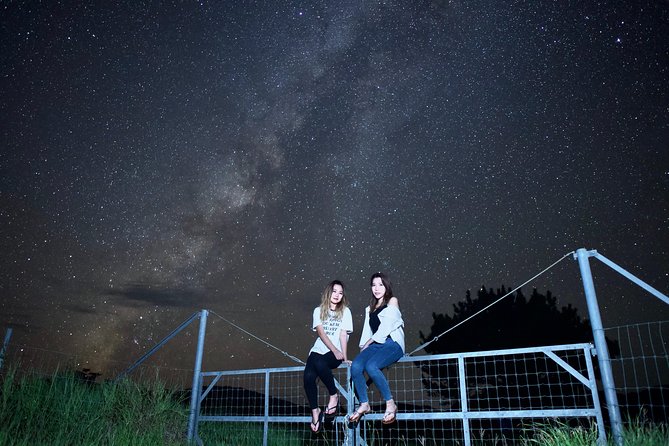
The star part is real, but it is conditional. The tour description says you can marvel at the starry night sky if the weather is clear. That means you should plan to be flexible. If skies are cloudy, you may still get the creature walk plus a shorter sky moment, or a different emphasis, depending on what the guides can safely do.
The best stargazing moments here tend to come when you are not fighting constant cloud cover and when light is kept low. One review describes stargazing during a new moon visit, with an empty beach stop that delivered the full sky view people come for. Even if your night is not that perfect, the guide-led timing around the late evening window helps you reach the darkest parts of the evening.
There is also something grounding about the stargazing on Iriomote. You are not in a city with constant background light. You are in a tropical night setting, with jungle sounds and a coast around you. If the sky opens even a little, it feels like the island is giving you a reward for walking slowly in the dark.
Guides Like Shoma, Yuina, Yume-san, and Seki Make the Difference
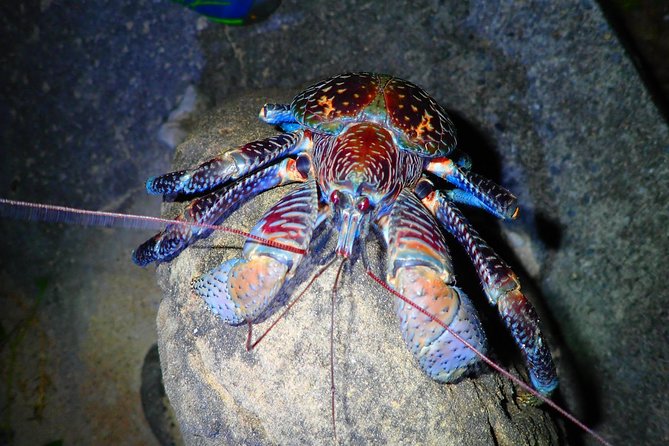
What gets repeated in the feedback is not just animal sightings, it is how calmly and carefully guides run the night. Names that appear include Shoma, Yuina, Yume-san, and Seki.
You can see a pattern in the way people describe these guides. They take time. They adjust for what the group is spotting. They help kids participate, even when kids want to lead from the front. One review notes that a guide like Seki kept things fun for children while still focusing on wildlife.
That matters because nighttime wildlife spotting is partly luck, but it is also partly skill. Guides help you avoid the mistakes that ruin a night, like walking too fast, shining the wrong light, or ignoring the guide when they notice something first. If you want more than a casual stroll, this is the core value: you are learning how to see the island at night.
Why the 90-Minute Format Feels Efficient (Not Rushed)
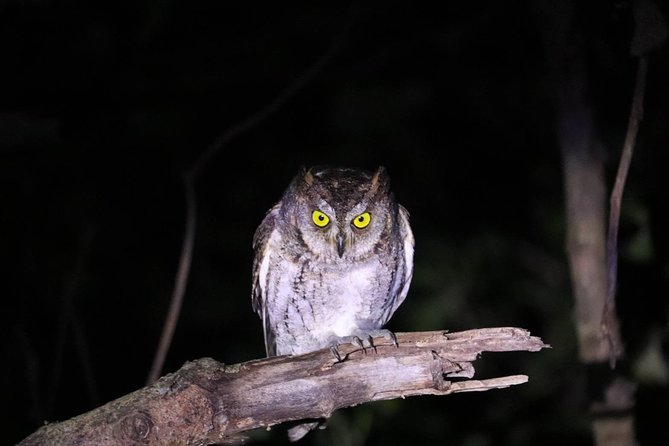
One reason I think this tour is good value is its length. You get around 1 hour 30 minutes, which is long enough for a real walk and multiple stopping points, but not so long that everyone gets cold, tired, or impatient.
That matters on a tropical island too. Rain is common, and wet walking can drain your energy faster than expected. A shorter format helps you keep the night enjoyable, even if conditions are not perfect.
The tour also has a straightforward start and end. You meet at Densa TerminalJapan, go out, and return to the meeting point. That makes it easier to plan the rest of your trip without worrying about a complicated multi-part schedule.
And if you are traveling with kids, this is not a full evening commitment. A few reviews mention families with young children, including a 3-year-old. The vibe seems to work best when adults stay attentive, follow instructions, and let the kids get involved in spotting.
What to Wear and How to Handle Wet Jungle Conditions
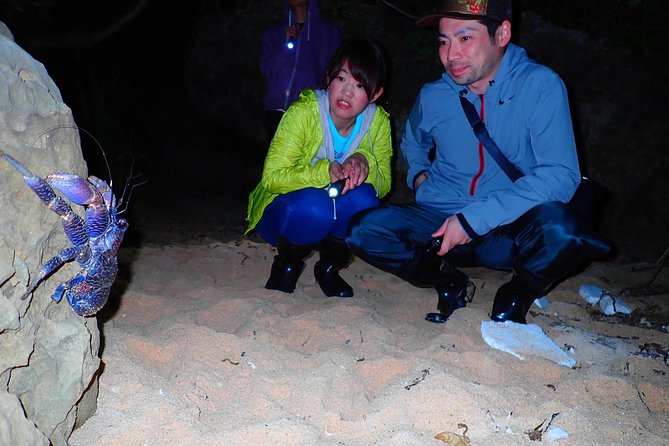
This is a night tour, and the environment is not dry. The tour instructions clearly say to wear clothes you do not mind getting wet. That is not optional advice. Rain and mist can happen, and even when the weather looks okay at pickup time, the walking area can feel damp.
Plan for the lack of facilities. There are no restrooms at the activity site, so use facilities before you go. Also expect no quick way to dry off mid-walk. Bring a small towel or keep dry clothes ready in your lodging if you can.
Alcohol is not allowed. Participation under the influence of alcohol is strictly prohibited. That is a safety call, not a vibe call.
If you are sensitive to uneven ground, slippery shoreline edges, or low-light footing, think about whether you are comfortable with night hiking in rain. The guide will keep you on the correct path, but you still need basic physical comfort for a dark, wet trail environment.
Eco-Friendly Touring You Can Actually See in the Way It’s Run
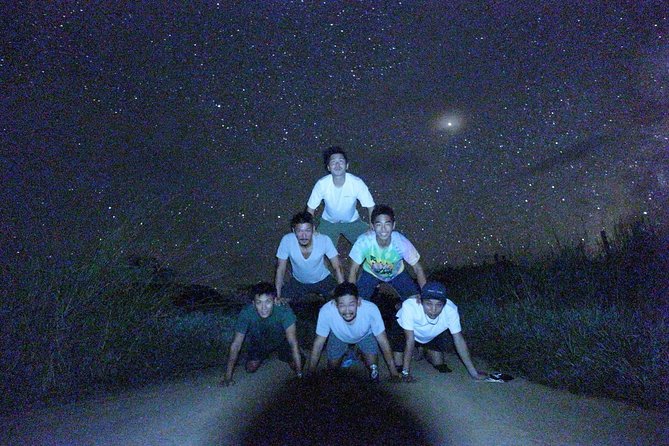
The tour emphasizes eco-friendly and sustainable touring. In real terms, that shows up through behavior: staying respectful around wildlife, keeping disturbance low, and listening when the guide says where to look and how to look.
Several reviews highlight patience and careful handling of wildlife moments. The big coconut crab sightings are a great example. When you see something rare and large, the temptation is to crowd in for photos. Guides are there to prevent that, to keep distance appropriate, and to make sure animals are not harmed by human attention.
This is also why the UV light method (mentioned in reviews) is handled carefully. Night spotting can get chaotic if everyone uses their own light. A guide-led approach reduces chaos and keeps the focus on observation rather than control.
If you are the type of traveler who likes animals but also hates intrusive behavior, this tour style is a good match. You are there to watch, not to take over the scene.
Price, Value, and What You Should Expect for $32.37
At about $32.37 per person, this tour is priced like an activity that focuses on a specific evening block: guided night wildlife searching plus potential stargazing. For many visitors, the value comes from two things you cannot easily replicate alone on Iriomote at night.
First is safety and guidance. Iriomote at night has limited light, and this tour is designed to prevent you from getting lost, misstepping, or focusing in the wrong direction. That is worth something, especially if you are unfamiliar with the island.
Second is the concentrated chance of meaningful sightings. The reviews repeatedly mention coconut crabs, plus other nocturnal creatures, and the guides appear to know the timing and locations well enough to create memorable moments for a wide range of group members.
There is also a value reality check: star visibility and some animal sightings depend on conditions. If you want a guaranteed astronomical show or a guaranteed Iriomote wildcat sighting, this tour is not built to promise that. If you can accept that, the price feels reasonable for what you get: guided nighttime access to wildlife and sky, in a short, manageable window.
Who This Tour Fits Best on Iriomote-jima
This night adventure tour is a strong fit if you want guided wildlife and night-sky time in one package.
It is especially good for:
- People who want to see coconut crabs and other nocturnal creatures with guide support
- Families with kids who can handle a short wet walk and quiet attention
- First-time visitors to Iriomote who do not want to figure out night routes alone
- Travelers who like nature photography but can follow lighting rules and guide instructions
It may not be the best fit if:
- You cannot walk comfortably on wet, dark terrain
- You need a restroom nearby during the activity site
- You want a guaranteed star show or guaranteed Iriomote wildcat sighting
Should You Book the Okinawa Iriomotejima Night Adventure Tour?
If your ideal night on Iriomote is part wildlife hunt and part sky watching, I think this tour is a good booking. The guides bring the key advantage, safe navigation and focused spotting when visibility is low. The short 1 hour 30 minutes format also makes the whole plan feel doable, even on a rainy island night.
Book it if you are excited about creatures like coconut crabs and you are happy to let the night unfold based on weather and tide. Skip or be cautious if you are extremely sensitive to wet conditions, have medical limitations, or are expecting guaranteed sightings that depend on the island’s rarer species.
If you like practical tours that get you out at the right time, with the right guidance, this one fits the bill for an Iriomote night.
FAQ
Where is the meeting point, and what time does the tour start?
The tour meets at Densa TerminalJapan in Uehara (竹富町上原553-1) and starts at 8:00 PM.
Is pickup offered?
Pickup is offered for the Uehara area only. If you requested pickup, the pickup time might differ from what is shown, so you should confirm the exact time the day before.
How long is the tour?
The tour lasts about 1 hour 30 minutes.
What will we do during the night walk?
You explore the jungle coastline at night while searching for creatures, then you may get time for stargazing depending on weather.
Will I see the starry sky?
If the weather is clear, you can marvel at the starry night sky. Tours are designed to proceed in rain, but the activity may be canceled if the field is unsafe.
What should I wear, and can I drink alcohol?
Wear clothes you do not mind getting wet. Participation under the influence of alcohol is strictly prohibited.
Is there a restroom at the activity site?
No, there are no restrooms at the activity site, so use facilities beforehand.
What languages are available?
Tours are conducted in Japanese or English, depending on booking availability. Some dates may only have Japanese.
Who can participate, and who cannot?
The tour is for ages 3 to 65. Pregnant individuals, children under 3, and people with pre-existing medical conditions cannot participate.
Okinawa, Island by Island



Newest Iriomote jima write-ups from the Loving Japan desk



Okinawa Islands and Beaches, side by side.
 ★ 5.0Official Street Go-Kart Tour – Okinawa ShopFrom $36699 reviews
 ★ 4.4Naha: North Okinawa Sightseeing Tour & Churaumi AquariumFrom $50472 reviews
 ★ 4.4From Naha: Kerama Islands 1-day snorkeling tourFrom $81423 reviews
 ★ 4.3From Naha: Tokashiki Island Day Trip by BoatFrom $58385 reviews
 ★ 4.7Naha, Okinawa: Keramas Island Snorkeling Day Trip with LunchFrom $70370 reviews
 ★ 5.0[Miyako Island/Half Day] Sea Turtle SnorkelingFrom $45337 reviews
 ★ 5.0Okinawa Ishigaki Blue Cave Snorkeling TourFrom $45332 reviews
 ★ 4.5Snorkeling in the Blue Cave area【Okinawa Prefecture: Free feeding & photo images!English and Chinese speaking guide available!From $19249 reviews
Filed on these lists too