
REVIEW · MOUNT FUJI DAY TRIPS
Tokyo: Mount Fuji 5th Station & Onsen Day Trip
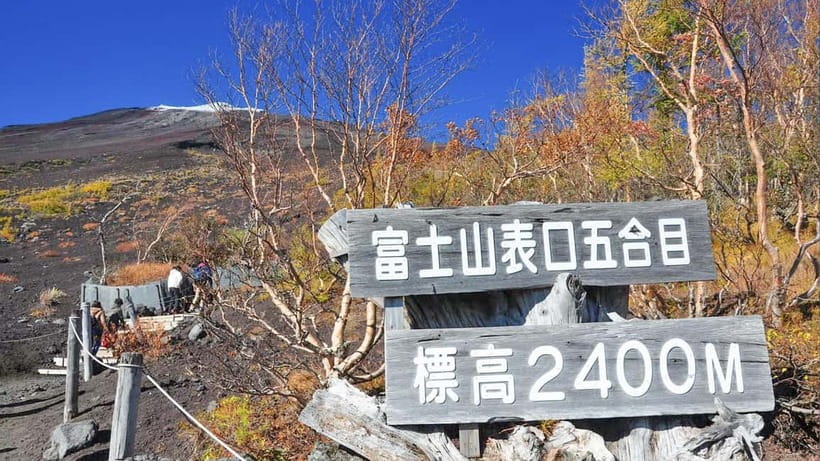
Fuji without the hike is the magic here. This day trip packages Mt. Fuji viewpoints up high (around 2,300m) with Oshino Hakkai pond walks and an open-air onsen that frames Fuji like a living postcard. It is a clean, simple way to hit the big hits without planning transfers, routing, and timing all on your own.
I especially like the mix of high-altitude photos, traditional village time, and then a real soak afterward at Konohananoyu. One possible drawback: guide quality can vary by departure, and you may not always get the kind of constant on-site storytelling you expect, even though a guide is included.
In This Review
- Key points that make this day trip click
- Tokyo to Mt. Fuji by bus, and why that matters
- Fuji 5th Station at 2,300m, plus the seasonal postcard swap
- Oshino Hakkai ponds: traditional village time that feels unhurried
- Konohananoyu open-air onsen, and the etiquette you must know
- Gotemba Premium Outlets option: a smart move when timing gets tight
- What the day schedule feels like in real life
- Price and value: what $50 buys you, and what it does not
- Who should book this Mt. Fuji day trip
- Should you book it?
- FAQ
- Where are the pickup locations in Tokyo?
- How long does the trip last?
- Does the tour include meals and the onsen fee?
- When is Mt. Fuji 5th Station open, and what happens outside those dates?
- Is the onsen included every day?
- What are the rules for tattoos at the onsen?
- What should I bring for the day?
- What is onsen bathing like, and are there any vehicle rules?
Key points that make this day trip click
- Bus-to-Fuji convenience: you get to Mt. Fuji’s 5th Station by coach, then have time to walk and take photos.
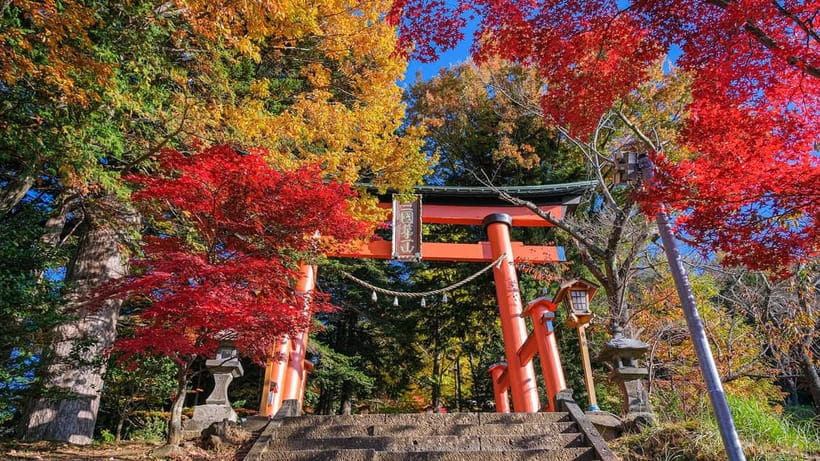
- Two different Fuji photo stops depending on dates: 5th Station (May 10 to Nov 30), otherwise Shinkurayama Asama Park for the iconic pagoda view.
- Oshino Hakkai’s eight ponds: crystal-clear water, thatched village strolls, and Fuji-spring-water mochi.
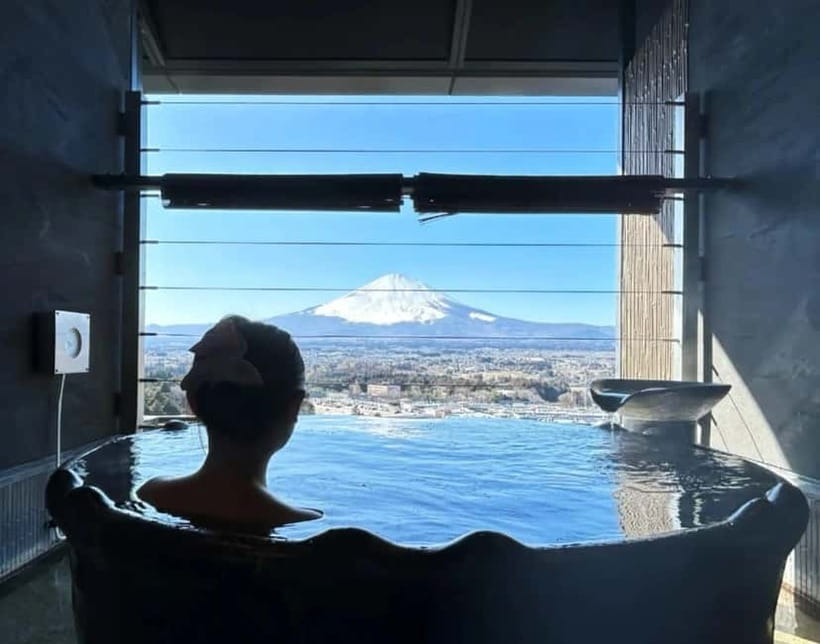
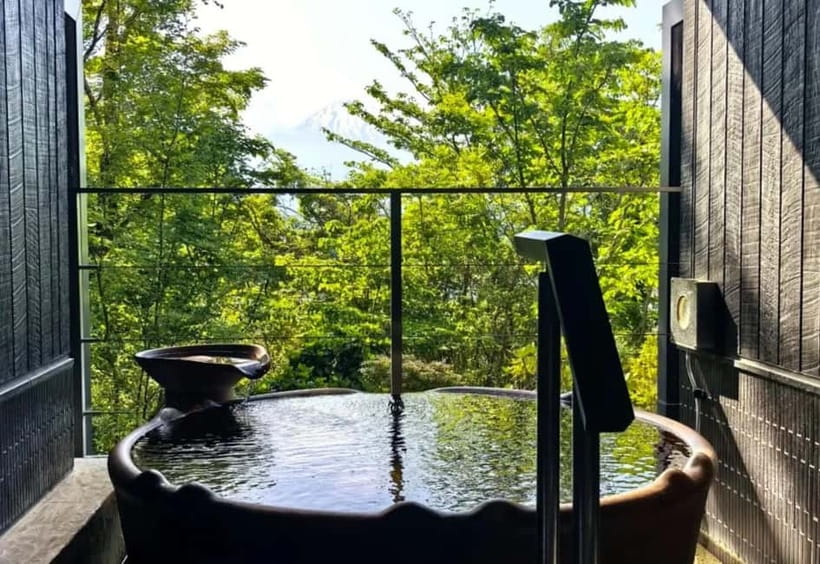
- Konohananoyu open-air onsen with unobstructed Mt. Fuji views (when hot spring arrangements are running).
- Volcanic stone souvenir shopping: unique crafts at the 5th Station that feel very on-theme for Fuji.
Fuji from Fujinomiya: the other approaches
- Tokyo: Mount Fuji 5th Station & Onsen Day Trip
★ 4.3 · 75 reviews
Tokyo to Mt. Fuji by bus, and why that matters
The day starts in Tokyo, with two pickup options: SMBC Bank Shinjuku Nishiguchi or Tokyo Station Marunouchi-Kitaguchi (North Exit). From there, you take a coach ride out to Mt. Fuji’s area, typically around two hours each way.
Why I think this is such good value for many people: you are buying back energy. You do not need to figure out train connections, bus changes, and then still fight timing when everyone else is trying to get photos at the same viewpoints. You also get a guided flow to the day, with set stop times and a human plan.
There is one practical note to keep your expectations realistic. The schedule is packed, so you want to be punctual back at the van or you can feel rushed. Also, buses can feel tight and crowded, especially on peak dates. Bring comfort clothes, keep your camera ready, and treat the bus ride as part of the experience rather than just transit.
Fuji 5th Station at 2,300m, plus the seasonal postcard swap
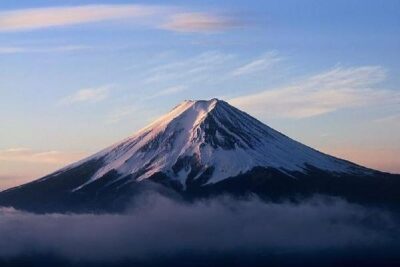
The star stop is Mt. Fuji’s 5th Station, where you have time for a break, photos, and sightseeing. The big win here is altitude: you are up around 2,300 meters, with cold air and big views that you can enjoy without hiking.
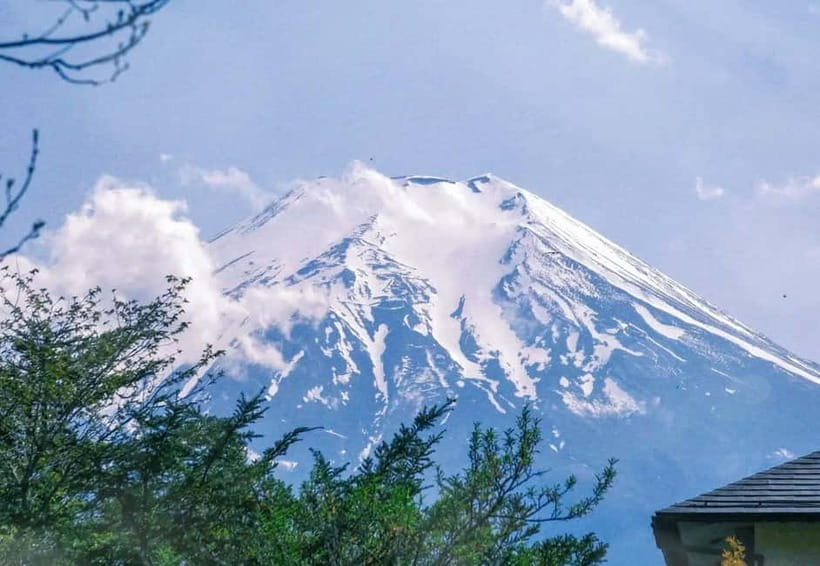
This is also your easiest chance to see the mountain up close, because you are not relying on a clear sky from sea-level only. Even if the air is brisk, you are getting that iconic Fuji silhouette in a way that feels immediate and intense.
At the 5th Station, you also get a guided tour element and free time. That matters because the viewpoint is not just one spot. You can walk a bit, frame photos from different angles, and then shop.
Two important details affect what you actually see:
- Mt. Fuji’s 5th Station opening period is May 10 to Nov 30.
- Outside those dates, you visit Shinkurayama Asama Park instead.
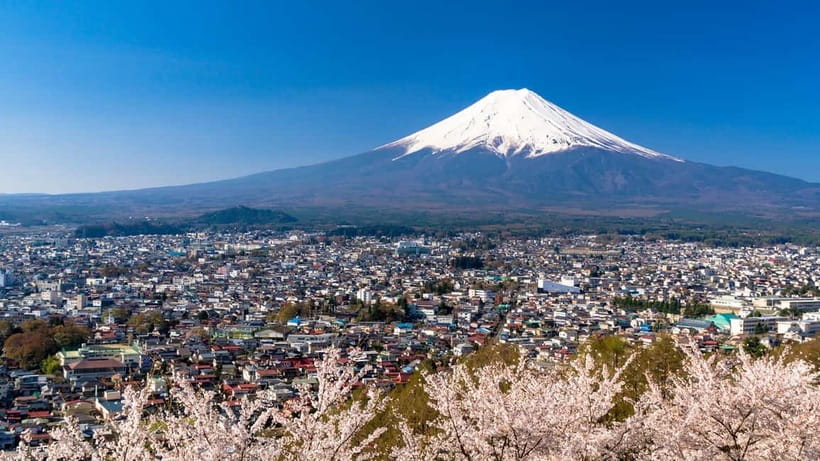
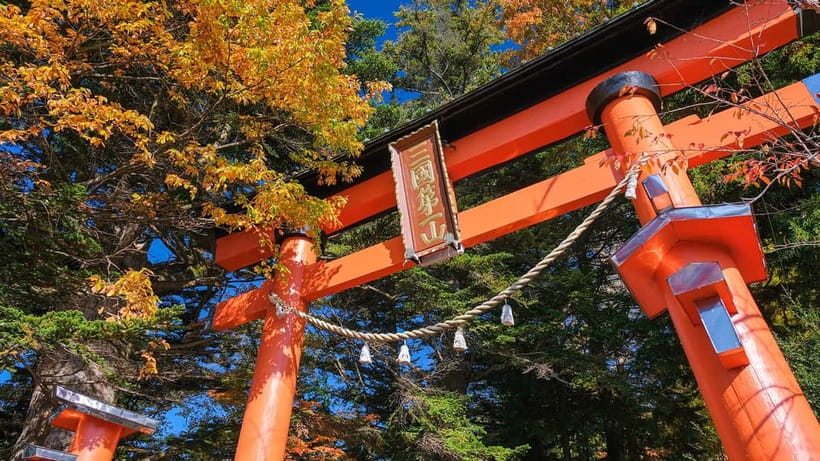
Shinkurayama Asama Park is described as a classic photo landmark, with a crimson pagoda and Mt. Fuji in the background. The key point for your planning is simple: your Fuji photo will still happen, but the exact scene changes with the season.
One more tip that helps: at the 5th Station, bring sunglasses and a light jacket. Cool air at elevation is real, even if Tokyo felt warm when you left.
Oshino Hakkai ponds: traditional village time that feels unhurried
After the Fuji stop, you head to Oshino Hakkai, a traditional village built around eight ponds fed by Mt. Fuji’s snowmelt. Here you get about an hour of walking time, with a mix of guided visit and free time.
The ponds are the whole point, and they are visually different from the kind of water you usually see in cities. You will have plenty of chances to pause, look closely, and take photos. It is the kind of stop where you slow down without being told to. You are also in a more old-fashioned setting, with a thatched-roof feel that makes the day feel less like a drive-by checklist.
The tour also builds in time for a lunch break, plus street food opportunities, and some shopping time. Even though meals are not included, this is one of the easiest parts of the day to handle yourself. You can grab something quick, then return to the pond walk without needing to hunt for a specific restaurant.
One small cultural detail I like: you can try mochi made with Fuji spring water. That is the sort of snack that connects the place name to something you can actually taste, not just see.
If you love souvenirs that match the setting, Oshino Hakkai is a good moment to browse. It is not just magnets and T-shirts here. You are walking through a village atmosphere where shopping feels tied to the scenery, not thrown in as a hard stop.
Konohananoyu open-air onsen, and the etiquette you must know
The final big experience is at Konohananoyu Onsen, with about two hours to relax. This is where the day turns from sightseeing mode into body-recovery mode.
The highlight is right in the name of the experience: an open-air onsen with unobstructed views of Mt. Fuji. After standing around for photos at elevation, this kind of soak feels earned. Hot water also helps you reset if the morning felt cold or if your legs are tired from the pond walk.
Here is the etiquette reality check you need before you go:
- Onsen bathing is nude bathing, and it is required.
- If you have tattoos, you must cover them, or entry can be refused.
- Baths are separate for men and women.
It is also noted that you can enjoy a meal in the rest area if you want, but that is at your own expense.
A practical way to make this stop go smoothly: plan to arrive ready to follow the flow quickly. The tour time window is generous, but you still want to be changed and settled so you get the full value of the view. If you are visiting on a busy weekend or holiday, it can be crowded and the wait can get long, so you should mentally budget extra time for lineups.
Also, the data includes an important seasonal rule: hot spring arrangements are not available on weekends and Japanese national holidays. That means your schedule on those days may shift. If your priority is specifically the open-air onsen, consider choosing a weekday departure when hot spring arrangements are running.
Gotemba Premium Outlets option: a smart move when timing gets tight
Depending on the day of week, you may have an option involving Gotemba Premium Outlets, which sits at the foot of Mt. Fuji. This can be a good trade if:
- you arrive during heavy crowds,
- you want more shopping time,
- or you are on a day when hot spring arrangements are not available.
The notes say that from Monday to Friday, you can choose between a visit to Gotemba Premium Outlets or a hot spring experience. On weekends and Japanese national holidays, hot spring arrangements may not be running, and then shopping becomes the practical anchor for the afternoon.
Even if you are not a big outlet shopper, this is a useful fallback. Mt. Fuji days can get chaotic with traffic and crowds, and having a place with indoor options makes the day feel less unpredictable. Think of Gotemba as your weather-proof plan B, plus it is a place to do practical shopping without hunting around.
If you do go, use the Fuji view as a quick bonus. There can be moments where the mountain appears while you are walking through the area, so keep an eye up from your phone screen.
What the day schedule feels like in real life
This is a one-day loop, and the order is built for maximum famous-photo density. You leave Tokyo, reach Fuji first, then Oshino Hakkai, then Konohananoyu Onsen, and return to Tokyo by bus.
The “walk time” numbers are helpful for pacing. At Mt. Fuji 5th Station you have around one hour to walk and sightsee. Oshino Hakkai also gives about one hour for walking. Then onsen time is roughly two hours, which is the slowest and most restorative part.
That timing tells you something important about the experience: it is not a hiking day. It is a viewing and culture day. If you want to climb trails, this tour is probably not your match. If you want iconic Mt. Fuji visuals and then a traditional village and onsen reset, it is a strong fit.
One more thing to watch: the day adjusts on weekends and holidays. Routes, order, and even stays can shift for efficiency due to traffic and crowds. That is normal for Fuji days. The practical takeaway is to avoid booking anything strict right after the tour back in Tokyo, especially time-sensitive transport like a same-day Shinkansen connection.
Price and value: what $50 buys you, and what it does not
At about $50 per person, this tour can be a good deal if you value organized logistics. What you are getting for that price is:
- a professional tour guide (English or Chinese),
- and round-trip transfers from the pickup points.
What you are not getting:
- meals,
- the onsen fee,
- personal expenses,
- and personal travel or accident insurance.
So the real cost depends on your on-the-ground spending. In practice, you will likely pay for onsen entry if it is part of your day, plus you will want a snack or lunch in Oshino Hakkai. Budget a bit for Fuji-shaped souvenirs too, especially because the tour highlights volcanic stone items at the 5th Station.
Is $50 still worth it? Usually yes, because it saves time and confusion. For a first Mt. Fuji trip, the convenience of getting to 5th Station and combining it with Oshino Hakkai and onsen in one day can outweigh the add-on costs. If you are comfortable planning everything solo and you already know the best buses, you might compare costs. But most people are paying for fewer headaches.
One more value note from recent guide experiences: some departures have featured guides like Lin Tian Anna, and reports describe her as friendly, organized, and helpful with maximizing photo time and souvenir tips. Since guide quality can vary by departure, I would treat that as a bonus, not a guarantee. Still, it suggests this operator sometimes delivers more than just a bus driver reading a schedule.
Who should book this Mt. Fuji day trip
This is a good match if you want:
- Mt. Fuji 5th Station views without hiking
- traditional village time at Oshino Hakkai
- an onsen stop with Mt. Fuji views when it is running
- a one-day structure that keeps you from overthinking transit
It is especially suitable for visitors who like scenic stops, want photo time, and appreciate guided explanations at least some of the way.
It is not a good match if you:
- are pregnant,
- have mobility impairments or use a wheelchair,
- or are over 70.
It also includes a note for toddlers: children aged 0 to 3 may join, but you should consult customer service in advance for safety reasons.
And if you are very sensitive to pacing and want constant, detailed commentary at every stop, you should know there is some variability. Some days may feel more driver-led than guide-led. If you care deeply about narration, ask ahead what you can expect from the guide role on your specific departure.
Should you book it?
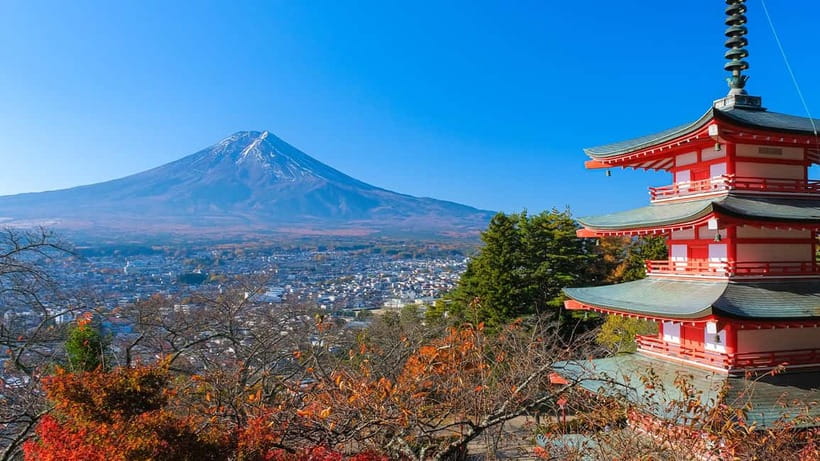
I would book this tour if your dream Mt. Fuji day looks like: up-close Fuji photos, a classic water-and-village stop, and then a hot outdoor soak. The structure makes it a low-effort day with high payoff, especially given the access to 5th Station by bus and the strong focus on views.
I would skip or reconsider if your travel date falls on a weekend or Japanese national holiday and onsen is a must for you, since hot spring arrangements may not be available then. Also reconsider if you need guaranteed, minute-by-minute guided storytelling, because guide commentary quality can vary.
If you pick a weekday departure, come prepared for cold air at elevation, and treat the schedule as a photo-and-relax day rather than a hike, you will likely find it hits the sweet spot.
FAQ
Where are the pickup locations in Tokyo?
You can meet at either SMBC Bank Shinjuku Nishiguchi or Tokyo Station Marunouchi-Kitaguchi (Marunouchi North Exit). The meeting point may vary depending on which option you book.
How long does the trip last?
The total duration is one day.
Does the tour include meals and the onsen fee?
Meals are not included, and the onsen fee is also not included. Personal expenses are also not included.
When is Mt. Fuji 5th Station open, and what happens outside those dates?
Mt. Fuji 5th Station is listed as open from May 10 to November 30. Outside those dates, the tour visits Shintaku-yama Asama Park instead.
Is the onsen included every day?
Hot spring arrangements are not available on weekends and Japanese national holidays, according to the tour notes. On weekdays, you may have a choice involving hot spring experience versus Gotemba Premium Outlets.
What are the rules for tattoos at the onsen?
Guests with tattoos must cover them. If tattoos are not covered, entry to the onsen will be refused.
What should I bring for the day?
Bring comfortable shoes, sunglasses, a camera, water, comfortable clothes, and cash. A light jacket is also recommended because it can be cooler around 2,300 meters.
What is onsen bathing like, and are there any vehicle rules?
Japanese onsens require nude bathing. Smoking is not allowed, and food and drinks are not allowed in the vehicle.
Mount Fuji, Three More Ways
Newest Fujinomiya write-ups from the Loving Japan desk
Mount Fuji Day Trips, side by side.
 ★ 5.0Mt Fuji and Hakone 1-Day Bus Tour Return by Bullet TrainFrom $16326,383 reviews
 ★ 4.0Mt Fuji & Hakone Cruise, Drum Show Bullet Train 1 Day from TokyoFrom $1497,413 reviews
 ★ 4.4Tokyo Mt Fuji 5th St & Hakone Cruise Bus Tour w/Bullet TrainFrom $1545,024 reviews
 ★ 4.5From Tokyo: Mount Fuji Full-Day Sightseeing TripFrom $684,970 reviews
 ★ 4.7Mt. Fuji Tour, Hakone Ropeway, Owakudani, Lake AshiFrom $544,002 reviews
 ★ 4.4Mt.Fuji,Kawaguchiko Oishi Park,Arakurayama Sengen ParkFrom $542,682 reviews
 ★ 4.2Mt. Fuji 5th Station & Hakone Cruise 1-Day Bus TourFrom $1292,381 reviews
 ★ 4.7Mt Fuji Top 5 Spots Day Tour: Arakurayama Park,Oshino HakkaiFrom $532,066 reviews
Filed on these lists too