
REVIEW · MOUNT FUJI DAY TRIPS
Tokyo: Mt. Fuji Tour, Hakone Ropeway, Owakudani, Lake Ashi
A red Torii and black eggs in one day. I like how the tour stacks Hakone Ropeway panoramas with Owakudani’s steam vents, guided by people like Captain Jack who keep the day moving.
I love the Heiwa no Torii photo moment at Lake Ashi and the black eggs tradition boiled in volcanic spring water at Owakudani.
The only real catch is that Mt. Fuji visibility is weather dependent, so you might get cloud drama instead of the classic perfect cone.
Key moments that make this tour worth your time
- Heiwa no Torii on Lake Ashi, one of Japan’s most photogenic roadside scenes
- Hakone Ropeway for big views over Lake Ashi and toward Mt. Fuji (when clouds cooperate)
- Owakudani Volcanic Valley plus the famous black eggs you can try right there
- Lake Yamanaka Swan Lake Shore photo stop with Mt. Fuji in the background when visible
- Oshino Hakkai ponds, fed by Mt. Fuji snowmelt, for a calmer end to the day
- Optional pirate ship cruise on Lake Ashi (Royal II, Victory, or Queen Ashinoko) if you want more water views
In This Review
- Hakone and Mt. Fuji in One Packed Day
- Where You Meet and How the Morning Flows
- Heiwa no Torii and Hakone Shrine on Lake Ashi
- Pirate Ship Cruise on Lake Ashi, Optional But Scenic
- Hakone Ropeway: The Panoramic Break in the Clouds
- Owakudani Volcanic Valley and the Black-Egg Tradition
- Lake Yamanaka Swan Lake Shore and Fuji Photo Odds
- Oshino Hakkai Ponds, Fuji Snowmelt at Ground Level
- Timing, Lunch Strategy, and What to Pack
- Price and Value for 10 Hours of Transport Plus Ropeway
- Who This Tour Fits Best, and Who Should Skip It
- Should You Book This Hakone and Mt. Fuji Day Trip?
- FAQ
- Is the pirate ship cruise on Lake Ashi included?
- What does the tour price include?
- Is lunch included?
- Can I eat on the vehicle?
- What if the ropeway is closed?
- What if I cannot see Mt. Fuji?
- Is the red Torii gate always open?
Hakone and Mt. Fuji in One Packed Day
This is a classic one-day sampler platter of the Hakone and Mt. Fuji region. You start with iconic lakeside shrines, then move up to volcanic science in action at Owakudani, and finish with Fuji-fed ponds at Oshino Hakkai. If you want a quick way to experience multiple “Fuji flavors” without planning trains and buses all day, this format is practical.
What I especially like is the pacing. The tour gives you photo-friendly stops where you can actually walk around, not just sit on a bus and hope. You’ll also get at least two strong viewpoint chances, Hakone Ropeway and the Lake Ashi area, plus another shot at Mt. Fuji at Lake Yamanaka.
The trade-off is time pressure. It’s about 10 hours total, so you’ll need to keep your energy up, wear comfortable shoes, and snack strategically.
Fuji from Tokyo: the other approaches
- Mt Fuji and Hakone 1-Day Bus Tour Return by Bullet Train
★ 5.0 · 26,383 reviews - Mt Fuji & Hakone Cruise, Drum Show Bullet Train 1 Day from Tokyo
★ 4.0 · 7,413 reviews - Tokyo Mt Fuji 5th St & Hakone Cruise Bus Tour w/Bullet Train
★ 4.4 · 5,024 reviews - From Tokyo: Mount Fuji Full-Day Sightseeing Trip
★ 4.5 · 4,970 reviews
Where You Meet and How the Morning Flows
You meet at one of two pickup spots in Tokyo, either Tokyo Station or Shinjuku Station (the exact meeting point can vary by option). On the day, the staff member is easy to spot in a yellow vest, and you should arrive at least 15 minutes early.
From there, you’ll board an air-conditioned coach and head to Hakone. Plan for roughly two hours on the road. The schedule is built around tight connections, and that matters because some of the best photo moments depend on timing and weather.
A small but important reality check from how the day runs: food is not allowed on the vehicle, so if you skip breakfast, you’ll feel it later. I strongly recommend eating before you go. Bring water and a snack, especially if your start time is early.
Also, this is a shared tour with a multilingual guide, so you’ll follow group timing even if another group is moving slightly slower. The guide’s job is to herd the cats, and guides like Wanting, Leonard, Tom, Sato, and Kousei are repeatedly praised for keeping everyone on track and helping with instructions at each stop.
Heiwa no Torii and Hakone Shrine on Lake Ashi
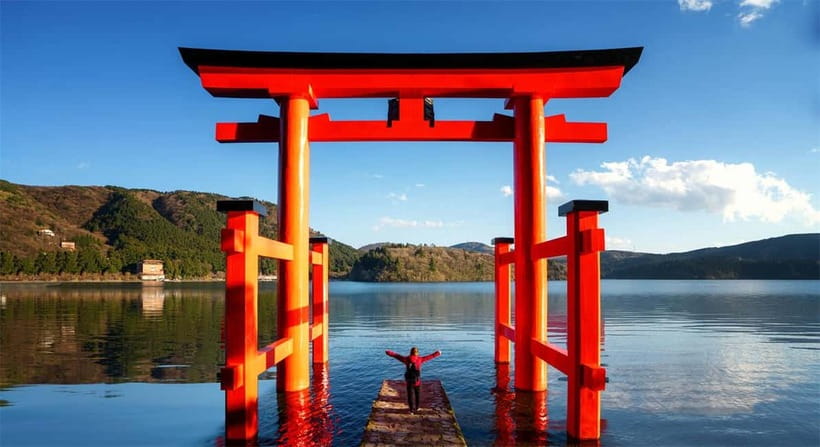
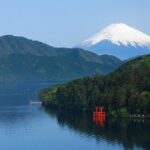
Your Lake Ashi stop starts with Heiwa no Torii, also known for its famous red Torii gate framing the water. This is one of those sights that looks good from multiple angles, which helps when crowds are thick. You’ll have time to explore the area and get your pictures.
Two practical notes matter here. First, Mt. Fuji visibility is not guaranteed, so your best approach is to shoot from multiple positions instead of waiting for one exact frame. Second, the Torii gate will be closed from Dec. 28 to Feb. 10, 2026. If you travel during that window, expect the photo opportunity to be different.
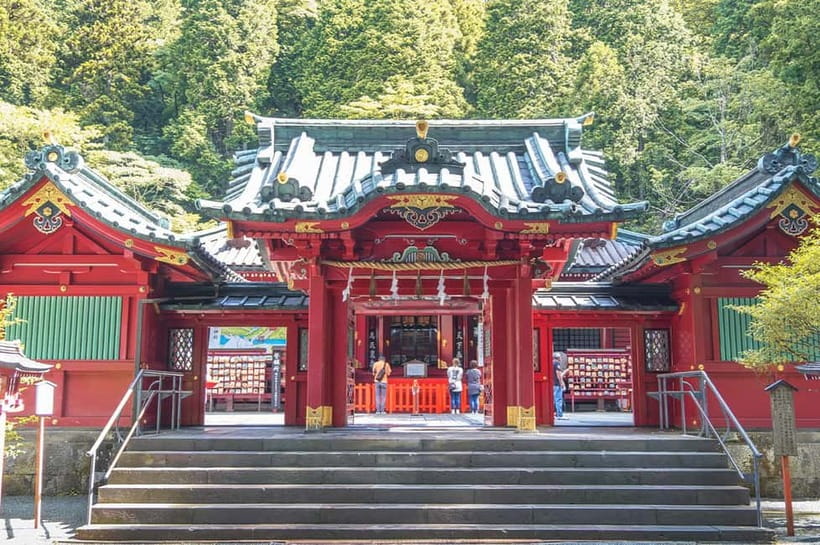
Right after, you’ll visit Hakone Shrine, a sacred site with roots dating back to 757. It’s not only scenic. The shrine gives context for why people come to this area in the first place, especially if you’re interested in the way Shinto sites connect with nature, water, and mountain worship.
This stop is usually a crowd magnet. Your advantage is having a guide who can tell you where to stand and how long to wait before moving on.
Pirate Ship Cruise on Lake Ashi, Optional But Scenic
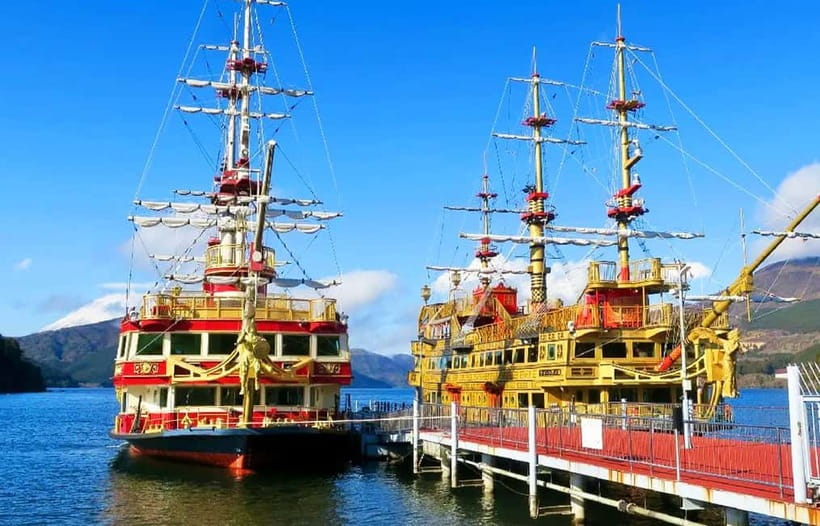
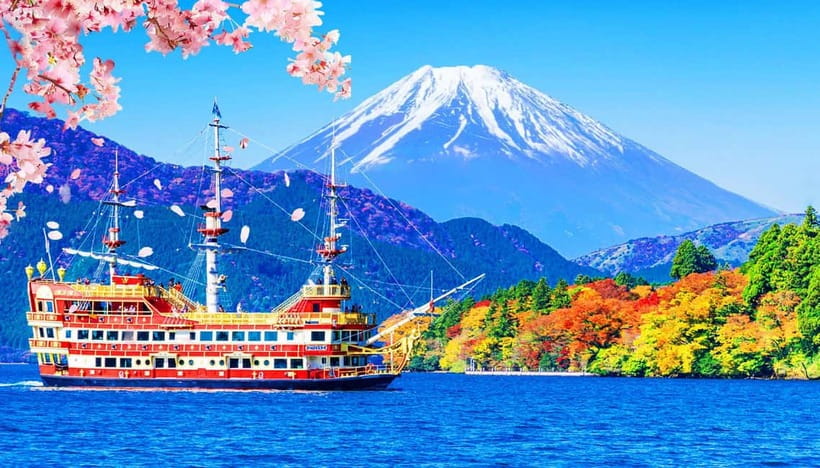
Lake Ashi is a big part of the Hakone look, so this optional add-on can pay off, especially if Mt. Fuji is visible that day. The cruise is self-paid and costs around 1700 JPY.
You can choose among three themed ships: Royal II, Victory, and Queen Ashinoko. The value here is simple: you trade a short guided walking block for time on the water, with sweeping views of Lake Ashi and the Torii gate area.
Is it always worth it? I’d say it’s worth considering when:
- You’re traveling with someone who wants more time to just look, not just move
- You’re getting clear skies at the start of the day
- You like photography from a moving vantage point
If visibility is poor, the cruise can feel like extra cost for views that never fully arrive. Because of that, I treat the pirate ship as a weather-dependent bonus, not the core of the day.
The Hakone loop runs several ways. Here are the rest
- Private Tour to Mt. Fuji and Hakone (Fully Licenced Operator)★ 5.0 · 1,910 reviews
- Mt Fuji & Hakone Cruise, Drum Show Bus 1 Day from Tokyo★ 4.0 · 1,287 reviews
- From Tokyo: Mt. Fuji & Hakone Tour w/ Return by Bullet Train★ 4.2 · 1,278 reviews
- Mt Fuji and Hakone 1-Day Bus Tour Return by Bus★ 4.5 · 929 reviews
- Tokyo: Mt. Fuji, Kamakura, Big Buddha, & Lake Ashi Day Trip★ 4.5 · 867 reviews
Hakone Ropeway: The Panoramic Break in the Clouds
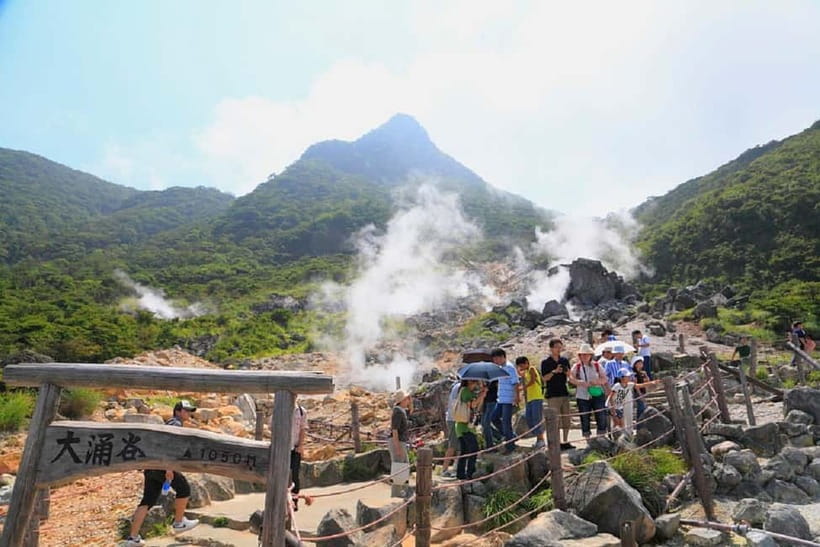
Next comes the Hakone Ropeway, included in the tour price. This is one of the best “effort versus payoff” rides in the itinerary. You’ll get cable car views over Lake Ashi and toward Mt. Fuji when the weather cooperates.
Expect a short block of time for the ride and sightseeing around the arrival points. It’s not a long hike, but you’re going higher in elevation, and that can change temperature and visibility fast. Bring weather-appropriate layers and keep your camera ready.
One important operational note: the ropeway may close due to bad weather or maintenance. If that happens, you can email for a ticket refund of 1000 JPY per person. Even with closures, the day is designed to keep you moving, but the view-based payoff might change.
Because you’re relying on weather, I suggest using this stop as one of your two main Mt. Fuji attempts. Don’t treat it as a guarantee.
Owakudani Volcanic Valley and the Black-Egg Tradition
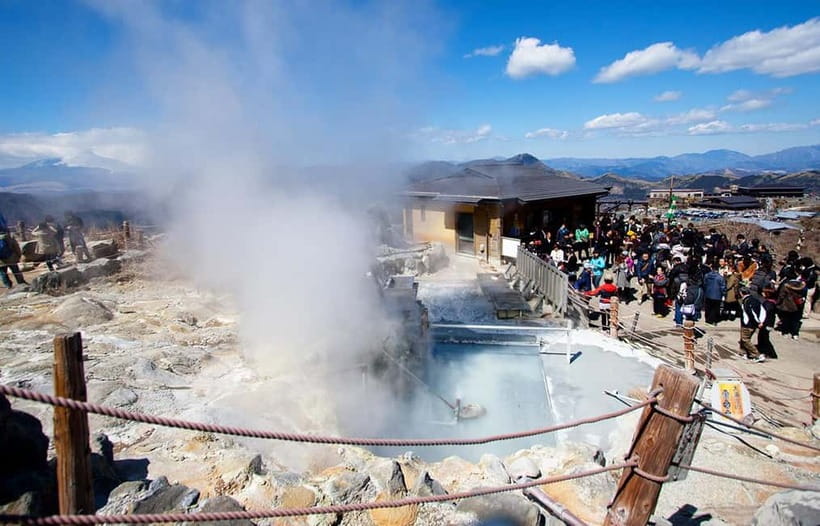
Owakudani is the emotional heart of this day trip for many people, because it’s not just a view, it’s active geology. The tour takes you to Owakudani Volcanic Valley, formed after a major eruption from Mt. Hakone about 4,000 years ago.
You’ll get a guided tour of about 50 minutes. That guided time is valuable because volcanic areas can look similar if you don’t know what you’re seeing. You’ll learn what the steam vents and mineral activity are telling you, and how this area became one of Japan’s most famous geothermal stops.
The signature experience here is trying the local specialty: black eggs. They’re boiled in volcanic spring water, and it’s one of those food-meets-place experiences that feels very specific to where you are. Even if you’re not a huge “food souvenir” person, this one is tied to the geothermal setting in a way that makes it more than a snack.
Heads up: the “smell of sulfur” vibe can be strong. If you have respiratory issues, the tour is not suitable, as listed by the operator. Comfortable shoes still matter, because you’ll be walking around an outdoor area.
Lake Yamanaka Swan Lake Shore and Fuji Photo Odds
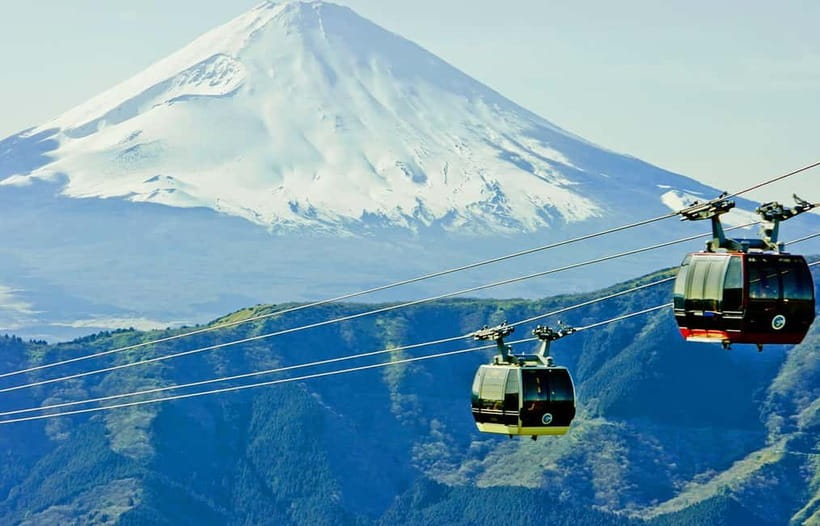
After the heat and steam of Owakudani, you shift to a calmer scene at Lake Yamanaka, one of the Fuji Five Lakes. The stop is at Swan Lake Shore, mainly a photo stop with free time.
This is where you look for Mt. Fuji in the background with swans in the frame. If visibility is good, this can be a very pleasing final “Fuji” moment. If visibility is poor, you can still enjoy the lakeside break, but your photos might be more about the setting than the mountain.
One practical note from how the day tends to run: schedule pressure is real. In some cases, you may not do every optional or scheduled micro-activity if the group is behind. The easiest way to handle that is to treat swans as a photo bonus, not a must-have.
Oshino Hakkai Ponds, Fuji Snowmelt at Ground Level
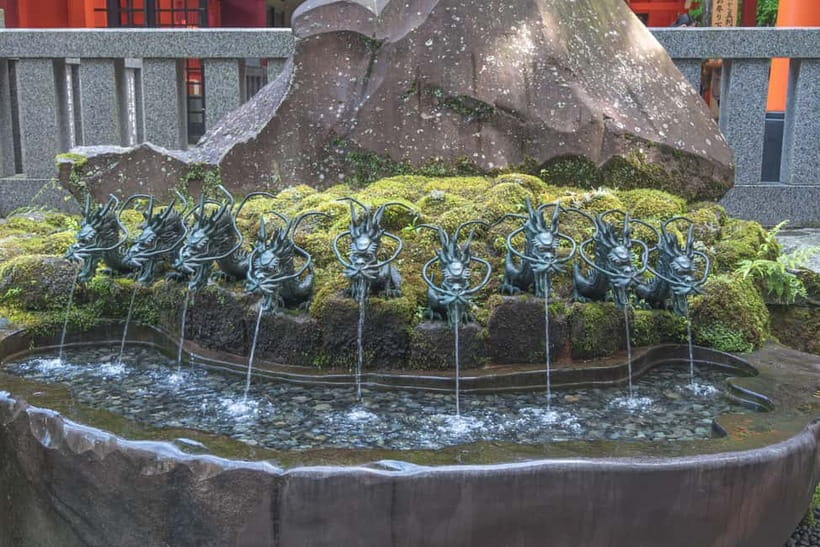
You finish at Oshino Hakkai, a scenic area made of eight crystal-clear ponds. These ponds are fed by Mt. Fuji snowmelt, which gives the site a direct physical connection to the mountain in a way that feels grounded.
You’ll have around 40 minutes for a photo stop and sightseeing. This stop is often a nice contrast after the busier crowds and the geothermal intensity earlier in the day. It’s also one of the best places to get a “Fuji story” that isn’t only about the cone view.
If you still want Mt. Fuji in your pictures, aim to position yourself early in the pond loop. Water reflections can look great when light is right, and the guide timing helps you reach the most practical angles before the group becomes a crowd blob.
Wear shoes you can move in easily. Even though this isn’t a long hike, you’ll be standing, walking, and repositioning for photos.
Timing, Lunch Strategy, and What to Pack
Lunch is not included, and the day does not revolve around sitting for a long meal. You’ll have a lunch break at a local restaurant for about 40 minutes later in the day. Because the rest of the day is structured and photo-based, the safest plan is to treat lunch as “good enough, fast,” not a leisurely sit-down.
You’re welcome to bring something to eat, purchase lunch at the attractions, or choose a restaurant suggested by the guide. Food is not allowed on the vehicle, so plan your snacks outside the bus.
Here’s what I recommend you pack:
- Comfortable shoes (you’ll stand and walk more than you expect)
- Camera and a charged phone
- Snacks and water
- Layers for cold or windy ropeway and lakeside moments
Also, traffic and weather can shift the order or timing slightly. The operator notes that the guide may adjust or cancel stops. The day normally runs from the morning meeting time to evening drop-off, about 10 hours, but it can stretch. Avoid booking other activities right after your tour ends.
One more timing reality: Japanese drivers are limited to 10 working hours per day, and heavy traffic can affect the final route and return timing. That’s not something you can control, so plan buffers in your schedule.
Price and Value for 10 Hours of Transport Plus Ropeway
At about $54 per person, this tour is mostly a value play on logistics. You’re paying for:
- Air-conditioned coach transportation from Tokyo to the Hakone and Fuji region
- Two-way pickup and drop-off at designated points
- A multilingual guide plus the driver
- Parking fees
- Hakone Ropeway fare included
What you pay extra for is mainly your own choice of the pirate ship cruise (around 1700 JPY) and your meals. Since lunch is not included, the true total depends on how you eat and whether you add the boat.
For me, the value math works if you want to see multiple major sites in one day and you don’t want to piece together transport yourself. If you already have a plan for trains and ropeways, the price advantage shrinks. But for most first-time visitors who want a smooth day with a guide calling out the important sights, it’s a solid deal.
Who This Tour Fits Best, and Who Should Skip It
This tour is a strong fit for:
- First-timers who want a fast overview of Hakone plus key Fuji Five Lakes area stops
- People who like guided explanations and photo-friendly stops
- Travelers who are okay with a long day and walking on mixed terrain
It’s not a good fit for people with mobility impairments or respiratory issues, because the itinerary includes outdoor geothermal areas and walking at multiple sites.
If you hate crowds or dislike time pressure, you might find the shared group pace stressful. You’ll still get free time at stops, but you won’t roam independently all day.
Should You Book This Hakone and Mt. Fuji Day Trip?
Book it if you want one day that covers the must-sees: Lake Ashi with the red Torii vibe, Hakone Ropeway viewpoints, Owakudani geothermal drama with black eggs, then a Fuji connection that feels calmer at Oshino Hakkai.
Skip or reconsider if:
- You’re only coming for an all-day Mt. Fuji guarantee. The tour clearly warns that visibility depends on weather.
- You can’t do shared group timing and prefer slow travel.
- You have respiratory concerns, since the geothermal setting and outdoor air are part of the experience.
My final take: if your goal is value and efficiency, this is a smart choice. Just go in ready for weather uncertainty, and treat lunch planning and snacks as part of the trip, not an afterthought. When skies clear, the views plus the geothermal stops can make this feel like a very complete Fuji day.
FAQ
Is the pirate ship cruise on Lake Ashi included?
No. The pirate ship cruise is optional and self-paid, around 1700 JPY.
What does the tour price include?
It includes Hakone Ropeway fare, pickup and drop-off at two designated points, air-conditioned vehicle transportation, a multilingual tour guide, the driver, and parking fee.
Is lunch included?
No. Lunch is not included in the tour price. There is a local restaurant break time for lunch during the day, but it is not included.
Can I eat on the vehicle?
No. Food is not allowed in the vehicle.
What if the ropeway is closed?
The ropeway may close due to bad weather or maintenance. You can email for a ticket refund of 1000 JPY per person.
What if I cannot see Mt. Fuji?
Mt. Fuji visibility depends on the weather and is not guaranteed.
Is the red Torii gate always open?
No. The Torii gate will be closed from Dec. 28 to Feb. 10, 2026.
The Hakone Loop, Reviewed
Mount Fuji, Three More Ways
Newest Tokyo write-ups from the Loving Japan desk
Mount Fuji Day Trips, side by side.
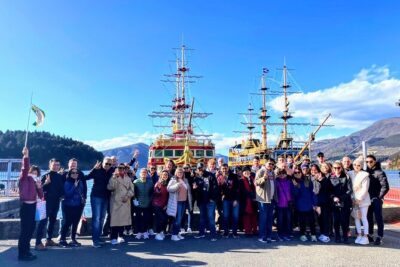 ★ 5.0Mt Fuji and Hakone 1-Day Bus Tour Return by Bullet TrainFrom $16326,383 reviews
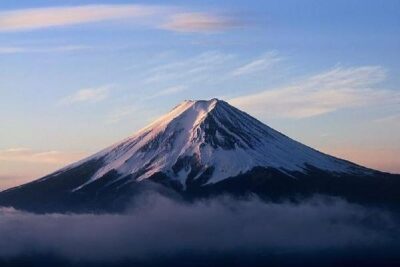 ★ 4.0Mt Fuji & Hakone Cruise, Drum Show Bullet Train 1 Day from TokyoFrom $1497,413 reviews
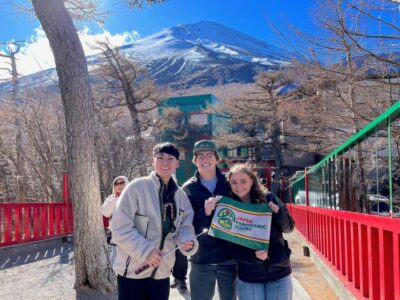 ★ 4.4Tokyo Mt Fuji 5th St & Hakone Cruise Bus Tour w/Bullet TrainFrom $1545,024 reviews
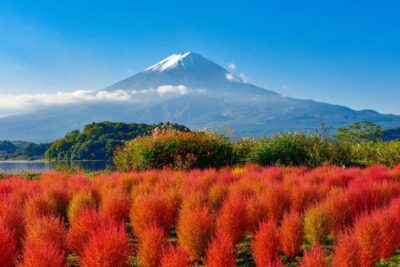 ★ 4.5From Tokyo: Mount Fuji Full-Day Sightseeing TripFrom $684,970 reviews
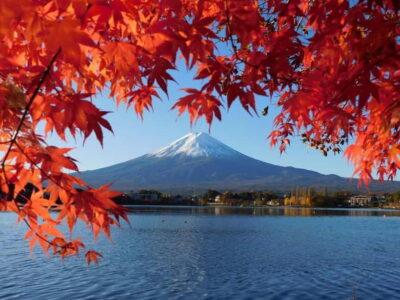 ★ 4.4Mt.Fuji,Kawaguchiko Oishi Park,Arakurayama Sengen ParkFrom $542,682 reviews
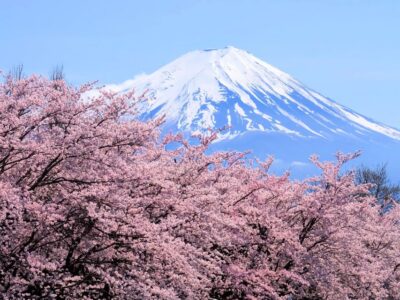 ★ 4.2Mt. Fuji 5th Station & Hakone Cruise 1-Day Bus TourFrom $1292,381 reviews
 ★ 4.7Mt Fuji Top 5 Spots Day Tour: Arakurayama Park,Oshino HakkaiFrom $532,066 reviews
 ★ 5.0Private Tour to Mt. Fuji and Hakone (Fully Licenced Operator)From $4971,910 reviews
Filed on these lists too