
REVIEW · DAIKOKU PARKING AND JDM CAR CULTURE
Best Price Daikoku Parking Tokyo Drift & APIT Car Meet Tour
Daikoku Parking has a way of making your brain hit fast-forward. This tour is built for that moment, with local English support and a plan that pairs the famous meet with a practical stop at APIT so you get more than just sightseeing. I like that the guides are true insiders from the Daikoku and drifting/tuning community, not armchair fans, and I also like the added Tokyo skyline drive back, including Rainbow Bridge and Tokyo Tower. One consideration: if it rains hard or snow hits, the tour can be canceled, so check the forecast before you lock in plans.
You also get a private format with real flexibility. You can ask for what you want to do after booking, and if you want a less rigid day, that local perspective matters. The tour generally spends about 1 hour at Daikoku, so you will want to be ready to stand, look, and talk, not just take photos and move on.
In This Review
- Key highlights worth showing up for
- Daikoku Parking, Tokyo Drift Energy, and the Value of Going Local
- APIT Before Daikoku, Why the Auto Store Stop Makes the Day Better
- Getting There in a Modified Lexus LS or Honda Wagon
- The Daikoku Parking Hour, What You Should Actually Do While You’re There
- The Return Drive You Will Notice, Rainbow Bridge and Tokyo Tower
- Price and Logistics, Why $133 Can Make Sense for This Kind of Day
- Who This Tour Fits Best, and Who Might Want to Think Twice
- Practical Tips So Your Day Goes Smoothly
- Should You Book the Best Price Daikoku Parking and APIT Car Meet Tour?
- FAQ
- Where does the tour go after pickup?
- How long do you spend at Daikoku Parking?
- What vehicle is used for pickup and drop-off?
- Do you provide an English-speaking guide?
- What is APIT exactly?
- Does the tour include Tokyo skyline sights?
- What happens if the weather is bad?
Key highlights worth showing up for
- Local Daikoku and drift community guide who can explain what you’re seeing, not just point at it
- APIT auto store stop first, with car parts, apparel, books, and JDM-related gadgets
- About 1 hour at Daikoku Parking so you get the full vibe without feeling rushed
- Pickup and drop-off included, typically in a modified Lexus LS or Honda wagon
- Scenic return drive with pass-by views like Rainbow Bridge and Tokyo Tower
- Private, English-speaking experience with a guide who knows the scene from inside
Other nights out with the Daikoku crowd
- GT-R35 800hp Club Membership – secret underground car meet
★ 4.8 · 998 reviews - Tokyo: Fast & Furious Tokyo Drift 3 Experience (Kaila Yu SP)
★ 4.8 · 947 reviews - Tokyo: Daikoku JDM Car Meet & Night Car Culture Tour
★ 4.8 · 626 reviews - Secret Car Meet: R34 Skyline Car Club Membership
★ 4.8 · 494 reviews
Daikoku Parking, Tokyo Drift Energy, and the Value of Going Local
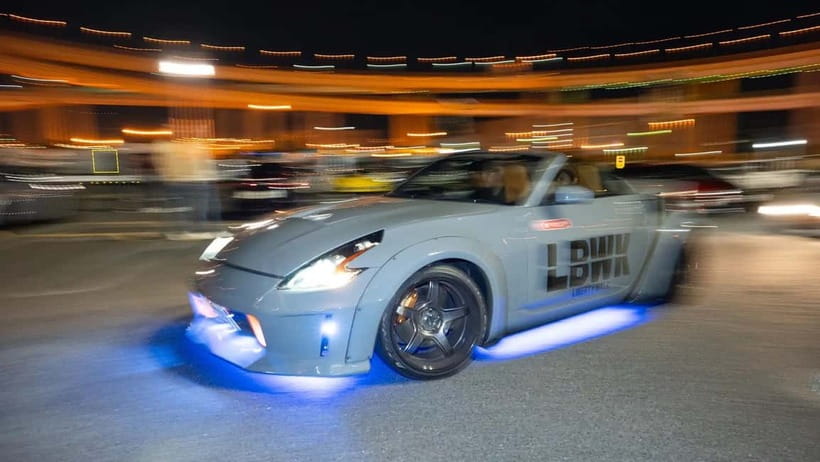
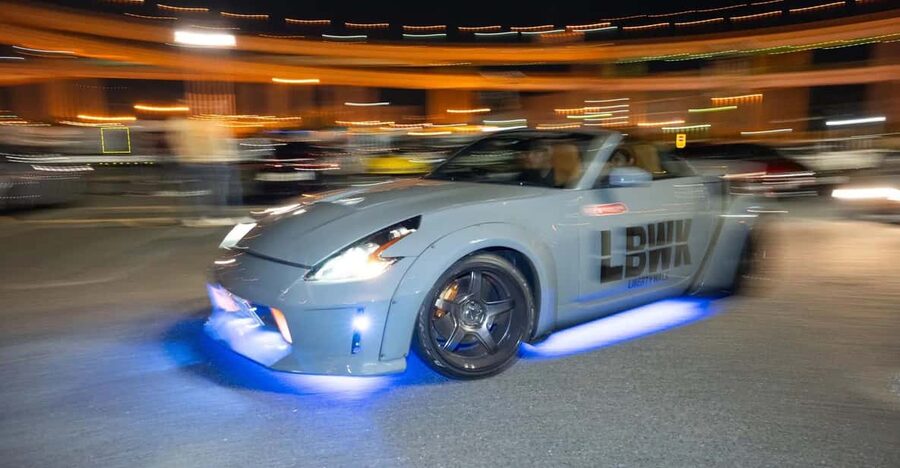
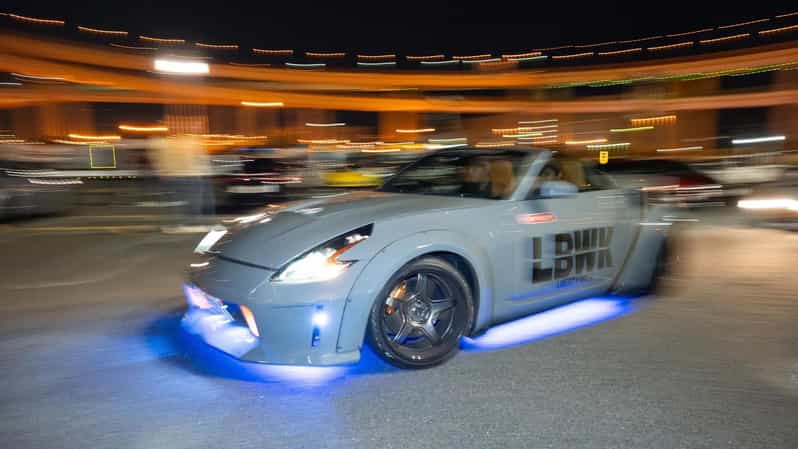
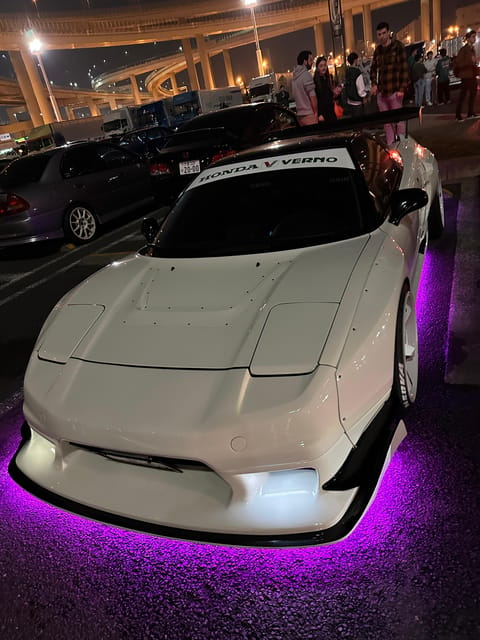
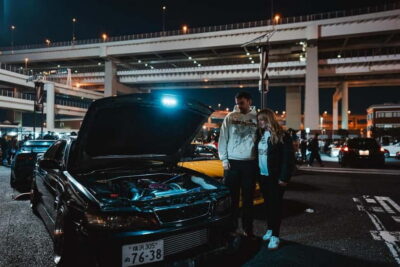
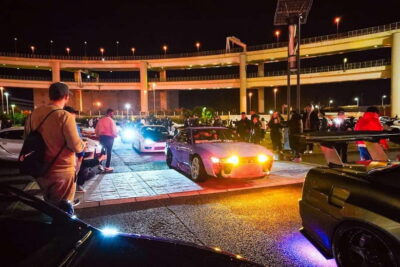
Daikoku Parking is one of the world’s best-known names in JDM culture for a reason. It’s not a museum stop. It’s a real meeting place where cars, people, and stories overlap in a way that feels like a movie set, but grounded in everyday car culture. The smartest thing about this tour is that it’s organized around that reality, with a local guide who understands how the scene actually works.
Two things make it click. First, you are not navigating everything alone, especially if you are new to the car-meet world. Second, you can ask questions and get answers that fit the context of drifting, tuning, and what cars are meant to do on the street. Guides like Takeshi and Toshi have been highlighted for being friendly and for talking from real community experience, and that tone matters when you want the story behind the cars.
The other reason this tour feels worth it is the pacing. You get a sequence that starts with auto-culture shopping at APIT, then moves you into the meet atmosphere at Daikoku, then sends you back through some of Tokyo’s most recognizable skyline views. That means you’re not stuck only in one mode, looking at one kind of thing for hours.
APIT Before Daikoku, Why the Auto Store Stop Makes the Day Better
The tour starts by heading to APIT, described as the biggest auto store in the Tokyo area, packed with car parts and JDM-related goods. This isn’t just a random detour. It’s a smart warm-up. Before you arrive at Daikoku, you get a chance to see the gear, brands, and categories that show up on the cars you’ll later spot in the parking area.
At APIT, you might notice how enthusiasts shop for identity, not just function. Apparel, books, toys, and gadgets sit alongside parts and accessories, so even if you are not a hardcore mechanic, you can still connect the dots. It also helps you get comfortable with the language of car culture. You can walk in with basic interest and leave with more specific questions, like what certain setups are for, or how people choose parts for the look and the driving feel.
A practical benefit: APIT is indoors, so it can be a nice buffer if the weather is changeable. You still have the main Daikoku moment, but you’re not starting your day exposed to everything.
One small variation you might see, based on guide styles shared by past participants, is an extra auto accessories stop such as Autobacs on the way to Daikoku. That doesn’t replace the main APIT and Daikoku plan, but it can add a bit more shopping energy for people who want to browse.
Getting There in a Modified Lexus LS or Honda Wagon
Pickup and drop-off are included, and that alone can save you a lot of stress. The tour typically uses a modified Lexus LS or a similar vehicle, or a Honda wagon if you are in a larger group. This matters in Tokyo, where station-hopping can be tiring, and where finding the right way to reach a meet area is not always intuitive.
If you are traveling with friends or family, the wagon option can make the day feel less cramped. If you are booking alone, you still get the private tour structure, though for multiple bookings the provider may ask you to share a ride with other guests. That’s worth knowing if you want total control over vehicle time and small stops.
You can also request pickup in your preferred location. That helps a lot if your hotel situation is not near a major transit line. It also makes it easier to turn this into a clean half-day experience rather than spending your morning trying to solve logistics.
- Mt Fuji and Hakone 1-Day Bus Tour Return by Bullet Train★ 5.0 · 26,383 reviews
- 1-Day Tokyo Bus Tour★ 5.0 · 14,250 reviews
- Tokyo: teamLab Planets TOKYO Digital Art Museum Entry Ticket★ 4.6 · 9,779 reviews
- Mt Fuji & Hakone Cruise, Drum Show Bullet Train 1 Day from Tokyo★ 4.0 · 7,413 reviews
- Tokyo: Shinjuku Food Tour (13 Dishes at 4 Local Eateries)★ 5.0 · 6,603 reviews
The Daikoku Parking Hour, What You Should Actually Do While You’re There
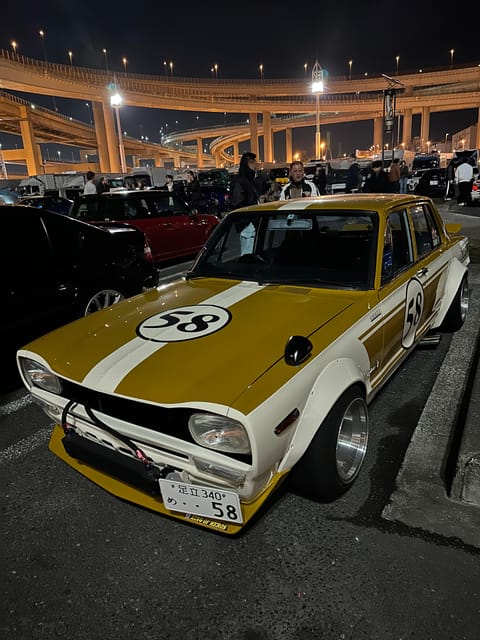
At Daikoku, you have around 1 hour to take in the scene. That time window is key. Too short, and you miss the people-watching and the slower conversations that make it fun. Too long, and it turns into the same loop of looking, photographing, and moving your feet without new information. One hour tends to hit the sweet spot for both casual observers and gearheads.
Here’s how I’d approach it so the hour pays off:
- Walk the edges first, so you understand the layout and where the densest clusters of cars are.
- Then pick a few cars that match your interests, drifting looks, engine bay style, wheels, aero, or overall stance.
- Talk to your guide while you’re still fresh. The guide can explain what you’re seeing and why owners prioritize certain parts or setups.
The reason having a local guide helps at Daikoku is simple. The scene has inside language. What looks like just a cool modification often has a practical reason behind it, or it ties into a local style. With an English-speaking guide from the community, you can skip the awkward guessing and spend your energy on what you came for: understanding the cars and how they fit into drifting culture.
One more tip: Daikoku is laid back, and that’s part of its appeal. You don’t need to know everything first. You can come curious, ask basic questions, and still feel like you belong.
The Return Drive You Will Notice, Rainbow Bridge and Tokyo Tower
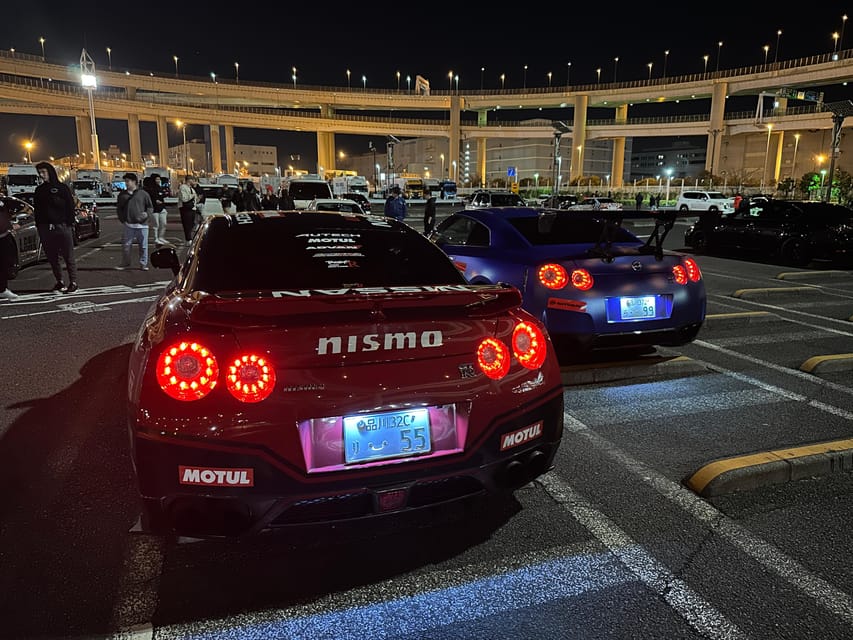
The tour includes a scenic return where you pass by Rainbow Bridge and Tokyo Tower. This is not just decoration. It gives your day a strong “Tokyo” finish after the meet experience. You get a change of scenery, you get a seated break, and you get the skyline moments that make the trip feel like more than a car stop.
For many people, Daikoku is the highlight. But the drive back helps you carry that excitement into something memorable and visual, especially if you are traveling with someone who likes cars but also wants that classic Tokyo view.
Price and Logistics, Why $133 Can Make Sense for This Kind of Day
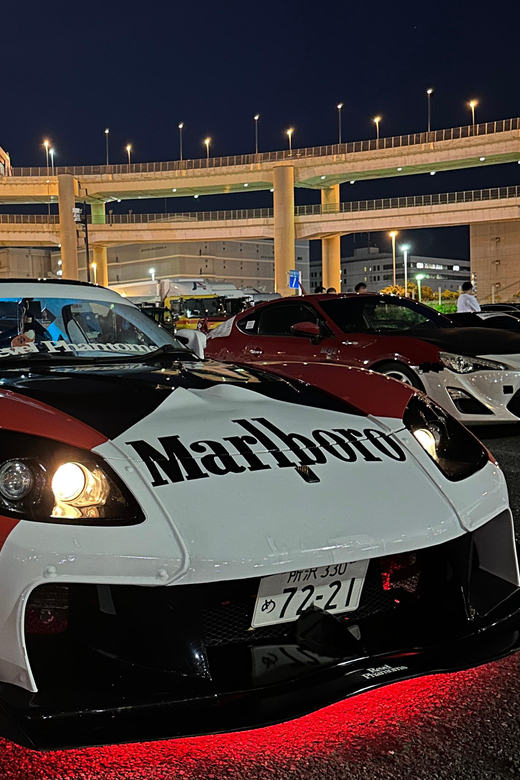
The price is listed at $133 per person, and the value depends on what you compare it to. If you try to piece this together yourself, you’ll run into multiple costs: transport, time, and the lack of a guide to interpret what you’re seeing at Daikoku and APIT. This tour bundles the essentials: pickup and drop-off, a fluent English-speaking local guide, and included transportation fees.
It also reduces friction. You don’t have to figure out where to go, how to time the meet window, or how to ask the right questions at the right moment. For a car-focused outing in Tokyo, that time savings is real money, even if the ticket price feels blunt at first.
The tour also functions well across different interest levels. If you are a serious JDM fan, the local guide background from the drifting and tuning scene helps you spot patterns and understand the culture. If you are a casual observer, the variety at APIT and the skyline pass make it feel like a well-rounded experience, not only standing around at a meet.
Who This Tour Fits Best, and Who Might Want to Think Twice
This tour is a strong match if you love street cars, drifting culture, or the specific look of JDM tuning. It’s also a good choice if you want an authentic, local-feeling experience without turning it into a full-day research project.
Based on how guides are described, it also suits people who enjoy conversation. Guides such as Toshi and Takeshi are repeatedly praised for being personable and informative, which turns the drive and the stops into more than transportation.
You might want to think twice if you hate standing. Daikoku is about being present, looking around, and taking in the scene. If you prefer controlled, seated attractions, this could feel more active than you expect.
Also consider weather. The tour can be canceled if there is heavy rain or snow. So if you are traveling during a season where storms are common, plan your Tokyo days with some flexibility.
Practical Tips So Your Day Goes Smoothly
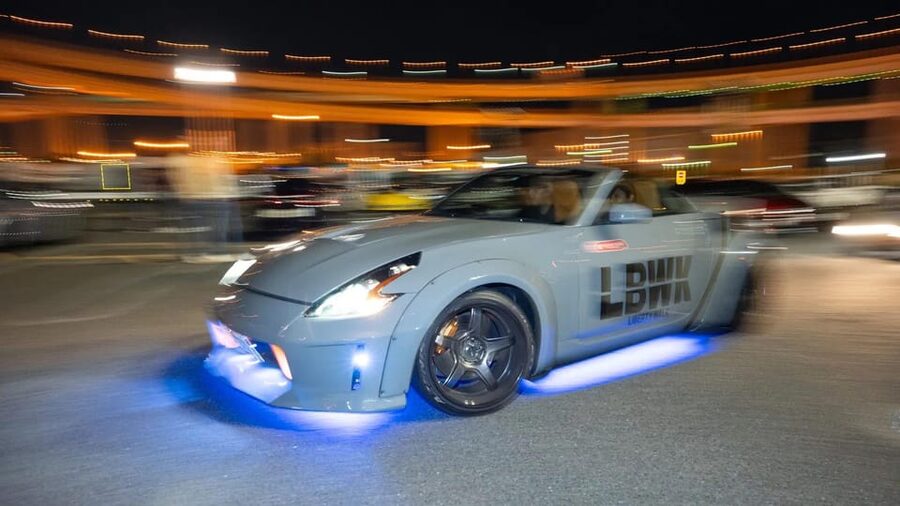
You’ll get the best experience if you treat this like a car-meet outing, not a formal sightseeing tour. Wear shoes you can stand in comfortably. Bring a jacket even in mild weather, because open-air time can feel cooler than you expect.
Keep your expectations realistic about time. You’re getting a focused visit to Daikoku, plus APIT and a skyline drive back. If you want a slower, longer car-meet crawl, ask about customizing the day. The provider notes that tours are custom as you wish, so you can communicate what you want to do after booking.
If you have special interests, bring them up early. The guide can steer you toward what matters most, whether it’s drifting culture, tuning style, or simply how the local scene interacts at Daikoku.
Should You Book the Best Price Daikoku Parking and APIT Car Meet Tour?
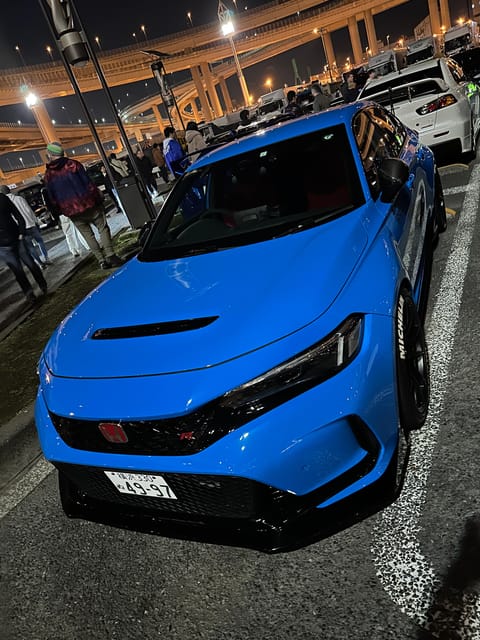
If you want a straight shot into the Tokyo/JDM car scene with local insight, clear pacing, and pickup included, I think this is an easy yes. It’s priced like a curated experience, not a budget gamble, and the biggest value comes from having a guide connected to the Daikoku and drifting community, plus a thoughtful APIT warm-up that makes your Daikoku hour more meaningful.
Book it especially if you are visiting Tokyo for the first time and want one car-focused day that feels authentic, friendly, and efficient. If you only want a quick photo stop and dislike active walking, or if your dates are inflexible during bad-weather seasons, you may want to compare alternatives. But for most JDM fans, this is one of the cleanest ways to experience Daikoku the way locals would.
FAQ
Where does the tour go after pickup?
The plan includes pickup and then heading to APIT first, followed by the visit to Daikoku Parking. The tour also includes drop-off back after the return drive.
How long do you spend at Daikoku Parking?
You spend about 1 hour at Daikoku Parking.
What vehicle is used for pickup and drop-off?
Pickup and drop-off are provided on a modified Lexus LS or a similar vehicle. For larger group size, a Honda wagon is used.
Do you provide an English-speaking guide?
Yes. The guide is fluent English speaking, and languages listed for the tour are English and Japanese.
What is APIT exactly?
APIT is described as the biggest auto store in the Tokyo area, with car parts, apparel, books, toys, and JDM car-related items.
Does the tour include Tokyo skyline sights?
On the way back, the route passes Rainbow Bridge and Tokyo Tower, as part of the return drive.
What happens if the weather is bad?
The tour will be canceled in cases of heavy rain or snow.
Car Nights Around Tokyo Bay
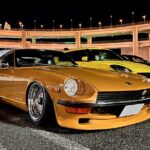

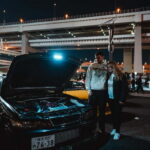
Newest Tokyo write-ups from the Loving Japan desk
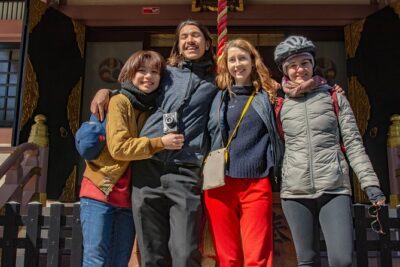
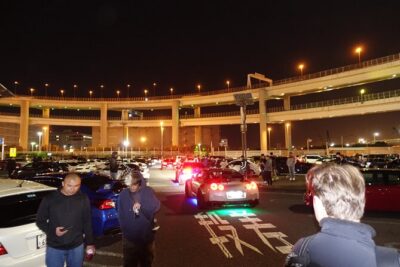
Daikoku Parking and JDM Car Culture, side by side.
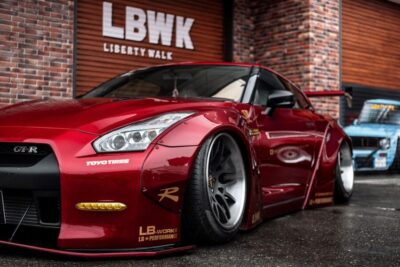 ★ 4.8GT-R35 800hp Club Membership – secret underground car meetFrom $205998 reviews
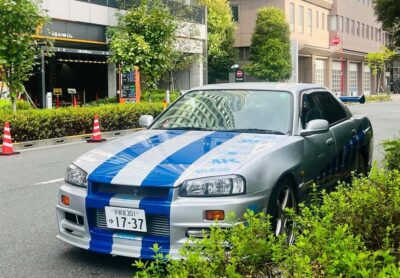 ★ 4.8Fast & Furious Tokyo Drift 3 Experience (Kaila Yu SP)From $157947 reviews
 ★ 4.8Daikoku JDM Car Meet & Night Car Culture TourFrom $98626 reviews
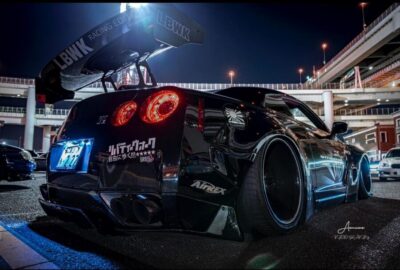 ★ 4.8Secret Car Meet: R34 Skyline Car Club MembershipFrom $236494 reviews
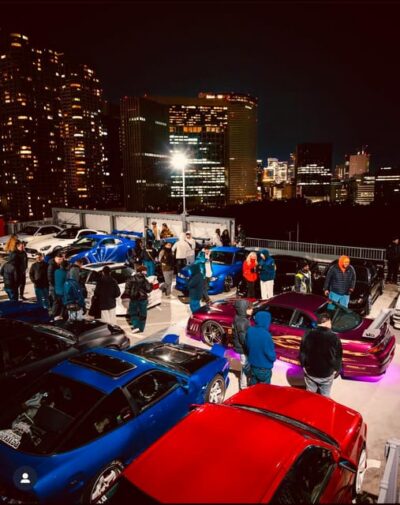 ★ 4.9EVO, WRX, Skyline – JDM Night Run to Daikoku Car MeetFrom $125478 reviews
 ★ 4.7Tokyo Drift: Daikoku PA Supreme Car Experience 大黒PAFrom $58372 reviews
 ★ 4.9Legendary JDM CAR Daikoku Underground MeetupFrom $82360 reviews
 ★ 4.6Go Daikoku PA Fast & Furious 3 Sports Car MeetupFrom $49356 reviews
Filed on these lists too