
REVIEW · JAPANESE CRAFT AND CALLIGRAPHY WORKSHOPS
Bonsai Tour & Experience at the Most Sacred City for Bonsai in JP
Bonsai starts small, then grabs you. In the Bonsai-cho area outside Tokyo, you learn the story behind miniature trees and then practice real techniques with your guide. I especially liked the Bonsai-cho garden visits and the hands-on pruning session.
The biggest consideration is that the tour price does not cover everything you might want to do on the day. You’ll have to order something at the cafe (where the hands-on part takes place), and the Bonsai Art Museum has a separate admission fee.
You go in a small group, maximum 10, and guide Jun-san keeps the pace personal. If you ask questions, he makes time to explain both bonsai and Japan in plain, practical terms.
In This Review
- Key highlights you should care about
- Bonsai-cho near Tokyo: what makes this “bonsai city” special
- Getting there from Toro Station and how the day flows
- First session: seeing bonsai as miniature nature, not decoration
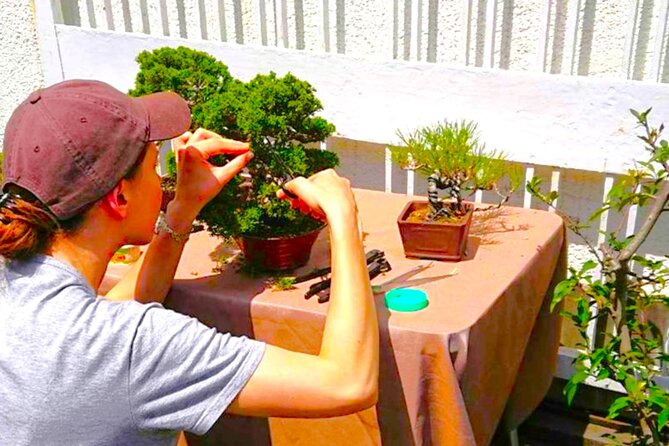
- The hands-on cafe session: pruning and shaping with real techniques
- Tools, guidance, and what’s included in the $55.52 price
- Budgeting extras: cafe ordering and the Bonsai Art Museum fee
- Group size, comfort level, and who will enjoy this most
- Practical advice before you go
- Should you book this Bonsai Tour & Experience near Tokyo?
- FAQ
- How long is the bonsai tour?
- Where do I meet for the tour?
- What time does the tour start?
- What is included in the tour price?
- What is not included in the tour price?
- Is the Bonsai Art Museum admission included?
- How many people are in the group?
- What age is this experience for?
- Is this experience refundable if I cancel?
- Do I get a mobile ticket?
Key highlights you should care about
- Bonsai-cho origin story: an area established around 100 years ago after the Great Kanto Earthquake, created by bonsai gardeners
- Outdoor garden viewing first: you start with a sightseeing session focused on seeing top-quality trees up close
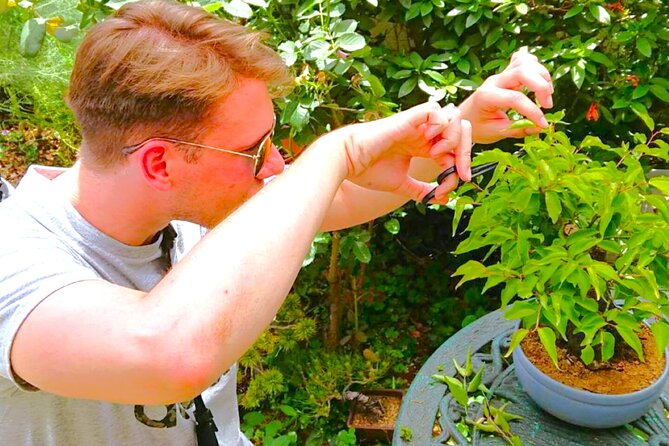
- True hands-on shaping: you practice key maintenance techniques, including pruning and wire cutting, with tool time included
- Small group attention: capped at 10 travelers, and it can feel even more intimate on quieter days
- Add-on options are clear: cafe ordering is required, and the Bonsai Art Museum has its own fee if you choose to enter
Make something to take home. Other workshops
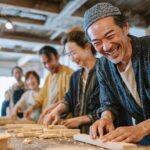
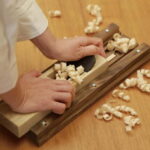
- Tokyo Shinjuku Chopsticks Making Class
★ 5.0 · 1,763 reviews - Chopstick Making Workshop in Ginza
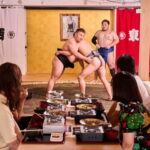
★ 4.8 · 1,366 reviews - Tokyo Sumo Experience: Chanko & Mochi with a Former Pro
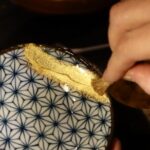
★ 4.8 · 567 reviews - Kintsugi Experience: Art of Golden Joinery in Tokyo
★ 5.0 · 467 reviews
Bonsai-cho near Tokyo: what makes this “bonsai city” special
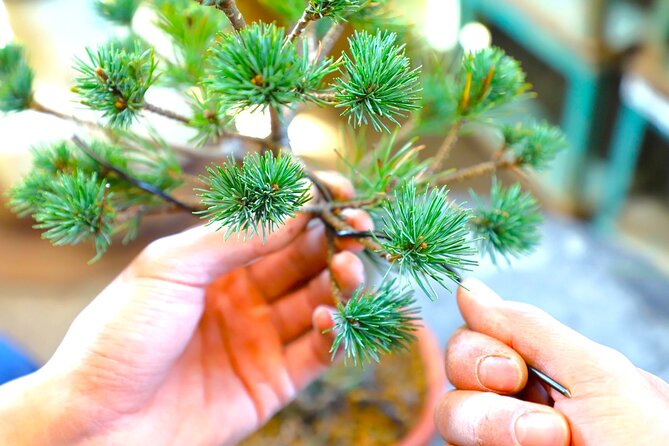
If you love bonsai, this part of Saitama is built for you. Bonsai-cho, sometimes translated as Bonsai City, was established about a century ago by local bonsai gardeners after the Great Kanto Earthquake, and the area is still surrounded by greenery.
What I like about this setting is that it is not just a stop with a few pretty trees. It is an actual bonsai hub with multiple long-established gardens in the area, which helps you understand how bonsai culture works when you see it repeatedly, not once.
You will also get the larger why behind bonsai. Bonsai is the traditional Japanese art of shaping miniature nature scenes in containers, and the tour frames it as something Japan is increasingly sharing with the world, partly because it can show both the beauty and severity of nature.
Getting there from Toro Station and how the day flows
The tour meeting point is at Toro Station 1 Chome in Kita Ward, Saitama. The start time is 10:00 am, and the activity ends back at the meeting point.
This matters because you are not dealing with a complicated “meet somewhere, then transfer twice” plan. You start at a public transportation node, and the day stays focused on Bonsai-cho, rather than turning into a long travel day.
Also, your time is tight in a good way. The tour is about 2 hours 30 minutes, which means you get enough viewing and hands-on practice without feeling like you are trapped in a half-day schedule.
First session: seeing bonsai as miniature nature, not decoration
You begin with an outdoor bonsai garden visit, and that first session is designed for your eyes. Instead of treating the trees like background scenery, you get commentary while you look at many examples, and that narration helps you notice details that are easy to miss on your own.
This is where bonsai stops being just “small trees” and becomes a design language. Bonsai involves growing and training tree branches into an artistic shape within a container, so the form, spacing, trunk movement, and silhouette all carry meaning.
A key practical benefit: you can spot the same “building blocks” that you will later handle yourself. Once you have walked through the garden and heard what the guide is looking for, you start to understand why pruning and wire work are not random cuts. They are part of an ongoing plan for the tree’s structure and balance.
- Mt Fuji and Hakone 1-Day Bus Tour Return by Bullet Train★ 5.0 · 26,383 reviews
- 1-Day Tokyo Bus Tour★ 5.0 · 14,250 reviews
- Tokyo: teamLab Planets TOKYO Digital Art Museum Entry Ticket★ 4.6 · 9,779 reviews
- Mt Fuji & Hakone Cruise, Drum Show Bullet Train 1 Day from Tokyo★ 4.0 · 7,413 reviews
- Tokyo Mt Fuji 5th St & Hakone Cruise Bus Tour w/Bullet Train★ 4.4 · 5,024 reviews
The hands-on cafe session: pruning and shaping with real techniques
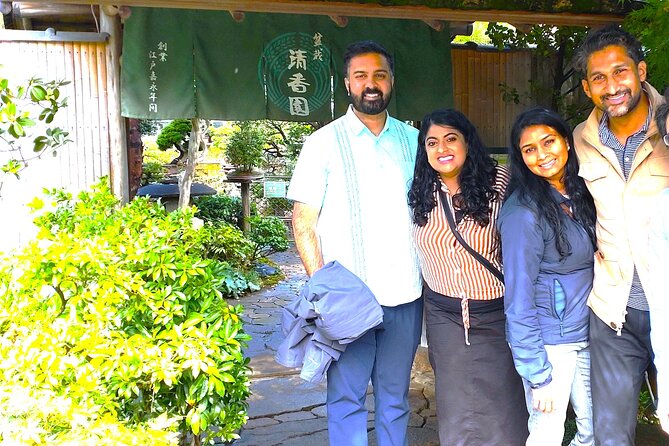
The second session is where you go from observer to participant. Bonsai work is done in a cafe setting, and you are expected to order something there, so plan on treating it like part of the experience rather than a separate meal hunt.
This is also where Jun-san’s guidance becomes the main attraction. The approach is practical: you learn and practice important maintenance techniques such as pruning and shaping, and you get feedback while you work.
One of the most useful things you can take from this session is the idea that bonsai care is both art and technique. Your guide explains what to cut, what to leave, and how small decisions add up over time. In real terms, that’s what makes the class valuable even if you only do it once.
You may also hear specifics like wire cutting and trimming as part of the technique talk. That kind of detail matters because bonsai shaping often depends on training branches into position, not just cutting them down to size.
Tools, guidance, and what’s included in the $55.52 price
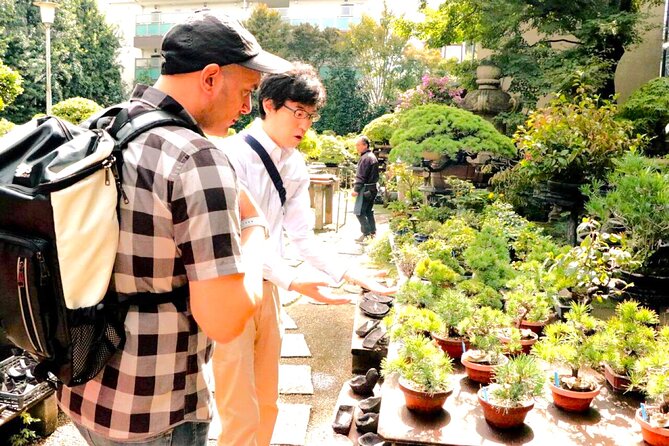
At $55.52 per person, this tour can feel like a bargain once you separate what you get from what you pay for extra. The price includes an instructor, tool usage fee, and consumption tax, so you are not arriving and then discovering you have to pay again for the basics of participating.
The tool usage fee being included is a big deal. In many workshops, you only get instruction, while the supplies cost becomes a surprise. Here, you can focus on the technique and the feedback instead of budgeting mid-lesson.
Also, small group size makes the instructor time feel more valuable. Maximum 10 travelers is not huge, and that tends to mean more direct help. If you are the type who likes to ask questions as you go, this format is a good fit because the guide can respond without rushing you.
Budgeting extras: cafe ordering and the Bonsai Art Museum fee
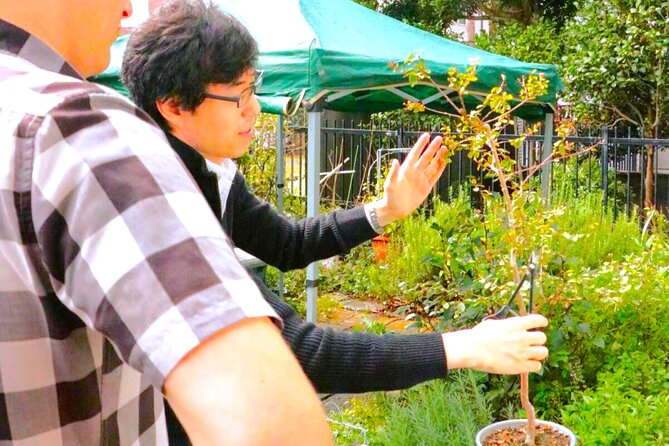
The tour’s inclusions are clear, but two add-ons can still affect your day.
First, because the hands-on work happens in a cafe, you need to order something. The suggested baseline is 450 JPY and up, and it is roughly listed as about 3 USD in the tour info. You do not want to arrive assuming the class is free of food expectations.
Second, the Bonsai Art Museum has an admission fee listed as 310 JPY. The tour info does not package that fee into the tour price, so if you want museum access, it will be an extra cost.
My rule of thumb for value here is simple: treat the tour as the instruction and garden viewing, then treat the cafe and optional museum as your personal add-ons. That way you do not end up doing math while you are trying to enjoy the day.
Group size, comfort level, and who will enjoy this most
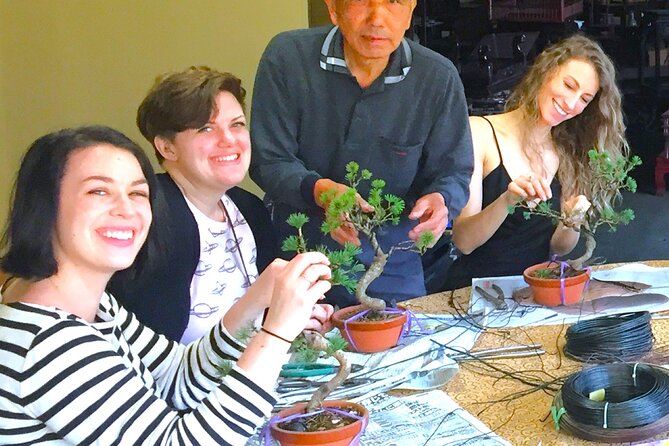
This experience is built for people who want hands-on bonsai basics with guidance, not just photos. If you enjoy arts-and-crafts style learning, or you want a structured way to understand pruning and shaping, you’ll likely find the format satisfying.
Age-wise, it is for participants age 13 and up. If you’re under 18, you must go with an adult. The tour info also says most travelers can participate, which is reassuring if you are not sure whether the activity is “too technical” or “too physical.”
One more detail that can affect comfort: the tour is partly outdoors, during the garden viewing portion. If you are sensitive to weather, plan your day around that, because you are going to be outside while you look at bonsai trees and hear explanations.
If you are traveling as a couple or with a parent, the small group size also helps. You can ask questions and still keep the vibe relaxed rather than turning it into a factory line.
Practical advice before you go
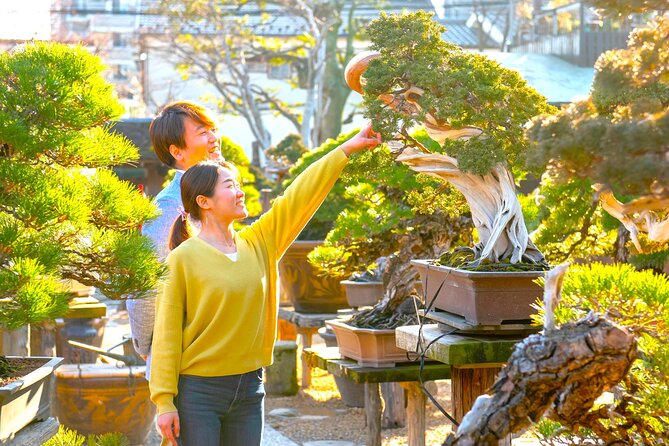
Bring a “watch first, then do” mindset. The best learning comes when you use the garden session to collect questions, then ask those questions during the shaping part.
Come with basic curiosity, not expectations of becoming a bonsai pro in one class. The workshop is about key maintenance techniques and understanding how the guide thinks, so it is ideal for getting your foundations and feeling more confident looking at bonsai in the future.
Also, plan for the required cafe ordering so your hands-on session does not feel awkward. If you have dietary needs, it’s worth looking closely at what the cafe can offer when you order, since ordering is part of participating.
Should you book this Bonsai Tour & Experience near Tokyo?
I think you should book if you want a structured, small-group way to see Bonsai-cho and actually practice pruning and shaping with a guide. The combo is the point: outdoor viewing for context, then hands-on technique where the instructor can correct you as you work.
Skip it or consider another option if you are only looking for a quick photo stop, because this is not a casual walk-through. It is a learning-focused day with active participation, and the cafe ordering plus potential museum fee mean your total spending will go a bit beyond the base price.
If your schedule allows a 10:00 am start and you like the idea of small-group instruction from Jun-san, this is a solid way to experience bonsai in one concentrated visit.
FAQ
How long is the bonsai tour?
The tour duration is about 2 hours 30 minutes.
Where do I meet for the tour?
You meet at Toro Station 1 Chome, Kita Ward, Saitama, 331-0804, Japan.
What time does the tour start?
The start time is 10:00 am.
What is included in the tour price?
The price includes an instructor, a bonsai tool usage fee, and consumption tax.
What is not included in the tour price?
You’ll need to order something at the cafe where the bonsai work is done, and the Bonsai Art Museum admission fee is not included.
Is the Bonsai Art Museum admission included?
No. The admission fee for the Bonsai Art Museum is listed separately as 310 yen.
How many people are in the group?
The tour has a maximum group size of 10 travelers.
What age is this experience for?
Participants must be at least 13 years old. Anyone under 18 must be accompanied by an adult.
Is this experience refundable if I cancel?
No. The experience is non-refundable and cannot be changed for any reason.
Do I get a mobile ticket?
Yes. The tour info lists a mobile ticket for this activity.
Made by Hand, and Yours to Keep

Newest Tokyo write-ups from the Loving Japan desk






Japanese Craft and Calligraphy Workshops, side by side.
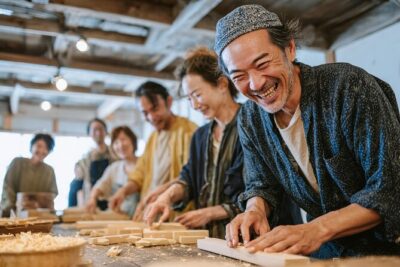 ★ 5.0Tokyo Shinjuku Chopsticks Making ClassFrom $201,763 reviews
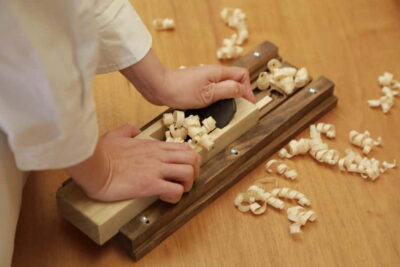 ★ 4.8Chopstick Making Workshop in GinzaFrom $251,366 reviews
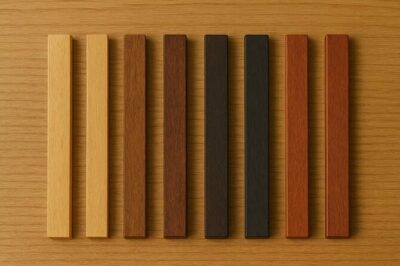 ★ 5.0Chopsticks Making Workshop in Gion with Engraving OptionFrom $15958 reviews
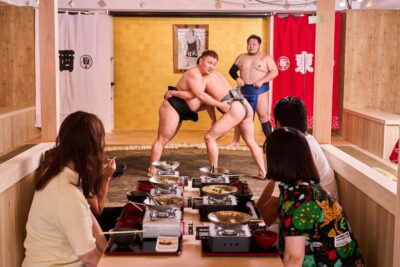 ★ 4.8Tokyo Sumo Experience: Chanko & Mochi with a Former ProFrom $103567 reviews
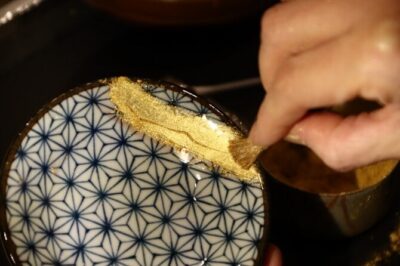 ★ 5.0Kintsugi Experience: Art of Golden Joinery in TokyoFrom $59467 reviews
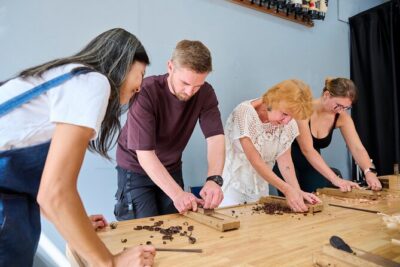 ★ 5.0Tokyo Chopstick Making Workshop with ArtisanFrom $26466 reviews
 ★ 4.9Matcha Making Experience with Mochi Sweets in AsakusaFrom $22388 reviews
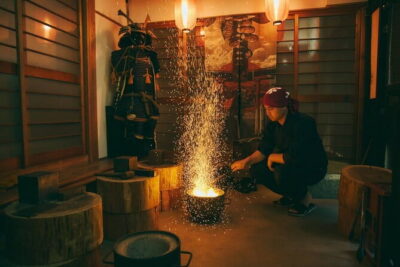 ★ 4.8Authentic knife making experience at a blacksmith in KyotoFrom $154350 reviews
Filed on these lists too