
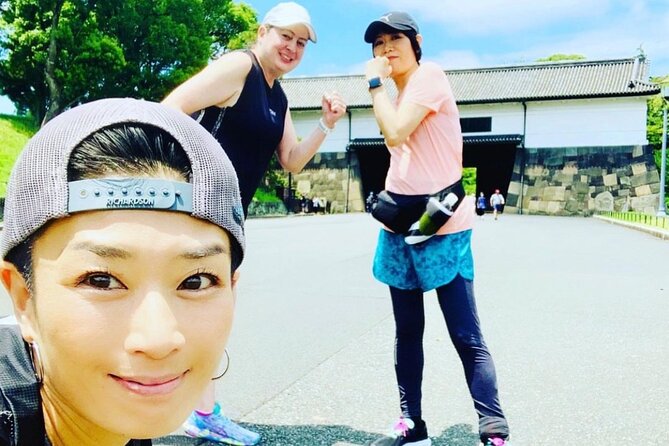
REVIEW · TOKYO TOWER, GINZA AND THE IMPERIAL PALACE
Imperial Palace run with fun trivia by an Imperial Palace geek
A morning jog through Tokyo’s most guarded sights. I like this tour because you get an earlier start to dodge the heaviest crowds, then you move gate to gate with Imperial Palace context you can actually use when you’re sightseeing later.
What I love most is the small group size (max 8) which makes it easier to ask questions, and the guide energy. In my favorite moment, YUKO’s Imperial Palace geek trivia turns familiar landmarks into clear, human stories you remember. The only drawback is the physical side, it’s designed for people with at least moderate fitness, and there’s some uphill effort when you head back out.
In This Review
- Key points to know before you go
- Why this Imperial Palace run feels different at 8:30
- Price and value: what your $90 really covers
- Start point at JOGLIS: get set for a smooth first hour
- Stop 1: JOGLIS primer and the opening run briefing
- Stop 2: Hanzomon Gate and the Miyake-zaka slope views
- Stop 3 and 4: Sakuradamon Gate, Fuji beliefs, and the clock secret
- Stop 5: Nijubashi Bridge photos and the classic Imperial Palace angle
- Stop 6: Gyoko-dori Avenue and marathon finish energy
- Stop 7 to 9: Ote-mon Gate, shachihoko, and the Tenshudai remains
- Stop 10 and 11: Kitahanebashi and the uphill climb back out
- Stop 12: Chidorigafuchi Park and cherry tree secrets
- Wrapping up back at JOGLIS: finish with a quick reset
- Who this tour suits best, and who should reconsider
- The guide factor: why YUKO’s Imperial Palace passion matters
- Should you book this Imperial Palace run with trivia?
- FAQ
- What time does the tour start?
- How long is the run tour?
- How much does it cost?
- Is the tour run only, or can I walk?
- How many people are in the group?
- Where do I meet the tour?
- Is there a locker or shower included?
- What languages is the tour conducted in?
- Do I need separate tickets for the sights?
- What is the cancellation and weather policy?
Key points to know before you go
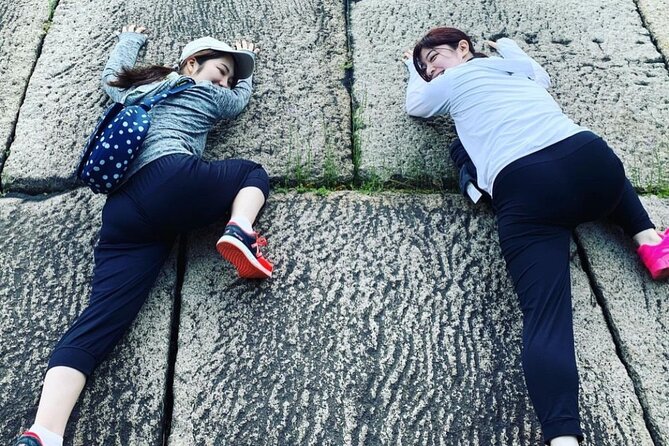
- Early start, lighter crowds: you run around key areas before the day gets busy
- YUKO adds trivia with meaning: gate details and behind-the-scenes facts, not random facts
- You can run or walk: pacing stays casual with breaks and photo stops
- Stops are built around “why it matters”: slopes, bridges, towers, and Edo Castle remnants
- Entry logistics are simple: mobile ticket, small-group format, near public transport
- Locker and shower cost extra: JOGLIS facilities are ¥1,500 per person if you want them
The central Tokyo landmarks, reviewed one by one
- Flagship 2-Hours Official Street Go-Kart Tour – Tokyo Bay Shop
★ 5.0 · 4,974 reviews - Tokyo: Imperial Palace and Shogun Historical Walking Tour
★ 5.0 · 2,251 reviews - Tokyo: Meiji Shrine, Asakusa, Skytree Bus Tour and Cruise
★ 4.7 · 1,986 reviews - Tokyo Panoramic 1 Day: Meiji Shrine, Asakusa, Odaiba and SKYTREE®
★ 4.5 · 1,222 reviews
Why this Imperial Palace run feels different at 8:30
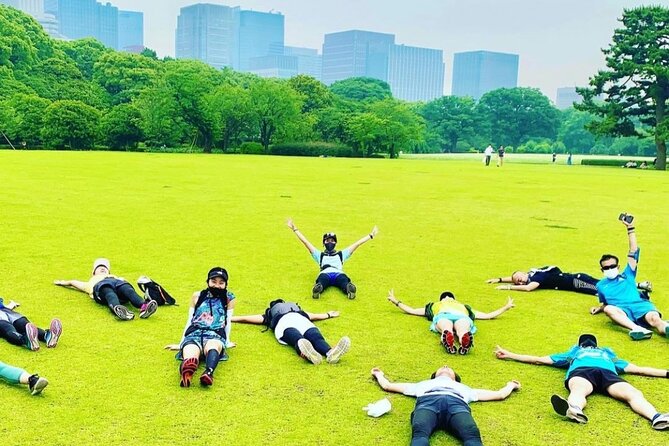
Tokyo has a way of pulling you into big-city rhythm fast. This tour slows that down on purpose. You start at 8:30 am from JOGLIS in the Kojimachi area, then you head toward the Imperial Palace area while streets are still waking up.
The tone is casual, like a friend who actually cares about what you’re seeing. You’re not sprinting around famous sights. Instead, you’re doing a structured loop with stops, photos, and trivia that makes the route feel logical. That matters because the Imperial Palace grounds can be confusing if you just show up and wander.
You’ll also notice the format is two languages in practice, Japanese plus simple English, so you’re not stuck if your Japanese is limited. And because the group is small, the guide can adapt to questions without shutting down the vibe.
Price and value: what your $90 really covers
This tour costs $90 and runs about 2 hours 30 minutes. The big value piece is that the price is basically paying for a skilled guide fee, which shows up in how the tour is paced and explained.
You do not need to buy separate admission for most of the sightseeing segments. Many stops are listed as free, and the route is arranged so you keep moving while learning what to look for. The one cost to plan for is JOGLIS lockers and showers at ¥1,500 per person, if you want to use them. That’s optional.
Another quiet value point is the small-group cap of 8 travelers. For a morning activity, that matters more than you might think. Less crowding makes it easier to hear explanations and take photos without feeling rushed.
Start point at JOGLIS: get set for a smooth first hour
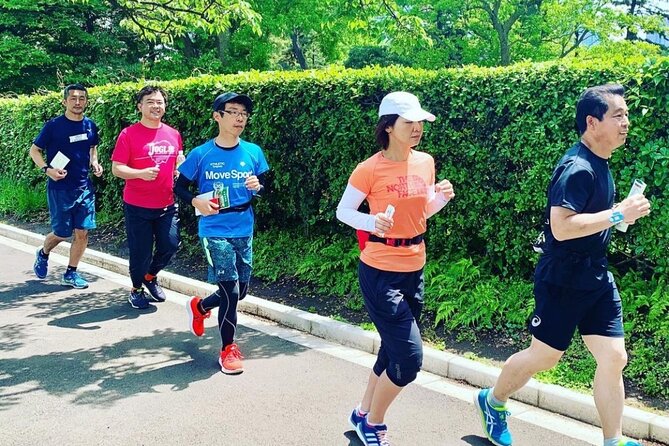
You meet at JOGLISJapan, 1-chōme 7 FMセンター地下 1F, in Chiyoda City, Kojimachi. The tour begins there, and you get a briefing before you run.
The briefing is useful because the Imperial Palace Run has rules, and you’ll want to understand the basics before you start moving through gates and areas with specific procedures. It also sets expectations about pacing, since the tour is built for casual movement, not hardcore training.
If you plan to freshen up afterward, JOGLIS can handle that. Lockers and showers are available for ¥1,500. If you prefer to travel light, you might skip the facilities and just keep your route simple.
- Mt Fuji and Hakone 1-Day Bus Tour Return by Bullet Train★ 5.0 · 26,383 reviews
- 1-Day Tokyo Bus Tour★ 5.0 · 14,250 reviews
- Tokyo: teamLab Planets TOKYO Digital Art Museum Entry Ticket★ 4.6 · 9,779 reviews
- Mt Fuji & Hakone Cruise, Drum Show Bullet Train 1 Day from Tokyo★ 4.0 · 7,413 reviews
- Tokyo Mt Fuji 5th St & Hakone Cruise Bus Tour w/Bullet Train★ 4.4 · 5,024 reviews
Stop 1: JOGLIS primer and the opening run briefing
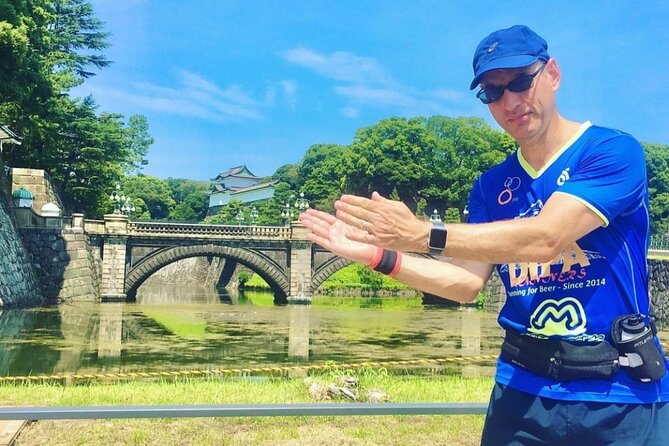
The first segment is a short time at JOGLIS to set up the run. You’ll get the history context for what you’re about to see, plus the rules of the Imperial Palace Run.
This matters because the tour is about more than exercise. When you understand why certain areas exist, the gates and walls feel like part of one story, not a random checklist of photos.
Also, if you want to use changing lockers and showers at JOGLIS, that’s where the ¥1,500 add-on comes into play.
Stop 2: Hanzomon Gate and the Miyake-zaka slope views
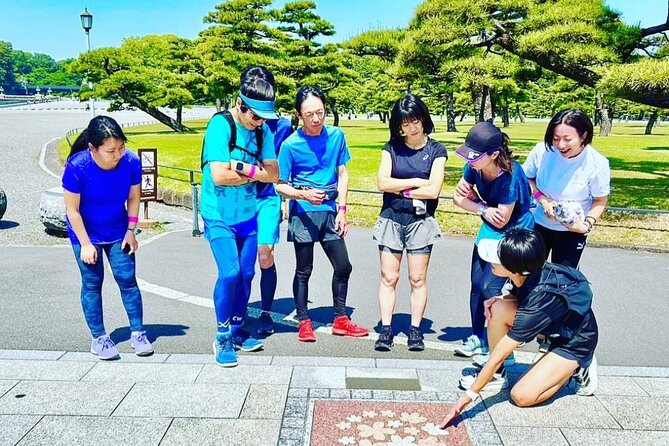
The running tour starts from Hanzomon, one of the entrances to the Imperial Palace. This is a good moment for first-time visitors because it feels like the moment the tour “locks in” to its route.
From there, you descend Miyake-zaka, which the guide calls one of Tokyo’s most beautiful slopes. As you go down, you get views of the National Theatre and the Diet Building.
Even if you’re not a history person, the sweep of buildings helps you orient yourself. You’re learning geography by moving through it, which is a lot more memorable than reading a map later.
Stop 3 and 4: Sakuradamon Gate, Fuji beliefs, and the clock secret

Next you pass under Sakuradamon, described as the largest gate in the Imperial Palace. This is your big gate moment, and it’s a natural place for the guide to slow you down and let you absorb what’s in front of you.
You’ll hear about a belief in Mt. Fuji, which many Japanese cherish, and you’ll also get a reason to pay attention to energy spots around the area. It’s not about mysticism for its own sake, it’s about learning how people frame sacred or meaningful places.
Then you loop back through another Sakuradamon segment where the guide shares the secret of the clock in the Sakuradamon square, a spot where runners gather. That kind of trivia is exactly the point of this tour. It gives you something specific to notice rather than generic sightseeing chatter.
Stop 5: Nijubashi Bridge photos and the classic Imperial Palace angle
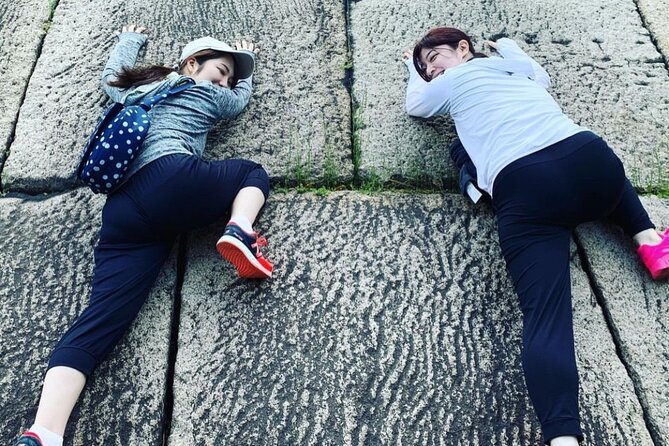
At the Two-tiered Bridge (Ni-ju Bashi), you’ll pause for the commemorative photo. This bridge is one of those landmarks you’ve probably seen in postcards, but it hits differently when you experience it on foot with a clear route behind you.
The value here is not just the photo. The guide’s explanation helps you understand why this bridge is such a visual anchor for the Imperial Palace grounds. You’ll also get a sense of symmetry and layout, which makes the rest of the route easier to follow.
If you want a memorable morning shot, this is one of your best chances. You’re early enough that the area feels calmer, and the group pace keeps the moment from feeling like a crowded sprint.
Stop 6: Gyoko-dori Avenue and marathon finish energy
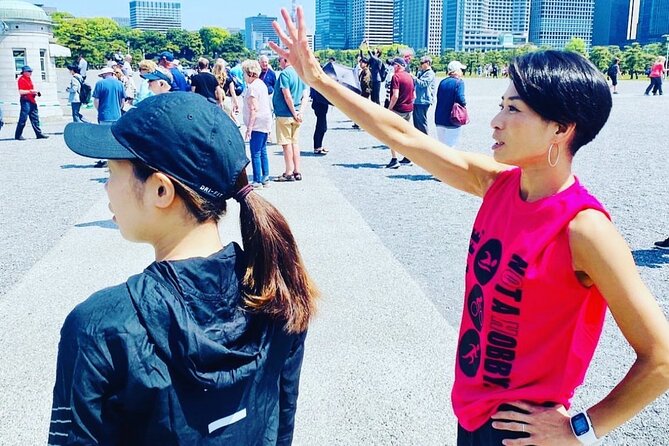
The tour moves to Gyoko-dori Avenue, which the guide connects to the finish area of the Tokyo Marathon. Here you’re not just looking at scenery. You’re getting a mini conversation about Tokyo secrets, including stories involving Tokyo Station, the Emperor, and the Tokyo Marathon.
Then you take pictures that resemble the finish-line scene. It’s a clever way to make a straight street feel like a destination, and it’s great if you enjoy playful, fitness-themed sightseeing.
This stop is also a nice mental reset. By now you’ve covered gates and bridges. Shifting to “this is where that famous event lands” gives your body a break while your brain stays engaged.
Stop 7 to 9: Ote-mon Gate, shachihoko, and the Tenshudai remains
You reach Kokyo Otemon Gate, where you enter the East Gardens. Before entering, there’s a baggage inspection, so plan to move through that without expecting a fast, painless stop.
The Otemon Gate area is tied to Edo Castle history, because the guide explains it was once the main gate of Edo Castle. You’ll also see a shachihoko, described as part of the scene you’re greeted by once inside.
After that, you go to Fujimi-yagura, where the guide points out the turrets that served as substitutes for the keep, calling it their little castle. It’s a fun way to interpret architecture without needing to be a specialist.
Then comes Tenshudai, the remains of the main tower. You won’t see the original keep anymore because it was destroyed by fire, but you can see stone walls and a reconstructed model. That’s a major benefit for visitors: you get a clear idea of what used to be there, without the disappointment of expecting ruins that no longer exist.
These are some of the most rewarding parts of the route because they combine structure, symbolism, and a guided translation of what you’re looking at.
Stop 10 and 11: Kitahanebashi and the uphill climb back out
You exit through the Kitahanebashi Gate, which the guide describes as a drawbridge of Edo Castle. From here, you start the uphill climb.
This is where you’ll feel the workout a bit more, especially if you took lots of walking breaks earlier. The key detail is that you run at your own pace, but the tour still expects you to participate actively enough to keep moving.
If you’re prone to over-pacing early, this stop is a good reminder to save energy. The tour stays friendly, but physics still applies.
Then there’s Daikancho-dori, a street where daimyo residences once were during the Edo period. The guide also notes it’s known as a cherry blossom viewing spot. Even if you’re not in cherry blossom season, the connection to how the city used this space adds a layer of meaning.
Stop 12: Chidorigafuchi Park and cherry tree secrets
The tour ends with Chidoriga-fuchi Park, another famous cherry blossom viewing area. The guide teaches the secrets of the cherry trees Japanese people cherish.
This is a great stop if you like nature trivia, because it’s tied to cultural attention on trees, not just the visual. It also makes the morning feel complete, like you’ve balanced stone architecture with the softer city side of Tokyo.
Wrapping up back at JOGLIS: finish with a quick reset
You return to JOGLIS and get dismissed. If you paid to use the facilities, you can take a shower. Either way, you finish back at the start, which makes it easy to plan the rest of your day without complicated transfers.
Because this is an early activity, you’ll likely have time afterward for museums, neighborhood wandering, or a calm breakfast. That’s one of the practical wins of running early, you’re done before crowds and before the city fully locks into peak time.
Who this tour suits best, and who should reconsider
This is a good fit if you:
- want a guided way to see Imperial Palace highlights without getting lost
- like exercise that doesn’t punish you, with walking and pauses built in
- enjoy trivia that explains what you’re looking at, not trivia for trivia’s sake
- want a calmer morning with a small group of up to 8
You might reconsider if you:
- need an easy, flat walk only, because there is an uphill climb after Kitahanebashi
- don’t feel comfortable with a moderate fitness requirement
- hate structured stops, since this tour includes running plus planned pauses for photos and explanations
The guide factor: why YUKO’s Imperial Palace passion matters
The reviews you’ll hear about this tour are consistent with what the experience is designed to deliver: YUKO’s love for the Imperial Palace comes through clearly. The practical result is that the group stays engaged without the guide turning into a lecture.
If you like asking questions, this tour plays well with that. The guide is there to answer you, whether you’re curious about specific gates, how the grounds connect to Edo Castle, or what the clock secret at Sakuradamon actually means in the context of the area.
And because you’re moving, the explanations feel less like reading and more like learning by doing.
Should you book this Imperial Palace run with trivia?
I’d book it if you want a morning activity that mixes Tokyo sightseeing with light exercise, and you care about learning the “why” behind what you see. The early start, the small group format, and YUKO’s trivia-driven explanations make it feel personal, not generic.
If your idea of a vacation is heavy sightseeing with no physical effort, this might feel like too much. But if you’re open to a casual run with breaks, you’ll come away with a stronger sense of the Imperial Palace grounds and a route you can confidently revisit later.
FAQ
What time does the tour start?
The tour starts at 8:30 am.
How long is the run tour?
It lasts about 2 hours 30 minutes (approx.).
How much does it cost?
The price is $90.
Is the tour run only, or can I walk?
You can walk as an alternative. The tour is designed for casual runners and exercise enthusiasts, with breaks and a pace that works for walking too.
How many people are in the group?
The tour has a maximum of 8 travelers.
Where do I meet the tour?
You meet at JOGLISJapan, 102-0083 Tokyo, Chiyoda City, Kōjimachi, 1-chōme7 FMセンター地下 1F.
Is there a locker or shower included?
Lockers and showers at JOGLIS are not included. If you want them, it costs ¥1,500 per person.
What languages is the tour conducted in?
The tour is conducted in Japanese and simple English.
Do I need separate tickets for the sights?
Most of the stops are listed with free admission. One JOGLIS segment notes admission ticket is not included, but the rest are shown as free in the route details.
What is the cancellation and weather policy?
You can cancel for free up to 24 hours before the experience start time for a full refund. The experience requires good weather, and if it’s canceled due to poor weather, you’ll be offered a different date or a full refund.
Central Tokyo Landmarks

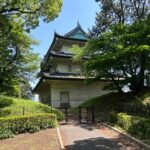


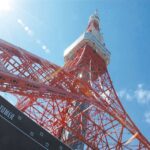
Newest Tokyo write-ups from the Loving Japan desk






Tokyo Tower, Ginza and the Imperial Palace, side by side.
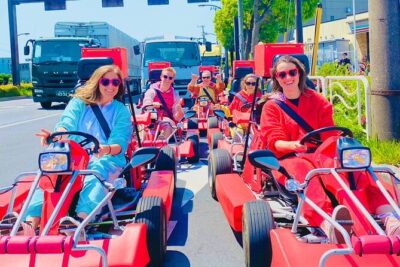 ★ 5.0Flagship 2-Hours Official Street Go-Kart Tour – Tokyo Bay ShopFrom $644,974 reviews
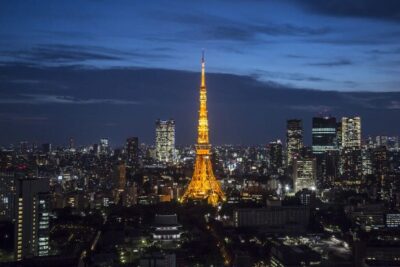 ★ 4.6Tokyo Tower: Admission TicketFrom $93,661 reviews
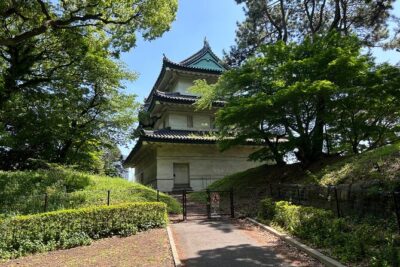 ★ 5.0Imperial Palace and Shogun Historical Walking TourFrom $222,251 reviews
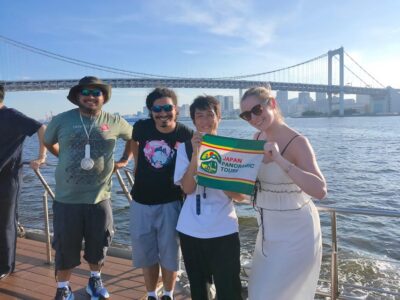 ★ 4.7Meiji Shrine, Asakusa, Skytree Bus Tour and CruiseFrom $1221,986 reviews
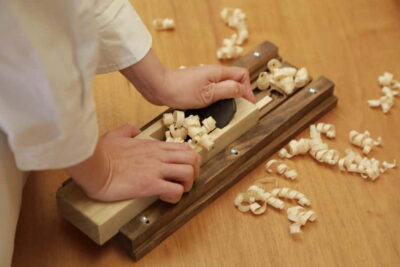 ★ 4.8Chopstick Making Workshop in GinzaFrom $251,366 reviews
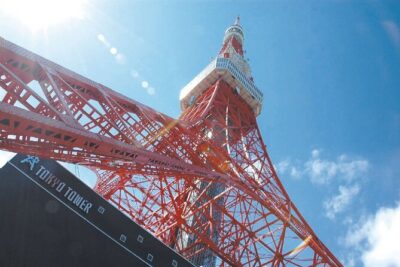 ★ 4.5Tokyo Panoramic 1 Day: Meiji Shrine, Asakusa, Odaiba and SKYTREE®From $851,222 reviews
 ★ 4.9Imperial Palace Japanese History Walking TourFrom $32987 reviews
 ★ 4.9Imperial Palace and Shogun Walking TourFrom $16935 reviews
Filed on these lists too