
REVIEW · JAPAN
Cook Favorite Japanese Dishes with a Tokyo Mom
A Tokyo mom teaches washoku in a real kitchen. I love how practical it is, you get hands-on with washoku basics, and I especially like learning dashi from scratch instead of relying on packaged shortcuts. One thing to consider is that transportation is not included, so you’ll need to handle getting to the Shinjuku meeting point on your own.
This is a small, home-style class where Aki, an English-speaking Japanese host, guides you through favorite dishes Japanese families actually cook. Expect a warm, no-fluff workflow, from making dashi to rolling norimaki (or shaping onigiri) and finishing with miso soup and side dishes you customize.
In This Review
- Key highlights you will feel right away
- A Tokyo kitchen, not a stage show
- What you cook: norimaki (or onigiri), miso soup, and sides you choose
- Getting dashi right: the skill behind everyday Japanese flavor
- Aki’s step-by-step method, with guidance for different skill levels
- How the cooking flows in your 2.5 hours
- Tools, apron, ingredients, and the recipe PDF you can keep
- Price and value in Shinjuku: what you get for $120
- Who should book, and who should skip this one
- Ready to book: my practical take
- FAQ
- How long is the class?
- What dishes will I make during the experience?
- Can I substitute norimaki with onigiri?
- What side dishes can I choose from?
- Is there a vegetarian option?
- What is included in the price?
- Do I need to arrange transportation to the venue?
- What is the cancellation refund like?
Key highlights you will feel right away
- Dashi from scratch, made with no additives, giving you a real flavor foundation for Japanese cooking
- Norimaki or onigiri, with an option to swap based on what you prefer to eat
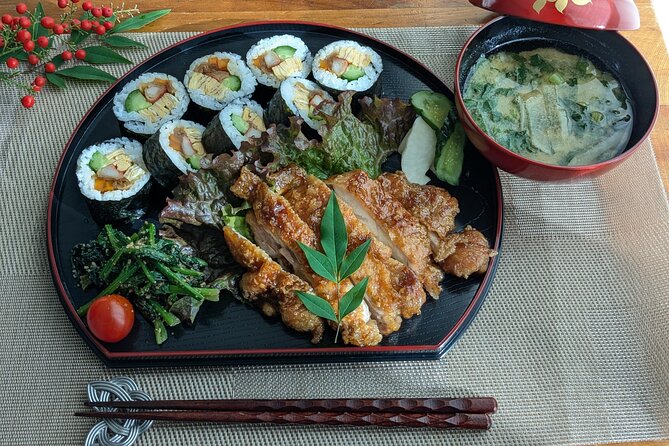
- Your choice of main side dish, from teriyaki chicken to saikyo yaki, or gyoza
- Seasonal vegetable dish that keeps the meal balanced and seasonal
- Aki’s step-by-step teaching, including guidance that works for both beginners and more experienced cooks
- A digital recipe sheet (PDF) so you can repeat the dishes at home
Still weighing up options in Tokyo? These are the ones our reviewers rated highest.
- Mt Fuji and Hakone 1-Day Bus Tour Return by Bullet Train
★ 5.0 · 26,383 reviews - 1-Day Tokyo Bus Tour
★ 5.0 · 14,250 reviews - Tokyo: teamLab Planets TOKYO Digital Art Museum Entry Ticket
★ 4.6 · 9,779 reviews - Mt Fuji & Hakone Cruise, Drum Show Bullet Train 1 Day from Tokyo
★ 4.0 · 7,413 reviews
A Tokyo kitchen, not a stage show
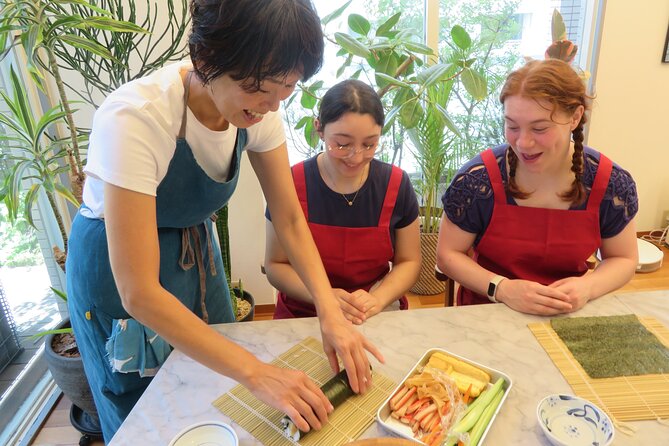
In most Tokyo cooking classes, you watch. Here, you do. The atmosphere is the key difference. You step into a cozy home kitchen and cook as if you’re joining the family meal prep, not following a performance script.
Aki’s teaching style comes through fast. People mention she walks through every step clearly, and she also supports different comfort levels, so you’re not stuck feeling lost if you’ve never rolled sushi before. There’s also a sense of thoughtfulness in what’s prepared ahead of time, so you spend your energy learning the key techniques instead of waiting around.
If you are hoping for a class that doubles as sightseeing, manage your expectations. This experience is focused on cooking, in one location, for about 2.5 hours. That’s great if your goal is food skills. It’s less great if you want a mix of walking and temple photos.
What you cook: norimaki (or onigiri), miso soup, and sides you choose
The menu is set in a useful way, then flexible where it matters. You will make a traditional Japanese norimaki roll, and there is an option to substitute it with onigiri if you prefer rice balls. You will also make miso soup, plus a seasonal vegetable dish.
Then comes the part that makes it feel like your own meal. For the main side dish, you choose one from:
- Teriyaki Chicken: tender chicken glazed in a sweet and savory soy-based sauce
- Saikyo Yaki: miso-marinated fish grilled for a delicate, rich flavor
- Gyoza: pan-fried dumplings with a filling of ground pork and vegetables
You also get a seasonal vegetable dish every time. That’s not filler. In Japanese home meals, the side vegetables are part of the balance, the texture, and the reason the plate feels complete, even when the meal is simple.
If you want a vegetarian option, you can request it. That’s important, because the class is built around specific dishes, so you’ll want the host to adjust the menu in advance when possible.
Getting dashi right: the skill behind everyday Japanese flavor
Here is where the class earns its keep: you make dashi from scratch. Dashi is the Japanese soup stock that gives depth to everything it touches, from miso soup to the sauces you taste on your plate. Packaged powders can work in a pinch, but learning the real method is what changes how your future cooking tastes.
What makes this class valuable is that dashi is treated like a core cooking skill, not an optional side lesson. You’ll start with dashi, and once you taste it, you’ll understand why Japanese flavors often feel clean but not bland. It’s not just salt. It’s a layered base that makes sauces and soup taste rounded.
This also teaches a useful way of thinking. Instead of building flavor only at the end, you build flavor early. That matters whether you cook ramen, simmer vegetables, or make a quick bowl of miso soup at home.
And if you are the type who likes notes, the digital recipe PDF you receive later is a practical way to lock in what you learned about ratios, timing, and how to judge the results.
- Mt Fuji and Hakone 1-Day Bus Tour Return by Bullet Train★ 5.0 · 26,383 reviews
- 1-Day Tokyo Bus Tour★ 5.0 · 14,250 reviews
- Tokyo: teamLab Planets TOKYO Digital Art Museum Entry Ticket★ 4.6 · 9,779 reviews
- Mt Fuji & Hakone Cruise, Drum Show Bullet Train 1 Day from Tokyo★ 4.0 · 7,413 reviews
- Tokyo Mt Fuji 5th St & Hakone Cruise Bus Tour w/Bullet Train★ 4.4 · 5,024 reviews
Aki’s step-by-step method, with guidance for different skill levels
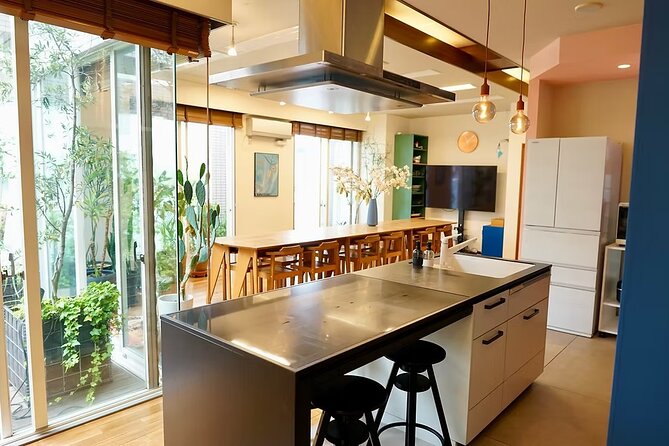
Aki’s strength is communication. The class is described as engaging, with instruction that suits both novices and experienced cooks. That’s not a small thing, because sushi rolling and gyoza prep can feel technical if you’re learning alone.
From the way people describe it, you get more than a list of tasks. You get an organized workflow. You’ll also see menu context and food background explained briefly, which helps you understand why certain techniques matter. And there’s mention of pictures during instruction, which makes a big difference when you’re trying to nail something like the look of a well-formed roll or rice shape.
The other detail I appreciate is that the experience adapts to the group’s tastes. One review mentioned Aki adapting the menu to visitors’ preferences, which is a good sign for anyone who wants a class that doesn’t feel rigid. Ask questions. If you’re unsure about which side dish to pick, you can likely go with what you know you’ll enjoy eating.
How the cooking flows in your 2.5 hours
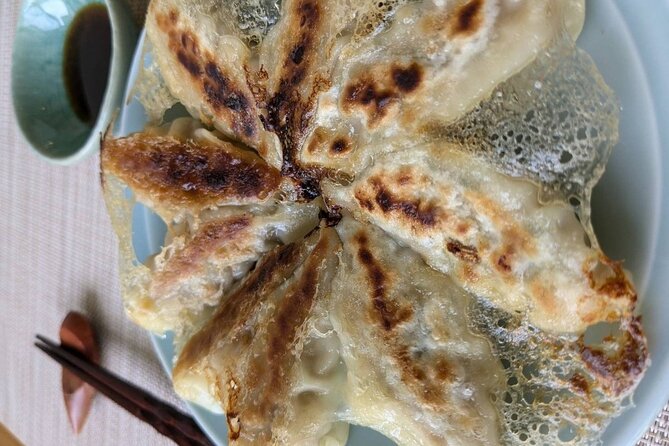
You’ll follow a sequence that mirrors real home cooking: build the base, prepare the main, then finish with sides and soup.
A typical flow looks like this:
- Start by making dashi from scratch
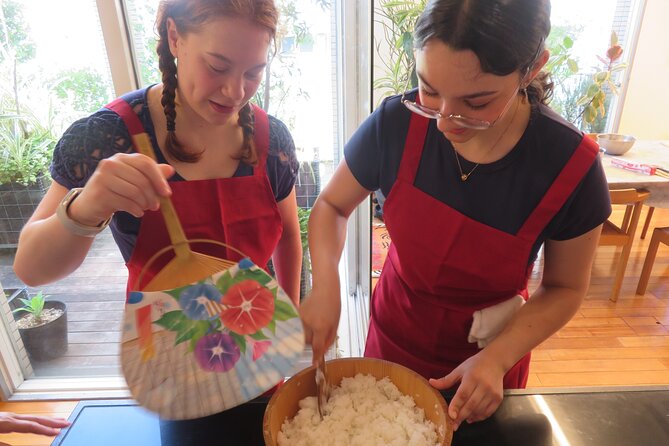
- Move on to norimaki (or onigiri), using the right technique for rice and assembly
- Cook or prepare your selected main side dish, whether that’s teriyaki chicken, saikyo yaki, or gyoza
- Make the seasonal vegetable dish
- Finish with miso soup, then eat what you made
Why this structure works: you learn techniques in context. Dashi isn’t taught as theory. It’s used quickly, and you taste how it changes the meal. Sushi rice and assembly aren’t taught as an art project. They become part of a real plate that includes soup and sides.
The class length, about 2 hours and 30 minutes, is also realistic. It gives enough time to learn and taste without turning the session into a full-day project.
Tools, apron, ingredients, and the recipe PDF you can keep
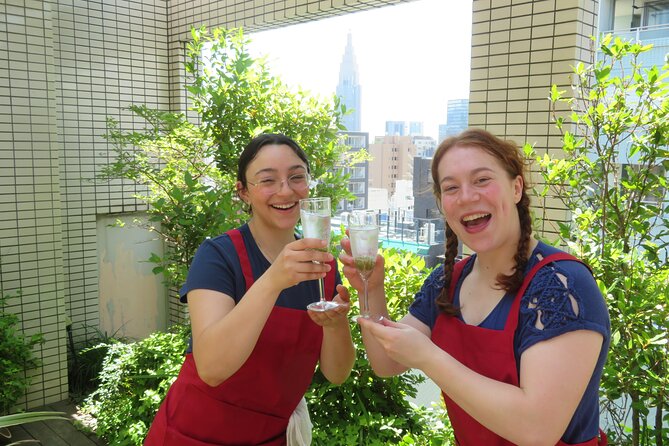
One reason cooking classes can feel expensive is when you end up paying for “ingredients” that you could buy yourself, and instruction that is vague. This class reduces that risk because the essentials are included:
- All ingredients for cooking
- Full use of kitchen tools
- Apron rental
- English-speaking Japanese host
- Digital recipe sheet (PDF)
That means your cost is mainly paying for technique, guidance, and the materials that support the cooking. You also avoid the typical hassle of sourcing hard-to-find items mid-trip.
The recipe PDF is particularly practical. Cooking memory fades fast, especially for stocks and seasoning blends. A written reference you can access on your phone or print at home helps you repeat what you learned, not just remember the fun part.
Price and value in Shinjuku: what you get for $120
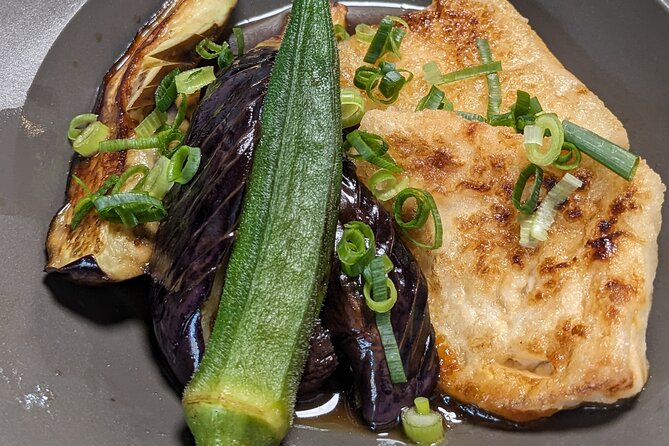
At $120 per person for about 2.5 hours, the best value comes from what is included. You’re not just buying a ticket to watch. You’re getting:
- Dashi from scratch training, which is a core technique
- Hands-on work making norimaki (or onigiri), miso soup, and multiple sides
- Ingredients and tools, so you’re not doing market shopping on the trip
- A digital recipe sheet to take home
This also explains why it tends to be booked ahead. With a focus on home-kitchen capacity and a private group setup, spots can fill. The experience is often reserved about a month in advance on average, so if you’re traveling during peak times, booking earlier is a smart move.
In short, you are paying for a guided, ingredient-included cooking session with a real home cook. If you’re the kind of traveler who wants a skill you can repeat, that’s a strong use of money. If you want a sightseeing itinerary, you may find this kind of class too concentrated on the kitchen.
Who should book, and who should skip this one
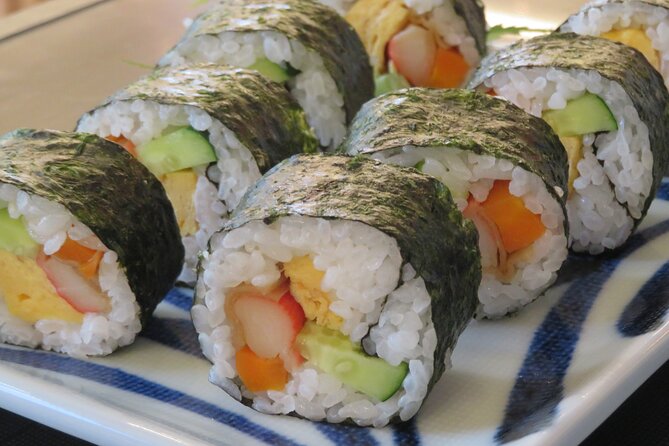
You’ll likely love this class if you:
- Want a real Tokyo home-cooking experience, not a scripted demo
- Care about washoku techniques, especially dashi
- Enjoy hands-on food activities where you leave with practical instructions
- Prefer meals that balance soup, sides, and main dishes, not just one big showpiece
You might choose something else if you:
- Need transportation included in your plan, because you must get yourself to the venue in Shinjuku
- Want a longer format with more food variety than a single meal’s menu
- Have dietary needs beyond a vegetarian option, since vegetarian is available only by request and the menu still follows the class structure
Also note that this is a private tour or activity, so only your group participates. That’s great for comfort and questions, and it also means your experience may feel calmer than a larger public class setting.
Ready to book: my practical take
If your goal is to learn Japanese cooking in a way you can repeat at home, this is one of the more sensible food experiences in Tokyo. You get a strong foundation (dashi), a hands-on technique (norimaki or onigiri), and a complete meal structure (miso soup, seasonal vegetables, and a side dish you choose).
My decision rule is simple. Book it if you want skills, taste, and a home-style approach. Consider skipping if you want transportation handled for you or you’re looking for a broader sightseeing day.
FAQ
How long is the class?
It runs about 2 hours 30 minutes.
What dishes will I make during the experience?
You will make norimaki (or onigiri), miso soup, a seasonal vegetable dish, and one main side dish that you choose.
Can I substitute norimaki with onigiri?
Yes. The class offers a substitution to onigiri if you prefer.
What side dishes can I choose from?
You can choose one of these for the main side dish: teriyaki chicken, saikyo yaki, or gyoza.
Is there a vegetarian option?
Yes, a vegetarian option is available upon request.
What is included in the price?
The class includes all ingredients, use of kitchen tools, apron rental, an English-speaking Japanese host, and a digital recipe sheet (PDF).
Do I need to arrange transportation to the venue?
Yes. Transportation is not included, and you are required to come directly to the meeting point in Shinjuku.
What is the cancellation refund like?
You can cancel up to 24 hours in advance for a full refund.





