
REVIEW · DAIKOKU PARKING AND JDM CAR CULTURE
Daikoku Parking : going by this mini JDM – one customer only
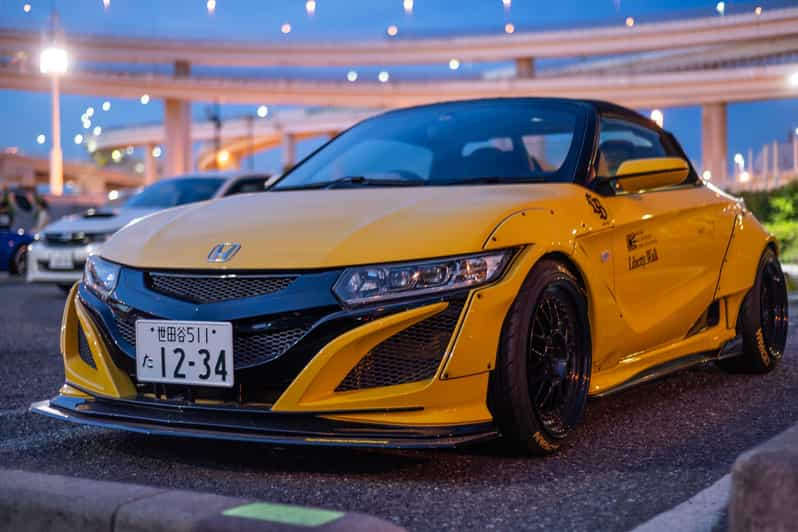
Big Tokyo car culture in a tiny S660. This is a private, one-passenger style ride that focuses on the actual drive, not a mini-van stop-and-stare. I like that you get the Daikoku and Tatsumi meet atmosphere up close, with a local driver who keeps things smooth and legal. The trade-off is real: it is a super small car with no luggage space and seats sized more like economy-class than comfort-class.
What makes it especially interesting is the mix of car meets and city viewpoints. You’ll roll through Tokyo on expressways and a bay shore route, then catch key sights like Rainbow Bridge, with Tokyo Skytree and Tokyo Tower passed by on the way. Timing matters here, and on Friday and Saturday nights you might need an earlier start and a later finish because parking can be closed around 20:30 by traffic police.
For value, I think the $192 per group (up to 1 person) makes sense if you’re a solo car fan who wants the full “scenes on the road” feeling. You’re paying for one custom ride experience, including fuel and toll roads, and you’re not sharing a vehicle. If you’re trying to bring a crowd or you need a roomy car, this won’t fit your plan.
In This Review
- Key Highlights That Matter in Real Life
- Why This Daikoku and Tatsumi Ride Feels Different Than a Stop-Only Tour
- The Car Experience: Honda S660 LBWK Modified, and the Comfort Reality Check
- Route Flow and Timing: How Friday, Saturday, and Sunday Nights Usually Work
- Getting There: MOS BURGER Meeting Point and What to Prepare
- Stop 1: Daikoku Parking Area, Your Photo and Car-Spotting Window
- Stop 2: Tokyo Skytree Passing, Why a Drive-By Can Be Perfect
- Stop 3: Tatsumi 1st PA Break, Where the Scene Extends
- Stop 4: Rainbow Bridge, the Midnight Skyline Moment
- Stop 5: Tokyo Tower Passing, a Classic Ending Note
- Price and Value: $192 for a One-Car, One-Passenger Experience
- What You Should Watch For During the Ride
- Comfort, Rules, and Expectations That Keep the Evening Fun
- Who This Tour Suits Best (And Who Might Want to Skip It)
- Should You Book This S660 Daikoku Night Ride?
- FAQ
- Is this a shared tour or a private experience?
- How long does the tour last?
- Where do I meet the guide?
- What car will I ride in?
- What stops are included during the tour?
- Is there room for luggage in the car?
- Do I get to drive the car myself?
- When is the best time to go?
- What is the cancellation policy?
Key Highlights That Matter in Real Life
- One customer, one local driver, no shared tour for a more personal ride
- Daikoku Parking Area time for photos and JDM meet energy
- Tatsumi 1st PA for more car-spotting and a longer break
- Tokyo drive route + bay shoreline so you see JDM culture in motion
- Rainbow Bridge and major skyline passing (Skytree and Tokyo Tower)
- Friday and Saturday timing heads-up with possible earlier departures
Other nights out with the Daikoku crowd
- GT-R35 800hp Club Membership – secret underground car meet
★ 4.8 · 998 reviews - Tokyo: Fast & Furious Tokyo Drift 3 Experience (Kaila Yu SP)
★ 4.8 · 947 reviews - Tokyo: Daikoku JDM Car Meet & Night Car Culture Tour
★ 4.8 · 626 reviews - Secret Car Meet: R34 Skyline Car Club Membership
★ 4.8 · 494 reviews
Why This Daikoku and Tatsumi Ride Feels Different Than a Stop-Only Tour
Most JDM experiences in Tokyo are built around watching. You stand somewhere, you look around, you hope the right cars show up at the right moment. This one has a different rhythm. The tour is built around getting you into a one-of-a-kind, modified Honda S660 and then driving through Tokyo as part of the point.
The first thing you’ll notice is how focused the experience is on you and one driver. No mini-van. No shared group shuffle. It is literally the kind of setup where you can ask questions during the drive and have the conversation match what you’re seeing in real time. In the car culture world, that matters because the details are in the differences: widebody style, wheel choice, stance, and the kinds of builds that show up at Daikoku and Tatsumi.
I also like how the experience is sold as more than “car meet sightseeing.” You’re there for car culture scenery, plus you’re actually on the metropolitan expressway and bay shore routes, crossing Rainbow Bridge along the way. If you’ve played Wangan Midnight or watched Shuto Ko Battle, the appeal is obvious, but the practical benefit is less obvious: you’re getting the timing and viewpoints that video game scenes try to recreate.
One more thing: the tour is explicitly not a “racing like a game” experience. You’ll enjoy the views and the vibe, with the driver respecting traffic rules. That’s a good call in Tokyo, where the city is busy and the best safety plan is the simplest one.
The Car Experience: Honda S660 LBWK Modified, and the Comfort Reality Check
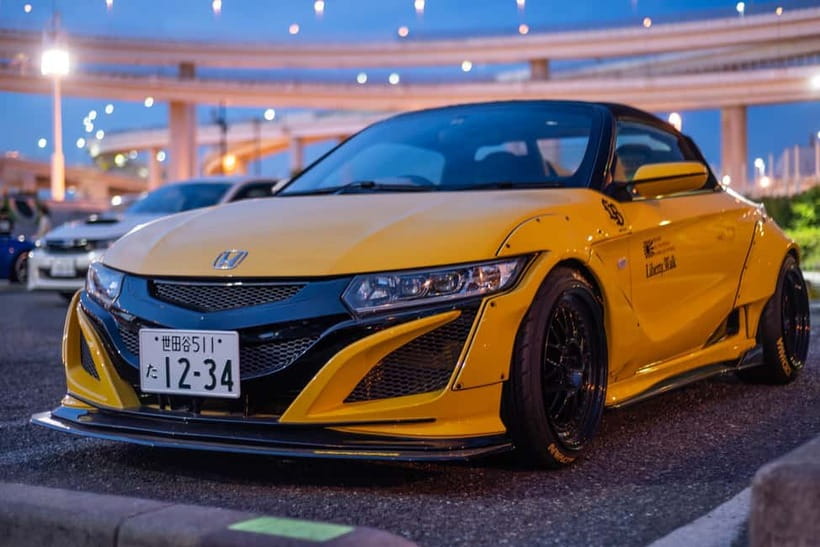
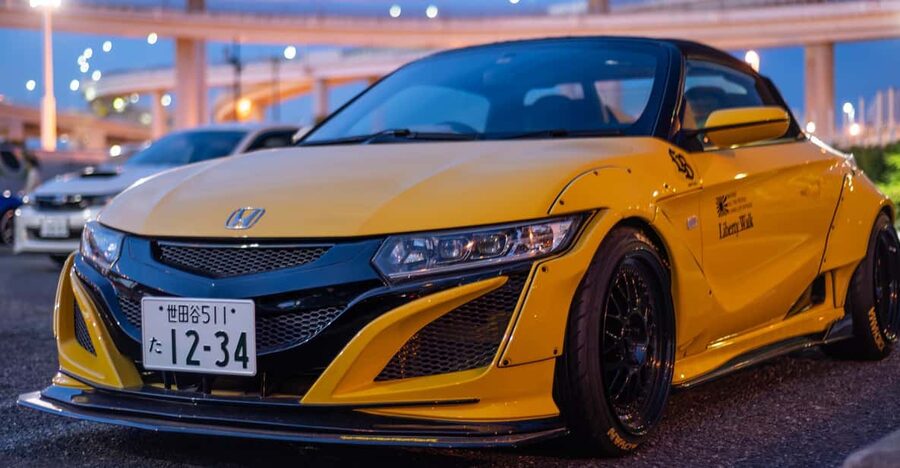
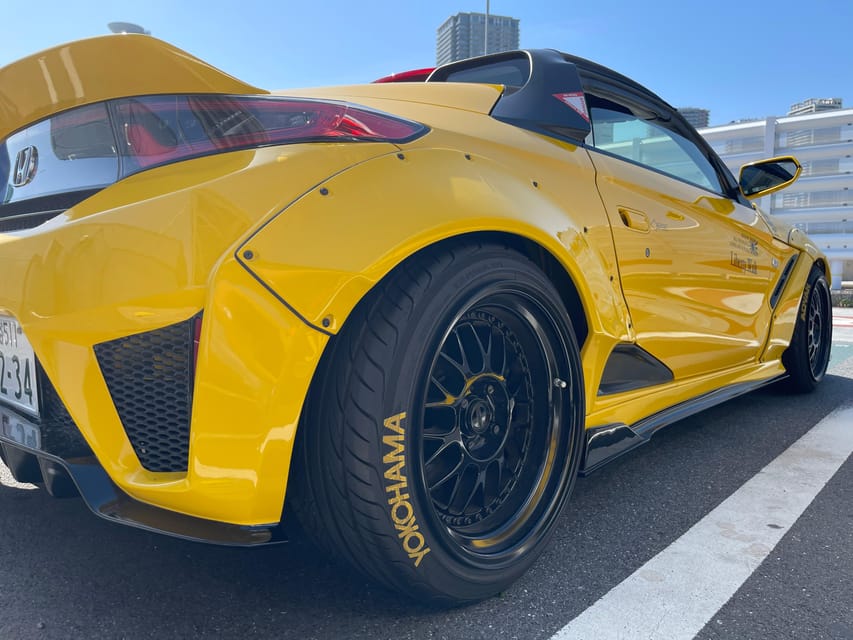
The vehicle is a domestic-model Honda S660, modified in a Liberty Walk style (LBWK). It’s described as a mid-engine mini car, and it is truly built for the “look and feel” of Japanese street culture, not for big luggage or long-leg comfort.
Before you book, I want you to get the comfort math right:
- There is no luggage space.
- Seat size is compared to airplane economy class.
- The car is tiny, so you should plan like a compact-city day, not like a sightseeing tour with bags.
If you travel light, this will feel like part of the fun. If you bring a full day bag and a suitcase, it will feel like a constraint. This tour works best as a single-person outing where you keep items minimal and let the drive be the main event.
Also, don’t expect aggressive driving or game-like street stunts. The tour is built around enjoying what you can legally and safely enjoy in Tokyo traffic. That restraint is not a limitation here. It actually helps you stay present for the sights, the meets, and the skyline moments like Rainbow Bridge.
Route Flow and Timing: How Friday, Saturday, and Sunday Nights Usually Work
Timing is one of the biggest keys to enjoying this tour, especially at car meet areas. The tour runs about 3 hours, but the schedule can shift based on traffic control and parking access.
On Friday and Saturday nights, you may have to leave around 18:00 and return around 21:00. The reason is practical: parking can be closed around 20:30 due to traffic police control. Weekdays are an option, but the guidance is clear that Friday, Saturday, or Sunday is the better bet for the vibe.
If it rains, you don’t just get stuck in bad weather. The plan can be postponed to a convenient day. That flexibility matters because Daikoku and similar meet areas are weather-sensitive, and nobody wants to stand around for an hour in cold rain.
My advice: treat this like a night-out plan, not a daytime museum visit. Dress for temperature changes, expect night driving, and plan to be ready when the car meet timing window hits.
- Mt Fuji and Hakone 1-Day Bus Tour Return by Bullet Train★ 5.0 · 26,383 reviews
- 1-Day Tokyo Bus Tour★ 5.0 · 14,250 reviews
- Tokyo: teamLab Planets TOKYO Digital Art Museum Entry Ticket★ 4.6 · 9,779 reviews
- Mt Fuji & Hakone Cruise, Drum Show Bullet Train 1 Day from Tokyo★ 4.0 · 7,413 reviews
- Tokyo Mt Fuji 5th St & Hakone Cruise Bus Tour w/Bullet Train★ 4.4 · 5,024 reviews
Getting There: MOS BURGER Meeting Point and What to Prepare
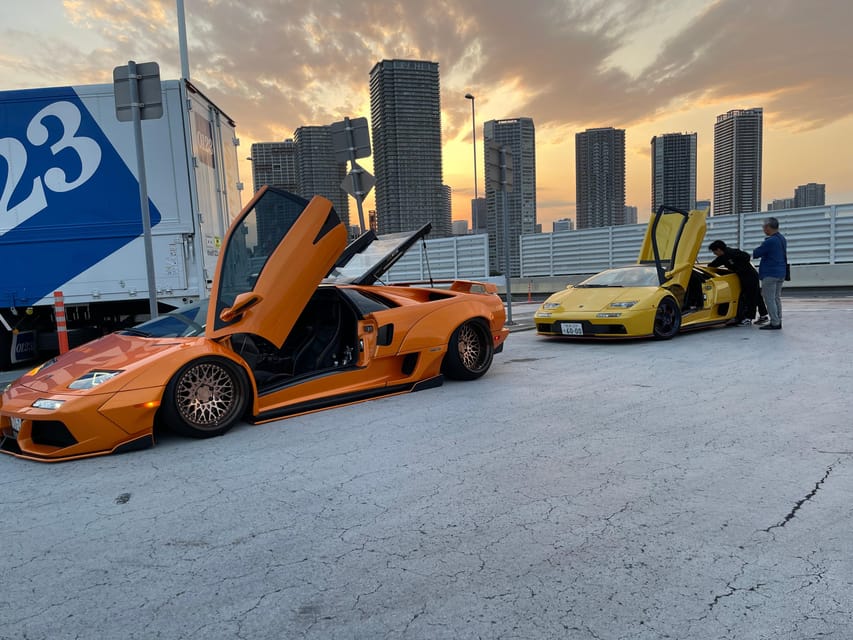
You meet in front of MOS BURGER. That’s your anchor point, and it keeps the tour simple: you show up, you meet the local guide and get in the car.
The car ride starts from the time you get in. There is no self-driving element, and hotel transportation is not included. So if you’re using public transit or a taxi to reach the meeting point, budget time to arrive calm and ready, not rushed.
Since there’s no luggage space, keep your carry-on minimal. Think phone, wallet, a thin layer, and maybe a small camera or compact lens setup if you have one.
Language-wise, the live guide is in English, which makes a big difference. Car culture details can be fast and technical, and it helps to have the driver explain what you’re seeing in terms you can actually follow while you’re still looking out the window.
Stop 1: Daikoku Parking Area, Your Photo and Car-Spotting Window
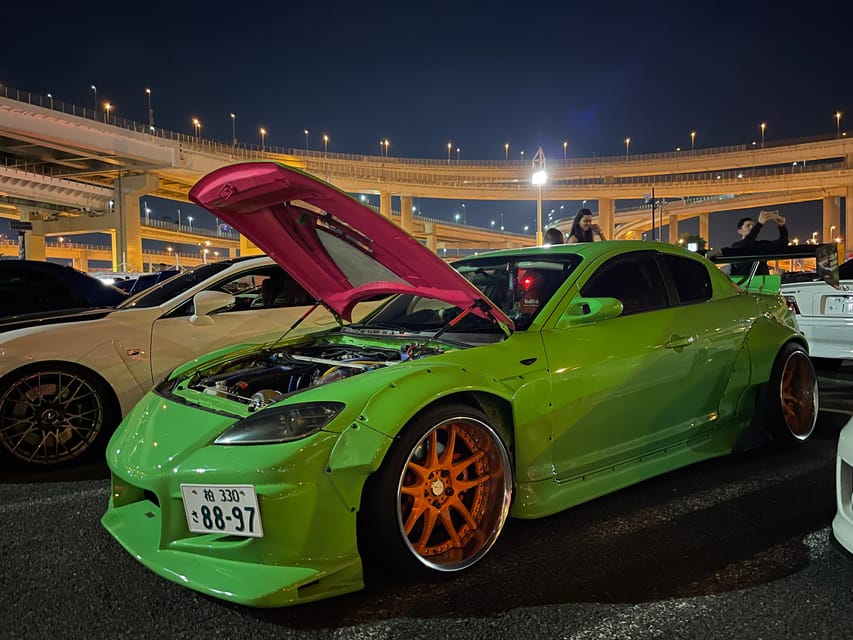
Daikoku is the name that pulls car fans to Tokyo. This tour gives you time there that is structured for both photos and walking around.
You start at Ōba, then head to Daikoku Parking Area. The break time is built in for photos and visiting, with free time and a short walk. The walk segment is listed as about 15 minutes, which tells you the tour is designed for motion and efficiency, not for hours of wandering.
So what should you do during that 15 minutes?
- Use the first moments to find the angles that show the cars and the energy of the meet.
- Take photos early, because night lighting changes fast once you start moving around.
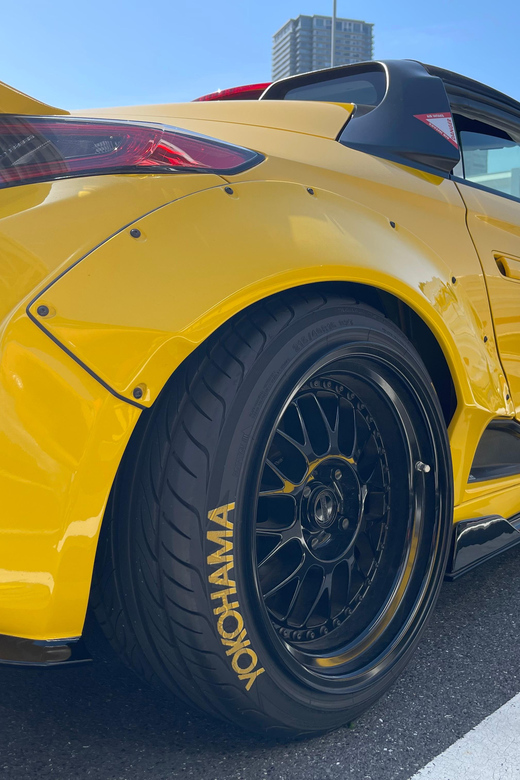
- Look at the details, not just the overall shape. In JDM culture, the difference between similar builds often comes down to wheels, bodywork style, and ride height.
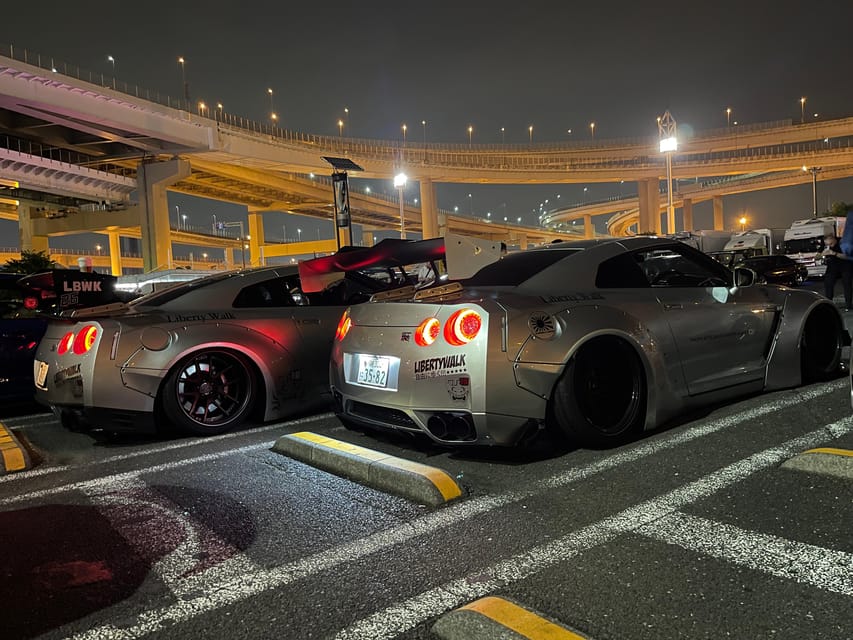
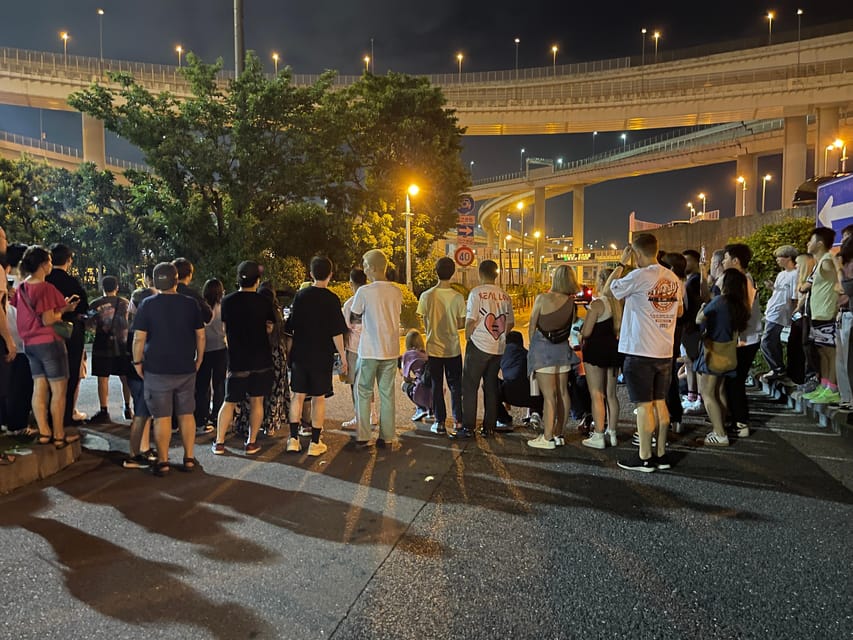
The meet vibe at Daikoku is famous for heavily modified cars, and this is where the tour’s focus lands hardest. It’s not just about seeing one car. It’s about seeing the scene: rows of machines, owners who know the culture, and the sense that this is an event that people build weekends around.
Also, you’ll appreciate the one-on-one setup here. In a group tour, you’re often stuck behind someone trying to manage a crowd. Here, the driver can work with you on timing and the flow of your photo stops.
Stop 2: Tokyo Skytree Passing, Why a Drive-By Can Be Perfect
After Daikoku, the tour continues with a passing stop for Tokyo Skytree. Passing sounds less dramatic than a long stop, but in Tokyo, it can actually be the right move.
Here’s why:
- You get the skyline reference without losing your timing window.
- You keep momentum toward Tatsumi and the night highlights.
- You get the “Tokyo at speed” perspective that fits the theme of the tour, which is driving through different angles of the city.
If you’re someone who wants to capture a skyline without wasting half the tour standing still, this works well. Just keep your phone accessible and be ready for the sight when it comes up.
Stop 3: Tatsumi 1st PA Break, Where the Scene Extends
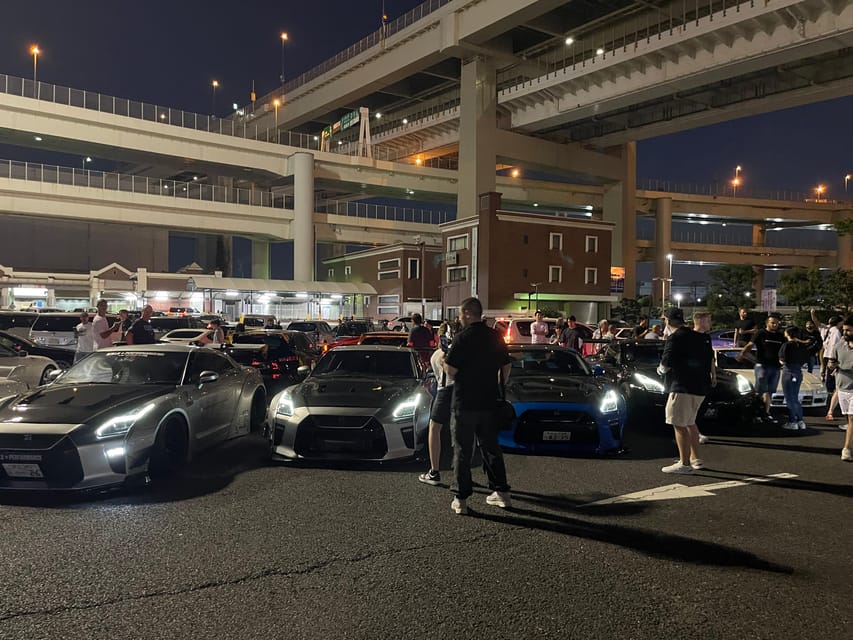
The tour then moves to Tatsumi 1st PA, with a longer stop than Daikoku. The itinerary lists a break time plus photo stop, free time, and sightseeing, with about 1.5 hours of walking time.
That extra hour-plus is a gift. It gives you room to slow down, take more photos, and actually enjoy the atmosphere instead of rushing through. Tatsumi is another key meet point, and the benefit of this tour is that you are not just arriving, looking, and leaving. You get time to settle in and absorb the culture.
During this portion, you’ll likely notice:
- More variety in what shows up as the night progresses.
- The rhythm of drivers arriving and departing.
- The contrast between viewing cars at a meet and then seeing them as part of Tokyo’s wider street culture.
Because the guide is in the car with you, you can ask what you’re looking at. Car culture is full of shorthand, and having a local driver can help you connect the names and styles to what you see in front of you.
Stop 4: Rainbow Bridge, the Midnight Skyline Moment
Next comes Rainbow Bridge. The tour notes it as a passing point, meaning you get the sight as part of the drive, not as a long parking-lot hang.
Even without a long stop, Rainbow Bridge is the kind of view that changes your feeling about the whole evening. It’s wide, it’s iconic, and it hits the theme you came for: Tokyo as a late-night stage.
If Wangan Midnight is in your head, Rainbow Bridge is the moment where your imagination meets reality. And because you’re crossing while driving through major routes, the visual effect is not just “I saw a bridge.” It’s “I saw Tokyo moving.”
This is one reason I think this tour works better as a road trip than a car museum visit. The scenery is part of the experience, not just a backdrop.
Stop 5: Tokyo Tower Passing, a Classic Ending Note
The last big skyline reference is Tokyo Tower, also a passing point. The plan is to arrive back at Ōba after that.
Tokyo Tower passing works like a closing credit. It’s familiar enough to anchor your memory, but you’re still in motion, so the night feels continuous instead of chopped up.
By the time you’re heading back, you’ll have already had:
- Daikoku for meet energy
- Tatsumi for more time in the scene
- Rainbow Bridge for the midnight skyline feel
- Tokyo Skytree and Tokyo Tower as recognizable Tokyo bookends
That sequence is a smart way to give car culture fans a complete evening arc.
Price and Value: $192 for a One-Car, One-Passenger Experience
Let’s talk about money in a practical way. The price is $192 per group, and it’s for up to 1 person. That’s not cheap if you’re comparing it to shared tours. But it is a different kind of product.
You’re paying for:
- a private ride with one local Japanese driver
- a specific modified car experience in a Honda S660
- inclusion of fuel and toll road
- no mini-van, no shared group dynamic
For solo travelers, this pricing can feel fair because you’re not splitting a vehicle with strangers. You’re essentially booking a tailored three-hour night drive with a local who knows the beats and handles the practical parts.
If you were paying for a shared tour, you might get similar sights, but you would lose the tight, car enthusiast style flow. In this kind of experience, that flow is a big part of the value.
What You Should Watch For During the Ride
This is where I think the reviews line up with what the tour is built for.
People really respond to the night drive feel and to how personal it is. The car itself gets strong praise, and there’s a specific vibe people describe as similar to Wangan Midnight when the lighting and road atmosphere click into place.
So, do yourself a favor and plan for observation:
- Look for the contrast between car meet lighting and street lighting.
- Watch how the skyline changes as you move from one route to another.
- Be ready with your camera, but don’t rush. Night photos can take a few tries.
Also, don’t go in expecting race-car energy. The tour is designed around respecting traffic laws, which is exactly how you want a driving experience to be in Tokyo.
Comfort, Rules, and Expectations That Keep the Evening Fun
A few “know before you go” points are not small details here, they are the difference between a good night and an annoying one.
- Tiny car, tiny seats. You should treat this like an economy-class seating experience.
- No luggage space. Keep your bag plan tight.
- Respect traffic laws. You are not there to recreate street racing games.
If you accept those limits, you’ll enjoy the experience for what it is: a controlled, stylish JDM night drive with real city scenes and meet-area time.
And because the guide is with you, the ride stays smooth. A good driver makes a difference when you’re in a car that turns heads. You want the driver thinking about the city, the crowd, and your comfort, all at once.
Who This Tour Suits Best (And Who Might Want to Skip It)
This tour makes the most sense for:
- solo travelers who want a private experience
- car enthusiasts who want Daikoku and Tatsumi, not just generic sightseeing
- people who care about JDM style and want it explained in plain English
- anyone who wants the feeling of Japanese car scenes, like Wangan Midnight and Shuto Ko Battle, but wants it done responsibly
You might want to skip or look for another option if:
- you need room for luggage or bulky bags
- you’re uncomfortable with very small seating space
- you expect aggressive, race-like driving
- you want a group larger than what this one-passenger format supports
There is a note that if you want to go with more than two customers, you should message. So this isn’t built for large friend groups in the standard flow.
Should You Book This S660 Daikoku Night Ride?
If you’re a solo traveler who wants authentic JDM culture plus real driving views, yes, I’d book it. The combination of Daikoku time, Tatsumi time, and skyline passing points like Rainbow Bridge, makes this more like a night movie than a checklist.
Book it especially if you care about the car itself and you like the idea of learning what you’re seeing while you’re in motion. The one-on-one format is the secret sauce.
Skip it if comfort and luggage space are your top priorities, because this is a tiny car ride and there’s no room to pretend otherwise. Also skip if you want racing energy, because the whole experience is built around legal, safe driving.
If those expectations fit you, this is a memorable way to see Tokyo through the lens of Japanese street car culture, with a modified S660 doing the talking.
FAQ
Is this a shared tour or a private experience?
It is a private group experience with no mini van and no shared tour setup. The experience is described for one passenger with one local Japanese driver.
How long does the tour last?
The duration is 3 hours.
Where do I meet the guide?
Meet in front of MOS BURGER.
What car will I ride in?
You ride in a domestic-model Honda S660 that is described as a JDM LBWK modified, one-of-a-kind car.
What stops are included during the tour?
The route includes Daikoku Parking Area, Tokyo Skytree passing, Tatsumi 1st PA, Rainbow Bridge passing, and Tokyo Tower passing, then back to Ōba.
Is there room for luggage in the car?
No. The car has no luggage space.
Do I get to drive the car myself?
No. Self driving is not included.
When is the best time to go?
Friday, Saturday, or Sunday nights are suggested as the best options. Friday and Saturday nights may require leaving around 18:00 and returning around 21:00 due to possible parking closures around 20:30.
What is the cancellation policy?
You can cancel up to 24 hours in advance for a full refund.
Car Nights Around Tokyo Bay
Newest Tokyo write-ups from the Loving Japan desk






Daikoku Parking and JDM Car Culture, side by side.
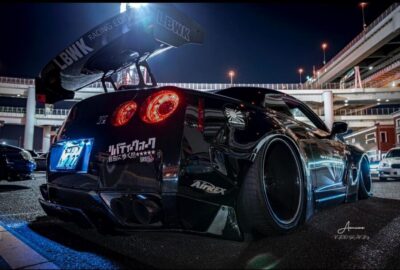
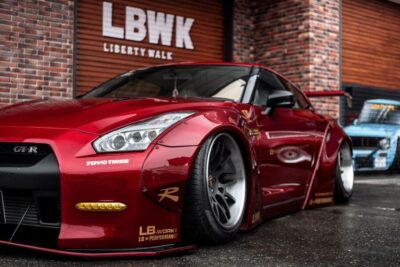 ★ 4.8GT-R35 800hp Club Membership – secret underground car meetFrom $205998 reviews
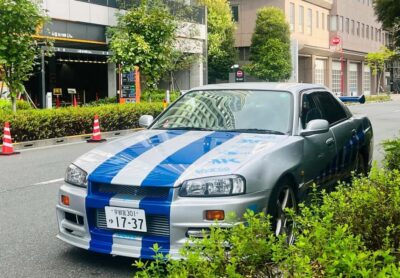 ★ 4.8Fast & Furious Tokyo Drift 3 Experience (Kaila Yu SP)From $157947 reviews
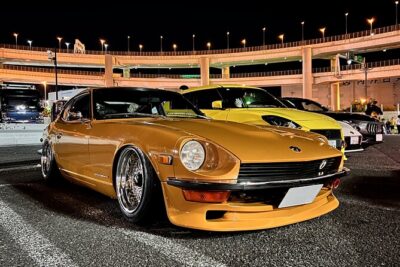 ★ 4.8Daikoku JDM Car Meet & Night Car Culture TourFrom $98626 reviews
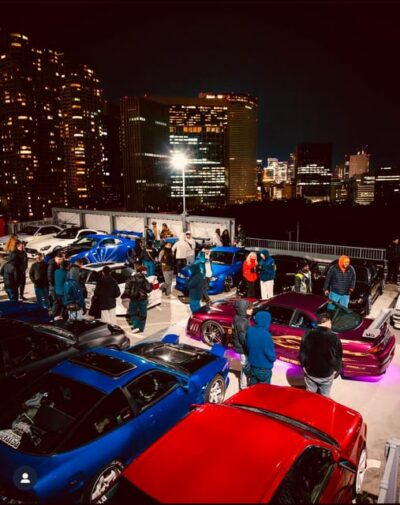
 ★ 4.8Secret Car Meet: R34 Skyline Car Club MembershipFrom $236494 reviews
 ★ 4.9EVO, WRX, Skyline – JDM Night Run to Daikoku Car MeetFrom $125478 reviews
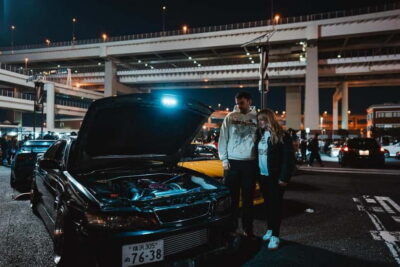 ★ 4.7Tokyo Drift: Daikoku PA Supreme Car Experience 大黒PAFrom $58372 reviews
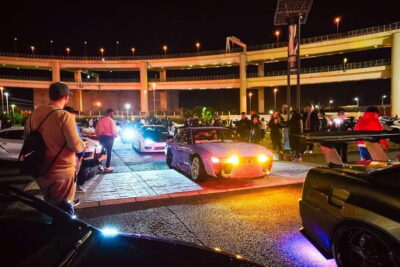 ★ 4.9Legendary JDM CAR Daikoku Underground MeetupFrom $82360 reviews
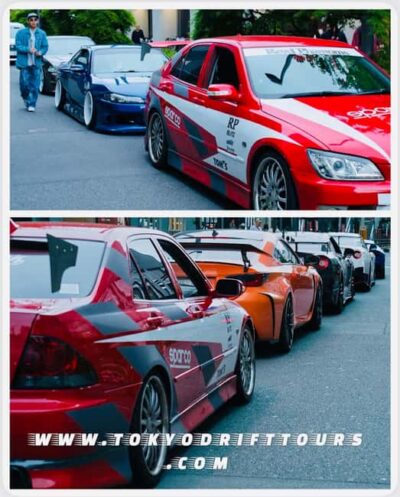 ★ 4.6Go Daikoku PA Fast & Furious 3 Sports Car MeetupFrom $49356 reviews
Filed on these lists too