
REVIEW · MOUNT FUJI DAY TRIPS
Exploring Mt Fuji Ice Cave and Sea of Trees Forest
Moss, ice, and lava tunnels, all in 3 hours. This walk through Aokigahara Jukai and the rare Mt. Fuji ice cave lets you hear birds, spot wildlife signs, and see ice that survives inside a lava system. I love the Mt. Fuji Ice Cave that stays icy all year, and I love the way Toshi turns forest clues into clear, fun stories. The main catch is footing, the cave involves slippery rocks and a dim, cold feel.
You get an easy, guided route in a small group (up to 20), with shuttle pickup near Kawaguchiko Station and helmet and gloves included. The Sea of Trees starts with moss, so the tour feels like slow forest attention, not a rushed photo stop. At $56.82, it is good value for guided access to a place that is usually not DIY-friendly, and you will want to plan for no drinks or meals during the 3-hour window.
In This Review
- Key things to know before you go
- Aokigahara Jukai: the Sea of Trees that starts with moss
- The rare Mt. Fuji Ice Cave: what you’ll see underground
- From lava plateau air to ice stalagmites: how the walk feels
- The guide matters, especially when the forest has a story
- Gear you get, plus the basics you should plan for
- Price and logistics: getting access without turning it into a project
- Who this tour fits best, and where it might not
- Should you book the Mt. Fuji Ice Cave and Sea of Trees tour?
- FAQ
- How long is the Mt. Fuji Ice Cave and Sea of Trees tour?
- How much does it cost?
- Does the tour include pickup?
- Where does the tour start and end?
- What’s included in the price?
- What language are the guides?
- Are drinks or meals included?
- Is there a limit on group size?
- Is it suitable for children?
- What should I wear for the cave portion?
- What happens if the weather is poor?
Key things to know before you go
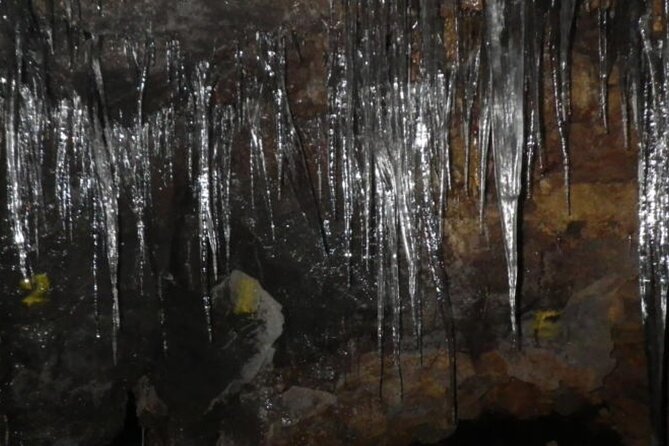
- Rare lava ice cave with ice visible year-round, including icicles and ice stalagmites
- Aokigahara Jukai is a moss-first forest where the ground is part of the story
- Small-group pace (max 20) with a pro guide in Japanese or English
- Cave time needs balance on slippery rocks in slightly dark conditions
- Helmet and gloves included to help you stay comfortable during the underground portion
- Good weather matters, since the tour is weather-dependent
Fuji from Yamanashi Prefecture: the other approaches
- Exploring Mt Fuji Ice Cave and Sea of Trees Forest
★ 5.0 · 77 reviews
Aokigahara Jukai: the Sea of Trees that starts with moss
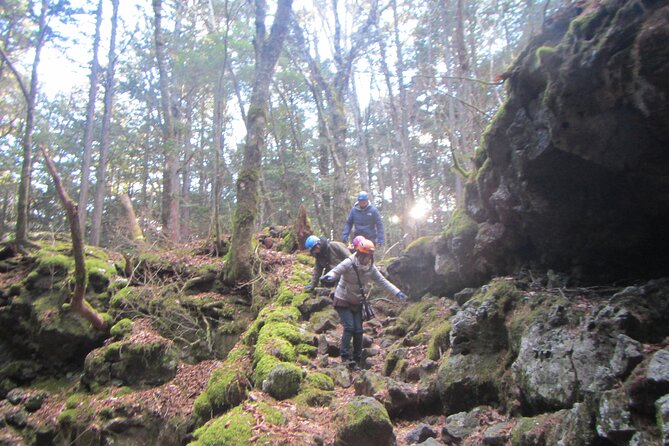
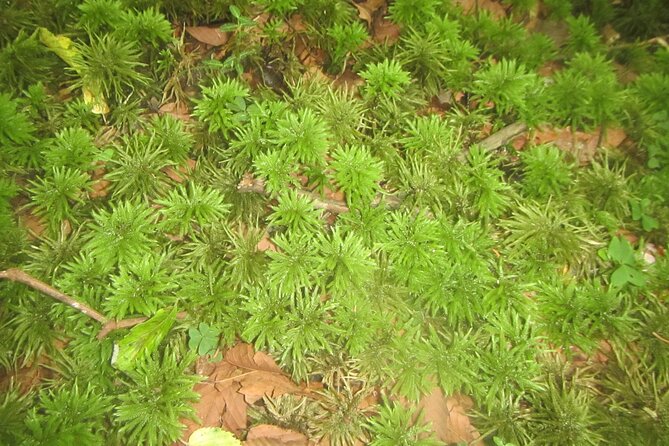
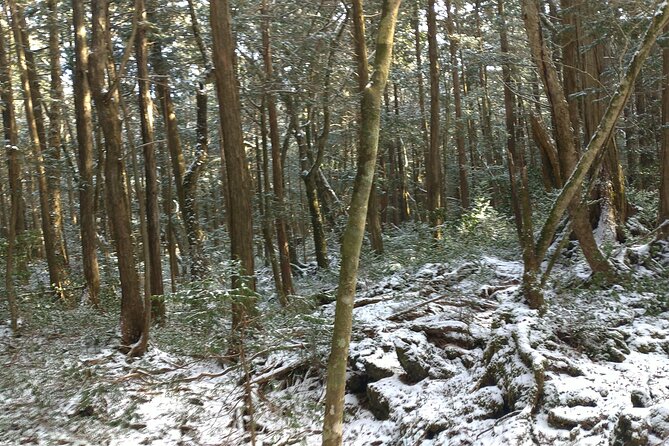
The Sea of Trees (Jukai) sounds spooky on paper. In person, it is calmer and weirder in a good way, because your eyes get pulled down to the ground fast. The tour’s first stretch is through Aokigahara Forest, where plateau lava and unusual tree shapes set the tone, and the forest atmosphere feels fresh right away.
What I love here is that moss is not just background. Moss covers the ground so completely that it becomes a natural map of the forest’s moisture and shade. You also get a chance to spot the small stuff the big Mt. Fuji viewpoints tend to ignore, like lichens and algae that you would normally miss. In different seasons, you may notice wild plants such as rare orchids, mushrooms, and evergreen plants, and the guide can connect those details to how the forest functions.
Wildlife signs are part of the appeal too. You might encounter Japanese squirrels and deer, and you may hear birds like woodpeckers and Japanese tits. Even when you do not see animals directly, the guide’s commentary helps you read the forest the way a local would, with attention to what the habitat supports.
This is also a World Heritage Site area and a national park, so the experience has that protected-place feeling. You are not just walking into a themed attraction. You are moving through a volcanic landscape that supports a living community, and the guide helps you notice how it all fits together.
The rare Mt. Fuji Ice Cave: what you’ll see underground
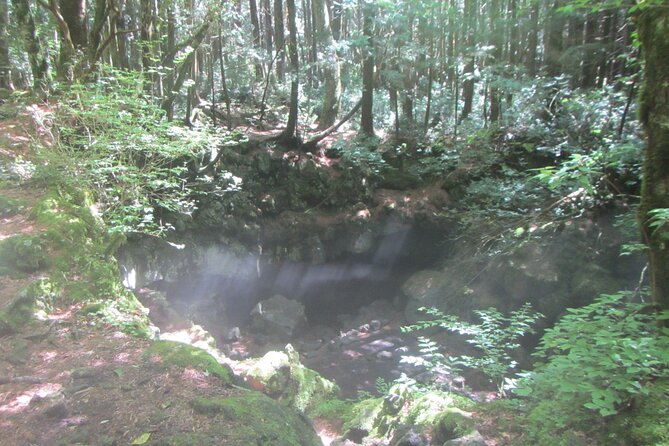
The headline is the Mt. Fuji ice cave, and for good reason. Lava caves are hard enough to find, but ice-filled lava caves are even rarer. During the tour, you explore a cave where ice can be seen all year, which is a big deal if you are visiting outside peak winter.
Inside, expect icicles and ice stalagmites. The formations look almost sculpted, but the key is that nature is the artist here, and it keeps changing. The ice landscape can look a little different from day to day, so it is not always the same visual setup like a frozen display.
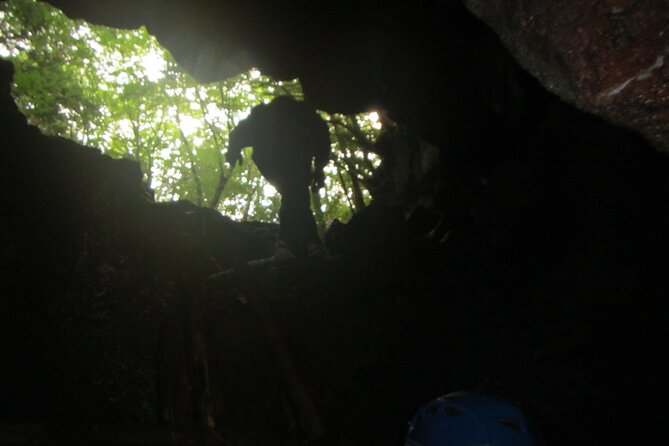
You should also know the practical side. Cave exploration happens in slightly dark conditions, and the footing can be slippery. The tour gives you helmet and gloves, which helps for comfort and safety. Still, you need average balance and you should be ready to use your legs on uneven ground. If you do not like darkness or you get nervous with heights, factor that into your decision.
The cave is described as authentic, not a staged gimmick, and that authenticity is part of why it feels special. You are going in for real nature, not a walk-through museum set.
From lava plateau air to ice stalagmites: how the walk feels
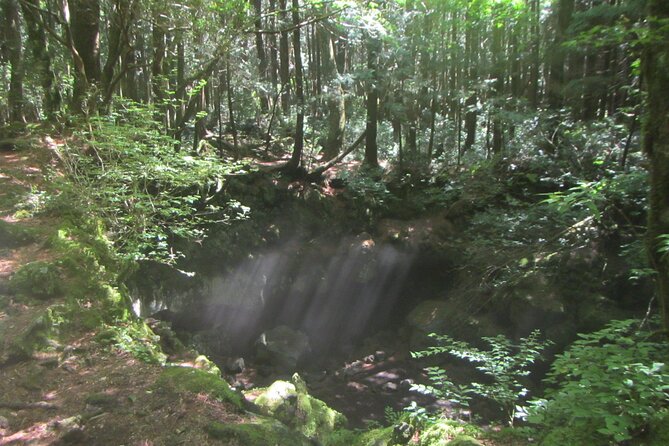
This is a roughly 3-hour experience that follows a natural rhythm. You start with forest air and an on-foot hike in Aokigahara, so you get time to settle your senses. You are not dropped into the cave immediately. That order matters because the guide uses the forest to set up the story of what you will later see underground.
As you walk, the guide shares anecdotes about Jukai and explains the nature, history, flora, and fauna of the forest. There is also mention of how this area has inspired movies and documentaries and shown up in books, which gives you extra context while you are still surrounded by moss and volcanic shapes.
Then you move toward the ice cave. That shift can feel like stepping into a different world. The guide helps you make sense of what you are seeing while you navigate the cave portion. One reviewer called out that the cave requires average footing and balance in a slightly dark environment, and another noted that slippery rocks are involved. So keep your focus on each step, slow down where the ground feels slick, and follow the guide’s timing.
The good news is that the tour is designed to be manageable. You have multiple age ranges included in the experience, including children, as long as family rules are met. The best way to think about it is active, not extreme, and it is more about careful movement than athletic training.
The guide matters, especially when the forest has a story
A big part of the value here is the guide. The experience is led by professional nature instructors who explain what you are seeing in a fun, easy-to-understand way. People consistently talk about Toshi, and that pattern is easy to understand once you know what this kind of tour demands.
In the forest, a lot is invisible unless someone points it out. The guide’s job is to help you notice moss textures, fungal signs, lichens, seasonal plants, and wildlife cues like birdsong. In the cave, the guide helps you understand what you are looking at and how to move safely through darker, colder spaces.
More than one person highlights that the guide is responsive to questions and uses visual aids, including pictures. That matters because ice formations and forest micro-details can be hard to interpret from eye level alone. When someone can show you examples and explain the connections, the tour feels less like walking and more like learning how the place works.
There is also a clear passion for fungi and natural details. One guest described the guide as an amateur mycologist, which fits the way this forest is talked about. If you like mushrooms, moss, and the quiet ecosystem stuff, you will probably feel your interest grow while you walk.
And if you are visiting with kids, the guide style is a plus. Feedback includes patience with a child handling cold and rain, plus a sense of humor that keeps attention from drifting.
Gear you get, plus the basics you should plan for
The tour includes helmet and gloves, plus the guide and the required admission element. Those items help you feel prepared as you transition from bright forest air into a cave that is cold and visually darker.
The most important thing you bring is your footwear. Reviews specifically recommend good hiking shoes because you will climb on slippery rocks in the cave. That is not the time for flat sandals or slick-soled sneakers. Wear something with grip, and if you have a pair that is comfortable on uneven ground, use that pair.
Pants matter too. One review basically says to wear pants, which lines up with the cave portion and the cold feel. Layers are also smart because winter ice and snowy conditions are part of the seasonal experience, and some guests mention cold and rain.
Water and meals are not included, so plan your timing. If you finish the tour and feel hungry, you will want a meal lined up nearby rather than expecting food during the 3-hour window. Think of this as a nature-first block of time, then refuel after.
Price and logistics: getting access without turning it into a project
The price is $56.82 per person, and for what you get, it is a fair trade. You are paying for guided nature interpretation, small-group management, and protected access to an area where independent visitors can hit paperwork and permits.
There is also a practical reality: individual access may require a special entry permit from the local tourism association. With a guided group, you avoid the hassle of figuring out permits and the right way to enter. Even if you are an organized traveler, that friction can eat half a day.
On logistics, you can expect shuttle service around Kawaguchiko Station. The meeting point is at Roadside Station Narusawa, and the tour ends back at the meeting point. The duration is about 3 hours, so this works as a half-day plan without wrecking the rest of your itinerary.
Tickets are mobile, and confirmation happens within 48 hours subject to availability. There is also a maximum of 20 travelers, which helps you feel like you are with your group instead of being swept along.
One more factor is weather. The experience requires good weather, and if it gets canceled for poor conditions, you will be offered a different date or a full refund. That means you should build your schedule with a little flexibility.
Who this tour fits best, and where it might not
This is a strong choice for nature lovers who want more than a view. If you like walking in quiet places, noticing moss, and learning about flora and fauna, the Sea of Trees portion will feel rewarding.
Families can do well here too. The tour notes an age range where children ages 6 to 11 must have a parent or guardian accompany them. Reviews also suggest the guide can handle different energy levels, including kids who are not thrilled about cold.
Couples who want a break from crowd-heavy Mt. Fuji loops often find the vibe refreshing. The forest is described as peaceful, and the cave is a unique switch from the usual postcard sightseeing.
The main mismatch is physical comfort and fear tolerance. If you struggle with uneven terrain, if you dislike slippery conditions, or if darkness and heights make you anxious, think carefully. One review mentioned leg soreness afterward, and others mentioned slippery cave rocks and precarious footing elements. This is not a sit-and-snap tour.
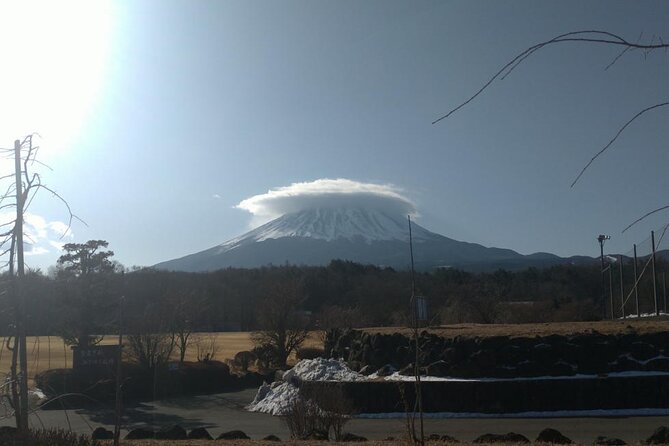
Also, if you are only chasing the tallest Mt. Fuji photos, you may feel the forest is the main event. Mt. Fuji may appear in the background for some photos, but the core experience is the forest and ice cave together.
Should you book the Mt. Fuji Ice Cave and Sea of Trees tour?
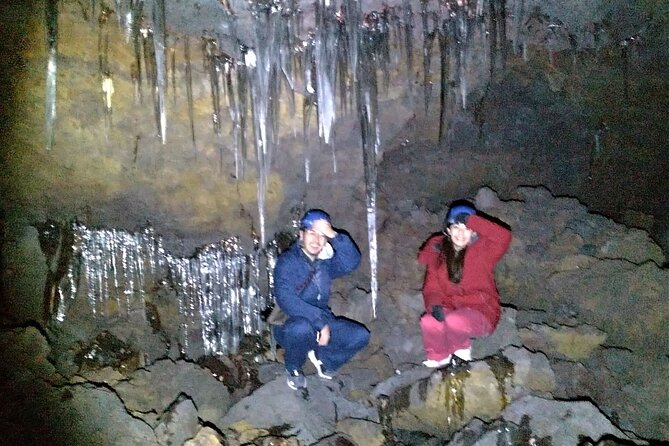
I would book it if you want an experience that feels like real place-based travel: moss, volcanic rock, wildlife cues, and a rare ice cave system that stays icy all year. The small-group size, the inclusion of helmet and gloves, and the guide-led forest interpretation are the big reasons this feels worth it at $56.82.
I would think twice if you are uncomfortable with slippery cave terrain or you get nervous in dim conditions. If that is you, consider choosing a more straightforward viewpoint day, and save this one for a time when you feel confident on uneven ground.
If you do decide to go, show up with grippy hiking shoes, wear pants, and be ready to slow down. Follow the guide closely in the cave, and let the forest stories do their job, because that is where the tour turns from unusual to memorable.
FAQ
How long is the Mt. Fuji Ice Cave and Sea of Trees tour?
It is about 3 hours.
How much does it cost?
The price is $56.82 per person.
Does the tour include pickup?
Yes, shuttle service is offered around Kawaguchiko Station.
Where does the tour start and end?
The tour starts at Roadside Station Narusawa and ends back at the same meeting point.
What’s included in the price?
Included: shuttle service, fee and tax, helmet and gloves, and a professional guide (Japanese or English). Admission is included as well.
What language are the guides?
The guide can be Japanese or English.
Are drinks or meals included?
No, drinks and meals are not included.
Is there a limit on group size?
Yes, the tour has a maximum of 20 travelers.
Is it suitable for children?
Participants aged 6 to 11 must be accompanied by a parent or guardian.
What should I wear for the cave portion?
Wear good hiking shoes, since you will climb on slippery rocks in the cave.
What happens if the weather is poor?
This experience requires good weather. If it is canceled due to poor weather, you will be offered a different date or a full refund.
Mount Fuji, Three More Ways
Newest Yamanashi Prefecture write-ups from the Loving Japan desk
Mount Fuji Day Trips, side by side.
 ★ 5.0Mt Fuji and Hakone 1-Day Bus Tour Return by Bullet TrainFrom $16326,383 reviews
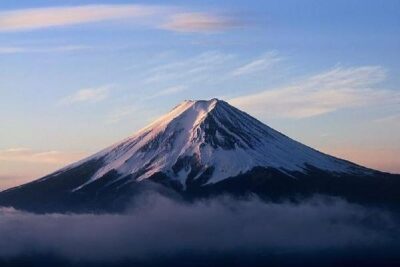 ★ 4.0Mt Fuji & Hakone Cruise, Drum Show Bullet Train 1 Day from TokyoFrom $1497,413 reviews
 ★ 4.4Tokyo Mt Fuji 5th St & Hakone Cruise Bus Tour w/Bullet TrainFrom $1545,024 reviews
 ★ 4.5From Tokyo: Mount Fuji Full-Day Sightseeing TripFrom $684,970 reviews
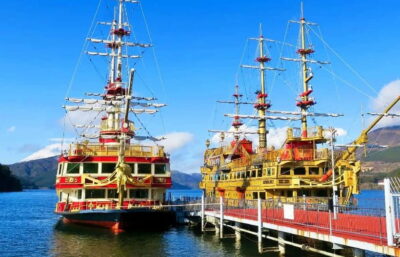 ★ 4.7Mt. Fuji Tour, Hakone Ropeway, Owakudani, Lake AshiFrom $544,002 reviews
 ★ 4.4Mt.Fuji,Kawaguchiko Oishi Park,Arakurayama Sengen ParkFrom $542,682 reviews
 ★ 4.2Mt. Fuji 5th Station & Hakone Cruise 1-Day Bus TourFrom $1292,381 reviews
 ★ 4.7Mt Fuji Top 5 Spots Day Tour: Arakurayama Park,Oshino HakkaiFrom $532,066 reviews
Filed on these lists too