
REVIEW · MOUNT FUJI DAY TRIPS
From Tokyo: Full-Day Mount Fuji Tour in English or Spanish
Fuji views, plus sacred stops, packed in one day. This 10-hour tour takes you out of Tokyo to the Fuji foothills, with photo stops and walking built around the most famous viewpoints, and it runs in English or Spanish with guide Luis.
I especially like two things. First, the combination of Arakurayama Sengen Park and the Chureito Pagoda gives you multiple angles of Mount Fuji in a tight time window. Second, Luis brings Mount Fuji context that actually helps you see what you’re looking at, and the stops feel paced so you can enjoy the scenery instead of rushing through.
One thing to consider: you’ll tackle stairs and uphill paths. There’s an option with about 400 steps to reach the shrine and pagoda area, plus some walking time overall, so wear shoes you trust, and dress for fast-changing weather.
In This Review
- Key things I’d plan around
- A One-Day Fuji Plan From Tokyo That Actually Feels Full
- Arakurayama Sengen Park and the Chureito Pagoda Stair Choice
- Honcho Street in Fujiyoshida, Fuji Michi Footprints and Shops
- Kitaguchi Hongu Fuji Sengen Shrine, an Ancient Entrance
- Oishi Park by Lake Kawaguchiko, Seasonal Gardens and Ice Cream
- Lake Kawaguchiko Cruise, the Calm Finish
- Price and Value: What $90 Covers and What You Still Pay For
- Logistics That Matter: Timing, Walking, and What to Bring
- Best For Who: The Right Fit for a Fuji Day Trip
- Should You Book This Mount Fuji Day Tour?
- FAQ
- How long is the Mount Fuji full-day tour?
- Where do I meet the tour?
- Is the tour offered in English and Spanish?
- Is lunch included in the price?
- What if Mount Fuji is closed or entry is not permitted?
- What should I bring for the day?
Key things I’d plan around
- Arakurayama Sengen Park + Chureito Pagoda: one of Japan’s most recognizable Fuji views
- Two ways up: stairs or a gentler slope, both leading to the same viewpoint area
- Honcho Street (Fuji Michi): a traditional shopping/pilgrimage street with classic Fuji framing
- Kitaguchi Hongu Fuji Sengen Shrine: a major, ancient northern entrance tied to long pilgrimage routes
- Oishi Park by Lake Kawaguchiko: seasonal gardens plus the chance to sample local ice cream flavors
- Lake Kawaguchiko cruise: a relaxing end to a day spent on viewpoints
A One-Day Fuji Plan From Tokyo That Actually Feels Full
The tour starts in Tokyo at Nishishinjuku, meeting in front of the Robert Indiana sculpture LOVE. Your guide will be holding a sign for JP Travelers, and if you’re joining in Spanish, they’ll announce it as Fuji tour in Spanish. From there, you ride a comfortable bus toward the Fuji area, with the first big stop coming after about a 30-minute drive.
This is a day trip built for people who want “greatest hits,” but not the super-fast, only-photos-and-gone style. The timing gives you guided time at each major spot, with enough breathing room to take pictures without feeling like a traffic jam. You’ll also get a true mix of Fuji viewing, pilgrimage-style sites, and a waterfront finish on the lake.
And yes, the day is long. At 10 hours total, it’s more of a full commitment than a quick outing. If your ideal day is slow and flexible, you may find this one feels scheduled. If your ideal day is seeing a lot of Fuji magic in one go, it fits well.
Arakurayama Sengen Park and the Chureito Pagoda Stair Choice
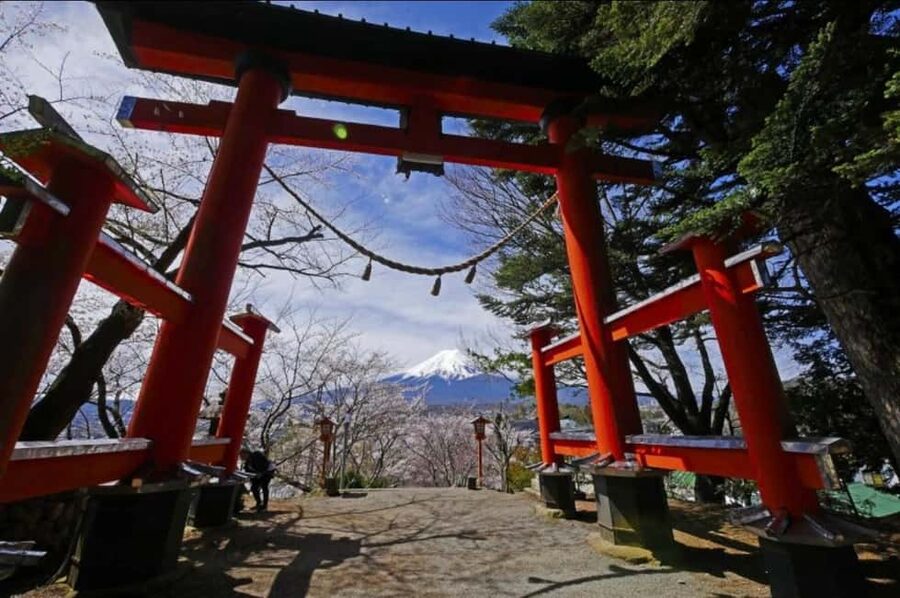
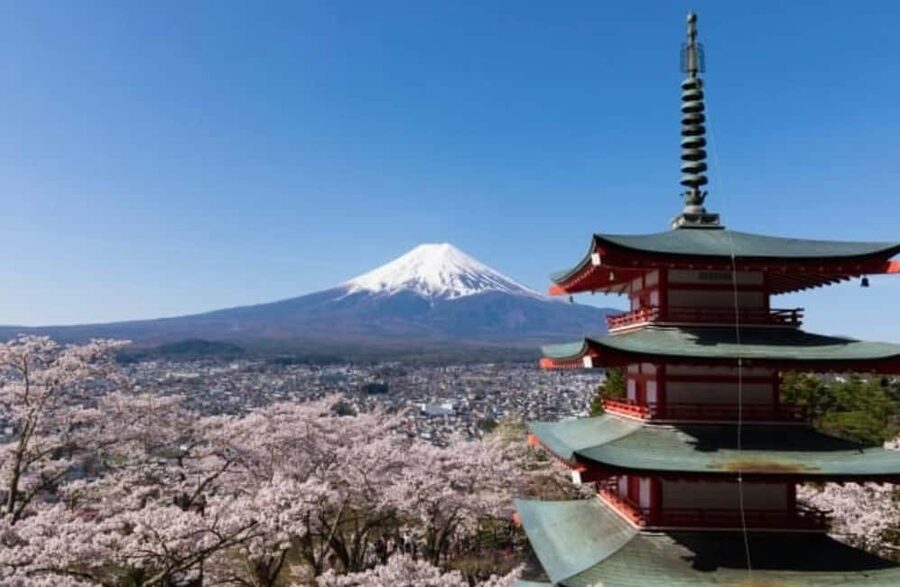
Your Fuji day centers on Arakurayama Sengen Park, also tied to Arakura Fuji Sengen Shrine. This is where you’ll get that iconic layered view of Fuji framed by the pagoda and the grounds below. It’s also a sacred stop, not just a viewpoint, so you get the feel of a pilgrimage route as well as a photo location.
Here’s the practical part that matters: you have two ways to reach the Chureito Pagoda area. One path uses steps, with a big chunk around 400 steps in total, and the route is split so the first stretch leads toward the shrine area before continuing higher toward the pagoda. The other option is a slope without stairs. You’ll reach the same destination, but the experience feels different. Stairs are quicker and direct, slope paths are gentler if your legs prefer steady pacing.
I like this design because it lets you match the walk to your day. If your body feels good, the stairs can help you move with energy and get photos from multiple angles while others are still climbing. If you want less strain, take the slope and treat the climb like a scenic walk.
One more reason this stop is worth the time: the views here are famous for a reason. You’re not just seeing Fuji in the distance. You’re seeing how Fuji looks when it becomes part of a religious landscape, with sightlines that feel carefully composed.
Honcho Street in Fujiyoshida, Fuji Michi Footprints and Shops
After the Arakurayama area, you head to Shimoyoshida Honcho Street for a guided walk. This isn’t just a shopping strip. It has the history of a route people followed on the way to the sacred mountain, often described as Fuji Michi, the path to Fuji.
What you’ll feel on Honcho Street is the blend of everyday life and pilgrimage tradition. The street is known for traditional architecture and local shops, so you’re moving through a neighborhood that still feels Fuji-linked instead of only tourist-built.
The best part for your camera is the framing. This is one of those stretches where Fuji shows up in gaps between buildings, or from small elevations along the route. It’s not the single dramatic postcard angle you get at Chureito, but it gives you more ways to see Fuji as part of daily space.
One caution: this is a walking moment inside a longer day. Don’t plan on using Honcho Street like a long shopping spree. Think of it as a chance to wander, grab a small souvenir if you want, and catch the Fuji views without losing time for later stops.
Kitaguchi Hongu Fuji Sengen Shrine, an Ancient Entrance
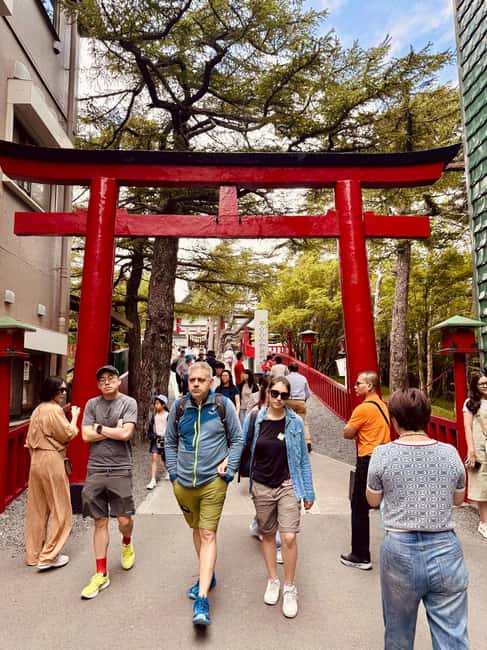
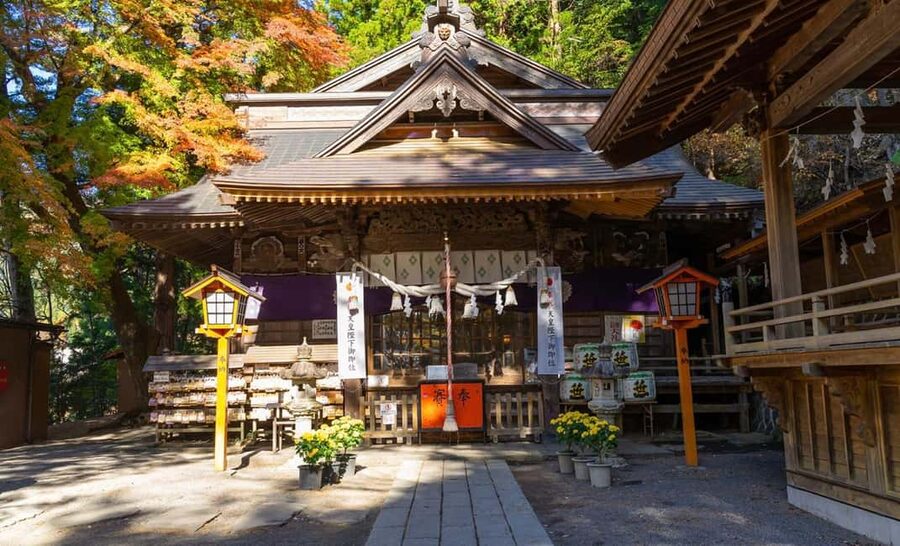
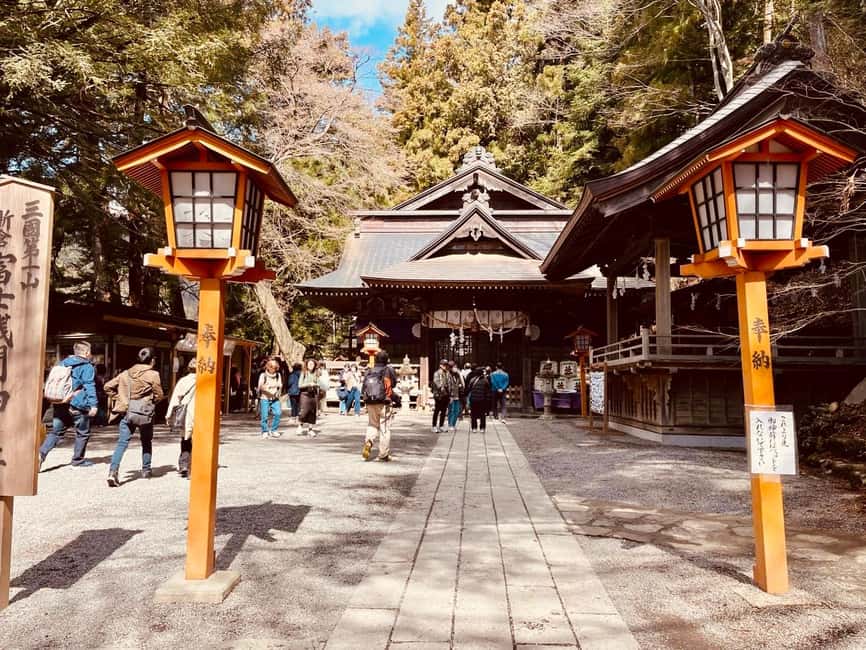
Next comes Kitaguchi Hongu Fuji Sengen Shrine. This is one of the key stops connected with Mount Fuji’s UNESCO listing, designated in 2013. The shrine is said to have origins dating back to around 100 AD, tied to a figure named Prince Yamato Takeru, and it’s described as the true and ancient northern entrance to Mount Fuji.
Even if you’re not a “temple researcher,” this stop makes sense because it explains why Fuji matters beyond scenery. Mount Fuji is treated here as a sacred destination with a route, not just a mountain people want to photograph.
The guided time helps. Instead of you standing there reading everything silently, you get the context for why the shrine location and its role as an entrance point matter. If Mount Fuji itself is hard to see on the day due to weather, cloud cover, or access limitations, a stop like this keeps the day meaningful.
Also, this tour has a built-in contingency: if Mount Fuji is closed or entry is not permitted for reasons outside anyone’s control, the plan shifts so you spend time at Kitaguchi Hongu Fuji Sengen Shrine. That’s not the same as a full Fuji viewpoint day, but it does protect your experience from going totally flat.
Oishi Park by Lake Kawaguchiko, Seasonal Gardens and Ice Cream
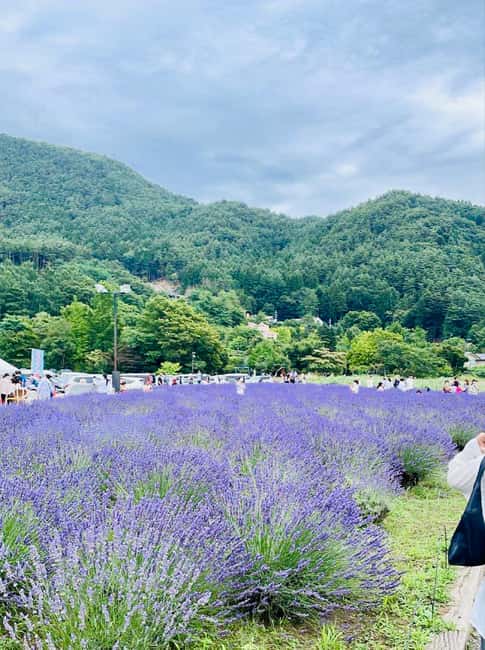
Oishi Park sits in front of Lake Kawaguchiko, and it’s known for seasonal flowers and garden paths. It also has a memorial connection to past volcanic activity. The idea is that the park was built using stones recovered from Mount Fuji after strong eruptions, and the park remembers those cycles in a way you can actually walk through.
This stop is a nice reset. After climbing and walking around the shrine and pagoda areas, Oishi Park gives your legs a break with gentler paths and open space. You get time to enjoy the gardens, and it’s a great place to slow down for photos when Fuji is visible. If clouds shift, you also have more chances to catch changes in the mountain’s silhouette across the lake area.
There’s also a practical treat: you can enjoy ice cream with 14 creamy flavors at this stop. The tour does not include ice cream, so you’ll pay for it yourself if you want it. But it’s a classic “yes, I’ll try one” moment, especially if you’ve walked a lot and want something cold.
Bring cash if you want to buy fruit from the area too. You’ll see souvenir opportunities as well, and it’s easy to grab something small to remember the day.
Lake Kawaguchiko Cruise, the Calm Finish
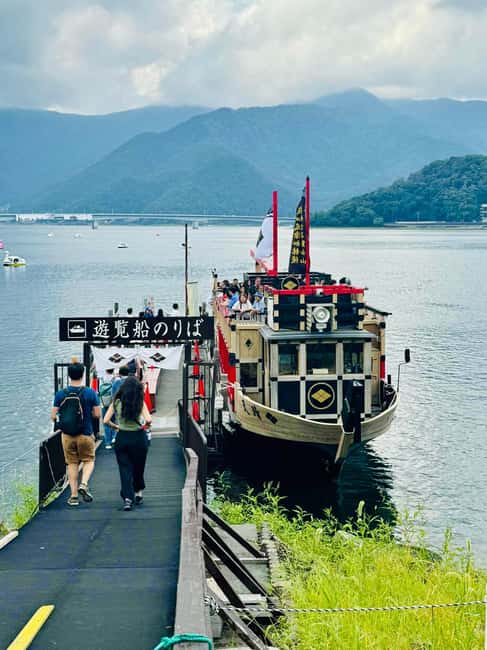
To end the day, you cruise around Lake Kawaguchiko, described as the second largest lake around Mount Fuji. This is the payoff for the earlier walking, because the cruise gives you a new perspective without the effort.
On the water, Fuji can look different depending on weather and time of day. Sometimes it’s crisp and clear, sometimes it’s softened by haze or cloud. Either way, you’re seeing how the mountain relates to the lake and its shoreline patterns.
The cruise also makes the timing work. After being on your feet for much of the day, a guided sail is a natural way to cool down and keep the day feeling like more than just a checklist.
If the weather is gloomy, don’t automatically assume it’s a loss. A lake view still has texture, light, and atmosphere, and it’s often more comfortable than trying to fight for the best viewpoint while standing in wind.
Price and Value: What $90 Covers and What You Still Pay For
At about $90 per person for a 10-hour guided day, this tour aims at value through organization. You’re paying for bus transportation, the guide, entrance fees, and the timed access to multiple sites that would be harder to coordinate on your own.
That said, you still need to budget for meals. Lunch, snacks, drinks, and ice cream are not included. You’ll likely want water and maybe a snack to keep energy up between stops. Since you’ll be walking and climbing, I recommend planning your food stops rather than hoping you’ll find something perfect at every location.
What makes it a fair deal is the combination of costs. By the time you factor in entrance fees for multiple attractions plus transport time out of Tokyo, the price starts to look reasonable, especially if you want the structure of a guided route in English or Spanish.
In short: you pay for convenience and context. You still pay for personal food choices. If you’re the type who hates navigating train transfers or switching between multiple route plans, this is the kind of day trip that can feel worth it.
Logistics That Matter: Timing, Walking, and What to Bring
This is a day where what you pack affects how much you enjoy it.
Wear comfortable shoes. You’ll have walking time throughout the day, including the option for a stair route up toward the shrine and Chureito Pagoda area. If you’re choosing the stairs option, assume your calves will have opinions by midday.
Bring a camera if you care about capturing different Fuji moods. Fuji can change fast with cloud cover, so having your phone ready helps, but a proper camera gives you better control.
Also pack water and sunscreen. Even in cooler seasons, sun can hit hard near exposed viewpoints. Add food and drinks if you like having options, since lunch is not included and you might want something more familiar.
Weather can change rapidly in this region. Dress in layers so you can adjust when conditions shift. This is not one of those “just wear one outfit” tours.
Best For Who: The Right Fit for a Fuji Day Trip
This works best for you if:
- You want a Fuji day that includes both iconic viewpoints and shrine culture, without spending your vacation day mapping transfers.
- You prefer a guided explanation, especially around why Kitaguchi Hongu Fuji Sengen Shrine matters and how the route connects to the sacred mountain.
- You’d rather join a Spanish or English group than gamble on translations while moving between multiple sites.
It’s also good for couples and small friend groups who want a shared plan. Solo travelers often like it too because the day has built-in timing, and you get guidance throughout.
One limitation: it is not suitable for people over 95 years. If you’re near that threshold or you know you have trouble with stairs, ask yourself honestly whether the uphill and step-heavy option will work for your body, even with the slope alternative.
Should You Book This Mount Fuji Day Tour?
Book it if you want the best mix of classic Mount Fuji viewpoints, shrine stops tied to the sacred route, and a relaxing cruise at the end, all from Tokyo. I like that it includes a Spanish-speaking option with a guide named Luis who brings history in a way that helps the scenery click.
Skip it or think carefully if you dislike long days or you know you won’t enjoy walking uphill and stairs. It’s a full schedule, and the success of the day depends on weather visibility of Fuji, plus your comfort with active sightseeing.
If you’re flexible, prepared, and willing to walk, this is a strong way to experience Fuji without turning your day into logistics work.
FAQ
How long is the Mount Fuji full-day tour?
The tour lasts about 10 hours.
Where do I meet the tour?
You meet at Nishishinjuku, in front of the Robert Indiana Sculpture LOVE. The guide will have a sign for JP Travelers.
Is the tour offered in English and Spanish?
Yes. The live guide conducts the tour in Spanish and English.
Is lunch included in the price?
No. Lunch, snacks, drinks, and ice cream are not included.
What if Mount Fuji is closed or entry is not permitted?
If Mount Fuji is closed or entry is not permitted for reasons beyond control, the plan includes visiting Kitaguchi Hongu Fuji Sengen Shrine as an alternative.
What should I bring for the day?
Bring comfortable shoes, a camera, food and drinks, sunscreen, water, and comfortable clothes. Cash is also recommended for personal purchases.
Mount Fuji Day Trips, side by side.
 ★ 5.0Mt Fuji and Hakone 1-Day Bus Tour Return by Bullet TrainFrom $16326,383 reviews
 ★ 4.0Mt Fuji & Hakone Cruise, Drum Show Bullet Train 1 Day from TokyoFrom $1497,413 reviews
 ★ 4.4Tokyo Mt Fuji 5th St & Hakone Cruise Bus Tour w/Bullet TrainFrom $1545,024 reviews
 ★ 4.5From Tokyo: Mount Fuji Full-Day Sightseeing TripFrom $684,970 reviews
 ★ 4.7Mt. Fuji Tour, Hakone Ropeway, Owakudani, Lake AshiFrom $544,002 reviews
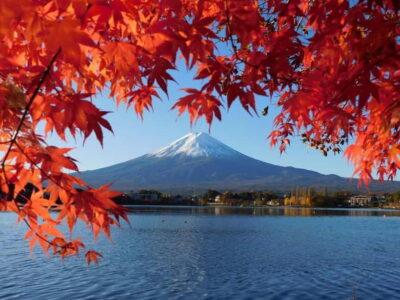 ★ 4.4Mt.Fuji,Kawaguchiko Oishi Park,Arakurayama Sengen ParkFrom $542,682 reviews
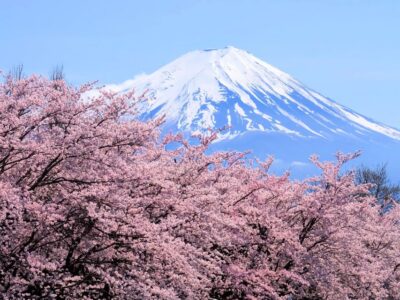 ★ 4.2Mt. Fuji 5th Station & Hakone Cruise 1-Day Bus TourFrom $1292,381 reviews
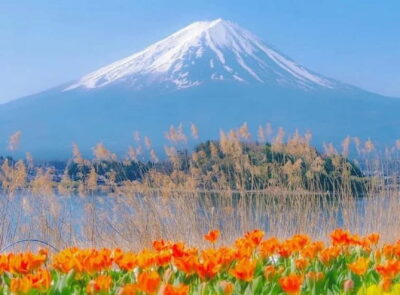 ★ 4.7Mt Fuji Top 5 Spots Day Tour: Arakurayama Park,Oshino HakkaiFrom $532,066 reviews
Filed on these lists too