
REVIEW · FUKUOKA, BEPPU AND KYUSHU
Fukuoka: Hakata Doll Painting Experience
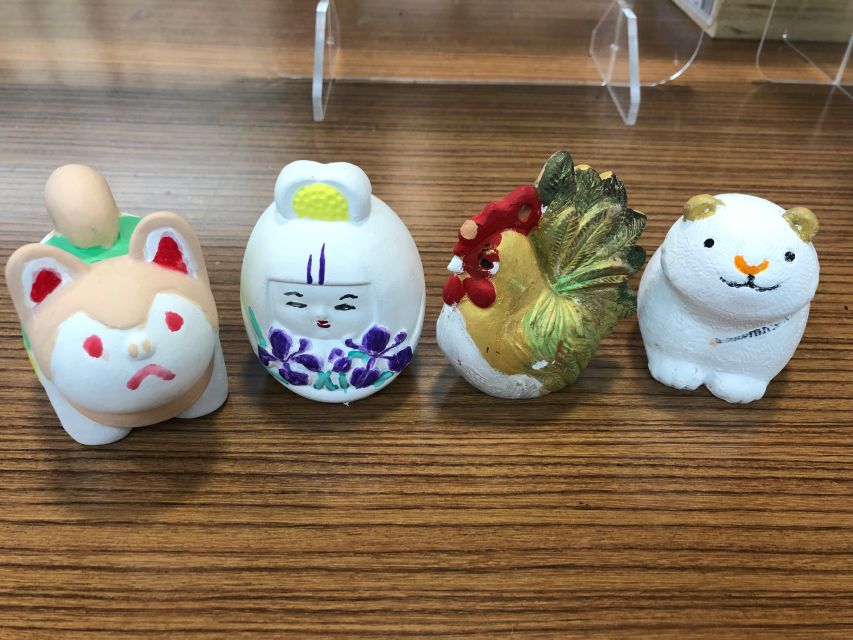
Hakata doll painting is a calm break in Fukuoka. You’re making a Hakata Doll, a local art form tied to a 400-year legacy, and you get to turn your own design choices into a one-of-a-kind souvenir. I love that the session is hands-on and focused, plus it stays small, capped at 10 people, so you do not feel lost in a crowd.
One thing to consider up front: the workshop is Japanese-only, so you’ll want to be ready to rely on visuals and any written help they provide. If you do not speak Japanese, it can still work, but you should plan on a bit more pointing and guesswork than a typical English-led class.
In This Review
- Key Highlights You Should Know
- Why Hakata Doll Painting Makes Sense in 90 Minutes
- The Hakata Doll Craft, and Why the Style Matters
- Inside the Famous Hakata Shop: What the Session Feels Like
- Japanese-Only Guidance, and How You Can Still Enjoy It
- Picking Your Doll, and Understanding Possible Extra Charges
- Brushes, Paint, and the Quality Check
- Price and Value: Is $24 Worth It?
- Wheelchair Access and Small-Group Comfort
- Who Should Book This Hakata Doll Painting Experience?
- Should You Book This Hakata Doll Painting Tour?
- FAQ
- What is the duration of the Fukuoka: Hakata Doll Painting Experience?
- How much does the Hakata Doll Painting Experience cost?
- Is this tour guided in English?
- What is included in the price?
- Who teaches the painting session?
- What is the group size limit?
- Is the experience wheelchair accessible?
- Can I cancel for a full refund?
- Do I have to pay immediately to reserve?
Key Highlights You Should Know
- A 400-year-old Hakata Doll tradition: You’re working inside a craft with serious staying power.
- You’ll go to Hakata’s most famous doll shop: It’s not a generic craft stop.
- Small group, max 10 participants: More attention, less waiting around.
- Guided by a Japanese instructor: Expect Japanese direction, with supportive materials along the way.
- You paint a single finished doll souvenir: One “this is mine” result, not a half-finished project.
- Materials and experience fees are included: Your $24 covers the core session.
Around Kyushu, from the city to the hot-spring towns
- Mt. Aso & Takachiho Gorge Tour with Optional Boat Ride
★ 4.7 · 222 reviews - Fukuoka: Takachiho Gorge & Scenic Railway One Day Tour
★ 4.8 · 178 reviews - Private Fukuoka Tour with a Local, Highlights & Hidden Gems 100% Personalised
★ 5.0 · 143 reviews - Fukuoka Your Way: 100% Customisable Private Tour with Local Guide
★ 5.0 · 83 reviews
Why Hakata Doll Painting Makes Sense in 90 Minutes
If you’re in Fukuoka and you want something creative that does not eat your whole day, this hits the sweet spot. Ninety minutes is long enough to get comfortable with the paint, but short enough that you’re not stuck in a workshop marathon. It also works surprisingly well on a rainy day, when you want indoor time that still feels fun and personal.
What you’re really buying is not just a ticket to a craft table. You’re buying a focused moment where your only job is to paint carefully and make choices. That’s why so many people leave with a souvenir they actually like, not something they rushed because they were worried about time.
A big plus for the vibe: the group is limited to 10. That usually means the instructor can keep things moving, and you’re less likely to feel like you’re waiting for equipment or attention.
The Hakata Doll Craft, and Why the Style Matters
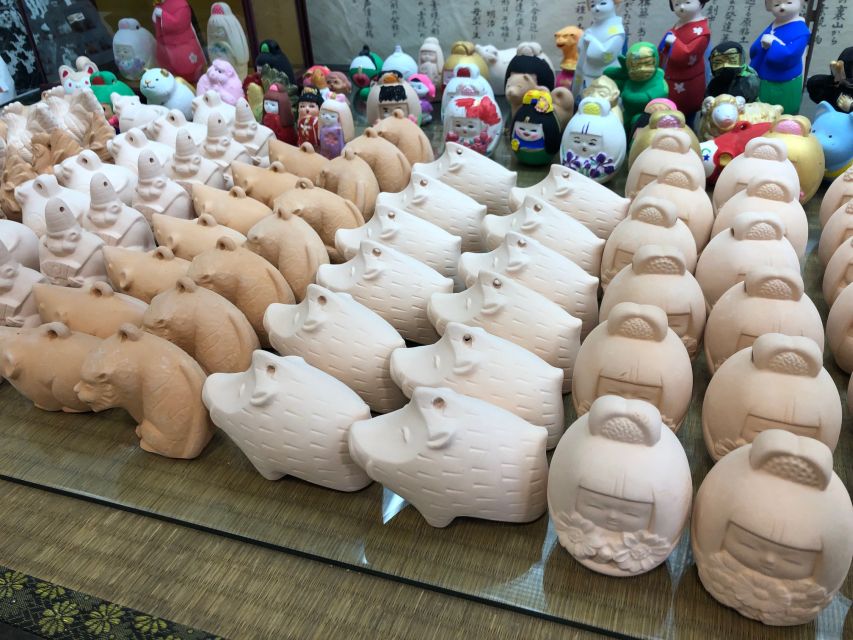
The Hakata Doll is local art with roots going back as far as 400 years. That matters because the workshop is not trying to turn the experience into a modern paint-party. The goal is to help you create within the look and feel of the traditional design.
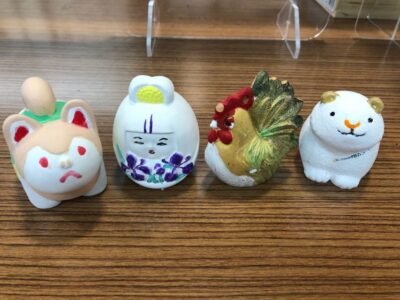
You’re painting a character-style doll, and your choices help define the final look. Even if you do not consider yourself an artist, the task stays manageable because the doll form gives you a clear canvas. You are not inventing a whole composition from scratch, you’re filling in details on a pre-made figure.
Also, think of this as cultural “texture,” not just a cute activity. In Fukuoka, it’s easy to eat your way through the city and call it a day. This is one of the better ways to slow down and take home something that connects to the local craft scene.
Inside the Famous Hakata Shop: What the Session Feels Like
You’ll visit the most famous Hakata Doll shop in Hakata, and that shapes the whole experience. It tends to feel more like a real workshop than a tourist factory.
Here’s what the flow usually looks like:
- You arrive at the shop and get the setup for painting.
- You choose the doll figure you’ll paint during the session.
- You start working with paint and brushes provided.
- You spend most of the time painting quietly, with help available as needed.
One practical detail I’d plan for: guidance may be light once you’re seated. A common pattern is simple instructions at the start, then you paint at your own table for the rest of the time. That can be great if you like a calm, mindful pace. If you want nonstop instruction in every step, you may need to speak up with questions in Japanese (or use the written help they provide).
If you want extra comfort, you might be offered something to sip, like green tea. That kind of small touch helps the session feel less rushed and more like a break you’ll remember.
- Day Tour to Miyazaki Takachiho Gorge & Shrine depart from Fukuoka★ 4.5 · 61 reviews
- Fukuoka Full-Day Private Tour with Government Licensed Guide★ 5.0 · 55 reviews
- Fukuoka: Nakasu Food Stall Private Guided Tour with Tastings★ 4.8 · 48 reviews
- Fukuoka Private and Personalized Walking Tour with a Local★ 4.7 · 46 reviews
- From Fukuoka: Miyazaki, Takachiho Gorge And Shrine Day Tour★ 4.5 · 44 reviews
Japanese-Only Guidance, and How You Can Still Enjoy It
This is the section that will decide whether this workshop fits you.
The instructor is Japanese, and the guided language is Japanese-only. At reservation time, you’re asked to tell the provider whether you can speak Japanese, and to include a mobile phone number you can use in Japan. In other words, they are preparing for communication needs.
Now the good news: you’re not completely on your own. The workshop experience uses straightforward support materials, and people have noted that written instructions in English can be available. Some participants also reported that simple help in English may be offered, depending on the situation.
So what should you do if your Japanese is limited?
- Go in with the mindset of following steps visually.
- Expect the first instructions to be mostly short and practical.
- Use any written English guidance they provide and ask questions when you’re unsure.
This is not the right pick if you want a full English class with constant explanation. But if you’re comfortable with guided crafts where pictures and demonstration do the heavy lifting, you’ll likely be fine.
Picking Your Doll, and Understanding Possible Extra Charges
The core promise is simple: you paint a finished Hakata Doll as your souvenir. You’ll have materials provided, and the material and experience fees are included in the base price.
Still, here’s the one financial detail you should keep in mind: depending on the doll style, there may be extra costs. One reviewer mentioned an upcharge for a standing woman figure. Another noted that buying extra unpainted blanks could cost more than expected compared with the painted figures.
How to handle this smoothly:
- When you arrive, check the price category for the specific doll you want to paint.
- If you’re comparing options, ask what’s included in the base price for your chosen figure.
- Decide what matters more to you: painting the figure you want, or keeping the budget tight.
This doesn’t make the experience bad value. It just means you should plan for a small decision-making moment at the start.
Brushes, Paint, and the Quality Check
You’ll be using the paints and brushes provided in the workshop. One strong positive from reviews: the materials were described as high quality, and people felt the paint worked well.
There’s also honest feedback to know. Some painters found the brushes harder to use because the bristles can be quite soft. If you’re picky about brush control, or you prefer firmer bristles, that could slightly affect the feel of your painting. The good side is that you still get a clear result, and the process stays approachable even if your skill level is beginner.
A practical tip: don’t treat this like a precision oil painting class. Think more like careful coloring. If you try to force extremely fine brushwork, you can get frustrated. Instead, focus on clean filling and steady strokes in the areas you care about.
Price and Value: Is $24 Worth It?
Let’s talk value without hand-waving.
At $24 per person for about 90 minutes, the price is competitive for a hands-on craft where you get a real finished souvenir. The session includes both the material fee and the experience fee, so you are not paying extra just to sit and paint.
Where you can feel value strongly:
- You leave with one tangible keepsake from Fukuoka.
- You get structure in a short time window.
- The small group setting helps the experience stay calm and personal.
Where value can feel less good:
- If you end up choosing a doll option that has an additional upcharge, your final cost may rise.
- If you prefer a classroom style with lots of step-by-step talk, you might feel the guidance is lighter than you expected.
If your goal is a relaxing, mindful craft with an authentic local souvenir, the price makes sense. If your goal is maximum instruction and lots of extra take-home options, you might want to compare your expectations.
Wheelchair Access and Small-Group Comfort
This workshop is wheelchair accessible, and the group is limited to 10 participants. That combination matters more than you might think.
A small group reduces waiting, and it often makes the space feel easier to manage. If you’re traveling with mobility needs, it’s a good sign to see accessibility listed, but you should still arrive ready for a classic craft-shop setup (tables, tools, and a close working space).
Even if you’re not using a wheelchair, the small size tends to make the experience smoother and less stressful. You spend your time painting instead of negotiating crowd flow.
Who Should Book This Hakata Doll Painting Experience?
I think this is a great fit if you:
- Want a unique Fukuoka souvenir you actually made
- Like painting or crafts, even casually
- Prefer quiet, focused activities over loud tours
- Are traveling with family members or friends who want something creative and easy to share
- Will enjoy a mindful indoor stop, especially when weather is gloomy
It’s less ideal if you:
- Require an English guide for everything
- Want long, detailed verbal coaching
- Expect lots of extra options to take home beyond the finished doll
Should You Book This Hakata Doll Painting Tour?
If you’re weighing this against other Fukuoka activities, I’d book it when you want a calm, hands-on memory that stays tied to local culture. The combination of small group size, Japanese instructor, and a single finished doll souvenir is a strong formula for travelers who want something meaningful without overplanning.
Before you go, do one prep step that pays off: at reservation time, be honest about your Japanese level and provide the phone number they ask for. Then arrive ready to follow visuals, enjoy the quiet painting time, and accept that this is more craft-making than lecture.
If that sounds like your kind of travel day, this is one of the more satisfying ways to spend 90 minutes in Hakata.
FAQ
What is the duration of the Fukuoka: Hakata Doll Painting Experience?
The experience lasts 90 minutes.
How much does the Hakata Doll Painting Experience cost?
It is priced at $24 per person.
Is this tour guided in English?
No. The workshop is guided only in Japanese, and there is no English guide included.
What is included in the price?
The price includes the material fee and the experience fees.
Who teaches the painting session?
The instructor is Japanese.
What is the group size limit?
The group is limited to 10 participants.
Is the experience wheelchair accessible?
Yes, it is wheelchair accessible.
Can I cancel for a full refund?
Yes. Free cancellation is available up to 24 hours in advance for a full refund.
Do I have to pay immediately to reserve?
No. You can reserve now and pay later, so you pay nothing today.
Around Kyushu


Newest Fukuoka write-ups from the Loving Japan desk



Fukuoka, Beppu and Kyushu, side by side.
 ★ 5.0Ultimate Sumo Tournament: Tokyo, Osaka, Nagoya, FukuokaFrom $184468 reviews
 ★ 4.6From Fukuoka: Miyazaki, Takachiho Gorge and Shrines Day TourFrom $50233 reviews
 ★ 4.8Takachiho Gorge & Scenic Railway One Day TourFrom $44178 reviews
 ★ 5.0Private Fukuoka Tour with a Local, Highlights & Hidden Gems 100% PersonalisedFrom $66143 reviews
 ★ 5.0Fukuoka Your Way: 100% Customisable Private Tour with Local GuideFrom $5983 reviews
 ★ 4.6From Fukuoka: Mount Aso, Kurokawa Onsen, and Shrine TourFrom $5072 reviews
 ★ 4.5Day Tour to Miyazaki Takachiho Gorge & Shrine depart from FukuokaFrom $9961 reviews
 ★ 5.0Fukuoka Full-Day Private Tour with Government Licensed GuideFrom $15555 reviews
Filed on these lists too