
REVIEW · FUKUOKA, BEPPU AND KYUSHU
Hakata Old Town Walking Tour Tracing the True History of Fukuoka
Hakata Old Town has a way of slipping under your skin. I love how this route connects temple-town landmarks with the day-to-day look of old Hakata, and I also love the kabusecha tea stop that turns history into something you can actually taste. You’ll get an English-speaking guide who keeps the story clear and practical, not just ceremonial.
The main thing to consider is that this is a true walking tour. You’ll be on your feet for the whole outing, around 3 km, and if you’re late you may lose your spot, so plan your timing carefully around the 12:00 pm start.
In This Review
- Key things I’d plan around before you go
- Why Hakata’s Old Town feels like more than sightseeing
- Tour route at a glance: 3.5 hours and about 3 km on foot
- Jotenji Temple and Sennen-no-Mon: your first taste of old Hakata
- Tochoji Temple: the pagoda locals treat like a symbol
- Mitsuyasu Seikaen Tea Leaf Shop: kabusecha and a teacake break
- Hakatamachiya Furusatokan: see old Hakata life through a townhouse replica
- Kushida Shrine finale: where the festival spirit shows up year-round
- Price and value: what you’re really paying for at about $190.49
- Timing and logistics that can make or break the experience
- Who should book this Hakata Old Town walk
- Practical tips so you enjoy every stop
- Should you book this Hakata Old Town walking tour?
- FAQ
- FAQ
- Where does the tour start and end?
- How long is the Hakata Old Town Walking Tour?
- How much walking is involved?
- What is included in the ticket price?
- What do you do at Mitsuyasu Seikaen Tea Leaf Shop?
- Are temple or shrine admissions included?
- What if entry is not possible at a listed shrine or temple?
- What if my tour visits alternative destinations, do I get a refund?
- Can I cancel for a full refund?
- Are there any limits for group size and children?
Key things I’d plan around before you go
- A small group, up to 10 people, which usually means more time to ask questions and keep the pace comfortable.
- 300-year-old Mitsuyasu Seikaen Tea Leaf Shop, where you get kabusecha from Yame plus a teacake.
- Tochoji Temple with Japan’s biggest Fukuoka Daibutsu, and locals viewing the five-story pagoda as a new symbol of Hakata.
- Hakatamachiya Furusatokan, a replica townhouse with exhibits focused on annual events, handicrafts, and old-town life.
- Kushida Shrine as the finale, tied to the Hakata Gion Yamakasa festival and with kazariyama floats displayed year-round.
- A flexible route if entry at one site is not possible, with alternative shrine or temple options offered on the day.
Around Kyushu, from the city to the hot-spring towns
- Mt. Aso & Takachiho Gorge Tour with Optional Boat Ride
★ 4.7 · 222 reviews - Fukuoka: Takachiho Gorge & Scenic Railway One Day Tour
★ 4.8 · 178 reviews - Private Fukuoka Tour with a Local, Highlights & Hidden Gems 100% Personalised
★ 5.0 · 143 reviews - Fukuoka Your Way: 100% Customisable Private Tour with Local Guide
★ 5.0 · 83 reviews
Why Hakata’s Old Town feels like more than sightseeing
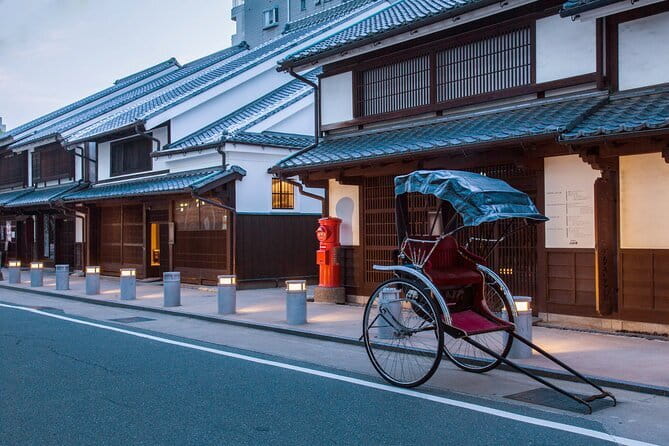
Hakata is Fukuoka’s older, more tradition-heavy side. This tour is built for that feeling: you’re not just ticking off shrines, you’re walking between places that shaped daily life and local identity. That matters because Hakata’s story is not only about famous monuments, it’s also about how communities traded, prayed, celebrated, and ate.
Two details I particularly like about this tour’s approach are the balance of stop types and the guide’s focus. You move from a temple gate and courtyard energy, to a tea-shop pause that slows your brain down, and then to a shrine that links directly to festival rhythm. On top of that, the guide name I heard associated with great on-the-ground experiences is Miyoko, and her style is described as on time, kind, and able to answer questions.
Tour route at a glance: 3.5 hours and about 3 km on foot
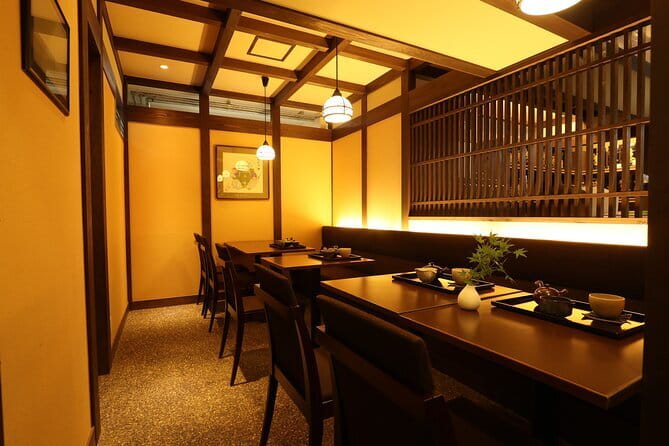
Plan for roughly 3 hours 30 minutes, and about 3 km of walking total. That’s usually very doable for most visitors with moderate fitness, but it is not a sit-and-stroll sampler where you can drift in and out.
A few practical notes help you enjoy it more:
- You’ll meet at the Fukuoka City Tourist Information Center at Hakata Station.
- The tour ends in front of Kushida Shrine, which is about a 15-minute walk from JR Hakata Station, so it’s easy to keep exploring after.
- You’ll need to wear shoes made for sidewalks and steps, since it’s a walking itinerary from start to finish.
- This is a small-group tour with a maximum of 10 travelers, and it does not allow joining partway through. If you’re often late in any trip, build in extra buffer.
Jotenji Temple and Sennen-no-Mon: your first taste of old Hakata
Your first stop is Jotenji Temple, paired with a walk through Hakata Old Town. The tour includes a pause at Sennen-no-Mon, a welcoming gate in the old-town area. Gates like this matter in Japan because they are more than decoration. They signal a transition from everyday streets into a space with its own rules, sounds, and pace.
Jotenji Temple is listed as a free stop, and the goal here feels like setting the tone. You’re not overloaded with details at the first location. Instead, you’re getting your bearings fast, learning how the old streets connect to nearby temple grounds, and getting oriented for the heavier landmarks that come next.
If you’re the type who likes context, this early gate-and-temple moment does a good job. It’s the difference between seeing a place and understanding why you’re standing there.
- Day Tour to Miyazaki Takachiho Gorge & Shrine depart from Fukuoka★ 4.5 · 61 reviews
- Fukuoka Full-Day Private Tour with Government Licensed Guide★ 5.0 · 55 reviews
- Fukuoka: Nakasu Food Stall Private Guided Tour with Tastings★ 4.8 · 48 reviews
- Fukuoka Private and Personalized Walking Tour with a Local★ 4.7 · 46 reviews
- From Fukuoka: Miyazaki, Takachiho Gorge And Shrine Day Tour★ 4.5 · 44 reviews
Tochoji Temple: the pagoda locals treat like a symbol
Next up is Tochoji Temple, a more major visual anchor on the route. The highlight is its five-story pagoda, which locals cherish as a new symbol of Hakata. Even if you don’t catch every detail of architecture, a five-story pagoda has a strong presence, and it quickly tells you you’ve moved into the cultural center of the area.
The tour also includes the Fukuoka Daibutsu, described as Japan’s biggest Great Buddha in the temple grounds. That’s the kind of fact that turns a normal temple visit into a real talking point. You’ll spend time here with admission included, which helps keep the flow simple.
One caution: the itinerary notes that entry may not be possible at the listed shrines and temples due to circumstances. If that happens, the guide will route you to alternatives, so expect a plan that stays flexible rather than rigid.
Mitsuyasu Seikaen Tea Leaf Shop: kabusecha and a teacake break
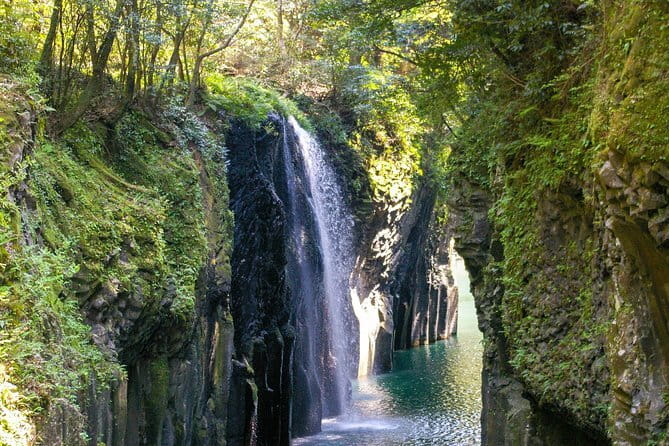
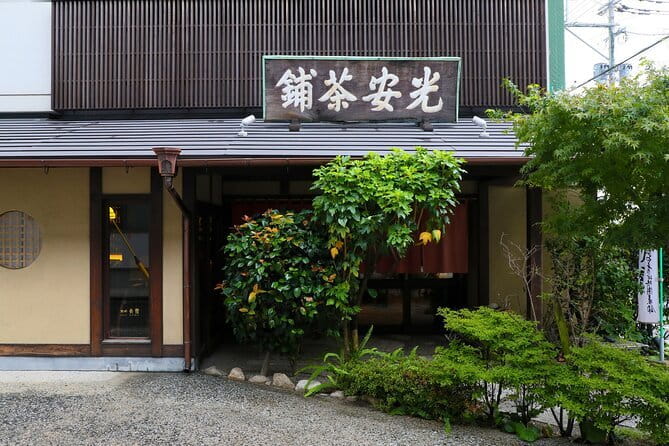
The mid-tour pause is one of the smartest parts of this experience. You visit the Mitsuyasu Seikaen Tea Leaf Shop, described as a 300-year-old shop, and you get to savor kabusecha plus local Japanese confectionery.
This is not just a random refreshment stop. Kabusecha from Yame is described as having little bitterness and being rich in umami. In plain terms, it’s smoother than many green teas, which makes it easier to enjoy even if you normally avoid stronger bitterness. The teacake charge is included here, so you’re not negotiating payment mid-walk.
Why I like this stop for practical travelers: it gives you a break at the right time. After temples and gates, your feet need a reset, and your brain benefits from tasting something specific. It’s also a nice way to understand local food culture as part of daily life, not just souvenirs.
If you have food sensitivities, it’s worth asking about ingredients ahead of time, since the tour includes confectionery as part of the tea-stop experience.
Hakatamachiya Furusatokan: see old Hakata life through a townhouse replica
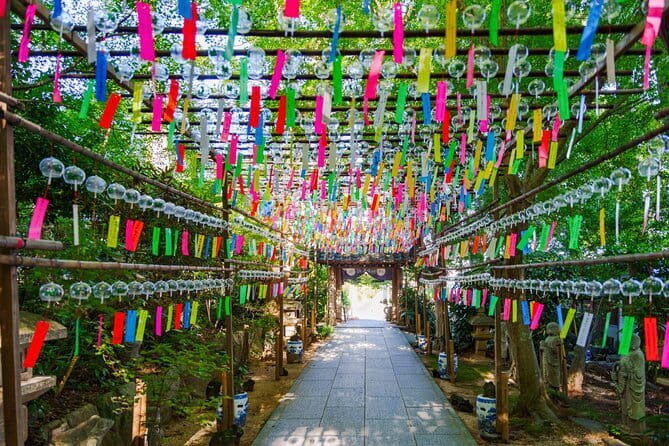
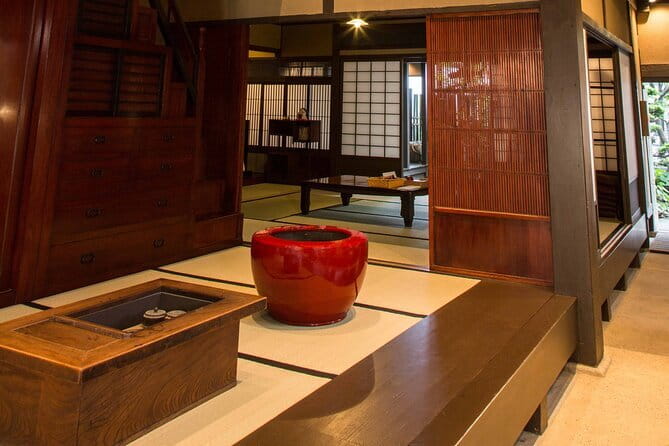
After the tea break, you head to Hakatamachiya Furusatokan. This is described as a building that’s a replica of a traditional Hakata townhouse, with exhibits introducing Hakata’s annual events, handicrafts, and the good old days of Fukuoka.
I like this stop because it fills a common gap in walking tours. Shrines and temples explain belief and ritual, but they don’t always explain household rhythms. A townhouse replica does that job. You can look at the kinds of crafts and event culture tied to the area, and you get a more grounded sense of what life might have looked like between festival seasons.
Also, the duration is reasonable, about 25 minutes (with some seasonal variation). That means you can enjoy the exhibits without feeling trapped inside.
Kushida Shrine finale: where the festival spirit shows up year-round
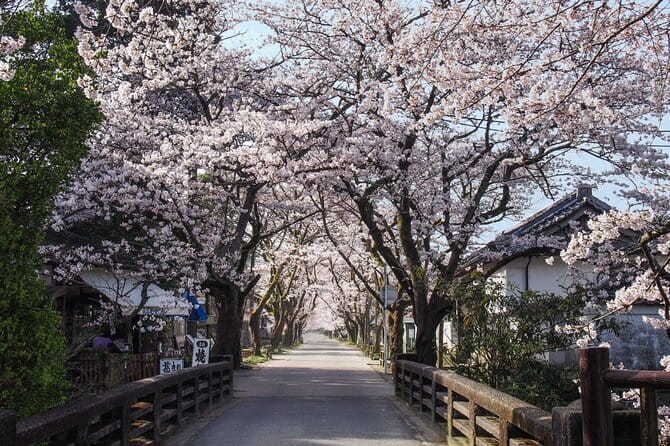
The tour ends at Kushida Shrine, a local favorite with the oldest history as Hakata’s tutelary shrine. This is where you get the festival connection most visitors come to Fukuoka to feel.
Kushida Shrine is where the Hakata Gion Yamakasa festival is offered, and the tour notes that kazariyama floats are displayed all year round. That detail is huge for value because it means you don’t need to time your trip with festival dates to see festival culture in action.
Another plus is that Kushida Shrine is a free stop on the itinerary, so you’re not paying extra at the end. And because the tour concludes in front of the shrine, it’s easy to continue wandering around the Hakata station area afterward.
Price and value: what you’re really paying for at about $190.49
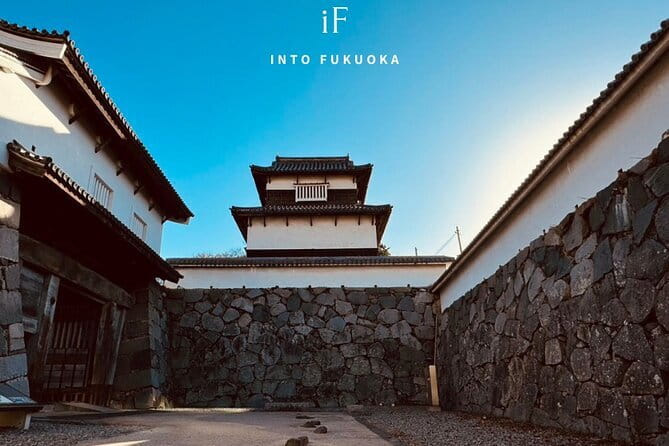
The price, about $190.49 per person, is not low. So it’s fair to ask what you’re getting beyond a simple route.
Here’s what makes it feel more justified than a basic walking loop:
- You get an English-speaking guide for the full stretch. The practical storytelling plus the ability to answer questions, including how Miyoko is described, is part of the experience value.
- Admissions are handled for the included sites. Tochoji Temple admission is included, and you also cover tea-stop charges tied to the tasting.
- You stop at specific cultural anchors rather than generic photo stops. The combo of Tochoji, the 300-year-old tea shop, and Hakatamachiya Furusatokan gives variety in what you’re learning.
- The group size is capped at 10, which usually helps the guide keep you moving without turning it into a traffic jam.
If you enjoy walking tours with a clear storyline and you want the tea experience and indoor townhouse exhibits included, this price starts to make sense.
If your travel style is mostly self-guided, you might find similar sights on your own. But you’d likely need to research the “why” behind each stop to match what a guided explanation can provide.
Timing and logistics that can make or break the experience
This tour starts at 12:00 pm and uses a mobile ticket. Confirmation is received within 48 hours of booking, subject to availability, and free cancellation is offered if you cancel at least 24 hours before the experience start time.
Two timing points to keep in mind:
- It’s a set departure. If you’re late, your reservation can be canceled. Build buffer time into your arrival at Hakata Station.
- Site access can change. If entry isn’t possible at a listed temple or shrine, your guide will notify you on the day with alternative options.
The alternative destinations listed are: Waka Hachimangu Shrine, Myoraku-ji Temple, Engaku-ji Temple, and Ryugu-ji Temple. Refunds will not be issued if alternatives are used, so think of it as a guided route that adapts rather than a guarantee of one exact building.
Who should book this Hakata Old Town walk
This works best if you:
- Want an English guide to connect the dots between shrines, old-town streets, and local culture.
- Like food and tea culture as part of understanding place, not just a snack.
- Prefer small-group pacing with about 3 km of walking.
- Are staying near Hakata Station and want a structured way to explore old Hakata without planning every step.
It may be less ideal if you:
- Struggle with steady walking for around 3 km.
- Want to join late or drop out early. This is not set up for partial participation.
- Need fully guaranteed access to every specific shrine or temple. The itinerary can shift based on real-world entry conditions.
Practical tips so you enjoy every stop
- Wear easy walking shoes. Temple areas can include stairs and uneven edges.
- Carry water. The tour does not list drinks beyond the tea tasting, and you’ll be walking for the whole outing.
- If tea or sweets are an issue for you, consider messaging your provider ahead of time. The teacake and kabusecha are part of the included stop at Mitsuyasu Seikaen.
- If you want good photos, aim to arrive at each stop with a few minutes of calm. The tea shop break is a good reset point.
Should you book this Hakata Old Town walking tour?
If you’re in Fukuoka and you want old Hakata to feel real, I’d lean toward booking. The mix is smart: temples and gates for setting, Tochoji for a big visual anchor, the 300-year-old tea shop for a tasting break, Hakatamachiya Furusatokan for household context, and Kushida Shrine for festival-linked culture.
Skip it only if you strongly prefer self-guided travel and you don’t care much about guided explanation, or if walking about 3 km on a fixed schedule is a problem for you.
FAQ
FAQ
Where does the tour start and end?
The tour starts at Fukuoka City Tourist Information Center Hakata Station (1-1 Hakataekichūōgai, Hakata Ward, Fukuoka). It ends in front of Kushida Shrine (1-41 Kamikawabatamachi, Hakata Ward, Fukuoka), which is about a 15-minute walk from JR Hakata Station.
How long is the Hakata Old Town Walking Tour?
The tour lasts about 3 hours 30 minutes.
How much walking is involved?
It’s a walking tour, with customers walking for the entire itinerary of approximately 3 km.
What is included in the ticket price?
Included items are an English-speaking guide, the teacake charge at Mitsuyasu Seikaen Tea Leaf Shop, and admission fees for the included stops.
What do you do at Mitsuyasu Seikaen Tea Leaf Shop?
You visit the 300-year-old shop and savor kabusecha, a green tea from Yame, along with local Japanese confectionery. The teacake charge is included.
Are temple or shrine admissions included?
Tochoji Temple admission is included. Jotenji Temple and Kushida Shrine are listed as free stops.
What if entry is not possible at a listed shrine or temple?
If entry is not possible due to circumstances, the tour will go to alternative destinations that will be notified on the day. The listed alternatives are Waka Hachimangu Shrine, Myoraku-ji Temple, Engaku-ji Temple, and Ryugu-ji Temple.
What if my tour visits alternative destinations, do I get a refund?
Refunds will not be issued if the tour visits the alternative destinations.
Can I cancel for a full refund?
Yes. You can cancel for a full refund if you cancel at least 24 hours before the experience start time. If you cancel less than 24 hours before, you won’t be refunded.
Are there any limits for group size and children?
The tour has a maximum of 10 travelers. Children 0-5 years old may join free of charge, but seating and teacake charges at Mitsuyasu Seikaen Tea Leaf Shop are not included for them, and you can book under the child rate if needed.
Around Kyushu



Newest Fukuoka write-ups from the Loving Japan desk

Fukuoka, Beppu and Kyushu, side by side.
 ★ 5.0Ultimate Sumo Tournament: Tokyo, Osaka, Nagoya, FukuokaFrom $184468 reviews
 ★ 4.6From Fukuoka: Miyazaki, Takachiho Gorge and Shrines Day TourFrom $50233 reviews
 ★ 4.8Takachiho Gorge & Scenic Railway One Day TourFrom $44178 reviews
 ★ 5.0Private Fukuoka Tour with a Local, Highlights & Hidden Gems 100% PersonalisedFrom $66143 reviews
 ★ 5.0Fukuoka Your Way: 100% Customisable Private Tour with Local GuideFrom $5983 reviews
 ★ 4.6From Fukuoka: Mount Aso, Kurokawa Onsen, and Shrine TourFrom $5072 reviews
 ★ 4.5Day Tour to Miyazaki Takachiho Gorge & Shrine depart from FukuokaFrom $9961 reviews
 ★ 5.0Fukuoka Full-Day Private Tour with Government Licensed GuideFrom $15555 reviews
Filed on these lists too