
REVIEW · FUKUOKA, BEPPU AND KYUSHU
Ultimate Sumo Tournament: Tokyo, Osaka, Nagoya, Fukuoka
Sumo is loud, ancient, and oddly logical. You get reserved seats for Japan’s official basho, then an English-speaking sumo expert helps you follow the rituals and quick, complicated action using an audio headset.
I love two things most: first, the peace of mind of having tickets already arranged, with seat levels explained clearly so you can choose B or C seats for the standard tour or closer A or S seats for private. Second, I like how the guide supports your understanding with tools like the banzuke-hyo ranking chart and a steady play-by-play so you are not just guessing what matters in each bout.
One drawback to plan for is that seat experience can vary. Standard seating is on the second floor, and you may also deal with a wait before you enter because everyone must finish before the group is allowed in.
In This Review
- Key things to know before you go
- Why a guided sumo tournament feels worth your time
- Matchday basics: what you do when the clock hits 2:00 pm
- Tokyo at Ryogoku Kokugikan: the classic setting for the grand basho
- Osaka, Nagoya, and Fukuoka tournaments: same sport, different rhythm
- The headset, the banzuke-hyo, and why commentary changes everything
- Standard vs private seating: what you gain at Ryogoku, Edion, IG, and Kokusai
- Chanko nabe dinner add-on: the food that connects to sumo life
- When there is no tournament: the off-season sumo stable morning practice
- Price and value: is $184.38 a smart trade for your time?
- Practical tips for enjoying the arena without getting annoyed
- Should you book this ultimate sumo tournament experience?
- FAQ
- What time does the tour start?
- What seats do I get on the standard tour versus the private tour?
- Is admission to the sumo tournament included?
- Is chanko nabe dinner included?
- Can I bring outside food or drinks into the arena?
- Is this refundable if I cancel?
Key things to know before you go
- Reserved seats are the core value, especially because tournament tickets are notoriously hard to secure on your own.
- Headsets help you follow the guide’s commentary over arena noise.
- Your seat level can change the view, with standard options on the second floor and private options closer to the ring.
- There can be a pre-seating wait, since the group enters after all bouts end.
- Optional chanko nabe dinner is available, with a vegetarian option if you ask in time.
- Off-season stable practice is a different experience, with no tournament seat included.
Central Japan, beyond the obvious stop
- Ultimate Sumo Tournament: Tokyo, Osaka, Nagoya, Fukuoka
★ 5.0 · 468 reviews
Why a guided sumo tournament feels worth your time
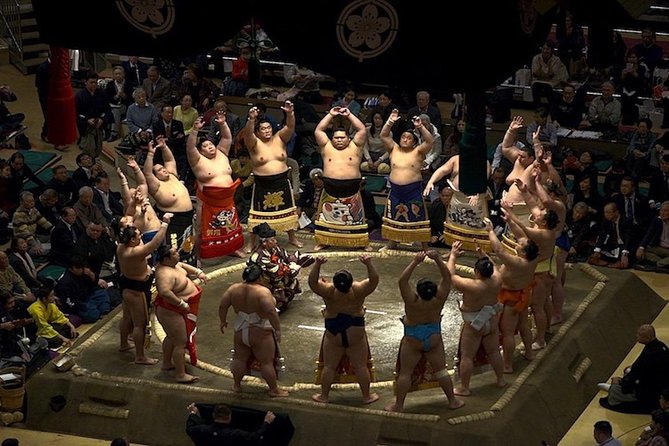
A sumo tournament is not like most sports you can simply watch. The rules are strict, the rituals are formal, and the matches can be brief. If you show up with zero context, you might still enjoy the spectacle, but you will miss why certain moments are dramatic.
What I like here is the structure. You do not just get a ticket and a map. You get a guide who helps translate what you are seeing, from rankings to match tempo, plus simple reference materials like a sumo pamphlet and the banzuke-hyo ranking table. That turns your afternoon from random watching into something you can actually track.
This is also one of those Japan experiences where being prepared saves you from feeling lost. You will still be hit with the atmosphere, but you will understand enough to cheer in the right places.
Matchday basics: what you do when the clock hits 2:00 pm
Most departures start at 2:00 pm, and the pacing is designed around how tournament days work. Expect the tour to run roughly four hours at the tournament site, with reserved-seat entry and time built in for understanding what matters before the bouts move fast.
A realistic expectation is that your group might not walk straight into your section. The venue needs to finish the matches first, and you enter afterward. So build in patience. Also, the sumo museum area can get congested, and the guide may ask you to move through things on your own since a big group is harder to navigate when crowds thicken.
This is one reason I think the headset is not a “nice-to-have.” The guide is there to keep you oriented while you are waiting, relocating, and then settling into a seat location that can feel far from the action at first.
Tokyo at Ryogoku Kokugikan: the classic setting for the grand basho
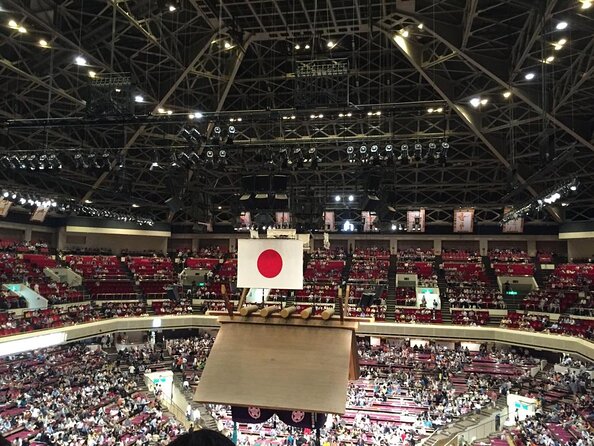
In Tokyo, the tour centers on Ryogoku Kokugikan, the official home of sumo tournament action. This is the best choice if you want the “classic Japan sumo” feeling, because Tokyo is where many people picture the sport.
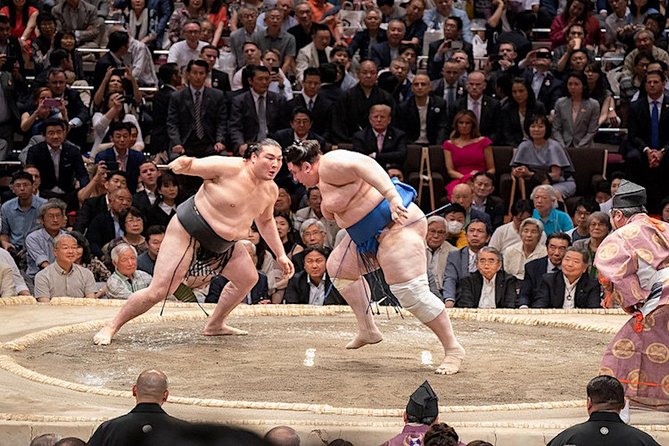
What makes Tokyo special on this tour is the guided flow. You arrive at the arena, get oriented, and then the guide helps you interpret what is happening as bouts begin. You are not stuck staring at a ring you do not fully understand. Instead, you get commentary that ties actions in the ring to ranking context and sumo technique.
Even the logistics add value. The tour provides audio headsets so the guide’s explanations cut through the noise. That matters because tournaments move quickly, and it is easy to miss the meaning of small moments if you are trying to figure everything out on your own.
If you are choosing Standard versus Private for Tokyo, the seat level matters. Standard seats are second floor B chair seats (rows 7 to 11) or C chair seats. Private can be S or A seats, closer to the ring. If you want your photos and your sightlines to feel more satisfying, private tends to pay off.
- Mt Fuji and Hakone 1-Day Bus Tour Return by Bullet Train★ 5.0 · 26,383 reviews
- 1-Day Tokyo Bus Tour★ 5.0 · 14,250 reviews
- Tokyo: teamLab Planets TOKYO Digital Art Museum Entry Ticket★ 4.6 · 9,779 reviews
- Mt Fuji & Hakone Cruise, Drum Show Bullet Train 1 Day from Tokyo★ 4.0 · 7,413 reviews
- Tokyo: Shinjuku Food Tour (13 Dishes at 4 Local Eateries)★ 5.0 · 6,603 reviews
Osaka, Nagoya, and Fukuoka tournaments: same sport, different rhythm
This tour model can follow you across Japan, so you can match the basho month to your travel. The key is that the tournament style stays the same, while the venue and local fan energy shift.
- Osaka in March at Edion Arena Osaka
- Nagoya in July at IG Arena
- Fukuoka in November at Fukuoka Kokusai Center
For most people, the biggest practical difference is simply timing. You pick the city that lines up with your calendar. That’s it. The structure of the tour stays similar: reserved tournament access plus guided commentary using headsets.
One small thing to keep in mind is that seat sections can feel different from one arena to another. The tour explains seat tiers, but your personal experience depends on how close your section is to the ring at that venue. If you are sensitive to where you sit, consider paying for the higher-tier private seating option where available.
The headset, the banzuke-hyo, and why commentary changes everything
The tournament is only about one thing: the bouts. But sumo has layers, and your brain needs help sorting them out in real time.
Here is what the guide support usually looks like on this kind of tour:
- You get a banzuke-hyo ranking table so you can follow where wrestlers sit in the hierarchy.
- You get a sumo info pamphlet that helps translate terms and rituals.
- You wear an audio headset so the guide’s commentary stays clear even when the arena is loud.
In the past, guides like Miyko, Hiro, Yumi, Izumi, Seizo, Junka, and Duke have been highlighted for exactly this kind of active commentary. Some guides even provide clear explanations of techniques so you understand why a move worked, not just that it happened.
There is one caution though. A small number of experiences have felt too light on explanation. That usually comes down to the specific guide style on the day. The good news is that the tour includes multiple tools to help you follow even if the match is happening quickly.
Standard vs private seating: what you gain at Ryogoku, Edion, IG, and Kokusai
This is where you should make your decision based on what you want to feel.
Standard Tour (join-in group)
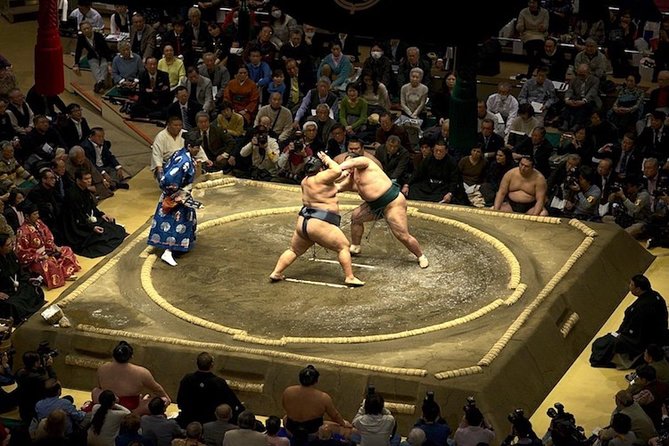
- Seats are second floor B or C chair seats, with B chair seats in rows 7 to 11.
- The English-speaking guide supports a max group size of up to 20 people at the same seat location.
Private Tour
- Seats can be S-class or A-class, meaning closer to the ring.
In plain terms, private tends to give you:
- a more satisfying view during quick momentum changes,
- easier judging of footwork and ring position,
- and fewer moments where you are craning to “see what the guide is talking about.”
If you are on a budget and just want the full tournament story explained, Standard is still a strong option. You will still get the guide support and reserved seating. But if you care a lot about proximity, private is where you get more of the visual payoff.
Chanko nabe dinner add-on: the food that connects to sumo life
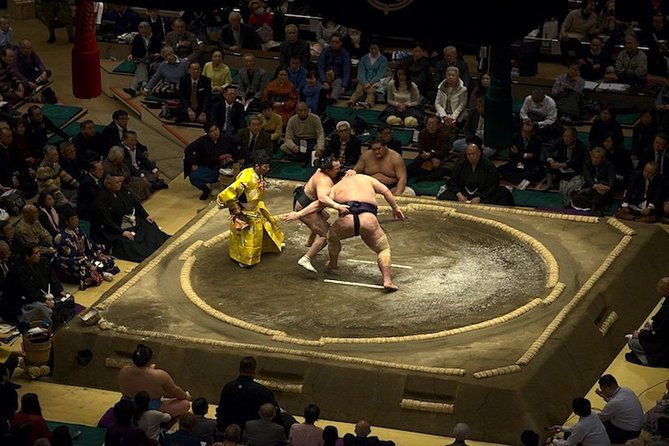
If you choose the dinner add-on, you go to a local restaurant for chanko nabe, often called sumo stew. It is traditionally tied to the sport, because wrestlers eat large meals made in bulk after training.
From the details you are given:
- The broth base is typically chicken stock, and chanko originated in the Ryokoku area.
- A vegetarian option is available.
- If you request vegetarian, the restaurant may substitute the broth, since traditional chanko can use pork or chicken.
A practical note: once your dinner request is accepted, changes cannot be made one week before your tour date. So if you have dietary needs beyond vegetarian, put them in the special requirements field during checkout.
Also, dinner is an add-on. Your tournament ticket is the main event, and the meal is optional. For many people, though, it is the satisfying “wrap” because it turns sumo from an event you watched into something you ate like a part of the culture.
When there is no tournament: the off-season sumo stable morning practice
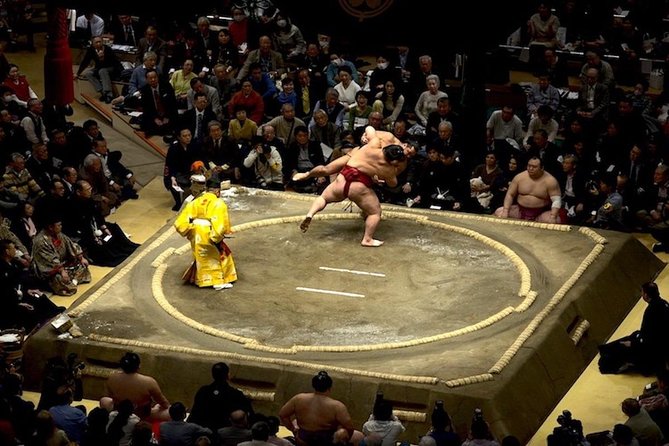
If your travel dates do not match a tournament, you might still get a sumo experience through the sumo stable morning practice tour. This is explicitly an off-season activity, so you should not expect tournament seating with this option.
Key details:
- It runs 8:00 am to 12:00 pm
- It takes place at a sumo stable near Warabi Station, about 30 minutes from Tokyo Station
- It is a join-in group of 8 to 16 people
- The experience includes a guided visit with headsets
- You enjoy chanko lunch after the session
- You will not have a tournament seat ticket, because there is no tournament on those dates
This is a different kind of value. Tournament days are about the competition and ritual theater. Stable days are about discipline and technique, up close, with less crowd energy and more training focus.
Price and value: is $184.38 a smart trade for your time?
At $184.38 per person, you are paying for more than entry. You are paying for:
- reserved seats in an official venue,
- a local sumo expert leading the experience,
- audio headsets,
- materials like the banzuke-hyo ranking chart and pamphlet,
- and the service fee for ticket arrangement and seating allocation.
The big value is time and friction. Tournament tickets can be difficult to get for foreign visitors, and when you try to solve that yourself, the stress can eat your energy. Here, the work is handled for you, and you know what seat tier you are buying.
Now, there is a reason the price depends on seat level and tour type. Standard seats are second floor. Private seating moves you closer. If you think you will feel disappointed from far-away seating, you can treat private as an upgrade that buys you more of the live-action experience.
So I see this as a “buy the clarity” purchase. You are not just buying admission. You are buying understanding.
Practical tips for enjoying the arena without getting annoyed
Here are the small things that make a big difference on match day.
- Wear light layers. The arena can run warm, so thick winter clothing can feel like a mistake.
- If you are sensitive to noise, bring ear plugs. Even with the headset, the volume can be high.
- Plan around a pre-seating wait. If the matches finish late, you will wait too. That is normal for how venues manage entry.
- No outside food or drinks are allowed inside the arena. You can buy food from vendors within the venue, so you are not stranded, but you should not count on a picnic.
- Expect some independent time. If the sumo museum area gets too crowded, your guide may ask you to go at your own pace rather than crowd-walk with the whole group.
If you do these things, you keep your brain in “experience mode,” not “how do I survive this?” mode.
Should you book this ultimate sumo tournament experience?
Book it if you want:
- reserved seats in an official basho setting,
- guided commentary that helps you understand what matters in each bout,
- and the option to add a chanko nabe dinner for a culture-connected finish.
Think twice if:
- you are very budget sensitive and you would rather put time into ticket hunting,
- you know you need lots of detailed instruction every single minute, since a small number of experiences have felt lighter on explanation depending on the guide day and style,
- or you are mainly interested in being in the closest possible sightline, since Standard seating is second floor.
If your dates line up with the tournament months, this is one of the cleanest ways to experience grand sumo without turning your trip into a ticket scavenger hunt. And if your dates do not line up, the off-season stable visit can still give you a real sumo day, just with a different focus.
FAQ
What time does the tour start?
The start time is 2:00 pm.
What seats do I get on the standard tour versus the private tour?
Standard tour seats are B-class or C-class on the second floor (B chair seats are from rows 7 to 11). Private tour seats are S-class or A-class, which are closer to the ring.
Is admission to the sumo tournament included?
Yes. The tour includes a reserved seat ticket for the sumo tournament.
Is chanko nabe dinner included?
Dinner is optional. If you select it at checkout, you can get a chanko hot pot dinner, and a vegetarian option is available.
Can I bring outside food or drinks into the arena?
No. Outside food or drinks are not allowed in the arena, but food is available to purchase from vendors inside.
Is this refundable if I cancel?
No. This experience is non-refundable and cannot be changed for any reason.
Central Japan Beyond the Obvious
Newest Tokyo write-ups from the Loving Japan desk
Fukuoka, Beppu and Kyushu, side by side.
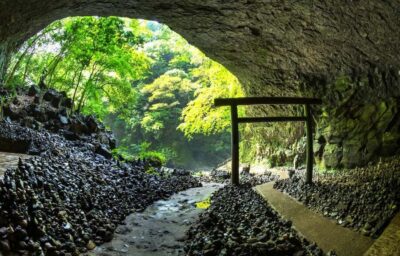 ★ 4.6From Fukuoka: Miyazaki, Takachiho Gorge and Shrines Day TourFrom $50233 reviews
 ★ 4.8Takachiho Gorge & Scenic Railway One Day TourFrom $44178 reviews
 ★ 5.0Private Fukuoka Tour with a Local, Highlights & Hidden Gems 100% PersonalisedFrom $66143 reviews
 ★ 5.0Fukuoka Your Way: 100% Customisable Private Tour with Local GuideFrom $5983 reviews
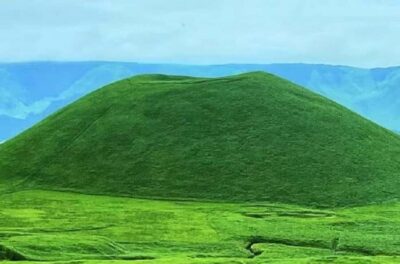 ★ 4.6From Fukuoka: Mount Aso, Kurokawa Onsen, and Shrine TourFrom $5072 reviews
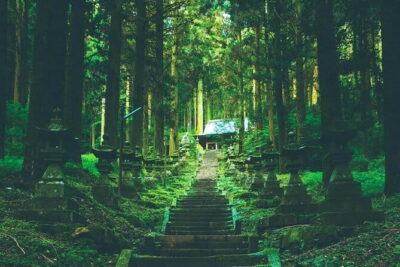 ★ 4.5Day Tour to Miyazaki Takachiho Gorge & Shrine depart from FukuokaFrom $9961 reviews
 ★ 5.0Fukuoka Full-Day Private Tour with Government Licensed GuideFrom $15555 reviews
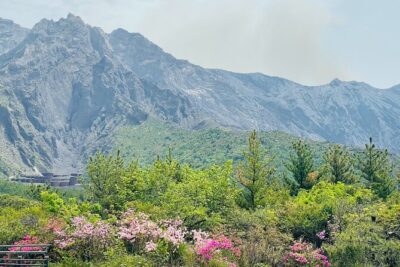 ★ 5.0Sakurajima Century Lava Climb Journey with E-bikeFrom $10554 reviews
Filed on these lists too