
REVIEW · FUKUOKA, BEPPU AND KYUSHU
Fukuoka’s Sacred Path: Temples, History & Culture
A Zen temple hug in the middle of Hakata. This walk pairs Shōfukuji Zen Temple with the massive Tōchōji wooden Buddha and its symbolic underground passage, with a guide who puts the meaning into plain words. The only real catch is you are still walking between sacred sites, so pack comfortable shoes and keep an eye on the weather.
I like that the route blends devotion and everyday city life: Kushida Shrine grounds you in Hakata’s festival spirit, and Canal City’s fountain show gives you a modern reset without leaving the neighborhood. The group stays small and the tour runs in English and German, with conversational Japanese available, so you can ask follow-up questions and not just listen.
In This Review
- Key highlights you will actually remember
- Why this Hakata sacred-path walk works in 3 hours
- Starting at Casetify outside Hakata Station, then getting your bearings fast
- Shōfukuji Zen Temple: Japan’s first Zen stop, in a calm mood
- Tōchōji Temple: the 10.8 meter wooden Buddha and a symbolic underground passage
- Kushida Shrine: a Shinto anchor in Hakata, tied to Gion Yamakasa
- Canal City Hakata fountain show: where faith-adjacent walking meets modern entertainment
- Sumiyoshi Shrine: safe travels, protection, and a quiet landing
- How the guides turn etiquette and belief into something you can use
- Price and value: is 77 dollars for temples and fountains a fair deal?
- Who should book this sacred-path tour?
- Should you book Fukuoka’s Sacred Path walking tour?
- FAQ
- What languages are available on this tour?
- How long is the walking tour?
- Where do we meet for the tour?
- Which stops are included?
- Is transportation included in the price?
- What should I bring?
Key highlights you will actually remember
- Japan’s first Zen temple, Shōfukuji (founded in 1195), where calm is part of the schedule
- Tōchōji’s 10.8 meter wooden Great Buddha, plus an underground passage tied to the afterlife journey
- Kushida Shrine and the Hakata Gion Yamakasa connection, with the famous float idea front and center
- Canal City Hakata’s fountain show, lights, music, and water artistry in the middle of the city
- Sumiyoshi Shrine for safe travels, including the classic vermillion torii gates and a quiet place to reflect
Around Kyushu, from the city to the hot-spring towns
- Mt. Aso & Takachiho Gorge Tour with Optional Boat Ride
★ 4.7 · 222 reviews - Fukuoka: Takachiho Gorge & Scenic Railway One Day Tour
★ 4.8 · 178 reviews - Private Fukuoka Tour with a Local, Highlights & Hidden Gems 100% Personalised
★ 5.0 · 143 reviews - Fukuoka Your Way: 100% Customisable Private Tour with Local Guide
★ 5.0 · 83 reviews
Why this Hakata sacred-path walk works in 3 hours
Fukuoka’s spiritual side is not tucked away in the countryside. It sits inside Hakata, within walking distance of real city energy, food, and shopping. This tour is built for people who want structure and context, without spending half a day commuting or guessing what to look at.
I like that it starts with Zen, moves through major Buddhist symbolism, then shifts to Shinto shrines tied to community identity and seasonal celebrations. You get a sense of how beliefs show up in architecture, rituals, and even how people behave in sacred spaces.
The best part is the pacing. Even though you cover several stops, the time at each one is enough to slow down, look closely, and ask questions. It is also a private group, so you are not stuck listening to a guide at full volume for strangers to hear.
Starting at Casetify outside Hakata Station, then getting your bearings fast
Your meetup point is right by Hakata Station’s West Exit, in front of the Casetify studio. It is easy to find, and it means you can do the tour early afternoon or after you have already checked in at your hotel.
From there, you walk a short distance to your first temple stop. The schedule uses short travel legs between locations, with guided time built into each site. That matters because shrine and temple visits are not just about photos, you need a minute to notice details like entry points, how people cleanse themselves, and what parts of the grounds are meant for quiet.
If you only do one thing to get value here, do this: wear shoes you can walk in for a while. One of the most common takeaways is simply that the route involves a solid amount of walking around religious sites.
Shōfukuji Zen Temple: Japan’s first Zen stop, in a calm mood
Shōfukuji is the first major stop, and it has a big distinction. It is Japan’s first Zen temple, founded in 1195 by the monk Eisai, who helped introduce Zen Buddhism from China. That history is not just trivia. It shapes the feel of the place.
Once you are inside the grounds, you are guided through what to look for and why. You will spend time walking at a slower pace, noticing traditional wooden architecture and the way the space invites quiet. Zen can feel abstract on a postcard, but here it becomes physical, like a set of manners and rhythms you can observe.
I especially like the practical tone of the guide at Shōfukuji. They explain Zen philosophy in a way that helps you connect it to the atmosphere rather than treating it like a textbook. If you have ever wanted to understand meditation without feeling like you need to learn a whole system first, this is a good starting point.
- Day Tour to Miyazaki Takachiho Gorge & Shrine depart from Fukuoka★ 4.5 · 61 reviews
- Fukuoka Full-Day Private Tour with Government Licensed Guide★ 5.0 · 55 reviews
- Fukuoka: Nakasu Food Stall Private Guided Tour with Tastings★ 4.8 · 48 reviews
- Fukuoka Private and Personalized Walking Tour with a Local★ 4.7 · 46 reviews
- From Fukuoka: Miyazaki, Takachiho Gorge And Shrine Day Tour★ 4.5 · 44 reviews
Tōchōji Temple: the 10.8 meter wooden Buddha and a symbolic underground passage
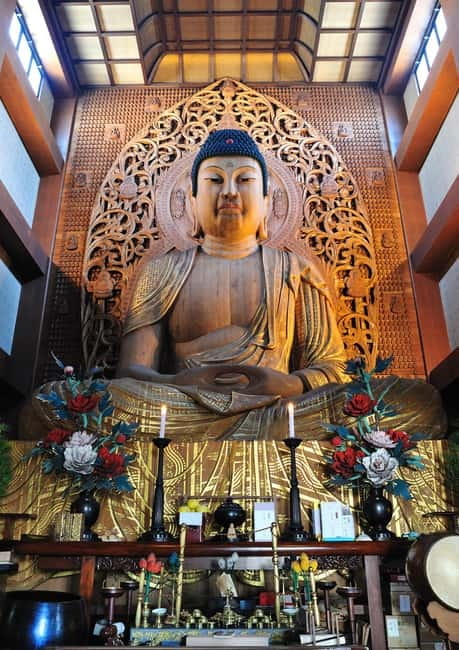
Next comes Tōchōji Temple, one of Fukuoka’s key Buddhist sites. The headline is a sight you cannot ignore: a Great Buddha carved from wood that stands about 10.8 meters tall. Seeing it in person changes the scale of your expectations fast, especially if you are used to smaller statues.
You also get a unique feature that ties the visit to life after death. Tōchōji includes an underground passage that is explained as a symbolic journey through the afterlife. The idea is not to scare you. It is to make the spiritual concept feel like a story your body can experience as you move through space.
This is also where etiquette matters. You are in a working temple environment, so your guide helps you notice how respectful behavior fits the setting. In past walks with guides like Andy, the tone is patient and conversational, so you can ask simple questions without feeling silly.
One practical note: this stop is a reminder that temples are not museums. You will get more from your time by looking slowly, reading what you can, and letting the guide point out what you might otherwise miss.
Kushida Shrine: a Shinto anchor in Hakata, tied to Gion Yamakasa
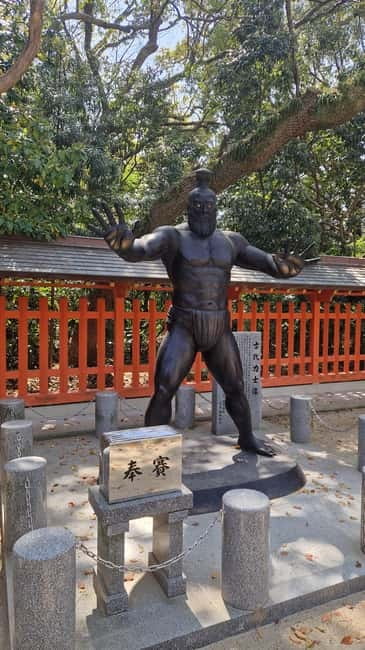
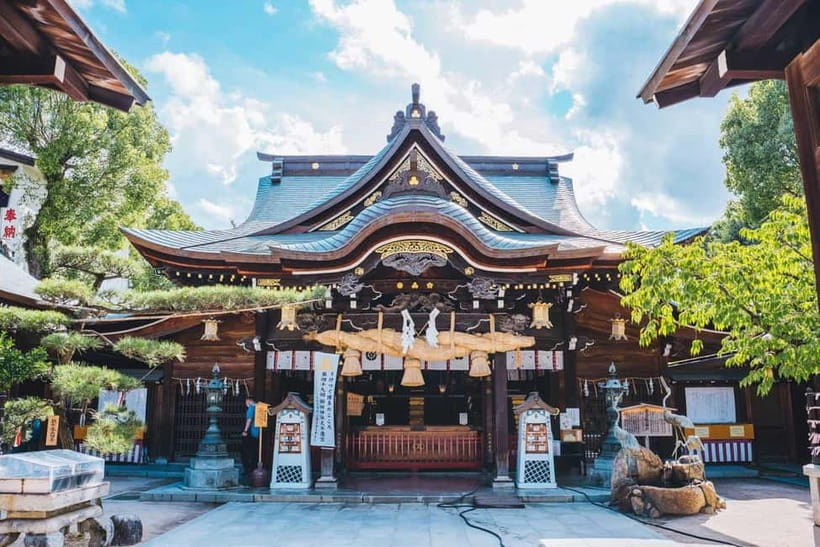
Then the tour shifts from Buddhist temple space into Shinto shrine space at Kushida Shrine. This is one of Fukuoka’s best-known shrines, and it is closely connected to the Hakata Gion Yamakasa festival. Even if you are not visiting during festival season, the shrine holds the key symbols that explain why the festival matters.
Kushida is famous for hosting the grand Hakata Gion Yamakasa float each summer. During the visit, you will be able to see the towering yamakasa float on display and learn what makes it such a big deal for the community. This is the kind of stop where the guide’s storytelling helps you understand that festivals are not random events. They are a way a city keeps its identity visible.
I like how the tour frames Shinto in everyday terms. You are guided toward how worship and protection are expressed in shrine culture, then you link that to festival energy in a way that makes sense.
If you enjoy local traditions that feel specific to one place, this is the moment you will feel it most. Hakata has a distinct personality, and Kushida is a core reason why.
Canal City Hakata fountain show: where faith-adjacent walking meets modern entertainment
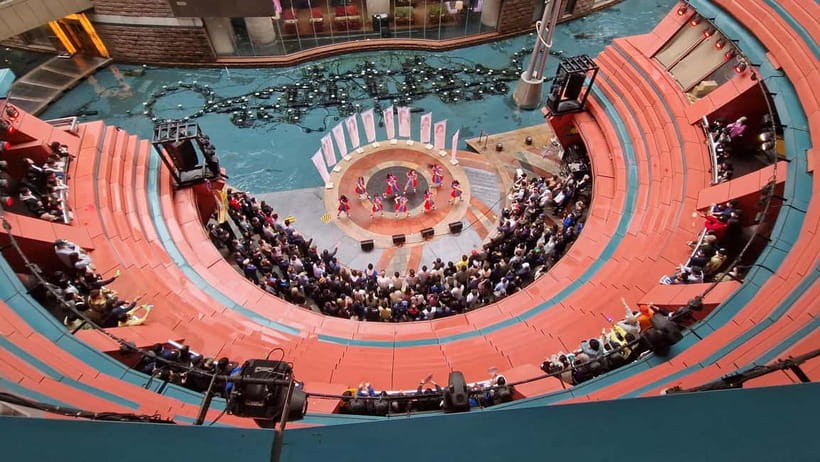
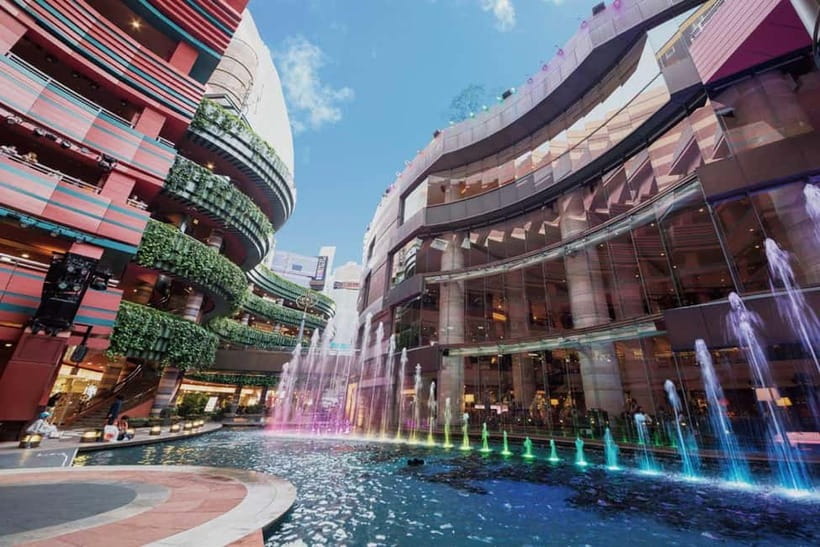
After shrines and temple grounds, you get a change of pace at Canal City Hakata. This is a busy shopping and entertainment complex, but the tour experience keeps it focused, with a short stop designed around one highlight.
You watch the dancing fountain show, a blend of lights, music, and water artistry. It is a nice reset after serious atmosphere. Also, it is a reminder that you can live with spirituality and still enjoy life like a normal person in the same afternoon.
I like that this portion of the tour is short but intentional. Fifteen minutes is enough to catch the show and let it land, without rushing you into the next long stretch. Plus, you get practical city context: you understand where you are in Hakata, not just where to stand for photos.
Sumiyoshi Shrine: safe travels, protection, and a quiet landing

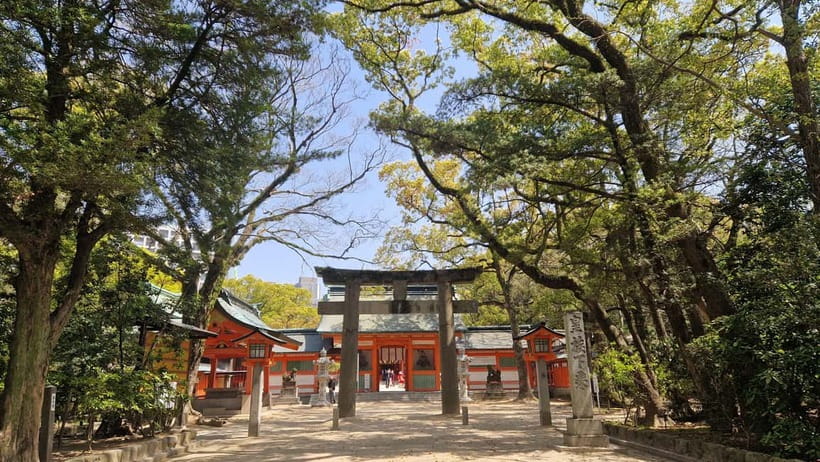
The final stop is Sumiyoshi Shrine, dedicated to the gods of safe travels and protection. It is also described as one of the oldest Sumiyoshi shrines. The theme fits this route perfectly, since you have been moving through sacred spaces for hours.
Sumiyoshi has distinctive vermillion torii gates and a calmer mood. The guide gives you time to reflect on the meaning of protection before the tour concludes. This is not a frantic end. It feels like a ritual closing, even if you are not performing anything yourself.
If you are the kind of person who likes to think about how a city welcomes you, this is the stop that makes the whole afternoon feel complete. You started near a train station, you did a walking loop through tradition, and you ended with a message many visitors can relate to: travel safe, come back whole.
How the guides turn etiquette and belief into something you can use
What makes this tour work is the human part. The guides are not only reciting facts. They help you behave appropriately and understand what you are seeing.
In the feedback, guides like Andy are praised for patience and guidance, and for being willing to talk beyond the script. Other guides, including Paula and Arianna, are recognized for explaining the history and the way Buddhism and Shinto blend in daily practice. That combination matters because Japan is not one single belief system acting in isolation. In many places, people practice in overlapping ways, and your guide helps you make sense of that without turning it into an argument.
You also get practical cultural pointers. One common highlight is learning etiquette, like how to move, what kinds of expressions to keep, and how to treat sacred spaces with respect. You might also receive after-tour suggestions for local food and markets, which is a smart add-on when you are staying in Hakata and want a real next step.
This is why the small group setup matters. You are more likely to get your questions answered, whether they are about Buddhism basics, Shinto shrine behavior, or why a festival float is so important.
Price and value: is 77 dollars for temples and fountains a fair deal?
At $77 per person for a 3-hour walking experience, the value comes from what is included, not just the number of stops. You get a guided visit to four major spiritual sites, plus a Canal City fountain show moment, and you receive explanations about Buddhism, Shinto, and Fukuoka’s traditions along the way.
That matters because entrance fees and self-guided reading can still leave you with gaps. A good guide helps you see the symbolic logic in places that might otherwise feel like random pretty buildings. Here, the focus is on meaning, not just sightseeing.
You also avoid decision fatigue. You do not have to plan the order, translate every sign, or wonder which details to pay attention to. The route is already shaped for a logical flow from Zen to Buddhist major iconography, then to Shinto shrine culture, then back into city life at Canal City.
Two things to remember for your budget: transportation costs are not included, and food and drinks are not included. So if you plan to snack, factor that into the total day spend. The tour does, however, typically leave you in a practical location after the walk, near Hakata Station, so you can keep exploring without backtracking.
Who should book this sacred-path tour?
This is ideal if you want a focused, guided afternoon that mixes important religious sites with a real city break. It suits history and culture lovers, but it also works for casual travelers who want their first taste of temple and shrine etiquette in a comfortable, low-stress way.
I would especially recommend it if:
- You want English or German guidance, not just audio apps
- You like understanding meaning, not only taking pictures
- You prefer a walking loop that fits into a normal travel day
- You are curious how Buddhism and Shinto show up side by side in Japan
If you hate walking, or you have very limited mobility, this may feel like too much ground for a short tour. The route is not described as strenuous, but it is still a series of temple and shrine walks close together.
Should you book Fukuoka’s Sacred Path walking tour?
Book it if you want a well-paced introduction to Hakata’s sacred sites, with a guide who helps you connect the spiritual themes to what you see. I think it is a strong choice for first-time Fukuoka visitors because it gives you both tradition and an easy modern payoff at Canal City.
Skip it only if you already know you want a completely free-form day, with no structured explanations, or if long walking around multiple sites is not your thing. For most people, this $77, 3-hour mix of Shōfukuji, Tōchōji, Kushida, Sumiyoshi, and the Canal City fountain show hits a sweet spot: meaningful and practical, without turning the afternoon into a marathon.
If you do book, go in with one mindset: slow down for the details. Let the guide point, and then take a beat to look yourself. That is where the magic of a sacred path in the middle of Hakata really lands.
FAQ
What languages are available on this tour?
The tour is offered in English and German. Conversational Japanese is also available.
How long is the walking tour?
The tour duration is 3 hours.
Where do we meet for the tour?
You meet just outside Hakata Station’s West Exit, in front of the Casetify studio (CASETiFY STUDiO アミュプラザ博多店).
Which stops are included?
The tour includes Shōfukuji Zen Temple, Tōchōji Temple, Kushida Shrine, Canal City Hakata (for the fountain show), and Sumiyoshi Shrine.
Is transportation included in the price?
No. Transportation costs are not included.
What should I bring?
Bring comfortable walking shoes and a camera. It also helps to have money for souvenirs, and you should check weather conditions before you go.
Around Kyushu



Newest Fukuoka write-ups from the Loving Japan desk
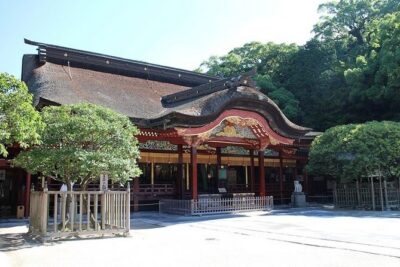
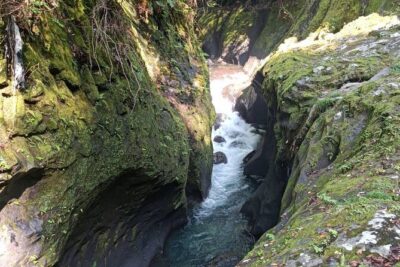


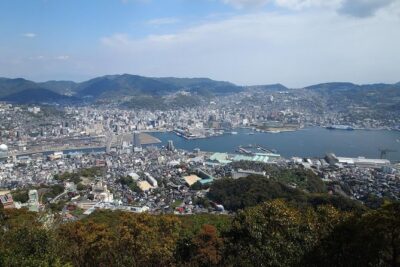
Fukuoka, Beppu and Kyushu, side by side.
 ★ 5.0Ultimate Sumo Tournament: Tokyo, Osaka, Nagoya, FukuokaFrom $184468 reviews
 ★ 4.6From Fukuoka: Miyazaki, Takachiho Gorge and Shrines Day TourFrom $50233 reviews
 ★ 4.8Takachiho Gorge & Scenic Railway One Day TourFrom $44178 reviews
 ★ 5.0Private Fukuoka Tour with a Local, Highlights & Hidden Gems 100% PersonalisedFrom $66143 reviews
 ★ 5.0Fukuoka Your Way: 100% Customisable Private Tour with Local GuideFrom $5983 reviews
 ★ 4.6From Fukuoka: Mount Aso, Kurokawa Onsen, and Shrine TourFrom $5072 reviews
 ★ 4.5Day Tour to Miyazaki Takachiho Gorge & Shrine depart from FukuokaFrom $9961 reviews
 ★ 5.0Fukuoka Full-Day Private Tour with Government Licensed GuideFrom $15555 reviews
Filed on these lists too