
REVIEW · TOURS
Fukushima Daiichi Nuclear Power Plant visit 2 day tour
Radiation, memory, and resilience, in two days. This Fukushima Daiichi Nuclear Power Plant tour is interesting because it pairs a Geiger counter-supported plant visit with local stories about what life was like after March 11, 2011. I also like that your guide keeps things grounded in real context, not just facts, though it is emotionally serious and the schedule can feel intense.
I’ve seen this tour praised for tight organization and strong guiding, including guides named Yoko, Noriko, and Fumi on past departures. You’ll also like that the group is capped at 20, so you can ask questions and actually hear the answers, not just sit in a coach full of silence. One possible drawback is that the exact order of the plant visit and coast-area stops can shift based on scheduling.
In This Review
- Key things I’d circle before you go
- A tour where the rules matter, and the context is the point
- Koriyama Station to Fukushima coast stops: how Day 1 usually feels
- The second day flow, and why the plant visit might be on Day 1 or Day 2
- Entering Fukushima Daiichi: your ID, clothing rules, and Geiger counter dose estimate
- The value of hearing locals: privacy, sensitivity, and why you should listen more than you talk
- Meals and lodging: what’s included, and how that changes the experience
- Guides like Yoko, Noriko, and Fumi: what to expect from the human side
- Price of $579.82: is it worth it, and what you still need to budget?
- Who this tour is for, and who should think twice
- Should you book Fukushima Daiichi access in a 2-day tour?
- FAQ
- Where does the tour start and end?
- What time does the tour start?
- How long is the tour?
- Is lunch included?
- Is transportation from Tokyo included?
- What ID do I need to bring for the Fukushima Daiichi visit?
- Are there clothing and shoe requirements for entering the Fukushima Daiichi Nuclear Power Plant?
- Will the guide measure radiation with a Geiger counter?
- How much radiation exposure is estimated during the plant visit?
- Is filming allowed at the plant?
Key things I’d circle before you go
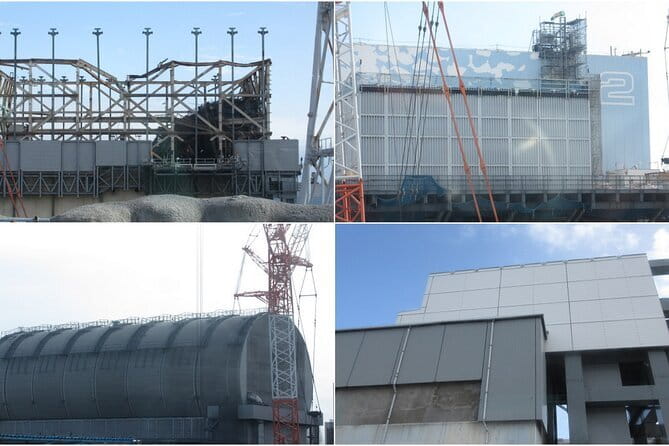
- Inside access with a Geiger counter to measure radiation dose during the Fukushima Daiichi visit
- Local resident conversations that focus on daily impact, not just technical explanations
- Small-group feel (max 20 travelers) with an English and Japanese speaking guide
- Built-in meal and accommodation support (breakfast and dinner included, plus lodging)
- Clear rules on clothing, shoes, and filming so you do not accidentally run into trouble
A tour where the rules matter, and the context is the point
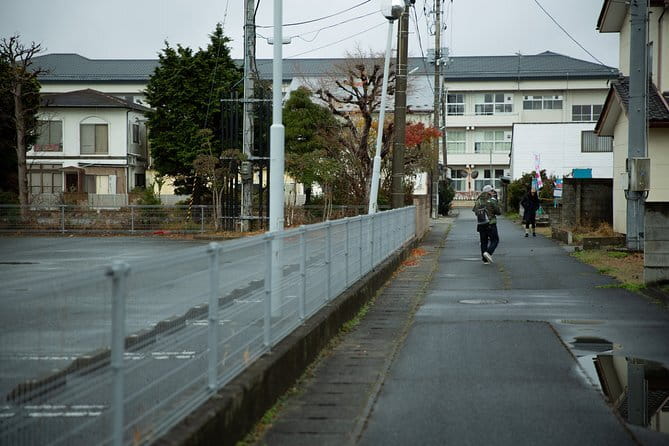
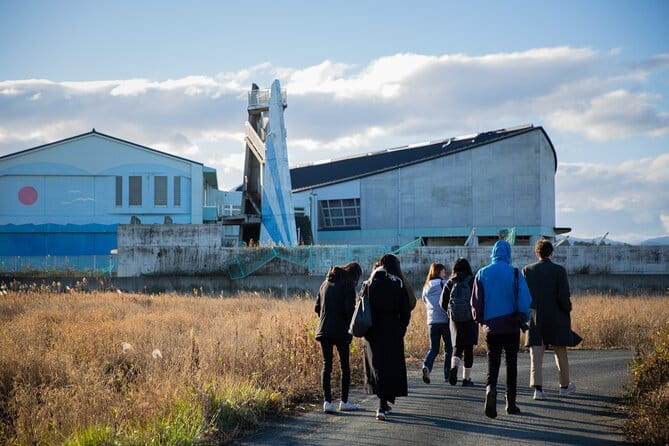
This is not a casual sightseeing loop. The core of the experience is understanding March 11, 2011, and how the disaster has shaped Fukushima since then, from impacted communities to long-term recovery. The fact that you also get to hear from people who lived through it is a big deal, because it turns the story from something you read into something you can hold.
I like that the guide approach sounds intentionally balanced. You learn about what happened at Fukushima Daiichi, and you also learn how people rebuilt their lives and how the region has changed. Even one of the more unusual details from past departures, like the mention of Cow Godzilla as part of the learning day, hints at the bigger theme: recovery includes official messaging, but it also includes human quirks and everyday culture.
Koriyama Station to Fukushima coast stops: how Day 1 usually feels
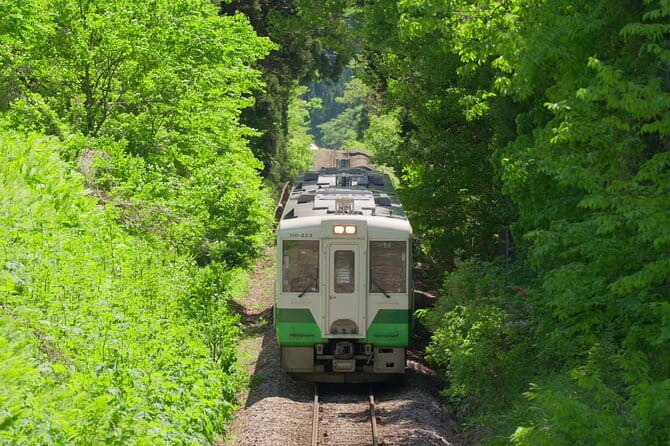
The tour kicks off at 10:00 am from Koriyama Station (East side, with the start location listed at Hiuchida, Koriyama). From there, the day is built around exploring the Fukushima coast area, plus community-focused stops where you can ask questions and make sense of what happened in the region.
On recent departures, the day has included sites such as Ranch of Hope, Namie Town Flower Project, and Ukedo Elementary School. That cluster tells you something important about how this tour is structured. It is not only about the plant, it is also about the human scale of the aftermath: schools, community projects, and the effort people put into keeping life moving even when so much was disrupted.
One practical consideration: this is a packed two days, and the emotional weight can hit in waves. If you are the type who needs quiet breaks, plan to be flexible. The bus and stops will keep you moving, and you will likely want a little time to process what you hear.
The second day flow, and why the plant visit might be on Day 1 or Day 2
You should expect Day 2 to continue in a similar mode: coast-area exploration and additional learning stops, with the Fukushima Daiichi visit slotted for either Day 1 or Day 2 depending on schedule. That means you cannot count on a simple mental model like plant on the first day, culture on the second.
On at least one recent departure, the learning day included a stop where you got a TEPCO perspective and another that leaned into local humor and symbolism, again including Cow Godzilla. I see why this works: it prevents the tour from becoming only technical or only tragic. You get the disaster story, but you also get a sense of what people do with the future once they have to live there.
If you are worried about timing, focus on what you can control. Bring the required clothing and ID, keep your questions ready, and treat the day order as a flexible variable. The tour’s biggest payoff comes from the plant visit and the community conversations, and those are built into the plan.
Entering Fukushima Daiichi: your ID, clothing rules, and Geiger counter dose estimate
This is the headline moment, and it comes with real procedures. You do not have general access to restricted areas. Instead, you enter only as part of the Fukushima Daiichi Nuclear Power Plant visit.
Before you go in, you will need to show your ID upon entering. The tour also asks you to send a copy of your ID after booking. Accepted ID types include a driver’s license, passport, My Number card with photo, Basic Resident Registration Card with photo, and a Residence Card or Special Permanent Resident Certificate.
You also need to dress for the visit:
- long-sleeved tops and long pants that cover your skin
- socks that cover your ankles
- flat shoes such as sneakers
- no sandals and no high-heeled shoes
Filming is prohibited around the Fukushima Daiichi Nuclear Power Plant and in restricted areas. Plan on saving your phone camera for the safe, permitted moments outside those zones.
Radiation-wise, you are not walking into a vague risk. The tour estimates exposure of about 0.02 mSv on this part of the trip. The tour guide carries a Geiger counter to measure radiation dose, and that is part of the comfort here. It makes the experience feel monitored and specific, not hand-wavy.
The value of hearing locals: privacy, sensitivity, and why you should listen more than you talk
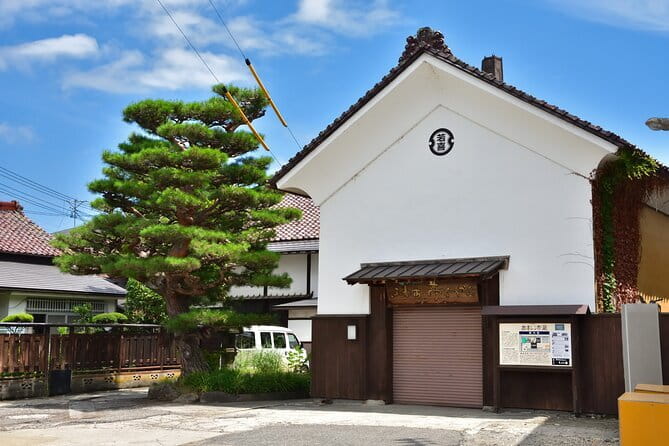
A huge part of the tour’s quality is how it approaches people and their memories. You are asked to respect privacy, and you should avoid taking photographs or videos of people or private property without explicit permission. The area has deep emotional significance, so you are also asked to be considerate when discussing the disaster or its aftermath.
This matters because the best conversations tend to happen when you show restraint. If you go in ready to collect facts, you might miss the point. If you go in ready to listen and ask thoughtful questions, you get something more useful: how people describe change, loss, recovery, and the ongoing effort to live with what happened.
From the guide-led conversations and site choices, I think the tour tries to build a complete picture. You hear personal experiences alongside the big-picture explanation of what went wrong and what followed. That mix is also why the tour is repeatedly described as educational and informative, but not cold.
Meals and lodging: what’s included, and how that changes the experience
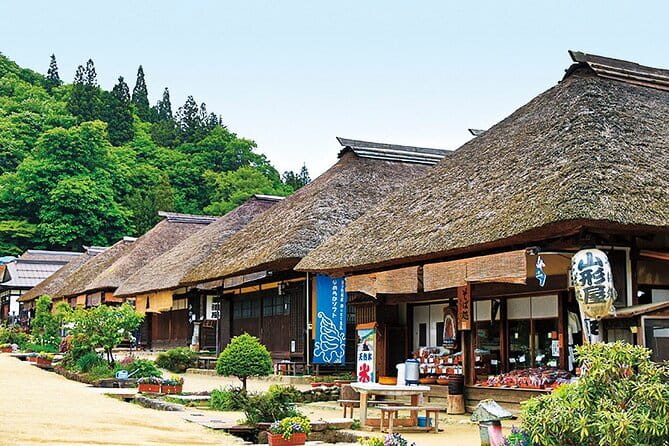
You get breakfast and dinner included, and you also get accommodation. That inclusion is not just convenience. It matters for an experience like this because you do not want to spend your time hunting for lunch or worrying about where to go after a long day of heavy information.
Lunch is not included, so you will want to plan for that. Bring a little extra money and a bit of flexibility on timing, since you may end up with a short window between stops.
The tour also provides an air-conditioned vehicle, which is a big practical factor in Japan during hot or humid stretches. Comfortable transport makes it easier to stay focused for the full two days.
Guides like Yoko, Noriko, and Fumi: what to expect from the human side
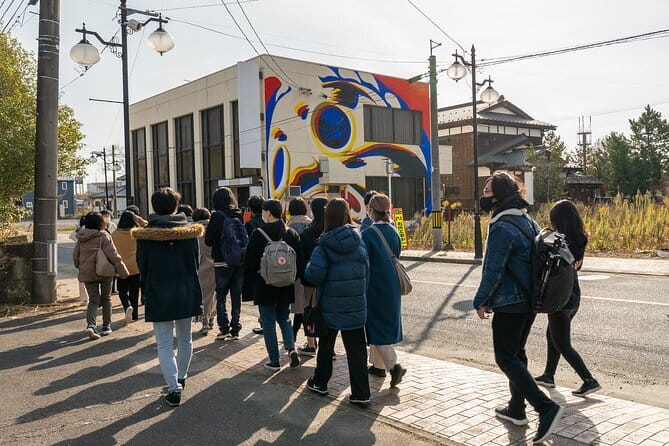
This kind of tour lives or dies by the guide. In past feedback tied to this itinerary, guides named Yoko, Noriko, Fumi, and Fumie have been mentioned for knowledge, responsiveness, and the ability to handle questions.
The practical benefit for you: a strong guide helps you connect details. You will likely hear both explanations and opinions from the people you meet, and you need someone who can keep the information organized and respectful. It also helps when the group asks a wide range of questions, from safety measures to what recovery looks like now.
There is also a safety-and-rules element here. The clothing rules, the ID check, and the filming restrictions are not optional trivia. Having a guide equipped with a Geiger counter and trained to manage the process is part of the tour’s credibility.
Price of $579.82: is it worth it, and what you still need to budget?
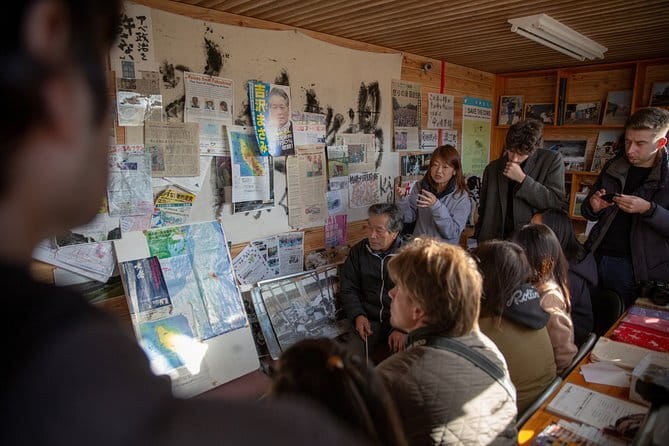
At $579.82 per person for a two-day tour, you are paying for more than a bus ride and a checklist. What you receive that drives the value up:
- English and Japanese speaking guide
- air-conditioned vehicle
- breakfast and dinner
- accommodation
- Geiger counter for the plant visit
- the on-site access that includes measured radiation dose
What can add cost on your end:
- transportation from Tokyo to Koriyama and back is not included
- lunch is not included
So the best way to judge value is to compare this to the cost of building it yourself. Getting lodging plus a guided, rules-based plant visit with measured dose and an English-speaking guide is expensive to replicate. Even if you already plan to travel in Fukushima, the structure here saves you from piecing together permits, timing, and a narrative that puts everything in context.
If you are on a tight budget, you will feel the price. If you are paying for understanding, structure, and local access, it is easier to justify.
Who this tour is for, and who should think twice
This tour fits you best if you want real context about March 11, 2011, and you do not want the story reduced to headlines. You’ll also enjoy it if you are the type who asks questions and can handle a serious topic without turning it into a curiosity show.
It may not be ideal if you want light, casual travel vibes. Even with strong organization, the subject matter is heavy. You should go in with respect, patience, and the willingness to keep your camera off people and private property.
It is also an adult-only experience, with a minimum age of 20. The tour has a maximum of 20 travelers, so you will not be packed in like a giant group, but you should still expect a shared schedule.
Should you book Fukushima Daiichi access in a 2-day tour?
Yes, if you want more than a quick look at Fukushima. Book it if you care about the why behind the disaster and the ongoing reality after it, and if meeting residents and hearing their experiences matters to you. The combination of plant access with Geiger counter measurement, a structured two-day format, and guided conversations makes this feel like a serious learning trip, not just a day trip.
Think twice if you are uncomfortable with emotionally difficult topics or you need a very relaxed pace. This tour moves. It asks you to follow strict clothing and ID rules for the plant. And it asks for sensitivity when you talk about the past.
If you do book, do yourself a favor: plan your packing around the long sleeves, long pants, ankle-covering socks, and flat sneakers, and bring your actual ID. Then go in ready to listen, ask respectful questions, and let the region’s recovery story land without rushing it.
FAQ
Where does the tour start and end?
The tour starts at Koriyama Station (Hiuchida, Koriyama, Fukushima 963-8003) and ends back at Koriyama Station.
What time does the tour start?
The meeting start time is listed as 10:00 am.
How long is the tour?
It is approximately 2 days.
Is lunch included?
No, lunch is not included.
Is transportation from Tokyo included?
No. Transportation from Tokyo to Koriyama and back is not included.
What ID do I need to bring for the Fukushima Daiichi visit?
You must bring your actual ID (not a copy), such as a driver’s license or passport, and other accepted IDs listed by the tour. You may also need to send a copy after booking.
Are there clothing and shoe requirements for entering the Fukushima Daiichi Nuclear Power Plant?
Yes. You need long-sleeved tops and long pants that cover your skin, socks to cover your ankles, and flat shoes such as sneakers. Sandals and high-heeled shoes are prohibited for the plant visit.
Will the guide measure radiation with a Geiger counter?
Yes. The guide is equipped with a Geiger counter to measure radiation dose during the Fukushima Daiichi visit.
How much radiation exposure is estimated during the plant visit?
The tour estimates about 0.02 mSv of radiation exposure on this part of the trip.
Is filming allowed at the plant?
No. Filming around the Fukushima Daiichi Nuclear Power Plant and in restricted areas is prohibited.
Tours, side by side.
 ★ 5.0Mt Fuji and Hakone 1-Day Bus Tour Return by Bullet TrainFrom $16326,383 reviews
 ★ 5.01-Day Tokyo Bus TourFrom $12914,250 reviews
 ★ 5.0PERFECT KYOTO 1-Day Bus TourFrom $12913,518 reviews
 ★ 5.0Shinjuku Food Tour (13 Dishes at 4 Local Eateries)From $866,603 reviews
 ★ 5.0Peaceful Hiroshima & Miyajima UNESCO 1 Day Bus TourFrom $1295,309 reviews
 ★ 4.4Tokyo Mt Fuji 5th St & Hakone Cruise Bus Tour w/Bullet TrainFrom $1545,024 reviews
 ★ 5.0Flagship 2-Hours Official Street Go-Kart Tour – Tokyo Bay ShopFrom $644,974 reviews
 ★ 4.8Fushimi Inari, Kinkakuji, Bamboo Grove 1 Day Bus TourFrom $1224,316 reviews