
REVIEW · HIROSHIMA AND MIYAJIMA DAY TRIPS
Peaceful Hiroshima & Miyajima UNESCO 1 Day Bus Tour
Hiroshima is heavy, but it does not have to be confusing. This 8-hour bus tour strings together the key World War II sites in Hiroshima with a smooth ferry hop to UNESCO Miyajima, where Itsukushima Shrine looks like it is floating. The English-speaking guide plus multilingual audio keeps the day organized and easy to follow.
I especially love two things about this setup: first, the entrance fees and ferry are handled for you, so you are not juggling tickets. Second, the day is paced so you get time at the Atomic Bomb Dome, Peace Memorial Museum, and Miyajima’s shrine/temple spots without feeling constantly rushed.
One consideration: this is a popular route, so expect crowds at the memorials and around the main Miyajima sights, and you should be ready to wait in lines or follow one-way crowd flows.
In This Review
- Key things to know before you go
- Why this Hiroshima and Miyajima bus tour is such a time-saver
- Atomic Bomb Dome: making your 15 minutes count
- Peace Memorial Park plus the Peace Memorial Museum: time for context and personal stories
- The 1589 castle stop: a quick reset before the ferry and shrine
- JR Nishinihon ferry to Miyajima: the ride that changes the mood
- Itsukushima Shrine: torii photos, sea views, and built-for-wonder details
- Daishoin Temple: colorful Jizo statues and quieter photogenic corners
- Price and value: what $129.25 covers and why it matters
- Guides and pacing: why Rino, Momiji, Marin, and Mo come up so often
- Who should book this tour, and who might want a different plan
- Should you book Peaceful Hiroshima and Miyajima?
- FAQ
- What time does the tour start, and where do I meet?
- How long is the Hiroshima and Miyajima day tour?
- What Hiroshima sites are included, and are tickets included?
- Is the ferry to Miyajima included?
- Is lunch included, and what kind of vegetarian option is offered?
- Are entrance fees included for Itsukushima Shrine and the island?
- What languages are available on the bus audio guide?
- If I need the Peace Memorial Museum replaced, what happens?
- If I plan to take the Shinkansen after the tour, when should I buy tickets?
Key things to know before you go
- Transport is included: comfortable air-conditioned coach plus a round-trip ferry for Miyajima
- Memorial time is real: stops are long enough for the Dome, Peace Park, and the Peace Memorial Museum
- UNESCO contrasts in one day: somber Hiroshima in the morning, shrine and sea views in the afternoon
- Guides make the difference: groups benefit from lively, respectful on-the-ground storytelling (names you may hear include Rino, Momiji, Marin, and Mo)
- Optional local food fits the plan: Miyajima lunch can be Hiroshima-style okonomiyaki (vegetarian option available)
Pairing the city with Miyajima. Other itineraries
- Hiroshima: Hiroshima and Miyajima UNESCO Sites 1-Day Tour
★ 4.9 · 2,330 reviews - Hiroshima / Miyajima Full-day Private Tour with Government Licensed Guide
★ 5.0 · 1,298 reviews - Hiroshima Historical Walking Tour – Why A-Bomb was Dropped
★ 4.8 · 893 reviews - Hiroshima Peace (Heiwa) Walking Tour at World Heritage Sites
★ 5.0 · 872 reviews
Why this Hiroshima and Miyajima bus tour is such a time-saver
If your Japan itinerary is tight, this is one of the smarter ways to see a lot without running around like a tourist pinball. You start at a central meeting point near public transportation and head out by air-conditioned coach. On board, you get audio guidance in multiple languages, so even if you drift during traffic, the story still comes back clearly.
The value is not just that you cover more stops. It is that the day is built around two different kinds of travel energy. Hiroshima asks for quiet attention and context. Miyajima is about walking, views, photos, and that famous torii scene. This tour gives you a structure that switches gears cleanly, instead of forcing you to cram everything yourself.
Group size matters too. With a maximum of 45 people, you usually get enough guidance to stay on track, but it still feels like a real tour day, not a private car.
Atomic Bomb Dome: making your 15 minutes count
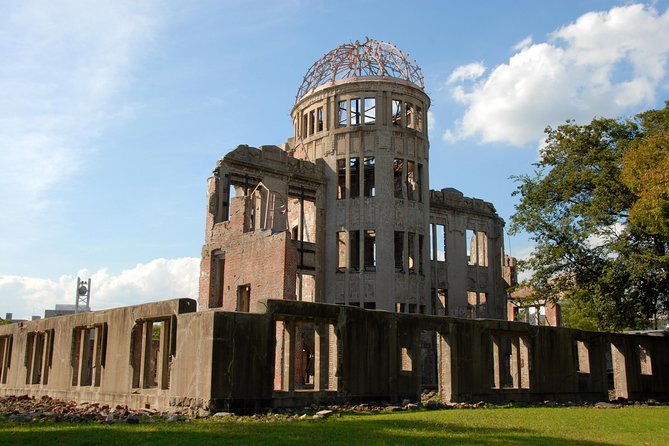
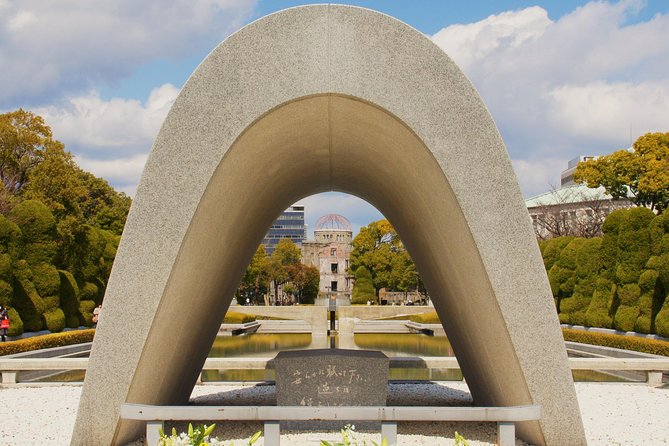
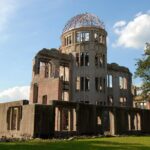
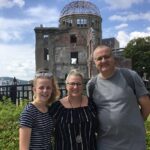
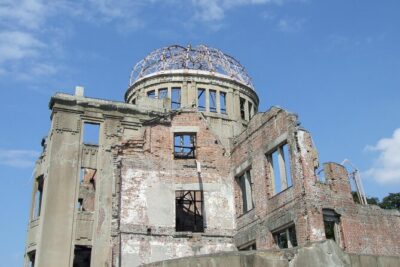
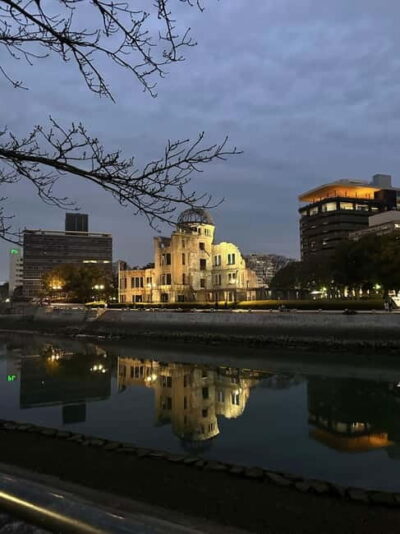
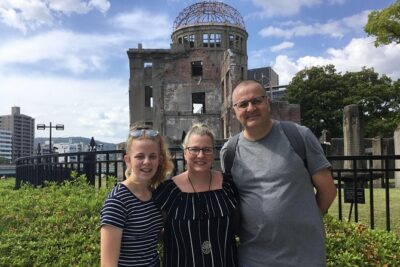
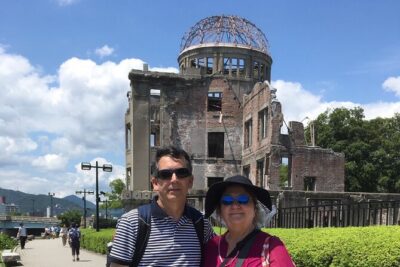
Your day begins with the Atomic Bomb Dome area. The stop is short, about 15 minutes, and that can feel like, wait, that is it? In practice, it works if you use it well.
Here is how I would approach it:
- Take a minute to orient yourself visually. The Dome is a preserved ruin, and your brain needs a second to register scale.
- Read what is available quickly, then slow down just once. That second pause is what turns a quick stop into a memory.
- Do not try to take in everything at once. A focused glance usually lands harder than ten distracted minutes.
Admission is free at this stop, which is nice, but the main reason it matters is emotional timing. Going early helps. You are less likely to feel rushed, and you are still fresh for the next part: the Peace Memorial Park and the museum, which require more headspace.
Peace Memorial Park plus the Peace Memorial Museum: time for context and personal stories
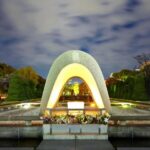
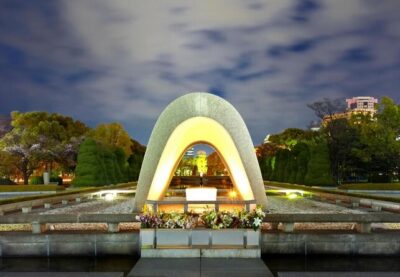
After the Dome, you head to Hiroshima Peace Memorial Park, about 35 minutes. The park is free to enter, and it is designed for remembrance, not sightseeing. You will move through key monuments and connections to the bombing of August 6, 1945. Because the tour also includes the Dome, it helps to think of the park as the wider setting around that single preserved landmark.
Then comes the Peace Memorial Museum, with about 1 hour on site, and museum admission is included. The museum opened to the public in 1954 and focuses on personal stories, photographs, and artifacts. What I like about including the museum is simple: it adds human scale. The memorials outside can feel like symbols. Inside, you get accounts that explain what those symbols represent.
A practical tip for a day like this: do not plan to multitask. If you are coming with family or friends, try to agree on a quiet pace for at least part of the museum. Also, be ready for crowds. Even when the tour is well organized, the memorial sites can have heavy foot traffic, and the museum flow can feel one-way at times.
If you are sensitive to emotionally intense exhibits, it helps that the tour includes a guide who keeps the group moving respectfully. Many people leave the museum with that mix of shock and gratitude that comes from finally understanding the full story instead of just seeing the famous images.
Let something else do the walking
- Full Day Hiroshima and Miyajima Bus Tour from Hiroshima★ 4.5 · 371 reviews
- Hiroshima and Miyajima 1 Day Bus Tour★ 4.5 · 145 reviews
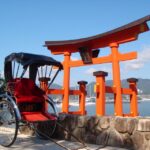
- Miyajima: Private Rickshaw Tour to Itsukushima Shrine★ 4.9 · 45 reviews
The 1589 castle stop: a quick reset before the ferry and shrine
Between the memorial-heavy morning and the sea-gazing afternoon, the itinerary includes a short castle visit. The description here is very specific: a castle built in 1589, where visitors can only see the main building, not the smaller defensive structures. The reason is basically historical timing. By then, the world had become more peaceful, so those battlefield-style defenses were less necessary.
Why include a castle stop at all? Because Hiroshima and Miyajima are emotionally different trips. This pause can reset your body. You get a change of pace, open air, and a bit of Japanese history that is not directly tied to the bombing sites. It is also a chance to stretch your legs before ferry time.
The stop itself is brief, so keep expectations realistic. This is a stop to add context, not a full deep dive into castle architecture.
JR Nishinihon ferry to Miyajima: the ride that changes the mood
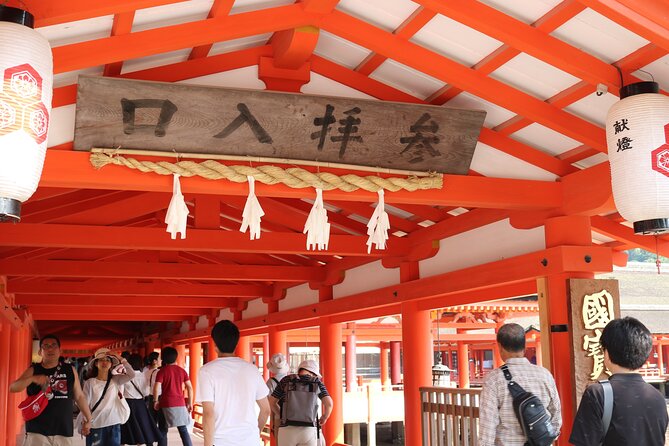
Next, you take the JR Nishinihon Miyajima ferry, about 20 minutes each way. Ferry rides in Japan are often simple, but this one matters because it is a transition. You go from land-based memorial spaces to an island where Shinto tradition and sea views shape the experience.
The round-trip ferry ride is included, so you are not scanning schedules while trying to enjoy the moment. You can use the crossing time to:
- Get your bearings for Miyajima geography
- Check the weather and lighting, which affects how the torii and shrine look
- Take a few photos without sprinting to beat crowds
Once you arrive on Miyajima, you get about 50 minutes of island time. Use that hour to plan your walking route rather than chasing everything at once.
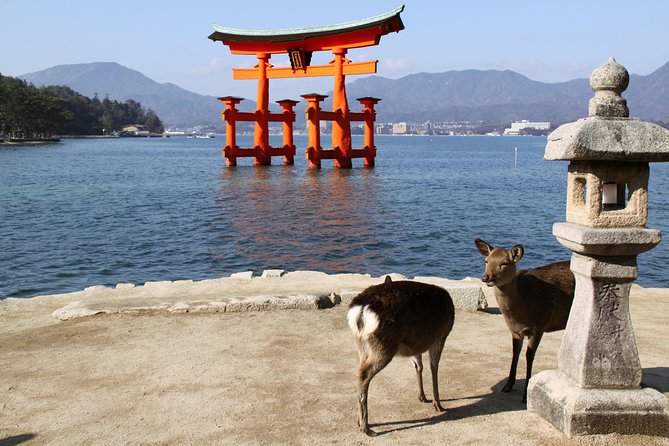
One thing to remember: Miyajima is known for its deer. They can be curious, and sometimes bold. Keep your snacks secured and be patient if they get too close.
Itsukushima Shrine: torii photos, sea views, and built-for-wonder details
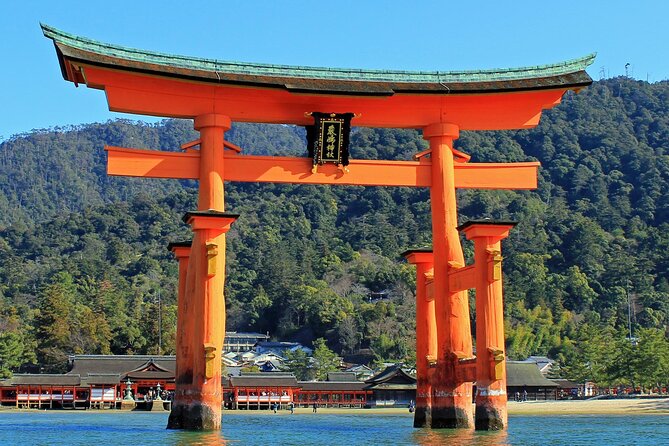
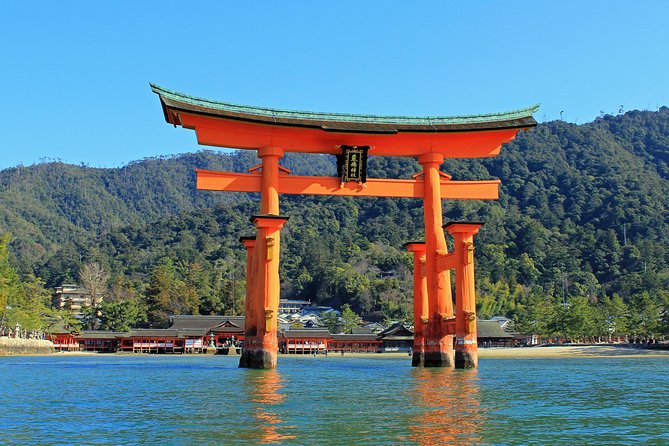
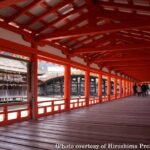
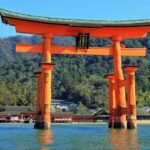
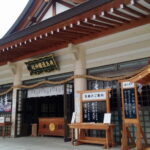
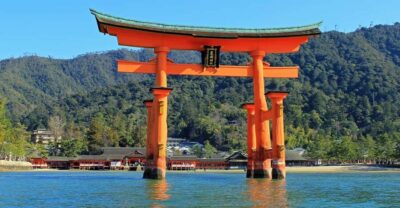
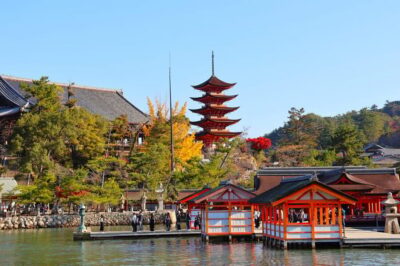
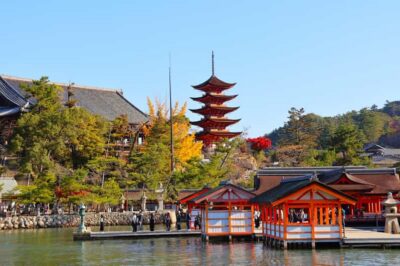
Your Miyajima highlight is Itsukushima Shrine, with about 50 minutes on site. The shrine admission is included. This is the iconic UNESCO stop where you get that unforgettable torii-in-the-water effect, especially depending on tide and conditions.
A few context points that make the visit click:
- The shrine’s story goes back to ancient belief. The island was associated with a goddess, which explains why the shrine was built on the sea.
- The shrine dates to the 6th century in legend and history, with major rebuilding later, including work in 1168 by Taira no Kiyomori.
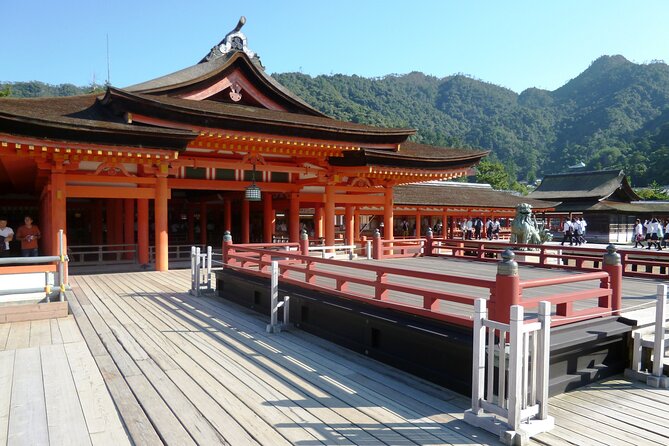
You will also notice the style of the grounds. This place is not about rushing past buildings. It is about lingering near the water and letting your eyes travel along the structures. Even with a set amount of time, you can still find a calm pocket.
Practical advice: start by walking slowly at the waterline for perspective, then head inland for the full view. If crowds get thick, follow the group flow and do not try to fight your way to the front. That only adds stress, and Miyajima is supposed to feel gentler after Hiroshima.
Daishoin Temple: colorful Jizo statues and quieter photogenic corners
After Itsukushima, you get Daishoin Temple, about 30 minutes. Entrance is free here on the tour.
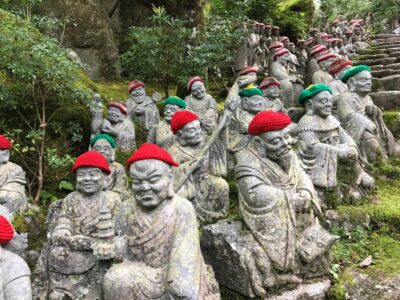
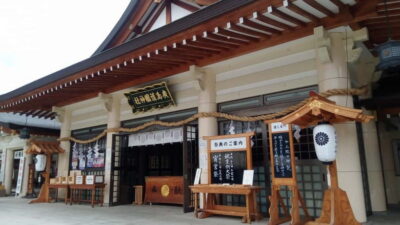
This is a great contrast stop. While Itsukushima is all about the dramatic sea shrine image, Daishoin is about religious atmosphere and small details. The temple is known for many Jizo guardian statues dressed in rainbow-colored costumes. You will also spot other eye-catching elements like a relaxing Buddha statue and many lanterns.
Is 30 minutes enough? For what this stop is, yes. You can do a loop, take photos, and feel like you actually experienced the space rather than just passing through. It is also a good chance to sit for a moment and reset emotionally before your long return trip.
Price and value: what $129.25 covers and why it matters
At $129.25 per person for an approximately 8-hour day, the real question is what you would pay for and plan yourself.
Here is what is included:
- English-speaking local guide
- Multilingual audio guidance on the bus (EN, FR, ES, IT, DE, PT, UA)
- Air-conditioned coach
- Entrance tickets for Hiroshima Peace Memorial Museum
- Entrance for Miyajima and Itsukushima Shrine
- Round-trip ferry ride
- Lunch if you select the lunch option
That package is the value. Hiroshima is not a place where you want to waste time on logistics. The museum alone often takes focus, and the ferry plus shrine admission are pieces that can become annoying if you are DIY planning on a tight schedule. Bundling it means you can spend your mental energy where it counts.
Lunch is optional, and the tour offers a vegetarian option. The details matter: it excludes pork and seafood, and includes eggs and gluten. There is also a note that allergy-free lunch is not available. If you have severe allergies, the safe move is to choose the no-lunch option and bring what you need.
Also, the day is a steady rhythm of short, meaningful stops. That is often what justifies the price more than any single admission.
Guides and pacing: why Rino, Momiji, Marin, and Mo come up so often
A good day tour lives or dies by pacing and tone. Hiroshima specifically needs respect. Miyajima needs energy.
In this tour, the guide role is doing two jobs:
1) Keeping you moving with clear timing and explanations
2) Setting the emotional tone so the group does not feel like it is rushing through tragedy
Across the guide names you might meet, you can expect a similar approach. Guides like Rino, Momiji, Marin, and Mo are repeatedly described as friendly, organized, and engaging, with the kind of commentary that makes facts feel connected instead of like a list.
You can also see why people rate this tour so highly. The itinerary includes both heavy sites and lighter scenery, and the guides manage that shift well. You get an afternoon that still feels special, not like you are on autopilot after the museum.
One small bonus: the bus has free Wi-Fi, so you can check directions, confirm next steps, or just relax between stops.
Who should book this tour, and who might want a different plan
This is a strong match for:
- You if you want Hiroshima plus Miyajima in one day
- You if you would rather ride with a guide than piece it together on trains and ferries
- Families with teenagers who can handle emotional content, as long as you keep the museum pace respectful
- Anyone who values included admissions and a simple itinerary
It might be less ideal if:
- You need long, unstructured time at each site. This tour is time-focused, not leisurely
- You have mobility limits and know your day includes walking at memorial grounds and on Miyajima island
- You get overwhelmed in crowds. The route can be busy at peak times
Still, for many people, the structure is exactly what helps them see the right places without feeling lost.
Should you book Peaceful Hiroshima and Miyajima?
Yes, if your goal is to cover the most important Hiroshima and Miyajima sights with minimal planning stress. The best reason to book is the practical combo: entrance fees and ferry are included, the museum stop is long enough to matter, and the day naturally balances somber remembrance with a beautiful sea-side shrine visit.
If you are going, my main advice is simple: treat Hiroshima as the priority, not the photo checklist. Then let Miyajima be your reward. With a good guide and a realistic mindset about crowds, this becomes the kind of day that stays with you for years.
FAQ
What time does the tour start, and where do I meet?
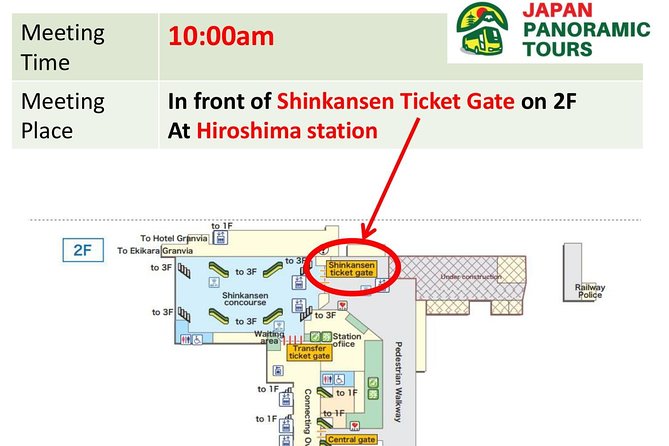
The tour starts at 10:00 am. The meeting point is Currency Exchange Japan, 732-0822 Hiroshima, Minami Ward, Matsubarachō, 2, Unnamed Road, 1 松原町南.
How long is the Hiroshima and Miyajima day tour?
It is approximately 8 hours.
What Hiroshima sites are included, and are tickets included?
You visit the Atomic Bomb Dome (free admission), Hiroshima Peace Memorial Park (free), and the Hiroshima Peace Memorial Museum (admission included).
Is the ferry to Miyajima included?
Yes. The JR Nishinihon Miyajima ferry is included as a round trip.
Is lunch included, and what kind of vegetarian option is offered?
Lunch is included only if you select the lunch option. The vegetarian lunch has no pork and no seafood, and it includes eggs and gluten. If you have severe allergies, you should choose without lunch and bring your own.
Are entrance fees included for Itsukushima Shrine and the island?
Yes. Admission for Miyajima Island and Itsukushima Shrine is included.
What languages are available on the bus audio guide?
The audio guide is available in English, Spanish, French, Italian, Germany (German), Portuguese, and Ukrainian. English is also covered by the local guide.
If I need the Peace Memorial Museum replaced, what happens?
From February 16 to 21, 2026, the Hiroshima Peace Memorial Museum will be closed due to exhibit replacement. The tour will visit the Hiroshima National Peace Memorial Hall for the Atomic Bomb Victims instead.
If I plan to take the Shinkansen after the tour, when should I buy tickets?
The guidance is to purchase your Shinkansen ticket after the tour on the day, or book it after 6:30 pm.
Let Something Else Do the Walking
Hiroshima and Miyajima Together
Newest Hiroshima write-ups from the Loving Japan desk
Hiroshima and Miyajima Day Trips, side by side.
 ★ 4.9Hiroshima and Miyajima UNESCO Sites 1-Day TourFrom $1222,330 reviews
 ★ 5.0Hiroshima / Miyajima Full-day Private Tour with Government Licensed GuideFrom $2021,298 reviews
 ★ 4.7Osaka/Kyoto: Hiroshima Miyajima Bus Tour & Shinkansen TicketFrom $277919 reviews
 ★ 4.8Hiroshima Historical Walking Tour – Why A-Bomb was DroppedFrom $35893 reviews
 ★ 5.0Hiroshima Peace (Heiwa) Walking Tour at World Heritage SitesFrom $94872 reviews
 ★ 5.0Hiroshima in a Nutshell: Morning Bike AdventureFrom $72524 reviews
 ★ 5.0Hiroshima City 4hr Private Walking Tour with Licensed GuideFrom $122437 reviews
 ★ 4.7From Hiroshima: Hiroshima & Miyajima 1 Day Tour with LunchFrom $116395 reviews
Filed on these lists too