
REVIEW · FUSHIMI INARI AND THE TEMPLES OF KYOTO
Kyoto: Fushimi Inari, Kinkakuji, Bamboo Grove 1 Day Bus Tour
Kyoto, packed into one day. This tour is interesting because it links Kyoto’s World Heritage temples with the big visual payoff of Fushimi Inari’s thousands of torii in a single, guided route. The one drawback is the pace, you will walk stairs and hills for much of the day.
I also like that you get an English-speaking guide plus multilingual audio, so you are not just wandering. The air-conditioned coach has free Wi-Fi, and the whole day starts at Tully’s Coffee Kyoto Avanti Shop at 8:00 AM.
In This Review
- Key things to know before you go
- Kyoto classics in one day: how the 9 hours really feel
- Starting at Tully’s Coffee Kyoto Avanti Shop, check-in at 7:50
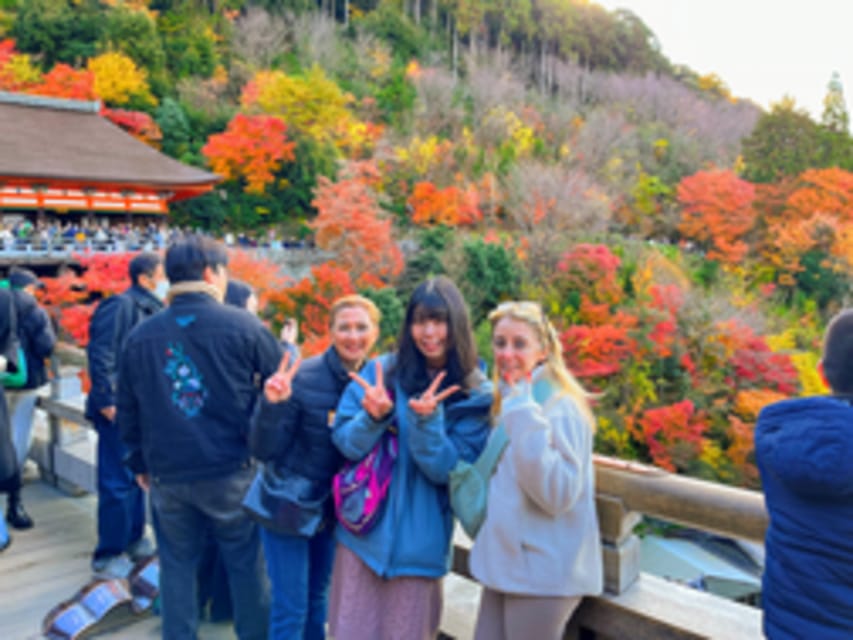
- Morning at Kiyomizudera: terraces, steps, and big views
- Sanjusangen-do (Rengo-in): the hall split into 33 parts
- Arashiyama lunch by Togetsukyo Bridge: what fits in 50 minutes
- Sagano Bamboo Forest: short walk, good photo logic
- Tenryuji Temple: garden time in a world heritage setting
- Kinkakuji (Golden Temple): how to use 40 minutes well
- Nijo Castle: you do not tour it, but you might notice it
- Fushimi Inari Taisha: a full hour under the torii tunnel
- Price and what you truly get for about $122
- Practical tips that make this day easier
- Who should book this Kyoto coach day, and who should skip it
- Should you book this Kyoto Fushimi Inari to Kinkakuji day tour?
- FAQ
- What time do I need to check in for this tour?
- Where do I meet the bus?
- Is hotel pickup included?
- How long is the tour?
- What sites and stops are included?
- Are entry tickets included?
- Is lunch included?
- Is Wi-Fi available on the coach?
- Can I cancel for a refund?
Key things to know before you go
- A tight World Heritage lineup in about 9 hours, with ticketed stops at Kiyomizudera, Tenryuji, and Kinkakuji
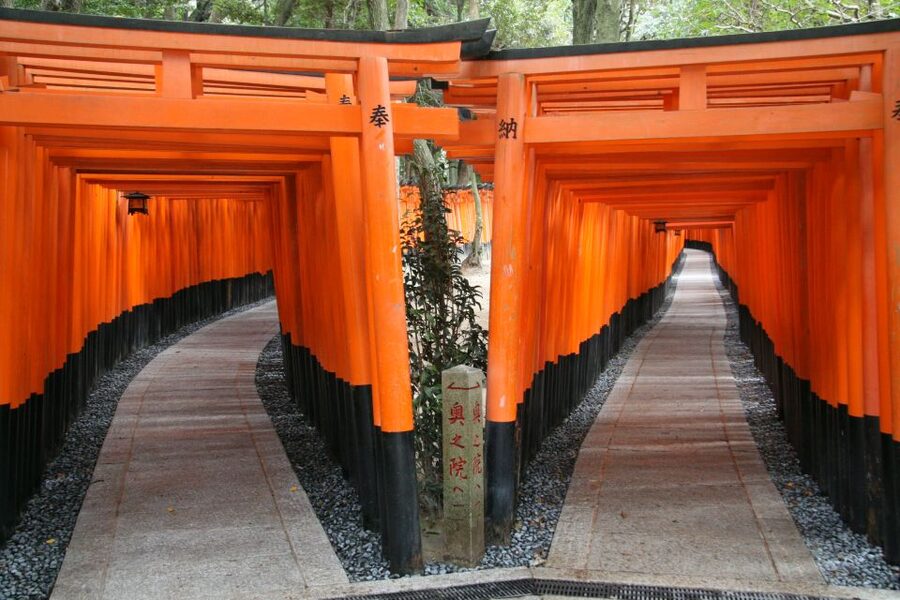
- Fushimi Inari is the centerpiece, with a full hour to go under the torii gate tunnels at your own pace
- Sanjusangen-do takes time well, with a famous hall split into 33 parts and lined with 1,001 Kannon statues
- Arashiyama gets you the bridge moment, plus a Japanese buffet lunch timed around Togetsukyo Bridge
- Sagano Bamboo Forest is walkable, a short photo stop and a gentle stroll through the bamboo lanes
- Audio headsets help a lot, with languages available including English, French, Italian, Spanish, German, Portuguese, and Ukrainian
Still in Arashiyama? Keep going west
- Kyoto: Fushimi Inari, Kinkakuji, Bamboo Grove 1 Day Bus Tour
★ 4.8 · 4,316 reviews - Osaka/Kyoto:Kinkakuji,Arashiyama,FushimiInariShrine,NaraPark
★ 4.1 · 1,596 reviews - Kyoto/Osaka: Nara, Fushimi Inari Taisha, Arashiyama Bus Tour
★ 4.7 · 1,275 reviews - Kyoto Arashiyama Walking Tour: Bamboo, Monkeys, Gardens & Secrets
★ 5.0 · 1,216 reviews
Kyoto classics in one day: how the 9 hours really feel
This is a full-day highlights tour, designed for people who want to see Kyoto’s top sights without planning, timing, and ticket lines every step. You are on a coach for the transfers, then you switch into temple-and-shrine mode at each stop. The day runs to a schedule, so you get a lot done, but you also trade in slow wandering for efficiency.
Your big payoff is the combo of sacred sites and scenery: Kiyomizudera for iconic terraces, Sanjusangen-do for its long hall and statues, Arashiyama for the Togetsukyo Bridge area, and then Fushimi Inari for that torii tunnel effect that feels almost cinematic. I like the structure, it keeps the story moving and the logistics simple.
Just know the tour is not for people who want lots of free time. You will see a lot in set blocks, and you will walk.
Starting at Tully’s Coffee Kyoto Avanti Shop, check-in at 7:50
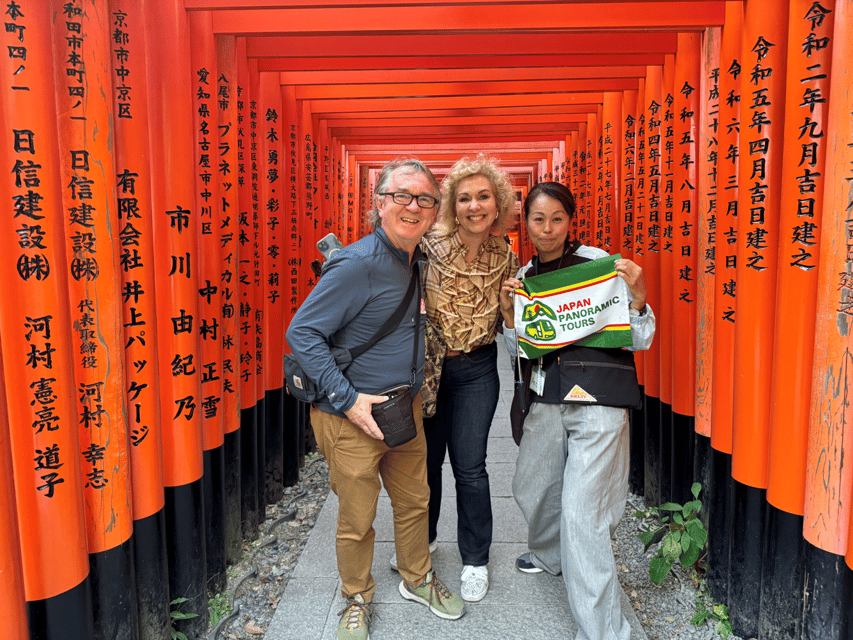
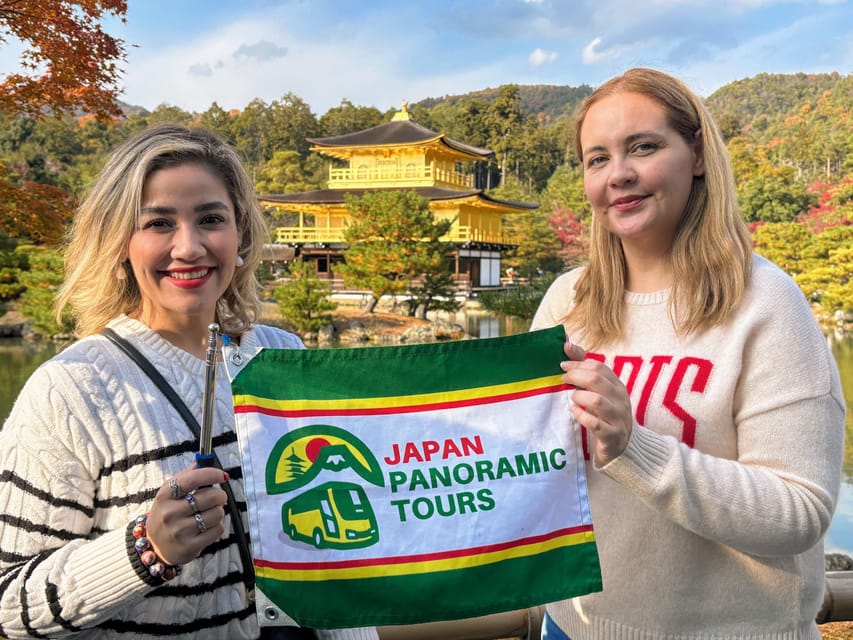
You meet at Tully’s Coffee Kyoto Avanti Shop. Check-in is at 7:50 AM, and departure is at 8:00 AM. Look for the green and white flag marked Japan Panoramic Tours.
This meeting setup is practical because it is a clear landmark. It also means you are not relying on hotel pickup, so you can plan your morning around one exact location. If you are traveling with kids or want a low-stress start, this kind of fixed meeting point can be a relief.
One planning note: the order of stops can change due to traffic or weather. And if a site is closed, the day may swap in an alternative. You do not lose the whole plan, but the exact sequence might shift.
Morning at Kiyomizudera: terraces, steps, and big views
First stop is Kiyomizudera, with about an hour on site. This is one of Kyoto’s must-see temples, and it is reportedly opened as far back as 778. What I find useful about this stop is the mix of worship spaces and the famous terrace views.
Even if you come for the photos, give yourself time to slow down. The temple area is built for moving upward through steps and viewpoints, and that means you will feel the walking right away. If you are prone to aching knees, start with comfortable shoes and a steady pace.
Tickets for Kiyomizudera are included, so you are not juggling extra lines. The time block is also long enough to do the key routes without feeling like you are racing.
Which temple to give the morning to, reviewed
- Kyoto: Tea Ceremony in a Traditional Tea House in Kiyomizu★ 4.9 · 3,519 reviews
- Kyoto: Nijo-jo Castle and Ninomaru Palace Guided Tour★ 4.7 · 1,020 reviews
- Osaka/Kyoto: Arashiyama, Nara & Fushimi Inari Shrine w/Lunch★ 4.4 · 754 reviews
- Kyoto: Nijo Castle, Kiyomizu & Fushimi Inari Guided Tour★ 4.7 · 700 reviews
- Kyoto: Nijo, Kinkaku-ji, Arashiyama, Kiyomizu & Fushimi Inari★ 5.0 · 699 reviews
Sanjusangen-do (Rengo-in): the hall split into 33 parts
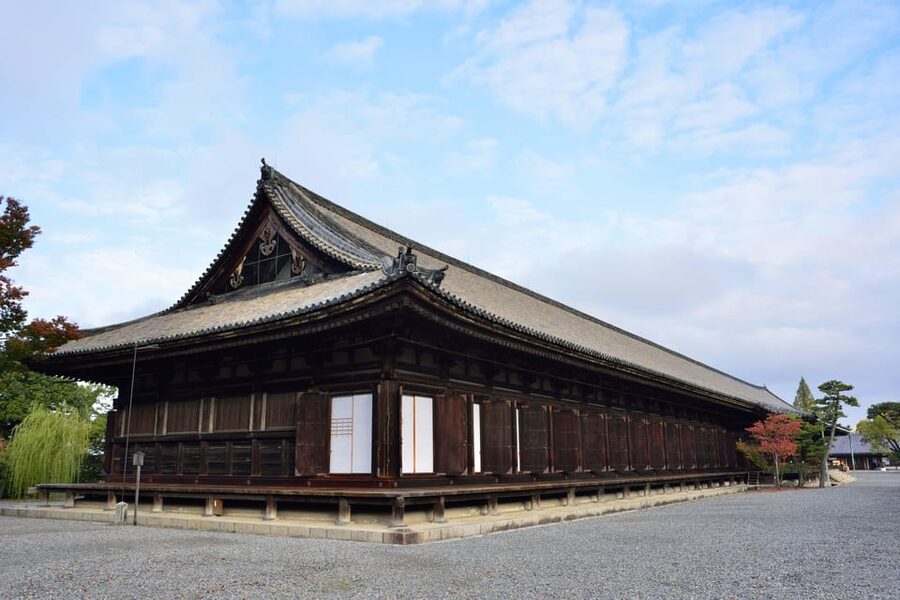
Next you head to Sanjusangen-do, also known as Rengo-in. You get about 40 minutes here, and it is a stop with a very specific wow factor. The hall is Japan’s longest wooden structure and uses 35 columns that divide the building into 33 parts, which matters because the space is designed to make you look down the long interior.
Then there is the famous statuary theme: the hall is filled with 1,001 Kannon statues. The effect is visual, but the guide angle is what makes it click. Even during a short visit, you can understand why this site is known for devotion and repetition.
If you like quiet, architectural details, this is a great moment to slow down. It is also an excellent contrast after Kiyomizudera, since you are moving from open terrace viewpoints into an enclosed, statue-filled space.
Arashiyama lunch by Togetsukyo Bridge: what fits in 50 minutes
Arashiyama is next, with a lunch stop and about 50 minutes total. The timing here is smart because Arashiyama is one of those places where the scenery and the food area both draw crowds. You are set up to take in the Togetsukyo Bridge area while you eat.
The lunch option is a Japanese buffet using seasonal ingredients, and vegetarian dishes are available. If you choose lunch, you do save time because you are not hunting for a place close to the bridge area while your group schedule keeps moving.
Do keep your expectations realistic: you have limited time. You can enjoy the bridge views and nearby streets, but you are not doing a long Arashiyama stroll across multiple neighborhoods.
Diet note matters here. The tour information states that Muslim-friendly meals, allergy-friendly meals, lactose-free meals, gluten-free meals, and vegan-friendly meals are not available. If you have a serious allergy, you should select the option without lunch.
Sagano Bamboo Forest: short walk, good photo logic
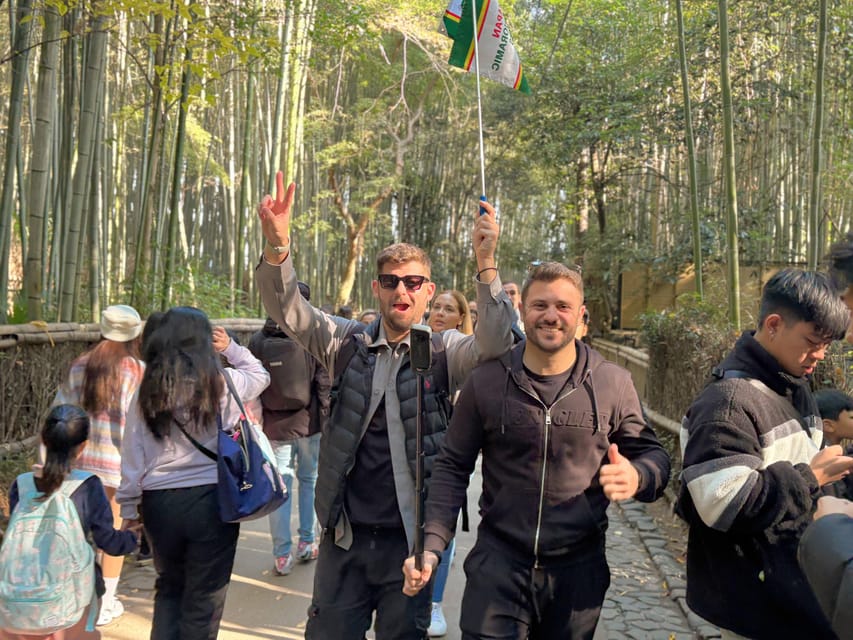
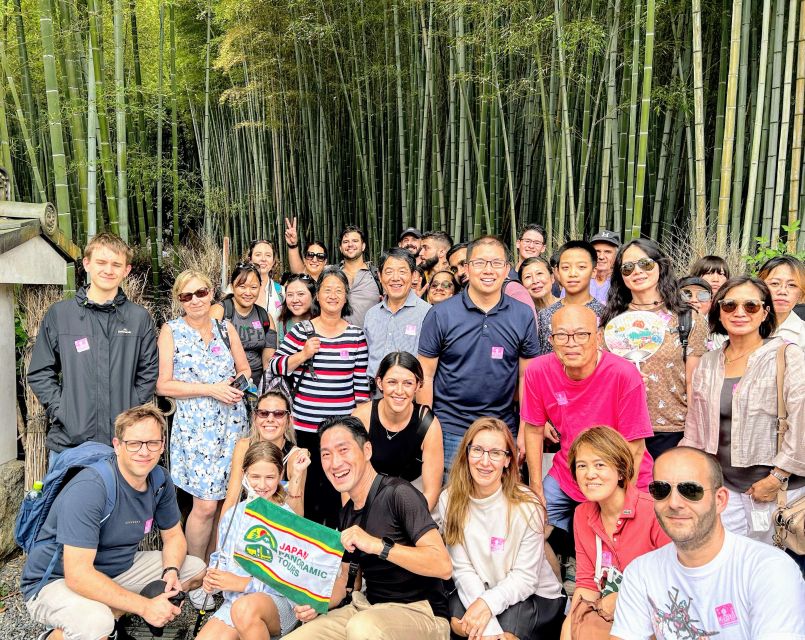
After lunch, you get a photo stop and walk through Sagano Bamboo Forest. Expect about 20 minutes for photos and walking. This is one of the easiest “return on effort” stops because it is compact and visually strong.
What I like about this format is that it helps you avoid the common travel problem: arriving in a bamboo grove and spending 10 minutes standing there, then realizing you have no time left for anything else. Here, you get exactly enough time to walk into the grove lanes, grab photos, and move on.
The tour guidance also points out when the bamboo lane feels most alive: a light wind makes the tall stalks sway gently. You cannot control the weather, but if the air moves, lean into it.
Tenryuji Temple: garden time in a world heritage setting
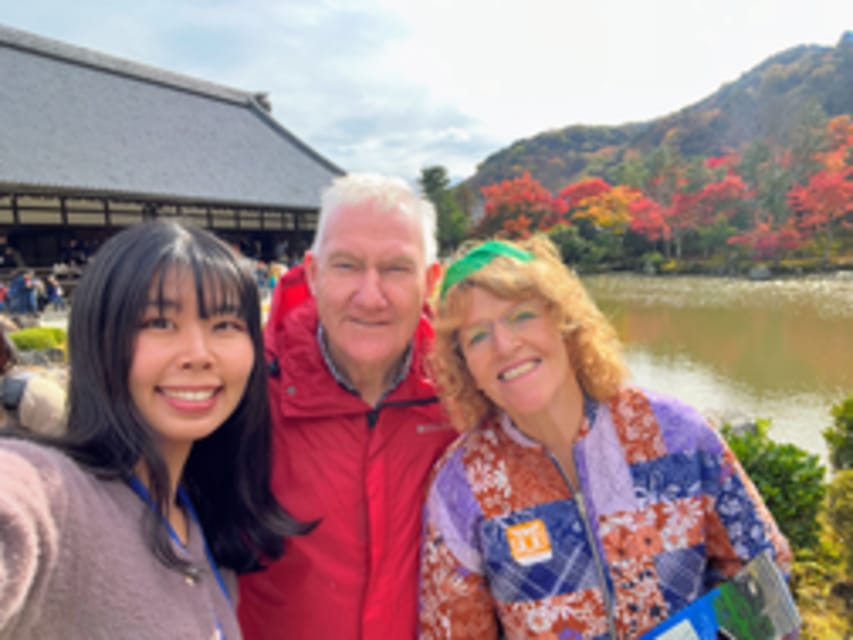
Tenryuji follows, with about 30 minutes on site. Tenryuji is known for its Japanese garden, designed to be seen through different seasons. It is also registered as a World Heritage site, so you are not only visiting a beautiful garden, you are visiting a protected cultural landscape.
In a short time, you will not master the garden like a horticulture student, but you can still notice what the space is trying to do: guide your sight lines and create a calm rhythm after the busier crowd zones. This is also a good moment to slow down after earlier walking.
If you are someone who likes to learn one or two key details at each stop, this is a nice place for that approach. It rewards staying still for a minute or two, not just taking pictures while walking.
Tickets for Tenryuji are included, which is a simple value win.
Kinkakuji (Golden Temple): how to use 40 minutes well
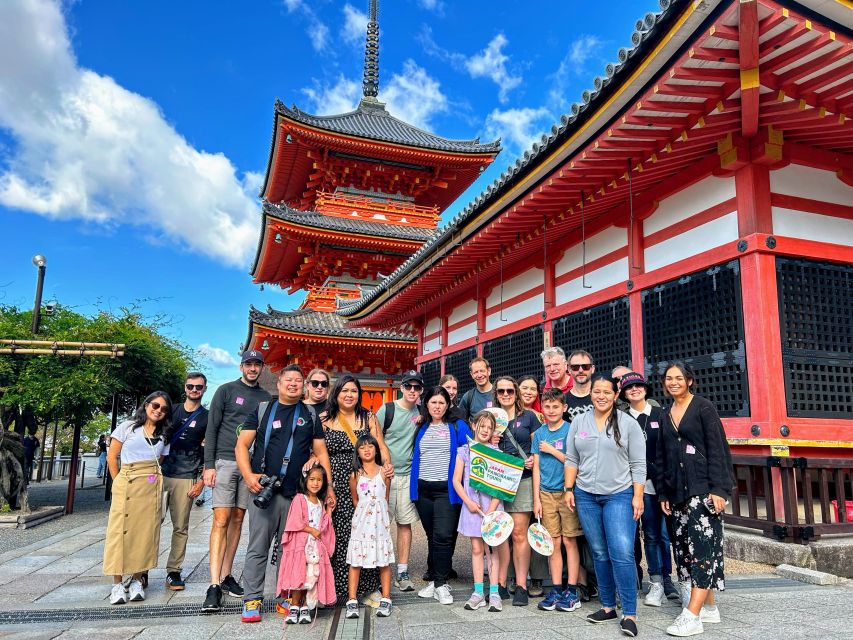
Kinkakuji, also called the Golden Temple, is next with about 40 minutes. It is part of Rokuon-ji. This is the stop most people come for, and it is also the stop where time disappears if you get pulled into queues and constant re-positioning.
So here’s my practical advice: plan for the main views first, then decide if you want to keep moving for angles. With a coach-day schedule, your best strategy is to pick one or two signature perspectives and stick with them.
Because entry tickets for Kinkakuji are included, you spend less time on admin and more time looking. And since this is outdoors-heavy, it is worth dressing for the weather and bringing a light layer if it is cool.
Nijo Castle: you do not tour it, but you might notice it
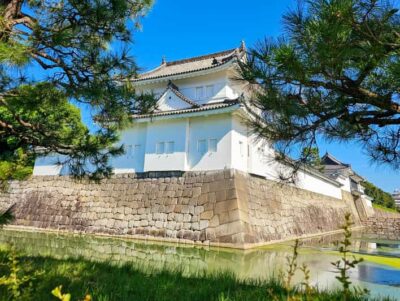
You pass by Nijo Castle. The tour time here is not a visit block, so think of it as a quick sight opportunity from the route rather than an in-depth stop. If you are the type who likes to see exterior architecture and then keep your schedule, this works.
If you were hoping for a full Nijo Castle visit, you will need another day trip or a separate ticketed plan. In the context of this tour, Nijo Castle is more of a visual bookmark.
Fushimi Inari Taisha: a full hour under the torii tunnel
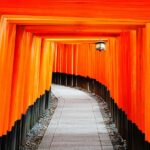
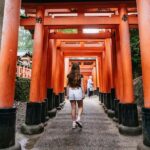
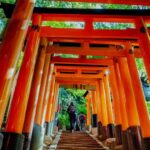
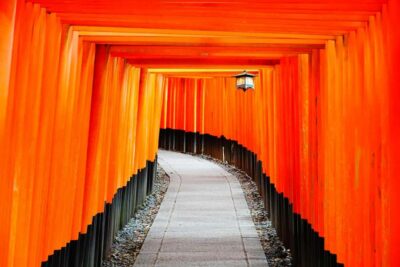
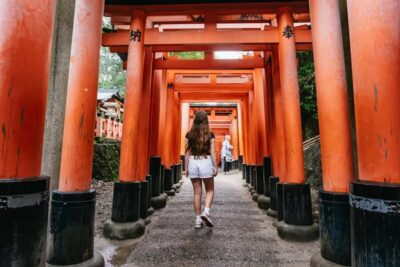
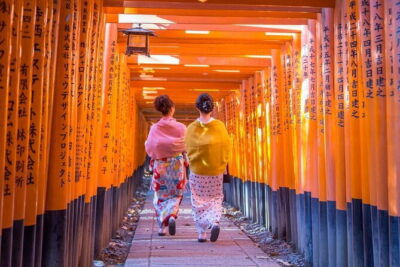
Now the finale, Fushimi Inari Taisha, with about an hour. This is the most iconic experience in the whole itinerary because you literally walk under torii gates. The tour calls out going under thousands of red torii gates, and that is exactly what makes this place feel different from typical shrine visits.
An hour is enough to go deep enough to feel the rhythm of repeated gates, but not so long that you end up exhausted. Your pace matters here. If you rush to the end, you miss the most atmospheric part, the middle stretches where the tunnel effect really takes hold.
Because you are in an active walking environment, keep your stamina in mind. Save your biggest energy for the torii lanes and the viewpoints you care about most. This is also a strong stop for solo travelers who like photos, some guides have helped with picture-taking, and the vibe makes it easy to ask politely.
Price and what you truly get for about $122
At about $122 per person, you are paying for a lot of “done-for-you” parts: an air-conditioned coach with Wi-Fi, an English live guide, audio headsets, and ticketed entry for multiple World Heritage sites. On top of that, your route covers several separate areas of Kyoto that would be more work to string together by yourself.
Here is how I’d think about value. If you had to plan transport, buy each entry ticket, and navigate timing between far-apart districts, the cost starts to feel less like a splurge and more like buying back your attention for sightseeing.
A key detail: lunch is included only if you choose the lunch option. If you skip lunch, you can use Arashiyama free time to pick something else on your own. But the diet limitation info is important. Since allergy-friendly, lactose-free, gluten-free, vegan-friendly, and similar options are not available as part of the lunch, the lunch add-on is only “safe” for certain dietary needs.
Practical tips that make this day easier
Start with your feet. The tour information is clear that you will walk up stairs and hills. Comfortable shoes matter more than your phone camera settings.
Second, bring a light plan for rain. The order of sites can change with weather. If it rains, you will still move through your schedule, so having a small rain layer helps.
Third, use the audio properly. Audio guidance is available in multiple languages, and it can help you understand what you are seeing beyond just the landmark names. Pair it with a simple rule: listen for one theme per stop, architecture, statues, gardens, or shrine practices.
Fourth, decide on lunch with your needs in mind. If you need strict dietary support, consider booking the option without lunch, and eat on your own during Arashiyama free time.
Who should book this Kyoto coach day, and who should skip it
This tour fits best if you:
- want Kyoto highlights in one day with a guide and ticket support
- like structure and hate spending time on transport planning
- enjoy walking and can handle stairs in temple areas
It is not suitable for wheelchair users or people with mobility impairments. If mobility is a concern, you will likely feel rushed and uncomfortable given the walking and hills mentioned in the tour info.
Also, pets are not allowed.
Should you book this Kyoto Fushimi Inari to Kinkakuji day tour?
If your goal is to see Kyoto’s biggest names, move efficiently, and get guided context, this is an easy yes. The ticketed World Heritage sites, the Fushimi Inari torii tunnel hour, and the coach convenience make it a strong value for a short stay.
If you want a slow Kyoto day, long photo pauses, or a route built around minimal walking, you may find the schedule too tight. In that case, pick fewer sites and give yourself more breathing room.
Bottom line: book it when time is your enemy and comfort with walking is your strength.
FAQ
What time do I need to check in for this tour?
Check-in is at 7:50 AM, and the tour departs at 8:00 AM.
Where do I meet the bus?
You meet in front of Tully’s Coffee (Kyoto Avanti Store), 31 Higashikujo Nishisannocho, Minami Ward, Kyoto.
Is hotel pickup included?
No. Hotel pickup and drop-off are not included.
How long is the tour?
The tour runs for 510 minutes, which is about 9 hours.
What sites and stops are included?
The day includes Kiyomizudera, Sanjusangen-do, Arashiyama lunch time near Togetsukyo Bridge, Sagano Bamboo Forest (photo stop and walk), Tenryuji Temple, Kinkakuji (Golden Temple), a pass by Nijo Castle, and Fushimi Inari Taisha.
Are entry tickets included?
Yes. Entry tickets are included for Kiyomizudera, Sanjusangen-do, Tenryuji, and Kinkakuji.
Is lunch included?
Lunch is a Japanese buffet only if you select the lunch option. The information also notes that vegetarian dishes are available, but Muslim-friendly, allergy-friendly, lactose-free, gluten-free, and vegan-friendly meals are not available.
Is Wi-Fi available on the coach?
Yes. The coach includes free Wi-Fi, and it is air-conditioned.
Can I cancel for a refund?
Yes. Free cancellation is available up to 24 hours in advance for a full refund.
Which Kyoto Temple Gets Your Morning

Further Into Arashiyama


Newest Kyoto write-ups from the Loving Japan desk
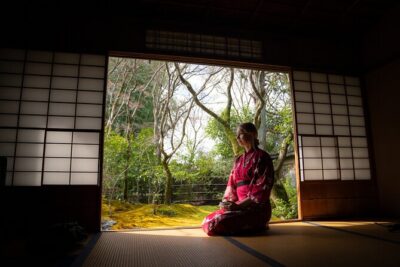
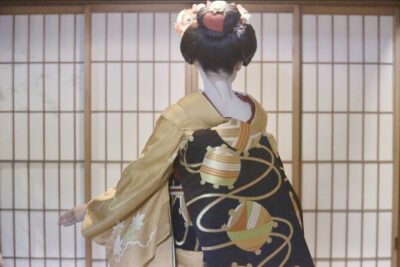
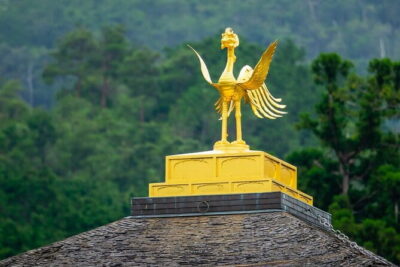

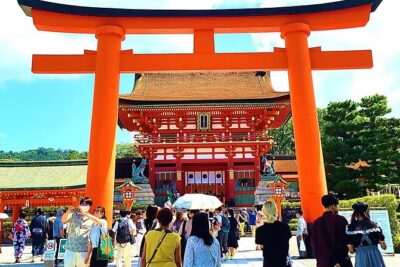
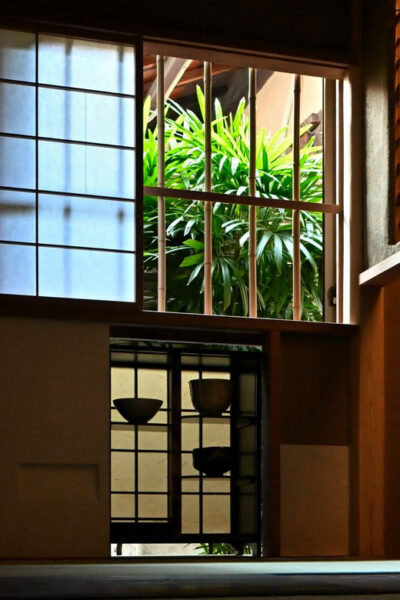
Fushimi Inari and the Temples of Kyoto, side by side.
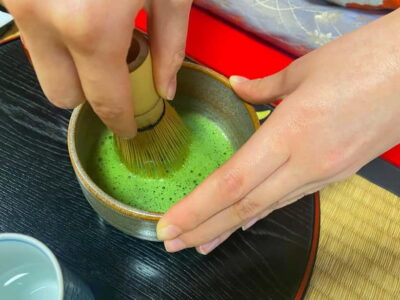 ★ 4.9Tea Ceremony in a Traditional Tea House in KiyomizuFrom $493,519 reviews
 ★ 4.7Kyoto/Osaka: Nara, Fushimi Inari Taisha, Arashiyama Bus TourFrom $521,275 reviews
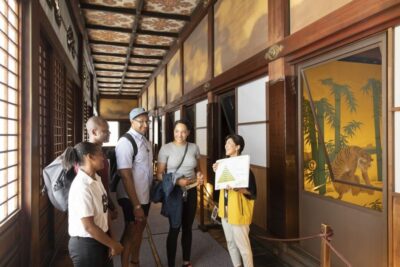 ★ 4.7Nijo-jo Castle and Ninomaru Palace Guided TourFrom $161,020 reviews
 ★ 4.4Osaka/Kyoto: Arashiyama, Nara & Fushimi Inari Shrine w/LunchFrom $61754 reviews
 ★ 4.7Nijo Castle, Kiyomizu & Fushimi Inari Guided TourFrom $54700 reviews
 ★ 5.0Nijo, Kinkaku-ji, Arashiyama, Kiyomizu & Fushimi InariFrom $51699 reviews
 ★ 4.7Imperial Palace & Nijo Castle Guided Walking TourFrom $49453 reviews
 ★ 5.0Kyoto Fushimi-Inari Night Walking TourFrom $43320 reviews