
REVIEW · KOBE AND HIMEJI CASTLE
Himeji Full-Day Private Tour with Government-Licensed Guide
Himeji rewards you for slowing down. This private, full-day tour focuses on Himeji-jo (White Egret Castle) and the surrounding culture, with a guide who lets you pick what to prioritize. I like how it’s built around walkable, meaningful stops like Koko-en Garden next to the castle, plus a sake brewery visit where the human stories behind the brew matter. One thing to consider is that it’s a walking day and the main entrances and lunch are not included, so your final spend will be higher than the headline price.
Because the tour is private and customizable, it feels like Himeji is being translated into something you can actually use. In real-world operation, guides such as Yama-san, Mariko, Rie, and Hiromi are praised for clear explanations and good pacing, even when weather turns ugly. The possible drawback is timing limits: you select 3 to 4 sites, so if you try to do everything on your own wishlist, something will have to wait.
In This Review
- Key highlights worth planning around
- Himeji Castle is the headliner, but the context is the prize
- How a government-licensed guide changes a 6-hour day
- Price, tickets, and what your wallet needs to remember
- Picking your 3 to 4 stops: the tour works best with a decision
- Entering Himeji-jo: World Heritage architecture in real size
- Koko-en Garden: the calm right beside the castle
- Mt. Shosha and Engyo-ji Temple: plan for a ropeway that might not run
- Himeji City Museum of Literature: when you want a quieter cultural beat
- Nadagiku Shuzo sake brewery: the human side of Japanese drink culture
- Hiromine Shrine and the Shinto-Buddhist connection
- Egret Himeji rooftop view: free castle scenery without the stress
- Managing the day like a local, not a checklist
- Who this tour suits best, and who should pick another plan
- Should you book? My honest take
- FAQ
- How long is the Himeji full-day private tour?
- What’s included in the price?
- Are entrance fees and lunch included?
- Is this tour private, and can I customize what I see?
- What happens if the Mt. Shosha ropeway is suspended?
- Which type of guide is provided?
Key highlights worth planning around
- White Egret Castle plus a garden next door, so you get both fortifications and calm in one flow
- Sake culture at Nadagiku Shuzo, including the brewery’s emphasis on female staff who help make the sake
- A pick-your-priority format, so you can steer toward temples, museums, shrines, or rooftops
- Mt. Shosha access may shift, since the ropeway can be suspended during maintenance windows
- Free viewpoints are part of the mix, like the Egret Himeji rooftop area for castle panorama
Castle and beef in one run. Other combinations
- Himeji Half-Day Private Tour with Government-Licensed Guide
★ 5.0 · 236 reviews - Best of Himeji Castle: 3hr Tour with Licensed Guide
★ 5.0 · 186 reviews - 2.5 Hour Private History and Culture Tour in Himeji Castle
★ 5.0 · 185 reviews - Himeji: Himeji Castle Guided Tour – UNESCO Heritage
★ 4.7 · 115 reviews
Himeji Castle is the headliner, but the context is the prize
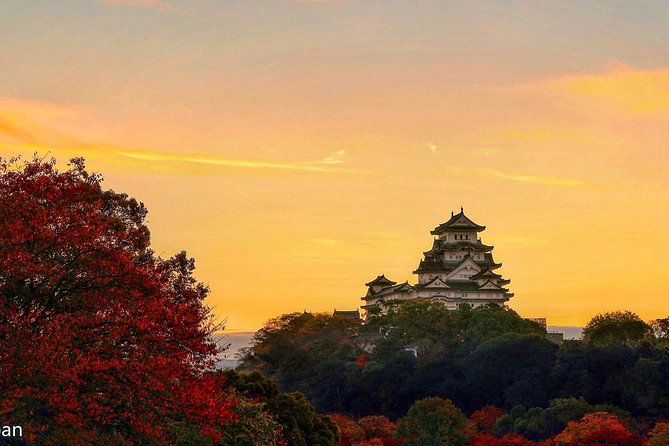
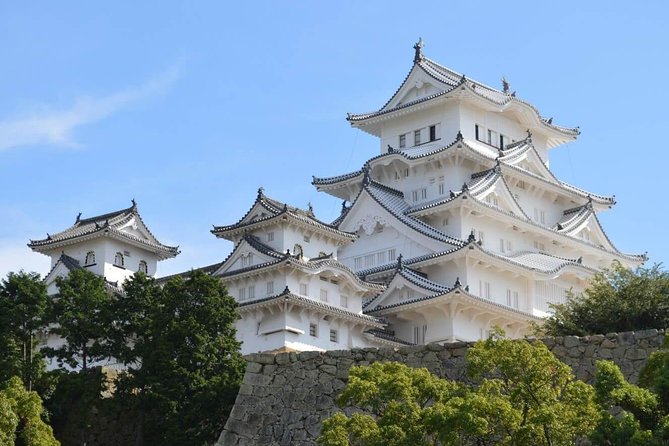
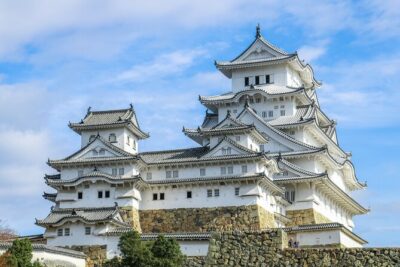
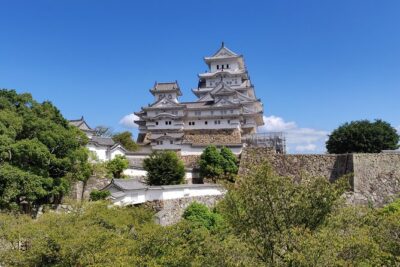
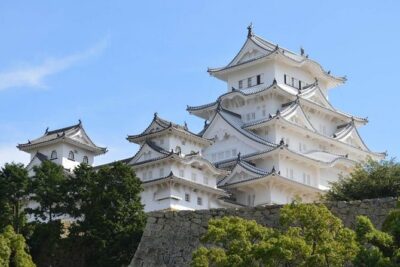
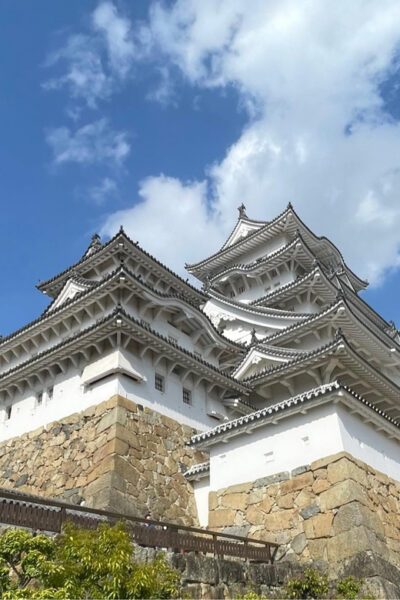
Himeji-jo is the reason most people come. The castle is famous for its architecture and it was registered as a World Heritage site in 1993. What I love about handling it with a guide is that you stop treating it like a photo backdrop and start noticing how the design supports defense, movement, and control.
Your visit is built for a 30-minute castle stop. That’s not long enough to wander aimlessly, but it is long enough to do the big circuits if you have a plan. You’ll also want to time your castle photos around crowd waves. If you’re photo-obsessed, tell your guide early so they can help you pick angles without burning the day.
How a government-licensed guide changes a 6-hour day
This is a private tour, so you’re not squeezed into a larger group schedule. The guide is government-licensed and English-speaking, and you meet on foot within a designated area in Himeji. That matters because Himeji has plenty of spots where English signage is inconsistent, especially once you leave the busiest streets.
A recurring theme in the guide experiences is communication and pacing. People specifically call out guides like Yama-san and Yuka for coordinating an easy meet-up and keeping the day running even in rain. Another guide, Hiro, gets mentioned for being patient and sensitive to interests and needs. That’s the real value of a licensed guide here, not just translation, but deciding what to say while you’re standing in the right place.
Price, tickets, and what your wallet needs to remember
The tour costs $155.22 per person for about 6 hours. It’s sold as a group-friendly value because group discounts can apply, and it’s listed as commonly booked well in advance. That can be useful if your travel dates are fixed and you want a private guide without last-minute scrambling.
Here’s the practical part. Entrance fees, transportation fees, lunch, and personal expenses are not included. So budget for:
- Himeji Castle admission (not included)
- Any other paid entrances you choose from the route options
- Your own lunch
Think of the price as paying for logistics, interpretation, and the ability to pick 3 to 4 stops that fit your style. If you’d rather do Himeji with zero planning and minimal ticket friction, this format tends to pay for itself in time saved.
Licensed guides working the same ground
- Himeji Full-Day Private Tour with Government-Licensed Guide★ 5.0 · 63 reviews
Picking your 3 to 4 stops: the tour works best with a decision
The itinerary has several potential stops, but the tour is designed around choosing your top activities. That’s not just marketing. It prevents the common mistake of cramming too much into a walking day and ending up frustrated.
A smart approach is to decide your theme first, then pick the matching stops:
- Feudal Japan focus: Himeji Castle plus one or two nearby cultural sites
- Religion and ritual focus: Engyo-ji on Mt. Shosha, plus a shrine stop
- Food and drink focus: sake brewery first, then slow down with gardens or viewpoints
- Art and city feel: Himeji City Museum of Literature and a rooftop view
The more decisive you are, the more your guide can protect your time and keep the day coherent.
Entering Himeji-jo: World Heritage architecture in real size
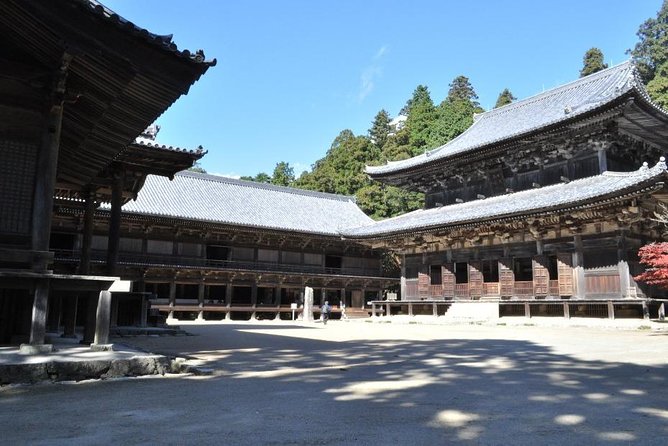
Himeji Castle is the anchor stop. The castle is known for its specific architecture, and it’s rightly celebrated for how well it preserves the feel of a feudal-era defense system. When you have a guide, you’ll spend those 30 minutes learning what you’re looking at rather than simply watching others do selfies.
Practical tip: wear shoes you can stand in. Even “short” castle walks add up fast in Japan, where staircases and uneven stone paths are normal. If you’re concerned about stamina, tell your guide at the start. One of the reasons guides get high marks is that they pay close attention to needs and adjust the pacing.
Koko-en Garden: the calm right beside the castle
Koko-en is a Japanese garden next to the castle, and it’s built as a natural counterpart to Himeji-jo. The garden was constructed for the city’s 100th anniversary and covers about 3.5 hectares. The land originally belonged to part of the castle area, and in 1618 it was excavated to make room for the garden.
This stop is worth it because it changes the tempo. After the castle’s defensive geometry, Koko-en gives you controlled views, seasonal design, and a more human scale. In practice, the value is that you can see how Japanese garden design works as storytelling, not just decoration.
If you care about photos, ask your guide where to stand for the best sight lines from the paths. Guides like Nishi and Norio get praised for pointing out details you’d likely miss alone.
Mt. Shosha and Engyo-ji Temple: plan for a ropeway that might not run
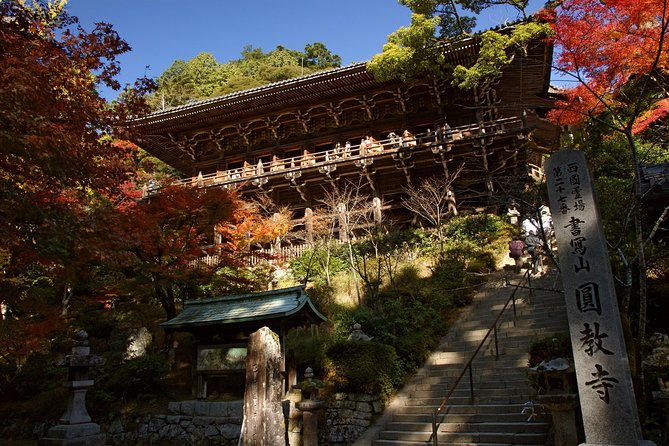
Mt. Shosha is tied to Engyo-ji Temple. Engyo-ji is part of the Tendai sect and sits on the mountaintop. The tour includes a ropeway access note, but it also clearly flags that the ropeway can be suspended for annual maintenance. The schedule mentioned includes February 5, 2026 to March 18, 2026.
What does that mean for your day? It means you should be ready for a more active approach than the ropeway plan. The itinerary includes Mt. Shosha hiking, and in guide experiences people describe a real uphill effort, roughly in the range of 45 minutes up and 45 minutes down for many walkers.
If you’re sensitive to steep paths, bring a light layer and consider walking poles if you use them. If your knees are the issue, tell your guide immediately so they can pace breaks. This is the kind of stop where good guidance matters more than speed.
Also, Engyo-ji has story value. Guides get singled out for sharing temple founder tales and explaining how garden techniques connect to the Japanese aesthetic you’re seeing in Koko-en. Even if you’re not a religion buff, that context turns the visit into something memorable.
Himeji City Museum of Literature: when you want a quieter cultural beat
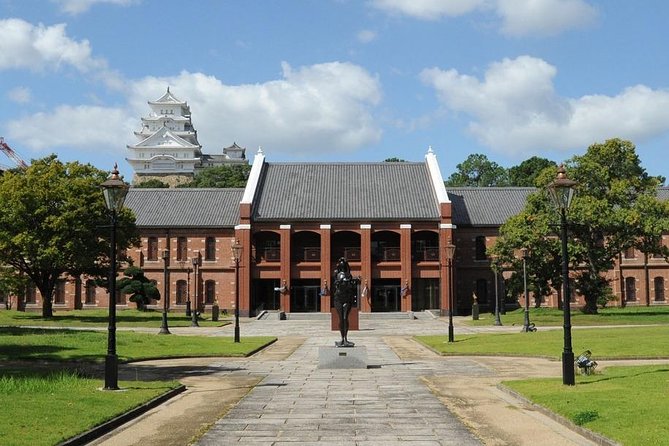
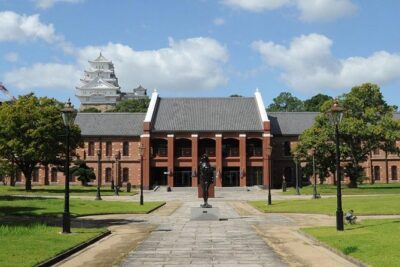
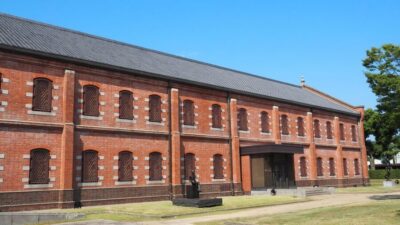
One of the optional stops is the Himeji City Museum of Literature. The building used to be an old army headquarters, and it uses red bricks, which makes it visually distinctive against the town’s more traditional scenery. The museum has a strong focus on Bel, and you get a break from walking-heavy sightseeing.
This is a good choice if you want:
- A short indoor pause
- A change of pace from temples and castle grounds
- A chance to see a different side of Himeji’s story
If you’re traveling with kids or anyone who needs a rest, consider this stop. It can prevent your day from feeling like nonstop walking.
Nadagiku Shuzo sake brewery: the human side of Japanese drink culture
The sake stop is Nadagiku Shuzo. The name comes with cultural weight, since Himeji is associated with the birthplace of Japanese sake in older manuscripts. What makes the stop especially interesting is the brewery’s mention of female members of staff who are making the sake.
In many guide-led days, this kind of visit lands well because it’s not just tasting. It’s watching how a product is made and hearing how the community supports it. Reviews mention sake sampling during the brewery portion, so you can reasonably expect a taste moment, though you should still plan to buy nothing unless you want souvenirs.
Practical tip: if you’re doing tasting and also hiking later, eat something light before the brewery stop. Ask your guide for the most convenient lunch break after your first round of drinking.
Hiromine Shrine and the Shinto-Buddhist connection
Another optional stop is Hiromine Shrine, built in 733 on top of Hiromine Mountain. It’s famous for a place where Shinto and Buddhism were studied together, which tells you something important about how faith in Japan often overlaps rather than divides.
This isn’t a huge time sink since it’s listed as a short stop, but it’s meaningful. It gives you a different lens on the day after Engyo-ji. If you’re interested in how Japanese spirituality shows up in everyday places, this is the kind of stop that adds depth without turning into a long detour.
Egret Himeji rooftop view: free castle scenery without the stress
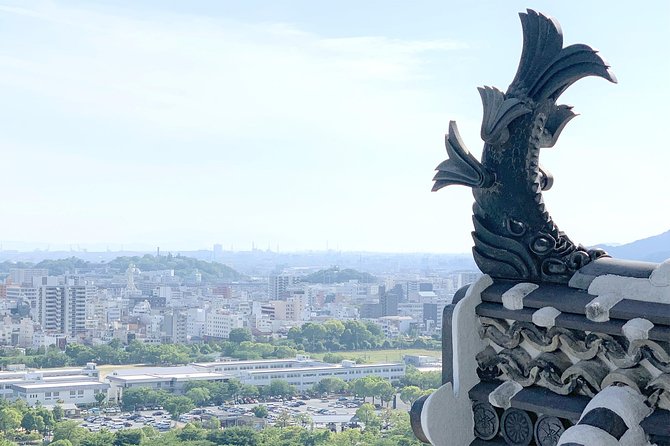
Egret Himeji is a public building with shopping, restaurants, public halls, and a rooftop. The rooftop area is open for free, and it’s set up for castle views. It’s the kind of stop that works if:
- You want photos with less walking
- You prefer a calm viewing window
- You want a break from the “historical sites only” rhythm
This is also a nice option if Engyo-ji access has changed due to ropeway suspension. When the day gets physically heavier, you’ll appreciate any free, low-stress viewpoint you can fit in.
Managing the day like a local, not a checklist
This is a walking tour. Pickup is on foot, and you meet your guide within a designated area of Himeji near public transportation. That means you should arrive a bit early, not right at the meeting time, so you can settle before the day starts.
A few things I’d do to make the 6 hours feel smooth:
- Wear comfortable shoes with grip for stone and stairs
- Carry water, especially if you’re doing Mt. Shosha hiking
- Pack a light rain layer, since rain can happen without warning
- Decide your lunch style early, quick and simple beats slow and frantic
One nice practical detail from guide experiences is that they build in time for a quick bite. That’s important because a hungry group makes everything harder, especially after castle walking.
Who this tour suits best, and who should pick another plan
This tour is ideal if you want a private guide and you’d rather spend your time learning what you’re seeing. It suits:
- First-timers to Himeji
- Couples who want a relaxed day with a clear route
- People who care about Japanese history, gardens, and sake culture
- Families who want a guide to keep the day engaging and organized
It may be less ideal if you:
- Want a non-walking, drive-between-every-stop plan
- Only care about one or two sights and hate paying for guided time
- Need very flexible stops with no structure at all
Should you book? My honest take
I’d book this tour if Himeji is a priority stop and you want it to feel coherent from start to finish. The big reason is the structure: you get a high-impact set of places, but still have the freedom to choose what fits your interests.
Make sure you budget for the extras you pay yourself, especially castle and any other admissions plus lunch. If your dates overlap ropeway maintenance windows for Mt. Shosha, be ready for a hike. If that sounds doable, this is one of the more sensible ways to enjoy Himeji without getting lost in translation, transit, and timing.
If you’re the kind of traveler who likes walking, views, and small cultural details, you’ll probably leave this day thinking you saw Himeji in a way that feels real.
FAQ
How long is the Himeji full-day private tour?
It runs for about 6 hours.
What’s included in the price?
You get a licensed local English-speaking guide, a customizable tour where you select 3 to 4 sites from the options, and meet-up with the guide on foot within a designated area in Himeji.
Are entrance fees and lunch included?
No. Entrance fees, lunch, transportation fees, and other personal expenses are not included.
Is this tour private, and can I customize what I see?
Yes. It’s a private tour for your group only, and you can choose your preferred activities so your guide customizes which 3 to 4 sites you visit.
What happens if the Mt. Shosha ropeway is suspended?
The itinerary notes that the ropeway can be suspended for annual maintenance during listed periods (including February 5, 2026 to March 18, 2026). The plan also includes Mt. Shosha hiking, so you should expect a walking option if the ropeway is not running.
Which type of guide is provided?
You’ll have a government-licensed, multilingual guide, with English speaking included as part of the tour.
Licensed Guides on the Same Ground

Kobe and the White Castle
Newest Himeji write-ups from the Loving Japan desk
Kobe and Himeji Castle, side by side.
 ★ 5.0Himeji Half-Day Private Tour with Government-Licensed GuideFrom $109236 reviews
 ★ 5.0Nara Park, Osaka & Kobe from Kyoto Full Day tourFrom $90207 reviews
 ★ 5.0Best of Himeji Castle: 3hr Tour with Licensed GuideFrom $69186 reviews
 ★ 5.02.5 Hour Private History and Culture Tour in Himeji CastleFrom $178185 reviews
 ★ 4.6From Kyoto: Nara, Osaka & Kobe Day Trip – 3 Cities in 1 DayFrom $129160 reviews
 ★ 5.0KOBE Sake Tasting Tour at Breweries (tasting fee included)From $109154 reviews
 ★ 4.8Volleyball in Osaka, Kobe & Kyoto with locals!From $6131 reviews
 ★ 4.9Himeji: Private Customized Tour with Licensed GuideFrom $106122 reviews
Filed on these lists too