
REVIEW · KOBE AND HIMEJI CASTLE
KOBE Sake Tasting Tour at Breweries (tasting fee included)
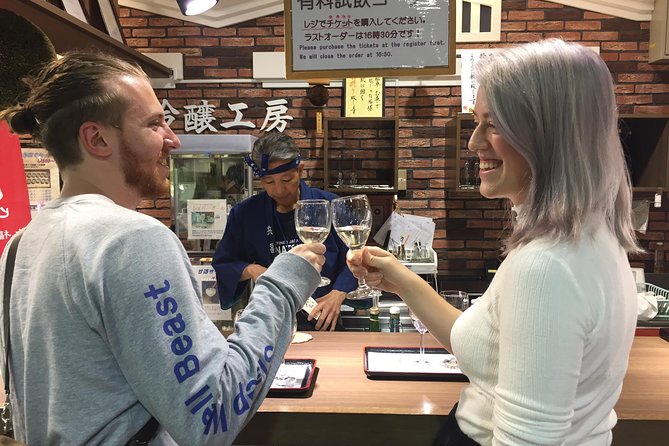
Sake tasting in Kobe sounds simple, until you taste the differences. This tour threads together historic breweries in the Nada district, a quick tofu stop, and museum-style learning, so you go from first sips to real understanding of why Kobe sake tastes the way it does. I especially like the brewery focus at Hakutsuru Sake Brewery Museum and the hands-on explanations around the traditional kimoto-method yeast style.
One consideration: this is a walking loop, and there’s no transportation included, so you need to plan how you’ll get from Ishiyagawa Station to the start, and how you’ll move onward after it ends near Uozaki Station. If it is hot out, wear real walking shoes.
In This Review
- Key highlights to look for
- Nada Gogo, Kobe: why this sake trail feels different
- Price and value: what $109.01 really buys you
- Timing and route: Ishiyagawa to Uozaki in about 3.5 hours
- Stop 1: Kobe Shushinkan Brewery (Fukuju) and the feel of classic craft
- Stop 2: Okage Tofuan for a tofu reset between sips
- Stop 3: Hakutsuru Sake Brewery Museum, where you learn by looking
- Stop 4: Kiku-Masamune Shuzo Kinenkan and kimoto-method tasting logic
- How the tastings are set up: from unfiltered to seasonal
- Guides and the human touch: Hiro, Romi, and the relaxed pacing
- What to bring, what to wear, and what to skip
- Who this tour fits best in your Kobe plan
- Should you book? My honest call for most travelers
- FAQ
- How long is the Kobe sake tasting tour?
- What is the price per person?
- Does the price include sake tastings?
- How many stops are included?
- Where does the tour start and end?
- What time does the tour start?
- Is transportation to and from the tour included?
- Is there a group size limit?
- Are children allowed?
- What should I do if I need to spit during tastings for professional evaluation?
- What happens if the tour is canceled due to poor weather?
Key highlights to look for
- 4 brewery stops plus a tofu shop break in Kobe’s Nada sake area, with tasting built in
- Tastings valued at ¥2,000 included, so you are not nickel-and-diming flavor time
- Guides like Hiro and Romi are repeatedly praised for clear English and friendly, professional hosting
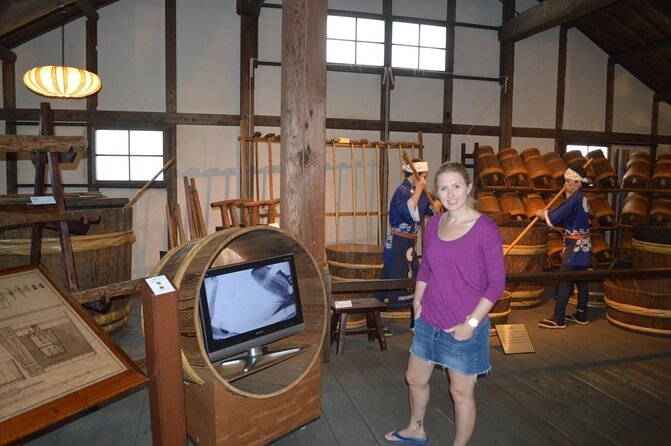
- Kimoto-method museum learning at Kiku-Masamune, with traditional wooden brewing tools on display
- A pace with cooling breaks, which matters when you are sampling multiple styles
- Small group size (max 10), which makes questions actually possible
Castle and beef in one run. Other combinations
- KOBE Sake Tasting Tour at Breweries (tasting fee included)
★ 5.0 · 154 reviews - Kobe Highlights & Hidden Gems: Private & Custom Tour with a Guide
★ 4.5 · 70 reviews - Kobe 4hr Private Tour with Government-Licensed Guide
★ 5.0 · 59 reviews - Kobe: Guided Sake Breweries Tour with Tastings
★ 5.0 · 55 reviews
Nada Gogo, Kobe: why this sake trail feels different
Kobe’s Nada sake district is not just a place to drink. It is a place where you can see how the same region can produce very different flavors depending on technique, ingredients, and timing. The tour is built around that idea: you move stop to stop, tasting while the story is still fresh in your mind.
A big reason Nada stands out is the local water. Multiple guides and explanations point to the Rokko Mountain water connection, and you feel that the region is treated like an ingredient, not just a backdrop. When you compare unfiltered styles with seasonal specialties later in the walk, the contrast lands harder because you already know what makes Kobe’s brewing environment special.
Price and value: what $109.01 really buys you
At $109.01 per person, you are paying for more than a few pours. The tasting fee is included, listed as tasting worth ¥2,000, and the total price also includes all taxes, fees, and handling charges. In plain terms, it is designed to remove the most annoying part of tours, the part where you wonder if you are paying extra for the stuff you came for.
You also get a professional, English-speaking guide and enough structure to cover multiple breweries in one afternoon without you needing to research opening hours. That matters in Japan, where breweries, museums, and shops can operate on different schedules.
The only “hidden cost” is your time and movement. Since transportation to and from the attraction is not included, you should expect to spend a bit of mental energy mapping your rail route.
Timing and route: Ishiyagawa to Uozaki in about 3.5 hours
The tour runs for about 3 hours 30 minutes with a 1:00 pm start. It begins at Ishiyagawa Station (address listed as 2 Chome-28 Mikagetsukamachi, Higashinada Ward, Kobe) and ends at Hanshin Uozaki Station (4-chōme-7 Uozaki Nakamachi, Higashinada Ward, Kobe).
That end point detail is useful when you are planning dinner. If you like keeping your schedule simple, treat this as an afternoon anchor, then build your evening around Uozaki or wherever your next train connection is.
Also, the tour is limited to a maximum of 10 travelers. In practice, that tends to mean you do not get stuck talking only at the group level. You can ask questions about what you are tasting, how to interpret sweetness or dryness, and what brewing terms actually mean.
Pour another. Breweries and tasting rooms nearby
- Sake Brewery and Japanese Life Experience Tour in Kobe★ 5.0 · 39 reviews
- Kobe: 3-Hour Sake Breweries Tour with Special Tasting★ 4.4 · 25 reviews
Stop 1: Kobe Shushinkan Brewery (Fukuju) and the feel of classic craft
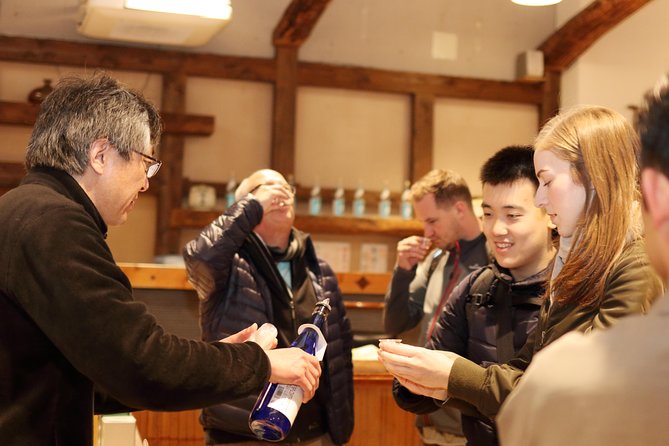
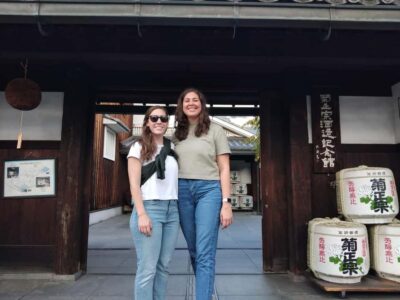
Your first visit is to Kobe Shushinkan Brewery, founded in 1751. This brewery has maintained the name Fukuju and is presented as a place dedicated to handcrafted production. Starting here is smart because it sets a baseline for what “core” sake tastes like before you move into museum details and more technique-focused explanations later.
You should plan to use this stop to train your palate for the rest of the day. Early tastings are where you start noticing patterns: what unfiltered sake feels like on the nose, how the finish changes, and which style seems to match your preferences.
The stop time is about 50 minutes, with the admission ticket included. That is enough time for a real look, not just a fast door-to-door tasting.
Stop 2: Okage Tofuan for a tofu reset between sips
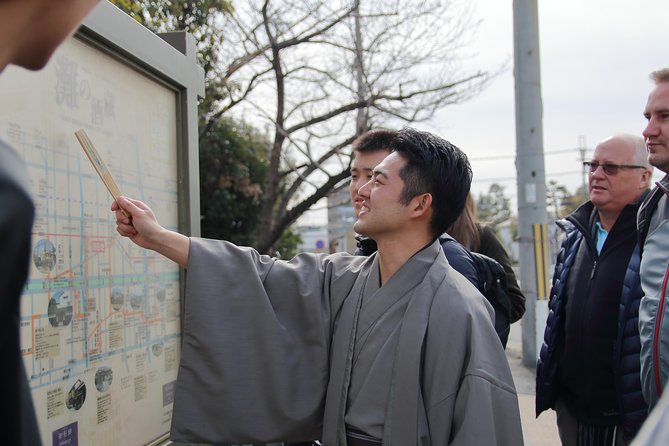
Between breweries, you get a brief break at Okage Tofuan. It is described as being founded over 60 years ago, making fresh tofu every morning and delivering it with care. The reason this stop fits the sake theme is the repeated point that sake and tofu both rely on pure water and careful ingredients.
This is not just a snack stop. It is a palate reset. The softness of tofu and its mild flavor can help you reset between different sake styles, so the next tasting feels clearer instead of “all tasting the same.”
The scheduled time is short, about 10 minutes, but it is timed to keep the walking loop comfortable.
You may also see light pairings during the tour. One of the recurring themes in the experience feedback is that there are small food breaks that help you understand how flavor changes with a bite. Dried fish and nuts with warm sake came up in the reviews, along with rice snack stops.
Stop 3: Hakutsuru Sake Brewery Museum, where you learn by looking
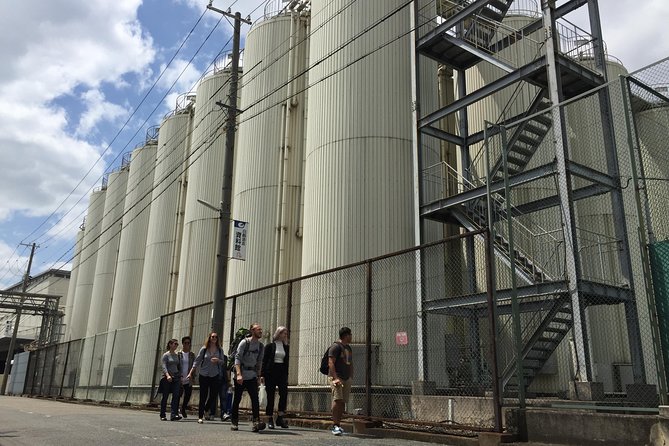
Next up is Hakutsuru Sake Brewery Museum, described as Japan’s largest brewery, with an old sake brewhouse opened to the public in its original form. If you like understanding how something works, this is one of the most valuable stops.
Seeing equipment and layout helps you connect the tasting notes to actual production choices. You can walk away with a mental map instead of just remembering the flavors. And because this is a museum format visit, the guide typically has room to explain terms and process steps without rushing.
The stop time is about 50 minutes, admission ticket included. That length is a good match for people who want both learning and tasting, not just one or the other.
Stop 4: Kiku-Masamune Shuzo Kinenkan and kimoto-method tasting logic
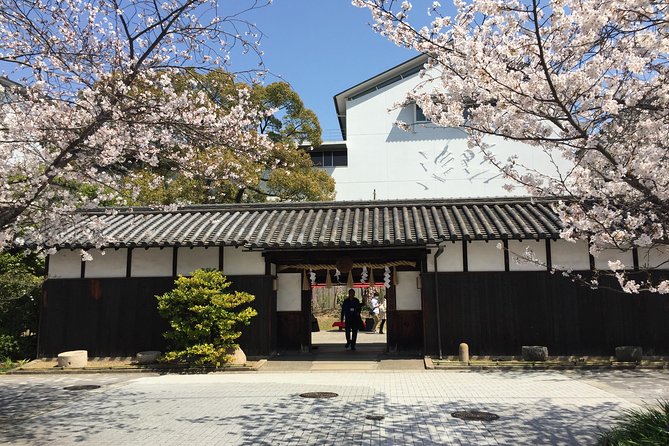
The final brewery-focused stop is Kiku-Masamune Shuzo Kinenkan. This is where the tour leans hard into technique. It is known for preserving the traditional kimoto-method yeast sake making style.
Even if you do not memorize all the brewing terminology, this stop helps you understand why certain styles taste a certain way. Traditional methods are usually about more than tradition. They can shape fermentation behavior, which can shape aroma and texture.
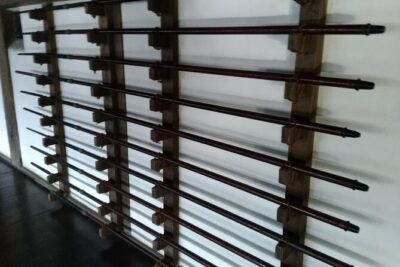
The museum shows many wooden sake-making tools, which is excellent if you like visual learning. The scheduled time is about 30 minutes, admission ticket included.
One practical note: breweries can change depending on what is open. The tour describes that sake breweries are subject to change. If your travel style is “show up and trust the plan,” this is fine. If you have your heart set on a specific brewery name, keep a flexible mindset.
How the tastings are set up: from unfiltered to seasonal
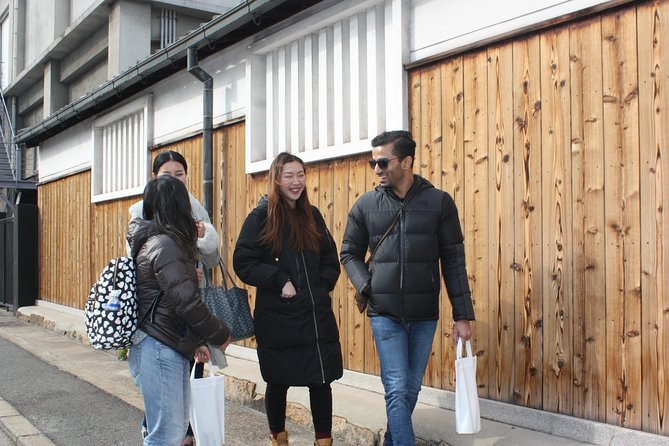
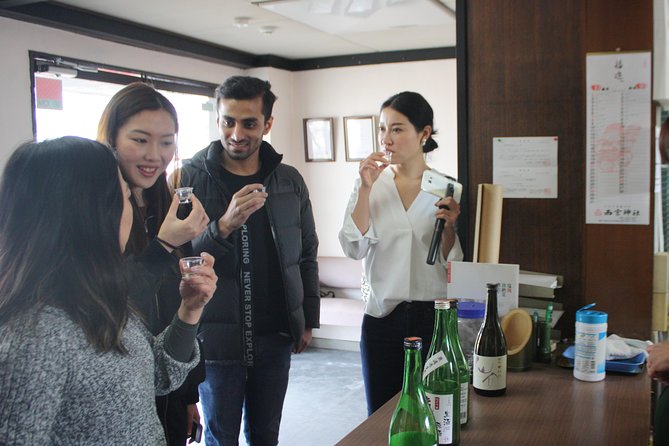
The tour is designed around tasting premium sakes across styles, including unfiltered and seasonal specialties. That mix is the point. Unfiltered sake often feels fuller and more expressive, while seasonal styles can show you how producers respond to time of year and temperature shifts.
You can also expect to taste multiple examples in a way that encourages comparison. Guides repeatedly get praised for explaining the differences, and that matters because sake terms can sound like language class at first. When it is done well, you stop thinking about words like “umami” as a vague concept and start using them as a practical tasting cue.
A few helpful habits for you:
- Take notes mentally, not digitally, because you are walking between places.
- Smell first, then sip, then pause. You will notice aroma changes more than you expect.
- Use the food stops as a reset button, especially the tofu.
Guides and the human touch: Hiro, Romi, and the relaxed pacing
This experience has one of the strongest guide patterns I have seen in a food and drink tour type. Names like Hiro and Romi show up again and again, described as professional, warm, funny, and able to answer questions clearly in English.
What I love about this style of guiding is that it is not only lectures. People mention conversations, individual attention, and guide hosting that makes the whole afternoon feel easy. That is a big deal on an adult tasting tour, because the best outcome is you leaving with new favorites, not just a calendar stamp.
There are also practical weather and comfort habits you should appreciate. In hotter conditions, reviews mention guides bringing water and sometimes fans or umbrellas, which is exactly the kind of small planning that keeps the tour enjoyable instead of miserable.
What to bring, what to wear, and what to skip
Sake tours are fun, but they are also real walking days through brewery neighborhoods. So I recommend you treat it like an afternoon hike with snacks.
Bring:
- Comfortable walking shoes (you will be moving between stops)
- A small bottle of water if you tend to get thirsty between tastings
- An easy layer for indoor museum spaces
If you want to shop for souvenirs, plan for that too. One of the recurring themes in the reviews is that people had time to shop and were tempted to buy more because the tastings helped them pick what they actually liked.
What to skip:
- Do not assume you can come with zero appetite. The tour includes tastings and there are snack or food pairings at breaks. Still, it helps if you eat something before you start, especially because it is not recommended for child-aged travelers 19 and under.
Important tasting behavior note: if you intend to spit during tastings for professional evaluation practices, the tour says you should contact in advance. Most people drink as served, but this is a special case.
Who this tour fits best in your Kobe plan
This is ideal if you want:
- A guided way to understand how sake is made, not just what it tastes like
- A walk through the Nada district that combines history, food, and sampling
- A small-group atmosphere where you can ask questions
It also fits well if you are coming from Osaka for a short trip. Many tasting tours feel like a long transit tax. Here, the structured stops and small group size make the afternoon feel purposeful.
It may be less ideal if:
- You dislike walking or hot weather conditions
- You want an experience that includes private transport
- You are traveling with a stroller but did not plan ahead. The tour asks you to let them know if you bring one.
Should you book? My honest call for most travelers
Yes, I think you should book this tour if you want a satisfying Kobe afternoon with both tasting and real learning. The value story is strong because tasting is included (¥2,000 worth) and the group is small, which means you are more likely to get a guide who can respond to your questions.
I would also book it over a generic sake bar crawl if your goal is deeper understanding. Brewery museums and method-focused stops, like the kimoto-method theme at Kiku-Masamune, give you that “now I get it” moment.
Only skip or rethink if you know you hate walking, you will struggle to handle your own transit to the meeting point, or you need an experience that is strictly family-friendly for kids 19 and under, since the tour notes it is not recommended for that age range.
If you like practical travel moments, this is one of those tours that turns a region into a story you can taste.
FAQ
How long is the Kobe sake tasting tour?
The tour lasts about 3 hours 30 minutes.
What is the price per person?
The price is $109.01 per person.
Does the price include sake tastings?
Yes. The tasting fee is included, listed as ¥2,000 worth of sake tasting.
How many stops are included?
The plan includes four main stops: Kobe Shushinkan Brewery, Okage Tofuan, Hakutsuru Sake Brewery Museum, and Kiku-Masamune Shuzo Kinenkan.
Where does the tour start and end?
It starts at Ishiyagawa Station (address listed for 2 Chome-28 Mikagetsukamachi, Higashinada Ward, Kobe) and ends at Hanshin Uozaki Station (address listed for 4-chōme-7 Uozaki Nakamachi, Higashinada Ward, Kobe).
What time does the tour start?
The start time is 1:00 pm.
Is transportation to and from the tour included?
No. Transportation to or from the attraction is not included.
Is there a group size limit?
Yes. The tour has a maximum of 10 travelers.
Are children allowed?
It is not recommended for child aged 19 and under.
What should I do if I need to spit during tastings for professional evaluation?
If you intend to spit during the tasting for professional evaluation practices, you should contact in advance.
What happens if the tour is canceled due to poor weather?
If it is canceled because of poor weather, you will be offered a different date or a full refund.
If you want, tell me your travel dates and whether you are doing Osaka too, and I’ll suggest a tight half-day schedule that fits this 1:00 pm start.
Cups, Cellars and Tasting Rooms


Kobe and the White Castle

Newest Kobe write-ups from the Loving Japan desk
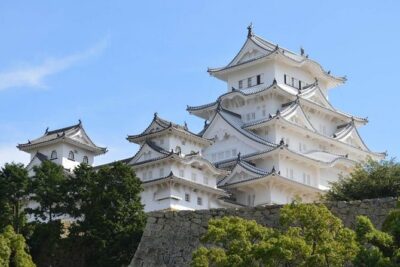
Kobe and Himeji Castle, side by side.
 ★ 5.0Himeji Half-Day Private Tour with Government-Licensed GuideFrom $109236 reviews
 ★ 5.0Nara Park, Osaka & Kobe from Kyoto Full Day tourFrom $90207 reviews
 ★ 5.0Best of Himeji Castle: 3hr Tour with Licensed GuideFrom $69186 reviews
 ★ 5.02.5 Hour Private History and Culture Tour in Himeji CastleFrom $178185 reviews
 ★ 4.6From Kyoto: Nara, Osaka & Kobe Day Trip – 3 Cities in 1 DayFrom $129160 reviews
 ★ 4.8Volleyball in Osaka, Kobe & Kyoto with locals!From $6131 reviews
 ★ 4.9Himeji: Private Customized Tour with Licensed GuideFrom $106122 reviews
 ★ 4.7Himeji: Himeji Castle Guided Tour – UNESCO HeritageFrom $83115 reviews