REVIEW · JAPAN
Japan Classic 10 Day – One Life Adventures
Japan can feel like two countries at once. One minute you’re staring at temple gates in Tokyo, the next you’re riding a bullet train through mountain scenery. This 10-day Japan Classic route is a fast-paced, backpacking-style sampler that stacks big sights with real culture, good food, and a small-group vibe.
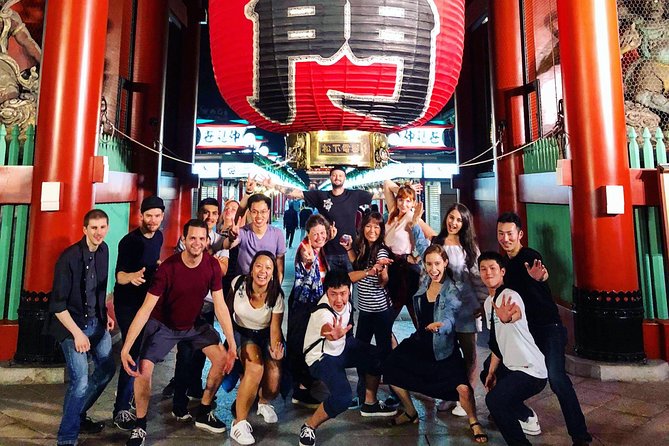
I especially like how the days mix iconic targets with hands-on moments. You get structured highlights like Senso-ji at night, sushi making in Tsukiji, and a kendo class in Kyoto, not just photo stops. And the group energy seems to land well too, with guides like Ashleigh praised for high spirits, professionalism, and keeping everyone smiling even when the pace gets serious.
The main consideration is the tempo. This is a lot of walking and travel days in a short window, so you’ll want moderate physical fitness and comfortable shoes.
In This Review
- Key things that make this Japan Classic 10 day tour work
- Tokyo To Osaka, With Food, Temples, and Trains That Keep Moving
- Day 1 in Tokyo: Senso-ji at night plus a food welcome
- Day 2: Harajuku, Meiji Jingu, Akihabara, and Shibuya’s crosswalk
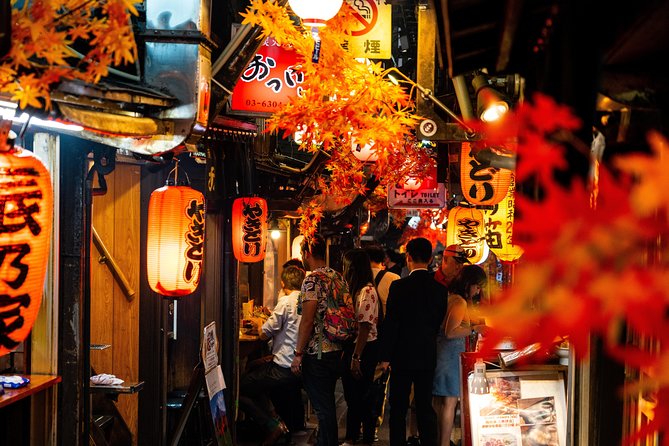
- Day 3: Tsukiji sushi making, Shinjuku skyline, and Omoide Yokocho
- Day 4: Hakone ropeway, Lake Ashi, and the Mt. Fuji view lottery
- Day 5: Bullet train to Takayama, Hida sake tasting, and countryside energy
- Day 6: Takayama morning market, then Kyoto arriving with calm
- Day 7: Early Fushimi Inari gates, Kiyomizu-dera, and Kyoto morning time
- Day 8: Golden Pavilion, Daitoku-ji zen garden, and kendo at the Kyoto Budo Center
- Day 9: Arashiyama bamboo, Monkey Park steps, private rowboat, then Osaka lights
- Day 10: Osaka goodbye day
- Price and Logistics: Is $6,629 good value for this 10-day Japan Classic?
- What it’s like in your shoes: pace, group size, and guide energy
- Practical packing and prep tips that match this tour style
- Should you book this Japan Classic 10 Day tour?
- FAQ
- What cities does the tour cover?
- How long is the Japan Classic 10 Day tour?
- What meals are included?
- Is tipping included?
- Do I need to arrange my own flights and travel insurance?
- What tickets does the tour use?
- When do I get confirmation after booking?
- How many people are in the group?
- Where does the tour finish and how do I get to the airport?
Key things that make this Japan Classic 10 day tour work
- Tokyo built first, with temple time, Harajuku and Meiji Jingu, Akihabara neon, and Shibuya’s crossing
- Food is not an afterthought, including sushi making at Tsukiji and yakitori and beer in Omoide Yokocho
- Hakone delivers scenic payoff, with ropeway rides and a Lake Ashi sail when conditions allow
- Kyoto comes early and late, including early Fushimi Inari for fewer crowds and a quieter zen stop at Daitoku-ji
- Osaka ends strong, with Dotonbori lights and a karaoke night
- Small group size (max 22) helps keep things coordinated across fast days
Still weighing up options in Tokyo? These are the ones our reviewers rated highest.
- Mt Fuji and Hakone 1-Day Bus Tour Return by Bullet Train
★ 5.0 · 26,383 reviews - 1-Day Tokyo Bus Tour
★ 5.0 · 14,250 reviews - Tokyo: teamLab Planets TOKYO Digital Art Museum Entry Ticket
★ 4.6 · 9,779 reviews - Mt Fuji & Hakone Cruise, Drum Show Bullet Train 1 Day from Tokyo
★ 4.0 · 7,413 reviews
Tokyo To Osaka, With Food, Temples, and Trains That Keep Moving
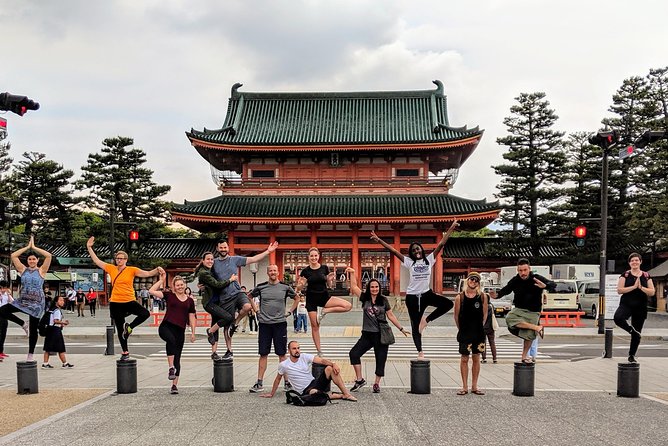
This tour is built for people who want momentum. You start in Tokyo and finish in Osaka, which is a smart flow for first-timers because you can “ride” Japan’s rail network south through the places most visitors dream about.
What you get is a classic mix:
- big city icons (Shibuya, Akihabara, Shinjuku views)
- spiritual stops (Senso-ji, Fushimi Inari, Kiyomizu-dera, Golden Pavilion)
- mountain and lake scenery in Hakone
- traditional towns like Takayama
- quiet zen time in Kyoto
- big Osaka energy for food and nightlife
And because it’s structured as a group tour with a guide, you’re not constantly figuring out the next connection on your own. That matters on a tight 10-day schedule.
Day 1 in Tokyo: Senso-ji at night plus a food welcome
Your first evening starts with a group meal and time to meet everyone. It’s a good way to settle in because jet lag hits hard on day one, and you do not want to spend your first night hunting for your bearings.
After dinner, you head to Senso-ji Temple, one of Tokyo’s most important temples. The famous red temple complex is the kind of sight that makes you understand why Japan keeps pulling people back. Even if you’ve seen photos, standing there in person is different. Expect a lively atmosphere, lots of visual detail, and the satisfying feeling of being in the middle of the real Tokyo rhythm.
Practical takeaway: day one is about orientation and vibe. Don’t over-plan activities beforehand, and let the group schedule do the heavy lifting.
Day 2: Harajuku, Meiji Jingu, Akihabara, and Shibuya’s crosswalk
This is a full-on Tokyo culture day, built around very different neighborhoods.
- Harajuku Station kicks things off at the birth place of Japanese teen pop culture. It’s a quick way to see how fashion and youth culture shape the city’s street-level identity.
- Then you get Meiji Jingu Shrine, paired with time around Yoyogi Park. This contrast is the point: city noise gives way to a more grounded, calm setting.
- Next is Akihabara, Tokyo’s electric electronics and anime and gaming town. If you like browsing, this is where you can burn time fast. Just remember the tour pace keeps you moving, so come with curiosity, not a rigid shopping list.
- Finally, you end with Shibuya Crossing, the world-famous pedestrian scramble. Even if the crossing looks chaotic in videos, seeing it in person helps you understand the choreography of modern Tokyo.
Possible drawback here: this day is visually intense and you’ll walk. If your feet are already sensitive from travel day, plan early rest at night.
- Mt Fuji and Hakone 1-Day Bus Tour Return by Bullet Train★ 5.0 · 26,383 reviews
- 1-Day Tokyo Bus Tour★ 5.0 · 14,250 reviews
- Tokyo: teamLab Planets TOKYO Digital Art Museum Entry Ticket★ 4.6 · 9,779 reviews
- Mt Fuji & Hakone Cruise, Drum Show Bullet Train 1 Day from Tokyo★ 4.0 · 7,413 reviews
- Tokyo: Shinjuku Food Tour (13 Dishes at 4 Local Eateries)★ 5.0 · 6,603 reviews
Day 3: Tsukiji sushi making, Shinjuku skyline, and Omoide Yokocho
Day three leans hard into food and big skyline views.
You start at Tsukiji Fish Market, which is where Tokyo’s seafood obsession got its reputation. Then the highlight: a sushi making class plus a chance to learn how to roll sushi and fry teriyaki. That hands-on piece turns this from a sightseeing day into a skill-building day you can remember later.
After lunch, you head toward the Tokyo Metropolitan Government Building Observation Decks. This is a practical choice for skyline views because it’s built for access and timing. Then you move into Shinjuku, and you finish the day with a meal stop at Omoide Yokocho, also nicknamed Piss Alley. It’s known for its tiny alley energy and yakitori-and-beer atmosphere.
You wrap with Shibuya Crossing again, which sounds repetitive until you realize it’s a different experience after dark. The lights hit harder, and you’re seeing the same city machine from a new angle.
Day 4: Hakone ropeway, Lake Ashi, and the Mt. Fuji view lottery
Now you leave Tokyo and head into mountain scenery. The day includes a Romance Car ride out of the city, then you check into a mountain guesthouse area.
From there, the core views come from:
- Hakone Ropeway, which gives you elevated panoramas as you climb and look outward
- Lake Ashinoko, where you disembark and take a pirate ship-style sail across the lake
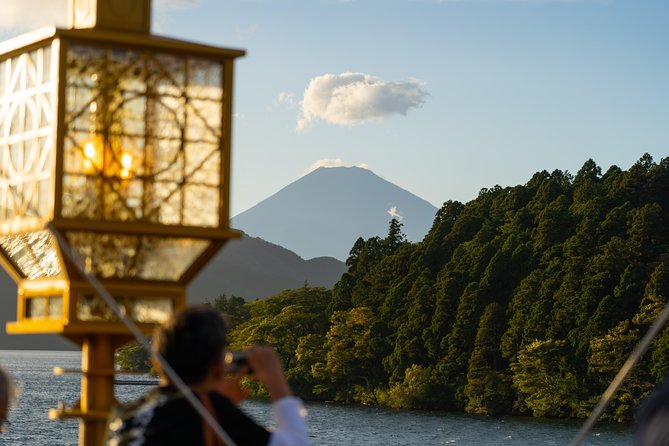
On a clear day, you can get an amazing look toward Mt. Fuji. Here’s the honest part: this is the famous Mt. Fuji view lottery. If weather is less cooperative, the lake scenery still delivers, but you might not get the full cone shot.
You end with a traditional nabe dinner in the guesthouse. Nabe is a cozy comfort-food choice for a cooler mountain night, and it fits the “slow down” mood after fast Tokyo days.
Day 5: Bullet train to Takayama, Hida sake tasting, and countryside energy
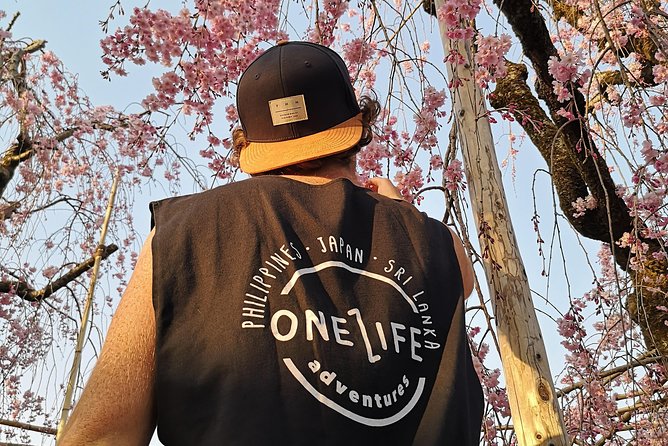
This is where the trip shifts from big-city sightseeing into Japan’s smaller-scale charm.
You take a bullet train toward the Nagoya area, then continue by scenic train routes past mountain scenery toward Takayama. Even if you’re not a train fanatic, this stretch matters because it breaks the rhythm. It gives you a sensory “reset” from Tokyo and sets up Takayama as the kind of place you can actually wander without rushing every hour.
In the afternoon, you visit the Harada Sake Brewery for sake tasting. You also get a chance to treat yourself to Hida beef, which is one of those regional foods you’ll want to try at least once.
The payoff of this day is simple: you’re eating and drinking like a traveler who stayed long enough to notice local specialties, not just someone grabbing a meal on the run.
Day 6: Takayama morning market, then Kyoto arriving with calm
The morning begins at the Hida-Takayama Miyagawa Morning Market, along the banks of the Miyagawa River. It’s one of the best “feel the place” activities on the whole route because you’re walking through a real daily market, not a theme market. You also get a guide-led flow, which helps you know what to look at and what questions to ask.
Then you head back through Nagoya and take the final bullet train into Kyoto.
Kyoto’s theme is different from Tokyo. Here, the city feels built for slow wandering and back-alley discoveries. The plan includes an evening walk and an included dinner moment (with a start time that aims to avoid dragging you through Kyoto’s busiest hours).
If you only know Kyoto from postcards, this kind of day is what helps you understand why people keep coming back for the alley feeling and the temple pacing.
Day 7: Early Fushimi Inari gates, Kiyomizu-dera, and Kyoto morning time
Day seven is scheduled for one reason: beat the crowds.
You rise early and go to Fushimi Inari-taisha Shrine, arriving early so you can move through the corridor of never-ending red gates with more breathing room. Walking up through those gates changes your perspective fast, because each turn reveals a slightly different view and depth.
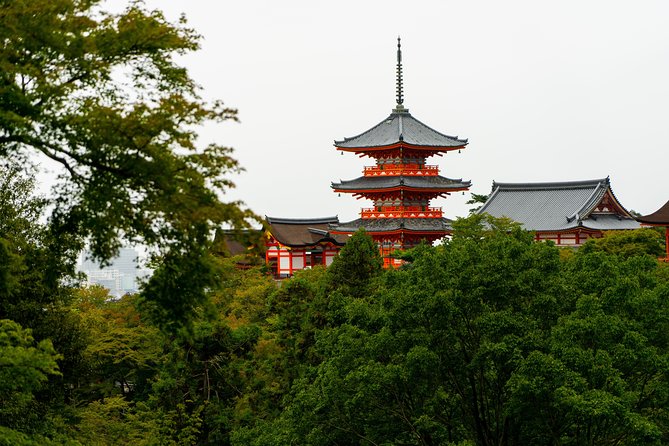
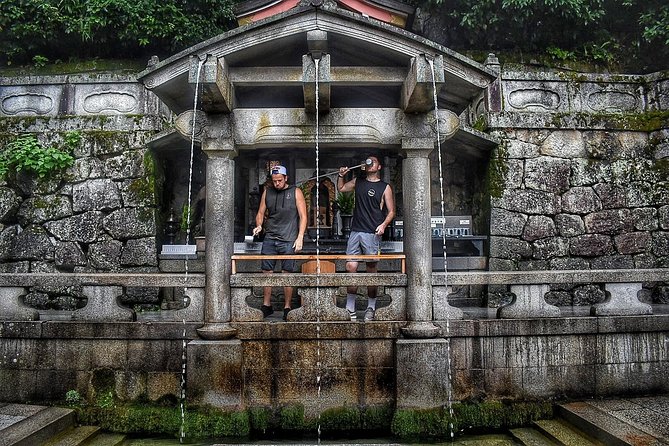
Then you head to Kiyomizu-dera Temple, one of Kyoto’s most famous temples, perched high on the mountainside. The complex includes wooden and bamboo surroundings that help the temple feel both dramatic and grounded.
Later, you return and eat breakfast. That detail is small, but it’s important. After a morning of walking, having time built in keeps the day from turning into pure fatigue.
Day 8: Golden Pavilion, Daitoku-ji zen garden, and kendo at the Kyoto Budo Center
This is a balanced Kyoto day: iconic beauty in the morning, quieter focus later, then an action-based cultural class.
First up is Kinkakuji Temple, the Golden Pavilion. It’s surrounded by lakes that can reflect the building, which is why the “golden” look becomes more than just color. You’re seeing architecture as a whole visual system.
Next you go to Daitoku-ji Temple, specifically the quieter group of buildings and temples away from the main tourist districts. You visit a zen garden, which is a great counterweight to the earlier “wow” factor. It gives you a mental shift from crowds and camera angles to stillness and observation.
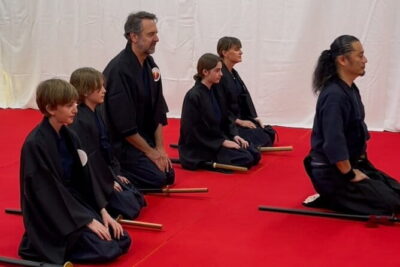
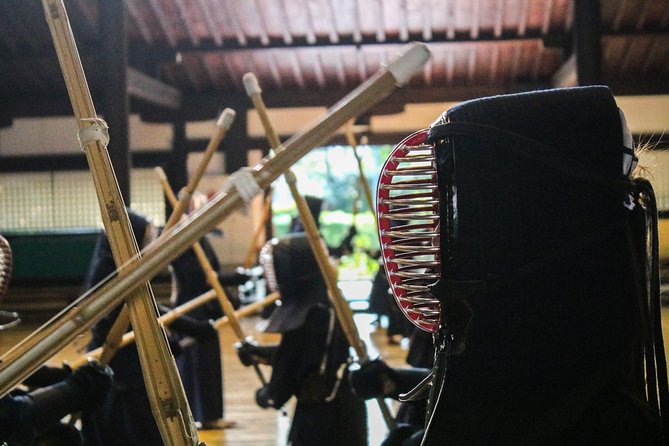
In the afternoon, you head to the Kyoto Budo Center for a kendo class. The instructor is described as a Bushido teacher and a descendant of a Japanese Samurai Warrior, and the class format is built around respectful learning. Even if you are not athletic, this is one of those experiences that makes cultural tradition feel physical and real.
Day 9: Arashiyama bamboo, Monkey Park steps, private rowboat, then Osaka lights
This day feels like a handoff from Kyoto’s calmer pace to Osaka’s bigger personality.
You start in Arashiyama and aim for early timing so you can explore before the heaviest crowd crush. The plan includes time through bamboo forest street and then Monkey Park Iwatayama, which means climbing steps for a view and the chance to spot Japanese macaques.
Then you head into Arashiyama for a more traditional-feeling water moment with a private rowboat ride in the valleys.
After that you travel to Osaka, check in, and head to Dotonbori. This is where the city turns louder and brighter, with neon lights, colorful signs, and a food-focused atmosphere. The day includes a food tour here, and you end the night with karaoke, a fun way to close a trip day with laughs rather than another temple stair climb.
Day 10: Osaka goodbye day
Your final day is a lighter landing. It’s set up for you to say goodbye to the group and head onward after a long, rewarding run across Japan.
There’s also a practical note: the tour ends at your accommodation in Osaka, and you’ll receive detailed instructions for reaching the airport. If you want to go back to Tokyo after the tour, bullet trains can be arranged at an additional cost.
Price and Logistics: Is $6,629 good value for this 10-day Japan Classic?
At $6,629 for about 10 days, you’re paying for two things: time efficiency and guide-managed flow. In Japan, the big-ticket cost is often not a single attraction ticket, it’s the combined cost of transport plus the mental load of making a tight route work.
This tour includes:
- lunch daily
- breakfast (4) and dinner (3)
So even without counting every meal you eat on your own, you’re likely saving money compared to doing every lunch and breakfast independently, especially in more expensive areas like Tokyo and Kyoto.
Then there’s the value of the structured experiences: sushi making in Tsukiji, Hakone ropeway and Lake Ashi boat time, a morning market with a local guide, and kendo instruction. Those add more than “admission value.” They also reduce time spent hunting for what’s worth it.
The tradeoff is that you’re on a schedule. If you love slow mornings and unplanned detours, you’ll have to negotiate with the tour pace.
What it’s like in your shoes: pace, group size, and guide energy
This is an active tour. The route is described as fast-paced with lots of walking, and the fitness level suggested is moderate. In practice, that means you should plan on strong daily steps, time on your feet, and quick transitions between neighborhoods.
You’ll also appreciate the group size limit of 22 travelers (maximum). Smaller than the mega tours, large enough for energy.
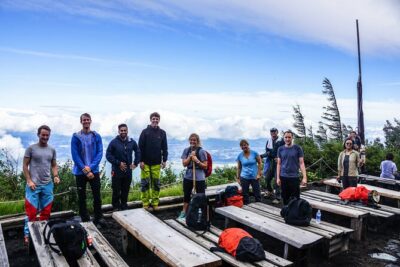
One of the standout themes from the tour feedback is the guide impact. Ashleigh is singled out for carrying the trip with high energy, kindness, and professionalism, plus witty jokes that helped keep morale up. That matters on a packed route, because when one day runs long, it’s the guide who keeps you moving without turning the mood sour.
Practical packing and prep tips that match this tour style
This route works best if you prepare for walking and switching contexts.
- Bring comfortable shoes you can wear for long stretches. Temple days mean uneven surfaces and lots of stairs.
- Pack light enough that moving between cities does not feel like a chore. You’ll be traveling across Tokyo, Hakone, Takayama, Kyoto, and Osaka.
- Consider an early night strategy on days that start with early departures, especially around Fushimi Inari.
- Keep a simple routine for meals. Since lunch is included and several breakfasts and dinners are built into the plan, you can plan what snacks to bring without stressing.
Also, you’ll have a mobile ticket, and you’ll get confirmation within 48 hours of booking, subject to availability. Keep your phone charged and ready.
Should you book this Japan Classic 10 Day tour?
Book it if you want a guided route that hits Tokyo, Hakone, Takayama, Kyoto, and Osaka in one trip, and you like the idea of mixing big landmarks with hands-on experiences like sushi making and kendo. It’s especially a strong fit if you care about food stops and want someone else handling a lot of the sequencing.
Skip it or choose a slower alternative if you hate fast pacing. This is not a stroll-through-at-your-own-speed plan. If your body prefers downtime, the daily walking and travel days may feel relentless.
If you’re the kind of person who can handle a packed schedule and wants Japan to feel like a complete story from start to finish, this one is a solid match.
FAQ
What cities does the tour cover?
The tour starts in Tokyo and ends in Osaka.
How long is the Japan Classic 10 Day tour?
It runs for about 10 days.
What meals are included?
Lunch is included. Breakfast is included for 4 days, and dinner is included for 3 days.
Is tipping included?
No. Tipping is not included.
Do I need to arrange my own flights and travel insurance?
Yes. International flights and travel insurance are not included.
What tickets does the tour use?
The tour uses a mobile ticket.
When do I get confirmation after booking?
You should receive confirmation within 48 hours of booking, subject to availability.
How many people are in the group?
The group has a maximum size of 22 people.
Where does the tour finish and how do I get to the airport?
It ends at the accommodation in Osaka. The tour provides extremely detailed instructions for reaching the airport, and bullet trains back to Tokyo can be arranged for an additional cost.