
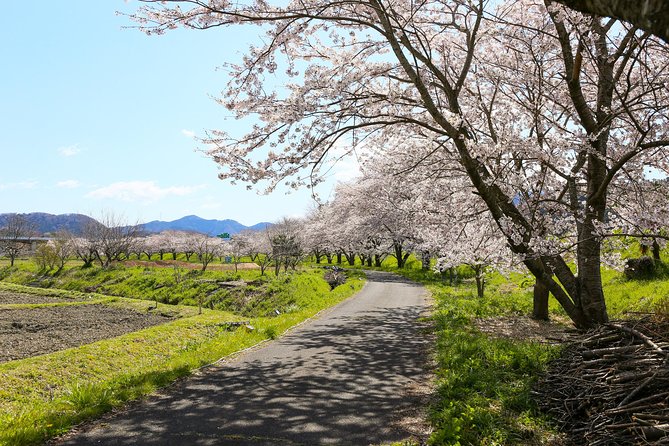
REVIEW · CYCLING AND E-BIKE TOURS
Japan’s Rural Life & Nature: Private Half Day Cycling Near Kyoto
A quick train hop, then real rural Japan.
This private half-day cycling experience in Shiga Prefecture takes you from Maibara Station into farm lanes, temple footpaths, and lakeside life around Lake Biwa, with an English-speaking guide and built-in stops. I love that it mixes easy riding with meaningful places you can actually feel, not just snap photos of. I also love the thoughtful pacing, where coffee, tea, water, and snacks keep you comfortable while the guide explains the area as you go. One possible drawback: you are riding for about 3 to 4 hours with moderate fitness needed, and there is no lunch included, so you’ll want a plan for what to eat after.
The route is short at about 13 km, and it is beginner-friendly, but it still counts as an activity day.
If you’re expecting a lazy stroll, think more like steady countryside biking with occasional short hikes. Rain can happen in this region, and the operator notes the tour requires good weather, so you may need a backup mindset if conditions turn.
In This Review
- Key things I’d circle before you go
- Why this ride starts with Maibara, not Kyoto chaos
- The guide makes the difference, especially when the story is clear
- The ride itself: 13 km, “beginner-friendly,” and mostly about comfort
- Stop-by-stop: what each place gives you (and what to expect)
- Maibara Station: the launchpad and the “real day” start
- Saienji: Chinese-influenced Zen with rural village scale
- Iwaya Zenkodo: a temple in the mountain, plus a short hike
- South Seike Sagashira Onsen: a community spring you cannot drink
- The farm area: how a past inland lake became rice land
- Lake Biwa time and Hikone Castle options, if you want to extend the day
- Value for $255: what you’re really paying for
- Timing and logistics that matter on a half day
- What to bring and how to set yourself up for an easy ride
- Should you book this private rural bike ride near Kyoto?
- FAQ
- How long is the private half day cycling tour?
- Where does the tour start and end?
- What is the cycling distance?
- Is the ride beginner-friendly?
- What is included during the tour?
- Is lunch included?
- What happens if the weather is poor?
Key things I’d circle before you go
- Maibara by shinkansen first, then countryside biking right after
- A 13 km beginner-friendly ride that fits most casual cyclists
- Stops with local meaning like Saienji, Iwaya Zenkodo’s mountain temple, and a community spring
- English guidance that’s organized (one guide, Tako san, is noted for clear English and a handy binder)
- Snacks and drinks included so you are not hunting for food mid-ride
- Flexible add-ons if you want more time at Lake Biwa or Hikone Castle
Why this ride starts with Maibara, not Kyoto chaos
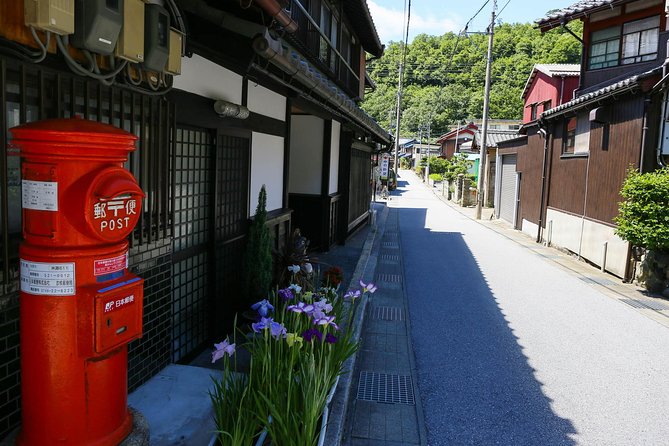
Most Kyoto days are temple-heavy. This one flips the script fast. You take a short shinkansen hop to Maibara Station, then you swap trains for a bike route that threads through villages, fields, and smaller religious stops.
That shift matters. It gives you a change of rhythm, and it saves you from spending your whole day crossing traffic and crowd lines. Even the timing feels sensible for a half day, since you are back where you started at Maibara.
The guide makes the difference, especially when the story is clear
This is a private tour, so you are not stuck listening to a generic script read at speed. You get a professional, English-speaking guide who talks through the history and culture along the way, with stops that connect to what you are physically seeing.
One highlight from past groups is the guide experience. If your guide happens to be Tako san, you’re likely to get excellent English, plus organized explanations, including a handy binder. Another pleasant detail in the same vein: you also benefit from local warmth, like friendly encounters that add context to daily life rather than turning every stop into a checklist.
In practical terms, a good guide also helps with route comfort. When you’re riding near local roads and visiting small sites, it is easier when someone is keeping the pace, timing, and stop points smooth.
The ride itself: 13 km, “beginner-friendly,” and mostly about comfort
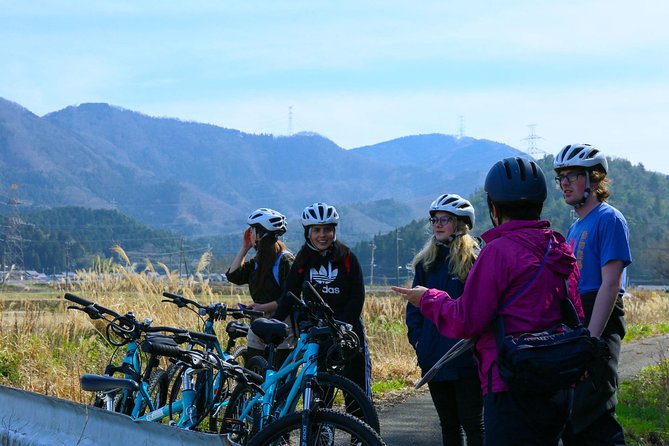
Your biking portion is about 13 km. It is described as beginner-friendly, and the pace is designed for a relaxing countryside feel rather than sporty training.
What you should still plan for is time on a saddle. The tour runs about 3 to 4 hours, including stops. The additional info asks for moderate physical fitness, which usually means you should be comfortable pedaling for a few hours with short climbs and a brief hike at one temple stop.
Comfort also seems well handled. Groups have noted brand new bicycles and a sense of safety on backroads. If you’re worried about bike fit or control, the private format helps because you can get adjusted before you roll.
Stop-by-stop: what each place gives you (and what to expect)
Maibara Station: the launchpad and the “real day” start
You start and end at Maibara Station. That is not just a location marker. It sets expectations: you are not committing to a long multi-city trek, and you can structure the rest of your day around it.
You’ll have about an hour at the start time block, which is a good window for getting oriented, meeting your guide, and settling in before the ride begins. If you’re traveling from the Kyoto area, this structure is also a relief because it keeps the logistics from turning into a full-day project.
Saienji: Chinese-influenced Zen with rural village scale
Your next stop is Saienji, described as a Chinese-influenced Zen temple. The name also connects to the surrounding small community, so you do not just see a building. You see how the temple sits within village life.
This stop is brief, about 15 minutes. That can be a good thing. It keeps the day moving while still giving you a real taste of rural spirituality rather than turning every visit into an endurance test.
Iwaya Zenkodo: a temple in the mountain, plus a short hike
Then comes Iwaya Zenkodo Temple, where you climb to a temple area built into the side of a mountain. You’re dealing with a 120-meter-high mountain viewpoint, and you’ll do a short hike along with refreshments.
This is a standout stop because the setting is physical. You are literally walking into the story. The temple is built into the mountain, and there is also an Inari Shrine here, plus an old manmade cave with its own history.
A quick heads-up: this is the stop where you’ll feel the “moderate fitness” requirement most clearly. If you’re bringing someone who gets tired easily, that is the moment you’ll want to go at their pace and use the guide’s timing.
South Seike Sagashira Onsen: a community spring you cannot drink
Your next stop is 南世継外れ温泉, a natural spring used by locals. You’ll learn that this spring connects to an underground waterway between Mt. Ibuki and Lake Biwa.
The practical detail is important. The water is untreated and not for drinking, and locals use it for things like washing. This is one of those moments where you see how water, geography, and daily routines are tied together, even in a small stop you might otherwise pass without understanding.
It’s only about 10 minutes, but it is memorable because it feels like something locals built into their ordinary life, not an attraction staged for tourists.
The farm area: how a past inland lake became rice land
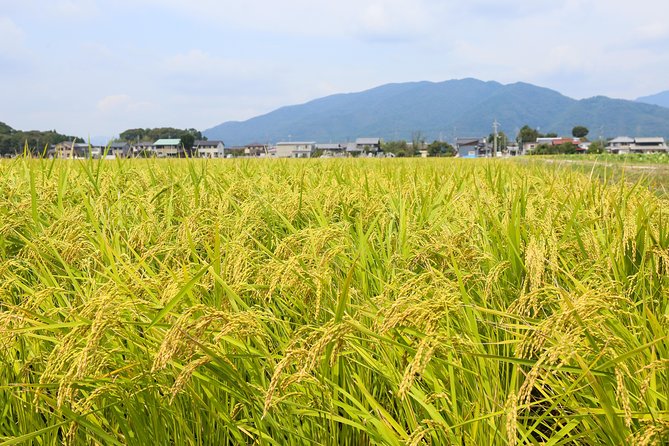
The final segment moves through agricultural scenery tied to a historical transformation. In pre-war Japan, this area was described as a smaller inland lake near Lake Biwa. Later, it was drained and converted into farm land to produce rice for the post-war recovery.
That background changes how you see the fields. Instead of viewing farmland as scenery, you start seeing it as a living record of survival and rebuilding. Even if you are just coasting at a relaxed pace, the story makes the route feel grounded.
Lake Biwa time and Hikone Castle options, if you want to extend the day
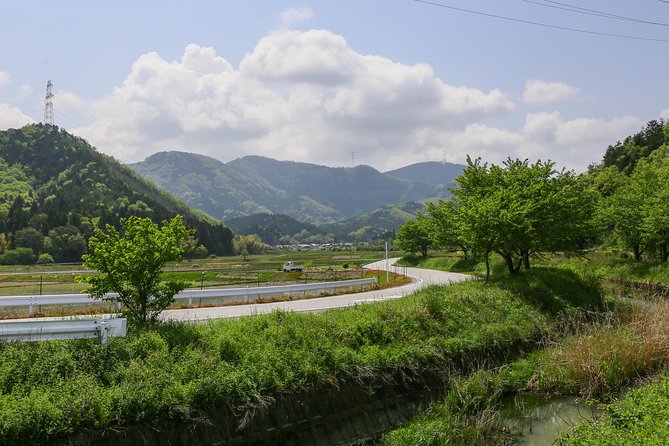
You can stop and spend more time at Lake Biwa or Hikone Castle if you like. That flexibility is one of the best value perks, because it lets you match the tour to your interests.
If Lake Biwa calls to you, you can treat the day like a nature and water add-on. If you’re more castle-curious, you can shift your focus toward Hikone without having to plan a separate day trip.
Also, a nice detail from past groups: one guide went above and beyond for a guest by offering a ride to Hikone Castle at the end. That may not be guaranteed every time, but it’s a strong clue about how attentive the guides can be when it comes to helping you finish the day in a satisfying way.
Value for $255: what you’re really paying for
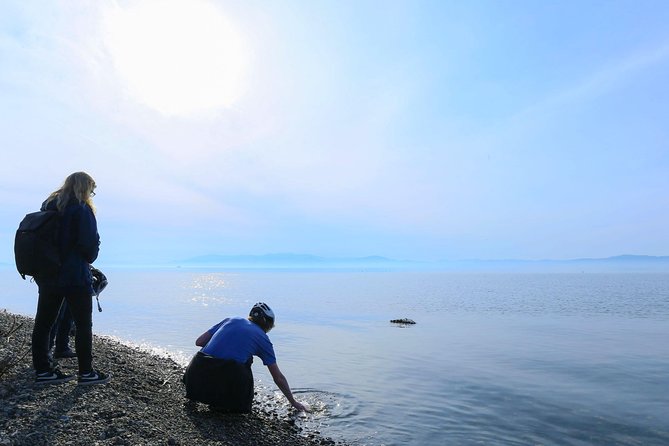
At $255 for about 3 to 4 hours, you might wonder if this is pricey. For Japan, it can be, but this tour’s structure also includes several cost drivers.
You get a private format with a professional guide, bicycle use, and snacks and drinks such as coffee, tea, water, and snacks. You also have the shinkansen connection to start at Maibara, which matters because it turns “getting there” into part of the experience, not a separate struggle.
Add in the fact that there are group discounts and a mobile ticket, and the price starts looking more reasonable, especially if you’re traveling in a small group of friends or family. The private nature is the key: you’re paying for comfort, pacing, and guidance that fits what you want to see.
If you’re a solo traveler, it can still be worth it, but I’d think of it as buying a high-quality half day with minimal friction. If you’re on a tight budget, you could find cheaper group rides, but you’ll likely give up the flexibility and the stop quality that comes with a smaller group.
Timing and logistics that matter on a half day
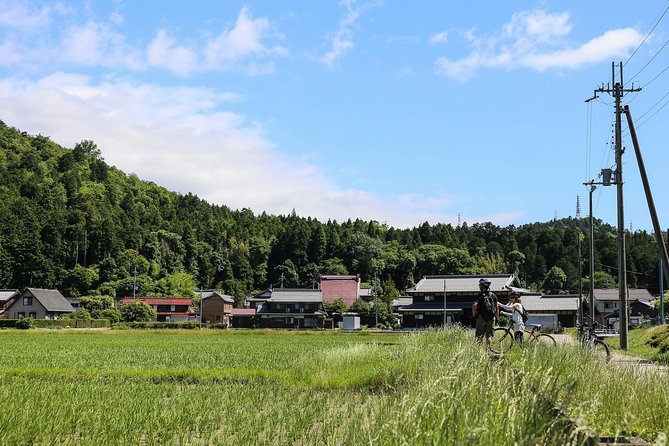
This experience runs about 3 to 4 hours and ends back at Maibara Station. That round-trip structure is great if you want to eat in Kyoto afterward, or if you’re splitting your days across city and countryside.
The meeting point is right at Maibara Station, and it is marked as near public transportation. Confirmation happens within 48 hours of booking, depending on availability, so don’t wait until the last minute if you’re traveling in peak season.
You also need decent weather. The operator notes the tour requires good weather. If it gets canceled due to poor conditions, you’ll be offered another date or a full refund, so you should plan for a possible reschedule if you are traveling during a rainy period.
What to bring and how to set yourself up for an easy ride
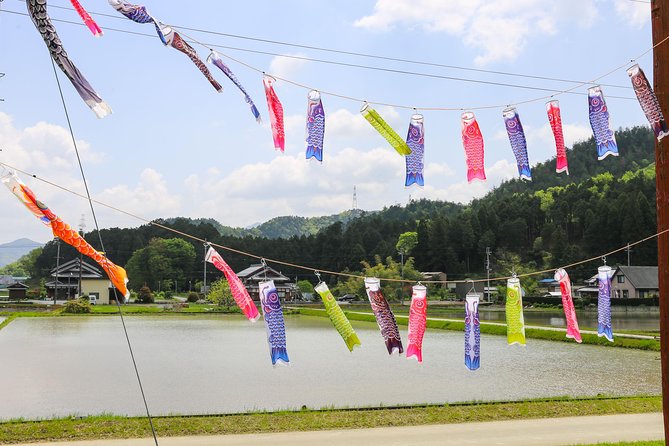
The tour is beginner-friendly, but you’ll still enjoy it more if you come prepared. Bring comfortable shoes for short walks and temple steps. Bring a light layer, because the air around water and mountains can feel cooler than in the city.
Since lunch is not included, I treat this tour like a mid-day or early afternoon event. If you ride it before a main meal, you’ll want to have a plan for a proper lunch or early dinner when you return.
One more small tip: if you care about photos, ask your guide where you can pull in safely. Past groups have suggested that you can ask for picture stops or quick shop breaks, and in a countryside setting, those moments are often where the day feels most real.
Should you book this private rural bike ride near Kyoto?
If your goal is a genuine break from Kyoto crowds, this is a strong yes. You get a fast shinkansen start, a beginner-friendly 13 km ride, and stops that feel tied to local routines, like the mountain temple and the community spring.
I’d especially recommend it if you want a half day that blends nature with culture without turning into a long checklist. It is also a good choice for families, with one past guest noting their child enjoyed the villages, rice paddies, and lakeside feel.
I would hesitate if you hate physical activity at all, because the day includes cycling plus a short hike at Iwaya Zenkodo. Also, if you need guaranteed lunch, you will have to plan your meals around this, since it is not provided.
FAQ
How long is the private half day cycling tour?
It lasts about 3 to 4 hours.
Where does the tour start and end?
The tour starts and ends at Maibara Station in Shiga Prefecture.
What is the cycling distance?
The biking course is about 9 miles (13 km).
Is the ride beginner-friendly?
Yes, the ride is described as beginner-friendly, with an English speaking guide.
What is included during the tour?
You get a professional guide, bicycle use, and refreshments such as coffee and/or tea, plus water and snacks.
Is lunch included?
No, lunch is not included.
What happens if the weather is poor?
The experience requires good weather. If it is canceled due to poor weather, you’ll be offered a different date or a full refund.
Cycling and E-Bike Tours, side by side.
 ★ 5.0Hidden Kyoto E-Biking tourFrom $1161,843 reviews
 ★ 5.0Tokyo Guided Small-Group Biking TourFrom $1061,250 reviews
 ★ 5.0Tokyo Great Cycling TourFrom $99811 reviews
 ★ 5.0Tokyo Top Highlights 3h Guided E-bike TourFrom $63714 reviews
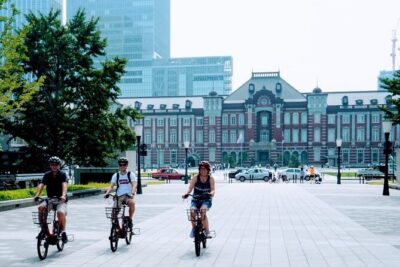 ★ 5.03h Tokyo E-Bike Tour: Hidden Gems, and Local Life with guideFrom $63670 reviews
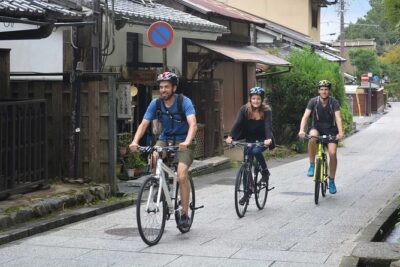 ★ 5.0Arashiyama Bamboo Forest & Hidden Gems Bike Tour (Early Bird)From $106613 reviews
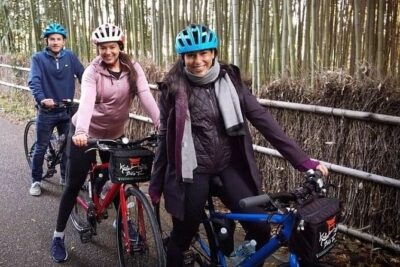 ★ 5.05 Top Highlights of Kyoto Full Day Bike Tour (E-bike option)From $172511 reviews
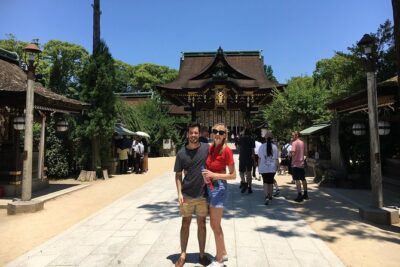 ★ 5.0Full Day Biking Tour Exploring the Best of KyotoFrom $119498 reviews
Filed on these lists too