
REVIEW · CYCLING AND E-BIKE TOURS
Hidden Kyoto E-Biking tour
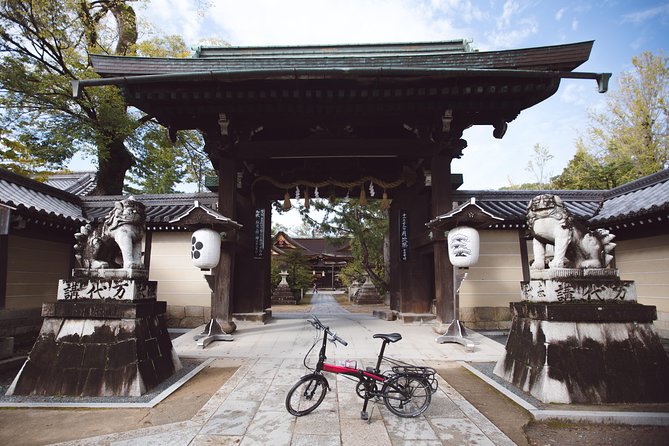
Kyoto by e-bike feels like a cheat code. You hit the big sights like Kinkakuji, then switch to calmer side streets with a small-group guide running the show. I like that the foldable rental bike setup plus included helmet keeps things simple and comfortable from minute one.
I also love the way the route blends UNESCO-level temples and shrines with quieter Zen gardens and neighborhood lanes, so you get contrast without spending your whole day in lines. A short, guided circuit like this is one of the easiest ways to see Kyoto’s religious sites without turning it into a marathon.
One drawback to plan for: the ride is relaxed, but the tour also includes meaningful stop time and temple context, so it is not nonstop pedaling. If you prefer a very fast, no-stop format, you may feel like you are standing around more than you expected.
In This Review
- Key highlights you should care about
- Why an e-bike loop is one of the smartest Kyoto plans
- Getting started at NORU Kyoto Bike Tours (and why timing matters)
- Stop by stop: Kinkakuji, Daitoku-ji, and why the order works
- Kinkakuji Temple
- Daitoku-ji Temple Complex
- Kitano Tenmangu and Koto-in: shrines, gardens, and respectful touring
- Kitano Tenmangu Shrine
- Koto-in
- Zuihoin to the finish: a calmer end to a compact day
- What makes this tour feel different from the usual Kyoto route
- Pace and difficulty: easy ride, real context, manageable effort
- Who this tour is best for (and who should skip it)
- Price and value: what $116 really gets you
- Weather and timing tips that protect your day
- Should you book Hidden Kyoto with NORU?
- FAQ
- How long is the Hidden Kyoto e-bike tour?
- How far will I ride?
- Where does the tour start?
- What is included in the price?
- Is food included?
- What is the minimum age to join?
- When do tours depart?
- Is the ride difficult?
- What should I do if it might rain?
- What is the group size limit?
- What if I cancel?
Key highlights you should care about
- Kinkakuji plus Daitoku-ji: famous names, then a turn toward quieter grounds and lanes
- Kitano Tenmangu and Koto-in: shrines and temple spaces that feel more local
- Zuihoin finish: a gentle landing at the end of the loop
- E-powered foldable bike and helmet included: makes hills and pacing far easier
- Small group size (up to 8 people): better flow, less waiting at stops
- Easy, guided rhythm with water provided: you stay moving while still getting context
Cover Kyoto on two wheels instead
- Arashiyama Bamboo Forest & Hidden Gems Bike Tour (Early Bird)
★ 5.0 · 613 reviews - 5 Top Highlights of Kyoto Full Day Bike Tour (E-bike option)
★ 5.0 · 511 reviews - Full Day Biking Tour Exploring the Best of Kyoto
★ 5.0 · 498 reviews - E-Bike Tours of the highlights of Kyoto!!!
★ 5.0 · 291 reviews
Why an e-bike loop is one of the smartest Kyoto plans
Kyoto is famous for walking, but walking everything is how your feet ruin the trip. This Hidden Kyoto e-bike route gives you a better balance: you see major temples and shrines, then you get to cruise between them in a way that feels more like local travel than sightseeing by checklist.
The e-bike matters here. With pedal assist, you can handle the steady slopes that would otherwise slow you down or wear you out. Even if you are not a confident rider, the tour is designed to be easy and safe, with a start-to-finish structure that keeps you from getting lost.
And the timing helps. It is short enough to stay fresh, but long enough to feel like you actually moved through parts of the city, not just visited a couple of gates.
Getting started at NORU Kyoto Bike Tours (and why timing matters)
Your tour starts at NORU Kyoto Bike Tours at 429-22 Takigahanachō, Kamigyo Ward, Kyoto (602-8336). The meeting point is near public transportation, which is useful if you are combining this with other Kyoto plans.
Plan to arrive 15 minutes early. The tour departs at 8:30, 9:00, 12:30, and 1:00. If you are late and miss the start, there is no refund, so build in a buffer. Kyoto transit can be smooth, but station exits and street crossings can still cost time.
Once you arrive, you get the essentials:
- a foldable rental bike
- a helmet
- water
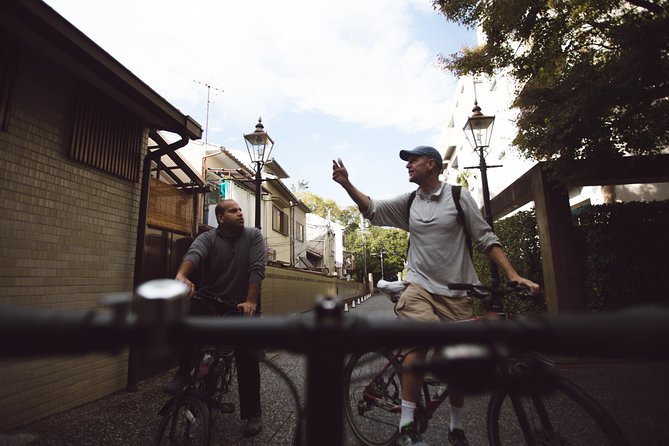
- an English-speaking route coordinator
Even if you have never ridden an e-bike, this setup is meant to be approachable. Many guides spend the first part of the experience making sure everyone can start, stop, and manage assist levels without stress.
Stop by stop: Kinkakuji, Daitoku-ji, and why the order works
- PERFECT KYOTO 1-Day Bus Tour★ 5.0 · 13,518 reviews
- Kyoto: Fushimi Inari, Kinkakuji, Bamboo Grove 1 Day Bus Tour★ 4.8 · 4,316 reviews
- Kyoto: Tea Ceremony in a Traditional Tea House in Kiyomizu★ 4.9 · 3,519 reviews
- Kyoto Geisha Walking Tour: Gion District & Hidden Gems★ 4.7 · 3,273 reviews
- Kyoto: Tea Ceremony Ju-An at Jotokuji Temple★ 4.9 · 3,207 reviews
Kinkakuji Temple
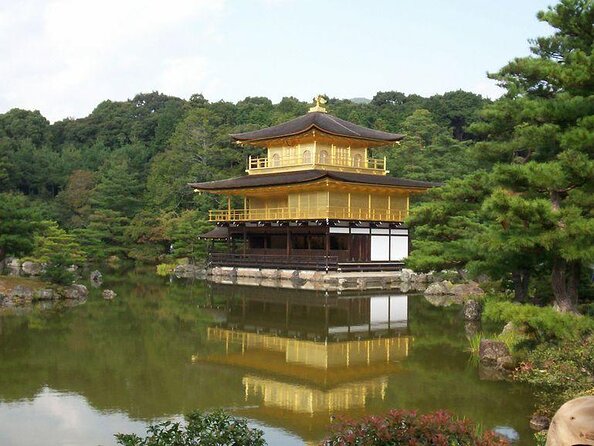
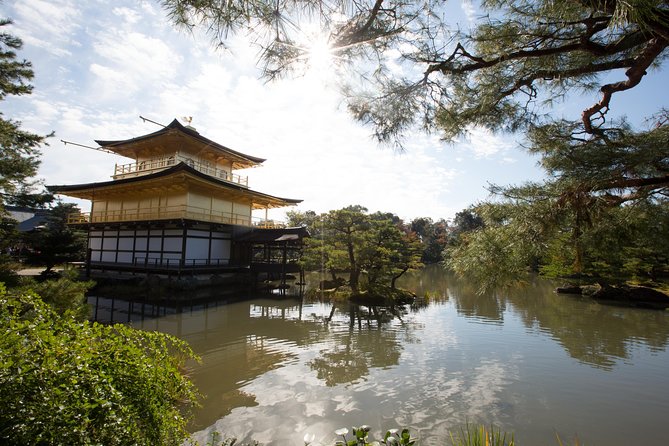
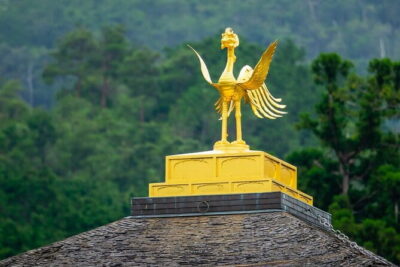
You begin with Kinkakuji, the UNESCO-listed Golden Pavilion temple that most people recognize on sight. Starting here is practical. You get the most famous postcard moment early, before your day fills with fatigue or before you are tempted to rush everything at the end.
What makes it more than a quick photo stop is the surrounding context. Expect temple etiquette reminders and cultural framing before you walk around. That small shift turns a landmark into something you can actually understand.
Daitoku-ji Temple Complex
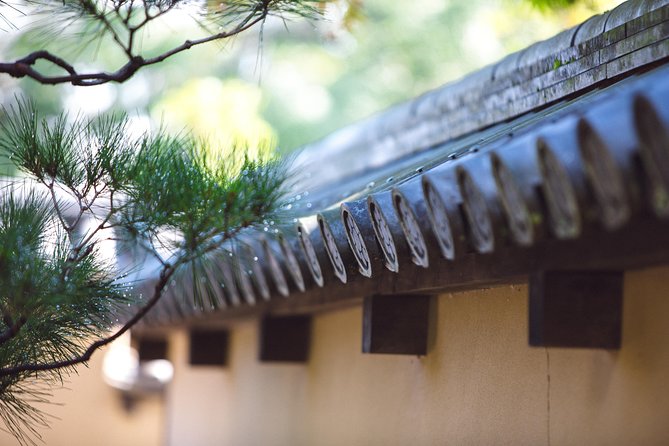
Next comes Daitoku-ji, one of the bigger temple complexes in the area. This is where the tour’s tone changes from crowd magnet to calmer spiritual spaces.
You are still in Kyoto’s religious world, but the vibe shifts. Instead of feeling like you are pushing through the main tourist route, you get into a quieter rhythm. That is the value of doing the ride as a loop rather than as point-to-point walking.
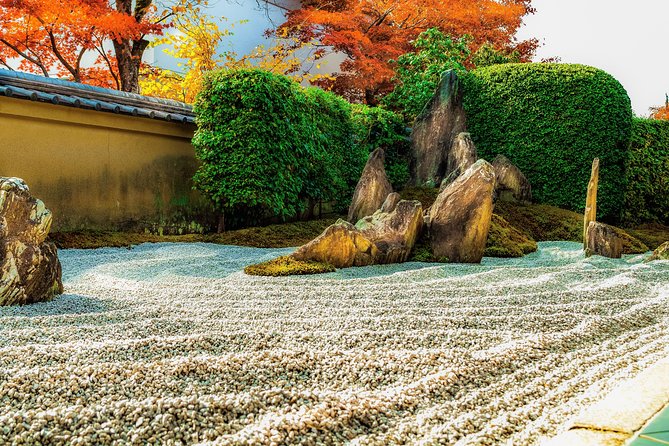
If you care about Zen culture, this stop is likely to click. You will get explanations about Buddhist practice and what you are seeing, not just where to stand for the best view.
Kitano Tenmangu and Koto-in: shrines, gardens, and respectful touring
Kitano Tenmangu Shrine
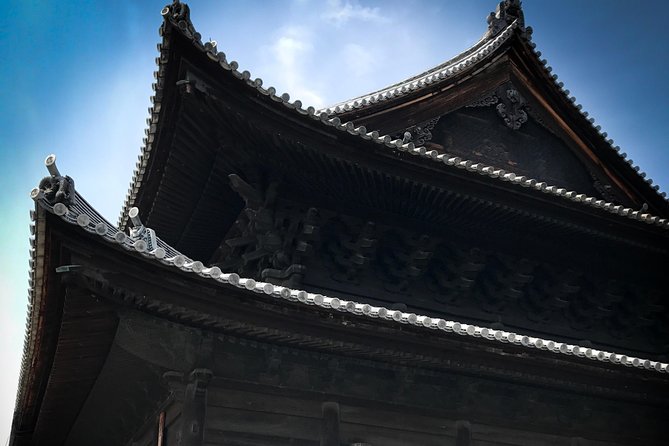
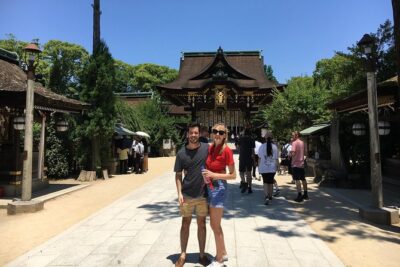
Kitano Tenmangu is a shrine stop that feels very Kyoto. It also gives your ride a natural pace reset. You arrive, take in the space, then move on.
This is a good moment to pay attention to behavior: how people approach shrine areas, where they pause, and how they keep paths clear. The guides tend to translate not just history, but the everyday etiquette that makes the visit feel proper.
Koto-in
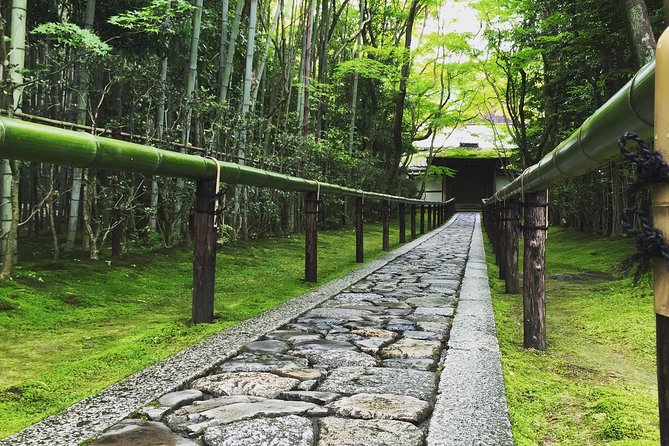
After Kitano Tenmangu, the route heads to Koto-in. This stop is a step away from the loudest tourist circuit. You get a more intimate temple-garden feel, with quiet corners and space to slow down.
It is a nice contrast between Kyoto as a global icon and Kyoto as a place where people still live close to their traditions.
Zuihoin to the finish: a calmer end to a compact day
You end with Zuihoin and then return to your starting point at NORU. That matters because you do not have to solve the logistics of getting across town after a bike tour.
Finishing with a calmer stop also helps your body. By this point, you have learned the bike rhythm and settled into the route. You are not arriving to Zuihoin exhausted from endless walking, so you can actually enjoy the space.
What makes this tour feel different from the usual Kyoto route
A lot of Kyoto tours do the same pattern: big-name temple, crowd, photos, repeat. This one aims for a different mix, and you can feel it in two ways.
First, the bike gives you mobility without exhausting you. That means you actually have time to look, not just scroll your camera.
Second, the route specifically targets Kyoto’s quieter streets and lesser-known scenery after the iconic starts. You are not only going from one famous gate to the next. You are also riding through the in-between parts of the city where local life shows up more clearly.
The guides bring it to life with storytelling too. Different coordinators are mentioned across tours, including Yuta, Michael, Sean, Henry, and Shizuka, and the common thread is clear English plus a focus on culture: Shinto versus Buddhism, Zen ideas, and how traditions shape what you see at each stop.
If you are into tea culture, you may also get a break tied to a local tea stop, depending on how the day flows. It is not listed as a guaranteed included meal, but the pauses tend to be part of how the tour stays enjoyable, not just efficient.
Pace and difficulty: easy ride, real context, manageable effort
The ride is designed for anyone over age 13. The experience is described as easy, safe, and fun with minimal effort. That is believable because the bike is assisted and the route is short.
Here are the distances you will see for the ride:
- about 4.3 miles (7 km) in the main description
- about 4.9 miles (8 km) in the overall tour summary
Either way, it is not a long-distance challenge. It is a short circuit that lets you focus on stops and surroundings.
That said, you should expect some variation in terrain. Kyoto has hills. The assist helps a lot, and a good guide keeps the group together. One practical tip: if you are nervous, tell the coordinator at the start. The best tours adjust to the group quickly.
Who this tour is best for (and who should skip it)
This is a strong match if you:
- want a compact Kyoto plan that hits major temples and quieter streets
- like cultural explanations, not just sightseeing stamps
- want to avoid draining your legs before you do more Kyoto later
- prefer a small-group experience with time for questions
It might be less ideal if you:
- dislike any stop time beyond quick photos
- want zero waiting and no temple etiquette talk
- are very sensitive to rain or wet weather (the tour is weather-dependent)
Price and value: what $116 really gets you
At $116 per person, you are paying for more than a bike rental. The value is in the package:
- foldable rental e-bike
- helmet included
- water included
- English-speaking route coordinator
- a route that combines famous sites and calmer side streets in one loop
If you were to arrange bikes separately and then hire a guide for history and etiquette, the cost would usually climb fast. Here, you are buying mobility plus context in the same booking. That is why many people treat this as an efficient early Kyoto plan, even if they are already visiting some of the main temples.
Food is not included unless specified, so you will likely want to plan a meal after. A morning or early afternoon slot also gives you flexibility to match your appetite and energy.
Weather and timing tips that protect your day
This tour requires good weather. If it gets canceled due to poor weather, you will be offered a different date or a full refund.
Kyoto rain can be unpredictable, so if your schedule allows, pick a day with a better forecast. Also consider bringing a raincoat or poncho and weatherproof gloves, especially if the forecast mentions showers. Even a light drizzle can make biking less pleasant, and warm hands matter when you are riding.
Finally, be serious about the start time. The tour departs at those set times, and arriving late can mean you miss the experience entirely without a refund.
Should you book Hidden Kyoto with NORU?
If you want Kyoto in a single half-day circuit with less walking fatigue, this is an easy yes. The big names like Kinkakuji are paired with calmer temple spaces like Daitoku-ji, and the ride between stops helps you see more of the city than a standard bus-and-foot tour.
You should book if you like:
- e-biking with pedal assist
- small-group pacing
- temple context, etiquette, and clear explanations
You might pass if you want nonstop movement or if you are very uncomfortable with weather-based changes.
FAQ
How long is the Hidden Kyoto e-bike tour?
The tour runs for about 3 hours 45 minutes.
How far will I ride?
You can expect a ride of about 4.3 miles (7 km) and up to about 4.9 miles (8 km), depending on the tour description.
Where does the tour start?
You meet at NORU Kyoto Bike Tours, 429-22 Takigahanachō, Kamigyo Ward, Kyoto, 602-8336, Japan.
What is included in the price?
Included items are an English-speaking route coordinator, a rental bike, a rental helmet, and water.
Is food included?
Food and drinks are not included unless specified.
What is the minimum age to join?
The minimum age is 13 years.
When do tours depart?
Departures are at 8:30, 9:00, 12:30, and 1:00.
Is the ride difficult?
The tour is described as easy, safe, and fun, with minimal effort, and it is set up for participants 13 and up.
What should I do if it might rain?
The tour requires good weather, and if it is canceled due to poor weather, you get a different date or a full refund. If rain is expected, consider bringing rain gear.
What is the group size limit?
The tour has a maximum of 8 people.
What if I cancel?
You can cancel for a full refund up to 24 hours in advance of the experience start time.
Bicycles and E-Bikes We Have Ridden

Newest Kyoto write-ups from the Loving Japan desk

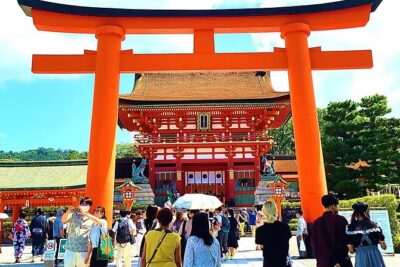
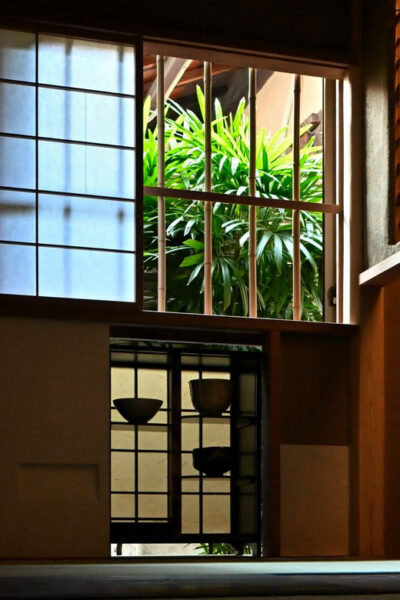
Cycling and E-Bike Tours, side by side.
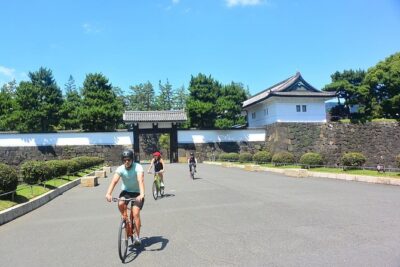 ★ 5.0Tokyo Guided Small-Group Biking TourFrom $1061,250 reviews
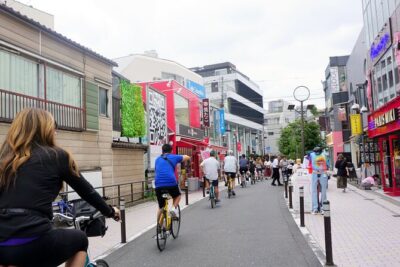 ★ 5.0Tokyo Great Cycling TourFrom $99811 reviews
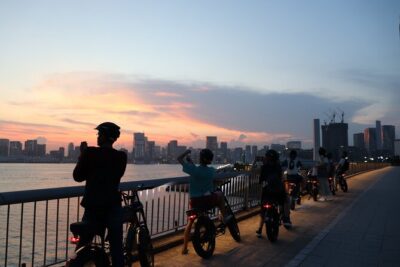 ★ 5.0Tokyo Top Highlights 3h Guided E-bike TourFrom $63714 reviews
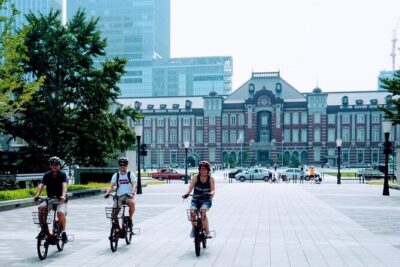 ★ 5.03h Tokyo E-Bike Tour: Hidden Gems, and Local Life with guideFrom $63670 reviews
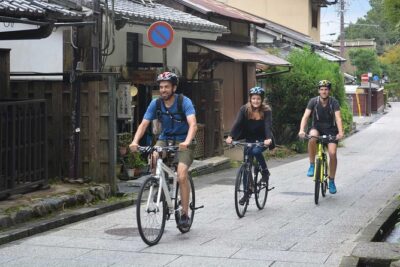 ★ 5.0Arashiyama Bamboo Forest & Hidden Gems Bike Tour (Early Bird)From $106613 reviews
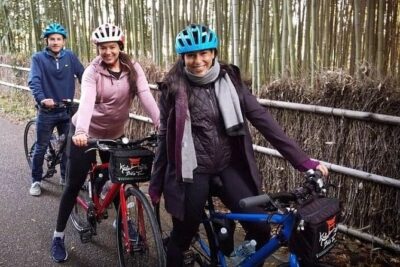 ★ 5.05 Top Highlights of Kyoto Full Day Bike Tour (E-bike option)From $172511 reviews
 ★ 5.0Full Day Biking Tour Exploring the Best of KyotoFrom $119498 reviews
 ★ 4.83-Hour Bike or E-Bike City Highlights TourFrom $45435 reviews
Filed on these lists too