
REVIEW · CYCLING AND E-BIKE TOURS
Full Day Biking Tour Exploring the Best of Kyoto
Kyoto is best seen on two wheels. This full-day ride stitches together big-name sights and quieter corners, with a small group and commentary that helps the places make sense. I especially like the small-group size, which keeps stops relaxed instead of feeling like a checkout line.
I also like that you get a real sightseeing workout without turning the day into a slog. You cover a lot of ground on a quality Cannondale bike, and you’re not left guessing about food since lunch and bottled water are included.
The main consideration is simple: it’s a long day. You should be comfortable riding and you may get sweaty, even if the route is mostly gentle for bike touring.
In This Review
- Key Things to Know Before You Ride
- Why Biking Kyoto Makes Sense on a Full-Day Circuit
- Meeting Cycle Kyoto and Getting Your Bike Ready
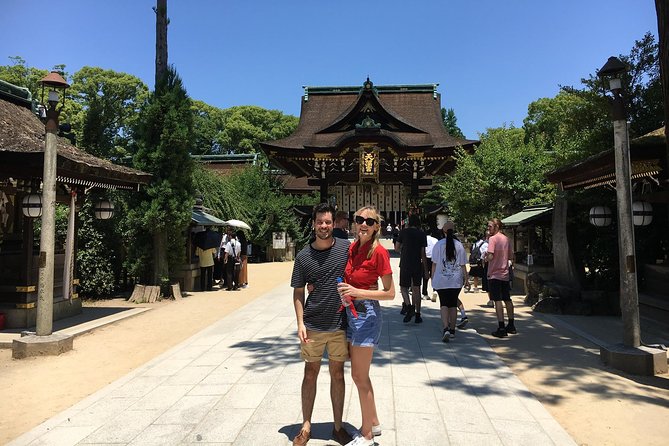
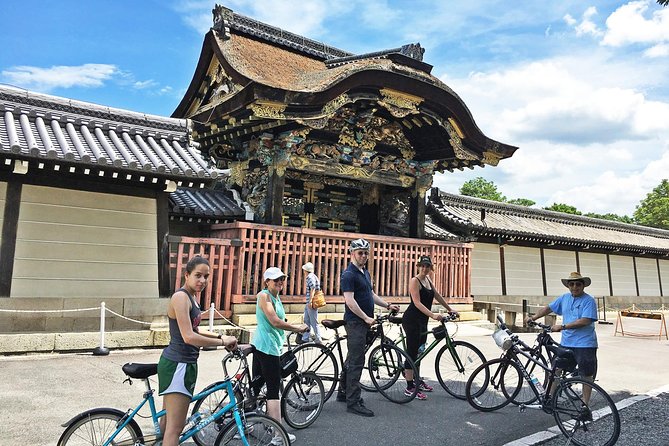
- Nishi Honganji: A Wooden-Temple Stop That Feels Less Packed
- Kitano Tenmangu: Local Shrine Energy Without the Grind
- Kinkaku-ji Golden Pavilion: Where Time Is Tight, But Meaning Lands
- The Imperial Palace Area Ride: Moving Through Kyoto’s Power Map
- Gion: Geisha District Streets at the Right Moment
- Tofuku-ji: A Quick Stop With Scenic Payoff
- Fushimi Inari-taisha: Torii Without the Crowd Crush
- Food and Energy: What Lunch and Water Change
- Bikes, Effort, and Route Style: How Hard Is This Really?
- Guide Quality Is the Difference Maker
- Price and Value: Why $119.38 Can Add Up Well
- Who Should Book This Kyoto Bike Tour
- Should You Book It?
- FAQ
- How long is the Kyoto bike tour?
- What is included in the price?
- What sights are part of the route?
- How fit do I need to be?
- What is the minimum age?
- Where does the tour meet?
- Can I cancel for a full refund?
Key Things to Know Before You Ride
- Small-group touring (max 8) means more time to ask questions and less waiting around at each stop
- Cannondale bikes plus a helmet take care of the important gear, so you can travel light
- Lunch and bottled water included keeps energy steady for temples, shrines, and some walking
- A smart path through Fushimi Inari’s crowd helps you enjoy the torii without getting stuck in a bottleneck
- Lots of variety in one day, from wood-heavy temple interiors to the Golden Pavilion and Gion streets
Cover Kyoto on two wheels instead
- Arashiyama Bamboo Forest & Hidden Gems Bike Tour (Early Bird)
★ 5.0 · 613 reviews - 5 Top Highlights of Kyoto Full Day Bike Tour (E-bike option)
★ 5.0 · 511 reviews - Full Day Biking Tour Exploring the Best of Kyoto
★ 5.0 · 498 reviews - E-Bike Tours of the highlights of Kyoto!!!
★ 5.0 · 291 reviews
Why Biking Kyoto Makes Sense on a Full-Day Circuit
Kyoto can feel big and slow if you rely only on trains and walking. A bike tour fixes that by letting you move between distant neighborhoods while keeping the day personal and story-driven.
What I like most is the mix of famous stops and calmer ones. You’re not just checking off postcards, you’re learning why each place matters and how Kyoto’s geography shapes daily life.
You’ll also get a very practical benefit: biking gives you better pacing than a pure walking tour. From the way the route is described by past riders, expect an effort level that stays approachable for most people who are comfortable on two wheels.
Meeting Cycle Kyoto and Getting Your Bike Ready
The tour starts at Cycle Kyoto in Minami Ward, Kyoto, with the day ending back at the same meeting point. The shop is near public transportation, and one rider noted it is close to Kyoto Station, which is handy if you’re arriving that morning.
Once you meet your guide and the group, you’ll get your bike fitted and pick up a helmet. It sounds basic, but the fit matters. A bike that feels right makes a long ride easier, and you will be glad you sorted that out early.
The first stop is a quick warm-up at the shop, then you roll out. If you tend to feel rushed at the start of tours, this beginning style helps you ease into the day without stress.
Nishi Honganji: A Wooden-Temple Stop That Feels Less Packed
Nishi Honganji is one of the least visited religious sites in the city, even though it’s tied to massive architecture. The timing is short, about 15 minutes, but the point is to catch a quieter scene and notice details you might miss when crowds are thick elsewhere.
This is a good early stop because it sets the tone: Kyoto isn’t only about landmark exteriors. You get a glimpse into the scale and craftsmanship of a major temple complex, with commentary to connect it to the bigger story of Buddhism in Japan.
A short stay here also prevents temple fatigue. If you’ve done back-to-back shrine visits in other cities, this pacing feels smart.
- PERFECT KYOTO 1-Day Bus Tour★ 5.0 · 13,518 reviews
- Kyoto: Fushimi Inari, Kinkakuji, Bamboo Grove 1 Day Bus Tour★ 4.8 · 4,316 reviews
- Kyoto: Tea Ceremony in a Traditional Tea House in Kiyomizu★ 4.9 · 3,519 reviews
- Kyoto Geisha Walking Tour: Gion District & Hidden Gems★ 4.7 · 3,273 reviews
- Kyoto: Tea Ceremony Ju-An at Jotokuji Temple★ 4.9 · 3,207 reviews
Kitano Tenmangu: Local Shrine Energy Without the Grind
Next comes Kitano Tenmangu, around 20 minutes. Past riders describe this kind of visit as a chance to join local shrine-goers rather than just stand and photograph.
Tenmangu shrines are linked to scholarship and learning, and your guide’s explanations help you understand why the atmosphere feels different than some other temple stops. The tranquil mood is part of the appeal, especially after the morning traffic of central Kyoto.
One drawback to plan for: any shrine visit can include walking over uneven ground and crowd flow, even when the stop duration is short. Wear shoes you trust, and keep water handy since the day can be warm.
Kinkaku-ji Golden Pavilion: Where Time Is Tight, But Meaning Lands
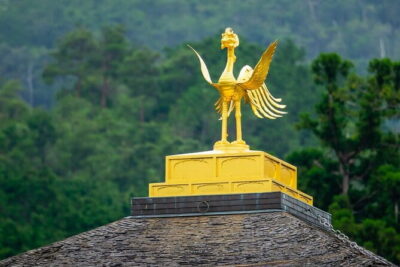
Kinkaku-ji is the big one, and you get about 30 minutes there. This is one of Japan’s most visited attractions, so you will want your expectations set correctly: you’re going to see it, but you’re not going to have the whole courtyard to yourself.
The upside is that you’re with a guide and you get commentary during the visit. Several riders called out the quality of storytelling, and in this stop it really matters because the Golden Pavilion is visually striking, but the context is what makes it memorable.
You also get a chance to grab ice cream and take a breather. That small break is not fluff. It helps you reset before the ride toward Gion and the next set of sights.
The Imperial Palace Area Ride: Moving Through Kyoto’s Power Map
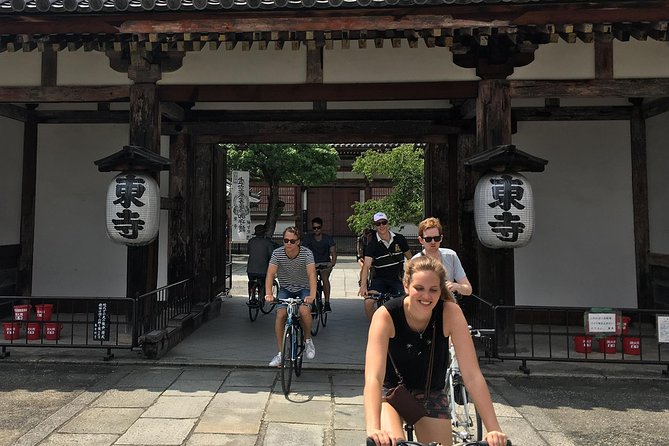
Between the temple-heavy stops and Gion, you ride through the grounds of the former seat of Japan’s imperial family. Even though you’re not doing a long on-foot visit, the ride is valuable because it shows how Kyoto’s civic and historical core is arranged.
This kind of stop works for bike touring because you get to travel through space, not just around it. The background you get from your guide helps you recognize what you are passing and why it was designed the way it was.
The main thing to watch here is timing. If you arrive hungry or already tired from earlier walking, this segment can feel like the day is still moving even when you want to slow down. The silver lining is that it is built into the route, so it helps keep the whole circuit cohesive.
Gion: Geisha District Streets at the Right Moment
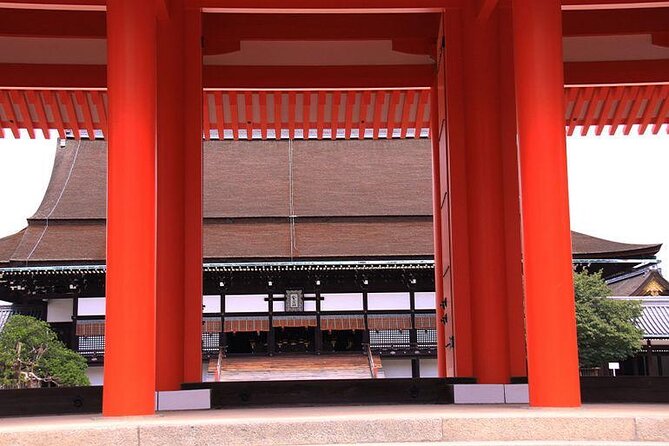
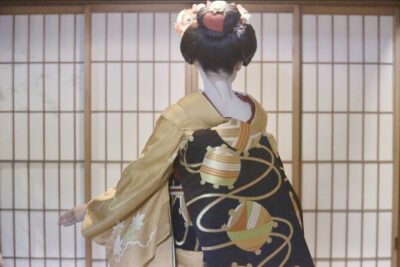
Gion is about 15 minutes, which is just enough to feel the neighborhood character without turning it into a long hunt. Your guide helps you understand the area and its “hidden world,” and you also get a chance at a glimpse of performers if timing works out.
Even when you do not see anyone, the value is in learning how the district works and why it exists the way it does. Bike access also helps you experience streets from a different angle than walking does, and you can keep rolling instead of constantly stepping aside.
A practical note from rider feedback: some guides also detour when the day offers cultural moments nearby. One rider mentioned a guide taking a detour to watch a Shinto street ceremony happen by chance. That kind of flexibility can make Gion feel less like a checklist.
Tofuku-ji: A Quick Stop With Scenic Payoff
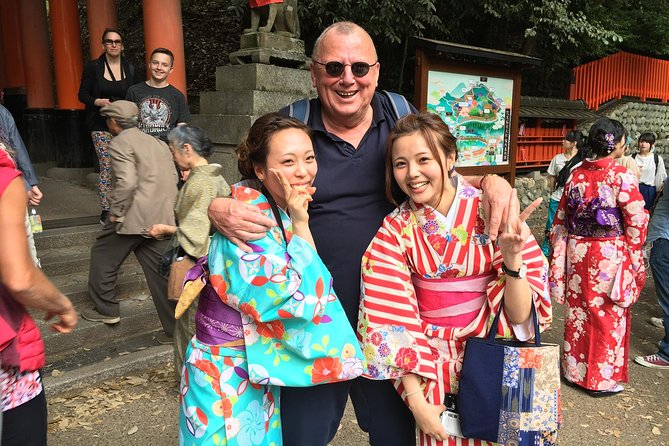
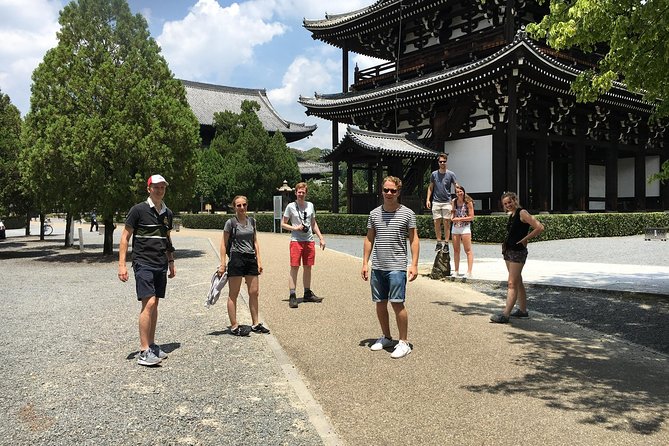
Tofuku-ji is a shorter visit, about 5 minutes. That might sound too brief, but the tour style is focused here: you swing by for the views from a bridge and for the spacious temple surroundings.
If you like quick visual hits and moving on without long waiting, this fits well. It’s also a nice counterweight to the heavier crowd intensity you might feel at other major sites.
The tradeoff is obvious: you will not have time to wander deeply. So if Tofuku-ji is your top priority, plan to return later on your own with more time.
Fushimi Inari-taisha: Torii Without the Crowd Crush
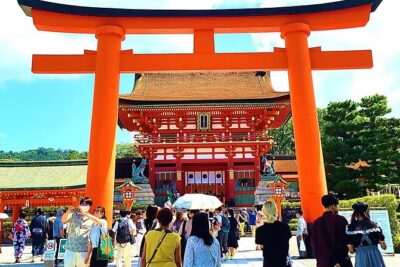
The final big stop is Fushimi Inari-taisha, around 20 minutes. This is Kyoto’s most visited attraction, and it can be a maze. The tour’s key advantage here is that your guide picks a path between crowds so you can enjoy the torii experience more smoothly.
This is one of the highest-payoff moments for a bike tour. You start the day moving efficiently, then end with a landmark where crowd management matters.
One rider specifically mentioned hearing the story and even the economics behind the roughly 13,000 torii gates. Even if you only catch part of that explanation, you’ll understand the scale better once you’re standing in the corridor-like space of the shrines.
You may still feel foot traffic, because it is a major site, but the experience is designed so you spend time on the route through the shrine rather than stalled at bottlenecks.
Food and Energy: What Lunch and Water Change
Lunch and bottled water are included, and that is more valuable than it sounds. On a long bike day, hunger turns small fatigue into big fatigue fast. Having a plan keeps you from spending your momentum searching for food at the wrong time.
Riders described the lunch as delicious, and one person noted it was at an out-of-the-way family restaurant in Gion with mostly local patrons. That kind of meal is not just about taste, it’s about rhythm, a proper reset point in a packed day.
If you have dietary requirements, you need to share them ahead of time. Since dietary details aren’t handled on the fly in most tour formats, build this into your planning early.
Bikes, Effort, and Route Style: How Hard Is This Really?
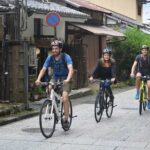
You’ll ride a high quality Cannondale bike with a helmet. The route is described as generally flat and safe, using back roads and smaller streets. Multiple riders also said the ride feels cruisy and easy to follow, which matters because you are spending mental energy on scenery and stories, not navigation.
Expect some walking too. One rider noted about 14,000 steps in addition to bike mileage, so you are not just sitting on a bike the whole time. It’s still manageable for a moderately active traveler, but it is not a zero-effort tour.
Some riders mentioned the bike seat felt uncomfortable after a while, especially if an eco bike upgrade was used. You cannot control everything about fit, but you can reduce discomfort by bringing a thin layer for grip and wearing bike-friendly clothing.
Also plan for limited storage. One rider said the front pouch is small, so if you pack a backpack, you may need to carry it. If you go, bring only what you truly need for the day, phone, wallet, a light layer, and maybe sunscreen.
Guide Quality Is the Difference Maker
The tour is rated extremely high, and several comments focus on guides by name. Quinn, Juan, Paul, Karl, Indra, Jay, Jamie, and Carl are all mentioned as strong guides, and the common thread is that they connect the sites to people and culture, not just dates.
In particular, riders praised guides for:
- sharing lots of small stories at each stop
- keeping a fun pace that does not feel rushed
- giving practical cultural context, including simple phrases or counting in Japanese
- staying organized, including taking group photos
There is one caution worth respecting. One review had a less positive experience with the guide and felt the learning value was lower than expected. That tells me you should pick a day where you can accept that the day’s experience will strongly reflect the guide’s style.
Price and Value: Why $119.38 Can Add Up Well
At $119.38 per person, this is not a budget impulse buy, but it can still be good value depending on what you compare it to. You’re paying for a full day, a bike and helmet, bottled water, and lunch, plus guided visits across multiple top sights.
Here’s the math that matters for real travel decisions: you would normally spend money on transport and timed entry or paid experiences if you do this on your own. Even if some temple and shrine stops are free, coordinating routes and managing crowds at places like Fushimi Inari costs time, and time is money.
What makes this tour feel worth the price to many riders is that the day is packed but not chaotic. Small group size and a safe route reduce stress, and that stress reduction is a real part of value.
If you are a confident cyclist who already knows Kyoto well, you could technically plan a route on your own cheaper. But if you want the easiest way to combine landmarks, local context, and efficient transit without wrestling with crowds alone, the fee starts to look reasonable.
Who Should Book This Kyoto Bike Tour
This works best if you want an active overview of Kyoto in one day. You’ll like it if you enjoy mixing temples and neighborhoods, and if you prefer moving between stops instead of doing long walking slogs.
You’ll also enjoy it if you like listening while you travel. The tour’s format gives you frequent short moments to stop, look, and learn, rather than sitting in one place for hours.
Consider a different plan if you are not comfortable riding a bike, even on mostly flat roads. Also think twice if you want long, slow time in just one or two specific sites, because the stops are structured to fit a full circuit.
Families can work here too, since the minimum age is 13 and riders must be comfortable on a bike. One rider noted the guide handled teens well, and the pace was described as suitable for the group.
Should You Book It?
Yes, if your priority is the best mix of major Kyoto sights plus local, quieter atmosphere in a single day. The combination of bike touring, included lunch, and stop-by-stop commentary makes it a strong choice for first-timers and for anyone who feels overwhelmed by Kyoto’s size.
If you book, do a little prep. Wear comfortable shoes, bring a light layer for warmth changes, and keep your day bag small so you do not end up hauling extra weight. Then plan to arrive with a flexible mindset, because the best tours are the ones where you look up from the map and let the route guide your attention.
FAQ
How long is the Kyoto bike tour?
It runs about 7 to 8 hours.
What is included in the price?
The tour includes a bicycle and helmet, bottled water, and lunch.
What sights are part of the route?
You’ll visit Nishi Honganji, Kitano Tenmangu, Kinkaku-ji (the Golden Pavilion), Gion, Tofuku-ji, and Fushimi Inari-taisha, plus an Imperial Palace area ride.
How fit do I need to be?
You should have a moderate physical fitness level and be comfortable riding a bike.
What is the minimum age?
Riders must be at least 13 years old.
Where does the tour meet?
The meeting point is Cycle Kyoto, 7 Higashikujō Nishisannōchō, Minami Ward, Kyoto 601-8003, Japan. The tour ends back at the same meeting point.
Can I cancel for a full refund?
Yes. Free cancellation is available up to 24 hours in advance for a full refund. The tour may also be canceled due to poor weather, with a refund or a different date offered.
Bicycles and E-Bikes We Have Ridden
Newest Kyoto write-ups from the Loving Japan desk

Cycling and E-Bike Tours, side by side.
 ★ 5.0Hidden Kyoto E-Biking tourFrom $1161,843 reviews
 ★ 5.0Tokyo Guided Small-Group Biking TourFrom $1061,250 reviews
 ★ 5.0Tokyo Great Cycling TourFrom $99811 reviews
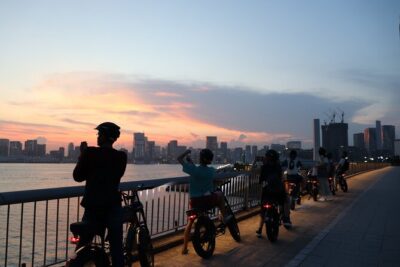 ★ 5.0Tokyo Top Highlights 3h Guided E-bike TourFrom $63714 reviews
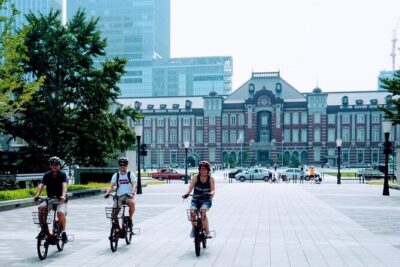 ★ 5.03h Tokyo E-Bike Tour: Hidden Gems, and Local Life with guideFrom $63670 reviews
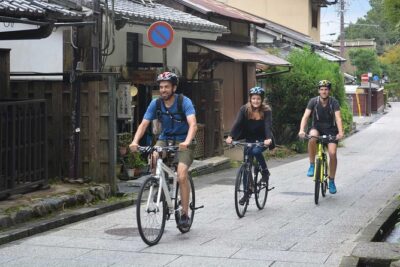 ★ 5.0Arashiyama Bamboo Forest & Hidden Gems Bike Tour (Early Bird)From $106613 reviews
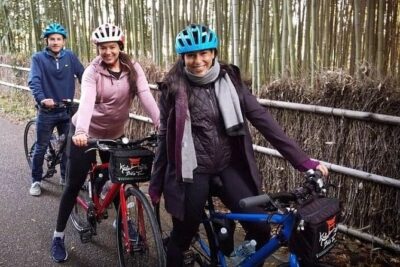 ★ 5.05 Top Highlights of Kyoto Full Day Bike Tour (E-bike option)From $172511 reviews
 ★ 4.83-Hour Bike or E-Bike City Highlights TourFrom $45435 reviews
Filed on these lists too