

REVIEW · KANAZAWA AND KENROKU-EN GARDEN
Kanazawa Private/Group Walking Tour: Local & Major Highlight
Samurai streets plus a calm garden day. This Kanazawa walking tour is a smart way to connect the big sights, like Kenrokuen Garden, with daily local life at Omicho Fish Market. I like how the guide stitches together what you see with the why behind it, including religious practice and castle-era Kanazawa. One consideration: it is mostly on foot, so plan around walking time and bring comfy shoes.
The guide makes the difference. I’m drawn to the way the experience is shaped by real people with real pride, and the names show up in the best way: Emi, Yu, and Hirofumi often get praised for organization, humor, and clear storytelling. If your trip includes special needs, that matters too, since at least one guide was noted for accommodating a wheelchair.
You’re looking at 2 to 4 hours of highlights, delivered as a private or small-group format. That matters in Kanazawa, where you can go too fast and miss the small details that make the city feel personal.
In This Review
- Key things I’d bet on in this Kanazawa tour
- What the $48 price buys you in a 2 to 4 hour Kanazawa walking tour
- Nagamachi Samurai District: earthen walls, preserved residences, and photo time
- Omicho Fish Market: where the smells and local food culture set the tone
- Oyama Shrine: shrine history, samurai power, and the Shinto-Buddhism blend
- Kanazawa Castle Park: Edo-era architecture and a guided inside visit
- A local café break with castle scenery: where your feet get a rest
- Kenroku-en Garden: seasonal beauty and plum blossoms in the mix
- Higashi Chaya District: geisha quarter charm with time to wander
- How the guides personalize your Kanazawa day, from Emi to Yu and Hirofumi
- Practical pacing, walking comfort, and what to bring
- Should you book this Kanazawa private walking tour?
- FAQ
- How long is the Kanazawa private walking tour?
- Is this tour private or shared?
- What languages does the guide speak?
- Is the tour wheelchair accessible?
- What is included in the price?
- What is not included?
- What should I bring?
Key things I’d bet on in this Kanazawa tour

- Nagamachi Samurai District: preserved residences and earthwork walls, plus photo stops that help you spot what changed and what stayed.
- Omicho Fish Market: a full guided walk through a working market, not just a quick peek.
- Oyama Shrine and faith in practice: stories that connect samurai leadership to shrine history and the Shinto-Buddhism mix.
- Kenrokuen timing and plum blossoms: a garden visit paced for seasonal beauty, including plum blossom season when it’s in play.
- Higashi Chaya District wrap-up: geisha district atmosphere with wooden teahouses and time to wander on your own.
- Guide support beyond facts: extra help like restaurant ideas and even photo sharing through apps like WhatsApp, depending on the guide.
What else fills a Kanazawa afternoon
- World Heritage Shirakawa-go and Experience Tours from Kanazawa
★ 5.0 · 4,049 reviews - Kanazawa: Kenrokuen Tea Ceremony Experience
★ 4.8 · 1,139 reviews - Kanazawa Half Day Tour (Private Guide)
★ 5.0 · 361 reviews - Kanazawa Full Day Tour (Private Guide)
★ 5.0 · 323 reviews
What the $48 price buys you in a 2 to 4 hour Kanazawa walking tour
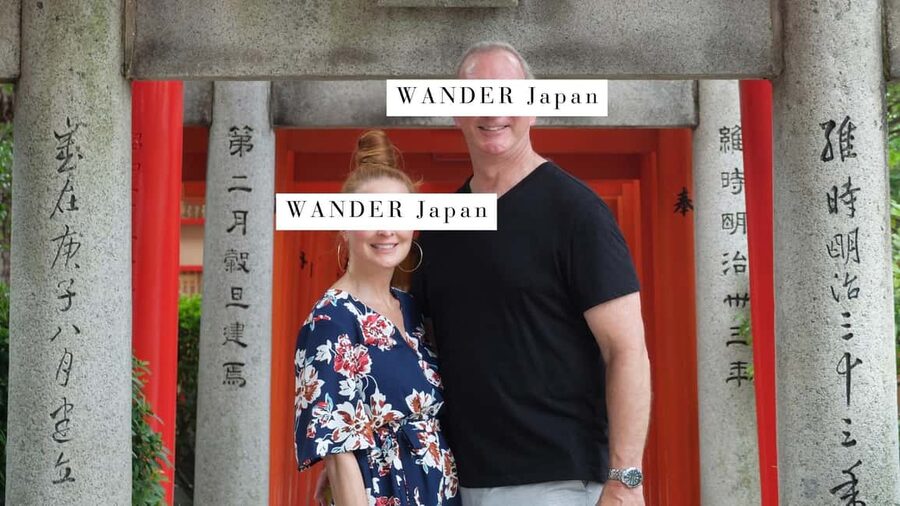
At $48 per person, this isn’t a cheap “see it all” bus ride. It’s a focused walking experience with a live English or Japanese guide, built for people who want context while they’re walking, not a lecture after the fact. The payoff is that you’re guided through Kanazawa’s signature places in a tight time window, with photo and visit stops along the way.
The structure is also practical. You’ll spend around 2 to 4 hours moving between major landmarks, with a short bus or coach segment at the start (about 10 minutes) and then a lot of walking. That means you get less time trapped in transit and more time actually looking, asking questions, and resetting your brain at each stop.
You should also know this tour is flexible day to day. The route can shift based on the day, which is useful in a city where crowds, opening hours, and seasonal conditions can change your best order of stops.
Nagamachi Samurai District: earthen walls, preserved residences, and photo time
Nagamachi is where Kanazawa starts to feel like a real neighborhood from the past, not just a museum set. You’ll get a photo stop and a guided walk through the area, including preserved samurai residences and the kind of earthwork walls that show how defensive design and everyday life overlapped.
What I like about this stop is the pacing. You’re not rushing through “samurai stuff.” You’re meant to look at the physical details, then connect them to what those details meant. Even if you know the broad Edo-era storyline, the district is where it clicks because you can see the layout and imagine daily routines.
It’s also a good opening act. Starting with Nagamachi helps you calibrate your eyes before you hit the market and the larger monuments. By the time you reach Oyama Shrine and Kanazawa Castle, you’re already thinking about how people lived, not only what they did.
Omicho Fish Market: where the smells and local food culture set the tone

Omicho Fish Market is the moment Kanazawa gets sensory. Fresh seafood, the energy of a working market, and lots of little food cues you can spot even if you don’t plan to eat on tour. You’ll have time for photo stops and guided walking here, about 20 minutes in the itinerary.
This is the part I’d recommend if you want Kanazawa’s “local daily life” side, not just temples and gardens. A good guide helps you notice what you might otherwise miss: the rhythm of the stalls, the way vendors present products, and the practical culture of shopping in a market that’s part of the city’s everyday routine.
The tour doesn’t include food and drinks, so you’ll want to think ahead if you’re hungry. Still, the market visit is valuable even without buying anything. It gives your later stops context, because it’s easier to understand why a city’s traditions keep showing up when you’ve just walked through how people actually buy and eat.
- [One-day bus tour departing from Kanazawa Station] Shirakawa-go and Gokayama – Two World Heritage Villages Enjoyable Bus Tour★ 5.0 · 253 reviews
- 1 Day Private Charter Tour to Shirakawa-go & Takayama★ 4.5 · 253 reviews
- World Heritage Shirakawa-go Perfect Guided Tour from Kanazawa★ 5.0 · 220 reviews
- From Kanazawa: Shirakawa-go, Gokayama and Wood Carving Art★ 4.9 · 180 reviews
- Kanazawa Night Tour with Local Meal and Drinks★ 5.0 · 148 reviews
Oyama Shrine: shrine history, samurai power, and the Shinto-Buddhism blend
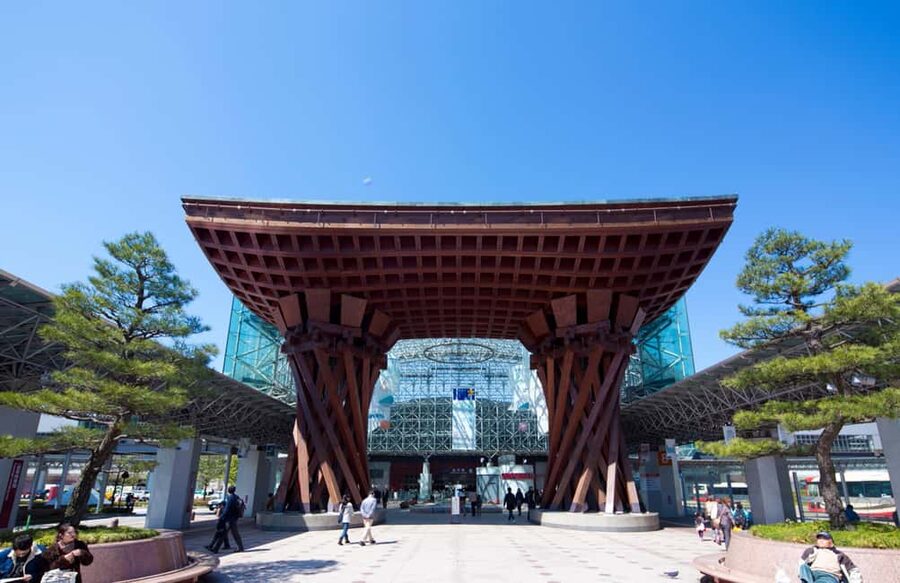
Oyama Shrine is where the tour turns more spiritual. You’ll stop for photos, then get a guided visit, about 20 minutes, with walking and sightseeing along the way. The standout detail here is the connection to a samurai leader of Kanazawa Castle and his beloved wife, which anchors the shrine story in local history.
This stop also matters because the guide is there to explain the practical relationship between Shinto and Buddhism in Japan. You’re not just reading symbols off placards. You’re learning how religious practice overlaps and influences daily life, especially in a place with long, layered traditions.
One reason this feels worth your time is that it isn’t separate from the rest of the tour. The shrine story ties back into the castle-era worldview, so your day feels like one narrative instead of a checklist.
If you’re the type who asks questions while walking, this is a good place to use that habit. People often save their questions for the garden, then run out of time. Here is where the answers can change how you see everything after.
Kanazawa Castle Park: Edo-era architecture and a guided inside visit

Kanazawa Castle is a centerpiece for a reason. You’ll have a photo stop and then a guided tour and sightseeing time in the castle area, about 30 minutes, including time to visit inside the castle.
The main value here is that you’re seeing architecture that reflects Edo-period power. Even if you already know “Edo” as a label, a guide can help you connect that label to what you see in the structures around you: the scale, the design logic, and the sense of authority the complex projected.
A heads-up for your expectations. Castle grounds and castle interiors can involve walking, stairs, and crowds depending on the day. You’ll have a set chunk of time, so come with a simple goal: pick one or two things you want to notice, like layout and materials, and let the guide do the storytelling around those observations.
A local café break with castle scenery: where your feet get a rest
Right after the castle area, you’ll get a break at a local café for about 20 minutes. This is a reset, not a full meal stop. You can grab tea or coffee, relax, and look back at the castle scenery while you regroup.
I like this kind of break in a walking tour because it keeps the day from going all sightseeing, all the time. It also gives you a natural moment to ask follow-up questions. When you’re between stops, the guide can connect the dots for you, like how the garden style relates to the city’s wider aesthetic and how religious and samurai history show up in unexpected places.
Food and drinks aren’t included, but this pause is still valuable. It gives you control. If you want something light, you can. If you want to skip and keep walking, you can too.
Kenroku-en Garden: seasonal beauty and plum blossoms in the mix

Then comes Kenroku-en, one of Japan’s three most beautiful gardens. You’ll spend about 30 minutes here with a guided visit and photo opportunities.
What makes this stop practical is the way gardens in Japan are designed to be read. A good guide helps you notice the “seasonal story,” not just admire pretty scenery. Plum blossoms are specifically called out as a highlight, so if your timing lines up with blossoms, you’ll likely feel like the garden is giving you extra meaning beyond the normal sightseeing payoff.
Even outside peak blossom moments, Kenroku-en works because it’s a guided visual lesson. You’ll learn how traditional landscaping creates different moods across viewpoints, and you’ll likely come away understanding why this garden keeps earning its reputation.
The only real drawback here is simple: you’ll want comfortable shoes. Gardens reward slow walking, and your guide may keep you moving to hit viewpoints at the right rhythm.
Higashi Chaya District: geisha quarter charm with time to wander
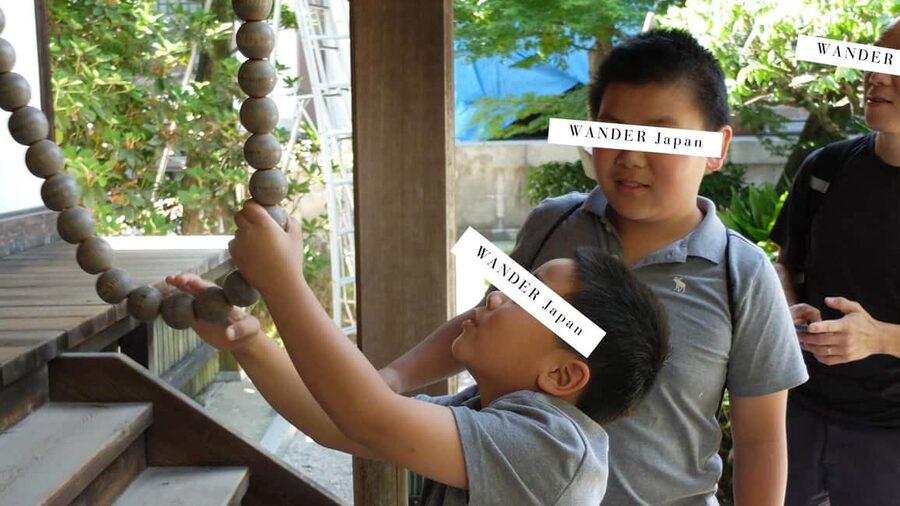
To finish, you’ll go to Higashi Chaya District, the traditional geisha district with beautifully preserved wooden teahouses. You’ll get a guided visit and also some free time, about 20 minutes, to wander on your own.
This final stop is different from the earlier ones because it’s more atmosphere than explanation. The guided part helps you understand what you’re seeing and why it matters, then the free time lets you absorb it at your own pace. If you like photography, this is often where you get the best shots, because the streets and wooden facades give you frames without needing to hunt.
You’ll want to use that free time like a mini mission. Pick one thing to focus on, like architecture details, street layout, or the way the district feels quieter than the market area. When you do that, the district stops feeling like a photo spot and starts feeling like a place.
How the guides personalize your Kanazawa day, from Emi to Yu and Hirofumi

This is where the tour earns its near-perfect score. Multiple guides are praised for passion and knowledge, but also for something more useful: flexibility and clear communication.
Emi gets called out for being funny, kind, and full of Kanazawa pride, with excellent historical storytelling. Yu shows up in the feedback as patient and highly organized, including adapting the tour for a wheelchair. Hirofumi is noted for being coordinated, contacting guests in advance through WhatsApp, and personalizing the tour based on hotel location and what you plan to do afterward.
There are also small touches that make the whole day feel smoother. One guide recommended a restaurant so well that guests returned the next day. Another helped people with extra research and follow-up. And at least one guide took professional camera photos during the tour and sent them via WhatsApp afterward.
You won’t see that kind of care on a standard group tour. On a private or small-group walk, your guide can adjust pacing, answer more questions, and steer you toward what fits your interests.
Practical pacing, walking comfort, and what to bring
This tour is “primarily walking,” with a short coach segment at the start. That means you should prepare for a good amount of time on your feet. Even though the stops are grouped tightly, you’ll still cover enough ground that comfortable shoes matter.
For what to bring, keep it simple: bring a credit card and cash. Food and drinks are not included, so you might want cash for small purchases or snacks during free time, depending on what the day offers.
If you like planning your photos, keep your phone ready early. The itinerary includes photo stops at each major location, and the districts like Nagamachi and Higashi Chaya are easiest when you capture the streets, not only the monuments.
Should you book this Kanazawa private walking tour?
Book it if you want Kanazawa’s top highlights connected by explanation. This is ideal for your first day in town, since the sequence gives you a framework: samurai district to market to shrine to castle to garden to geisha district. It’s also a strong choice if you like asking questions while walking, because the guide role here is active and conversational.
Skip it or adjust expectations if you hate walking tours. It is not designed as a sit-down sightseeing day. Even with breaks, it’s still a walking-focused experience.
One more good reason to book: you get personalization. With private or small groups, the guide can match your pace and interests more easily than a big group format. If you want Kanazawa to feel like more than a list of landmarks, this tour is a solid way to make that happen.
FAQ
How long is the Kanazawa private walking tour?
The duration is listed as 2 to 4 hours.
Is this tour private or shared?
It offers private or small groups.
What languages does the guide speak?
The live guide is available in English and Japanese.
Is the tour wheelchair accessible?
Yes, the tour is listed as wheelchair accessible.
What is included in the price?
The tour includes a private and personalized walking tour with a passionate local, plus a guided walking experience exploring highlights and hidden gems. Hotel meet-up is available on request for a central location.
What is not included?
Food and drinks are not included, and transportation is not included. The experience is primarily walking, with transportation mainly as a short coach segment.
What should I bring?
You should bring a credit card and cash.
A Kanazawa Afternoon




Newest Kanazawa write-ups from the Loving Japan desk


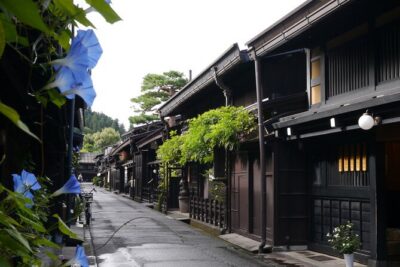
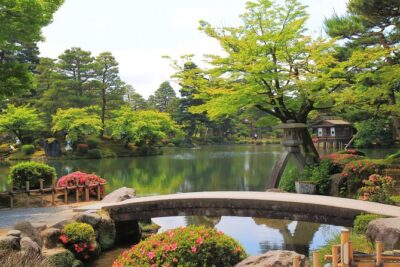

Kanazawa and Kenroku-en Garden, side by side.
 ★ 5.0World Heritage Shirakawa-go and Experience Tours from KanazawaFrom $1224,049 reviews
 ★ 4.8Kenrokuen Tea Ceremony ExperienceFrom $351,139 reviews
 ★ 4.9World Heritage Shirakawa-go Morning Guided TourFrom $77988 reviews
 ★ 5.0Kanazawa Half Day Tour (Private Guide)From $134361 reviews
 ★ 5.0Kanazawa Full Day Tour (Private Guide)From $183323 reviews
 ★ 4.9World Heritage Shirakawa-go & Two Local ExperienceFrom $116274 reviews
 ★ 5.0[One-day bus tour departing from Kanazawa Station] Shirakawa-go and Gokayama – Two World Heritage Villages Enjoyable Bus TourFrom $88253 reviews
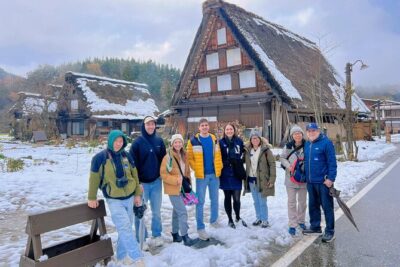 ★ 5.0World Heritage Shirakawa-go Perfect Guided Tour from KanazawaFrom $81220 reviews
Filed on these lists too