
REVIEW · TAKAYAMA, HIDA AND SHIRAKAWA-GO
From Kanazawa: Shirakawa-go, Gokayama and Wood Carving Art
Rural crafts in the Japanese mountains. This full day from Kanazawa connects Inami woodcarving with UNESCO farmhouses in Shirakawa-go, and the guide helps you spot what matters instead of just walking past it. One heads-up: lunch is not included and the day runs on a bus, so bring snacks and dress for mountain weather.
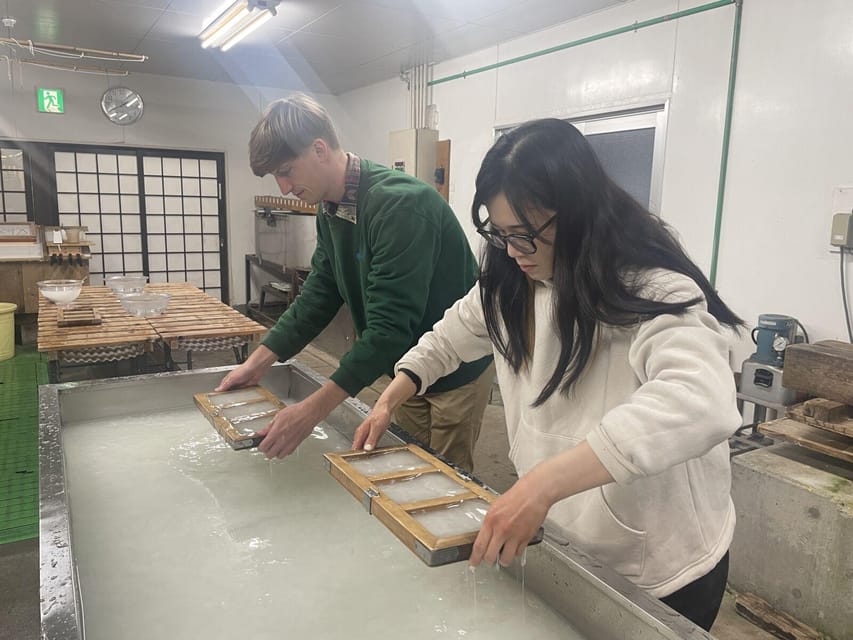
I especially love the hands-on Japanese paper-making in Gokayama. You get to make washi the traditional way, wet work and all, and you leave with a souvenir that feels personal, not mass-made.
In This Review
- Key Points Worth Noting
- Kanazawa Station Start to Mountain Finish: how the day flows
- Inami Wood-Carving Town and Zuisenji Temple: more than souvenir shops
- A realistic consideration
- Gokayama’s Ainokura Village: washi paper-making with a purpose
- The paper-making workshop: what you’re actually doing
- Lunch timing: plan for flexibility
- UNESCO Shirakawa-go: gassho farmhouses plus guided context
- The mix of guided and free time
- The Shima matcha moment: a heritage-style pause
- Price and Logistics: is $180 actually good value?
- Timing and comfort: the bus rides are part of the experience
- A drawback to keep in mind
- What to watch for while you’re there
- Who this tour fits best (and who might not love it)
- My booking checklist before you go
- Should you book this Kanazawa to Shirakawa-go day trip?
- FAQ
- What time does the tour start from Kanazawa Station?
- Where do I meet the guide in Kanazawa?
- What are the drop-off options at the end of the tour?
- Is lunch included?
- Is the paper-making experience always available?
- How long is the tour?
Key Points Worth Noting
- Inami woodcarving town plus Zuisenji Temple: big carvings, animal motifs, and a very walkable main street
- Ainokura (Gokayama) and real washi paper-making: get your hands wet and learn the process
- Two UNESCO-grade mountain villages in one day: Gokayama area atmosphere plus Shirakawa-go’s gassho farmhouses
- A matcha experience at Shima: a heritage-style architecture stop that breaks up the road time
- Guided plus free time: you get context, then you can explore Shirakawa-go on your own
- Smart day pacing: multiple short transfers instead of one exhausting slog
What else fills a Kanazawa afternoon
- World Heritage Shirakawa-go and Experience Tours from Kanazawa
★ 5.0 · 4,049 reviews - Kanazawa: Kenrokuen Tea Ceremony Experience
★ 4.8 · 1,139 reviews - Kanazawa Half Day Tour (Private Guide)
★ 5.0 · 361 reviews - Kanazawa Full Day Tour (Private Guide)
★ 5.0 · 323 reviews
Kanazawa Station Start to Mountain Finish: how the day flows
The tour is built like a classic Hokuriku circuit. You start at Kanazawa Station in the morning, then settle onto a bus for a sequence of mountain towns that each feel like a different chapter of rural Japan.
Meeting time depends on the season. It normally starts at 9:00 A.M., and from June 1 the start shifts to 8:30 A.M. You meet the guide in front of the Information Center near the Shinkansen ticket gates.
Once you’re on the road, expect a smooth rhythm. The rides are timed so you can rest your legs between stops: about an hour to Inami, then roughly 35 minutes to Gokayama, then about 40 minutes onward to Shirakawa-go, with the longest stretch back to Kanazawa later in the day. You typically return between 6:00 and 6:30 P.M. depending on traffic.
One more practical note: this is a day where you’ll spend time looking, not just traveling. The best way to enjoy it is to dress for cold, especially if you’re going outside warm months. Several departures have people coming back into a warmer vehicle after browsing outdoors in winter.
Inami Wood-Carving Town and Zuisenji Temple: more than souvenir shops
Inami is why many people book this trip in the first place. You’ll get off the bus in a small town near the mountains, and you’ll immediately feel the craft focus. This area is famous for woodcarving, with over 100 professional traditional woodcarvers in town.
I like how the day routes you right down the main street. It’s a simple walk that keeps you moving toward the centerpiece while still giving you time to stop and look at carvings on and above shop fronts. You’ll also spot local details that make it feel alive, not staged.
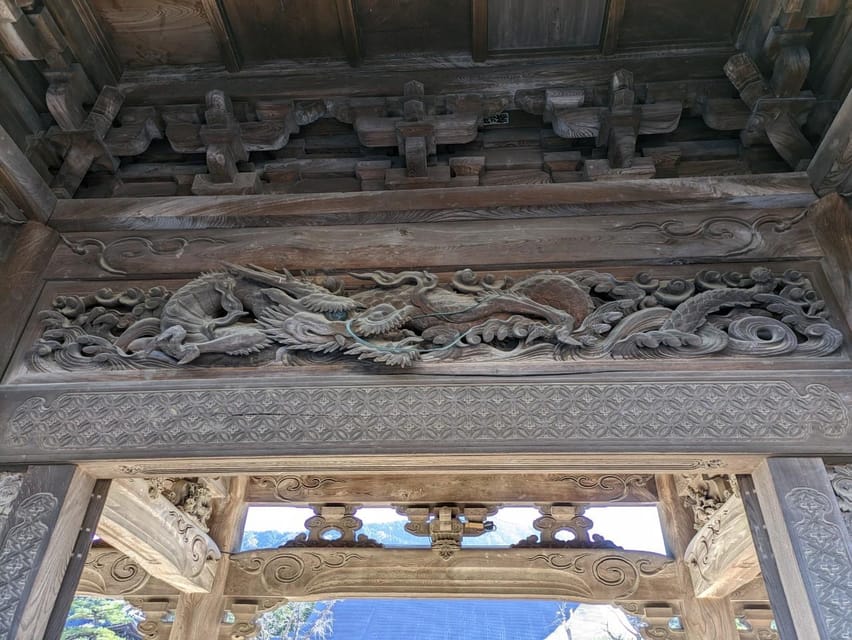
Then comes Zuisenji Temple, where the carvings are the headline. It has giant walls that can make you feel like you’re approaching a castle. The original structure dates back to the 1300s, it burned down in 1735, and the rebuilding included a famous wood carver from Kyoto.
What to watch for at Zuisenji:
- Carvings on gates and building surfaces, not just one decorative panel
- Animal themes like dragons, lions, and elephants
- Fine details that reward slow walking
A fun tip: the town association says there are 32 cats hidden around Inami, and many shops have added their own cat carvings in playful spots. It’s goofy in a good way, and it gives you a reason to look up while you walk.
A realistic consideration
If you’re hunting for lots of smaller, budget-friendly carvings, don’t assume every shop will be stocked or open at the moment you arrive. The craft quality can be exceptional, but the selection can vary, and some shops may not carry the wider range of small tourist pieces you might expect.
Old-town Hida and the thatched valley, other versions
- 1 Day Private Charter Tour to Shirakawa-go & Takayama★ 4.5 · 253 reviews
- [One-day bus tour departing from Kanazawa Station] Shirakawa-go and Gokayama – Two World Heritage Villages Enjoyable Bus Tour★ 5.0 · 253 reviews
- World Heritage Shirakawa-go Perfect Guided Tour from Kanazawa★ 5.0 · 220 reviews
- From Kanazawa: Shirakawa-go, Gokayama and Wood Carving Art★ 4.9 · 180 reviews
- [One-day bus tour departing from Kanazawa Station] Shirakawa-go/Takayama tour platinum route bus tour★ 4.5 · 127 reviews
Gokayama’s Ainokura Village: washi paper-making with a purpose
After Inami, you head to the Gokayama side. The first village stop is Ai-no-kura (Ainokura), described as one of the best preserved villages in the area. The big idea here is seclusion. These villages weren’t just picturesque. They were practical communities that supported regional life.
Ainokura is especially interesting because it ties daily labor to major industries. You’ll hear how agriculture and sake production mattered, but so did manufacturing like gunpowder and paper. That context makes the later paper workshop feel less like a gimmick and more like a continuation of local craft.
The paper-making workshop: what you’re actually doing
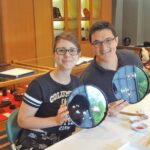
You’ll get your hands wet making traditional Japanese paper. The workshop is built into the schedule (around 75 minutes), and you’re not just watching. The point is to learn a process and take home something tangible.
Expect to participate. Even if you’re not artistic, the novelty of making washi is the draw. And the fact that it connects to what the village historically produced is what makes it memorable.
Lunch timing: plan for flexibility
Lunch is not included, and the timetable may shift. You’ll usually have time for lunch in Ainokura, but in some cases it may be in Inami. If you have dietary needs or specific food preferences, it’s smart to bring your own lunch or at least plan backup snacks.
This is also a good place to think about your energy. The villages are calm and scenic, but you still have a full day. Having something on hand helps you stay patient if a restaurant line or seasonal closure changes the plan.
UNESCO Shirakawa-go: gassho farmhouses plus guided context
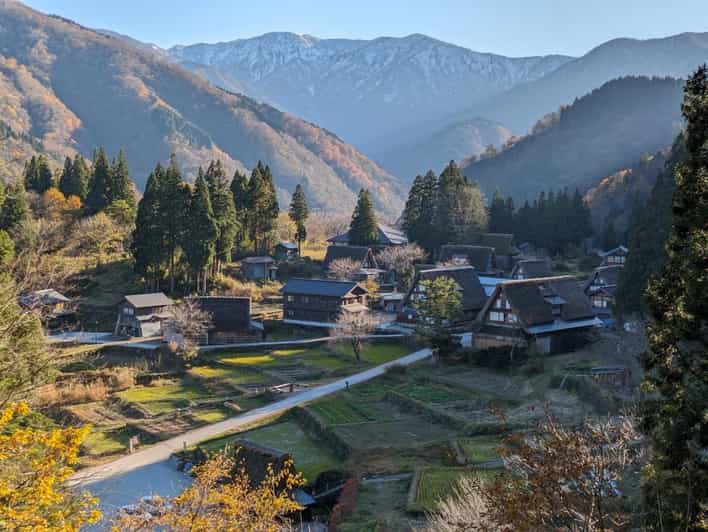
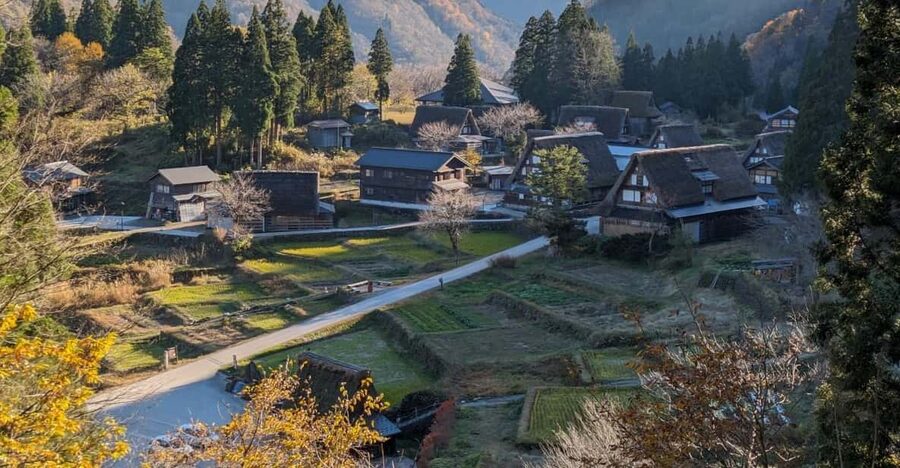
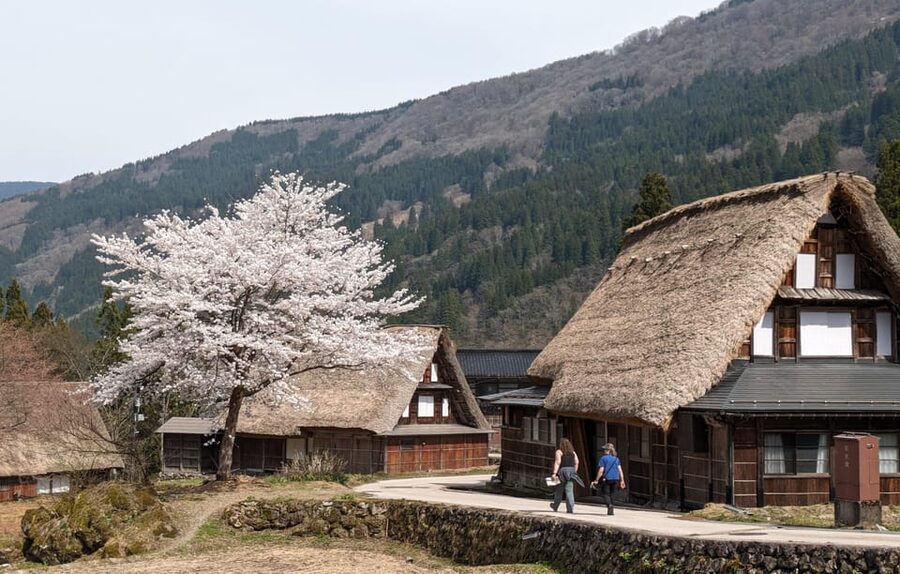
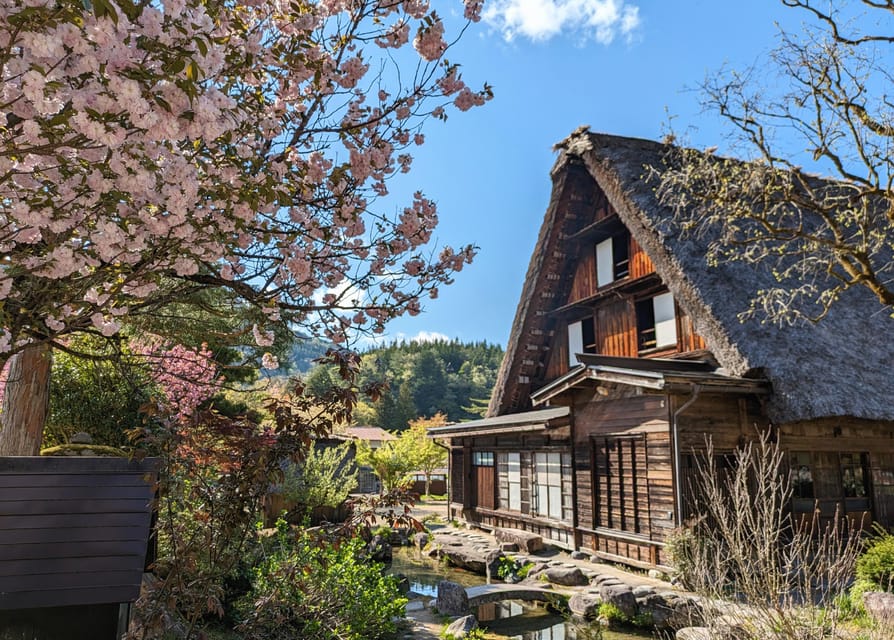
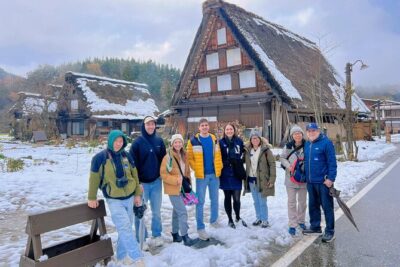
Shirakawa-go is the part most people already recognize. The UNESCO village is famous for its gassho farmhouses, with thick thatched roofs designed for heavy snow.
When you arrive, you start from the main street. The guide leads you through the historic town, including entry into one of the thatched-roof houses. That inside look matters because it explains why the roofs are so dramatic. You see how the buildings were shaped for the climate and how daily life was organized under those steep angles.
The mix of guided and free time
You’ll get guided time first, then about two hours of free time. I like this format because Shirakawa-go can be crowded, and a guided start helps you make sense of what you’re seeing fast. After that, you can slow down, take photos, and wander streets without feeling rushed.
If your goal is quieter moments, use the free time to move beyond the first main viewpoints as your route allows. And if it’s snowy or rainy, don’t force long detours. The village is about walking gently and letting the atmosphere do the work.
The Shima matcha moment: a heritage-style pause
One highlight that’s easy to overlook when planning is the matcha experience at Shima, tied to a heritage site with classic architecture. Even though it’s only a slice of the full day, it helps balance the heavy craft focus elsewhere.
I think this kind of pause is what makes the itinerary feel human. After paper-making and temple carvings, it’s nice to sit, sip, and enjoy an architectural setting that matches the day’s theme. It’s also a straightforward “Japanese culture” moment without needing an extra train connection or museum pass.
Because the provided schedule doesn’t spell out an exact time block for this stop, the best expectation is simple: you’ll have a short heritage-style break before the day ends.
Price and Logistics: is $180 actually good value?
At $180 per person for a 1-day outing, this is not a budget bus ride. But it does bundle several things that are often the real costs on day trips.
Here’s what’s included:
- Transportation to and from Shirakawa-go and between all the key stops
- An English speaking guide
- Entry fee at Zuisenji Temple
- Guided tours at the wood craft focus in Inami and at Shirakawa-go
- The Japanese paper-making workshop fee
What’s not included:
- Lunch
- Accommodation (naturally, since this is a day trip)
So you’re paying for a guided route plus entry plus a hands-on craft workshop. If you tried to do this on your own, you’d spend time figuring out transport between Inami, Gokayama, and Shirakawa-go, and you’d still be missing the context that makes temple carvings and farmhouse architecture click.
If you’re the type who likes to understand what you’re seeing, the price makes more sense. If you only want to take photos and don’t care about explanations, you might feel the bus time more.
Timing and comfort: the bus rides are part of the experience
This itinerary runs on bus transfers, and that affects how you should prepare.
The ride lengths are moderate, with about:
- 1 hour from Kanazawa to Inami
- 35 minutes to the Gokayama area
- 40 minutes to Shirakawa-go
- 80 minutes back toward Kanazawa
Those intervals are long enough to nap, but short enough that you don’t feel trapped. On cold days, the practical benefit is huge: you can browse outdoors in winter conditions, then return to a warmer vehicle between stops.
A drawback to keep in mind
One review highlighted that some people can feel a little claustrophobic if the van is packed. If you’re sensitive to tight seating, consider that this is a shared-vehicle day trip. Dressing comfortably and bringing a small layer can help you manage the in-between times.
What to watch for while you’re there
A day like this goes fast, so it helps to know where to put your attention.
At Inami and Zuisenji, I’d focus on the carved scenes and the animal motifs. The temple is also a chance to see a long timeline, since it was rebuilt after a major fire with a carver from Kyoto.
In Ainokura, watch how the paper-making connects to village life. When you know the village had roles beyond farming, the workshop becomes more meaningful.
In Shirakawa-go, pay attention to the building logic. A steep thatched roof isn’t just pretty. It’s practical design for snow and seasonal survival.
And keep an eye out for the cat carvings in Inami. It’s an easy way to turn a simple walk into a treasure hunt.
Who this tour fits best (and who might not love it)
This tour suits you if you care about:
- Traditional crafts, especially woodcarving and washi paper
- UNESCO villages, but with more context than just a free walk
- A one-day structure that lets you see multiple regions without complicated planning
- A mix of guided time and room to explore on your own
It might not fit if:
- You want a slow, independent travel pace with minimal bus time
- You’re very sensitive to crowded seating
- You’re only interested in one place, since the day covers three main stops plus the heritage matcha moment
My booking checklist before you go
Bring:
- A warm layer for mountain weather and indoor-to-outdoor switching
- Snacks or a packed lunch plan, since lunch is not included
- A small bag for your paper-making souvenir so it stays intact
Plan your focus:
- Set aside time in Shirakawa-go’s free window for wandering, not only photos
- Let the guide’s explanations steer your attention, especially at Zuisenji and inside the thatched house
Also, check seasonal workshop notes. From December 27 to January 3, there is no papermaking experience. If washi paper-making is your main reason for booking, plan your dates around that window.
Should you book this Kanazawa to Shirakawa-go day trip?
Yes, if your ideal day includes crafts, explanations, and UNESCO scenery without the hassle of intercity logistics. The best value comes from bundling the guide, temple entry, and the washi workshop into a single day.
I’d skip or rethink it if you hate bus days, expect a fully flexible lunch situation, or are traveling in late December specifically for paper-making. With the right expectations, this tour is a strong way to see more of rural Honshu than you could on your own in the same amount of time.
FAQ
What time does the tour start from Kanazawa Station?
The tour starts at 9:00 A.M., and from June 1 it starts at 8:30 A.M.
Where do I meet the guide in Kanazawa?
You meet your guide in front of the Information Center near the Shinkansen Ticket Gates at Kanazawa Station. The exact meeting point may vary depending on the option booked.
What are the drop-off options at the end of the tour?
Drop-off locations can include Kanazawa Station and Takayama Station. You should expect to arrive back in Kanazawa between 6:00 and 6:30 P.M. depending on traffic.
Is lunch included?
No. Lunch is not included, and there may be time for lunch in Ainokura or sometimes in Inami depending on circumstances.
Is the paper-making experience always available?
No. From December 27 to January 3, there is no papermaking experience.
How long is the tour?
The experience is 1 day.
Hida Old Town and the Thatched Valley




A Kanazawa Afternoon

Newest Kanazawa write-ups from the Loving Japan desk


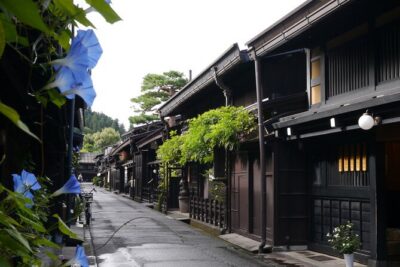
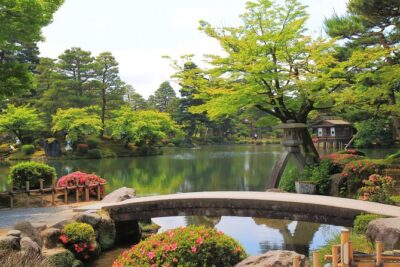

Takayama, Hida and Shirakawa-go, side by side.
 ★ 5.0World Heritage Shirakawa-go and Experience Tours from KanazawaFrom $1224,049 reviews
 ★ 4.9World Heritage Shirakawa-go Morning Guided TourFrom $77988 reviews
 ★ 4.4From Nagoya: Gujo, Hida Takayama, and Shirakawa-go Day TourFrom $61398 reviews
 ★ 4.9World Heritage Shirakawa-go & Two Local ExperienceFrom $116274 reviews
 ★ 4.5From Nagoya: Hida Takayama & Shirakawa-go Tour w/Opt. LunchFrom $61256 reviews
 ★ 4.51 Day Private Charter Tour to Shirakawa-go & TakayamaFrom $575253 reviews
 ★ 5.0[One-day bus tour departing from Kanazawa Station] Shirakawa-go and Gokayama – Two World Heritage Villages Enjoyable Bus TourFrom $88253 reviews
 ★ 5.0World Heritage Shirakawa-go Perfect Guided Tour from KanazawaFrom $81220 reviews
Filed on these lists too