
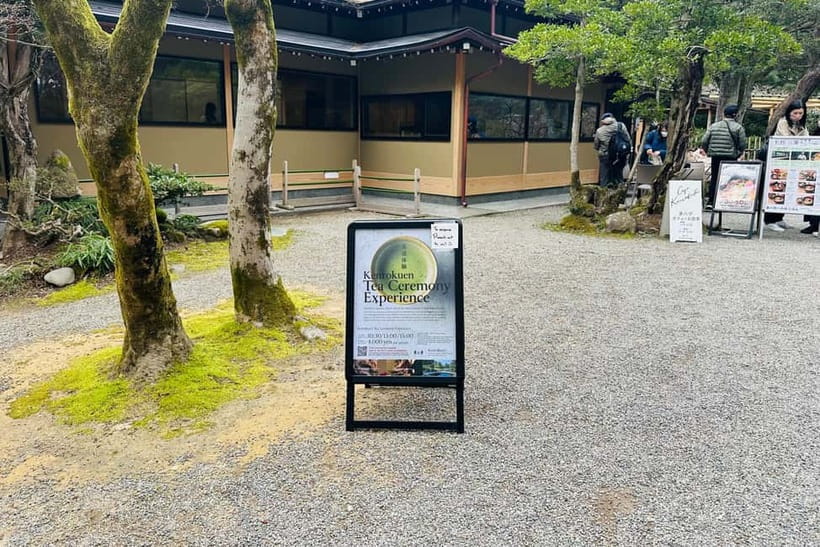
REVIEW · KANAZAWA AND KENROKU-EN GARDEN
Kanazawa: Kenrokuen Tea Ceremony Experience
Kanazawa slows you down, fast. This Kenrokuen tea ceremony in Kenrokutei is a calm, formal way to learn matcha ritual without turning it into a lecture. I like two things most: you get to watch the procedure up close in a real tea room, and you also get to make the tea yourself with guidance.
The main thing to plan for is practical, not emotional. The ceremony room is quiet and private, but you will not see the garden from inside, so you need to visit Kenrokuen before or after if you came for the views. Also, the Kenrokuen entry fee (320 yen) is separate from the $35 experience price.
In This Review
- Key points before you go
- Where Kenrokuen’s Tea Ceremony Happens (Kenrokutei at the Garden)
- Getting There: Meet in Front of the Fountain Inside the Garden
- The 1-Hour Flow: What Happens From Start to Finish
- 1) Welcome and historical context
- 2) Watch the formal procedure
- 3) Learn the rules of how to join
- 4) Make the matcha yourself
- 5) Tea and sweets, served together
- Matcha and Wagashi: What You’ll Taste and How to Enjoy It
- Matcha: more than just green tea
- Wagashi: a small lesson in taste and seasonality
- Etiquette in Real Life: How to Act Without Stress
- Kenrokuen Views: How to Combine Garden Time With the Ceremony
- Price and Value: Why $35 Feels Fair for One Hour
- Who Should Book This Tea Ceremony (And Who Might Skip)
- A Small Reality Check: Noise and Room Atmosphere
- Should You Book the Kanazawa Kenrokuen Tea Ceremony?
- FAQ
- Where is the meeting point for the tea ceremony?
- How long does the tea ceremony experience take?
- What is included in the $35 per person price?
- Do I need to pay Kenrokuen Garden entrance separately?
- Can I take photos during the ceremony?
- What if I arrive late?
- Is there an English instructor?
- Is the tea ceremony suitable for children?
Key points before you go
- Formal tea room at Kenrokutei: part of the ritual happens away from outside sights.
- Watch, then do: you see the steps, then you learn to whisk matcha yourself.
- Wagashi included: you taste traditional sweets made by a well-known confectioner.
- English explanations: the instructor runs through what to do and why, in English.
- Timing matters: if you’re more than 10 minutes late after the start time, your reservation can be canceled.
Sit down somewhere quieter. Other tea rooms we booked
- Kanazawa: Samurai, Matcha, Gardens and Geisha Full-Day Tour
★ 4.9 · 75 reviews - Full-Day Tour from Kanazawa: Samurai, Matcha, Gardens and Geisha
★ 5.0 · 68 reviews
Where Kenrokuen’s Tea Ceremony Happens (Kenrokutei at the Garden)
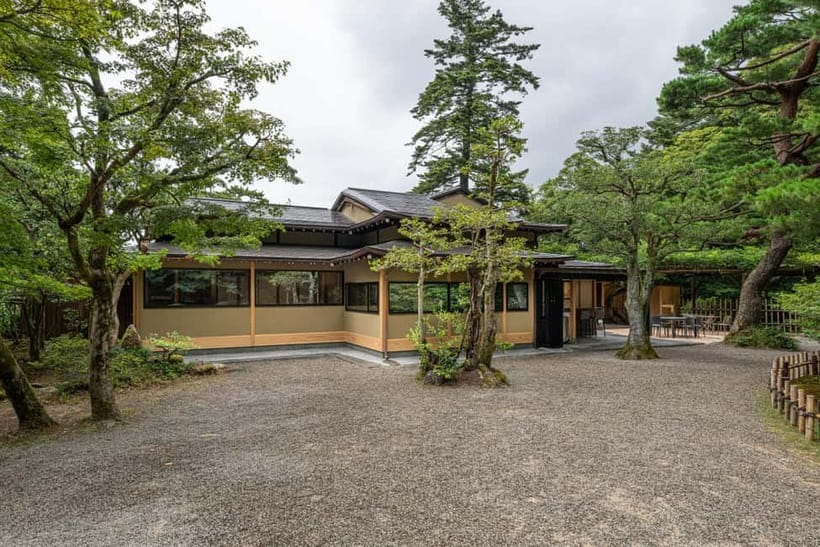
This experience is tied to one of Kanazawa’s best-known places, Kenrokuen, and it takes place at Kenrokutei inside the garden. Kenrokutei is associated with Lord Maeda, who hosted important guests there, so you are stepping into a setting that was meant for ceremony, not just photo ops.
What I like about the setup is the contrast. You start in the garden zone, then the group moves into a formal tea room where the pace drops immediately. In the tea room, the focus stays on the host’s movements, the tea tools, and the etiquette. People consistently describe the mood as peaceful, and that makes a big difference when you are trying something that can feel intimidating on day one.
One more detail that helps your expectations: the garden itself is not visible from inside the tea room. So if you want that classic Kenrokuen feeling, schedule a little extra time to wander the grounds before you sit down for tea.
Getting There: Meet in Front of the Fountain Inside the Garden
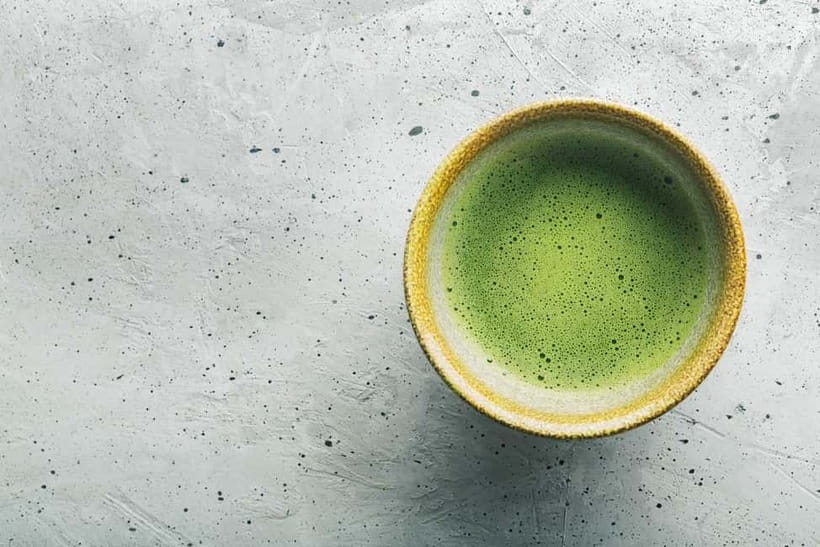
Your meeting point is very specific. Meet in front of the fountain in Kenrokuen Garden, at your provider’s shop, Kenrokutei. This matters because Kenrokuen is large, and “in the garden” is vague. “In front of the fountain” is much easier to execute.
A practical tip: arrive early enough to handle the garden walk and orientation. The experience runs with other groups at the same time, and the event is meant to stay quiet. If you show up rushed, you risk being flustered right when the host expects the room to be calm.
If you are bringing translation support needs: English is offered by the instructor, but if you require English-to-your-native-language interpretation, you need a private reservation. That keeps other guests from getting disrupted.
The 1-Hour Flow: What Happens From Start to Finish
This is a one-hour experience, built around a simple rhythm: background, observation, participation, then tasting. The structure is designed so you do not just watch and hope it makes sense later.
Here is what you can expect:
What else fills a Kanazawa afternoon
- [One-day bus tour departing from Kanazawa Station] Shirakawa-go and Gokayama – Two World Heritage Villages Enjoyable Bus Tour★ 5.0 · 253 reviews
- World Heritage Shirakawa-go Perfect Guided Tour from Kanazawa★ 5.0 · 220 reviews
- From Kanazawa: Shirakawa-go, Gokayama and Wood Carving Art★ 4.9 · 180 reviews
- Kanazawa Night Tour with Local Meal and Drinks★ 5.0 · 148 reviews
- Kanazawa: Private Walking Tour with a Local★ 4.8 · 141 reviews
1) Welcome and historical context
You meet at Kenrokutei, then you get a short explanation of how tea culture works and how tea ceremony developed. The emphasis is on understanding the gestures and pacing, not memorizing trivia. People often mention that guides add local history without making it feel like a long classroom moment.
2) Watch the formal procedure
Next comes the part that makes this experience special: you see the matcha tea ceremony steps done by a master in the proper sequence. You will be close enough to follow the movement and the logic of each action. This is also where etiquette gets explained, because the host actions are tied to how you should behave in the room.
Some names that show up in past sessions include Nana and Océane, both praised for clear communication and patient pacing. Even if your guide is different, the format stays the same: you watch first, then you learn the “why” behind the “what.”
3) Learn the rules of how to join
You will receive instructions on how to sit and how to handle yourself during the ceremony, so you can participate without feeling awkward. This is genuinely valuable, because tea rooms have their own social rules, and most people do not know those rules until they try.
If you have trouble sitting on the floor, you can request a chair. That small option makes the ceremony more comfortable without breaking the tone of the ritual.
4) Make the matcha yourself
Then you get the hands-on part. You make the tea with help. The guide steps in to help with technique, because matcha preparation is harder than it looks. One common comment is that it takes practice to whisk properly, but it is also very satisfying because you control the outcome, even with guidance.
This “watch, then do” format is the difference between taking a show and learning a skill. You leave with a better feel for the rhythm, tools, and the effort behind a good cup.
5) Tea and sweets, served together
You then enjoy the matcha and eat the wagashi sweets that come with the ceremony. The sweets are described as delicious and traditionally made, and that pairing helps you appreciate the flavor contrast between sweet, delicate wagashi and the rich taste of matcha.
Matcha and Wagashi: What You’ll Taste and How to Enjoy It
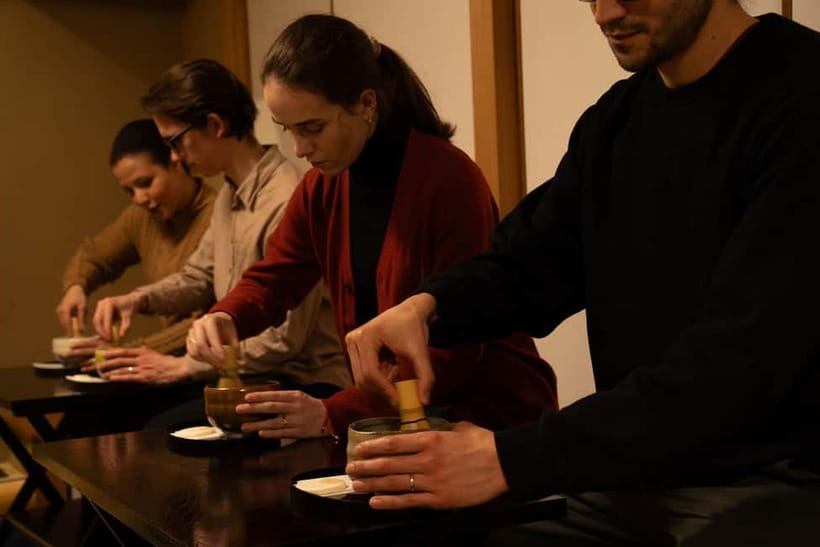
If you care about food, this is the part that turns a cultural activity into a real memory.
Matcha: more than just green tea
Matcha in a tea ceremony is prepared with care, and guides explain how whisking and serving shape the cup. In feedback from past participants, matcha quality is often singled out as better than other places people tried during the trip. People describe it as smooth, balanced, and rich, which usually means the ceremony process is taken seriously.
Wagashi: a small lesson in taste and seasonality
You also taste wagashi sweets made by a renowned confectioner. Wagashi matters because it is not just dessert, it is part of the ceremony’s pacing and flavor design. It gives your palate a gentle sweetness before the matcha, so you experience the full intended balance.
A nice detail from experience reports: people remember not only eating the sweets, but also how the pairing helped them enjoy the tea more, especially if it was their first time trying matcha.
Etiquette in Real Life: How to Act Without Stress
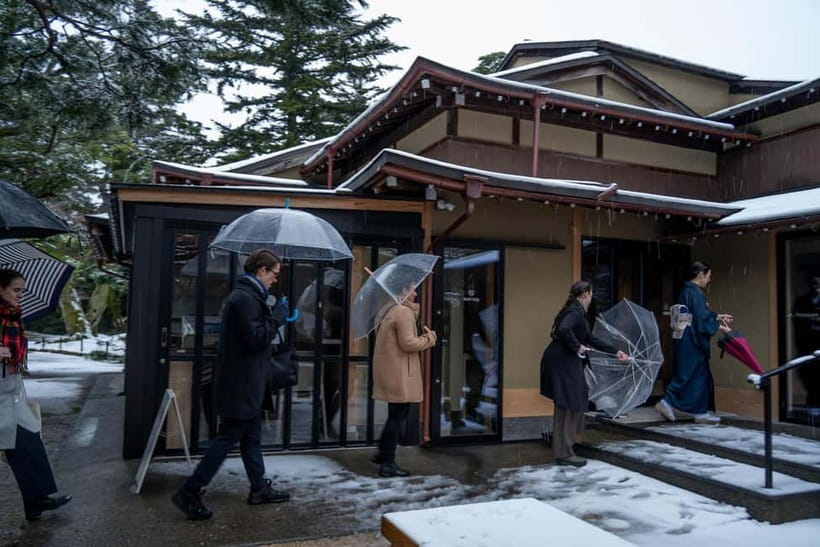
Tea ceremony etiquette can sound like a lot until someone actually tells you what to do. Here, you receive instructions on how to behave in the tea room, and that keeps you from guessing.
Focus on these practical points:
- Move quietly and slowly: the room is designed for calm attention.
- Listen during the explanation: your guide’s cues matter for how you join in.
- Follow the host’s pacing: this is not a quick taste-and-go moment.
- Ask questions during the right moments: guides tend to welcome questions, and participants note they could get answers without feeling rushed.
There is also a comfort element that makes etiquette easier. Chairs can be requested if floor sitting is hard for you. That means you can still follow the ceremony properly even if you are not physically comfortable kneeling.
Kenrokuen Views: How to Combine Garden Time With the Ceremony
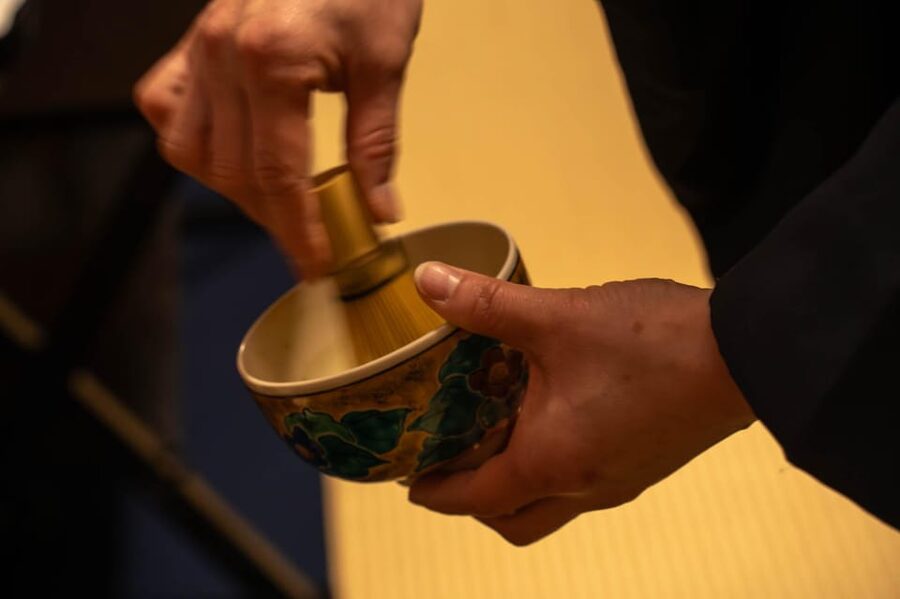
Because the tea room does not show the garden, you need a simple plan if Kenrokuen is your main destination.
Do this:
- Visit Kenrokuen before your ceremony so you can enjoy the walking views when you still have energy and light.
- Or do it after so you can keep the calm mood going and let the garden settle into your day.
Also note that the garden entrance fee is separate. Kenrokuen entry costs 320 yen and is required to access the ceremony buildings. Your $35 experience does not include that admission.
This is important for budgeting. Still, the value is solid because you are paying for a full ritual experience inside Kenrokutei, plus sweets and instruction, not just a quick photo stop.
Price and Value: Why $35 Feels Fair for One Hour
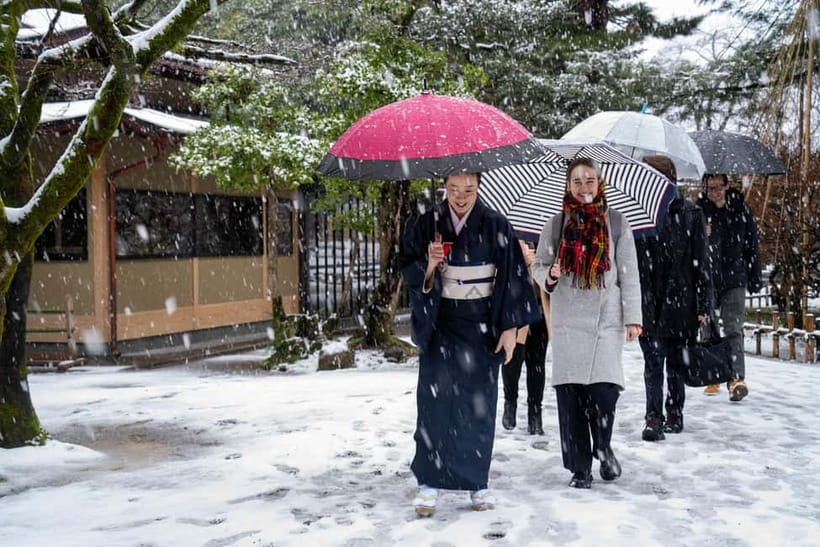
At $35 per person for one hour, the value comes down to what is included and what you learn.
Included:
- Tea ceremony
- Sweets
- Photograph
What that means in real terms: you are paying for a guided, step-by-step cultural experience that includes both watching and participating. You also get a guided explanation in English, so it is not just sitting silently while you wonder what you missed. Many tea ceremonies aimed at tourists can feel either too short or too scripted. Here, the emphasis is on doing, not just observing.
The photograph is a small but practical inclusion. You will want something to remember the moment, and you do not have to beg someone to take a decent shot during a careful, low-light ritual.
The only extra cost is the Kenrokuen admission fee. Once you factor that in, you still get a lot: a quiet tea room moment, matcha making practice, and wagashi in a proper setting tied to Kenrokuen.
Who Should Book This Tea Ceremony (And Who Might Skip)
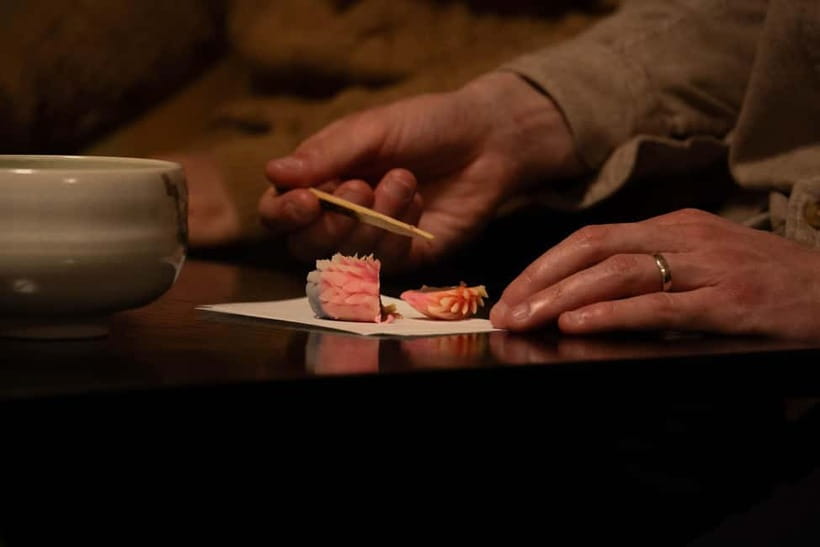
This works best if you want a calmer, more respectful culture experience than a typical “activity.” If you like food, ritual, and learning how to do something with your own hands, this is a strong match.
It is also a good fit for couples and solo travelers. Many participants mention the atmosphere stays peaceful, and the group format still feels personal.
A key constraint: the activity is for participants aged 7 years old or older, and it is not suitable for children under 8 years. So if you are traveling with younger kids, this may not fit.
If you have mobility challenges with sitting on the floor, request a chair. That option is specifically available, so it is not something you need to guess about.
A Small Reality Check: Noise and Room Atmosphere
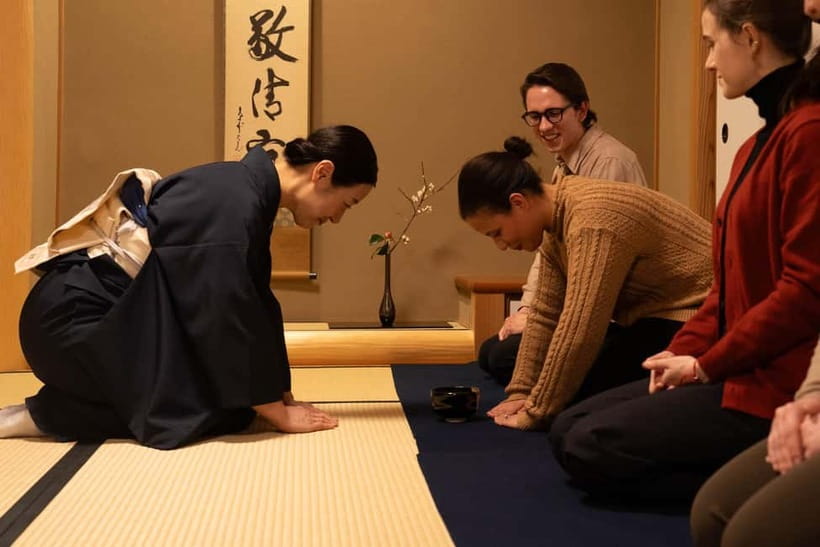
Tea rooms are meant to be quiet, and most people describe the ceremony as relaxing. Still, one note from past experiences: sometimes there can be noise from nearby areas during the ceremony. When that happens, hosts have been described as apologetic and helpful, and they may add a small gesture to make up for it.
So treat it as generally quiet, not guaranteed soundproof. The important part is that the ceremony itself stays focused and guided.
Should You Book the Kanazawa Kenrokuen Tea Ceremony?
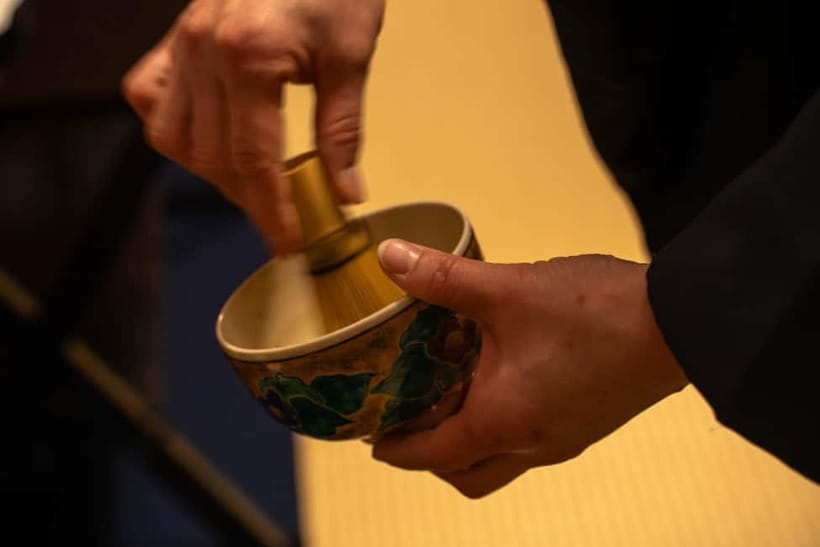
Book it if you want one of Kanazawa’s most memorable “slow down” experiences. The combination is hard to beat: watch a formal ceremony, learn etiquette in plain English, then make your own matcha and eat wagashi in the same session.
Skip it or rethink if:
- You only care about outdoor scenery and do not want to spend time inside a room where the garden is not visible.
- You are traveling with children under 8.
- You hate anything that requires careful listening and following instructions, even if the guide explains it step-by-step.
If you do book, add a little buffer time for Kenrokuen itself. That way, you get both parts of the day: the garden you came for, plus the tea room calm you did not know you needed.
FAQ
Where is the meeting point for the tea ceremony?
Meet at Kenrokutei, in front of the fountain inside Kenrokuen Garden.
How long does the tea ceremony experience take?
The experience lasts 1 hour.
What is included in the $35 per person price?
Your ticket includes the tea ceremony, sweets, and a photograph.
Do I need to pay Kenrokuen Garden entrance separately?
Yes. You must pay the Kenrokuen Garden entrance fee separately (320 yen). It is not included in the tea ceremony price.
Can I take photos during the ceremony?
Yes, you are allowed to take pictures to keep a memory of the moment.
What if I arrive late?
Please be punctual. If you arrive more than 10 minutes late after the starting time, your reservation can be canceled.
Is there an English instructor?
Yes, the instructor provides explanations in English.
Is the tea ceremony suitable for children?
Participants must be aged 7 years old or older, and it is not suitable for children under 8 years.
A Kanazawa Afternoon



Kyoto by the Bowl
Newest Kanazawa write-ups from the Loving Japan desk
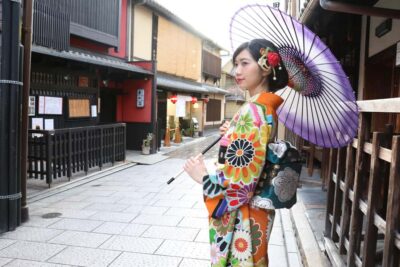
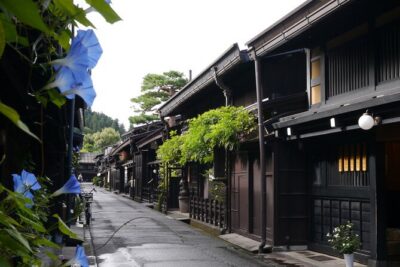
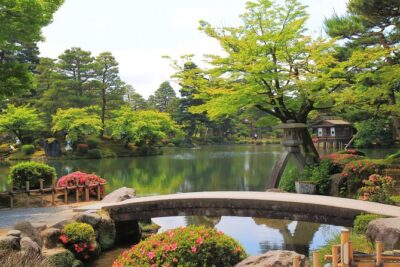
Kanazawa and Kenroku-en Garden, side by side.
 ★ 5.0World Heritage Shirakawa-go and Experience Tours from KanazawaFrom $1224,049 reviews
 ★ 4.9World Heritage Shirakawa-go Morning Guided TourFrom $77988 reviews
 ★ 5.0Kanazawa Half Day Tour (Private Guide)From $134361 reviews
 ★ 5.0Kanazawa Full Day Tour (Private Guide)From $183323 reviews
 ★ 4.9World Heritage Shirakawa-go & Two Local ExperienceFrom $116274 reviews
 ★ 5.0[One-day bus tour departing from Kanazawa Station] Shirakawa-go and Gokayama – Two World Heritage Villages Enjoyable Bus TourFrom $88253 reviews
 ★ 5.0World Heritage Shirakawa-go Perfect Guided Tour from KanazawaFrom $81220 reviews
 ★ 4.9From Kanazawa: Shirakawa-go, Gokayama and Wood Carving ArtFrom $180180 reviews
Filed on these lists too