
REVIEW · KANAZAWA AND KENROKU-EN GARDEN
Kanazawa: Samurai, Matcha, Gardens and Geisha Full-Day Tour
Kanazawa can feel like stepping into a living museum. This full-day route strings together samurai neighborhoods, Kenroku-en, and the tea districts in a way that actually makes sense on foot. I love the variety, samurai houses you can enter, then a traditional garden you can slow down in. I also love the matcha segment, served with wagashi and taught properly. The only real drawback is the walking, this is a several-hours outdoors kind of day.
You’ll start at Kanazawa Station, spot a modern homage to old design, then work your way through the city like a storyboard. One more thing I like: the pace includes small pockets of freedom, so you can linger near koi ponds or gardens without the whole group getting yanked along. Do pack for cold or wet weather, because Kanazawa can rain and it does not care about your perfect photos.
In This Review
- Key points to know before you go
- Start at Kanazawa Station, then follow the old city signs
- Nagamachi Samurai District, where “samurai” isn’t just a word
- Oyama Shrine, the 19th-century fusion stop most tours skip
- Inside Kanazawa Castle grounds, with views you can’t rush
- Gyokusen-an matcha, plus wagashi and proper technique
- Kenroku-en, guided time that helps you see the design
- Higashi-chaya tea district and the Shima geisha house visit
- How to handle a walking day without wrecking your feet
- Price and value: what $156 buys you in Kanazawa
- What the guides do well, and why you’ll feel cared for
- Should you book this Kanazawa full-day tour?
- FAQ
- How long is the Kanazawa Samurai, Matcha, Gardens and Geisha Full-Day Tour?
- What is included in the tour price?
- Is lunch included?
- Where do I meet the guide at Kanazawa Station?
- What language is the tour offered in?
- How much walking should I plan for?
- What should I bring for this tour?
- What happens if it rains or it is very cold?
- Can I cancel for a refund?
Key points to know before you go
- Nagamachi Samurai District entry time gives you more than a quick look.
- Oyama Shrine’s Japanese-Western blend is a history clue you can see with your own eyes.
- Matcha at Gyokusen-an includes wagashi and guidance on how to drink it.
- Kenroku-en is guided, with context on how it was planned and built over 200 years.
- Higashi-chaya plus Shima means tea district atmosphere and a geisha-house stop in one run.
- Weather matters since the day is mostly outdoors and you’ll cover a lot of ground.
Evening walks through the old quarters, compared
- Full-Day Tour from Kanazawa: Samurai, Matcha, Gardens and Geisha
★ 5.0 · 68 reviews
Start at Kanazawa Station, then follow the old city signs
This day begins at Kanazawa Station, outside the Shinkansen ticket gates, in front of the information center. Look for four large sumo wrestlers, and you’ll meet your guide there. From the moment you step out, Kanazawa’s mix of old and new shows up quickly, with the Tsuzumi-mon gate visible right away. It’s a modern take on a traditional gate style, and it sets the tone: you’re not touring a theme park. You’re moving through a real city that still uses old forms.
Why this start is useful: the tour route makes it easy to orient fast. You’ll spend the morning learning where the historic districts sit relative to the station, so later, when you want to wander back for one more photo or snack, you won’t feel lost. Also, meeting at a major hub is a relief if your train arrives late or your plans change.
Nagamachi Samurai District, where “samurai” isn’t just a word
The first big focus is Nagamachi Samurai District. You walk over from nearby streets lined with local homes, and you’ll see smaller wooden temples tucked along the way. That matters because it softens the transition. You don’t go from modern shopping to “samurai land” instantly. You ease into it.
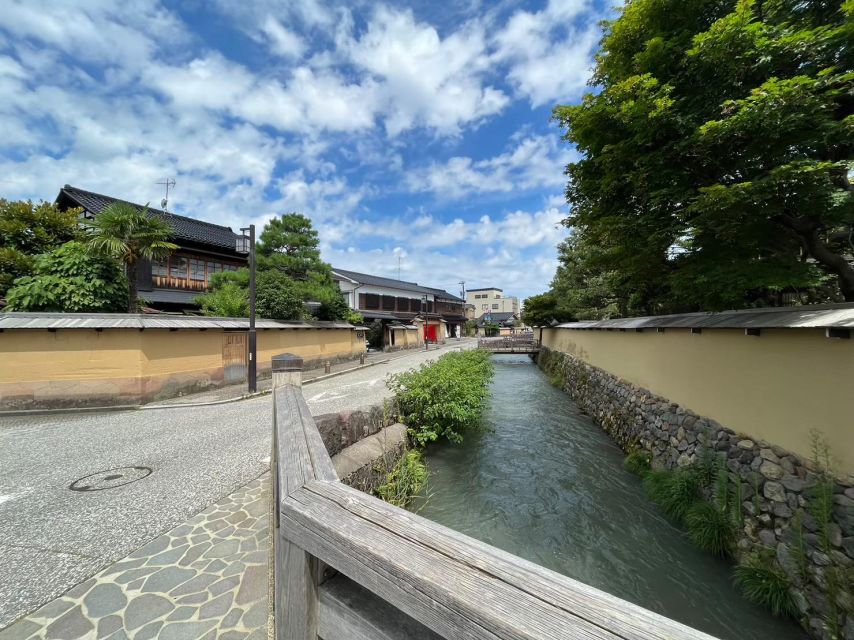
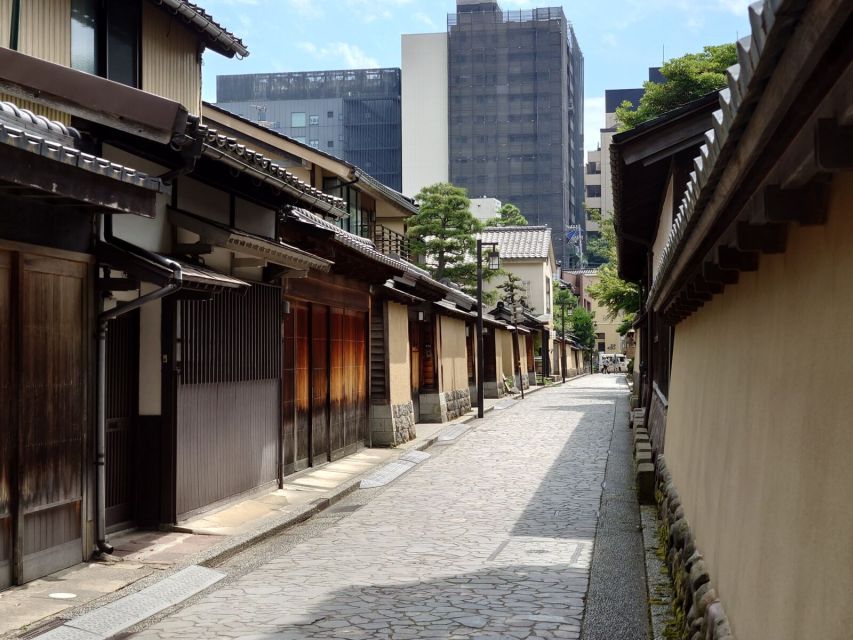
At Nagamachi, you’ll reach the crooked main street that people associate with the district. The standout part is that you get access to houses that were once home to lower-ranking samurai families. Seeing modest homes changes the story. Samurai life wasn’t only about armor and heroic legends. Here, you get a more grounded picture of daily living: smaller spaces, practical layout, and the quiet routines that supported the feudal system.
Is it perfect for everyone? If you hate walking or you want big museum galleries, this section may feel a bit “outdoors village” for you. But if you like details and street-level context, this is one of the best parts of the day. Even the free time helps, because you can browse local crafts and small wares without feeling rushed.
Oyama Shrine, the 19th-century fusion stop most tours skip
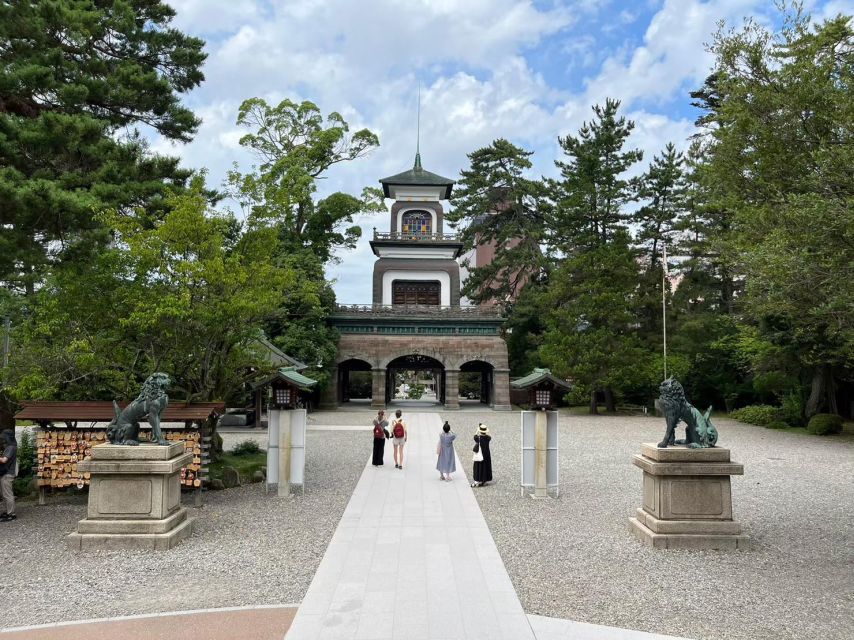
Next comes Oyama Shrine, a place that’s memorable because it blends Japanese and Western elements. Even in a city packed with old-world sights, this one feels different. It’s a fusion that points to the 19th century, when Japan was absorbing outside influence while still keeping strong local traditions.
You get a guided visit, then time to explore the back area. That’s where the koi pond and small garden show up, plus a path that leads to a bigger wooden bridge. This is a short stop, but it works as a visual breather between bigger attractions. It gives you water, greenery, and architecture choices that feel slightly unusual for a shrine stop.
If you’re the type who likes photos, take a moment here. The shrine grounds give you angles that look “storybook” without being overproduced.
Sit down somewhere quieter. Other tea rooms we booked
- Kanazawa: Kenrokuen Tea Ceremony Experience★ 4.8 · 1,139 reviews
Inside Kanazawa Castle grounds, with views you can’t rush
After Oyama, you cross a big wooden bridge connected to the shrine’s garden area. Then you pass through an impressive gate to enter the Kanazawa Castle grounds. The castle is partially restored, so it won’t read like a single perfect reconstruction. Instead, it feels like layers of history, rebuilt and maintained where possible.
One of the reasons this section is worth your time is the sheer scale of the stone walls and the way the grounds frame views. Even if you don’t climb every available path, you still get that “feudal power” feeling. The castle garden at the base of those walls is especially good when the weather is moody. Rain or mist can make the area feel more atmospheric, and it’s one of those places where the guide’s timing matters.
This stop is also useful for planning lunch. Your guide can help you decide where to eat nearby, since lunch is not included.
Gyokusen-an matcha, plus wagashi and proper technique
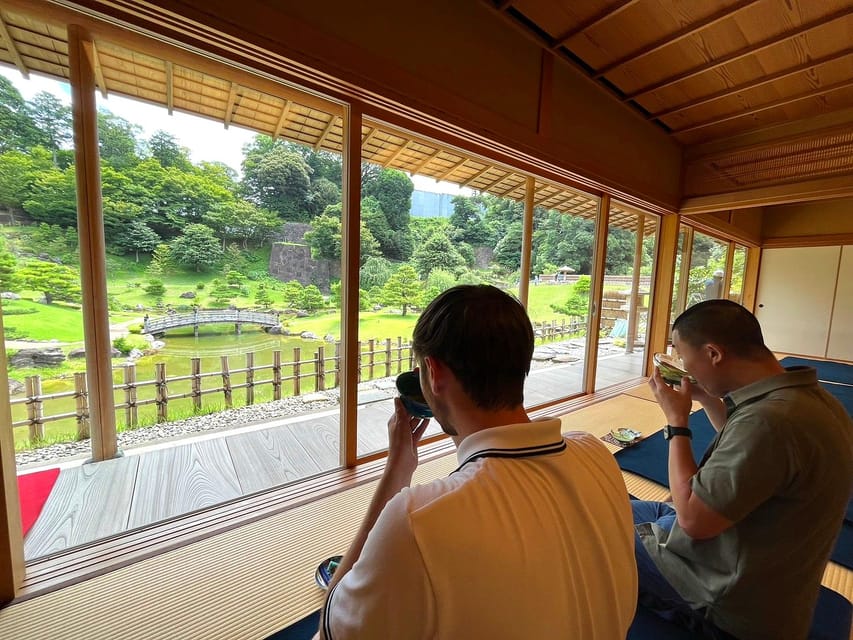
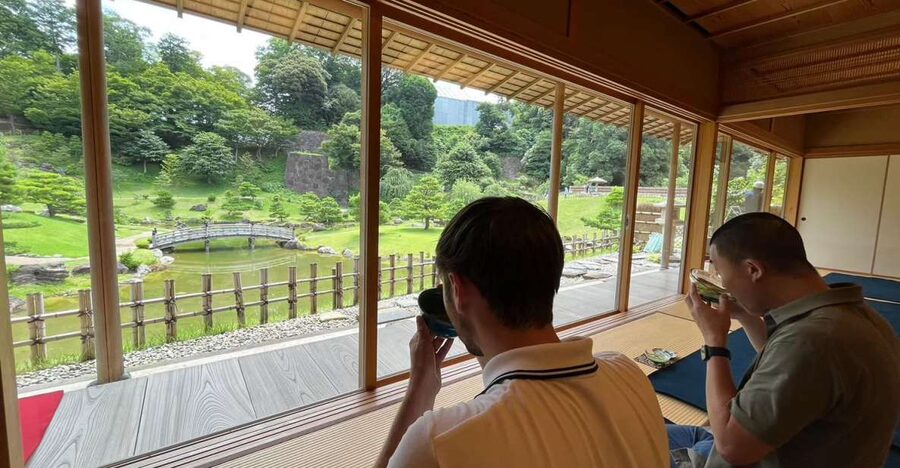
The matcha portion happens at Gyokusen-an tea house, with views over a garden at the base of the castle stone walls. Inside, the tea house is purely Japanese in feel, with an elegant interior that makes the whole moment slow down. The guide runs the matcha experience, and you’ll get wagashi sweets served along with your tea.
One practical note: the day sometimes changes. If special events happen at Gyokusen-an, the matcha tea tasting may be moved to another location. That doesn’t sound ideal on paper, but in practice it means they protect the experience even when the original venue is not available.
The best part is that you’re not just drinking matcha. You’re taught how to do it properly. That’s the difference between a souvenir sip and something you actually remember. The guides are good about pacing here, so you don’t feel like you’re getting rushed through a process.
If you’ve never had matcha before, don’t overthink it. Focus on the scent and the taste shift between the tea and the sweets. It’s a short sensory reset before the garden portion.
Kenroku-en, guided time that helps you see the design
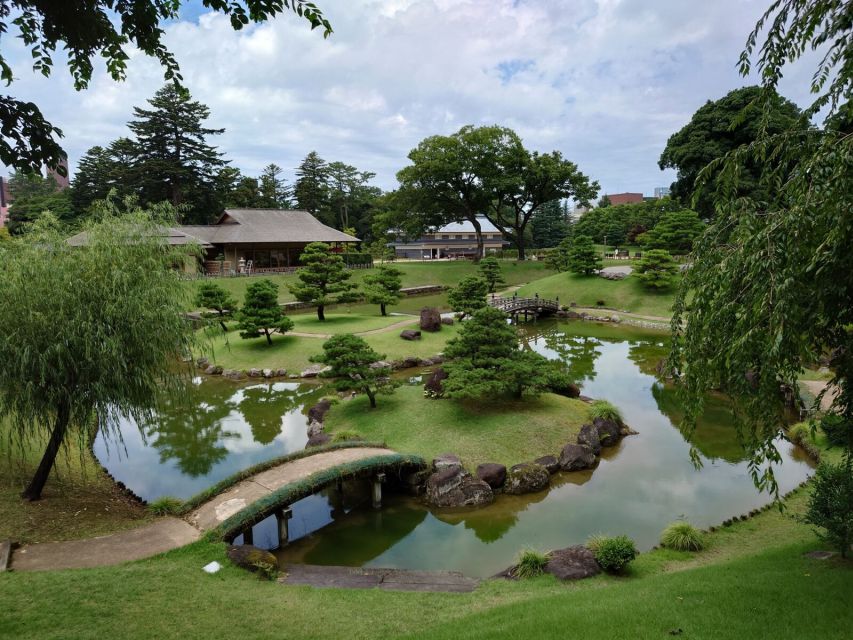
No visit to Kanazawa is complete without Kenroku-en. This guided stop is long enough to matter, about 1.5 hours, and it’s often listed among the best gardens in Japan. The guide explains how it was designed and created over 200 years ago, on the order of the Lord of Kanazawa Castle.
What makes a guided Kenroku-en worthwhile is simple. Gardens look calm, but they are engineered. You’ll start noticing borrowed scenery, viewing angles, and how paths shift your perspective. Without context, it can just look like pretty greenery and ponds. With context, you start seeing the plan.
What to watch for: take your time near water features and bridges, and don’t only speed-walk to the “main photo spot.” The best viewing moments often require slow looking. If the weather turns rainy, Kenroku-en can become more atmospheric. Rain softens contrasts and makes the garden feel quieter.
The only drawback is crowds at peak times. A guide helps you move in a way that avoids the most chaotic bottlenecks, but you still might share space with other visitors. Bring patience and a camera strap that stays secure.
Higashi-chaya tea district and the Shima geisha house visit
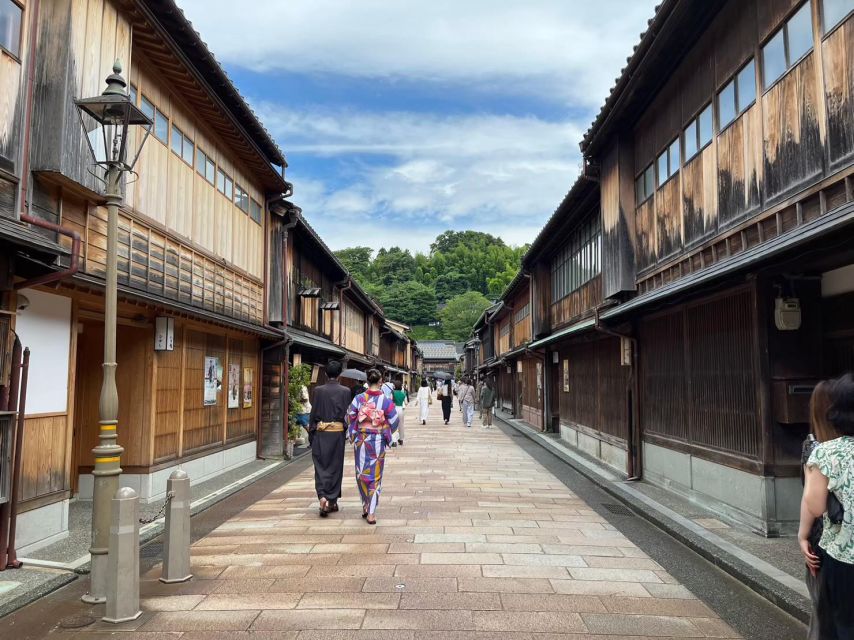
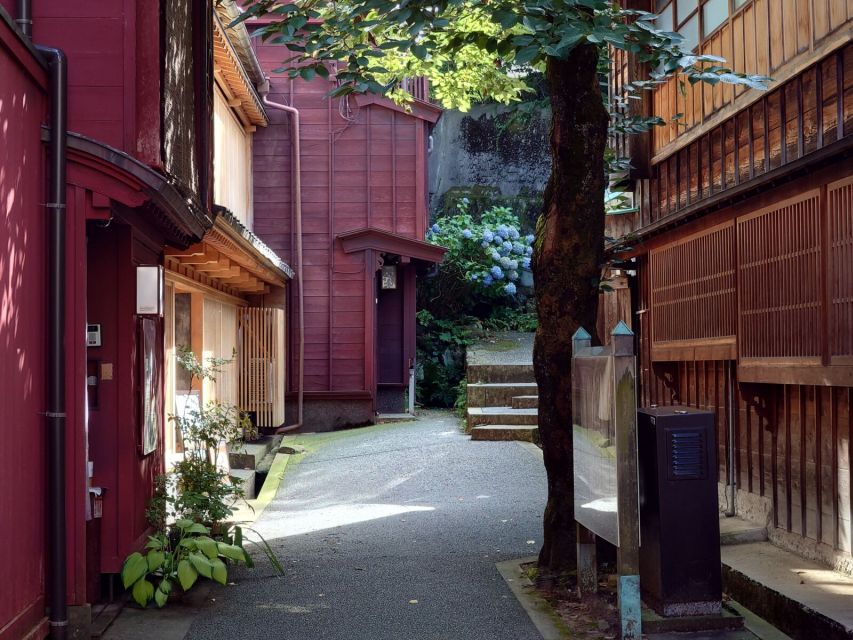
After Kenroku-en, the day shifts into Higashi-chaya Tea District, a symbol of Kanazawa and one of the most famous tea districts outside Kyoto. You walk streets lined with tall, two-story wooden tea houses. Some are painted red, a design feature you’ll hear described as distinctive to Kanazawa.
Here, you get a guided stroll plus free time to shop and explore. This part works because it’s not only about buildings. It’s about atmosphere. The lanes and the house fronts create a sense of place that’s hard to recreate on your own without time to wander.
Then you visit Geisha House Shima, with another guided tour. The inclusion here is smart. Many people can see the district from the street, but Shima adds an inside view of classic architecture and the tea-house world. In other words, you’re seeing the stage and also learning a bit about how it was used.
This segment is also a good match for your tea curiosity. If you liked the matcha earlier, you’ll likely enjoy connecting the tea culture dots during this final tea-district push.
How to handle a walking day without wrecking your feet
This tour is hands-down a walking day. The schedule is built around outdoor strolling between districts, with short guided segments and occasional free time. You should plan on several hours outside, and comfortable shoes are not optional.
I’d take the weather guidance seriously. Bring an umbrella and rain gear, and plan warm clothing if you’re traveling in colder months. In winter, temperatures can be below 10°C, and mornings and evenings may hover near 0°C. There may also be snow and ice on sidewalks, so wear non-slip shoes. Your feet will thank you more than your camera does.
If you like numbers, some groups report around 12 km walking and up to about 27,000 steps. That’s not to scare you. It’s to help you pace yourself. Take advantage of the tour’s built-in free time windows. Use them to stretch, refill water, and reset before the next major stop.
One more practical tip: lunch is not included. The tour does allow time to grab something during the day, and a popular option is the market area near Omicho Market. Still, I’d treat lunch as flexible. Ask your guide what looks best that day, then eat like you mean it, not like you’re bargaining with your stomach.
Price and value: what $156 buys you in Kanazawa
At $156 per person for a full day, you’re paying for four things: a guide, two paid cultural elements (Kenroku-en and Shima entry), and the matcha experience. Lunch is not included, so that’s extra.
Here’s why the price can feel fair. You’re not just visiting stand-alone landmarks. You’re learning how they connect, with guided context on samurai life, shrine history, garden planning, and tea district culture. The guide also helps you hit multiple major sites in one day without you needing to figure out transport between every stop.
It also matters that the matcha and entrance fees are included. If you price those separately, the overall day becomes less expensive than building it yourself from scratch with the same “time efficient” route.
My honest take: it’s a strong value if you want structure and cultural interpretation. If you’re the type who only wants to wander and you already know the history, you might do it cheaper on your own. But if you want a day that turns Kanazawa into a story you understand, this is a solid spend.
What the guides do well, and why you’ll feel cared for
The experience depends on the guide, and the patterns in feedback are clear. Guides like Adeline, Gareth, and Mike are praised for being engaging, patient with different paces, and quick to answer questions. Lee gets credit for helping with train plans when someone was late, and Akari is noted for making stops feel friendly while still teaching real context.
That last bit matters. The itinerary is long. A guide who keeps the day flowing makes the walking feel less like logistics and more like a trip. It also helps when weather changes. Some groups even noted that rain did not spoil the day, because the guide kept everyone oriented and moving.
Should you book this Kanazawa full-day tour?
I’d book this tour if you want a full Kanazawa overview in one day, with Nagamachi, Oyama Shrine, Kenroku-en, Higashi-chaya, and Shima all connected by a guide’s explanations. It’s also a great fit if you like guided matcha and want to understand tea culture beyond just tasting something sweet.
Skip it or consider an alternate plan if you hate lots of walking, or if you plan to visit only a couple of major sites and prefer a slower, self-guided day. This is not a sit-and-stare tour.
If you do book, pack smart, start on time, and treat each stop as a chance to look at one small thing closely. That’s how the day clicks.
FAQ
How long is the Kanazawa Samurai, Matcha, Gardens and Geisha Full-Day Tour?
It’s a full day, listed as 1 day. Starting times can vary, so you’ll need to check availability.
What is included in the tour price?
The tour includes a live English guide, a matcha experience, entry fee for Kenroku-en, and entry fee for Shima (the geisha tea house).
Is lunch included?
No. Lunch is not included, but the tour includes time to explore and grab a bite along the way.
Where do I meet the guide at Kanazawa Station?
Meet outside the Shinkansen ticket gates, in front of the information center. If you are heading out from the gates, look forward and to the right and you will see four large sumo wrestlers next to which you meet your guide. If you enter from outside, you’ll find the sumo wrestlers immediately inside the East Entrance.
What language is the tour offered in?
The tour is offered with a live guide in English.
How much walking should I plan for?
The tour involves several hours outdoors and covers multiple districts on foot. You should plan for a lot of walking and wear comfortable shoes.
What should I bring for this tour?
Bring comfortable shoes, warm clothing, an umbrella, rain gear, socks, and weather-appropriate clothing. If conditions are slippery, wear non-slip footwear.
What happens if it rains or it is very cold?
The tour is outdoors, so you should use the weather gear guidance, bring an umbrella or raincoat, and wear warm layers. In winter, conditions can be near freezing with possible snow and ice.
Can I cancel for a refund?
Yes. There is free cancellation up to 24 hours in advance for a full refund.
Kyoto by the Bowl
Evenings in the Old Quarters
Newest Kanazawa write-ups from the Loving Japan desk


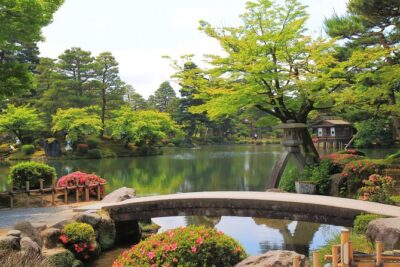

Kanazawa and Kenroku-en Garden, side by side.
 ★ 5.0World Heritage Shirakawa-go and Experience Tours from KanazawaFrom $1224,049 reviews
 ★ 4.8Kenrokuen Tea Ceremony ExperienceFrom $351,139 reviews
 ★ 4.9World Heritage Shirakawa-go Morning Guided TourFrom $77988 reviews
 ★ 5.0Kanazawa Half Day Tour (Private Guide)From $134361 reviews
 ★ 5.0Kanazawa Full Day Tour (Private Guide)From $183323 reviews
 ★ 4.9World Heritage Shirakawa-go & Two Local ExperienceFrom $116274 reviews
 ★ 5.0[One-day bus tour departing from Kanazawa Station] Shirakawa-go and Gokayama – Two World Heritage Villages Enjoyable Bus TourFrom $88253 reviews
 ★ 5.0World Heritage Shirakawa-go Perfect Guided Tour from KanazawaFrom $81220 reviews