
REVIEW · AMANOHASHIDATE AND THE KYOTO COAST
Kyoto: Miyama Village, Amanohashidate & Ine Bay Day Trip
By morning, Kyoto feels worlds away. This 10-hour outing strings together Ine Bay funaya boat houses, Amanohashidate pine-lined views, and Miyama’s storybook thatched village, with a guide who keeps the day understandable in multiple languages. You get guided context, plus real breathing room to wander on your own.
I love how the route gives you three different kinds of Japan in one day, coastal, coastal again, then deep mountain rural Kyoto. I also like the pacing style, photo stops plus short guided stops, then free time so you can chase the view, not the clock.
The main thing to consider is that it is a packed day. Even with scheduled time at each place, the distances and photo moments mean you will not linger like you could on a multi-night trip.
In This Review
- Key Highlights You’ll Actually Feel on the Ground
- Leaving Osaka Early, and Why That Matters
- Ine Bay: Funaya Boat Houses and the Tides That Still Run the Show
- Amanohashidate: The Pine-Lined Sandbar and the Best View Trick
- Chion-ji and Monju-do: Where Academic Luck Gets Serious
- A Few Minutes at the Beach and a Café Stop You Can Use Well
- Miyama Kayabuki no Sato: Thatched Houses and the Architecture of Winter
- The Timeline and How to Not Feel Rushed
- Price and Value: What $63 Gets You (and Where Extra Costs Show Up)
- Who This Day Trip Suits Best
- Practical Tips That Improve Your Day Immediately
- Should You Book This Kyoto, Ine, Amanohashidate, and Miyama Day Trip?
- FAQ
- How long is the Kyoto: Miyama Village, Amanohashidate & Ine Bay Day Trip?
- Where do I meet the tour, and what time does it start?
- What is included in the price?
- Is lunch included?
- Are there any extra costs during the tour?
- Do I need to bring cash?
- What should I bring for the day trip?
- What rules should I know before going?
- Is this tour suitable for people with mobility impairments?
- Can the schedule change due to weather or traffic?
Key Highlights You’ll Actually Feel on the Ground
- Ine Bay funaya over the water: about 230 traditional boat houses where people still live facing the tide.
- Amanohashidate’s scale: a 3.6-kilometer sandbar lined with 8,000+ pines, with an optional cable car to the best panoramas.
- A fun fortune ritual: a traditional upside-down viewing at Amanohashidate for good luck.
- Academic prayers at Chion-ji: Chion-ji Temple and Monju-do Hall are the academic-success focus here.
- Miyama’s thatched village details: chigi beams and yukiwari snow-cutting rods show how houses were engineered for winter.
- Guide-led timing in multiple languages: explanations in English, Japanese, and Traditional Chinese, with smooth handoffs between languages.
Out to the sand bar and the boathouses, other days
- From Osaka: Amanohashidate and Ine Bay Day Trip
★ 4.6 · 209 reviews - Kyoto Amanohashidate,Ine Bay Trip with Optional boat/Ropeway
★ 4.5 · 87 reviews
Leaving Osaka Early, and Why That Matters
This day trip starts early, which is not a small detail. You meet at 7:05 AM and depart at 7:20 AM from Nipponbashi Station Exit 2 in the Namba Shinsaibashi area. The early start matters because Amanohashidate and coastal sights get busy, and you want your best photo angles before the day turns into a crowd.
The ride itself is part of the value. You travel by a comfortable, air-conditioned coach with a driver and a multi-language guide. During the quieter stretches between stops, you get story context and practical reminders, which helps you move with confidence instead of guessing what is worth your time.
One more small “Japan reality” tip. Bring some cash. The itinerary includes cafes and sacred sites where you may find cash-only payment, and you do not want to be stuck at a scenic stop with no way to buy water or a small snack.
Ine Bay: Funaya Boat Houses and the Tides That Still Run the Show
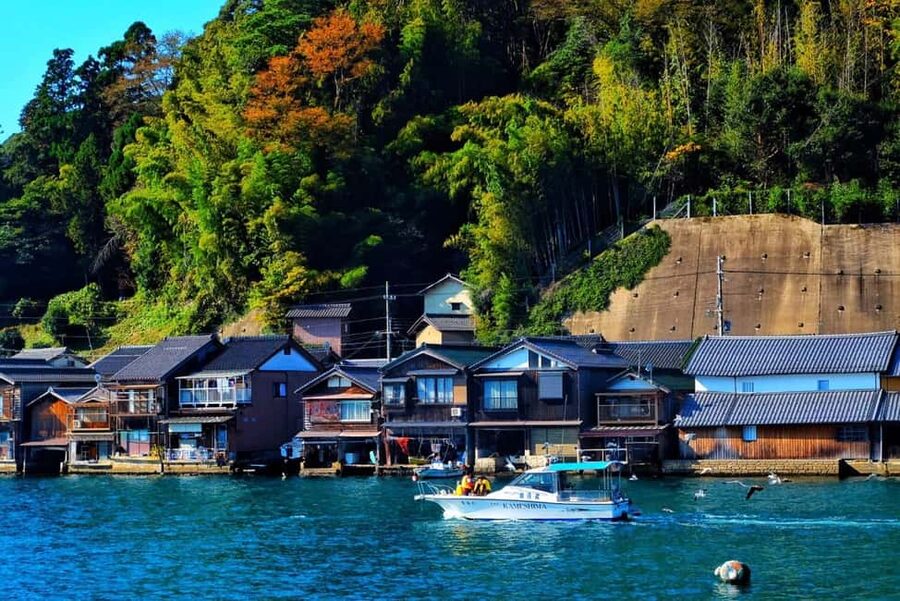
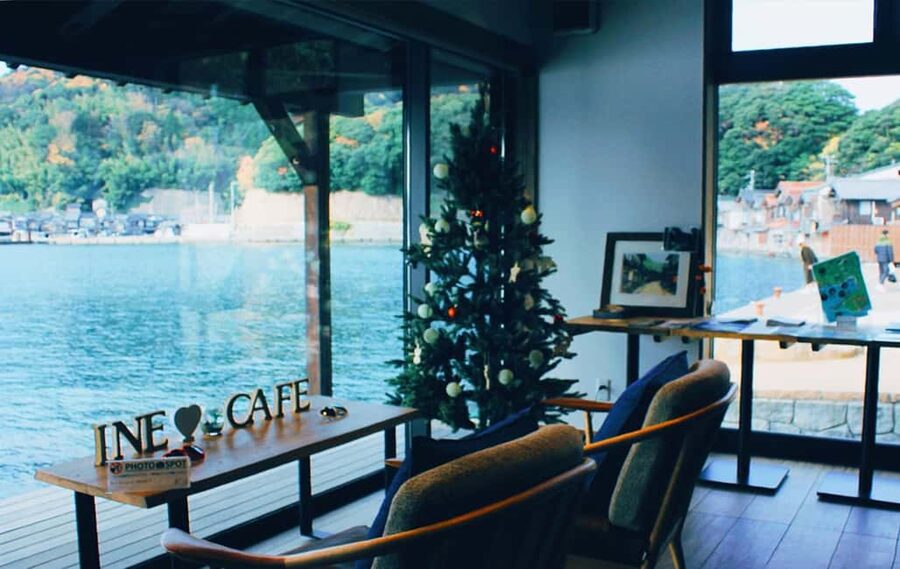
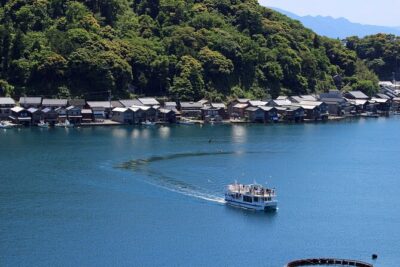
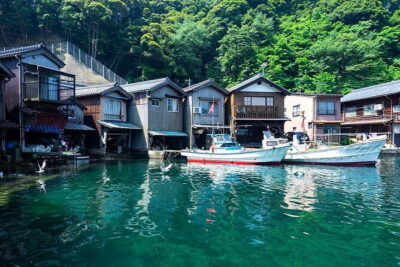
Ine Bay is where the day truly changes gear. The big visual idea is simple but unforgettable: traditional funaya boat houses, around 230 of them, float right above the sea. Even better, this is not just a pretty postcard setup. Locals still live in these water-facing homes, working and living with the tides the way people have for centuries.
At the Ine stop, you get both a photo moment and a guided tour, with about 40 minutes on the ground. This is enough time to walk the quieter edges of the village lanes and look for the classic two-story structure. The first floor is used for the fishing boats, and the second floor is the cozy home space above.
What I like for your planning: Ine rewards a slow look. You will probably find a seaside café where you can sip handcrafted coffee while watching the bay. Even if you do not stop for a drink, just standing there makes the “Venice of the Sea” nickname feel grounded, because you are seeing boats, houses, and water all in the same frame.
A practical heads-up from the provided info: be cautious of eagles in the area. That does not mean fear, it means keep your eyes open and do not get so focused on photos that you forget you are in an active natural setting.
Amanohashidate: The Pine-Lined Sandbar and the Best View Trick
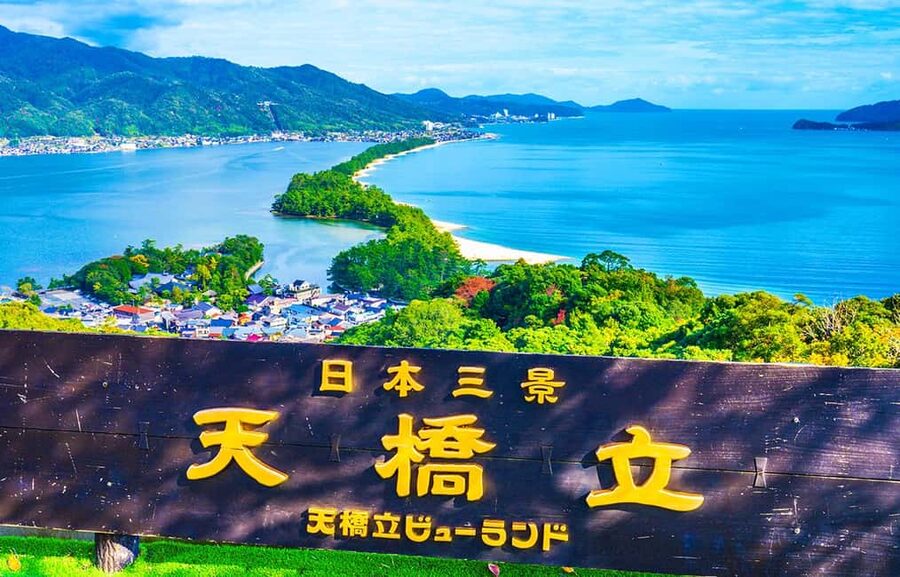
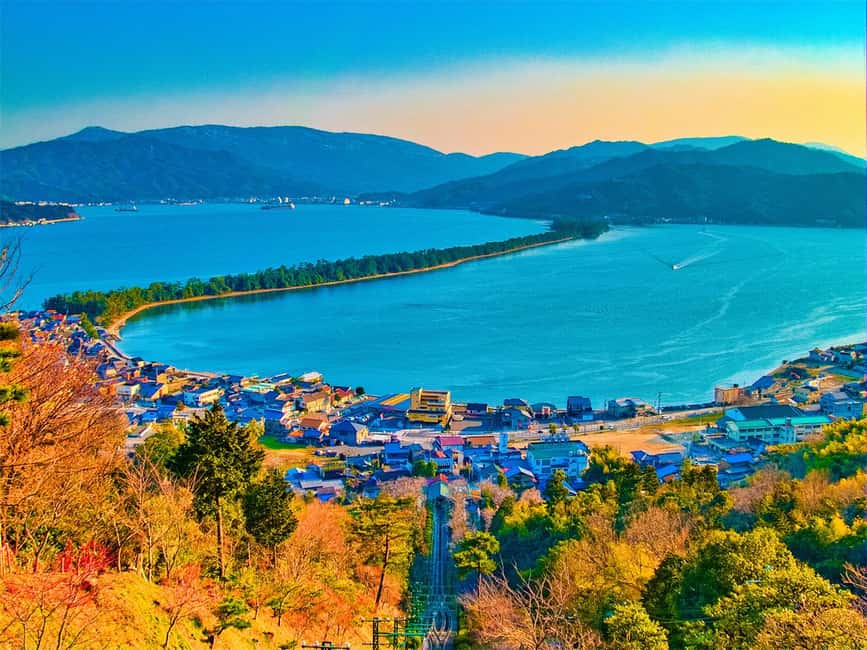
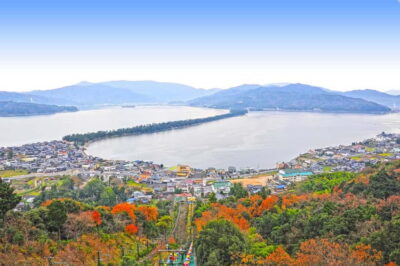
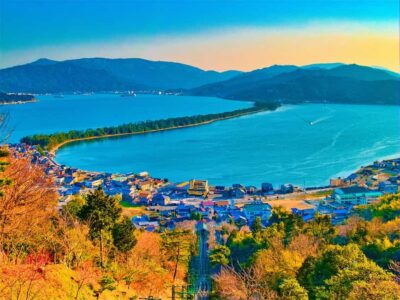
Next comes the icon: Amanohashidate, literally described as the bridge to heaven. The feature here is the natural sandbar, 3.6 kilometers long and lined with over 8,000 pine trees, stretching across the bay like a green dragon. It is the kind of place that makes you stand still, because the view is not just wide, it is textured with layers of trees, water, and sky.
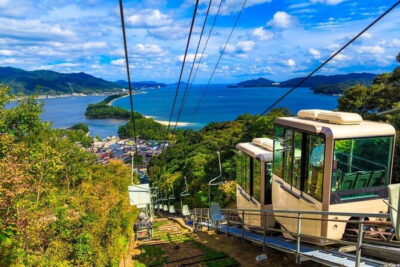
You will have about two hours for the Amanohashidate area, with guided moments, photo stops, and time to explore. There are a few ways to experience it, and the tour highlights the option that usually gives the most wow per minute: take the cable car to View Land.
You should know this is self-paid. If you want the broadest panorama, this is the best move, often described as the Flying Dragon view, which matches the sandbar shape from above. If you skip it, you can still enjoy the main ground views and sacred stops, but the viewpoint is where many people feel the day’s “big moment” payoff.
Also, Amanohashidate includes fun ritual options. There is a traditional way of viewing the scenery upside down, between your legs, meant for good fortune. It sounds odd, which is exactly why it is memorable, and you will usually find it easy to follow once you see others doing it.
Chion-ji and Monju-do: Where Academic Luck Gets Serious
Amanohashidate is scenic. The next temple stop is why the day has more than just photos. You visit Chion-ji Temple and also Monju-do Hall. The framing here is academic success, so it is a practical stop for anyone who likes Japanese spirituality that connects to real-world hopes.
This portion is shorter and more focused, a photo stop plus visit time and a guided explanation. You are not expected to become an expert in architecture, but the guide can help you understand what you are looking at and why certain places are considered special.
One more sacred detail you should not gloss over: Amanohashidate also includes Amanohashidate Shrine and Isoshimizu Spring. Isoshimizu Spring is listed among Japan’s top 100 natural waters. Before making a wish, you cleanse your hands, following the shrine custom. It is simple, but it adds a meaningful rhythm to the busy day.
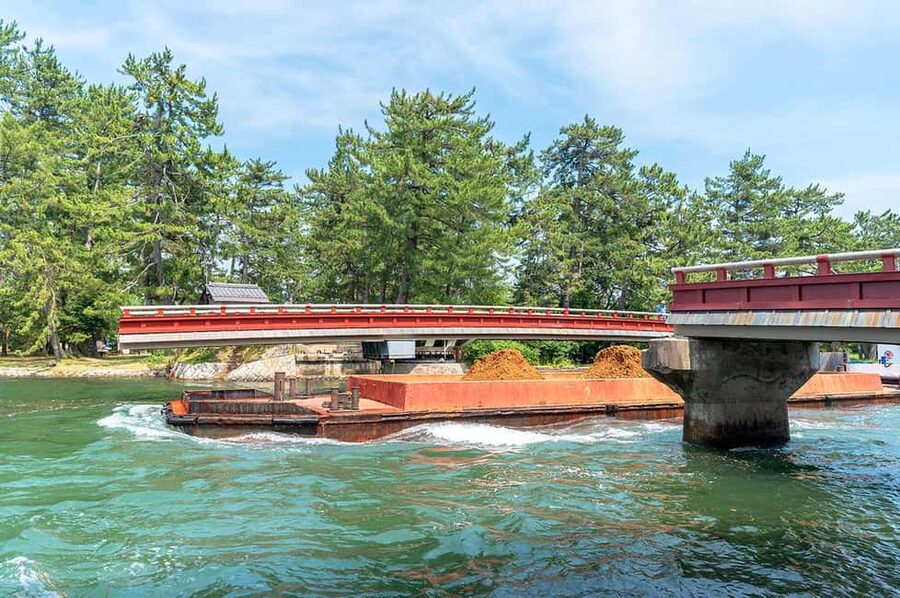
And yes, there is a transport-related novelty too. You can catch a glimpse of the rotating bridge as ships pass, a rare and fun sight that breaks the pattern of “walk, look, take photo.”
A Few Minutes at the Beach and a Café Stop You Can Use Well
After the main icon time, there is a photo stop at Amanohashidate Beach with free time. This is a good spot to reset. If crowds feel intense on the main sandbar, the shoreline gives your eyes a different texture.
Then you are routed to a local café for another photo stop and sightseeing. The goal here is not a fancy lunch experience. It is about giving you a calm breather, plus a chance to taste something light if you want it.
If you are sensitive to pacing, watch your energy during this stretch. This is where your “day-trip brain” can start to move on autopilot. Use the café stop to hydrate and decide what you want most at the final village, because Miyama is the part that rewards time and attention.
Miyama Kayabuki no Sato: Thatched Houses and the Architecture of Winter
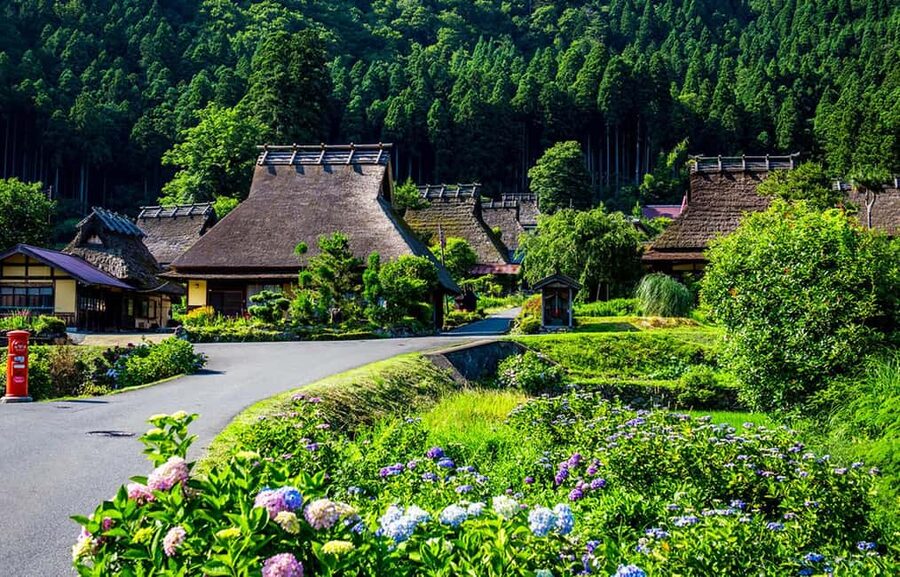
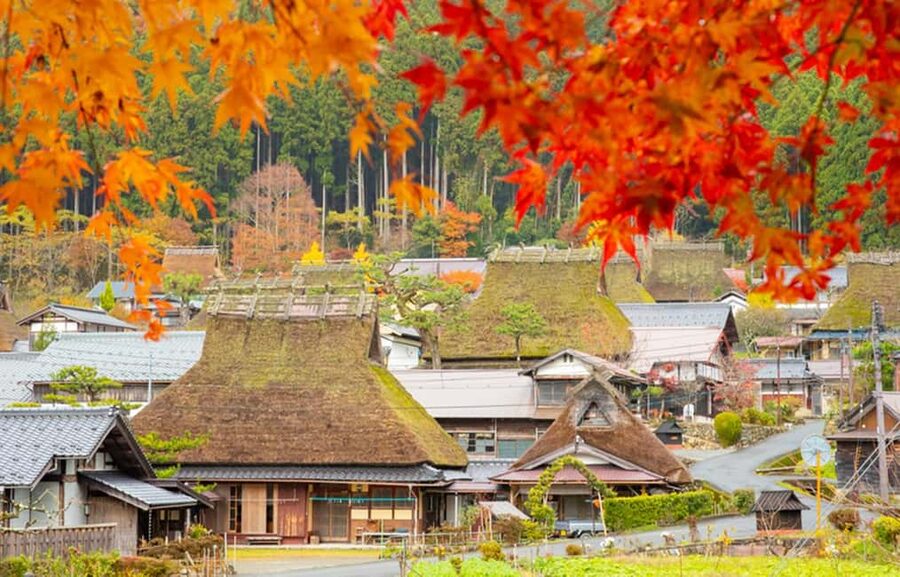
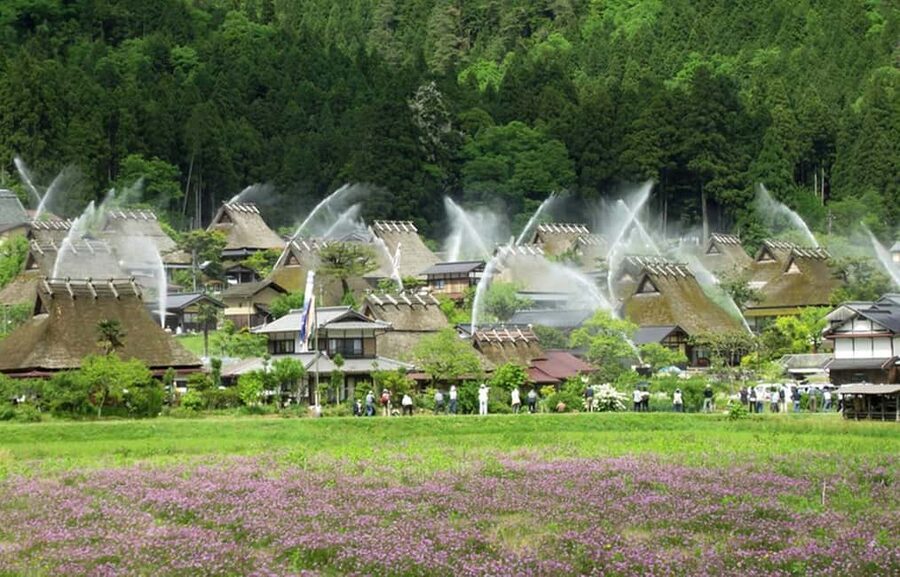
Miyama Kayabuki no Sato is the payoff for the mountain tone. This is an Edo-period style village tucked into Kyoto’s northern hills, known as one of Japan’s remaining thatched-roof villages, often compared to the famous Shirakawa-go style.
You get about 40 minutes here, plus guided context. Over 40 traditional houses are part of the village feel, and what makes it interesting is the engineering detail visible in the beams.
The village highlights how the houses were built with winter in mind. Look for the crisscrossed beams called chigi and the snow-cutting rods known as yukiwari. These are not decorative only. They reflect how rural builders understood how snow loads behave and how structure needs to handle it.
There is also a café stop at Café Gallery Saika. You can enjoy creamy local ice cream while you look at the village scenery. Even if you do not buy anything, the café area can be a good place to sit for a minute and let the village scale sink in after two coastal stops.
You can also explore interiors of a preserved thatched house, plus artifacts of traditional rural life. This is where the day shifts from “pretty landscape” to real human scale, because you get to see how people lived, not just how things look from a distance.
The Timeline and How to Not Feel Rushed
This tour is built for efficiency. You leave Osaka, reach Ine, move to Amanohashidate, then finish in Miyama before returning to Osaka. That kind of routing is exactly why day trips work, and exactly why they can feel tight.
The schedule includes:
- About 2.5 hours to reach Ine from Osaka.
- 40 minutes at Ine for photos and a guided walkthrough.
- About 40 minutes of travel before Amanohashidate.
- About 2 hours at Amanohashidate with guided context, plus the cable car option.
- Temple and beach/photo moments that keep the flow moving.
- About 1.5 hours to reach Miyama.
- 40 minutes at Miyama for guided touring and village time.
- About 2 hours on the way back to Osaka.
Here is how I’d handle it so it still feels satisfying. Decide your “must-do” first. If the Flying Dragon view is important, plan on the cable car. If you love rural details, focus your attention on the chigi and yukiwari beams and any house interiors. For everything else, treat it like bonus points, not a checklist.
Also, arrive with comfortable shoes. Even though each stop is time-limited, you still do walkways, stairs, shrine steps, and village lanes. Your feet will thank you later, especially at the end of the day.
Price and Value: What $63 Gets You (and Where Extra Costs Show Up)
At $63 per person for a 10-hour day trip, the value is mainly in three things: logistics, guidance, and the “three places that are far apart” problem.
First, you are not managing transfers. Round-trip coach transport from central Osaka plus a driver means you avoid the friction of multiple train hops and timetable uncertainty. That alone makes the price easier to accept, because Kyoto-area days can get complicated fast.
Second, you are getting a guide who can switch between English, Japanese, and Traditional Chinese. That helps a lot at sacred sites, especially when the guide points out what to look for and why it matters, like academic luck at Chion-ji and Monju-do.
Third, the route links three scenic settings that are not close to each other. Without a tour, you might be able to reach one of them easily, but two-plus in a single day becomes stressful.
Where costs can pop up is with add-on experiences. The cable car is explicitly self-paid. Some extras in this area, like water views in Ine or viewpoint rides depending on what you choose, may come with separate fees. One practical way to handle this is simple: keep a little spending cash set aside so you do not feel boxed in.
Who This Day Trip Suits Best
This is a great fit if you:
- Want a “Kyoto feel” day without spending two days getting there.
- Like scenic icons but also want one quieter, rural finish in Miyama.
- Enjoy structured sightseeing with room to wander, instead of an all-day lecture.
- Want help understanding what you are seeing at temples and shrines.
It is also good for solo travelers and small groups, because you get organized transport and a clear meeting point.
On the other hand, it is not suitable for people with mobility impairments, based on the provided info. This route includes walking at multiple stops, uneven outdoor areas, and shrine-village terrain.
Practical Tips That Improve Your Day Immediately
A few details matter more than they look on paper.
1) Bring cash
Some scenic spots, restaurants, and other places may only accept cash payments. Even if you mostly snack at included areas, keep some bills for flexibility.
2) Plan for weather
This is an outdoor-heavy route. Bring weather-appropriate clothing and sunglasses. A camera helps too, obviously, but your eyes and skin care matter more than another photo.
3) Wear comfortable shoes
You will walk at Ine, along Amanohashidate, around temple grounds, and in Miyama village lanes. Comfortable shoes turn a “quick visit” into something you can actually enjoy.
4) Use the free time wisely
The day gives free time at destinations. If you use it to eat, hydrate, and take photos slowly, you will feel less rushed at the last stop.
5) Stay on schedule
The guide and bus timing keep things working. The bus leaves on time and won’t wait for latecomers.
6) Respect the rules
Feeding animals is not allowed. In natural areas, this kind of rule exists for animal welfare and visitor safety.
Should You Book This Kyoto, Ine, Amanohashidate, and Miyama Day Trip?
If your priority is value and variety, I’d lean yes. For a single 10-hour day from Osaka, you get coastal Japan (Ine), one of Japan’s major scenic icons (Amanohashidate), and a rural architectural experience in Miyama with thatched houses and visible winter-engineering details.
Book it if you can handle a packed schedule and you want a tour that keeps you moving with support. Skip or consider another option if you want slow, unhurried time at only one place, because this route is designed to fit three distinct atmospheres into one day.
If you do book, do it with one mindset: pick what you care about most, use the rest as bonuses, and enjoy the fact that you will see three very different sides of Japan without the stress of planning the day yourself.
FAQ
How long is the Kyoto: Miyama Village, Amanohashidate & Ine Bay Day Trip?
The total duration is 10 hours.
Where do I meet the tour, and what time does it start?
Meet at 7:05 AM and depart at 7:20 AM from Nipponbashi Station Exit 2, in the Namba Shinsaibashi area. The address is 1-chōme-3-6 Nipponbashi, Chuo Ward, Osaka, 542-0073.
What is included in the price?
The price includes an English-Japanese-Chinese speaking tour guide, comfortable bus transport, the driver, and parking fees.
Is lunch included?
No, lunch is not included.
Are there any extra costs during the tour?
The cable car at Amanohashidate is self-paid. Personal expenses are also not included.
Do I need to bring cash?
It is recommended to bring some cash, since some scenic spots and places may only accept cash payments.
What should I bring for the day trip?
Bring comfortable shoes, sunglasses, a camera, cash, and weather-appropriate clothing.
What rules should I know before going?
Feeding animals is not allowed.
Is this tour suitable for people with mobility impairments?
No, it is not suitable for people with mobility impairments.
Can the schedule change due to weather or traffic?
Yes. Bad weather, traffic conditions, or crowding during holidays and peak seasons may delay the return, and some attractions may be shortened, rescheduled, or canceled.
The Sand Bar and the Boathouses
Newest Miyazu write-ups from the Loving Japan desk
Amanohashidate and the Kyoto Coast, side by side.
 ★ 5.0Osaka Day Tour: Amanohashidate & Ine BayFrom $84280 reviews
 ★ 4.6From Osaka: Amanohashidate and Ine Bay Day TripFrom $83209 reviews
 ★ 4.6Osaka/Kyoto: Amanohashidate & Miyama Tour with Boat & LunchFrom $71207 reviews
 ★ 4.5Kyoto Amanohashidate,Ine Bay Trip with Optional boat/RopewayFrom $6387 reviews
 ★ 4.5Amanohashidate & Ine Funaya Sightseeing Full Day Trip from KyotoFrom $6462 reviews
 ★ 4.5Amanohashidate & Ine Boathouse Full-Day Tour from Kyoto or OsakaFrom $4848 reviews
Filed on these lists too