
REVIEW · AMANOHASHIDATE AND THE KYOTO COAST
Osaka/Kyoto: Amanohashidate & Miyama Tour with Boat & Lunch
Pines, boats, and a thatched-roof time jump. This is a packed day from Osaka or Kyoto that pairs the iconic views of Amanohashidate with a trip to rural Miyama, plus tickets for boat and cable ride. You also get a guided stop at Chion-ji, and a traditional set lunch built around local seafood and mountain produce.
I love the easy wow factor of the boat cruise on Amanohashidate, especially feeding seagulls as they circle the vessel. I also love the calm, old-world feel of Kayabuki no Sato, a village of thatched-roof houses where people still live.
The main drawback to plan for is the long day. Even with a comfortable air-conditioned bus, you will be moving, and a few stops can feel short if you like to linger at every corner.
In This Review
- Key things I’d plan for on this Amanohashidate and Miyama tour
- From Osaka or Kyoto to two very different Japanese worlds
- Chion-ji Temple at the southern entrance of Amanohashidate
- Amanohashidate ferry views, then a short but memorable boat cruise
- Kasamatsu Park, the cable car, and the flying dragon view
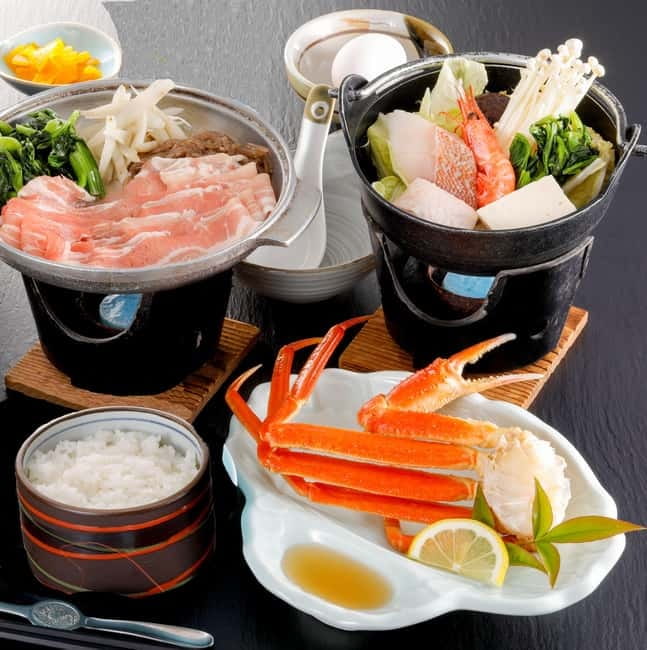
- Amanohashidate set lunch: crab, seafood, and hot pot comfort
- Miyama Town and Kayabuki no Sato: a living thatched-roof village
- Guides like Harry and Nick make the long ride worth it
- Time, timing, and how to avoid feeling rushed
- Who this tour fits best (and who should rethink it)
- Should you book this Osaka or Kyoto Amanohashidate and Miyama day trip?
- FAQ
- How long is the tour?
- How much does it cost?
- What meeting points are available?
- What’s included in the tour price?
- Is Amanohashidate and Miyama both included in one day?
- What languages does the guide speak?
- Are infants included for free?
Key things I’d plan for on this Amanohashidate and Miyama tour
- Seagull feeding on the boat is a real highlight, and it helps you slow down for the best photos.
- Amanohashidate by cable car or chair lift gives you that famous mountaintop perspective, including the view through your legs.
- Chion-ji Temple includes the Kaisen-kyo rotating bridge, a neat detail that makes the area feel alive.
- Lunch is part of the value, with a traditional set meal that tends to be filling, not a token snack.
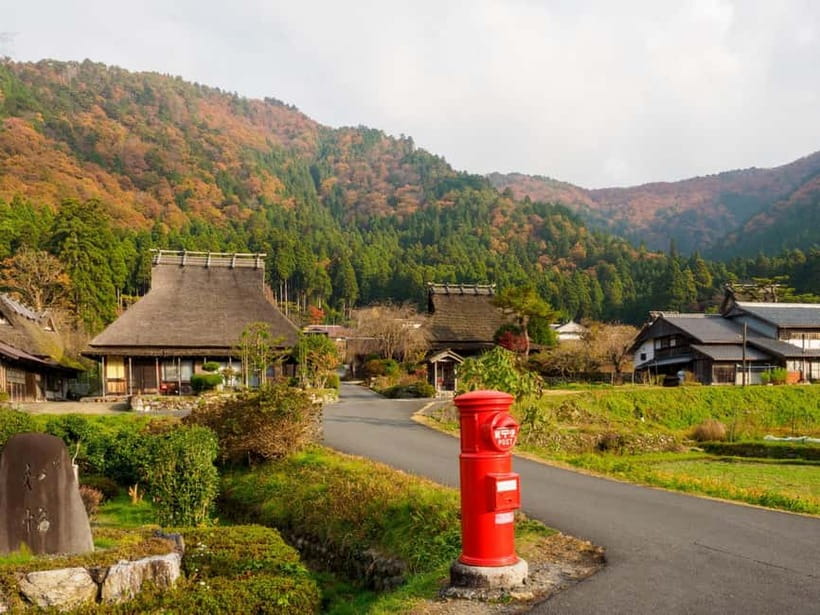
- Miyama’s Kayabuki no Sato is a living village, not just a photo stop, so bring comfortable shoes for walking.
Out to the sand bar and the boathouses, other days
- Osaka Day Tour: Amanohashidate & Ine Bay
★ 5.0 · 280 reviews - Osaka/Kyoto: Amanohashidate & Miyama Tour with Boat & Lunch
★ 4.6 · 207 reviews - Amanohashidate & Ine Boathouse Full-Day Tour from Kyoto or Osaka
★ 4.5 · 48 reviews
From Osaka or Kyoto to two very different Japanese worlds
This is the kind of day trip that gives you a big contrast without asking you to drive. You start at either the Osaka-area meet-up (VIP Villa Namba) or the Kyoto-area meet-up (Kyoto VIP Lounge), then spend the day switching between sea views, mountaintop perspective, and rural village life.
The price, $71 per person, feels fair when you remember what’s included: a guide, air-conditioned bus, your boat ticket, and cable car or chair lift access, plus lunch. In practice, it’s often cheaper and less stressful than trying to coordinate those pieces on your own, especially if you do not have a car.
One more reason I like this format: the guide and driver help keep the day moving smoothly. Several guides are specifically praised for being funny, organized, and willing to help with timing, including adding a little extra time when possible.
Chion-ji Temple at the southern entrance of Amanohashidate
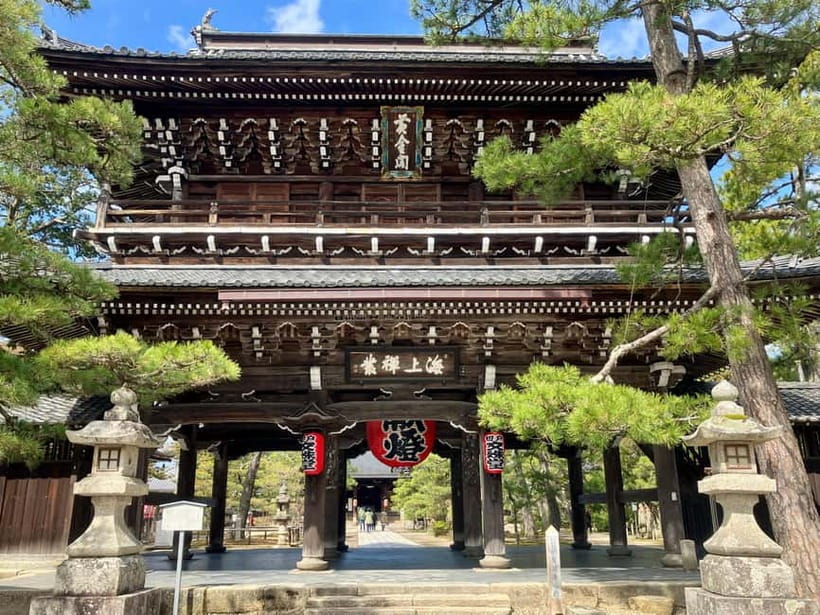
The day starts with a visit to Chion-ji Temple in Miyazu City, positioned near the southern entrance of Amanohashidate. This is a historic Buddhist temple dedicated to Monju Bosatsu (Manjushri), the bodhisattva of wisdom, and it’s known as one of the Three Great Monju Temples in Japan.
What I like here is the quiet rhythm. Even if your schedule is tight, Chion-ji gives you a calmer pause before you move toward the busier scenic spots. You can see the main gate, the main hall, and a multi-storied pagoda within the grounds, which makes the stop feel more substantial than a quick photo pull-off.
A very practical detail: out front is Kaisen-kyo, the rotating bridge that turns 90 degrees so boats can pass. It’s the kind of small engineered marvel you might miss if you are only rushing through. If you’re into watching how places work, look for how the bridge motion ties the water traffic to the temple’s shoreline setting.
Amanohashidate ferry views, then a short but memorable boat cruise
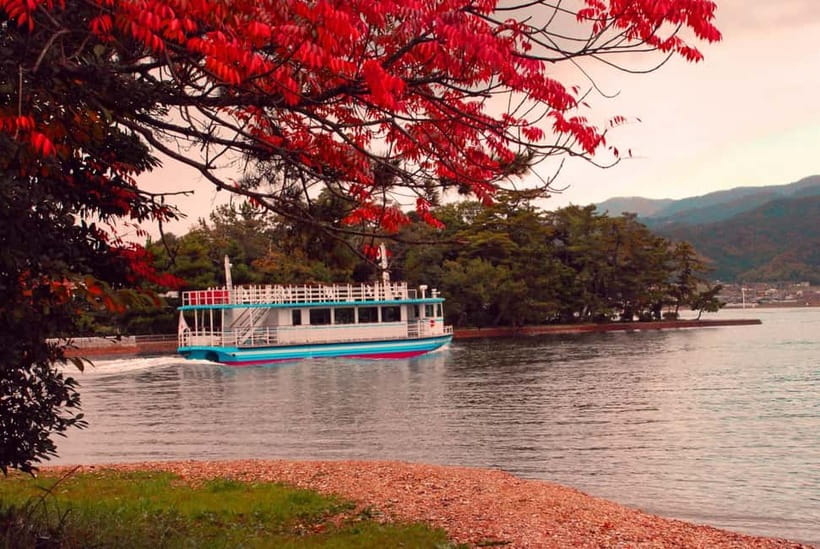
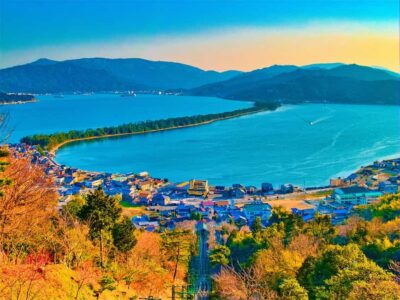
Next comes Amanohashidate itself, where you get a photo stop at the ferry terminal and then hop onto the Amanohashidate sightseeing boat for your cruise. The famous sandbar stretches about 3.6 kilometers and is lined with roughly 8,000 pine trees, so the view is instantly iconic even before you learn the story behind it.
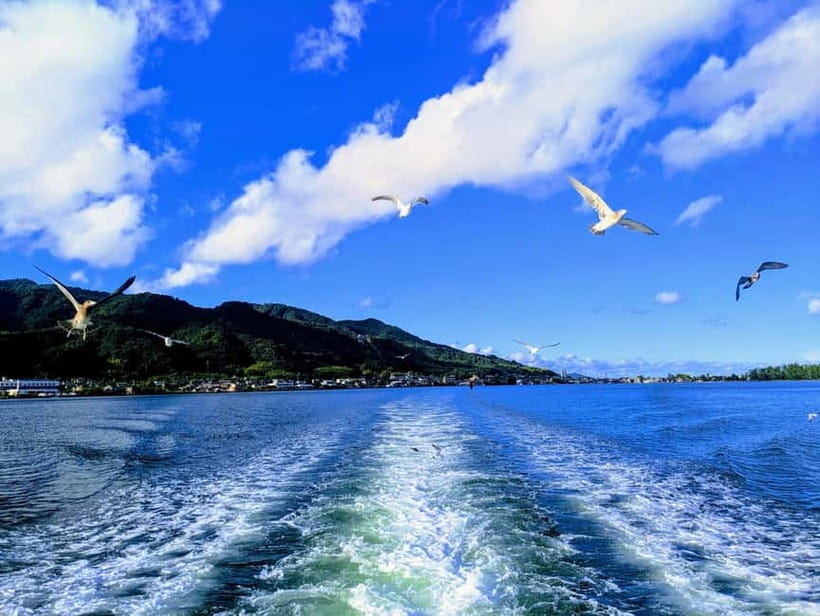
On the water, the tour keeps the momentum without dragging. The cruise is brief, but it lands the key moments: wide bay views, the dramatic look of the sandbar, and that fun seagull moment.
One thing that repeatedly gets called out is feeding the birds while they fly alongside the boat. It’s silly in the best way, and it also helps you step out of full-time sightseeing mode for a minute. If you care about photos, this is where having your phone or camera ready really pays off, because the birds move fast.
- Osaka Go Karting Tour with Funny Costume★ 5.0 · 2,658 reviews
- Osaka Castle: Museum and Tower Entry Ticket★ 4.5 · 2,380 reviews
- Osaka: Shinsekai Food Tour with 13-15 Dishes at 5 Eateries★ 4.8 · 2,204 reviews
- Osaka Food Tour: 13 Dishes at 5 Local Eateries★ 5.0 · 2,149 reviews
- Hungry Osaka Street Food Tour:15 Tastings & 3 Drinks with a Local★ 5.0 · 1,727 reviews
Kasamatsu Park, the cable car, and the flying dragon view
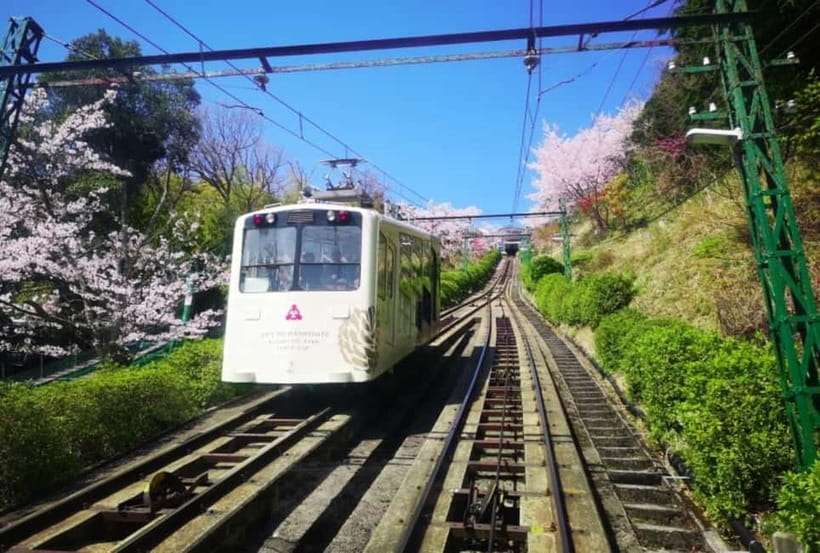
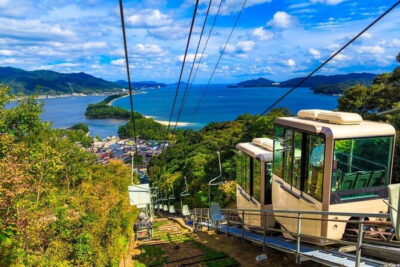
After the boat, you board at Fuchu Station for access to the Kasamatsu Park cable car or chair lift. This is one of the best parts of the day because it changes the viewpoint completely, from water level to an elevated panoramic perspective.
At the top, you get the famous “view through your legs.” Amanohashidate appears like a dragon soaring into the sky, a phenomenon often called the Flying Dragon View. It’s the kind of visual trick that makes you stop talking and just look, even if you normally hate heights.
Practically, treat this as your photo window. Weather matters here, so if you see any breaks in the clouds, it’s worth getting your shots quickly before the scene shifts. Also, wear something with a layer. Even when the day feels warm down below, mountaintop air can feel cooler once you’re up there.
Amanohashidate set lunch: crab, seafood, and hot pot comfort
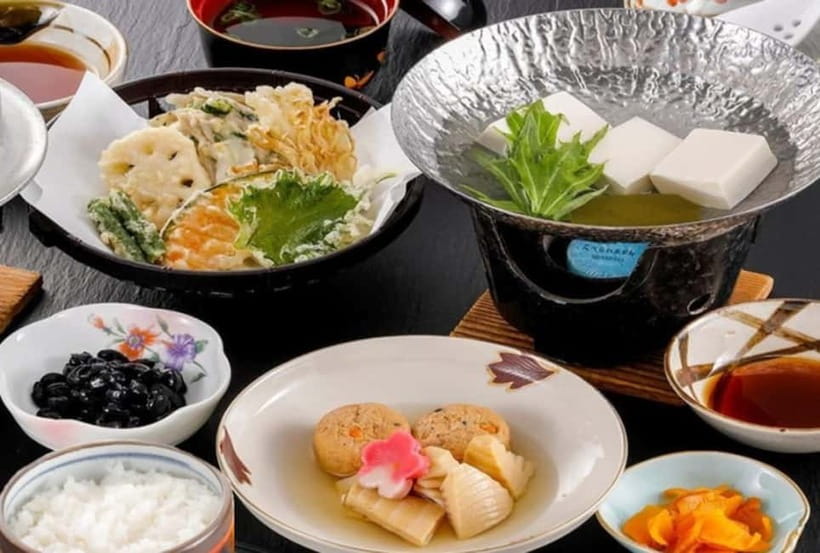
Lunch is included and it’s not just a placeholder meal. You’ll have a traditional Amanohashidate set meal with local seafood and mountain produce.
A typical spread includes crab, fresh seafood, and a hot pot with vegetables. The food is designed to be warming and filling, which matters because you’re spending a lot of your day outside moving between viewpoints and walks.
If you are picky, this is still usually manageable because it follows a standard Japanese set format: multiple smaller dishes rather than one giant plate. You also get a built-in break during the day, which helps you enjoy the last stretch without feeling wiped.
Miyama Town and Kayabuki no Sato: a living thatched-roof village
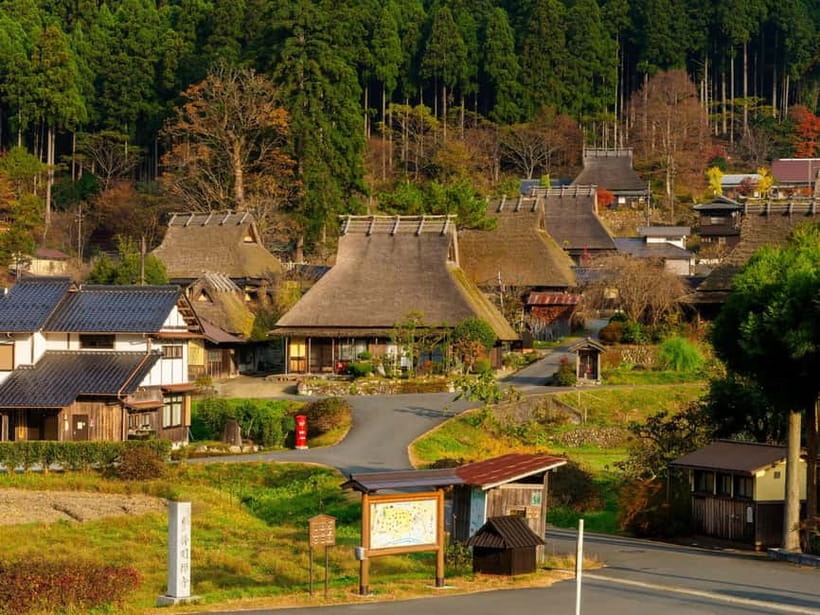
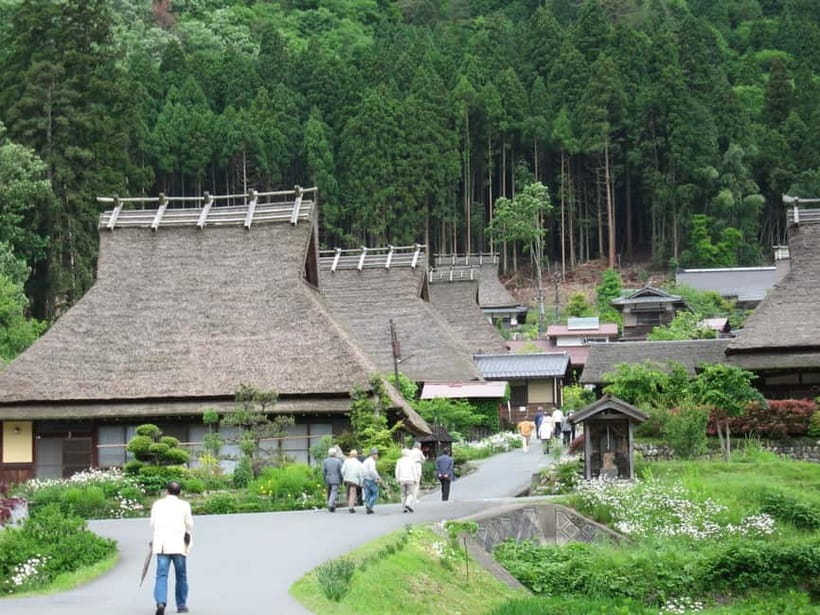
The final “big change of scenery” is Miyama Kayabuki no Sato, where more than 50 thatched-roof houses sit together in a well-preserved area. And this is important: people still live there, so it feels like a neighborhood, not a theme park.
You do a photo stop, then spend time walking on your own while a bus tour component also keeps the schedule moving. The walking time is usually around 50 minutes, which gives you enough room to explore streets and courtyards, but you still need to be realistic about time if you want every picture.
What I like about this stop is the sense of stepping back without the pressure to “perform” as a tourist. If you enjoy rural Japan, old architecture, or calm places where daily life continues, you’ll probably find yourself slowing down here more than you expect.
A small practical tip: comfortable shoes matter. Even if the village roads are manageable, you’ll likely be on your feet for the scenic viewing and the self-guided wander.
Guides like Harry and Nick make the long ride worth it
This tour lives or dies by the guide, and in the feedback you can see a pattern. Guides such as Harry, Nick, Mike, Eric, and Tracy get praised for being entertaining and organized, with enough history to connect the sights instead of just listing facts.
Some guides also help you use the day smarter. For example, Nick gets mentioned for sharing extra ideas and recommendations for treats during the day, and for keeping things organized when the schedule needs tiny adjustments. Harry also shows up in feedback as both friendly and funny, which helps a 9 to 10 hour day feel like it flies by.
There is also a useful operational detail: when the group boards and leaves, the guide or staff tends to do head counts so nobody gets left behind. That small bit of coordination matters more than people think, especially on days with multiple vehicle transitions like bus, boat, and cable lift.
Still, be aware the day can be information-heavy. One downside that shows up in the feedback is that timing can feel tight at some stops, and a couple people mention instructions could be clearer. If you like to take things slowly, plan to follow the guide first, then take your own photos and slow walking within the time you’re given.
Time, timing, and how to avoid feeling rushed
This tour runs about 9 to 10 hours, which is long for a day trip but not unusual for hitting multiple regions. The trade-off is that you get variety: temple grounds, sea view by boat, mountaintop cable ride, lunch, then rural village.
Your best strategy is simple. When you arrive at a stop, do the one thing that matters most right away. At Chion-ji, that might be spotting Kaisen-kyo’s rotating feature. On the boat, it’s seagulls and the sandbar perspective. At the top, it’s the view through your legs.
Then you can relax for the second round, like wandering for photos in Amanohashidate’s cable area or strolling in Kayabuki no Sato. If you try to do everything equally, you’ll feel rushed because time windows are real and short.
If you’re sensitive to long bus rides, bring a light layer, a snack for later if you think you’ll need it, and plan to enjoy the countryside views from the bus. Several people specifically call out how nice it is to get out of the city and see rural Japan by road.
Who this tour fits best (and who should rethink it)
This tour fits you if you want a ready-made day that combines three major “big sight” moments: Amanohashidate, the elevated cable ride view, and a rural village finish.
You’ll probably love it if:
- You do not have a car and want a smooth, guided route from Osaka or Kyoto.
- You like scenery that is iconic but not crowded all day.
- You want one meal included with the tickets rather than building your own plan.
You might rethink it if:
- You hate long days with multiple transport changes.
- You need lots of unstructured time at each stop, because the village and seaside segments can feel time-boxed.
Also, if you’re the type who wants maximum breathing room, go in with a plan for what you care about most. This tour is designed to hit highlights, not to linger all day in one place.
Should you book this Osaka or Kyoto Amanohashidate and Miyama day trip?
I’d book this if you want value, convenience, and a strong mix of sea views plus rural Japan in one day. At $71, it’s hard to beat when you factor in lunch and the combination of boat and cable access, plus a guide who can keep the day interesting even during the long stretches on the bus.
If your main concern is “will I feel rushed,” that’s the one fair caution. But you can manage it easily by prioritizing the top visual moments at each stop, then using the remaining time for photos and wandering.
If you want a day that feels like a breath of fresh air from Kyoto or Osaka, with iconic Amanohashidate views and a genuine-feeling village at the end, this is a solid pick.
FAQ
How long is the tour?
The tour lasts about 9 to 10 hours.
How much does it cost?
The price is listed as $71 per person.
What meeting points are available?
You can choose between Kyoto VIP Lounge and VIP Villa Namba. Drop-off locations match your selected option.
What’s included in the tour price?
Lunch is included, along with the cable car ticket and the boat ticket. You also get an English/Chinese speaking guide and an air-conditioned bus.
Is Amanohashidate and Miyama both included in one day?
Yes. The tour includes Chion-ji Temple near Amanohashidate, time around Amanohashidate with a boat cruise and cable car or chair lift, and then Miyama and Kayabuki no Sato.
What languages does the guide speak?
The guide speaks English or Chinese.
Are infants included for free?
Infants under 3 years old are free of charge without a seat. If a seat is needed, book under the child’s price.
The Sand Bar and the Boathouses
Newest Osaka write-ups from the Loving Japan desk
Amanohashidate and the Kyoto Coast, side by side.
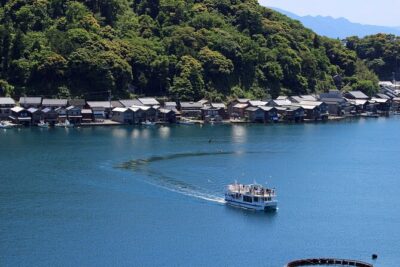 ★ 5.0Osaka Day Tour: Amanohashidate & Ine BayFrom $84280 reviews
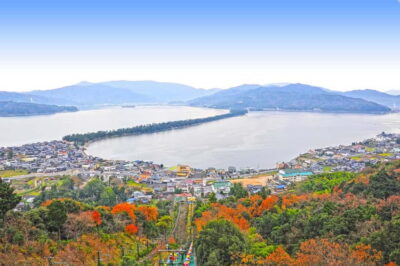 ★ 4.6From Osaka: Amanohashidate and Ine Bay Day TripFrom $83209 reviews
 ★ 4.6Miyama Village, Amanohashidate & Ine Bay Day TripFrom $6398 reviews
 ★ 4.5Kyoto Amanohashidate,Ine Bay Trip with Optional boat/RopewayFrom $6387 reviews
 ★ 4.5Amanohashidate & Ine Funaya Sightseeing Full Day Trip from KyotoFrom $6462 reviews
 ★ 4.5Amanohashidate & Ine Boathouse Full-Day Tour from Kyoto or OsakaFrom $4848 reviews
Filed on these lists too