
REVIEW · SNORKELLING, DIVING AND SEA KAYAKING
Let’s enjoy Scuba diving in Izu Peninsula for certificate Diver
Izu Oceanic Park makes training feel natural. It is a famous, well-known underwater spot off the Izu Peninsula, and the whole session is shaped to your level, not a one-size-fits-all routine. I especially like the balance of hands-on guidance with real marine life time, and how the crew is set up to help you feel comfortable from the start.
Two things I like a lot: the lunch box included with the experience, and the clear support from instructors such as Morita (who guests describe as patient and thorough). One consideration: scuba equipment use is not included, so if you do not bring your own full gear, you will likely pay extra to rent it with advance notice.
In This Review
- Key highlights you should know
- Arriving in Ito: what the 9:00am start feels like
- Izu Oceanic Park (IOP) on the Izu Peninsula, why it’s such a big deal
- How the “certificate-level” format works once you’re in the water
- What’s included in the $457 value, and what to budget for
- Getting your day right: what you should bring
- Marine life at IOP: what you can realistically expect to see
- The role of the guide: why patience changes everything
- Itinerary flow at IOP: what happens during the half day
- So, should you book this certificate-level scuba session in Ito?
- FAQ
- Is prior experience required?
- How long is the experience?
- What time does it start?
- Where does it take place?
- Is lunch included?
- What scuba equipment is included, and what is not?
- Can I rent equipment?
- What should I bring?
- Can the guide teach in English or Japanese?
- Is this a private group activity?
- What if weather is bad?
Key highlights you should know
- Two tanks plus weights and belt included, so you can focus on your training instead of the shopping list
- Lunch box is included, which matters on a 9am start when you do not want to hunt for food mid-day
- English or Japanese guidance, so you can learn comfortably even if your Japanese is limited
- A famous Izu Peninsula underwater location (IOP) that is popular and has a long history in Japan
- Your undersea sites can change with sea conditions, which is common practice and usually improves safety
- Private experience for your group, keeping the pace calmer and the attention more direct
Still weighing up options in Ito? These are the ones our reviewers rated highest.
- Half Day Izu Kogen Highlands Downhill Cycling Tour
★ 5.0 · 23 reviews
Arriving in Ito: what the 9:00am start feels like
The day begins at 9:00am. Plan to arrive ready to move. You will head toward the Izu Peninsula and spend a full half day on the water, so it is smart to treat this like an outing that starts early and ends at the same meeting spot.
The meeting point is at 1082-5 Yawatano, Itō, Shizuoka 413-0232, Japan. It is described as near public transportation, which is practical if you are not renting a car. Also, you get a mobile ticket, which keeps your day simple once you are there.
One thing I would take seriously is the moderate fitness level note. Scuba instruction can be very manageable, but you should expect some standing, gear handling, and movement around the center before you are in the water. If you know you get winded easily, consider that in advance.
Izu Oceanic Park (IOP) on the Izu Peninsula, why it’s such a big deal
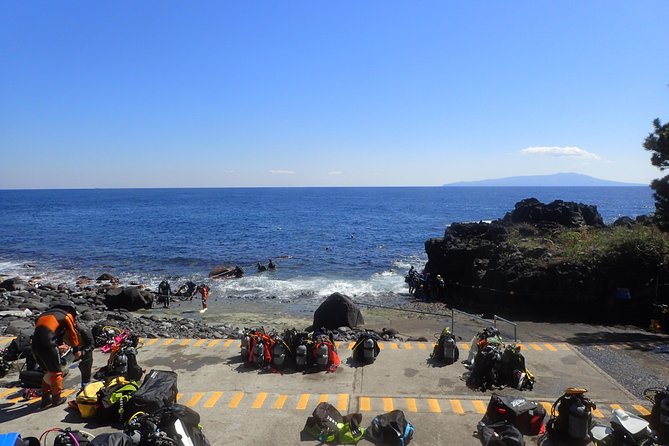
This experience is built around Izu Oceanic Park (IOP) in Ito. It is described as the most famous and popular diving spot on the Izu Peninsula and one of the more historical sites in Japan. Translation: you are going to an established area where the local infrastructure, marine access, and experience of the team have all been built over time.
IOP is also a good match for certification-level participants. The session is tailored to your skill level, which matters when you want to practice control and awareness, not just float around. In recent accounts, guides like Morita were praised for making people feel safe quickly, even if they had not been in the water for a few years.
One practical note: underwater sites may change depending on sea conditions. This is not a bait-and-switch, it is how safety works. If conditions shift, you might still get plenty of marine life time, just from a different point that day.
How the “certificate-level” format works once you’re in the water
Past experience is required. The session is explicitly tailored to your skills, which usually means you get an appropriate pace for buoyancy, awareness, and comfort. If you have been out of the water for a while, the key is that you show up with a realistic expectation. You are not being “tested,” you are being guided to a comfortable performance level.
Your guide can provide instructions in English or Japanese, depending on your preference. That matters more than people think. If you understand what the guide wants you to do, you relax faster. And when you relax faster, your control improves.
Instructors also seem to emphasize calm, clear explanations. Guests specifically praised Morita for being patient and for explaining everything well. That style is a big deal when you are trying to regain muscle memory and confidence.
You will have two tank support included as part of the experience, along with weight and belt. Two tanks generally means you have time for a proper warm-up period and then a longer window to enjoy marine life. It is a good structure for certification-level practice without feeling rushed.
What’s included in the $457 value, and what to budget for
The total price is $457 for about 6 hours. For that, you get a meaningful bundle, not just a “come watch fish” outing.
Included:
- Lunch box
- Guide support
- 2 tanks
- Weight and belt
Not included:
- Use of scuba equipment
That last line is where your real decision point is. If you already own your own gear, the price can feel very fair for the level of guide time and the two-tank structure. If you do not own scuba equipment, renting can add cost, and you need advanced notice to line it up.
So how do you judge value? I look at it like this:
- You are paying for guided in-water time plus the logistics of tanks, weights, and staffing.
- The rental cost is the wildcard. If you rent, compare your rental total to what you would pay for a full gear day through the operator.
- The included lunch is not a throwaway. With a 9am start, it keeps you from spending energy on food and detours.
Also, the group is private, meaning it is only your group. Private setups often cost more than shared tours, but they can be worth it if you want quieter coaching and less waiting around.
Getting your day right: what you should bring
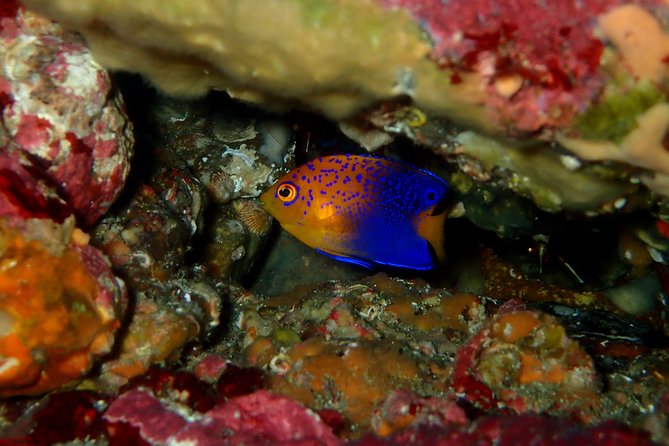
Even with a good setup, you still want to show up prepared so you are not scrambling right before you meet the water.
Bring:
- Swimsuit
- Towel
- Sandals (practical for getting around before and after the water)
- Your certification card (listed as a diving card)
- Your log book
- Any personal comfort items you prefer on a long day
If you plan to rent equipment, do it early. The info says full equipment rental is available for an additional cost and that you should give notice in advance. That can matter for availability and timing.
One more practical tip: pack like you are going to be in and out of water zones a few times. You do not want your towel soaking wet and then stuck waiting. A towel and sandals sound basic, but they make the day smooth.
Marine life at IOP: what you can realistically expect to see
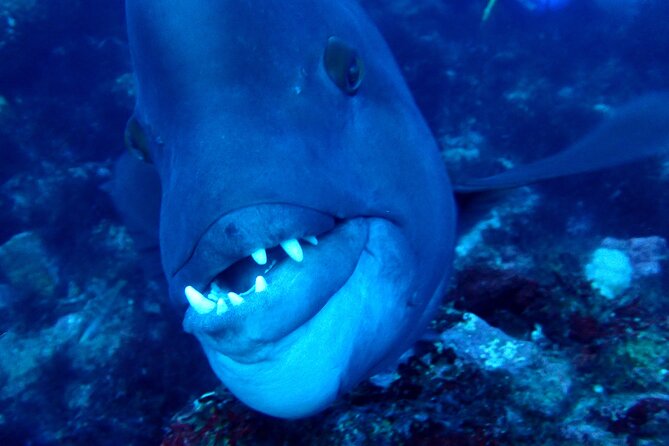
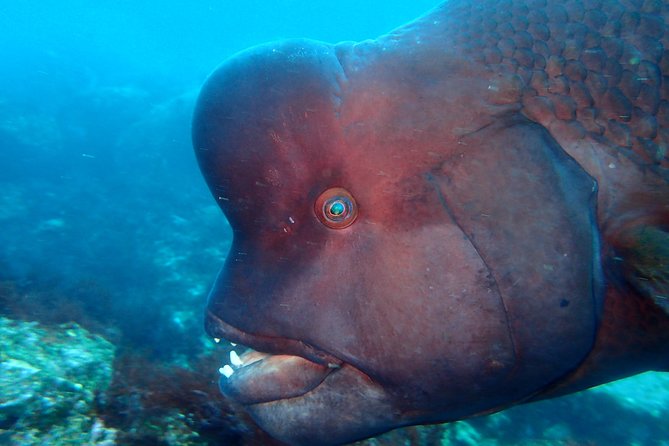
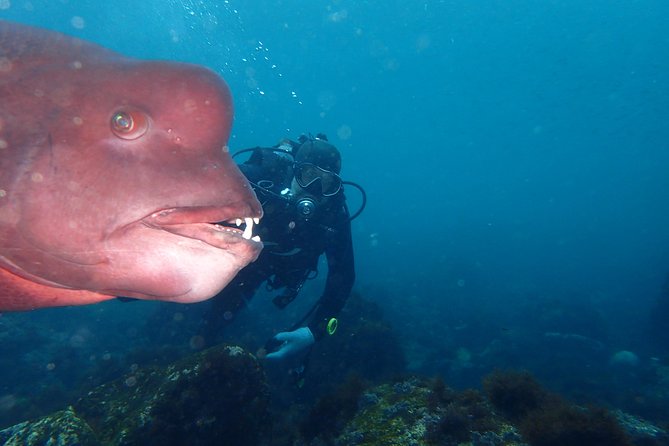
The marine life focus here is a big part of the appeal. The experience highlights moray eels, pufferfish, sardines, and more. That sounds like a “best day” list, but even if not every species appears, you should expect a lot of variety because the site is popular and the area is known for biodiversity.
In accounts of IOP sessions, guests mentioned seeing fish in crevices and a mix of different species. Two dragon moray eels were highlighted as a standout moment in at least one recent experience. That gives you a sense of what the team aims for, not just random pass-by wildlife.
Also, when your comfort level is higher, you tend to notice more. You might look at the same rock structure and spot different movement patterns, especially with good guide positioning and calm instruction.
If you care about underwater photography, you may get a bonus. In recent experiences with Morita, guests said he took photos during the session. That is not something to assume for everyone, but it suggests the guide is attentive to documenting the experience when possible.
The role of the guide: why patience changes everything
This is one of the most consistently praised parts of the experience. Morita came up repeatedly as calm, patient, and clear. That combination matters for certificate-level participants because you are not starting from zero, but you also may need reassurance if you have been away from the water.
If you have a mixed group, private structure helps. One recent group had a parent and two teenagers, with limited recent experience. The report emphasized that Morita stayed calm and made each person feel safe quickly. That kind of coaching style usually helps even when everyone has slightly different comfort levels.
Here is what to watch for during the briefing:
- Do you understand the plan for buoyancy and safety?
- Does the guide explain what you will do next, in plain steps?
- Are you given time to settle before the in-water portion begins?
If those boxes are checked, your underwater time tends to feel easier and more enjoyable. And if your guide notices your stress points early, you get fewer awkward moments.
Itinerary flow at IOP: what happens during the half day
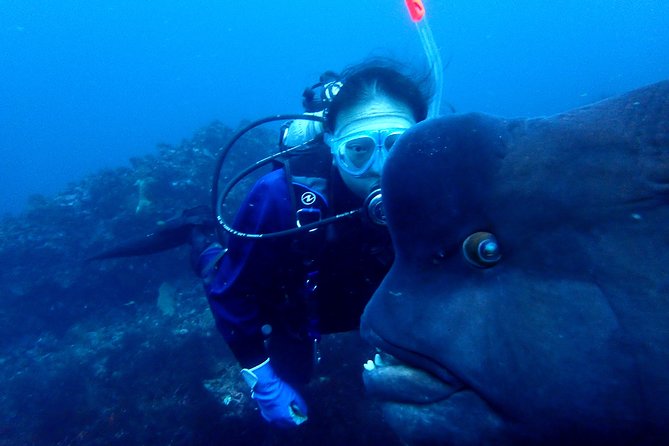
The day is structured around a single main stop: Izu Oceanic Park (IOP) center. The experience starts at 9:00am, then you travel to the Izu Peninsula.
From there, the flow typically looks like:
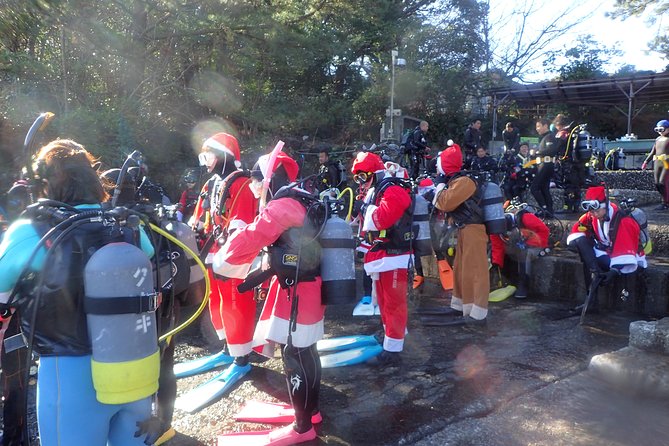
- Meet at the center, confirm gear and readiness
- Get coached on the plan for the day
- Spend in-water time on a first tank period
- Continue with the second tank period, with more chance to enjoy wildlife and practice your control
- Return to the original meeting point to close the session
One drawback to keep in mind is the earlier point about sea conditions. The underwater sites can change. That means you should not treat it as a guarantee of one specific location. But in practice, changing points often means adapting to safer water and still getting excellent marine life time.
So, should you book this certificate-level scuba session in Ito?
I would book it if:
- You already have past certification and want structured, level-appropriate support at a well-known site like IOP
- You value included basics like two tanks, weight, belt, and lunch
- You want a private format so you get direct coaching without crowd energy
- You prefer a guide style that is calm, clear, and patient, the way Morita has been described
I might think twice if:
- You do not have your own scuba equipment and you are not ready for the extra rental cost
- You are hoping for a perfectly fixed underwater site, not realizing conditions can shift that plan
If you are prepared with the right gear and mindset, this looks like a solid value for certificate-level instruction in Ito. You are not just ticking a box. You are getting coached time plus real marine life variety in one of Japan’s established underwater settings.
FAQ
Is prior experience required?
Yes. The session requires past underwater experience, and it is tailored to your skill level.
How long is the experience?
It is about 6 hours.
What time does it start?
The course starts at 9:00am.
Where does it take place?
It centers on Izu Oceanic Park (IOP) in Ito, Izu Peninsula.
Is lunch included?
Yes. You get a lunch box included with the activity.
What scuba equipment is included, and what is not?
The experience includes guide support, 2 tanks, weight, and belt. Use of scuba equipment is not included.
Can I rent equipment?
Yes. Full diving equipment rental is available for an additional cost, but you need to arrange it with advanced notice.
What should I bring?
Bring a swimsuit, towel, sandals, your diving card (listed), and your log book.
Can the guide teach in English or Japanese?
Yes. The guide can offer the experience in English or Japanese for your convenience.
Is this a private group activity?
Yes. Only your group participates.
What if weather is bad?
This experience requires good weather. If it is canceled due to poor weather, you will be offered a different date or a full refund.
Newest Ito write-ups from the Loving Japan desk

Snorkelling, Diving and Sea Kayaking, side by side.
 ★ 4.4From Naha: Kerama Islands 1-day snorkeling tourFrom $81423 reviews
 ★ 4.7Naha, Okinawa: Keramas Island Snorkeling Day Trip with LunchFrom $70370 reviews
 ★ 5.0[Miyako Island/Half Day] Sea Turtle SnorkelingFrom $45337 reviews
 ★ 5.0Okinawa Ishigaki Blue Cave Snorkeling TourFrom $45332 reviews
 ★ 4.5Snorkeling in the Blue Cave area【Okinawa Prefecture: Free feeding & photo images!English and Chinese speaking guide available!From $19249 reviews
 ★ 4.4Naha, Okinawa: Kerama Islands Half-Day Whale Watching TourFrom $37241 reviews
 ★ 5.0Okinawa Iriomote Mangrove SUP or Canoe TourFrom $52214 reviews
 ★ 4.6Naha, Okinawa: Kerama Islands Full-Day Intro-Diving TripFrom $70203 reviews
Filed on these lists too