
REVIEW · OKINAWA ISLANDS AND BEACHES
Naha, Okinawa: Kerama Islands Half-Day Whale Watching Tour
Humpbacks visit Naha, and the deck is yours. I like the round-trip pickup from Naha, and I love the photo download link after the cruise, plus a live guide who helps you spot humpback behavior in the water. You head from land to sea fast, sit on spacious decks, and spend the time looking for one of Okinawa’s most reliable wildlife moments: humpbacks that come in season to breed and raise calves.
The one possible drawback is timing. Once the crew finds whales, you get about a 1-hour viewing window, and winter wind or whale behavior can limit what you see up close.
In This Review
- Key Highlights
- Kerama Islands Whale Watching From Naha: Why This Half-Day Works
- 4 Hours On the Water: The Timeline and How to Plan Your Day
- Getting Picked Up and Onto the Boat: Service, Comfort, and Crew Energy
- How the Crew Searches: What “Professional” Looks Like at Sea
- When You See Them: What Humpbacks Are Likely to Do in Naha Waters
- Making the Most of Your Deck Time: Views, Angles, and Photo Support
- What to Bring, What Not to Do: Safety Rules That Also Protect the Whale Viewing
- Price and Value at About $37: What You’re Paying For
- Who This Tour Fits Best (and Who Should Skip It)
- Should You Book This Naha to Kerama Whale Watch?
- FAQ
- How long is the Naha Kerama Islands half-day whale watching tour?
- Is hotel pickup and drop-off included?
- About how long do we watch for whales once they are spotted?
- What languages are available for the live guide?
- What is included in the ticket price?
- Is food included on the tour?
- What should I bring to be comfortable on the boat?
- Are swimming or alcohol allowed?
- What happens if no whales or dolphins are spotted?
Key Highlights
- Humpbacks return to Naha to breed and raise calves, with adults reaching up to 15 m and 30 tons
- About 1 hour of whale observation after the crew spots whales
- Hotel pickup and drop-off included from select locations in Naha (reservation required)
- English and Chinese guide on board, with languages not always guaranteed
- Digital whale photos provided after the tour via a download link
- Seasickness and weather matter, so pack warm layers and motion-sickness prevention
Island hopping from Naha, reviewed
- Official Street Go-Kart Tour – Okinawa Shop
★ 5.0 · 699 reviews - Naha: North Okinawa Sightseeing Tour & Churaumi Aquarium
★ 4.4 · 472 reviews - Okinawa: From Naha: Kerama Islands 1-day snorkeling tour
★ 4.4 · 423 reviews - From Naha: Tokashiki Island Day Trip by Boat
★ 4.3 · 385 reviews
Kerama Islands Whale Watching From Naha: Why This Half-Day Works
Okinawa does something special in the cold months and early season: humpback whales show up near Naha regularly, and they’re not just passing through. They come in to breed and to raise calves, which is why the experience can feel like you’re watching family life, not just a rare sighting.
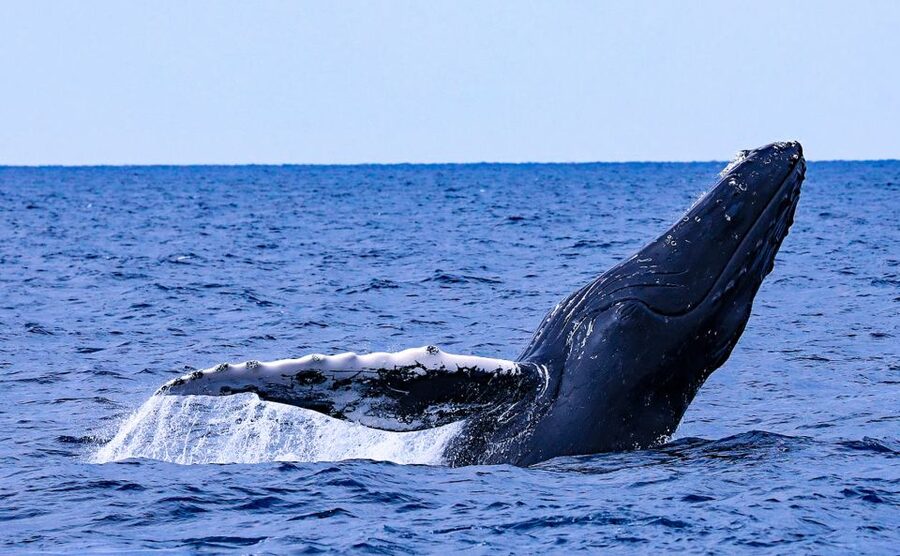
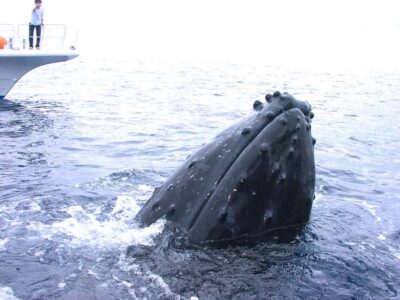
That family context changes what you’re looking for. A whale “splash show” is fun when it happens, but the real magic is in the rhythm, surfacing, and repeated returns to the same area. Even if you only catch backs and flukes above the surface, it still makes sense. Humpbacks can grow up to 15 m long and weigh around 30 tons as adults, and when something that big moves calmly in warm water, it’s hard not to feel the scale.
This tour also stays realistic about expectations. You might spot dolphins too, but humpbacks are the priority, and the crew’s goal is to find them, watch them, then head back. If you’ve got limited time in Naha, this format is a practical way to check the whale box without losing half your day to transit.
4 Hours On the Water: The Timeline and How to Plan Your Day
The whole experience runs about 4 hours, with a simple flow: pickup from your hotel or designated pickup point, head to Naha port, board the boat, then search and watch.
Once on the water, the tour focuses on the payoff phase: you spend around 1 hour observing whales after they’re spotted. That hour is the difference between a quick “maybe we’ll see something” outing and a trip with a real viewing block. It’s also why the crew doesn’t just rush around. The idea is to give you time to see more than a single surface.
After that viewing period, you sail back to Naha and get transported to your hotel or drop-off point. Since food is not included, plan to eat before you go or afterward. I’d also treat this as a “wind and weather can change things fast” day. Even when sea conditions are manageable, Okinawa wind can turn your cheeks cold, especially on the open deck.
If you’re trying to fit this into a tight itinerary, this half-day structure is the value: you get a guided wildlife experience with pickup convenience, but you’re not stuck on a full-day schedule.
Getting Picked Up and Onto the Boat: Service, Comfort, and Crew Energy
One of the biggest reasons people rate this tour highly is the pickup and drop-off convenience. If your hotel is on the select list, you don’t have to figure out how to reach the port on your own. The instruction is to wait in front of the pickup location (not in the lobby) about 10 minutes before your scheduled time. And the driver waits up to 5 minutes after that scheduled time, so set an alarm and don’t run down from the room at the last second.
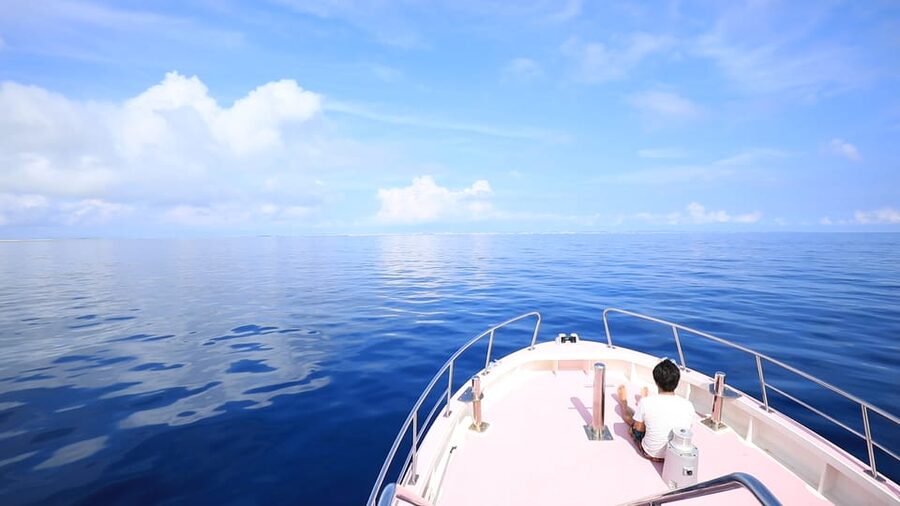
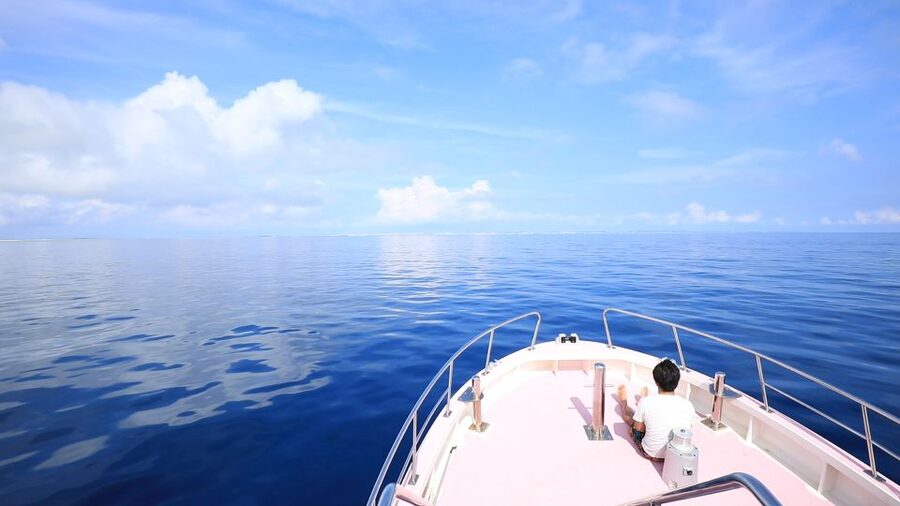
Once aboard, the boat setup matters. It’s not described as a tiny craft, but multiple people call out that the ship is small enough to avoid the chaos of overcrowded whale boats. That matters when you’re trying to see something that’s miles away or partially submerged. More space and fewer elbows also help if you’re moving between seating and the rail for better sightlines.
The crew and guides are a core part of the experience. You’ll have a live guide speaking English and Chinese, and the best tours are the ones where the guide helps you understand what you’re seeing. Some guides are described as very engaging and quick to explain behavior, including how humpbacks use surfacing and movement patterns.
One thing to keep in mind: the guide language can’t always be guaranteed. If you really want English throughout, keep your expectations flexible and rely on the crew’s overall guidance and instructions too.
Back in the water. Other trips off Naha
- Naha, Okinawa: Keramas Island Snorkeling Day Trip with Lunch★ 4.7 · 370 reviews
- Naha, Okinawa: Kerama Islands Half-Day Whale Watching Tour★ 4.4 · 241 reviews
- Naha, Okinawa: Kerama Islands Full-Day Intro-Diving Trip★ 4.6 · 203 reviews
- From Naha: Snorkeling Tour to Kerama by Ferry★ 4.3 · 151 reviews
- Naha: Full-Day Snorkeling Experience in the Kerama Islands, Okinawa★ 5.0 · 128 reviews
How the Crew Searches: What “Professional” Looks Like at Sea
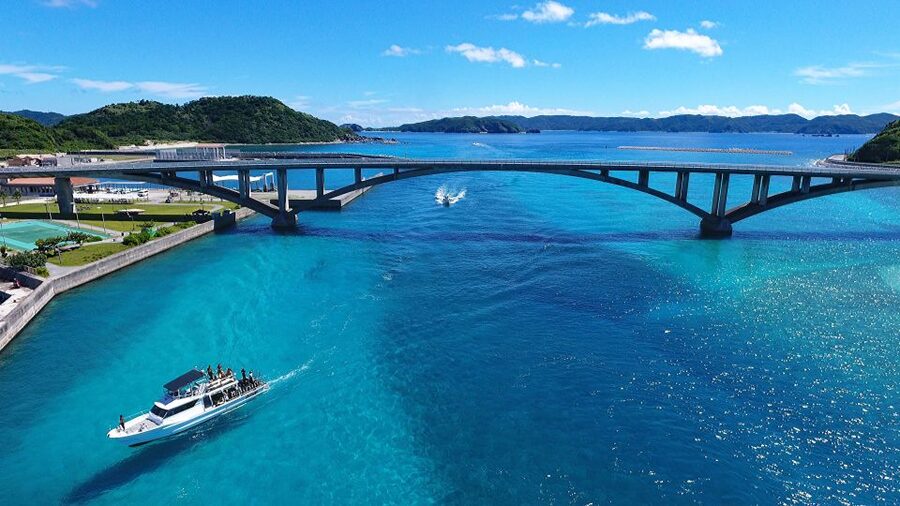
Whale watching success is half nature, half navigation skill. The tour is designed around an experienced crew that looks for humpbacks and makes a direct effort to get you viewing time once whales are in range.
In practice, that means the boat doesn’t just do laps. When whales show up, you’re more likely to stay with a pair rather than bounce around for a few seconds each. Several people mention that once whales were found, the team moved efficiently and continued watching long enough for it to feel rewarding.
You’re also watching with some learning built in. Guides are there to explain humpback behavior, not just point and shrug. That matters because it changes what you pay attention to. For example, humpbacks often show predictable surface patterns, and when you understand that, a “nothing happened yet” stretch feels less like wasted time and more like you’re waiting for the next cue.
You might also spot dolphins. They’re not the main target, but if they appear, the crew will usually help you notice what’s going on in the same water area where humpbacks are active.
The trade-off is that whale sightings are not guaranteed. Nature has opinions, and sometimes whales stay distant. The tour does plan for the best chance at sightings, and the provided viewing time helps, but it’s still wildlife, not a show on a schedule.
When You See Them: What Humpbacks Are Likely to Do in Naha Waters
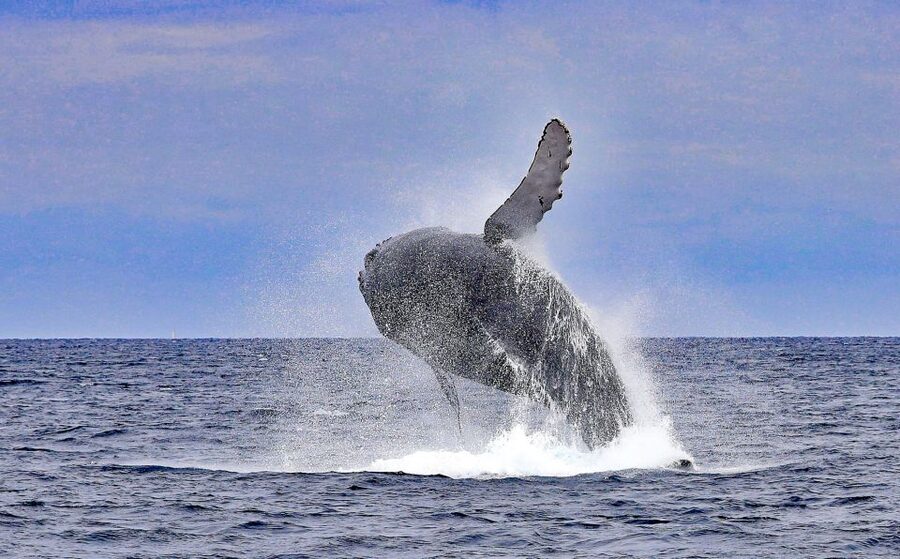
Humpback behavior is the whole point of this kind of trip, and the tour is built around what humpbacks do during this season near Naha.
You can reasonably expect things like:
- Tail slaps and strong movements that mark where the whale just surfaced
- Playful jumps (not guaranteed every trip, but possible)
- Flukes and backs appearing above the surface as whales surface and then go under
- Surfacing repeatedly as the family area remains active
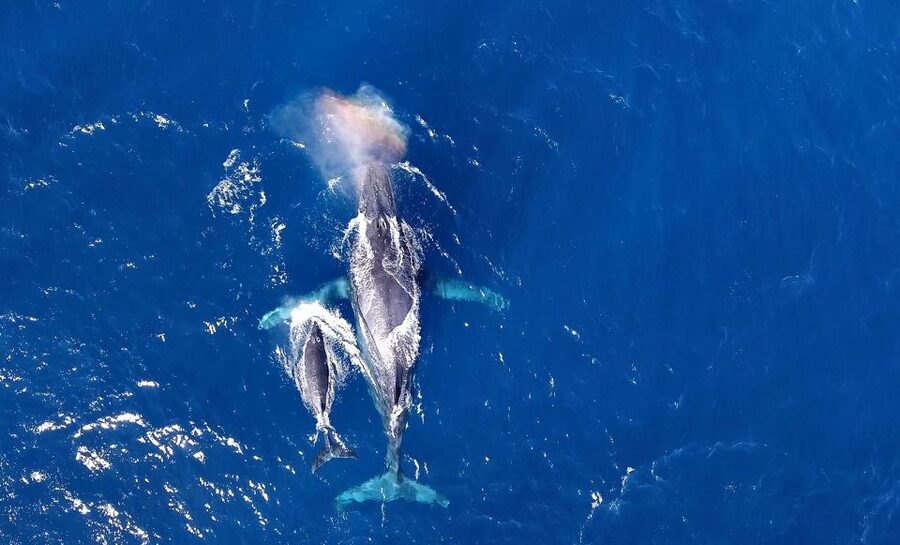
A recurring highlight is the chance of seeing a calf with the mother. That’s not something you can control, but it’s exactly why people talk about this route as more than a generic whale watch. Watching a mother and calf in the same area turns the experience into something gentler and more personal.
Some trips also include sightings that are described as being fairly close, enough for people to feel it was special. At the same time, the tour is careful about animal respect. It’s described as not trying to get too close, except in cases where whales approach on their own.
If dolphins join the mix, it adds a second layer of excitement, since dolphins often move differently and can help you spot the water’s activity quickly.
The honest way to frame expectations: you’ll get a solid chance at humpbacks in their breeding and raising season, and you’ll likely see enough to feel you learned something, even if every whale doesn’t put on a full acrobatics routine.
Making the Most of Your Deck Time: Views, Angles, and Photo Support
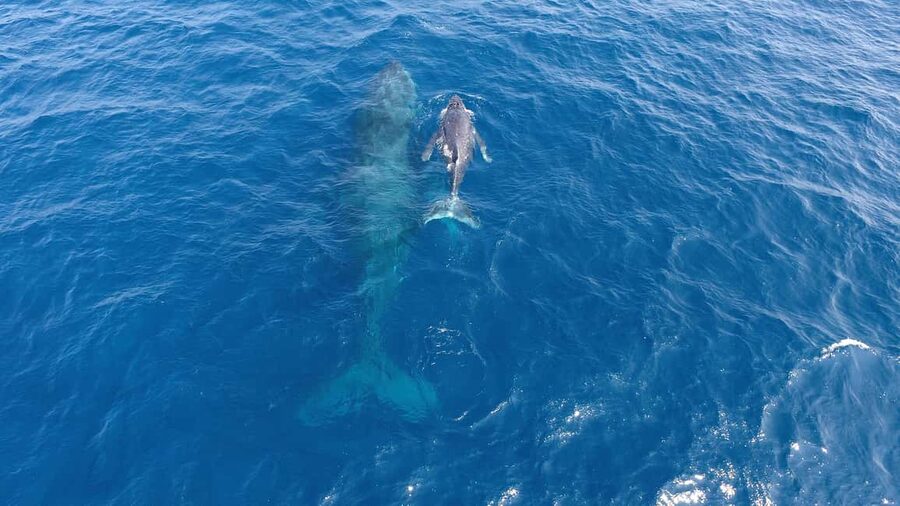
Because the viewing window is about 1 hour, you’ll want to use that time well. The boat is built for deck viewing, and the crew typically guides passengers toward the best sightlines when whales are found.
One detail that stood out in feedback is that the crew may ask everyone to move toward the front of the boat for a better overall view, so you’re not stuck behind people who picked the worst angle. That’s helpful, especially when the whales are at the surface and you need everyone looking at the same spot.
For keepsakes, you’re covered. The tour includes digital copies of photos of the whales taken during your trip, delivered through a download link after the tour. This is a big value-add, because shooting wildlife from a moving boat in wind is hard. Even if you take great smartphone photos, those pro shots help you actually get the moments you’ll want to remember.
For personal comfort, dress for cool wind and movement. In cold months, people specifically call out needing to wrap up warm and bring motion-sickness help. Even with a careful crew, the sea can feel choppy. If you’re sensitive to motion, take prevention before you board rather than waiting until you feel sick.
What to Bring, What Not to Do: Safety Rules That Also Protect the Whale Viewing
This tour provides life jacket and drinking water, and there’s a raincoat available if you need one. Still, you should bring your own essentials for how you feel on the water.
Bring:
- A jacket (layers help)
- Motion sickness prevention (if you’re prone, don’t wait for symptoms)
Skip:
- Intoxication
- Swimming
- Alcoholic drinks in the vehicle
Those rules aren’t just for liability. They keep the experience safer and reduce distractions while the crew is actively watching the water. Whale watching is about attention. If you’re sick, distracted, or not feeling steady, it’s hard to take in the details.
Health and child notes matter too. This tour is listed as not suitable for pregnant women and for people with epilepsy. If you’re traveling with a child under 2, you’ll need to bring your own baby carrier with a harness attaching the baby to an adult. Carriers aren’t provided, and if sea conditions are too rough to carry infants safely, you’ll be advised to reschedule.
That’s a lot of safety structure, but it also means the crew is thinking about real-world sea conditions, not just “nice weather” fantasies.
Price and Value at About $37: What You’re Paying For
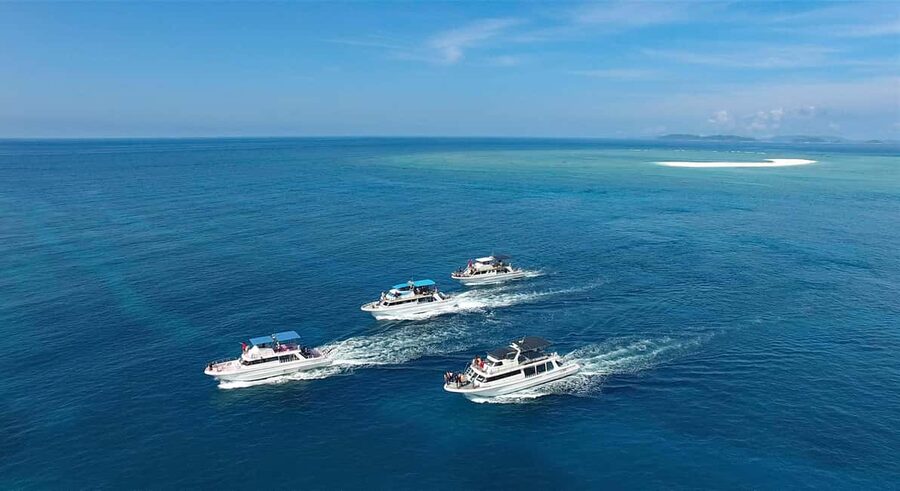
At $37 per person, this half-day tour is good value if you want an organized humpback experience without extra logistics.
You’re paying for:
- Round-trip hotel pickup and drop-off in Naha from a select list
- Access to the boat, life jacket, and water
- A live guide (English or Chinese)
- A planned whale viewing window once whales are spotted
- Photo support via digital downloads afterward
- A rain layer option if needed
Food is not included, so add that into your mental budget. The good news is you can easily solve this by eating before you leave and grabbing something afterward near your hotel.
Where it might not be the best fit is if you want a long, lab-style marine biology session. Several comments suggest the whale observation time is shorter than some people hoped, which is common for half-day formats. If your dream is extended study time, you may want a longer, more scientific option.
Still, for the time it takes, $37 feels fair because the tour removes the hardest part for many visitors, getting to the port and getting back comfortably, while still giving you a real viewing block.
Who This Tour Fits Best (and Who Should Skip It)
I think this is a smart choice if you:
- Want a guided humpback whale experience in Naha
- Have limited time and want it done in about 4 hours
- Prefer a smaller feeling boat setup instead of a huge crowd
- Appreciate learning while you watch wildlife, not just standing and hoping
- Like the convenience of pickup and drop-off, plus the included photo download
It’s also a decent “first whale watch” pick. The tour’s focus on humpbacks, plus the guidance on behavior, makes it easier to understand what you’re seeing even if you’re new to whale watching.
Skip it if you fall into the tour’s not-suitable categories: pregnant women and people with epilepsy. Also consider your seasickness risk. This is open water and wind can make it feel rough. If you’re very motion-sensitive, plan your prevention carefully.
If you’re traveling with a baby under 2, make sure your baby carrier is ready at home and brought with you. The tour requires your own carrier with harnesses.
Should You Book This Naha to Kerama Whale Watch?
Book it if you want a simple, well-supported humpback whale viewing trip that fits into a half-day schedule and includes pickup, water, rain support, and whale photos. The strongest selling point is how the crew runs the hunt and then gives you time for viewing once whales are spotted.
I’d especially consider booking if you’re visiting during months when humpbacks are most active near Naha, since the tour is designed around that seasonal behavior. If you end up going in Feb or Mar and no whales or dolphins are spotted, you’re listed as eligible for a full refund. In Dec or Jan, you’d get a re-trial voucher if no whales or dolphins are spotted.
Don’t book it if you need guaranteed close-up jumps or long hours on the water. This is wildlife. Even with a great crew, whales choose their own timing. The tour gives you a fair chance, plus strong organization, but it’s still not a factory-produced performance.
FAQ
How long is the Naha Kerama Islands half-day whale watching tour?
The tour lasts about 4 hours.
Is hotel pickup and drop-off included?
Yes. Hotel pickup and drop-off are included from select hotels and pickup locations in Naha, and you need to reserve at least 2 days prior to the tour.
About how long do we watch for whales once they are spotted?
The tour includes about 1 hour of whale observation before returning to Naha.
What languages are available for the live guide?
The live guide is listed as speaking English and Chinese. Language availability cannot always be guaranteed, but the operator will try to accommodate.
What is included in the ticket price?
Included items are life jacket, drinking water, raincoat if needed, and digital copies of photos taken during your tour via a download link after the experience.
Is food included on the tour?
No, food is not included.
What should I bring to be comfortable on the boat?
Bring a jacket and motion sickness prevention.
Are swimming or alcohol allowed?
No. Swimming is not allowed, and intoxication or alcoholic drinks in the vehicle are not allowed.
What happens if no whales or dolphins are spotted?
For Feb and Mar, if no whales or dolphins are spotted you get a full refund. For Dec and Jan, you receive a re-trial voucher to use on another day.
Back in the Water
Okinawa, Island by Island


Newest Naha write-ups from the Loving Japan desk




Okinawa Islands and Beaches, side by side.
 ★ 5.0Official Street Go-Kart Tour – Okinawa ShopFrom $36699 reviews
 ★ 4.4Naha: North Okinawa Sightseeing Tour & Churaumi AquariumFrom $50472 reviews
 ★ 4.4From Naha: Kerama Islands 1-day snorkeling tourFrom $81423 reviews
 ★ 4.3From Naha: Tokashiki Island Day Trip by BoatFrom $58385 reviews
 ★ 4.7Naha, Okinawa: Keramas Island Snorkeling Day Trip with LunchFrom $70370 reviews
 ★ 5.0[Miyako Island/Half Day] Sea Turtle SnorkelingFrom $45337 reviews
 ★ 5.0Okinawa Ishigaki Blue Cave Snorkeling TourFrom $45332 reviews
 ★ 4.5Snorkeling in the Blue Cave area【Okinawa Prefecture: Free feeding & photo images!English and Chinese speaking guide available!From $19249 reviews
Filed on these lists too