

REVIEW · TOKYO MUSEUMS, GALLERIES AND TEAMLAB
Osaka: teamLab Botanical Garden Entry Ticket
Night in a botanical garden sounds impossible. teamLab makes it work at Nagai Botanical Garden, where you can wander among 1,200 plant species by day and then watch light art react as the garden turns into a nighttime play space. I like how the setting stays calm and real, even while the visuals go futuristic.
One main consideration: this is an outdoor experience with strict rules, and there are no restaurants or cafes on site, so you need to plan your timing and snacks (food is not allowed inside) and bring the right gear for evening. Also, re-entry is not allowed, so once you’re in, you’re in for the full loop.
In This Review
- Key Things to Know Before You Go
- Entering Nagai Botanical Garden as an Art Space
- The Daytime Walk: How Nagai’s Garden Sets Your Pace
- The Moment It Changes: When the Lights Come On
- How the teamLab Art Interacts With Nature and Visitors
- Interactive Moments You Can Look Forward To
- Timing Tips That Make or Break the Visit
- Photo Rules, Sound Sense, and What to Expect From the Crowd
- Getting There, Getting Home, and Staying Comfortable
- What to Bring (and What Not to Bring)
- Weather and Season: When This Feels Especially Good
- Price and Value: Why $11 Usually Feels Fair
- Who Should Book This Osaka Night Garden?
- Should You Book teamLab Botanical Garden Osaka?
- FAQ
- How much is the Osaka teamLab Botanical Garden ticket?
- How long does the experience take?
- What is included with the ticket?
- Is the ticket refundable?
- Is there a restaurant or cafe on site?
- Can I re-enter after I leave?
- What should I bring for the visit?
- Are pets allowed?
- Can I use drones, selfie sticks, or tripods?
- What photography restrictions should I know about?
- What are the rules for children?
- Is the venue accessible for wheelchairs and strollers?
- What happens if I arrive after the final entry time?
Key Things to Know Before You Go
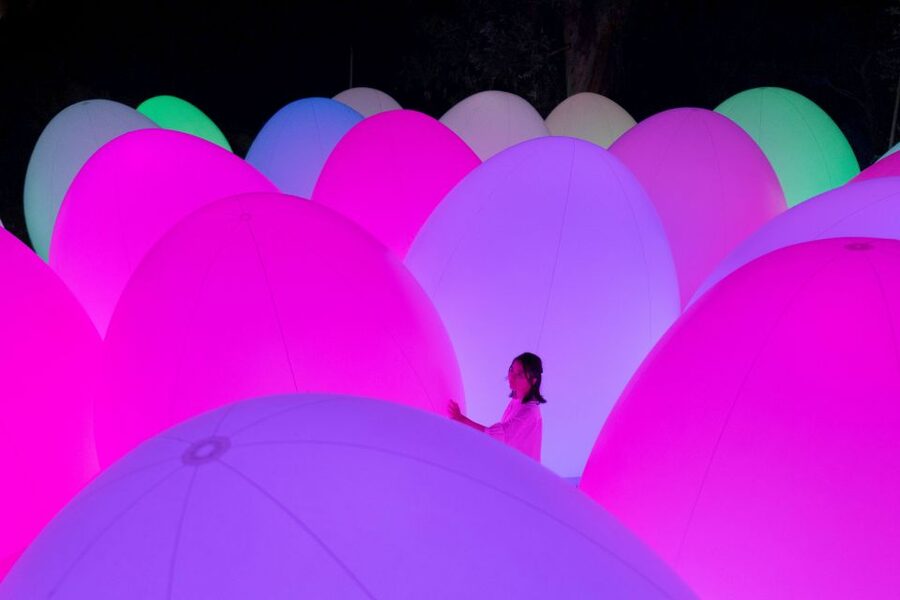
- Two moods in one ticket, garden time first, then teamLab light installations after dark
- 1,200 species across a huge 240,000 square meter park, so you will walk
- Light displays designed to work with nature, not just sit on top of it
- You can become part of the art, with installations that respond to visitors
- No food on site, and the rules are strict about photography and gear
Entering Nagai Botanical Garden as an Art Space
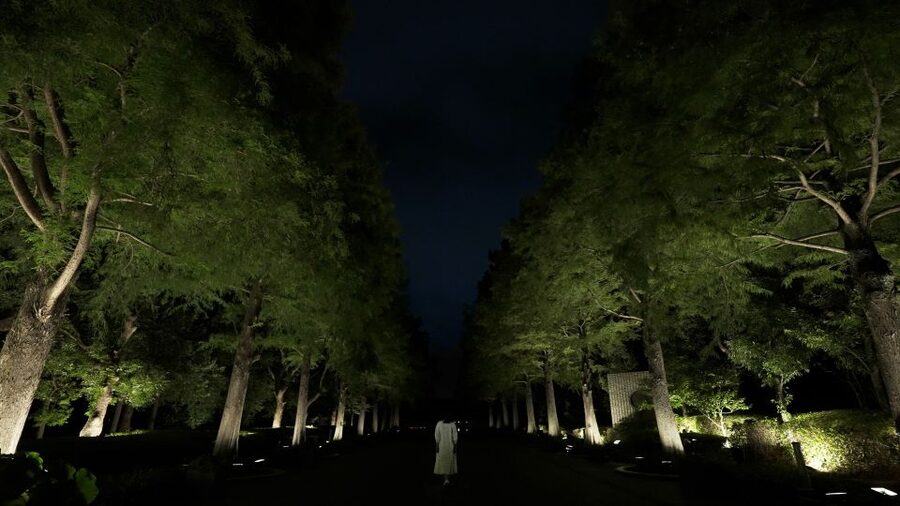
teamLab Botanical Garden Osaka is basically a normal botanical garden in daylight, then a tech-powered art experience after dark. The park is run by teamLab as a hybrid space, so you get both the slow, green side of Nagai Botanical Garden and the showy light side without having to leave the grounds.
I found the idea of non-material digital technology especially interesting. The light systems are meant to create art from nature using illumination rather than physical damage to plants. That focus matters here because it changes the vibe, you are not treating the garden like a backdrop, you are experiencing it as part of the artwork.
If you want one trip that feels different from typical Osaka sightseeing, this is a strong pick. The price is also unusually friendly for what you get: entry is about $11 per person and the experience is paced for a full visit rather than a quick stop.
The Daytime Walk: How Nagai’s Garden Sets Your Pace
You start by exploring Nagai Botanical Garden itself, home to around 1,200 plant species spread across about 240,000 square meters. This part is worth doing even if your real goal is the lights, because it gives your eyes and body a warm-up before everything turns darker and more theatrical.
Aim for a relaxed stroll through the grounds. The park has a central pond, and taking a few minutes there helps you reset, especially if you have been moving through Osaka all day. The nighttime installations hit harder when you are not already stressed and overheated.
This is also when you get your bearings. Wear comfortable shoes, because you will cover distance and the paths can feel longer at night. In one practical bit of advice, people consistently recommend going early, since the park can fill quickly.
The Moment It Changes: When the Lights Come On
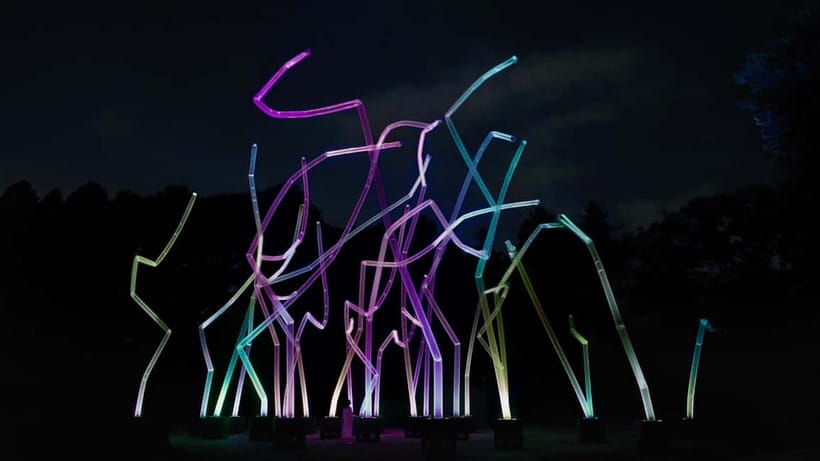
As evening approaches, the garden shifts into the teamLab art mode. The installations are built around light spectacles that interact with the surrounding nature, and they can also respond to visitors. In plain terms: the garden stops being just scenery and becomes a kind of living stage.
One thing I like is that the show is not just about bright visuals. Music and sound are part of the atmosphere, and that mix can make the experience feel calmer than you might expect from a light display. Several visitors describe it as magical and mesmerizing, and the overall tone tends to be gentle rather than chaotic.
A small but important tip: the early sections can feel understated at first. If you see something that seems simple, like bubbles of light, keep walking. The experience tends to grow more interesting as you progress into later zones.
How the teamLab Art Interacts With Nature and Visitors
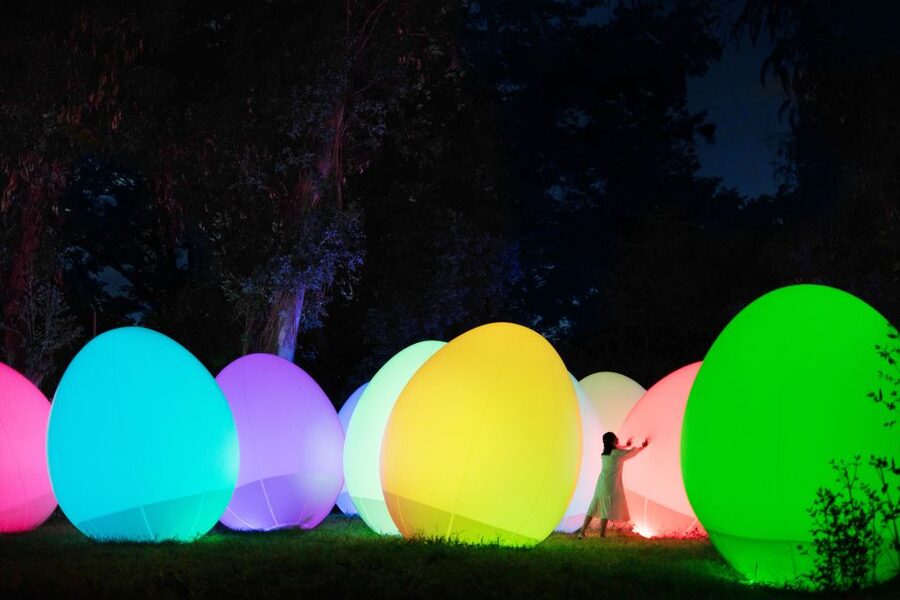
teamLab’s concept here is straightforward: digital tech, especially light, can turn nature into art without harming it. So instead of putting objects in the middle of plants, the art uses light in ways that feel connected to trees, animals, and people moving through the space.
What makes the experience feel special is the way the installations behave around you. You are not standing outside a fence watching something static. You become part of the scene, and the interaction can be playful, especially in areas that invite movement.
In reviews, people highlight the way colors and light interact with nature and other visitors. That is a big deal, because it means your photos and your memories are not just about the installation itself. They also capture the crowd flow, the trees, and the atmosphere around it.
If you are traveling with kids, this is one of the few Osaka attractions that can genuinely hold attention without feeling like a lecture. One commonly mentioned highlight is the big egg-shaped light areas that encourage playful running and hopping.
Interactive Moments You Can Look Forward To
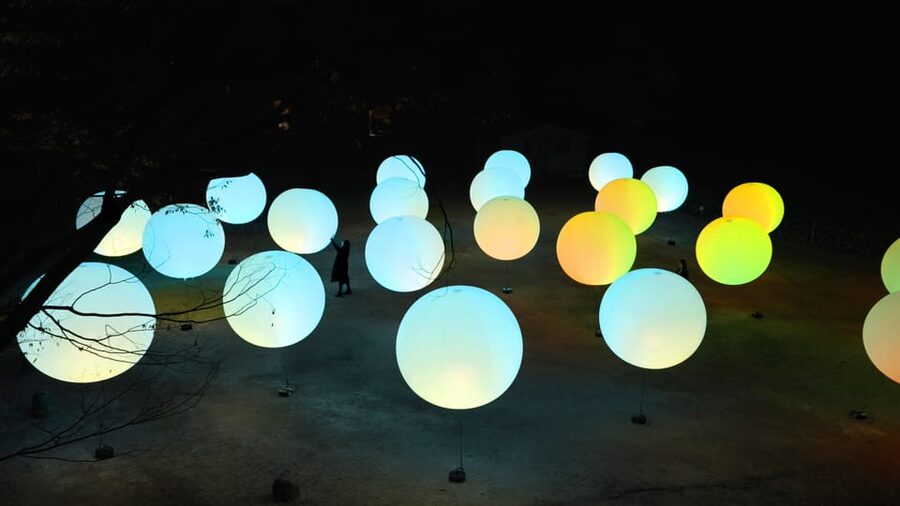
The art changes the way you walk. Instead of rushing to the next photo spot, you start moving slowly to see how the light patterns react with your position and motion.
A few interactive themes you should expect:
- Light effects that respond around you, so your movement matters
- Zones that feel like you step into the artwork, not just next to it
- Sound-and-light pacing, so different areas can feel different in mood
Also, take your time. One recurring point from visitors is that this is not a good idea if you treat it like a fast photo checklist. The best moments come when you pause, watch how the lighting changes, and stay respectful in the spaces that encourage interaction.
In case you are wondering how it compares with other teamLab sites in Japan, some people note it is not the same scale or setup as the Tokyo version. Still, the Osaka version earns strong marks for its garden setting and for being a relaxing way to spend your first night in town.
Timing Tips That Make or Break the Visit
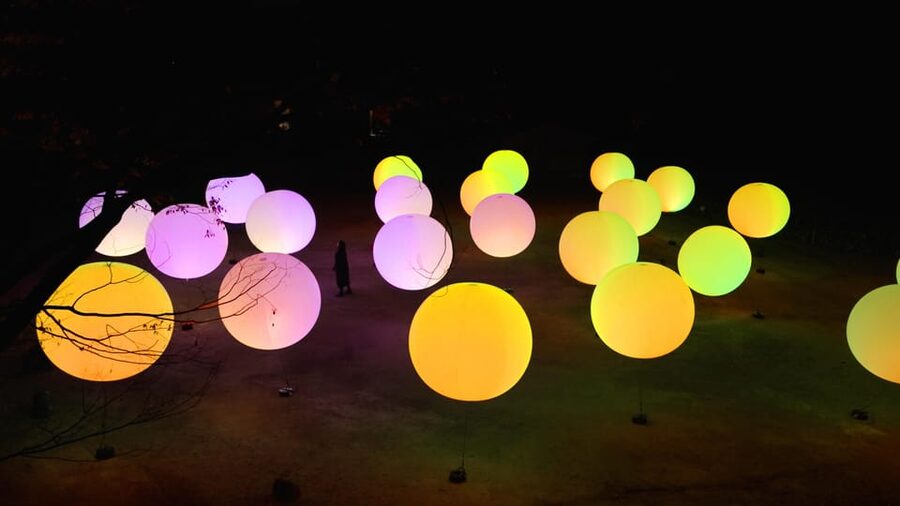
This place works best at night, and that means timing is everything. People recommend arriving early, because the park fills quickly. If you aim for an entry time that lets you enjoy both garden time and enough night viewing, you will get the best overall arc.
A few timing notes I’d follow:
- Choose a slot that gives you daylight, then stay for the transition
- Plan for darkness to be part of the art, since about 6 pm is dark enough for many people to get the most out of the experience
- If you arrive after the final entry time, you will be denied entry, so build buffer time after your commute
Because re-entry is not allowed, it helps to treat this like a single continuous evening plan. Eat before you go, then come in with empty pockets and a relaxed mindset for walking.
Photo Rules, Sound Sense, and What to Expect From the Crowd
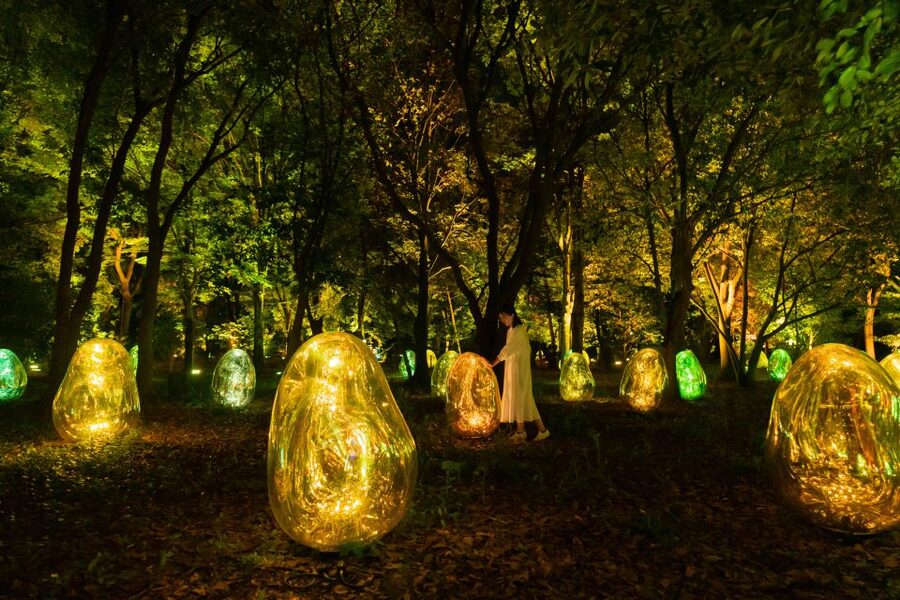
Photography is allowed, but the rules are strict. You can take photos, yet flash photography is prohibited. Also prohibited are drones, tripods, and selfie sticks. The goal is to keep the experience immersive for everyone and prevent distractions or safety issues in dark areas.
Bring your patience for the simple reason that this is popular. Reviews often mention that it does not feel like a chaotic mob, because entrance may be staggered, but it still gets busy. The trick is to move with the crowd flow instead of fighting it, and to spend extra time where you feel pulled in rather than sprinting ahead.
For best results, plan to photograph with normal smartphone lighting. Since flashes are off-limits, the lighting scenes are designed to be visible without them. Just accept that the photos may look different depending on where you stand, and that is part of the magic.
Getting There, Getting Home, and Staying Comfortable
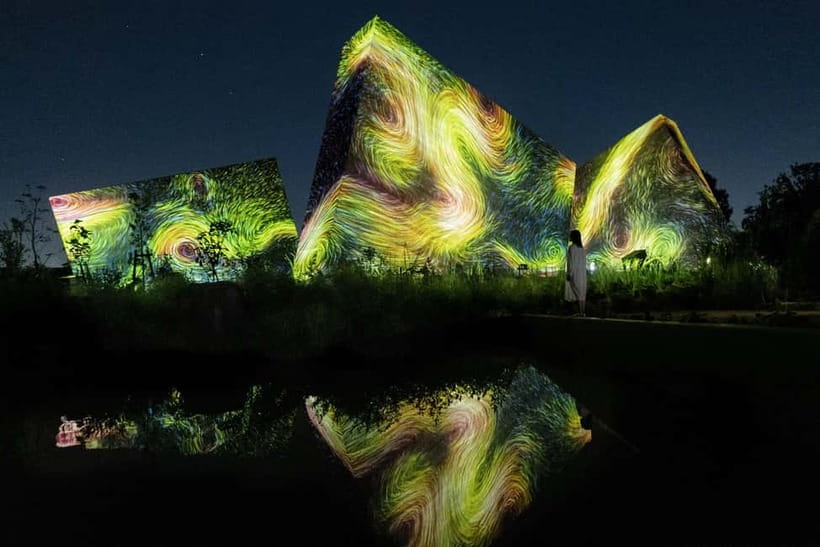
The venue is reached by walking from the subway area, and once it’s dark the walk can feel longer than expected. One practical warning from reviews: taxis can be hard to find right after the event, and you may walk around 15 minutes to reach a station.
So if you want a stress-free exit, I suggest thinking about your return mode before you start the walk. If you rely on transit, have a plan for which station and direction you will head to when you leave.
Comfort matters more than you’d think. You are outside, walking across the grounds, then spending time in darker zones. Wear comfortable shoes, and bring a long-sleeved shirt and long pants.
Insect repellent is also a must. Evening in a garden can bring bugs out, and repellent is one of those simple items that keeps the experience pleasant instead of irritating.
What to Bring (and What Not to Bring)
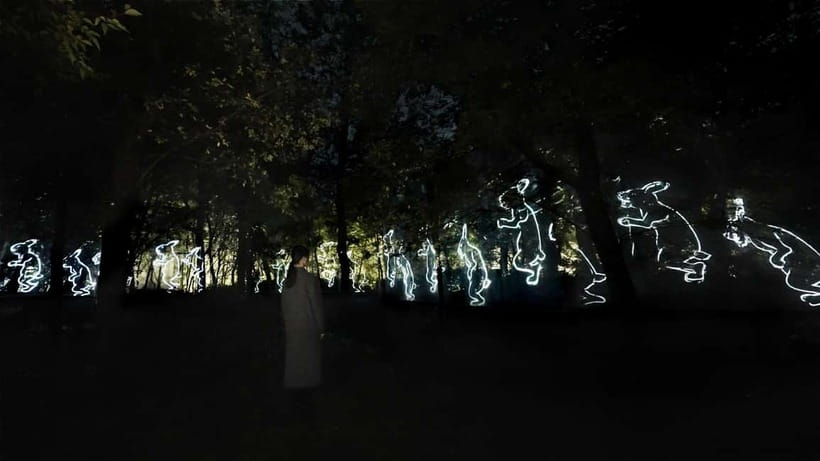
I like that the packing list here is clear, because it prevents you from overstuffing your bag for a place where bag rules are strict.
Bring:
- Comfortable shoes
- Long-sleeved shirt
- Insect repellent
- Long pants
Not allowed:
- Pets
- Smoking
- Luggage or large bags
- Drones
- Selfie sticks
- Food
- Flash photography
- Tripods
- Alcohol and drugs
- Flashlight
Since there are no restaurants or cafes on site, you should plan meals around the visit rather than expecting an easy snack stop inside. Also, because re-entry is not allowed, any forgotten essentials can become annoying fast.
Weather and Season: When This Feels Especially Good
Because this is outdoors, weather can change your experience. If it’s very wet or extremely cold, the walking can become less fun, even if the lights still look great.
Season can also make the garden feel extra special. In spring, people mention seeing cherry blossoms in the garden, and nighttime lighting can make those trees look surprisingly different. That is one reason to check the season before you commit, since this is not a short interior attraction.
One more weather tip I’d follow: check conditions before you go. It’s outdoors, and that sounds obvious until you are standing in a cool breeze waiting for the light transition.
Price and Value: Why $11 Usually Feels Fair
At about $11 per person for entry, this is one of those Osaka activities that feels like value rather than a splurge. You get a huge garden setting during the early part of the visit, then you get the teamLab transformation with interactive light art at night.
You also get time to wander. Reviews repeatedly praise the freedom to roam and to take it at your own pace. That matters because you are not just buying a quick ticket for a single photo moment, you are buying a longer evening loop.
One fair way to judge value is this: if you enjoy open-air environments, light shows with music, and experiences where you can move around, you will feel like your money went to the full atmosphere. If you dislike walking at night or want a tightly scheduled tour with minimal wandering, you might find it less satisfying.
Who Should Book This Osaka Night Garden?
This is a strong fit for:
- People who like botanical gardens and want a different angle on them
- Couples looking for a calm, romantic-feeling night activity
- Families with older kids who can handle walking and rules
- Anyone who wants an evening plan that feels playful without being rough
It also works well as a first night activity. Reviews describe it as a great way to decompress after busy city streets, and the sound and lighting help the pace slow down.
If your group is only into museums or indoor attractions, you might hesitate. But if you are open to being outside and walking for real, this experience is easy to recommend.
Should You Book teamLab Botanical Garden Osaka?
Book it if you want a night plan that blends real nature with interactive light art, and if you are willing to follow rules like no flash and no tripods. The price is low enough that you can justify it even if you are not sure you will love every section, because the overall garden-plus-show format gives you multiple moods in one ticket.
Skip it or think twice if you hate outdoor walking, if you need on-site food stops, or if you are uncomfortable with strict restrictions around what you can bring and how you can photograph.
If you decide to go, my best practical advice is simple: arrive with time to enjoy the garden first, then stay for the full night transformation. Slow down once you’re inside, and let the later sections surprise you.
FAQ
How much is the Osaka teamLab Botanical Garden ticket?
The entry ticket is listed at about $11 per person.
How long does the experience take?
The duration is listed as 1 day.
What is included with the ticket?
The ticket includes entry for teamLab Botanical Garden Osaka.
Is the ticket refundable?
No. This activity is non-refundable.
Is there a restaurant or cafe on site?
No. There are no restaurants or cafes on site.
Can I re-enter after I leave?
No. Re-entry is not allowed.
What should I bring for the visit?
Bring comfortable shoes, a long-sleeved shirt, insect repellent, and long pants.
Are pets allowed?
No. Pets are not allowed.
Can I use drones, selfie sticks, or tripods?
No. Drones, selfie sticks, and tripods are prohibited.
What photography restrictions should I know about?
You can take photos, but flash photography is prohibited, and flashlight is also not allowed.
What are the rules for children?
Children must be accompanied by an adult who is 18+ years old, and there must be one accompanying adult for every three children.
Is the venue accessible for wheelchairs and strollers?
Wheelchair users and children in strollers may enter the venue, but some artworks may not be accessible. For more information, you should contact the venue by phone.
What happens if I arrive after the final entry time?
If you arrive after the final entry time, you will be denied entry. Arrive on time.
Tokyo Museums, Galleries and teamLab, side by side.
 ★ 4.6teamLab Planets TOKYO Digital Art Museum Entry TicketFrom $259,779 reviews
 ★ 4.5Osaka Castle: Museum and Tower Entry TicketFrom $72,380 reviews
 ★ 4.6Samurai Ninja Museum Guided tour and ExperienceFrom $271,010 reviews
 ★ 4.9Tea Museum Tickets and Matcha Grinding ExperienceFrom $23739 reviews
 ★ 4.5Skip the lines Basic Ticket at SAMURAI NINJA MUSEUM KYOTOFrom $28632 reviews
 ★ 5.0Ninja Experience (Family Friendly) at Samurai Ninja Museum TOKYOFrom $47441 reviews
 ★ 4.5Tokyo Studio Ghibli Museum and Ghibli Film Appreciation TourFrom $193421 reviews
 ★ 4.6Geiko Maiko Dance of Kyoto & Visits of Gion MuseumFrom $25415 reviews
Filed on these lists too