
REVIEW · GION, GEISHA AND MAIKO EXPERIENCES
Kyoto : Geiko Maiko Dance of Kyoto & Visits of Gion Museum
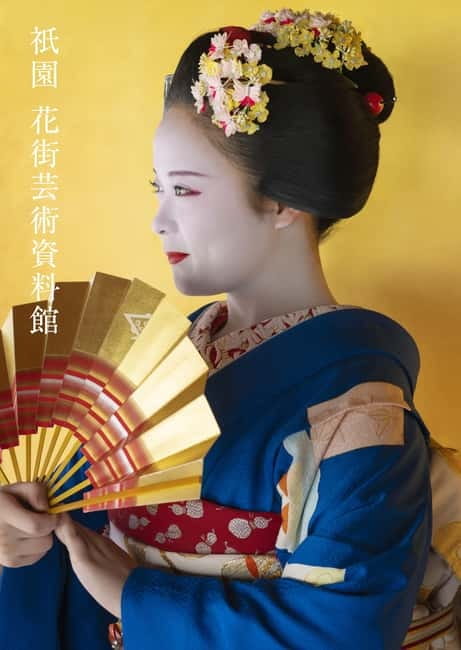
That Kyoto glow is real. This tight visit pairs a close-up Kyomai performance by geiko or maiko with the Gion Kagai Art Museum, so you get context before the music starts.
I really love two things here: first, the chance to watch Kyomai dance up close (no long ceremony, no vague performance), and second, the museum’s hands-on feel for Gion Kagai culture, with exhibits like seasonal kanzashi ornaments and fine kimono details you would not spot on the streets.
The main thing to consider is simple: the dance itself is short, about 15 minutes, and photos are not allowed during the performance (you can do photo sessions separately at the museum).
In This Review
- Key highlights at a glance
- Arriving at Gion Kagai Art Museum, and how to plan your 15 minutes
- Museum time first: Gion Kagai Art Museum is the real “why”
- What you’ll see in the permanent Kagai art exhibits
- English support that actually helps
- The Japanese garden and “slow your pace” breaks
- The Kyomai dance itself: what makes it special and what to watch
- What performance you’ll get
- How close is close?
- Photo rules, and the one big trade-off
- Timing and scheduling: choosing the session that fits your day
- Staying after the performance: museum time is flexible
- Price and value: is $25 a good deal for this format?
- Rules and etiquette that matter once you’re inside
- Who this experience is best for
- Should you book this Kyoto Kyomai and Gion Kagai Art Museum visit?
- FAQ
- How long is the Kyoto Kyomai dance and museum experience?
- What time should I arrive before the performance?
- Can I take photos during the Kyomai dance?
- Are photo sessions with a geiko or maiko available?
- What language support is available in the museum?
- What performance schedule times are offered?
- Is this experience refundable if I need to cancel?
Key highlights at a glance
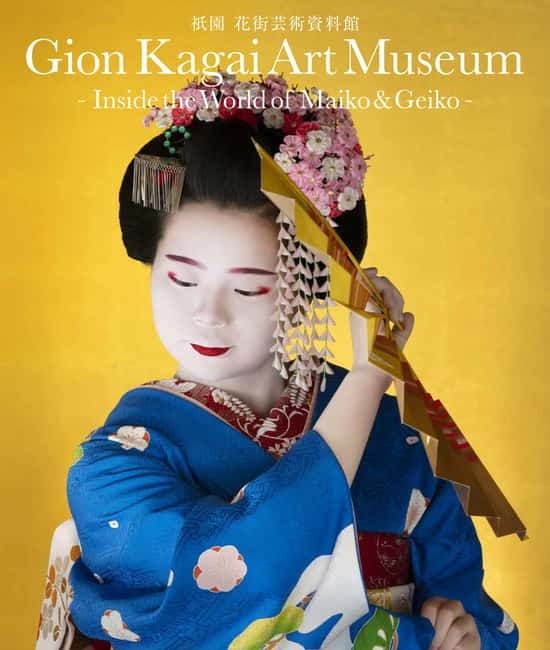
- Kyomai dance by geiko or maiko in the Inoue style, usually one performer, sometimes two
- Two songs, about 15 minutes total, timed into several daily sessions
- Gion Kagai Art Museum exhibits on geiko and maiko life, including costumes and personal items
- Chisen water Japanese garden plus time to wander at your own pace
- English support via QR codes, including video content on the museum’s lower level
- On-site Art Cafe and museum shop if you want to extend the experience
Indoors instead? Galleries and light rooms we visited
- Skip the lines Basic Ticket at SAMURAI NINJA MUSEUM KYOTO
★ 4.5 · 632 reviews - Kyoto : Geiko Maiko Dance of Kyoto & Visits of Gion Museum
★ 4.6 · 415 reviews - Kyoto Sword Experience – includes Museum Ticket/Ninja Experience
★ 4.5 · 149 reviews - Kyoto: Samurai Ninja Museum guided tour
★ 4.8 · 145 reviews
Arriving at Gion Kagai Art Museum, and how to plan your 15 minutes
Find the museum entrance, that’s it. This experience is built around a specific performance start time, so your biggest job is being there on schedule and calm. The rule is to arrive about 10 minutes early, which gives you time to settle in and avoid that last-minute scramble that ruins cultural moments.
Because the entire dance program is only about 15 minutes (two songs), you’ll want to treat this as a “window into Kyoto culture,” not as a long show. It works especially well on days when you’re already doing temples and neighborhoods, but you still want one high-quality, clearly defined cultural stop.
If you like structure, you’re in luck. The museum runs multiple sessions, including 13:30, 14:20, 15:00, 16:00, and 16:30. On some days, the 3rd and 4th sessions may be performed by two geiko or maiko instead of one, which can make the watch feel even more dynamic.
Museum time first: Gion Kagai Art Museum is the real “why”
This is not just a waiting room for the dance. The museum is a meaningful part of the experience because it gives you the vocabulary and visual clues to understand what you’re watching.
What you’ll see in the permanent Kagai art exhibits
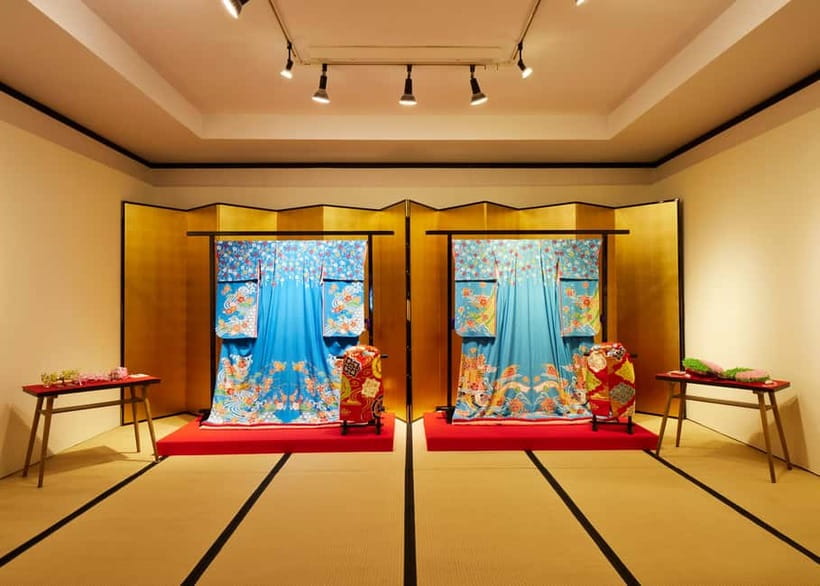
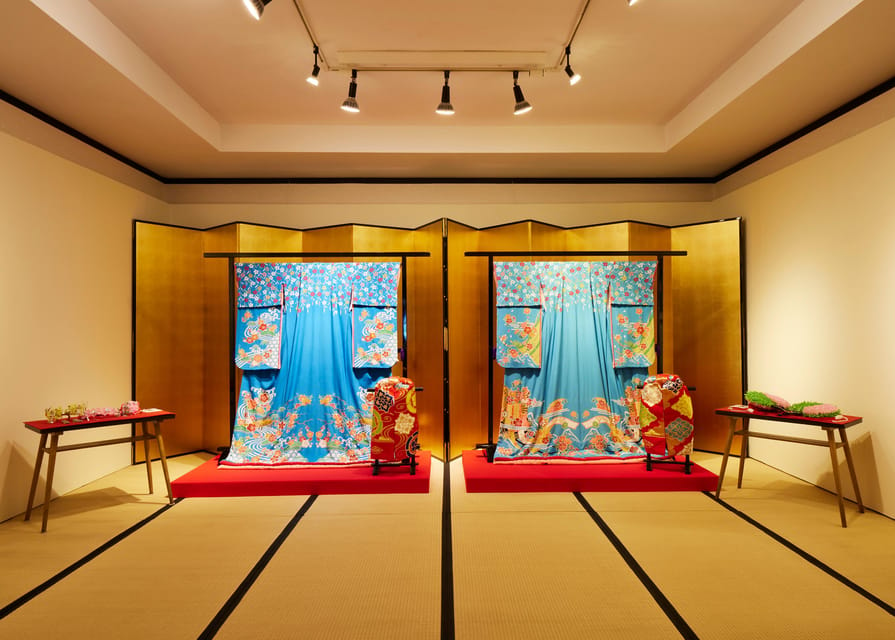
The permanent exhibit focuses on the world of geiko and maiko in Gion Kagai culture. You can expect displays that move beyond general descriptions, showing details you would normally never get access to. For example:
- Hand-painted Yūzen kimono
- Nishijin brocade obi sashes
- Seasonal kanzashi hair ornaments, with examples tied to the year’s rhythms
- Personal belongings and makeup tools associated with maiko
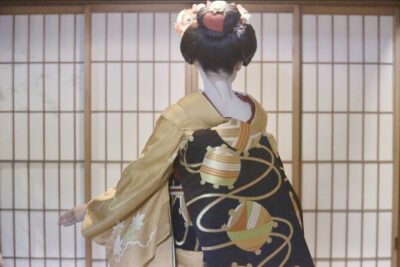
- Formal items like a black crested kimono, including pieces that are rarely seen in the Gion quarter
This kind of detail matters because Kyomai is not just movement. It’s style, timing, and small gestures that communicate much more than you might catch on a first watch. When you’ve seen costume elements and learned what they represent, the dance feels more like a message than a performance.
Evening walks through the old quarters, compared
- Kyoto Geisha Walking Tour: Gion District & Hidden Gems★ 4.7 · 3,273 reviews
- Kyoto: Gion Magical Night Walking Tour with Geisha Trivia★ 4.9 · 2,393 reviews
- Kyoto: Gion Geisha District Walking Tour – Stories of Geisha★ 4.7 · 2,187 reviews
- Best of Kyoto: Gion, Geisha, Pagodas & Cobblestones★ 4.9 · 2,058 reviews
- Night Walk in Gion: Kyoto’s Geisha District★ 4.5 · 2,003 reviews
English support that actually helps
One thing I appreciate is that the museum information is accessible in English through QR codes. You can scan for translations, and the museum also uses video content. Several guests specifically noted the usefulness of film on the lower level for understanding how this dance is unique to Kyoto. Even if you don’t speak Japanese, you should feel like you’re not missing the point.
The Japanese garden and “slow your pace” breaks
Kyoto is fast even when you think you’re moving slowly. Here, you get an elegant pause. The visit includes a Chisen style water Japanese garden. It’s a good place to reset your eyes and breathe, especially right before the dance begins.
There’s also an Art Cafe on site. It’s not described as a requirement, but if you want something light before or after, it’s nice to have the option right there instead of rushing back out into the street.
The Kyomai dance itself: what makes it special and what to watch
Kyomai (Kyoto Mai Dance) is the highlight, and it’s presented as a rare opportunity to see geiko or maiko dance in a way you can really register. This matters because short performances can go one of two ways: either they feel rushed, or they feel perfectly framed. In this case, the structure seems designed to keep it focused.
What performance you’ll get
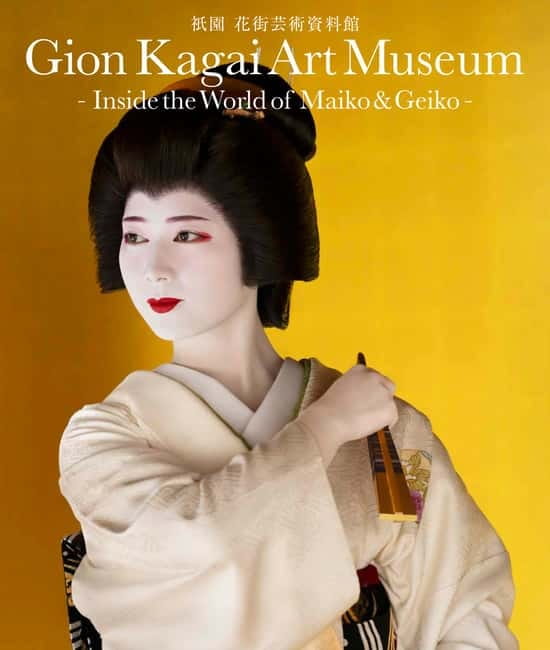
You’ll see Kyomai performed by geiko or maiko. The performance is in the Inoue style, and it is usually delivered by one performer. On some days, the 3rd and 4th sessions may feature two performers.
The program includes two songs, and that’s what builds the total runtime. Plan for about 15 minutes, not 40. If you’re the kind of person who hates tight timelines, this still can work because the rest of the visit is flexible once you’re inside the museum.
How close is close?
The experience is described as an opportunity to see the dancers close up. Even without knowing exact seating layouts, the intent is clear: the performance is meant to be watched, not viewed from across a hall like a distant spectacle.
What to watch:
- Facial expression and body language, because Kyomai uses subtle communication
- Timing of hand and arm movements, since the dance is built from clean gestures
- The relationship between music and motion, which feels more obvious when you’ve learned basic context from the museum exhibits
And yes, you’ll likely notice how “intentional” everything looks. Guests describe it as mesmerising and hypnotic, which is exactly how short, precision-based cultural performances tend to land when you’re not distracted by a big venue.
Photo rules, and the one big trade-off
Here’s the trade: no photos during the dance performance. That’s not a minor detail, because a lot of people go into this expecting to record everything. If you want pictures, the museum offers ticketed photo sessions with a geiko or maiko, and those photo session tickets are only available at the museum.
So I recommend a practical approach:
- Enjoy the dance fully without a phone in your hand
- If you really want photos, ask about the photo session option once you arrive, and decide then
- Treat extra photos as an add-on, not something baked into the show
Timing and scheduling: choosing the session that fits your day
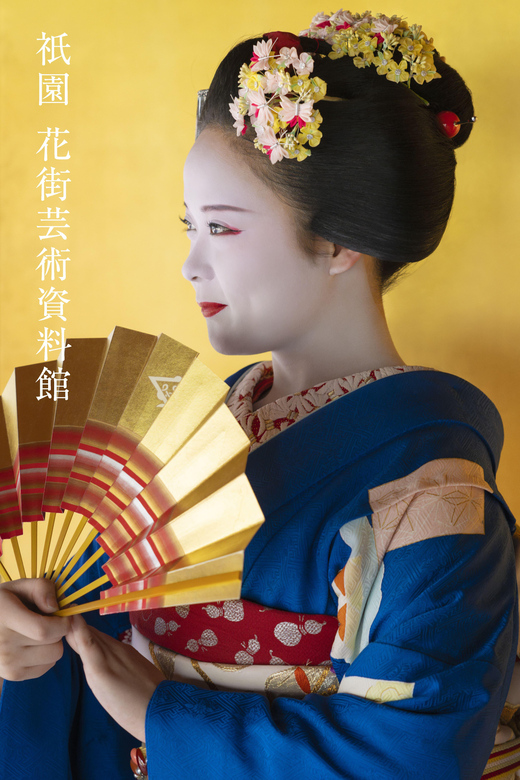
Because there are multiple daily sessions, you can pick what works with your Kyoto day plan. The published start times include:
- 13:30
- 14:20
- 15:00
- 16:00
- 16:30
This is useful because you can slot it after morning sightseeing and before dinner plans, or you can use a later slot if your energy tends to run out earlier in the day.
The practical lesson: don’t overbook immediately before this. Even though the museum is small and you can wander, the performance start time is the clock you must respect. Arriving 10 minutes early is a good buffer.
Staying after the performance: museum time is flexible
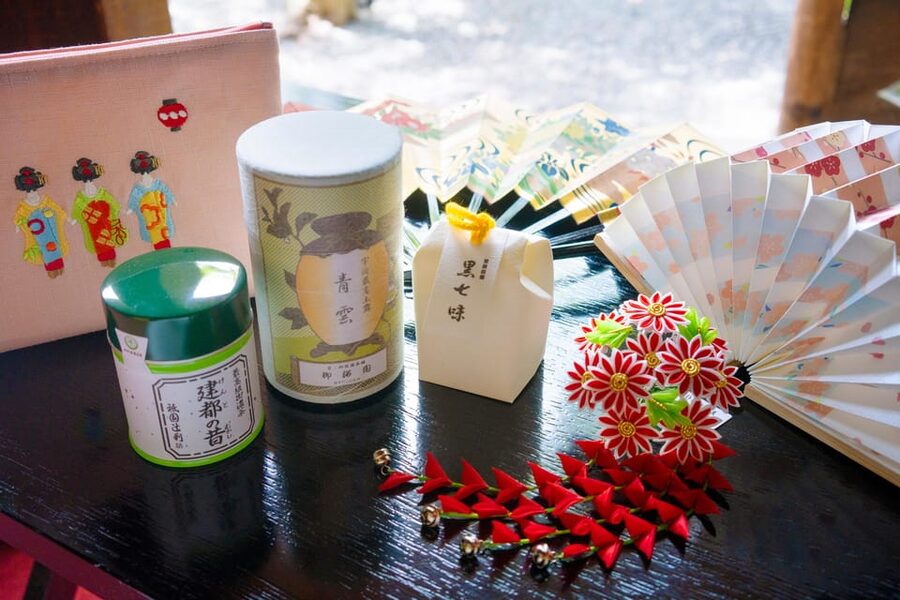
One of the best parts is that you’re not forced to bolt right after the dance. After the performance, you can remain at the museum as long as you want. Since the exhibits rely on reading and QR scans, that extra time matters.
If you only have a quick pass through museums during your trip, consider this a chance to slow down. You can re-check parts of the exhibit you care about most, like costume details, hair ornaments, or the photos that convey the atmosphere of the Kagai district.
Also, the museum has a shop. People mention it as a cool little gift shop, which is perfect for picking up something small that won’t clutter your luggage.
Price and value: is $25 a good deal for this format?
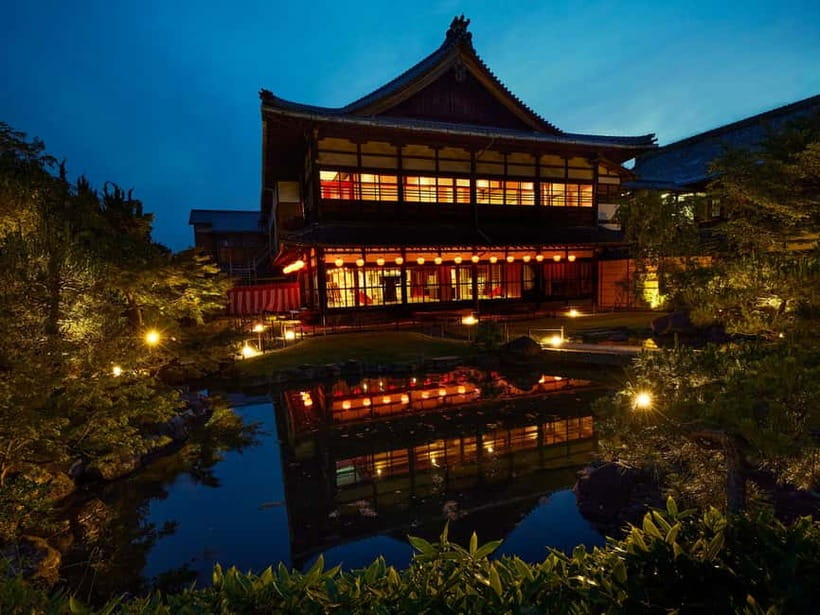
At $25 per person for a 15 minute performance plus museum admission and performance fees included, the value depends on what you want out of Kyoto.
Here’s the honest math in travel terms:
- You are paying for a live Kyomai performance by geiko or maiko (not a generic video or a broad talk)
- You’re also paying for admission to a museum focused specifically on Gion Kagai culture
- The experience is short, which keeps it practical on a busy day
So if your goal is one focused cultural moment with context, $25 is reasonable. If you want an all-day immersion with multiple performances, this is not that format. It is more like a concentrated taste, with the museum doing the heavy lifting of explanation.
One more value detail: photos with a geiko or maiko are not included as a default. If you want a photo session, you should plan around about 2,000 yen for the add-on, and you’ll get something like a Polaroid and phone photos. That means the total cost can rise if you treat the photo session as important.
Rules and etiquette that matter once you’re inside
This is a small, carefully managed cultural setting. Keep your trip smooth by following the stated limits:
- No pets
- No oversize luggage
- No drones
- No alcohol or drugs
- No audio recording
- No photos during the dance performance
These rules are part of why the experience feels respectful and focused. If you come in expecting a free-for-all filming environment, you will feel frustrated. If you come in ready to watch and learn, it goes smoothly.
Who this experience is best for
This fits best if you:
- Want a high-quality Kyomai dance experience without committing to a long theater program
- Like learning through exhibits and QR translations, not just watching a show
- Prefer concise plans you can fit into a packed Kyoto day
It might be less ideal if you:
- Hate short performances and would rather watch for a longer runtime
- Strongly need photos during the dance (because the no-photo rule is firm)
- Want a discussion with the performers, since the format is centered on the performance plus museum learning, not interactive Q and A (at least based on what’s described)
Should you book this Kyoto Kyomai and Gion Kagai Art Museum visit?
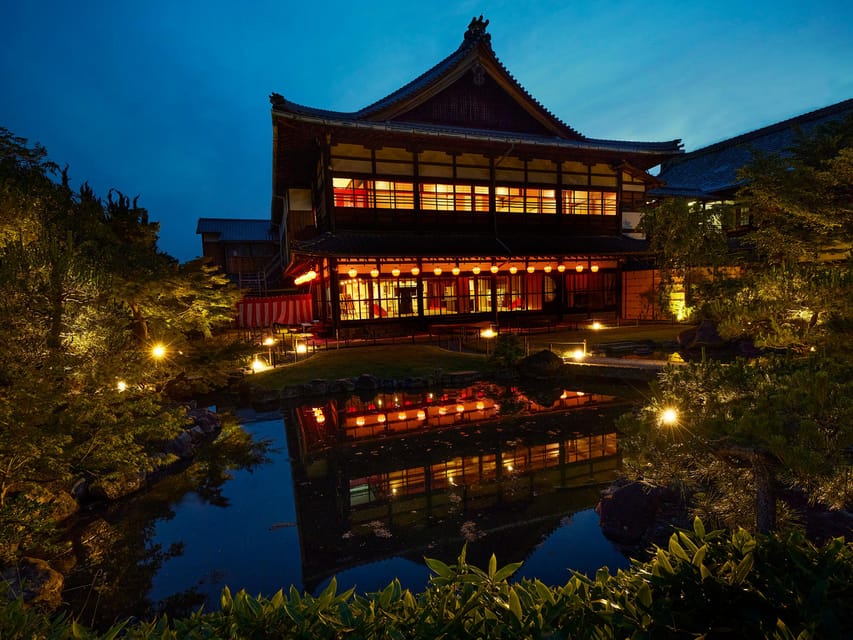
Yes, if you want a clean, focused cultural stop that pairs context with a close-up performance. The combination is the value: the museum helps you understand what you’re seeing, and the dance delivers the emotional punch in a short window.
Book it if $25 feels reasonable for you and you’re okay with one key trade-off, no photos during the performance. If that rule is a dealbreaker, consider budgeting for the separate photo session offered at the museum, then plan to keep your phone away during the dance.
Overall, this is the kind of Kyoto experience that works for first-timers and returnees alike, because it’s specific, well paced, and grounded in the Gion Kagai world rather than just generic “geisha culture” vibes.
FAQ
How long is the Kyoto Kyomai dance and museum experience?
The performance portion is about 15 minutes, featuring two songs. You can also stay in the museum after the performance as long as you want.
What time should I arrive before the performance?
You should come to the museum about 10 minutes before the performance starts.
Can I take photos during the Kyomai dance?
No. Photos are not allowed during the dance performance.
Are photo sessions with a geiko or maiko available?
Yes. Tickets for photo sessions with a geiko or maiko are available at the museum.
What language support is available in the museum?
English information is available via QR code scanning. The museum also uses videos, including film content on the lower level.
What performance schedule times are offered?
The sessions include 13:30, 14:20, 15:00, 16:00, and 16:30. Availability depends on the day.
Is this experience refundable if I need to cancel?
No. The activity is non-refundable.
Evenings in the Old Quarters




Tokyo Indoors: Galleries and Light Rooms



Newest Kyoto write-ups from the Loving Japan desk

Gion, Geisha and Maiko Experiences, side by side.
 ★ 4.7Kyoto Geisha Walking Tour: Gion District & Hidden GemsFrom $253,273 reviews
 ★ 4.9Gion Magical Night Walking Tour with Geisha TriviaFrom $242,393 reviews
 ★ 4.7Gion Geisha District Walking Tour – Stories of GeishaFrom $202,187 reviews
 ★ 4.9Best of Kyoto: Gion, Geisha, Pagodas & CobblestonesFrom $242,058 reviews
 ★ 4.5Night Walk in Gion: Kyoto’s Geisha DistrictFrom $212,003 reviews
 ★ 5.0Kyoto Night Foodie Tour in Gion (9+ dishes + 6 Sake tastings)From $1631,762 reviews
 ★ 5.0Kyoto Gion Geisha District Walking Tour – The Stories of GeishaFrom $251,441 reviews
 ★ 5.0Kyoto Gion: 2-Hour Geisha Culture & History Walking TourFrom $231,186 reviews
Filed on these lists too