
REVIEW · KYOTO TEA CEREMONIES AND MATCHA
Kyoto: Tea Museum Tickets and Matcha Grinding Experience
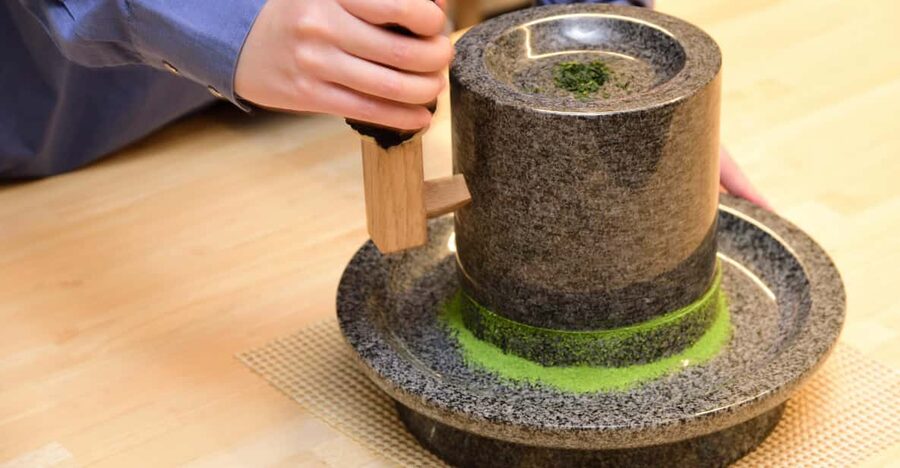
Matcha starts with a grinder, not a cup. At Chazuna in Uji, you get a museum intro plus a hands-on matcha grinding workshop in about one hour.
I love how the experience mixes practical making with interactive learning, and I like that you can even do the ice-cold matcha treat during summer. One watch-out: the museum portion is short, so plan extra time if you want a deeper Uji tea wander.
In This Review
- The Matcha Workshop Value Mix That Actually Works
- Key Points Worth Marking on Your Day
- Where Chazuna Fits in Uji, Kyoto (and why the setting matters)
- Entering the History Room: the 10-yen coin and the Byodoin theme
- Touch and try: how the museum makes tea feel physical
- The tea grinding workshop: making matcha from leaf to powder
- Brewing matcha the taught way: whisk, consistency, and timing
- Summer-only at 2:45 p.m.: matcha over ice cream
- What you actually get at the end (and what to do with it)
- Price and time: is $23 worth your 60 minutes?
- Timing and entry rules that keep things smooth
- Who this experience is best for
- Should you book this Kyoto Tea Museum and matcha grinding experience?
- FAQ
- How long is the matcha grinding and museum experience?
- Where do I meet for the Chazuna workshop?
- How far is Chazuna from Uji Station?
- What is included in the ticket price?
- Do I get to grind matcha myself?
- What languages will the instructor use?
- Is there a summer-only food option?
- What time should I arrive before the class?
- What happens if I am late?
- Can I cancel for a refund?
- Can I reserve without paying immediately?
The Matcha Workshop Value Mix That Actually Works
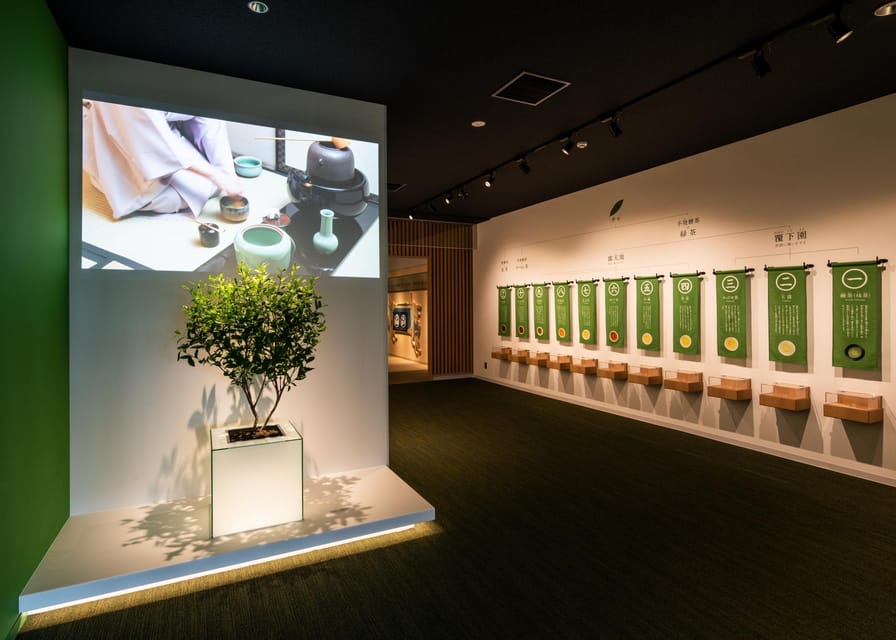
For about $23, you are not just buying a ticket to watch tea on a screen. You grind tea leaves from a mill, then learn how to brew matcha properly with a Japanese-English instructor. You also get museum access, including touchable, digital exhibits that help the tea story click fast.
A possible drawback is timing: everything is built into a tight 1-hour flow. If you want long museum browsing, you will feel a little rushed unless you build a buffer time.
Still weighing up options in Uji? These are the ones our reviewers rated highest.
- Uji: Green Tea Tour with Byodoin and Koshoji Temple Visits
★ 4.8 · 72 reviews - Uji: UNESCO Heritage & Tea Ceremony Walking Tour
★ 4.6 · 54 reviews
Key Points Worth Marking on Your Day
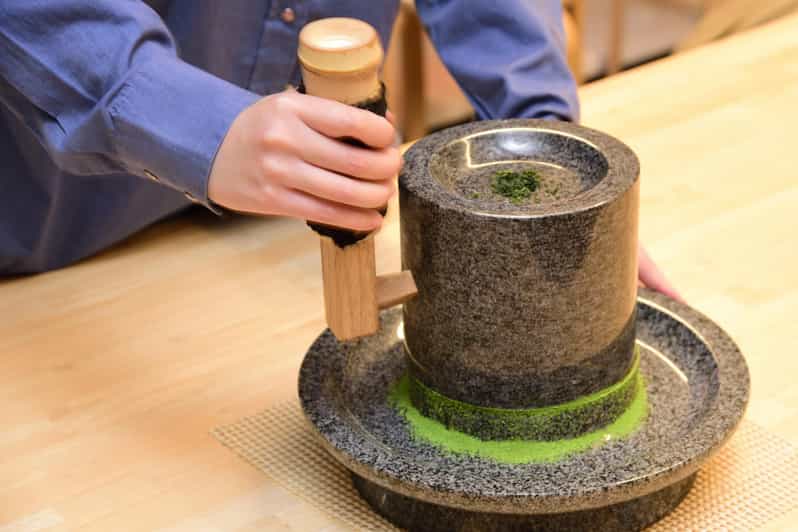
- Tea-mill grinding that turns leaves into matcha powder while you take in the park view
- Digital exhibits you can touch, not just stand and read
- History Room details like the huge 10-yen coin and the Byodoin Phoenix Hall theme
- A guided brew with instructor help so you do not guess at whisking technique
- Summer-only 2:45 p.m. treat where you pour matcha over ice cream
- Uji location with easy transit, plus a nice walk to other tea stops afterward
Where Chazuna Fits in Uji, Kyoto (and why the setting matters)
This is not a city-center tea show. It is in Uji, a tea town in southern Kyoto’s orbit on Honshu, and Chazuna sits inside the Historical Park of Tea and Uji Town. That matters because the workshop is tied to place. You are not learning matcha in a back room far from the source.
Getting there is straightforward. From Uji Station on the Keihan Uji Line, it is about a 4-minute walk. From Uji Station’s South Exit on the JR Nara Line, it is about 12 minutes on foot. If you are driving in from Osaka, you exit at Keiji Bypass Uji Nishi IC and head toward Uji for about 10 minutes.
You will find the meeting point at 1F reception at Chazuna, so aim to arrive with a few extra minutes. This is one of those activities where being punctual helps the whole class run smoothly.
Entering the History Room: the 10-yen coin and the Byodoin theme
Right at the start, you get oriented fast. In the History Room, a huge 10-yen coin shows up along with a Byodoin Phoenix Hall welcome. It is a clever way to connect a familiar object to local identity. If you are the type who likes context before you taste, this opener works.
Then the museum leans on modern presentation. You get digital exhibitions, including a large 4K HDTV screen with modernized townscape drawings called Meisho-zue. This is not just entertainment. It helps you picture what Uji looks like as a living town, not a frozen photo.
If you are short on time, focus on the big ideas: how Uji tea became known, and why the production story matters for flavor. The museum is designed to be understandable without turning into a lecture.
Touch and try: how the museum makes tea feel physical
One of the most praised parts of this experience is the interactive side. You get digital exhibitions where you can touch and experience tea, which helps because matcha culture is half sensory and half technique.
It is easy to forget how abstract tea can feel before you learn. Many tea experiences only show you an end result, a cup, a color, a smell. Here, you get to connect the process to the product. That is the real benefit of the touchable exhibits, they give your brain handles to hold onto while you later grind and whisk.
From the reviews, I also saw that people appreciate how the museum content feels “short but full” and that the videos and displays help explain tea processing. So even if you think a museum might be boring, this one is built for quick comprehension.
The tea grinding workshop: making matcha from leaf to powder

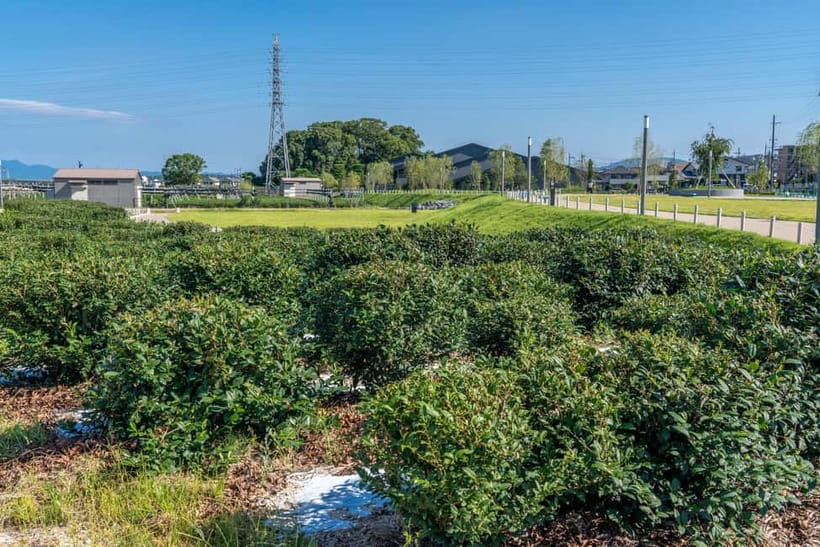
Now you get to the part that feels the most fun. You make matcha by grinding tea leaves into powder using a tea mill. And you do it in a setting with a view of tea fields and gardens. Even if you do not consider yourself a photo person, you will probably want one quick shot, because the moment looks peaceful and very “Uji.”
This is the hands-on highlight for most people, and you can see why. Grinding is a physical reminder that matcha is not just a flavor. It is a prepared ingredient, finely milled, with a specific texture that affects how it mixes.
You are not left alone with a machine either. Your session includes an instructor, and the class is designed around guidance. In the reviews, names like Hideko, Keiko, Sukimoto, and Yano-san come up as examples of instructors who were friendly and helpful. You cannot count on any one person, but it gives you a sense of how much the staff put into explanations and atmosphere.
Practical tip: keep your hands relaxed but ready. Grinding is repetitive and easy to do clumsily if you tense up. Let the instructor set the pace and watch for cues.
Brewing matcha the taught way: whisk, consistency, and timing
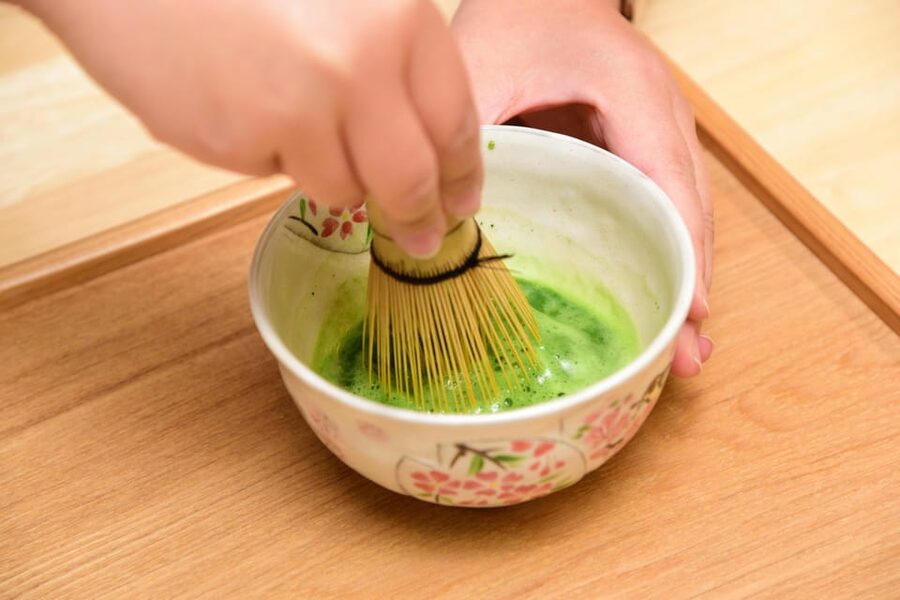
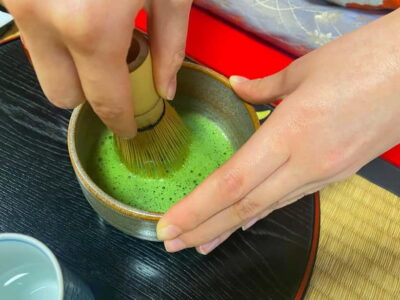
After the grinding, you shift from turning leaves into powder to turning powder into a drink. The workshop includes learning how to brew matcha, with instruction on technique as you whisk and make your cup.
This part is valuable even if you already order matcha in cafes. In many places you get a pre-made product with a one-size-fits-all foam. Here, you learn the basic thinking behind getting the texture right. It also helps you understand why people talk about matcha as a craft rather than a beverage.
The instructors are listed as Japanese and English, which is a big plus if you want to ask questions. More than one review mentions that the guides were funny and patient, and that the group interaction felt hands-on. That matters because matcha technique has tiny steps, and those tiny steps are where a guided session beats self-learning.
Summer-only at 2:45 p.m.: matcha over ice cream
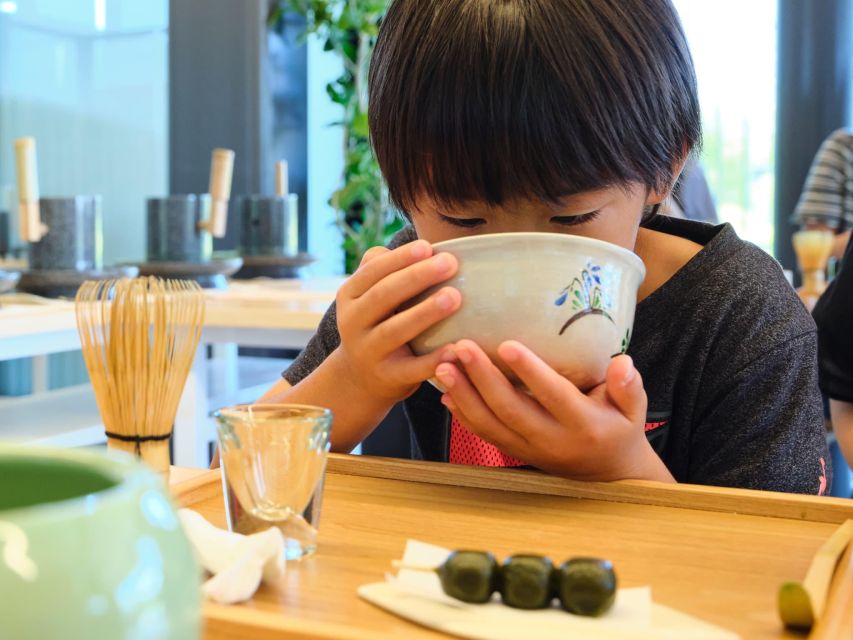
There is a bonus twist, but it is seasonal. The museum has a summer-only experience at 2:45 p.m. only that adds a cool-food moment. During that time, the restaurant offers a way to use your ground matcha with ice cream.
You can pour your ground matcha over ice cream and either drink it or pour more on top and eat it. It is a playful end to a serious ingredient story. If you are visiting in summer and you care about keeping your schedule flexible, try to build your day around the 2:45 p.m. slot.
If you are not traveling in summer, do not worry. The core experience still stands: grind, learn, brew, and then enjoy what you make.
What you actually get at the end (and what to do with it)

The session ends with you having made and enjoyed your matcha. You also have museum access included in your ticket price, so you are not leaving right after the workshop. That museum time helps you process what you just did.
One review mentioned that people can sample their own matcha, and another mentioned an additional small souvenir tied to matcha leaf pottery. Since these are specific to what some participants received, you should not treat it as guaranteed. Still, it aligns with the overall feel of the place: they like to turn a lesson into a memory you can carry.
Here is a smart way to plan your next hour in Uji. Since this is a tea town, you will likely want to walk afterward. Reviews mention the area around the market street for matcha foods and souvenirs, plus the Byodoin temple being worth visiting if you want a cultural anchor to go with your tea learning. If you like combining food with viewpoints, you are in the right town.
Price and time: is $23 worth your 60 minutes?
At $23 per person for roughly 1 hour, this is a good value if you want more than just a quick tasting. You get three things bundled together: Chazuna museum ticket, the matcha making experience, and an instructor. Many tea experiences charge similarly for the tasting-only part, so bundling the museum context with actual grinding is a practical deal.
The one-hour length also suits real travel days. You do not need to clear half a day. That is huge if you are basing in Kyoto and trying to add Uji without disrupting everything else.
What you should consider is match to your expectations. If you want a long, slow museum crawl with lots of reading time, this is not that format. You are there to learn the essentials, do the hands-on piece, and then move on. For most people, that is exactly the right pace.
Timing and entry rules that keep things smooth
This is a workshop. Workshops run on time. The guidance is clear: arrive 15 minutes before your reservation and check in at the reception counter. If you show up late, you can be refused entry or participation after 30 minutes from the start.
If you are the type who hates pressure, this might still feel manageable. Just add the buffer and treat it like a train connection, not a casual drop-in.
Also note the schedule flexibility options that are useful on travel days. The experience offers reserve now and pay later, and there is free cancellation up to 24 hours in advance for a full refund. If you are building a Kyoto itinerary around weather, that flexibility helps.
Who this experience is best for
This works for matcha lovers, yes. It also works for people who only like green tea sometimes. Why? Because the museum is meant to help you understand what you are tasting, and the grinding and brewing give your brain a direct connection.
It is also family-friendly in spirit. Reviews highlight that people enjoyed it with groups, including families, and that instructors were attentive. If you have kids who get restless in lectures, a hands-on activity can keep energy up.
Solo travelers also fit well because the activity naturally groups people and the instructor interaction is built into the program. If you prefer a structured experience with clear steps, this one delivers.
Wheelchair access is listed as available, which is always worth checking for planning.
Should you book this Kyoto Tea Museum and matcha grinding experience?
Book it if you want a true hands-on matcha moment tied to real Uji tea context, not just a tasting. At $23 and about one hour, it is a solid use of time in a tea town that pairs naturally with other sights like Byodoin.
Skip or consider carefully if you need a longer museum experience, or if you hate punctual classes. This is not an all-day wander. It is a focused session with a short, informative museum add-on.
If you are visiting Uji in summer and can do the 2:45 p.m. slot, that extra matcha-over-ice-cream moment is a fun reason to align your schedule.
FAQ
How long is the matcha grinding and museum experience?
The duration is 1 hour.
Where do I meet for the Chazuna workshop?
Go to the 1F reception area at Chazuna, located in the Historical Park of Tea and Uji Town.
How far is Chazuna from Uji Station?
It is about a 4-minute walk from Uji Station on the Keihan Uji Line, or about a 12-minute walk from the South Exit of Uji Station on the JR Nara Line.
What is included in the ticket price?
Your ticket includes the Chazuna museum ticket, the matcha making experience, and an instructor.
Do I get to grind matcha myself?
Yes. The experience includes grinding tea leaves from a tea mill into matcha powder, then brewing matcha with guidance.
What languages will the instructor use?
The instructor is listed as Japanese and English.
Is there a summer-only food option?
Yes. During summer, there is a cool experience at 2:45 p.m. only, where visitors can pour their ground matcha over ice cream and either drink it or eat it.
What time should I arrive before the class?
Please arrive 15 minutes before your reservation and check in at the reception counter.
What happens if I am late?
Under any circumstances, you will be refused entry or participation after 30 minutes from the start.
Can I cancel for a refund?
Free cancellation is available up to 24 hours in advance for a full refund.
Can I reserve without paying immediately?
Yes. The experience offers reserve now and pay later, so you can book your spot and pay nothing today.
Kyoto by the Bowl

Newest Uji write-ups from the Loving Japan desk
Kyoto Tea Ceremonies and Matcha, side by side.
 ★ 4.9Tea Ceremony in a Traditional Tea House in KiyomizuFrom $493,519 reviews
 ★ 4.9Tea Ceremony Ju-An at Jotokuji TempleFrom $293,207 reviews
 ★ 4.345-Minute Tea Ceremony Lesson ExperienceFrom $222,378 reviews
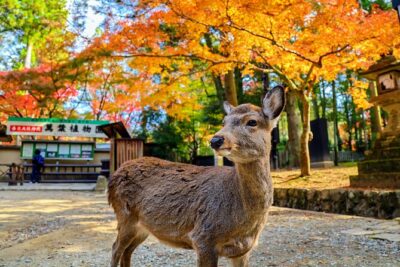 ★ 5.0World Heritage Kyoto & Nara Uji Authentic Matcha ExperienceFrom $1291,573 reviews
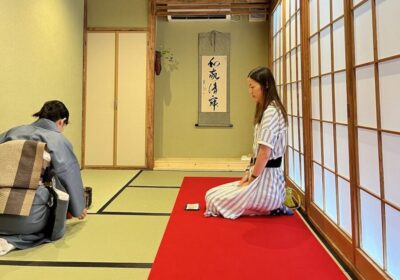 ★ 4.9Tea Ceremony ExperienceFrom $251,426 reviews
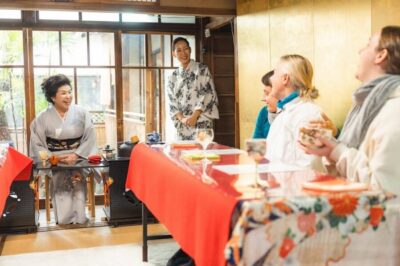 ★ 4.9Table-Style Tea Ceremony at a Kyo-MachiyaFrom $451,211 reviews
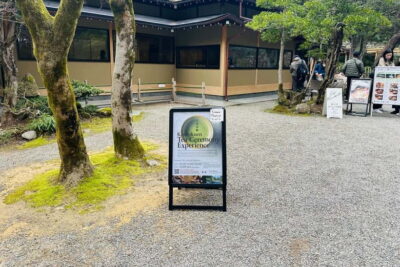 ★ 4.8Kenrokuen Tea Ceremony ExperienceFrom $351,139 reviews
 ★ 5.0Kimono Tea Ceremony at Kyoto Maikoya, NISHIKIFrom $65911 reviews
Filed on these lists too