
REVIEW · MOUNT FUJI DAY TRIPS
Shizuoka: Advanced Canyoning Activity near Mt. Fuji
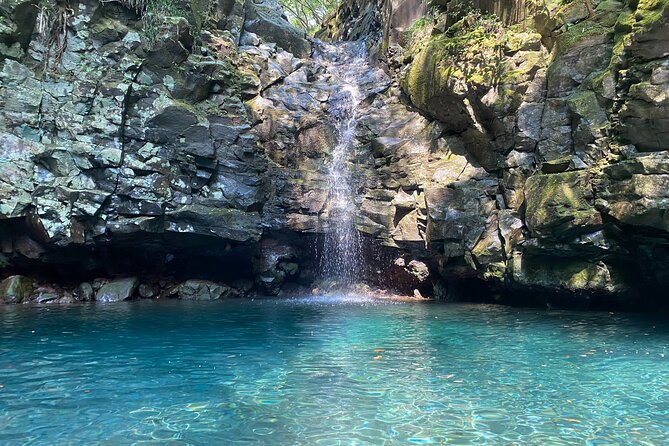
Jump, slide, rappel near Mt. Fuji. This Shizuoka-area lava gorge adventure turns a half-day outing into a hands-on mix of water chutes, rope work, and wetsuit swimming, led by a small-group crew. It’s a great way to see a very Japanese kind of nature, close to the famous mountain views.
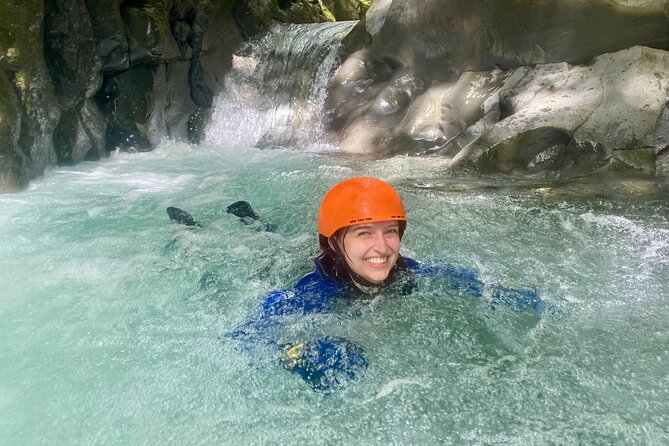
I like how the experience is guided with calm confidence from Yuki, and keeps things friendly with Misa at the helm. You’re not just watching from the sidelines, you’re actively doing the fun stuff: jumping (1m to 9m), rappelling, sliding, and swimming while wearing a helmet, harness, and canyoning shoes.
One consideration: this is not for everyone, especially if you have bad joints or a back issue. Even with coaching, there can be a few moments that feel scary if you have never canyoned before.
In This Review
- Key Things I’d Prioritize Before Booking
- Why Shizuoka Canyoning Feels Like Real Mt. Fuji Country
- Meet Yuki and Misa, the Guides Who Keep It Fun and Safe
- The Real Flow of the Day: Lava Gorge, Slides, Jumps, and Rope Work
- Gear Included, What You Should Bring, and How to Prep
- How Hard Is It? Physical Considerations You Should Not Ignore
- Price and Value: What You’re Really Paying For at $180.64
- Getting There: The Simple Start Point Near Public Transport
- Best Season, Winter Closures, and Weather Rules (The Stuff That Changes Plans)
- Should You Book This Canyoning Near Mt. Fuji?
- FAQ
- Where does the canyoning tour meet?
- How long is the Shizuoka canyoning experience?
- What’s included in the price?
- What should I bring, since it is not included?
- What group size is this tour limited to?
- What time of year does the tour run?
Key Things I’d Prioritize Before Booking
- Small group size (max 6) means more personal guidance when you’re learning jumps, slides, and rope rappelling
- Jumps from 1m to 9m give you that real thrill level, not just a gentle stroll
- Rope rappelling plus harness time adds a skill-building edge, especially for second timers
- Wetsuit swimming in a pool rounds out the day, so it’s more than just rock and water slides
- Summer to September timing usually gives the best conditions for this specific canyoning style
- Licensed guide support matters, because a canyon can change fast with water and footing
Fuji from Fuji: the other approaches
- Winter Special: Clear View Mt. Fuji E-Bike Tour
★ 5.0 · 24 reviews
Why Shizuoka Canyoning Feels Like Real Mt. Fuji Country
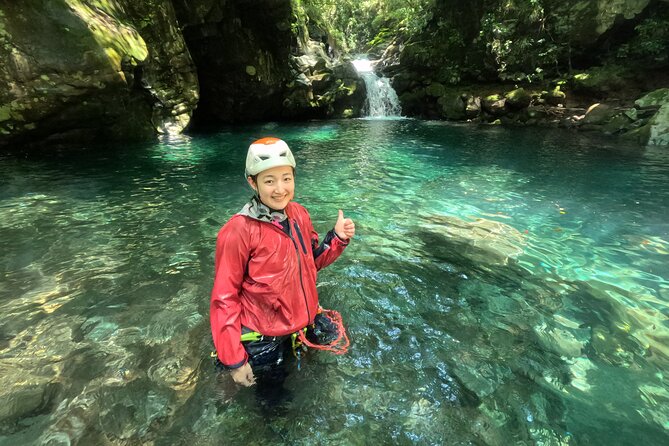
This is canyoning right in the Fuji area, so you’re not stuck in a city tour bubble. You’ll spend time moving through a gorge with water chutes and lava-like terrain, and you get those classic outdoor views while you’re doing the activity.
I also like that this ride is designed as an adventure close to Mt. Fuji, not a detour somewhere far away. The setting makes the experience feel like part of Japan’s natural rhythm, not an indoor attraction with a view.
And timing matters here. The best season is summer to September, which lines up well with when you’ll want to be in the water anyway. If you’re traveling in winter, note that tours close from December to March, so you’ll want a different plan for those months.
Meet Yuki and Misa, the Guides Who Keep It Fun and Safe
Fujiyama Canyoning Japan runs this activity from the foot of Mt. Fuji, and it’s built around small-group trips. The company started in 2024, and the guides are clearly an outdoor couple at the center of it.
Yuki guides with calm confidence. He’s from Kochi Prefecture, has canyoning and rock climbing experience, and even brings a former competitive swimmer background into how he approaches water and movement. That combination usually helps, because water days can be mental as much as physical.
Misa brings warmth and a friendly energy that keeps the vibe light. She’s from Kanagawa and loves mountaineering, plus snowboarding and cooking. On a canyon day, that matters, because you want encouragement when you’re learning something new like sliding or rappelling.
If you’re the type who worries you might slow the group down, small-group canyoning is usually a relief. With a maximum of 6 travelers, you can expect more attention during key moments, especially early on.
The Real Flow of the Day: Lava Gorge, Slides, Jumps, and Rope Work
The trip runs about 3 hours, and the schedule is built around variety. You’re not just walking and looking, you’re doing a sequence of activities that changes your pace and your focus the whole time.
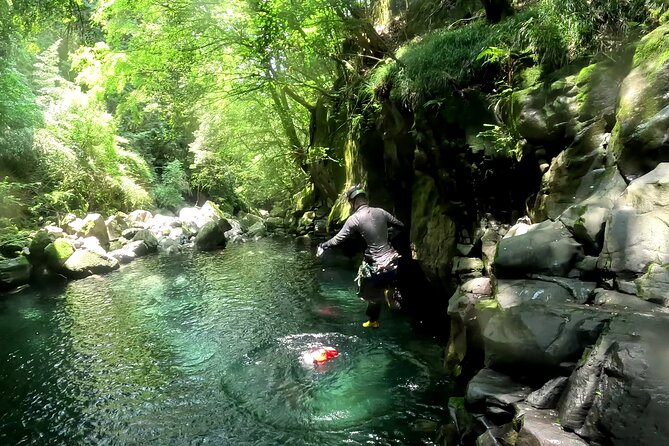
The day starts with lava gorge walking, so you’ll get a feel for the terrain before you jump into the bigger moments. Then comes the best part for adrenaline lovers: sliding down water chutes. This is where you feel like you’re part of the canyon instead of just visiting it.
Jumping is a major highlight. You can expect jumping options from 1m to 9m, and you’ll be doing it with helmet, harness, and canyoning shoes on. Even if you’re not going for the tallest options, having a range usually helps beginners find the level that feels right.
Next is rope work: rappelling down with a rope. You’ll use a harness, and the gear setup is part of what keeps the experience feeling secure. Rope rappelling is one of those activities where good instruction pays off fast, because once you trust the system, you can focus on where to place your feet.
Then you finish with water, including swimming in a pool. You’ll wear wetsuits, so you’re set up for getting wet and moving in the water instead of just splashing around. It’s also a nice reset after the vertical or high-energy parts.
This style is especially appealing if you’re a second timer. The description directly notes that it can be a good idea for people with some prior experience, and the activity mix fits well if you want progression rather than a first-steps lesson only.
Gear Included, What You Should Bring, and How to Prep
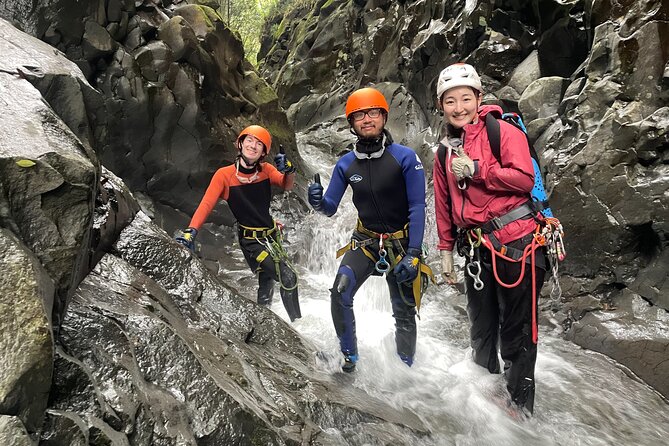
You get rental gear including wetsuits, socks, a helmet, harness, and canyoning shoes. For most people, that’s the biggest practical win because you don’t have to shop for specialized canyoning equipment before you arrive in Japan.
That said, you do need to plan for what you’ll carry. The tour does not include a towel, and it doesn’t include swimsuits. The guidance is to bring swimsuits you can swap, or underwear you’re okay to spare.
My best advice is to pack like it’s a water workout day, because it is. Bring a change of clothes for afterward, even if you think you’ll be dry enough. After canyoning, you’re usually wet more than you expect, and you’ll want something comfortable on the ride back.
If you like souvenirs, there are original t-shirts available at the canyon. They cost ¥3,500 and come in sizes S to XXL in charcoal or olive. Pre-order by telling them your size and quantity, which is handy if you’re traveling with friends.
How Hard Is It? Physical Considerations You Should Not Ignore
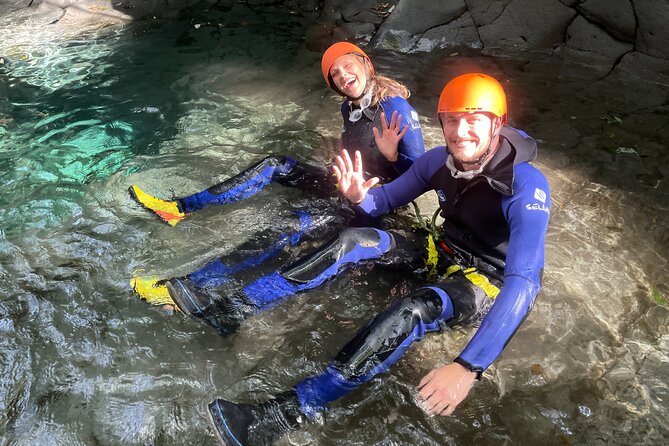
This isn’t a stroll through the woods. You’ll be doing jumps, rope rappelling, sliding, and swimming, so your body needs to be able to handle sudden movement, impact landings, and getting in and out of water.
From the feedback, the trip can be challenging if you have bad joints or back problems, or serious health issues. Even for healthy people, a few points can feel scary, especially if it’s your first time canyoning.
Here’s how I’d frame it for you. If you’re comfortable with heights at least a little, and you can follow coaching quickly, you’ll probably have a blast. If you know you get pain from falls, awkward landings, or strenuous climbing motions, you should think twice.
The upside is that the guides are experienced, and the group is small. You’re not thrown into a chaotic situation, you’re working through the sequence with a licensed guide watching what you’re doing.
Also, rainy days do happen, and the activity still runs as long as conditions are safe. When weather changes, you want a guide team that keeps things grounded, and this operator clearly prioritizes that.
Price and Value: What You’re Really Paying For at $180.64
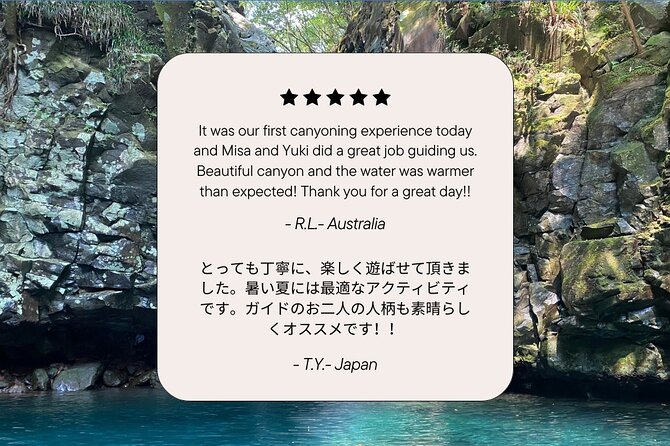
At $180.64 per person for about 3 hours, this isn’t a cheap add-on. But it also isn’t just paying for access to a pretty river.
You’re paying for gear you don’t want to bring yourself: wetsuits, helmet, harness, canyoning shoes, plus the socks that go with them. You’re also paying for licensed guide time, including the technical parts like rope rappelling and safe jump coaching.
Because the group is capped at 6 travelers, the price is easier to justify. When fewer people are sharing the guide’s attention, it usually means more direct help at the exact moments you need it.
There are also group discounts and mobile ticket options mentioned, which can make the whole thing better value if you’re traveling with friends. If you’re solo, you may still find it worth it, because you get the full adventure package without having to piece together equipment and instruction on your own.
If you want to understand value, think of it this way: you’re not buying a single thrill moment. You’re buying a coordinated set of experiences in one block of time, jumps plus rappelling plus water time.
Getting There: The Simple Start Point Near Public Transport
The meeting point is Gakunan Fujioka Station in Fujioka, Fuji, Shizuoka 417-0841. The activity ends back at the same meeting point, so you’re not dealing with a complicated end-of-tour transfer.
This kind of setup is good for planning. You can line up your other day activities with less uncertainty, because the tour loops back to where you started.
And because it’s listed as near public transportation, you’re not forced into a car-dependent itinerary. That matters if you’re already touring Mt. Fuji area by train.
Best Season, Winter Closures, and Weather Rules (The Stuff That Changes Plans)
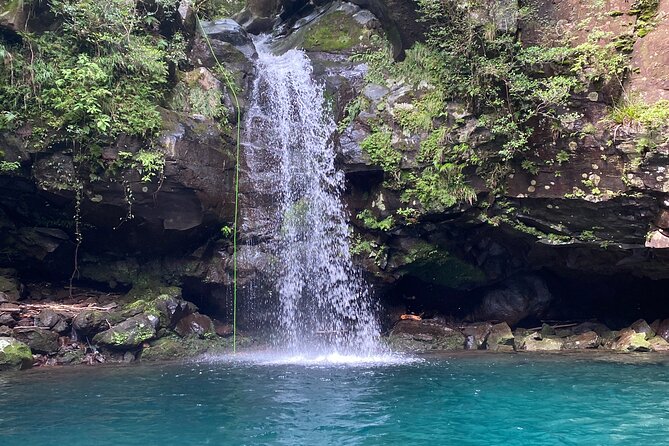
This canyoning experience is best in summer through September. That lines up with the water time and the overall canyon conditions that make jumps, slides, and swimming practical.
Tours close from December to March during winter months in Japan. If your trip falls in those months, you’ll need a different kind of activity in the region, like skiing or snowboarding lessons at another school in Myoko, which the operator mentions as an alternative.
One more reality check: the tour requires good weather. If it’s canceled due to poor weather, you’ll be offered a different date or a full refund. That’s a big deal for canyon activities, where water and safety conditions can shift quickly.
Should You Book This Canyoning Near Mt. Fuji?
Book it if you want a hands-on nature day near Mt. Fuji, with a small-group feel and real adventure moves you can’t get from a standard walking tour. I’d also say go for it if you’re hoping to try canyoning and you’re okay with getting wet, learning quickly, and doing jumps that go higher than you might imagine at first.
Skip it or choose another activity if you have bad joints, back problems, or serious health issues. And if you’re a brand-new canyoning person, be honest with yourself about how you handle fear and heights. The experience can feel scary at points, even when you’re well coached.
One last decision tool: if your timing lines up with summer to September, this tends to be a better fit. In the off-season, the canyoning option is closed, so you’d be working around that reality.
If those boxes check out, this is a strong value bet. You’re paying for gear, licensed guidance, and a full 3-hour mix of lava gorge walking, sliding, jumping up to 9m, rappelling by rope, and wetsuit swimming, all with guides who keep the mood supportive.
FAQ
Where does the canyoning tour meet?
The tour meets at Gakunan Fujioka Station, Fujioka, Fuji, Shizuoka 417-0841, Japan. The activity ends back at the meeting point.
How long is the Shizuoka canyoning experience?
The duration is about 3 hours.
What’s included in the price?
Included gear is rental wetsuits, socks, helmet, harness, and canyoning shoes. A licensed guide leads activities such as some jumping (1m to 9m), rappelling, sliding, and swimming.
What should I bring, since it is not included?
You should bring a towel and swimsuits. The guidance is to bring swimsuits you can spare underwear with, plus your passion for the activity.
What group size is this tour limited to?
The tour has a maximum of 6 travelers.
What time of year does the tour run?
The best season is summer through September. Tours are closed from December to March.
Mount Fuji, Three More Ways
Newest Fuji write-ups from the Loving Japan desk
Mount Fuji Day Trips, side by side.
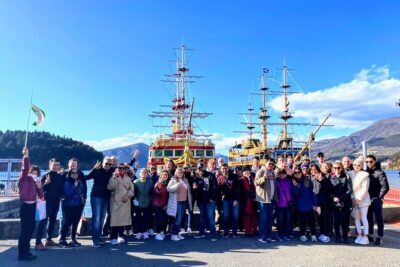 ★ 5.0Mt Fuji and Hakone 1-Day Bus Tour Return by Bullet TrainFrom $16326,383 reviews
 ★ 4.0Mt Fuji & Hakone Cruise, Drum Show Bullet Train 1 Day from TokyoFrom $1497,413 reviews
 ★ 4.4Tokyo Mt Fuji 5th St & Hakone Cruise Bus Tour w/Bullet TrainFrom $1545,024 reviews
 ★ 4.5From Tokyo: Mount Fuji Full-Day Sightseeing TripFrom $684,970 reviews
 ★ 4.7Mt. Fuji Tour, Hakone Ropeway, Owakudani, Lake AshiFrom $544,002 reviews
 ★ 4.4Mt.Fuji,Kawaguchiko Oishi Park,Arakurayama Sengen ParkFrom $542,682 reviews
 ★ 4.2Mt. Fuji 5th Station & Hakone Cruise 1-Day Bus TourFrom $1292,381 reviews
 ★ 4.7Mt Fuji Top 5 Spots Day Tour: Arakurayama Park,Oshino HakkaiFrom $532,066 reviews
Filed on these lists too