
REVIEW · MOUNT FUJI DAY TRIPS
Winter Special: Clear View Mt. Fuji E-Bike Tour
Mt. Fuji looks different in winter. This small-group e-bike ride from Shin-Fuji Station mixes countryside cycling with spring-water stops and big views in clearer weather. You get to see a quieter side of the Fuji area, not the usual crush around Hakone and Kawaguchiko.
I love how the electric-assist keeps things relaxed, so you can actually enjoy the route instead of fighting the hills. I also like the tour’s focus on everyday local places, temples, and water sites, not just one scenic overlook. The one thing to consider is that winter bike rides can still be cold, and bottled water is not included.
In This Review
- Key things that make this Fuji winter e-bike special
- Riding Mt. Fuji’s quieter side, without the usual crowd pressure
- From Shin-Fuji Station to the coast: what 2.5 hours feels like
- The Miyata Ridge Runner e-bike, helmets, and winter heat packs
- Stop by stop: temples, spring water sites, and the Fuji viewpoint bridge
- Shin-Fuji Station, where the day starts
- Bishamonten Myoho-ji Temple: temple energy, then sea air
- Yusui Park: spring water sites that feel local
- Hounji fountain: drink the water, take the moment slowly
- Fujisan Yume no Ohashi Bridge: the classic Fuji view, plus a climb
- Back to Shin-Fuji Station
- How to get the most from winter Fuji visibility and photo stops
- Comfort and practical planning: what to bring for a cold e-bike day
- Value for money: why this price can make sense
- Who this tour fits best, and who might want to skip it
- Should you book this Winter Special Mt. Fuji e-bike tour?
- FAQ
- Where do I meet for the tour?
- How long is the tour?
- What e-bike is included?
- Is there a guide on the tour?
- Are heat packs included in winter?
- Is bottled water included?
- Does the tour use a mobile ticket?
- What are the main stops during the ride?
- Will I be able to drink spring water on the tour?
- What is the group size?
- What happens if the weather is bad?
Key things that make this Fuji winter e-bike special
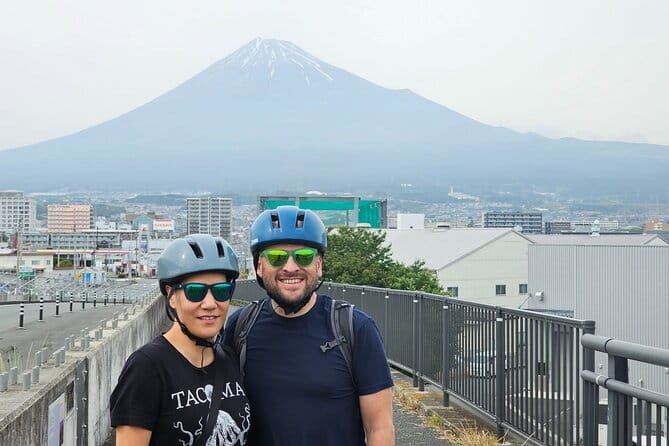
- Electric-assist (Miyata Ridge Runner) keeps the pace comfortable for most people
- Small group size (max 5) means easier photo stops and less waiting around
- Heat packs (kairo) in winter help take the edge off cold air
- Spring water sites include places where you can drink Mt. Fuji spring water
- A signature viewpoint bridge offers a dramatic Fuji view, plus a 50-step staircase on the south side
- Crisp winter air is part of the plan for clearer visibility of Mt. Fuji
Fuji from Fuji: the other approaches
- Winter Special: Clear View Mt. Fuji E-Bike Tour
★ 5.0 · 24 reviews
Riding Mt. Fuji’s quieter side, without the usual crowd pressure
If you’ve ever felt the “move fast, take photo, move on” vibe near the most famous Mt. Fuji spots, this is a different pace. The tour is built around the idea that winter often brings clearer skies and that riding a bike at a human speed helps you actually notice the region.
You start right at Shin-Fuji Station and then head out toward calmer countryside roads and coastal scenery. The route is designed to show you a blend of everyday Fuji City life, traditional neighborhoods, and view points where Mt. Fuji can show up strongly against the sky.
This is also a smart way to experience the mountain area without anchoring your whole day in Hakone or Kawaguchiko. You still get the Mt. Fuji payoff, but you spend more time in places most visitors never slow down for. That shift alone can make a big difference in how the day feels.
One more practical point I like: the tour keeps moving, but it’s not a race. With a small group, you’re not stuck watching a line of riders snake from one stop to the next.
From Shin-Fuji Station to the coast: what 2.5 hours feels like
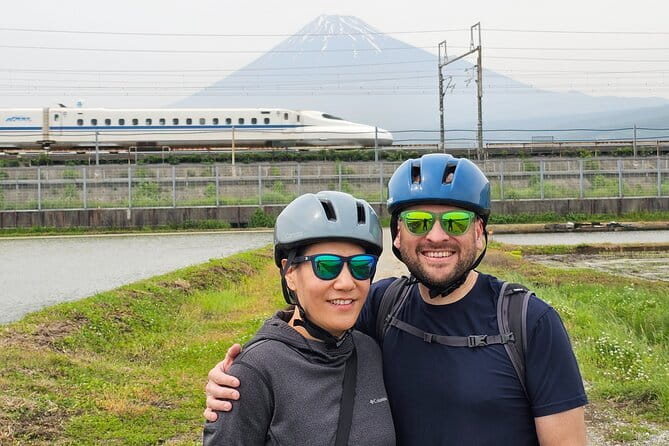
The full tour runs about 2 hours and 30 minutes, including the start, each segment, and the return. You meet at the south exit of Shin-Fuji Station, and the tour ends back at the meeting point.
Because the group is capped at 5 travelers, your guide can manage stop-and-start moments without herding everyone. That matters for e-bike tours, because photo stops and viewpoint pauses can be slow if you have a bigger crowd.
The day’s rhythm is simple and effective:
- cycle to short sightseeing stops
- pause for photos and quick walks where needed
- move on again before you get bored or cold
The tour also includes time at spots with practical value, like locations tied to spring water. You get more than scenery, you get local routine: water collection sites, fountains, and small places where people casually spend a few minutes.
And yes, there are moments that are more “classic photo” than “practical walk.” The famous bridge stop is one of them, but you’ll also get coast views along the way, including Suruga Bay perspectives.
The Miyata Ridge Runner e-bike, helmets, and winter heat packs
The e-bike used on this tour is a Miyata Ridge Runner, and you get a rental helmet. That combo is a big part of the comfort factor. You’re not renting something mysterious or guessing whether it will feel stable. A guided setup plus a real bike model keeps the ride confidence higher.
The winter add-on is where this tour earns extra points: heat packs (kairo) are provided free of charge during the winter season only. That matters because even when you can control your effort on an e-bike, winter wind still finds you. Having the heat packs ready helps you stay comfortable long enough to actually enjoy the stops, not just endure them.
Also, you’re covered by operator insurance, which is always a plus for bike-based activities.
What you still need to plan for is basic winter comfort. The tour does not include bottled water. I’d show up ready with your own drink and a plan for layering, because e-bike cycling can feel warm for a minute, then cold again when you stop for photos.
Stop by stop: temples, spring water sites, and the Fuji viewpoint bridge
This ride is packed with short, memorable stops. You’ll feel like you’re sampling the Fuji area in layers, starting urban and getting more countryside as the day goes on.
Shin-Fuji Station, where the day starts
You begin at Shin-Fuji Station at the south exit. The meeting point is straightforward, and the timing is tight enough that you’re not wandering around wondering where to go.
Starting here is also practical because it makes the tour easy to plug into a wider Fuji itinerary. You don’t need a long pre-ride transfer just to get on the bike.
Bishamonten Myoho-ji Temple: temple energy, then sea air
One early stop is Bishamonten Myoho-ji Temple. The ride then continues toward the sea, setting up what I think is the tour’s key visual theme: Mt. Fuji views paired with coastal scenery.
This segment is about shifting your attention. Temple grounds give you a cultural breather, then the route opens up with wider views. You’ll also cycle along a route with perspectives of Suruga Bay, which is described as Japan’s deepest bay, and Mount Fuji.
That combination is a big reason I like this tour. You’re not only looking at the mountain from one angle. You’re seeing how it sits in the larger geography around Fuji City.
Yusui Park: spring water sites that feel local
Next is Yusui Park, where you visit multiple spring water sites in the city. The emphasis here is the water itself, described as exceptionally beautiful spring water from Mt. Fuji.
This stop is not just a photo break. It gives you a real sense of how the mountain matters to daily life. Even without a long explanation, the idea is clear: Mt. Fuji is not only a view, it’s a source.
Hounji fountain: drink the water, take the moment slowly
You then head to Hounji, noted for a fountain where you can drink Mt. Fuji spring water. It’s a short stop, but it’s the kind of “small action” that makes the experience stick.
If you like experiences that mix scenery with a simple cultural moment, this is one of the stops that delivers. It’s also an easy stretch break, which matters when you’ve been cycling.
Fujisan Yume no Ohashi Bridge: the classic Fuji view, plus a climb
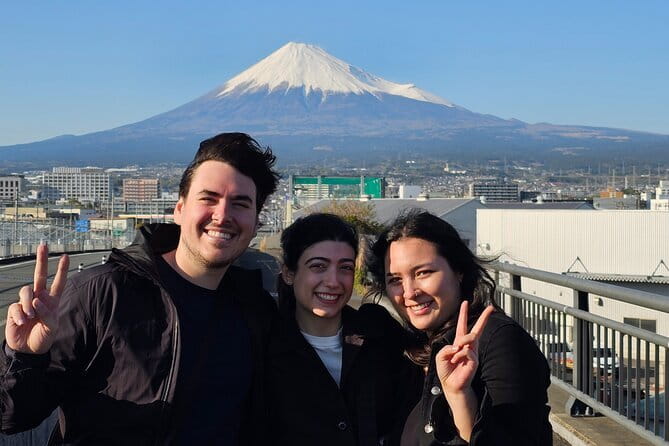
The highlight viewpoint is Fujisan Yume no Ōhashi Bridge. You’ll get a magnificent view of Mt. Fuji from here. The south side has a staircase with 50 steps, giving you options for how close to the viewpoint you want to get.
This is one of those stops where you should plan for timing. You’ll want enough minutes to check the angle, get photos, and decide whether climbing those steps is worth it for you. If Mt. Fuji is clear, the view payoff can be strong. If clouds play a role, you still get a sense of the coastal setting and the broader scene around the mountain.
Back to Shin-Fuji Station
The tour loops back to the meeting point. The structure keeps the day simple: you don’t need to worry about transfers afterward, and you can keep the rest of your day flexible.
How to get the most from winter Fuji visibility and photo stops
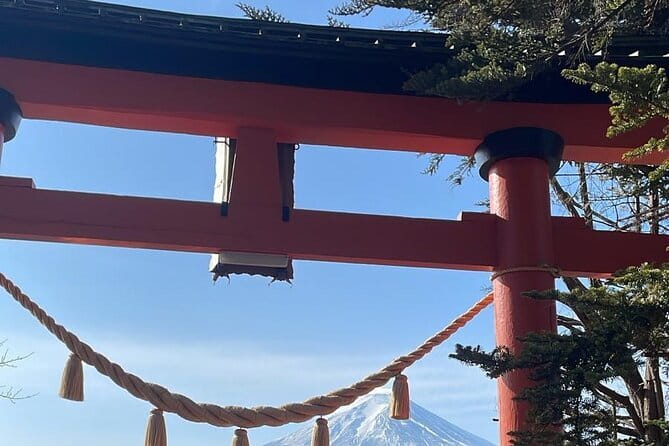
Winter is the reason this tour is sold as a clear-view experience, but you should still treat Mt. Fuji as weather-dependent. What the tour does well is positioning you for moments when the mountain is most likely to show strong contrast in clear air.
Here are the practical ways I think you can maximize your odds:
- Use the bridge stop as your main “check for clarity” moment. If Fuji is showing, you’ll want your best angle here.
- Pay attention to the stops that pair coast views with mountain sightlines. That mix is part of the tour’s design.
- Don’t rush the spring water stops. They’re short, but slowing down for them often makes the experience feel more human than just a checklist.
The tour also includes multiple photo stops along the ride. With a max group size of 5, you’re less likely to feel like you’re waiting behind a crowd to take your shots. That small-group setup makes the day feel calmer.
A detail from the guide style that really matters is how they help with pacing and picture moments. One of the guides featured in past tours, Yasu Hasegawa, is described as taking lots of beautiful pictures and providing good information. You should expect help with how to frame shots and when to move, not just a lecture while you pedal.
Comfort and practical planning: what to bring for a cold e-bike day
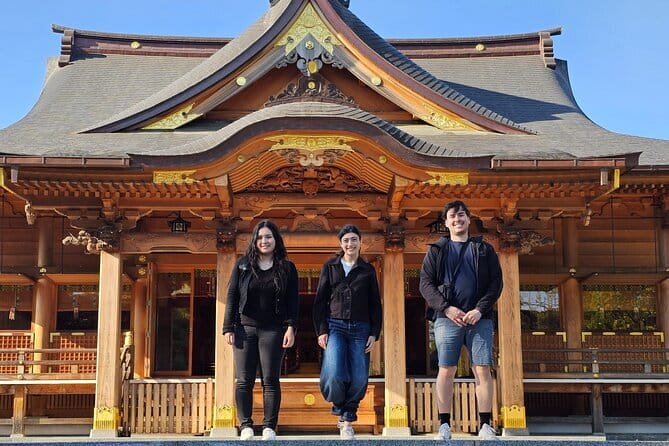
Even with electric assist, you’re outside for the full ride, and winter air can bite. Here’s what you can plan for based on what’s included and what is not.
What you get:
- Electric-assisted bike (Miyata Ridge Runner)
- Rental helmet
- Guide
- Insurance
- Heat packs (kairo) for winter season
What you need:
- bottled water (not included)
- your own drinks and basic cold-weather gear choices
I’d treat this tour like a “layers” day. You’ll likely warm up while riding and cool down during stops. If you’re sensitive to cold hands or wind, it’s worth arriving with your own protection rather than assuming you’ll be comfortable the whole time.
Also, keep an eye on footwear. The tour includes at least one short set of stairs at the bridge, so shoes with decent grip are a good idea. The walk is not described as long, but winter surfaces can be slick.
Value for money: why this price can make sense
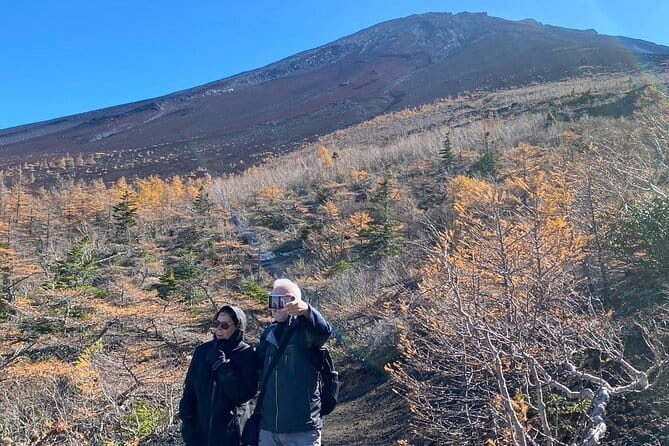
At $105.42 per person, you’re paying for more than just a bike rental. You’re getting a guided route timed to viewpoints and local stops, plus safety and winter comfort support.
When I look at value here, I think in categories:
- The bike itself plus helmet rental
- A guide to manage the route and the stops
- Insurance covered by the operator
- Winter warmth support through heat packs
- A time-efficient format of about 2.5 hours
Compared to trying to DIY this route, the real value is in not having to figure out where to go for the spring water sites, the temple stop, and the bridge viewpoint. Even if you can navigate Japan well, there’s a lot of “what should I prioritize” work that a good guide takes off your plate.
And because the group is small, your time with the guide tends to feel more personal. You can ask questions and get help with timing, especially at the viewpoint moments.
Who this tour fits best, and who might want to skip it
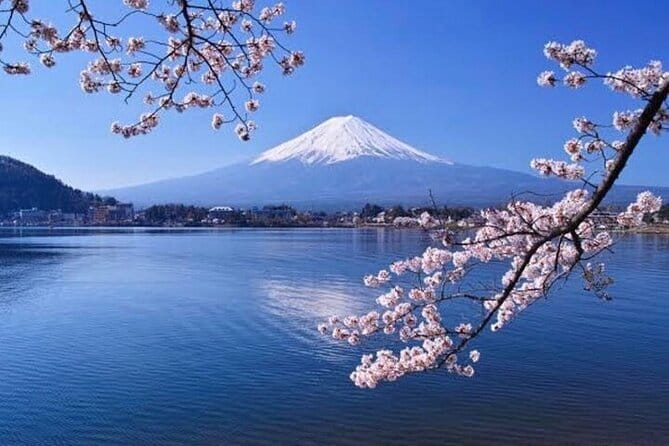
This tour works best if you want:
- a bike day without exhausting effort
- Mt. Fuji views without spending your time in the busiest tourist hubs
- cultural stops that connect the mountain to daily life, especially spring water
- a small group experience with a guide who shares context
It’s also a strong pick for couples and small groups, because the maximum group size keeps things calm. It can work for families too, based on how the guide’s style is described in past e-bike tours, including help that keeps kids and adults engaged.
The main caution is weather and cold. The tour requires good weather, and you might be rescheduled or refunded if it’s canceled due to poor weather. If winter cold will ruin your day, plan your gear carefully. If you’re fine bundling up and you want that winter clarity, you’re in the right place.
Should you book this Winter Special Mt. Fuji e-bike tour?
I’d book it if you want the Mt. Fuji experience to feel more like a day in Fuji City than a drive-by tourist stop. The mix of temple, spring water sites where you can drink, and a real viewpoint bridge makes this more interesting than a single-photo-spot day.
Book it now if:
- you want a calmer vibe than Hakone or Kawaguchiko crowds
- you like guided, short stops instead of long museum-style pacing
- you appreciate an e-bike that keeps effort comfortable, with winter heat packs included
Skip it if:
- you know you hate cold outdoor activity and want a fully sheltered day
- you’re only interested in seeing Mt. Fuji from one place, because this tour is about variety and local texture, not just one overlook
FAQ
Where do I meet for the tour?
You meet at the south exit of Shin-Fuji Station in Fuji, Japan. The tour also ends back at this same meeting point.
How long is the tour?
The tour duration is about 2 hours and 30 minutes, including time from start to each segment and back.
What e-bike is included?
You ride an electric-assisted bike called the Miyata Ridge Runner. A rental helmet is also included.
Is there a guide on the tour?
Yes, a guide is included, and the tour includes insurance covered by the operator.
Are heat packs included in winter?
Yes. Heat packs (kairo) are provided free of charge during the winter season.
Is bottled water included?
No. Bottled water is not included, so you should prepare your own drinks.
Does the tour use a mobile ticket?
Yes, the tour features a mobile ticket.
What are the main stops during the ride?
Stops include Shin-Fuji Station, Bishamonten Myoho-ji Temple, Yusui Park, Hounji fountain, and Fujisan Yume no Ōhashi Bridge, then return to Shin-Fuji Station.
Will I be able to drink spring water on the tour?
Yes. At Hounji, there is a fountain where you can drink spring water from Mt. Fuji.
What is the group size?
The tour has a maximum of 5 travelers.
What happens if the weather is bad?
This experience requires good weather. If it’s canceled due to poor weather, you’ll be offered a different date or a full refund.
Mount Fuji, Three More Ways
Newest Fuji write-ups from the Loving Japan desk
Mount Fuji Day Trips, side by side.
 ★ 5.0Mt Fuji and Hakone 1-Day Bus Tour Return by Bullet TrainFrom $16326,383 reviews
 ★ 4.0Mt Fuji & Hakone Cruise, Drum Show Bullet Train 1 Day from TokyoFrom $1497,413 reviews
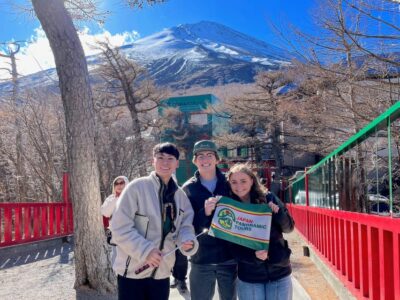 ★ 4.4Tokyo Mt Fuji 5th St & Hakone Cruise Bus Tour w/Bullet TrainFrom $1545,024 reviews
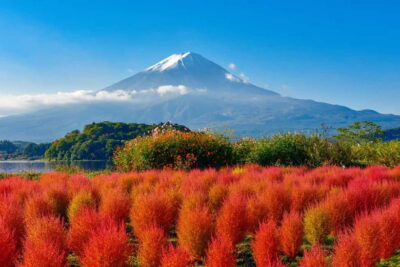 ★ 4.5From Tokyo: Mount Fuji Full-Day Sightseeing TripFrom $684,970 reviews
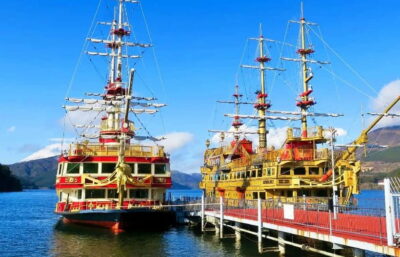 ★ 4.7Mt. Fuji Tour, Hakone Ropeway, Owakudani, Lake AshiFrom $544,002 reviews
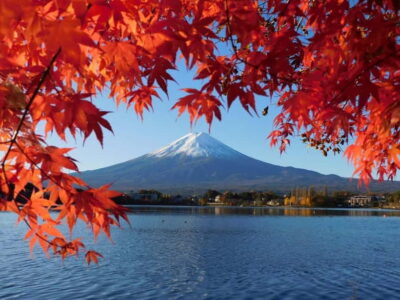 ★ 4.4Mt.Fuji,Kawaguchiko Oishi Park,Arakurayama Sengen ParkFrom $542,682 reviews
 ★ 4.2Mt. Fuji 5th Station & Hakone Cruise 1-Day Bus TourFrom $1292,381 reviews
 ★ 4.7Mt Fuji Top 5 Spots Day Tour: Arakurayama Park,Oshino HakkaiFrom $532,066 reviews
Filed on these lists too