REVIEW · JAPAN
Tokyo Time Machine Exploring Old School Monzen Nakacho
Tokyo has pockets of real time travel. This Monzen-Nakacho outing is built around guide translation and hands-on snacks, dinner, and drinks in local spots, so you get to see old Tokyo without feeling lost.
I like that it stays small, usually with no more than 6 people, which makes it easier to ask questions and slow down at the places you actually care about. One thing to consider: the drinking tastings can include sake, so if you do not like it, go in with a heads-up and ask your guide what is coming.
In This Review
- Key Highlights You’ll Feel During This Monzen-Nakacho Tour
- Why Monzen-Nakacho Feels Like Real Old Tokyo
- Small Group, Translation, and the Pace That Makes Food Tours Work
- Price and Value: What $195 Covers (and Why It Adds Up)
- Meeting at Monzen-nakacho Station: The Flow of a 1:00 pm Start
- Stop 1 at Tsurugaoka Hachimangu Shrine: Red Torii and Sumo History
- Stop 2 at Fukagawa Fudodo: Goma Fire Ritual and Fox Inari on the Way In
- Stop 3 at Tatsumi Shindo: Tiny Bars, Showa-Era Mood, and Late-Night Energy
- What You’ll Eat and Sip: From Coffee to Dinner to Alcohol
- When the Guide Matters Most: How Translation Changes Tastings
- A Possible Drawback: If You Avoid Sake, Check the Balance
- Who Should Book This (and Who Might Skip)
- Should You Book This Monzen-Nakacho Time Machine Tour?
- FAQ
- How long is the Monzen-Nakacho tour?
- What time does the tour start?
- Where do I meet the guide?
- Where does the tour end?
- What is included in the tour price?
- Is private transportation included?
- What is the maximum group size?
- Are there admission fees for the main stops?
- What is the cancellation policy?
Key Highlights You’ll Feel During This Monzen-Nakacho Tour
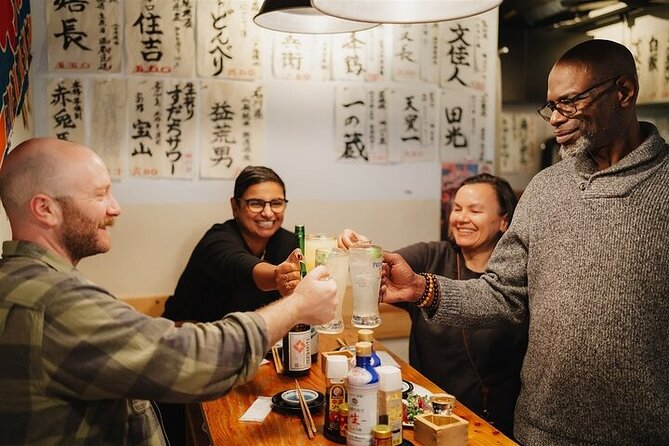
- Small group size (max 6) keeps the walk personal and the pacing friendly
- No language barrier thanks to guide translation during tastings and temple stops
- Coffee or tea, snacks, dinner, and alcohol included, so you spend less time budgeting mid-tour
- Three memorable anchor stops: Tsurugaoka Hachimangu Shrine, Fukagawa Fudodo, and Tatsumi Shindo’s Showa-era bar alley
- Old-school Tokyo energy in Monzen-Nakacho, where generations of shopkeepers still run the rhythm of the neighborhood
Still weighing up options in Tokyo? These are the ones our reviewers rated highest.
- Mt Fuji and Hakone 1-Day Bus Tour Return by Bullet Train
★ 5.0 · 26,383 reviews - 1-Day Tokyo Bus Tour
★ 5.0 · 14,250 reviews - Tokyo: teamLab Planets TOKYO Digital Art Museum Entry Ticket
★ 4.6 · 9,779 reviews - Mt Fuji & Hakone Cruise, Drum Show Bullet Train 1 Day from Tokyo
★ 4.0 · 7,413 reviews
Why Monzen-Nakacho Feels Like Real Old Tokyo
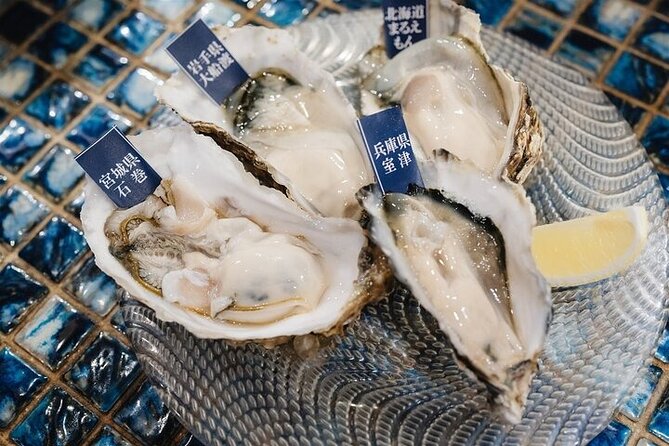
Monzen-Nakacho is the kind of Tokyo that does not scream at you for attention. You get quiet streets, practical storefronts, and places that feel lived-in, not staged for visitors.
That matters because Tokyo can be intense if you only hit the famous districts. Here, the goal is to trade the big, photogenic checklist for everyday rituals and local food stops. I especially like that the route includes both spiritual landmarks and the down-to-earth comfort of tiny bars and izakayas. It gives you contrast, and contrast is how you learn a place fast.
Small Group, Translation, and the Pace That Makes Food Tours Work
This tour is limited to a maximum of 6 travelers, and that detail changes the whole experience. In a small group, your guide can actually talk to you, not just keep time. You also get a better shot at asking questions at the shops, especially when you want to know what you are eating or why someone’s family makes something a certain way.
The other big advantage is guide translation. Food stops are not just about chewing and moving on. The guide can help you interpret what you see, how locals talk about flavors, and what is special about a certain drink or snack. When language is handled for you, you spend less energy worrying and more energy noticing.
Price and Value: What $195 Covers (and Why It Adds Up)
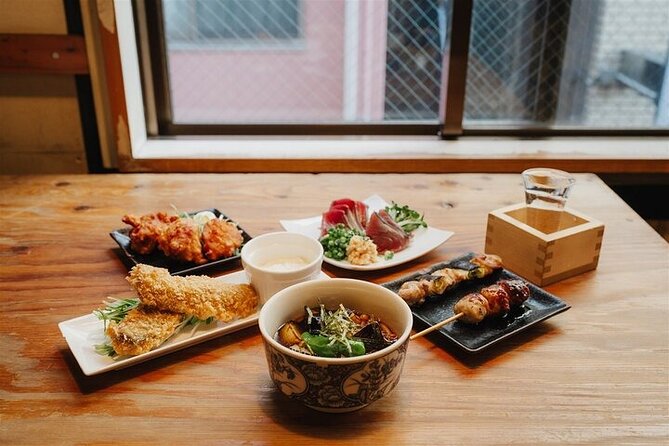
At $195 per person for about 6 hours, you should judge value by what you do not have to pay for along the way. This tour includes coffee or tea, snacks, dinner, and alcoholic beverages. That is a serious chunk of spending, especially in Tokyo where individual bar snacks and small plates can add up quickly.
On top of that, you are paying for two real things: local routing and translation. A good food tour is part itinerary, part relationships with the places you visit. When the cost includes tastings and a guide who can smooth interactions, you end up buying less “stuff,” and more access to the neighborhood.
One practical note from the structure of the day: private transportation is not included. Since the start and end are back at Monzen-nakacho Station and it is near public transport, you should be comfortable using trains and short walks. If you want a fully chauffeured tour, this is not that style.
- Mt Fuji and Hakone 1-Day Bus Tour Return by Bullet Train★ 5.0 · 26,383 reviews
- 1-Day Tokyo Bus Tour★ 5.0 · 14,250 reviews
- Tokyo: teamLab Planets TOKYO Digital Art Museum Entry Ticket★ 4.6 · 9,779 reviews
- Mt Fuji & Hakone Cruise, Drum Show Bullet Train 1 Day from Tokyo★ 4.0 · 7,413 reviews
- Tokyo: Shinjuku Food Tour (13 Dishes at 4 Local Eateries)★ 5.0 · 6,603 reviews
Meeting at Monzen-nakacho Station: The Flow of a 1:00 pm Start
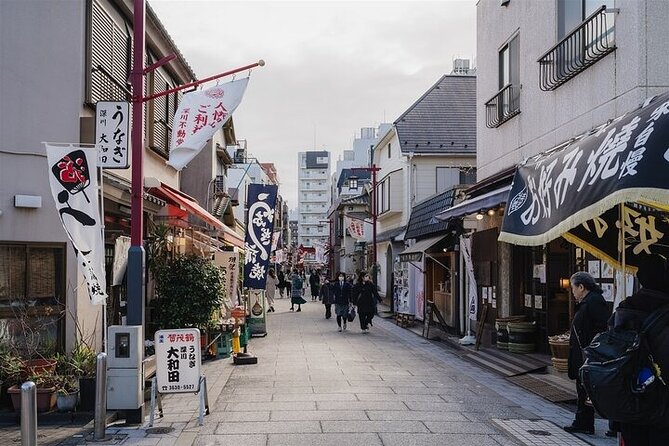
The tour starts at 1:00 pm at Monzen-nakacho Station (2 Chome-4 Monzennakacho, Koto City). It loops back to the meeting point at the end, which is convenient if you have dinner plans later or you are trying to keep your Tokyo day organized.
The whole experience is about 6 hours, so you will likely move through three main stops plus time for tastings and walking between them. Plan your day around that chunk of time, not around a quick snack break. This is an afternoon built for food, drink, and short cultural pauses, not a sprint.
Also, you get a mobile ticket. That helps you stay light and reduces the hassle of printed vouchers.
Stop 1 at Tsurugaoka Hachimangu Shrine: Red Torii and Sumo History
The day begins at Tsurugaoka Hachimangu Shrine, described as Tokyo’s largest Hachiman shrine, founded in 1627. Even if you are not a shrine-spotter, Hachiman shrines have a pull because they connect religion to community life, not just pretty architecture.
What I would focus on here:
- The striking red torii that frames the approach and sets the tone immediately.
- The yokozuna stele connection to sumo history. That link gives you a way to read the place beyond “it’s old,” and into how sport, tradition, and faith share the same space.
There are also monthly markets listed for the 1st, 15th, and 28th. If your timing lines up, you might catch that extra festive buzz. Even without a market day, you are still walking into a shrine built to host regular community energy.
Stop time is about 1 hour, with free admission.
Stop 2 at Fukagawa Fudodo: Goma Fire Ritual and Fox Inari on the Way In
Next is Fukagawa Fudodo, a temple that stands out because it is tied to the Goma fire rituals. If you like rituals that feel hands-on and sensory, this stop is the one that can make the spiritual side of Japan feel real rather than distant. Fire rituals bring sound, motion, and meaning into one space.
The temple is also known for impressive wooden statues. That matters because you are not only looking at a modern worship space. You are seeing older forms of artistic devotion, the kind that makes you slow down because the craftsmanship does not want to be rushed.
And then there is the approach: quaint fox Inari shrines along the way in. Even when you are moving quickly, these small waypoints can help you read the temple grounds as a story, not a single building.
Stop time is about 1 hour, and admission is listed as free.
Stop 3 at Tatsumi Shindo: Tiny Bars, Showa-Era Mood, and Late-Night Energy
The last big block is Tatsumi Shindo, a lively alley with around 30 tiny bars. This is where the tour shifts from temples and tradition into neighborhood nightlife, the Showa era atmosphere that locals treat like a comfortable second living room.
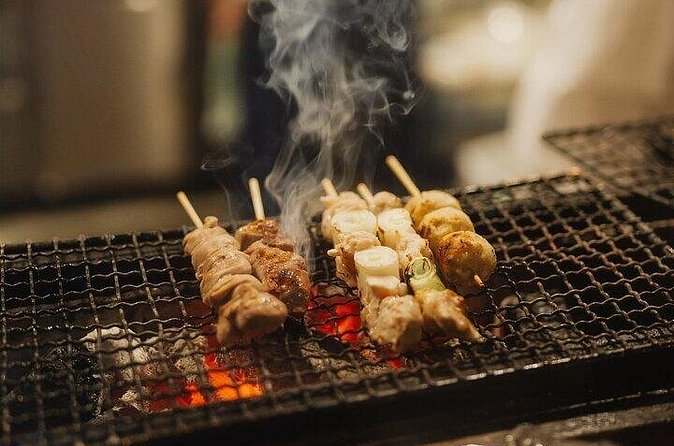
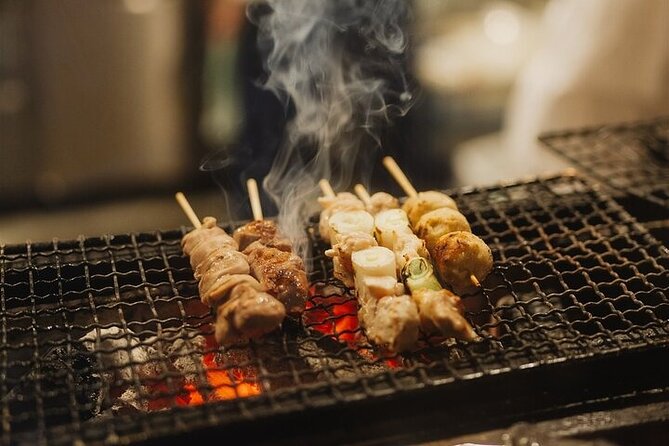
This stop is about 2 hours, which is key. It gives time to actually enjoy the place, not just peek and move on. The area is known for things like karaoke, yakitori, and motsu-nikomi. Depending on what you drink and what you order at each micro-stop, it can feel like a mini tour of Japanese pub culture, without the stress of translating menus yourself.
This is also the best place if you want to feel Tokyo as a human-scale city. You are not standing behind glass or in a controlled attraction zone. You are in an alley where the mood comes from people and routine.
What You’ll Eat and Sip: From Coffee to Dinner to Alcohol
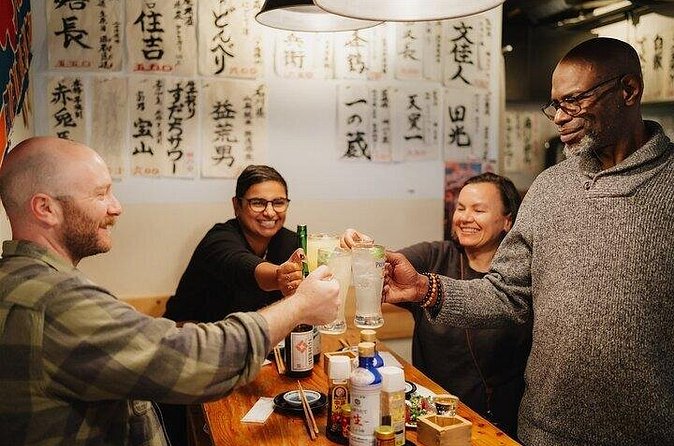
The included items are clear: coffee or tea, snacks, dinner, and alcoholic beverages. That means you are not scrambling for meals while the tour is moving. It also means your stomach will thank you if you eat slowly and leave room for the next stop.
In terms of variety, the tone here is “old and new together.” At one stop you might be taking in something warming and traditional, and at another you are sampling drinks tied to local tastes. Some groups get a plum wine tasting mentioned in guide chatter from past experiences, and there are also notes about other drink pairings along the way, like gin and mochi combinations.
One more practical thought: alcohol is included, so pace yourself. In Tokyo, small pours and quick snacks are common, and if you are doing multiple tastings, you do not need to match pace with the fastest drinker in the group.
When the Guide Matters Most: How Translation Changes Tastings
A lot of food tours say they are guided. This one works because the guide translates during the parts that matter, especially at small places where staff do not speak much English.
That translation helps you do three things:
- Understand what you are tasting and why it is paired that way.
- Ask questions about ingredients, preparation, and local favorites.
- Feel comfortable in tiny bars where you would otherwise feel like you are intruding.
Guides associated with this tour style have been called out for their warmth and for making shopkeepers feel human, not like they are part of a photo backdrop. Names that have come up include Diana, Michelle, Chika, Nicole, China, and Maira. You might not get the same guide, but you can expect the same approach: food, context, and conversation.
A Possible Drawback: If You Avoid Sake, Check the Balance
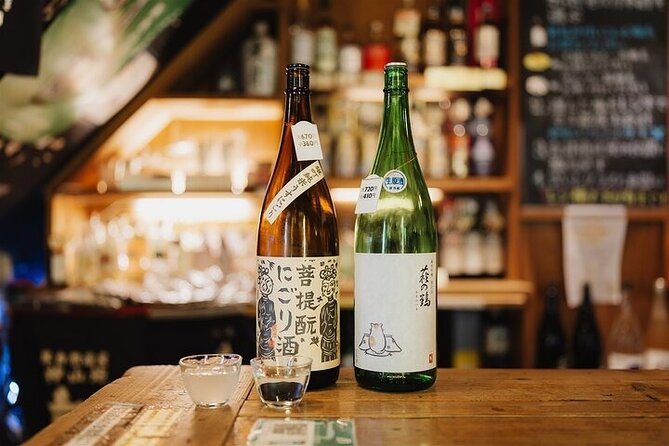
There is one concern worth flagging. Some descriptions for this kind of tour experience have leaned toward sake when it comes to the drinking portion. If you do not like sake, you can still enjoy the neighborhood and the food, but you should treat the alcohol tastings as a variable.
Your best move is simple: tell your guide upfront if you prefer to avoid sake or if you want more non-sake options. A good guide can usually adjust what you get within the tour flow, especially in a small group.
Who Should Book This (and Who Might Skip)
This tour is a strong fit if you want:
- Old-school Tokyo in a district many first-time visitors miss.
- A guided day where you can understand temples and food stops without language stress.
- A friendly group size, with time to talk and not just hop between “must see” icons.
It may not be your best match if:
- You want a fully independent, DIY exploration with zero structure.
- You hate any chance of a sake tasting and you are not willing to communicate preferences.
- You dislike walking time. The day is built around three major stops and neighborhood wandering, so you should be comfortable on your feet.
If you like Japan the way it feels between landmarks, you are exactly the right audience.
Should You Book This Monzen-Nakacho Time Machine Tour?
Book it if you want the best kind of Japan souvenir: not a postcard, but a set of memories tied to places you would not find on your own. The value here is the combination of shrines plus bar alley culture, and the fact that the tour supplies the meals and drinks, not just sightseeing.
Skip it only if your idea of a Tokyo day is mainly big attractions, or if your tolerance for alcohol tastings is low and you do not want any chance of sake. For everyone else, this is a fun 1:00 pm to evening-leaning experience that feels like you are getting an inside door into Monzen-Nakacho.
FAQ
How long is the Monzen-Nakacho tour?
It runs for about 6 hours.
What time does the tour start?
The start time is 1:00 pm.
Where do I meet the guide?
Meet at Monzen-nakacho Station, 2 Chome-4 Monzennakacho, Koto City, Tokyo 135-0048, Japan.
Where does the tour end?
The tour ends back at the meeting point.
What is included in the tour price?
Coffee and/or tea, snacks, dinner, and alcoholic beverages are included.
Is private transportation included?
No, private transportation is not included.
What is the maximum group size?
The tour has a maximum of 6 travelers.
Are there admission fees for the main stops?
The itinerary lists admission tickets for the shrine and temple as free.
What is the cancellation policy?
Free cancellation is available up to 24 hours in advance of the experience start time. If you cancel less than 24 hours before, the amount paid is not refunded.