REVIEW · JAPAN
Tokyo Time Machine: Exploring Old School Monzen-Nakacho
Sake, snacks, and temple ceremony, in one walk. Tokyo Time Machine is built for people who want more than the usual Tokyo highlights. You head into Monzen-Nakacho for a guided route through small shops, old-school pubs, and a temple experience that ties directly into Japan’s sake culture.
Two things I really like: the start with fukagawa meshi and sushi, which gives you a local, clam-and-rice baseline before the drinking begins, and the way the guide gets you into tiny places you would never find on your own. The small group size also keeps it relaxed, so you can ask questions instead of speed-walking past everything.
The main thing to consider is pace and alcohol. This is a 5 to 6 hour walk with alcoholic tastings included, plus you’ll spend time at places that involve standing and eating in compact spaces. If you want a mostly seated, sightseeing-heavy afternoon, this might feel more like a food-and-drink tour than a classic temple tour.
In This Review
- Key highlights to look forward to
- Monzen-Nakacho at 1 PM, where Tokyo turns local
- Fukagawa Fudodo, ceremony first, then the drinks make more sense
- The clam-and-rice kickoff: fukagawa meshi and sushi
- Backstreet izakayas, tiny bars, and the value of being shown where to stand
- Oyster shucker stories and the 2011 tsunami connection
- Drinks and dinner included: why the $195 price can make sense
- Guides who make the day feel personal, not rehearsed
- Who should book Tokyo Time Machine for Monzen-Nakacho
- Should you book this Monzen-Nakacho food and sake walk?
- FAQ
- How long is the Tokyo Time Machine walking tour?
- Where does the tour start and end?
- What is included in the price?
- Are the tastings included, or do I pay separately?
- How many people are in the group?
- What ticket will I receive?
- Is there a cancellation option if my plans change?
Key highlights to look forward to
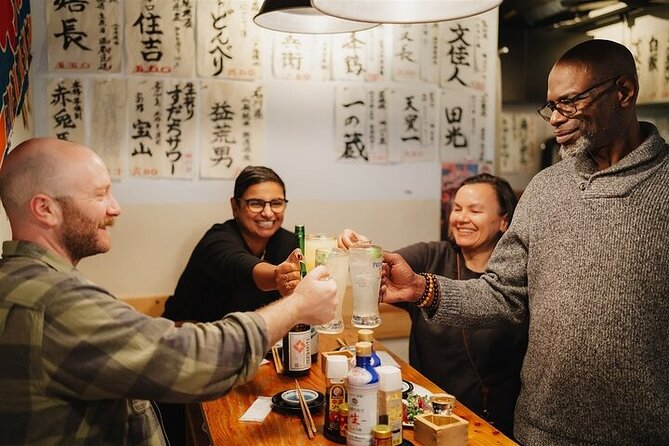
- Max 6 people keeps the day personal and easy to manage as you move between narrow backstreets
- Alcohol, dinner, snacks, and coffee or tea are already included, so your budget stays predictable
- Fukagawa Fudodo and a temple ceremony connect food, drink, and spirituality in a practical way
- Fukagawa meshi plus sushi anchors the route with a neighborhood specialty early on
- Sake specialists and an oyster shucker bring you to shopfronts with real stories behind the ingredients
- Guides with long local ties, including people like Michelle, Elly, and Mairi, help you go past menus and into culture
Still weighing up options in Tokyo? These are the ones our reviewers rated highest.
- Mt Fuji and Hakone 1-Day Bus Tour Return by Bullet Train
★ 5.0 · 26,383 reviews - 1-Day Tokyo Bus Tour
★ 5.0 · 14,250 reviews - Tokyo: teamLab Planets TOKYO Digital Art Museum Entry Ticket
★ 4.6 · 9,779 reviews - Mt Fuji & Hakone Cruise, Drum Show Bullet Train 1 Day from Tokyo
★ 4.0 · 7,413 reviews
Monzen-Nakacho at 1 PM, where Tokyo turns local
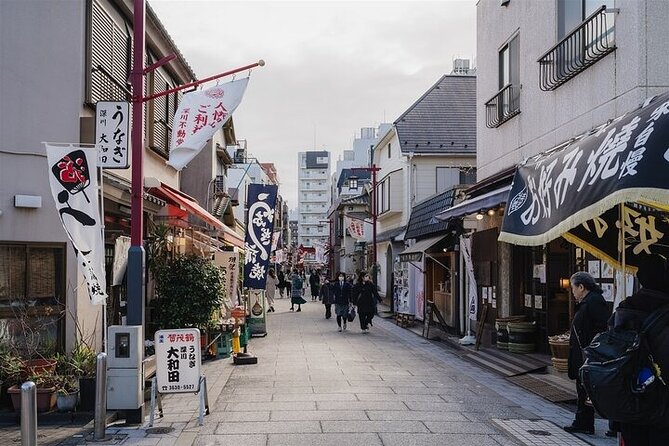
There is Tokyo, and then there is the Tokyo most visitors never see. Monzen-Nakacho sits in that second category: older streets, smaller businesses, and a day-to-day rhythm that makes a walking tour feel less like a checklist and more like learning how people actually eat.
You start in the Monzen-nakacho area at 1:00 pm, and the tour is designed as a steady flow, not a series of random stops. The route takes you through backstreets where the “front door” looks more like a small shop counter than a restaurant entrance. That matters, because you start to understand how neighborhood dining works here: you’re not just sampling food, you’re watching how people meet, drink, and snack as part of daily life.
Another smart touch is that the tour is small, with a maximum of 6 travelers. That means you’re not lost in a crowd. Your guide can slow down for questions, and it’s easier to adapt if your group wants to linger at a specific shop. It also helps at places that are tight and busy, where larger groups can feel rushed.
If you’re the kind of person who enjoys side streets, you’ll feel at home fast. If you only want world-famous monuments, you might find this tour less about iconic sights and more about real, working Tokyo. But the trade-off is big: the food and drinks are part of the neighborhood story, not just add-ons.
Fukagawa Fudodo, ceremony first, then the drinks make more sense
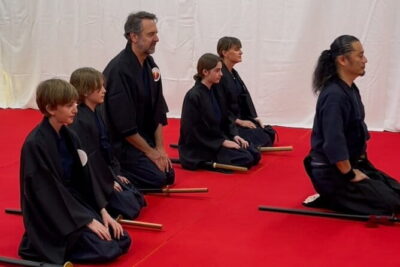
The day has a clear emotional arc. You don’t start with alcohol in the abstract. You start with the spiritual setting around Fukagawa Fudodo, and that changes how you read the rest of the experience.
At this temple stop, you take in a multisensory ceremony, and you also get the cultural context for why sake shows up in Japanese religion and daily ritual. This is one of the tour’s best ideas: it reframes drinking. Instead of treating sake like a trendy beverage tasting, you see it as a part of belief, celebration, and tradition.
You’ll also encounter a more direct connection between temple practice and the way people drink. The tour focuses on the “spiritual side of sake drinking,” which helps you notice details you might miss if you simply ordered sake and moved on. It gives you a reason to pay attention to names, styles, and small differences, because the guide ties them back to meaning.
One practical note: ceremonies often involve sitting or standing for periods of time, and temple environments can be cooler than street level depending on the weather. Wear comfortable shoes and expect to adjust. This is not a long museum session, but you will be present and attentive.
If you’re hoping for pure foodie content, you still get it here. The temple stop is paired with specialty tastings and then transitions into the neighborhood’s food-and-drink world.
The clam-and-rice kickoff: fukagawa meshi and sushi
Before the spiritual thread fully pulls you in, you get fed. The early meal sets the tone with a classic: fukagawa meshi, clam served over rice. It’s the kind of dish that feels simple, but it has a strong local identity. Starting with this matters because it gives you a foundation that tastes distinctly regional, not just generic Japanese comfort food.
Fukagawa meshi is also a smart “tour food.” It’s filling, easy to understand, and it pairs naturally with later bites and sips. You won’t feel like you’re starting the day empty-handed and trying to catch up later in the evening.
On top of that, the route begins at a neighborhood spot known for sushi, so you get that contrast right away. That mix, clam rice plus sushi, gives you a better sense of how the area treats ingredients and comfort flavors.
If you’re sensitive to dietary needs, take heart from one strong signal in the reviews: at least one celiac traveler praised the tour for working well for gluten-free needs. Still, since dietary handling can vary by restaurant, I’d treat this as a good sign but not a guarantee. If you have celiac disease or a serious allergy, message the operator ahead of time and ask what you can realistically expect at each stop.
- Mt Fuji and Hakone 1-Day Bus Tour Return by Bullet Train★ 5.0 · 26,383 reviews
- 1-Day Tokyo Bus Tour★ 5.0 · 14,250 reviews
- Tokyo: teamLab Planets TOKYO Digital Art Museum Entry Ticket★ 4.6 · 9,779 reviews
- Mt Fuji & Hakone Cruise, Drum Show Bullet Train 1 Day from Tokyo★ 4.0 · 7,413 reviews
- Tokyo: Shinjuku Food Tour (13 Dishes at 4 Local Eateries)★ 5.0 · 6,603 reviews
Backstreet izakayas, tiny bars, and the value of being shown where to stand
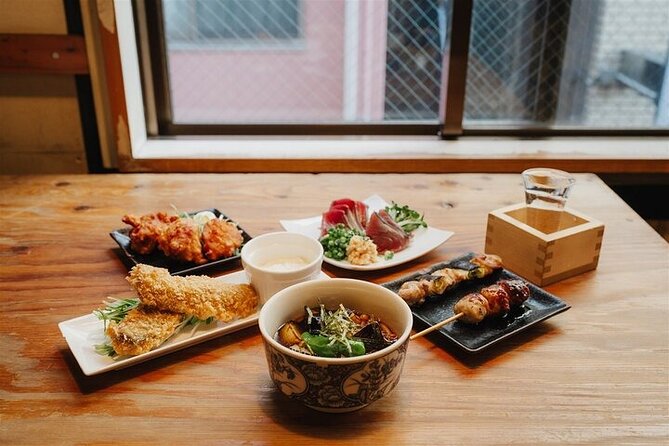
A big reason this tour feels special is that it brings you into the kind of spots that don’t advertise to tourists. You move through small storefronts and end up at out-of-the-way izakayas and bars where the kitchen is compact and the atmosphere is personal.
This is where the guide’s role becomes more than translation. Even if you can read enough Japanese to order, you still might not know what to order, how to do it, or how to understand what you’re tasting. The guide explains what’s going on, which shop it comes from, and why it’s part of the neighborhood’s identity.
You’ll also encounter a hidden style of drinking that’s very Tokyo: the tachinomi, a standing bar. This is not just a quirky photo stop. It changes the rhythm of eating. Standing bar culture often means quick pours, small plates, and a more communal feel as you share space with other regulars. It’s fun if you’re comfortable standing and moving, and it can be awkward if you’re expecting a sit-down restaurant experience.
The overall structure keeps the day from dragging. Meals and drinks arrive in a sequence that feels paced, not random. That matters on a walking tour because your body needs regular energy and breaks from standing in lines or crowded sidewalks.
If you’re the type who likes local beers and sake more than cocktails, you’re in the right place. If you want high-end plating and lots of table service, you’ll likely find this tour more down-to-earth.
Oyster shucker stories and the 2011 tsunami connection
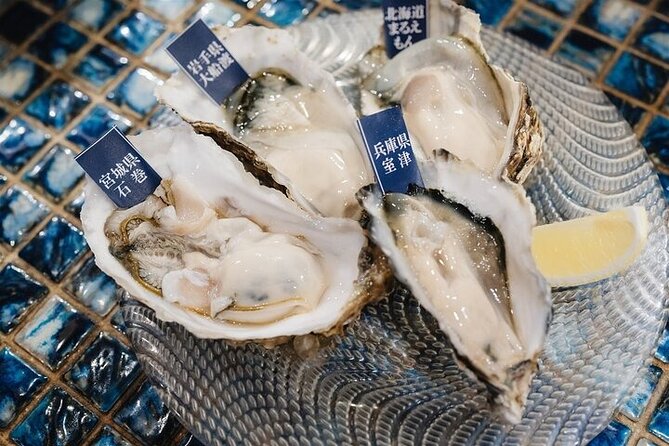
One of the most memorable parts of the route happens around seafood, especially oysters. You’ll stop at a place with an oyster shucker, and the story here is real and grounded: the shop supports fisherman impacted by the 2011 tsunami by buying bivalves directly from them.
That detail matters because it turns a food stop into something you can understand as part of a living community. Food tours can sometimes feel like a walk through flavors only. Here, the ingredient comes with a human timeline, which makes the taste feel more meaningful.
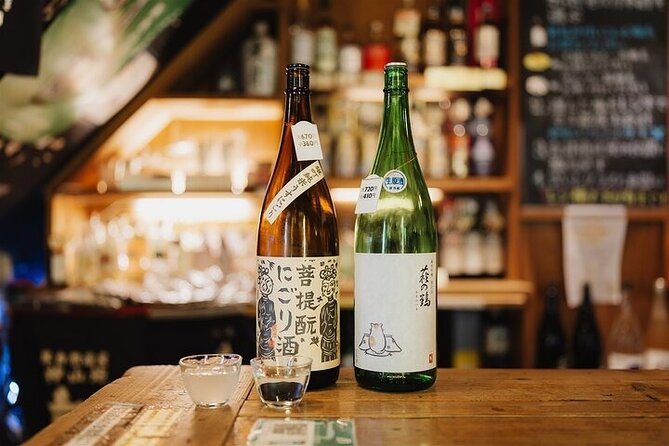
You’ll also have a sake specialist stop, which helps you go beyond one-note sampling. Instead of treating sake as a single category, the guide helps you connect it to style and context, and that pairs well with seafood tasting.
As you get deeper into the afternoon, the tour keeps switching textures: sushi and rice, temple and ceremony, then small pub bites, and then standing-bar plates. That variety is one reason the day works even if you’re not the world’s biggest sake fan. You’re not stuck with one type of flavor or one type of dining.
Practical tip: at seafood-heavy stops, pace yourself with water and keep your shoes ready for extra standing. Oysters and sake can move fast if the shop runs by rhythm, not by your schedule.
Drinks and dinner included: why the $195 price can make sense
At $195 per person, the tour isn’t cheap on paper. But the value picture changes once you look at what’s included.
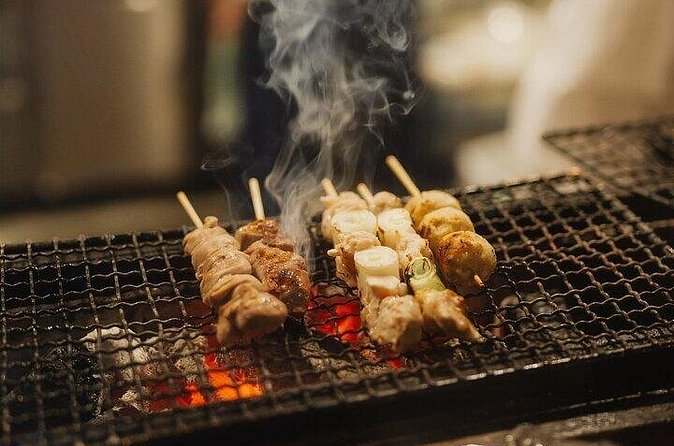
You’re not paying separately for tastings the way you would on a do-it-yourself izakaya crawl. The tour includes alcoholic beverages, dinner, snacks, and coffee or tea. That’s a big deal in Tokyo, where food and drink can pile up quickly once you start moving between places.
The price also buys you something harder to price: access. Being shown where to go matters in Monzen-Nakacho because a lot of the best spots are small, tucked away, and not designed for language barriers. When your guide can steer you to places that match the neighborhood story, you’re not just consuming food, you’re saving time and avoiding dead ends.
Finally, small-group management has value. With a maximum of 6 people, you spend less time waiting and more time tasting. Larger groups can mean long gaps between stops and a rushed feel at smaller venues. This tour is structured to keep you moving at a pace that works with meals.
If you already know you love izakayas, local sake, and neighborhood food, this price can feel fair. If you’re more interested in sightseeing from a distance and don’t drink alcohol, you might want to check whether you’d still enjoy the pacing and tastings without leaning into the included drinks.
Guides who make the day feel personal, not rehearsed
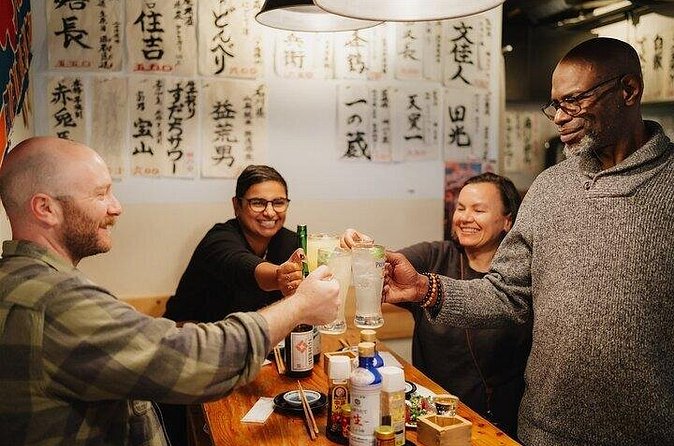
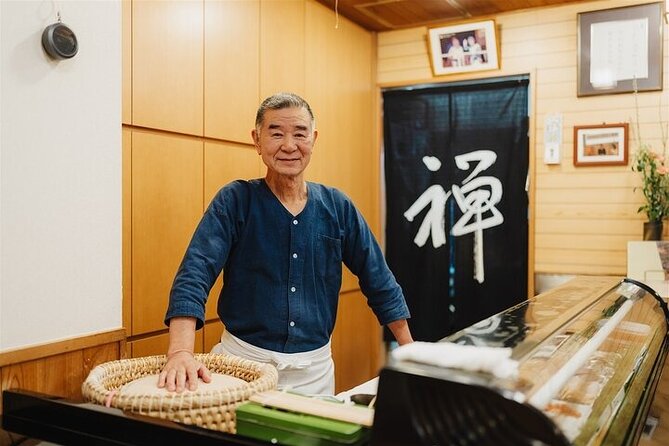
A food tour lives or dies by the guide. This one is built around guides with deep local connections, and the names that show up in the program include people like Michelle, Elly, and Mairi.
Michelle, for example, is described as a Canadian who has lived in Japan for 20 years. Elly is praised for moving through Monzen-Nakachō with extensive knowledge of both the area’s history and its food. Mairi is singled out for blending food, spirits, and culture in a way that feels both informative and varied.
Even when a guide is sharing history, what you should look for is practical explanation. In this tour, that practical angle shows up in how the guide talks about what you’re eating and drinking, how each stop connects to the neighborhood, and why these businesses matter.
Language barriers also get handled in a natural way. You don’t need to translate every menu word on your own. Instead, you’re guided through the experience, and the guide acts like your translator plus your food mentor.
If you like asking questions, this is a good match. If you prefer quiet, you can still enjoy the tastings, but you might find it more engaging to participate.
Who should book Tokyo Time Machine for Monzen-Nakacho
This tour is ideal if you want a Tokyo afternoon that feels less staged and more local.
You’ll likely love it if:
- You enjoy food and you’re curious about how neighborhood dining works
- You want a temple ceremony plus sake context, not just a quick photo stop
- You like walking through backstreets and stepping into small places
- You’re open to standing-bar vibes at some point
You might want to pass or choose a different style if:
- You dislike alcohol or want a strictly non-drinking experience
- You need lots of seating and long rest stops
- You’re mainly chasing big sightseeing icons rather than local life
One more fit note: age is 18 or older, and the tour includes alcoholic beverages, so plan accordingly.
Should you book this Monzen-Nakacho food and sake walk?
I’d book it if you want an afternoon that combines old-school neighborhood Tokyo, a temple ceremony tied to sake culture, and a meal-and-drinks plan that’s already handled. The $195 price is easier to justify when you remember how much Tokyo food and alcohol add up to on your own, and when you consider the value of being guided into tiny places off the usual route.
If you’re on the fence, think about two things: do you like izakayas and local sake enough to enjoy a walking day that includes standing at bars, and do you want context for what you’re eating rather than just tastes on a clipboard? If yes, this is the kind of Tokyo experience that can turn into a personal highlight.
FAQ
How long is the Tokyo Time Machine walking tour?
It runs about 5 to 6 hours.
Where does the tour start and end?
It starts at Monzen-nakacho Station, located at 2 Chome-4 Monzennakacho, Koto City, Tokyo 135-0048, Japan. It ends back at the meeting point.
What is included in the price?
Alcoholic beverages, dinner, snacks, and coffee and/or tea are included.
Are the tastings included, or do I pay separately?
The tour includes food and drink tastings as part of the experience, so you do not need to pay for tastings during the tour.
How many people are in the group?
The tour has a maximum group size of 6 travelers.
What ticket will I receive?
You’ll receive a mobile ticket.
Is there a cancellation option if my plans change?
Yes. Free cancellation is available up to 24 hours in advance for a full refund. If you cancel less than 24 hours before the start time, the amount paid is not refunded.