
REVIEW · JAPAN
Tokyo:Celebrate Unique Japanese New Year Tradition Festivity
Foxes meet midnight in Tokyo. If you want New Year’s Eve that feels storybook instead of just loud, this Oji Inari Shrine fox procession is one of the most distinctive nights in Honshu, with VIP reserved viewing and the kitsunebi lantern glow. I love that the event is built around a famous ukiyo-e legend, then plays it out with real performers in fox masks. I also like the structure, you get a shrine visit and planned photo time rather than wandering in the dark. One catch, the experience can feel more like moving through set stops than a nonstop lecture, so if you really want lots of extra explanations, you may need to ask.
This is short, fast-paced, and designed for cold-weather stamina. You’ll wear comfortable shoes, keep your camera ready, and plan your pace with a small group while Tokyo’s countdown vibe stays back downtown.
In This Review
- Key Things to Know Before You Go
- Oji Fox Parade and Kitsunebi Lanterns: A New Year’s Eve With a Legend
- VIP Reserved Viewing at Oji Inari Shrine: Less Stress, Better Photos
- The Izakaya Stop: One Warm Hour With Snacks and a Drink Option
- Otonashi Water Park: A Short Pause That Helps the Timing
- Oji Shrine Visit: Meaning, Not Just Photo Time
- Photo Stop and View Point Time: Where the Footwork Matters
- Midnight and the Glowing Lantern Moment: The Whole Point of the Night
- Price and Value: Is JPY 10,000 or JPY 15,000 Worth It?
- Logistics That Actually Matter on the Ground
- Who This Oji Fox Tradition Tour Suits Best
- Should You Book It?
- FAQ
- Where is the meeting point?
- How long is the tour?
- What is included in the 2-hour option?
- What is included in the 3-hour option?
- What languages are the guides?
- What should I bring?
- Are there any rules about photography or alcohol?
- Who should avoid this tour?
Key Things to Know Before You Go

- Government-permitted VIP viewing zone near the parade route means front-row views without the worst crush.
- Kitsunebi lanterns with fox masks: you’ll see over 200 participants carrying glowing lanterns.
- A local guide in English or Chinese adds meaning to the shrine and New Year traditions.
- Optional izakaya time with one drink gives you a warm, human break before the main event.
- Strict simple rules (no flash photography, no smoking, no alcohol in the vehicle) keep the night smooth.
Still weighing up options in Tokyo? These are the ones our reviewers rated highest.
- Mt Fuji and Hakone 1-Day Bus Tour Return by Bullet Train
★ 5.0 · 26,383 reviews - 1-Day Tokyo Bus Tour
★ 5.0 · 14,250 reviews - Tokyo: teamLab Planets TOKYO Digital Art Museum Entry Ticket
★ 4.6 · 9,779 reviews - Mt Fuji & Hakone Cruise, Drum Show Bullet Train 1 Day from Tokyo
★ 4.0 · 7,413 reviews
Oji Fox Parade and Kitsunebi Lanterns: A New Year’s Eve With a Legend
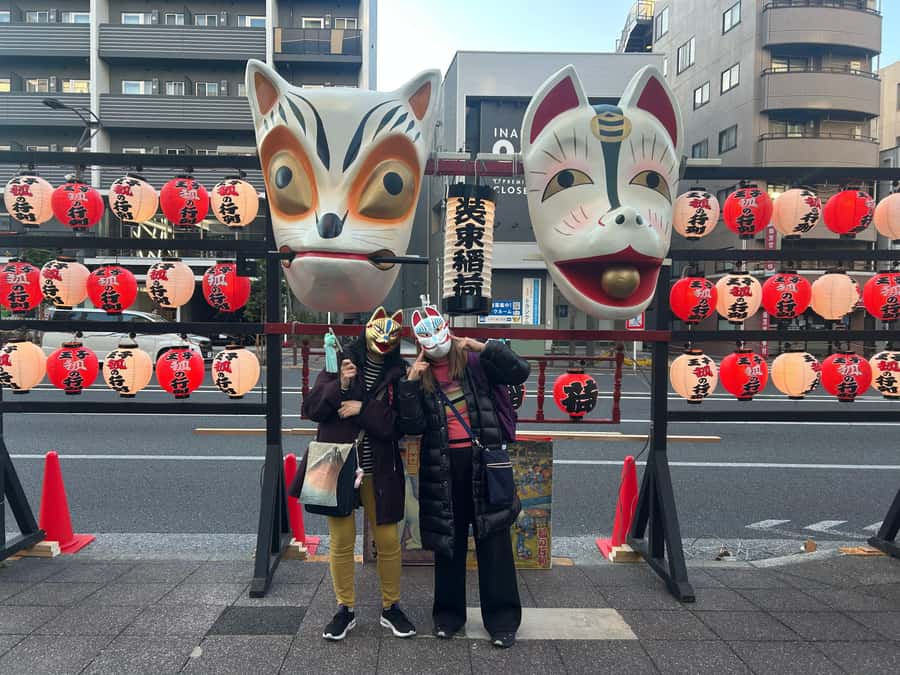
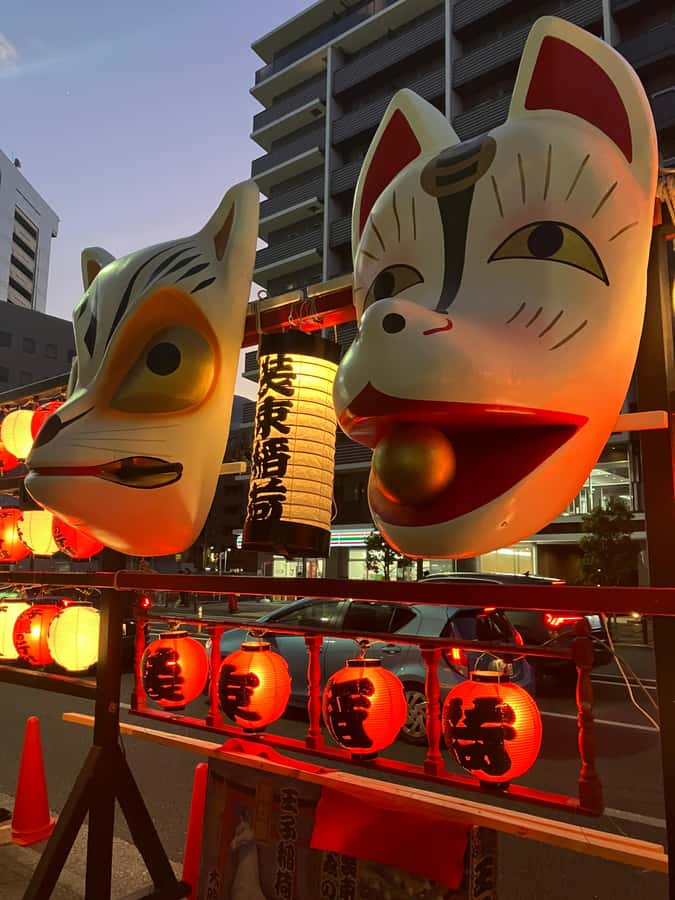
Tokyo does New Year’s Eve in many ways. This one feels different because it’s not just a spectacle, it’s a reenactment of a legend tied to Oji and fox folklore. The whole parade centers on the idea of foxes gathering and traveling to Oji Inari Shrine, inspired by famous woodblock print imagery from the ukiyo-e tradition.
The standout visual is the kitsunebi moment. The lantern glow is described as foxfires, eerie and beautiful at the same time. When performers in traditional kimonos and fox masks carry glowing lanterns, it turns the streets into a scene you usually only see in old prints. That’s why this works so well for New Year’s Eve, it gives you a clean break from mainstream countdown energy and replaces it with something stranger, quieter, and more rooted.
If you care about Japanese culture beyond photos, the guide’s role matters. You’re not just watching, you’re hearing the meaning behind the shrine setting and the New Year rhythms. Even if you’re not fluent, it helps you connect the dots while the lights and movement are happening around you.
VIP Reserved Viewing at Oji Inari Shrine: Less Stress, Better Photos
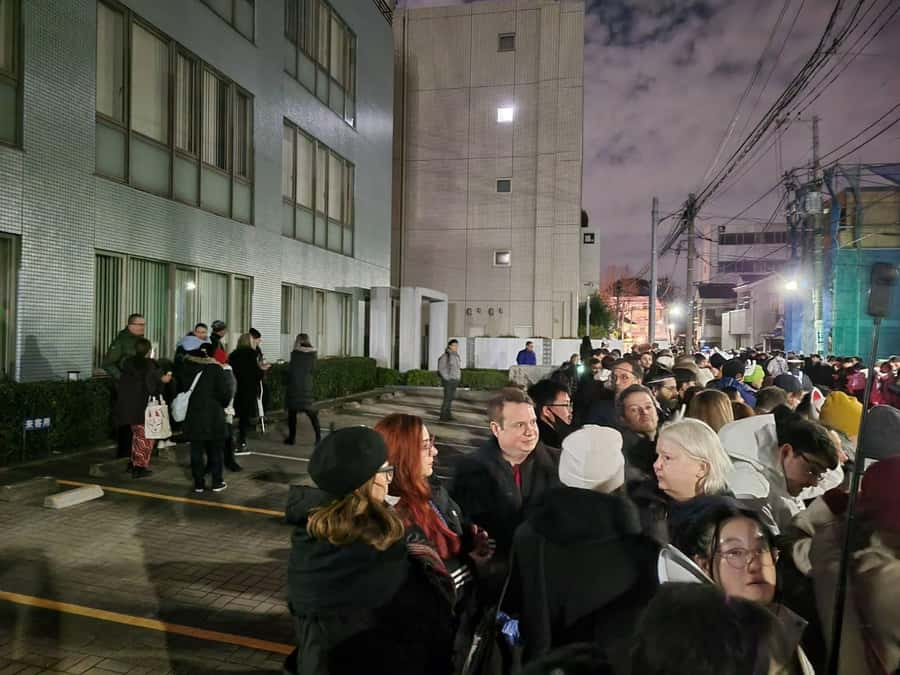
The biggest value lever here is the reserved area. New Year’s Eve around popular shrine routes can turn into a fight for position. This tour reduces that friction by placing you in a government-permitted special viewing zone designed for clear sightlines.
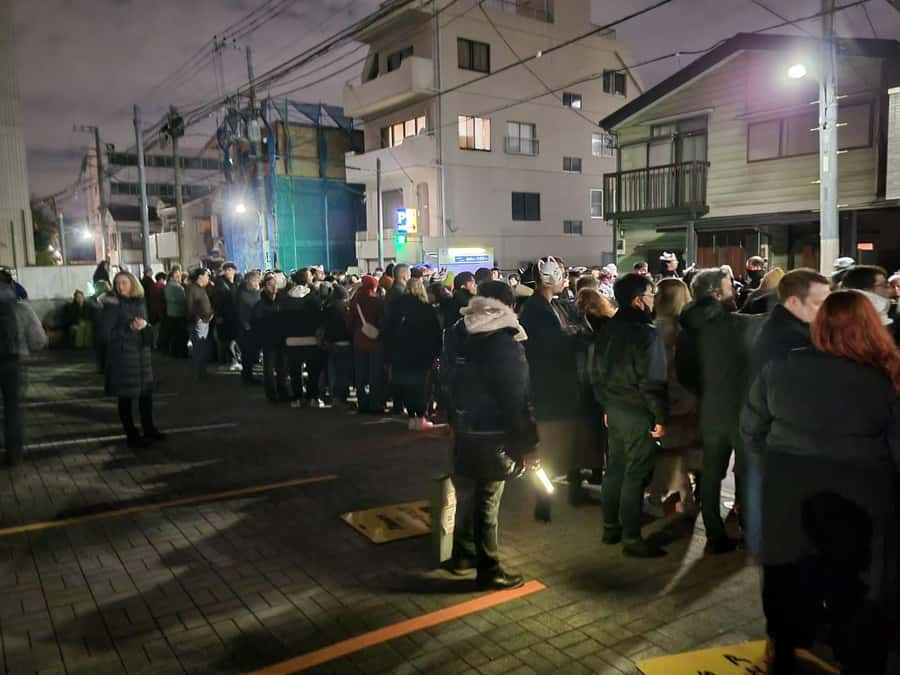
What you feel in practice is time and calm. Instead of sprinting for angles, you can plan your camera and breathing. You also get a better experience of the procession, because you’re facing the right direction as the lanterns come through. The parade viewing is one of the most praised elements, and it makes sense. When the views are reliable, the whole night feels more like an event you can actually enjoy.
Do note the vibe shifts as midnight approaches. Even in a reserved zone, you’ll still be outside in winter and you’ll still want to move carefully when the group shifts positions. If you’re the type who likes to hang back and watch from the edges, you might find you’re nudged to follow the flow at certain points.
The Izakaya Stop: One Warm Hour With Snacks and a Drink Option
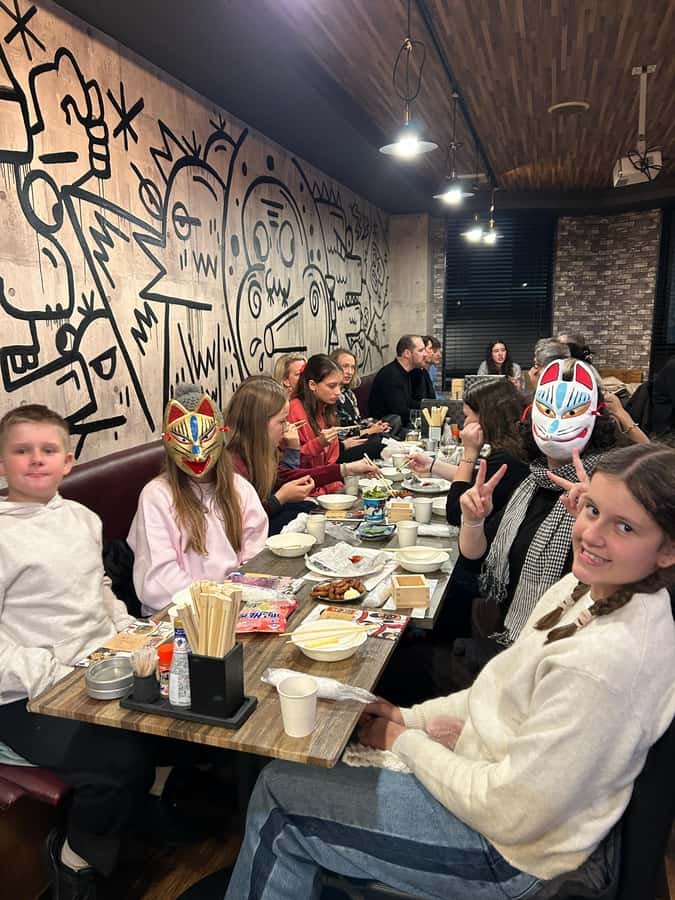
If you choose the longer schedule, you start with a stop at a local bar for about one hour. You get beer, wine, and local snacks as part of the experience, with one drink included.
This matters more than it sounds. On New Year’s Eve, most people underestimate how fast cold air drains energy. A warm izakaya break gives you a reset before you’re walking and standing outside. It’s also an easy way to feel the local rhythm, not just the shrine side of the night.
What to expect from the meal experience: you’re fed, and the food is described as more than enough. The hosts at the restaurant are friendly. The potential downside is that some days can feel light on commentary about what you’re eating and why it matters, so you might want to ask your guide simple questions while you have their attention.
Practical tip: plan to eat steadily. There’s limited time later, and you’ll be outside for the main moment. If you’re sensitive to alcohol, remember it’s only one drink included, and you also cannot bring alcoholic drinks in the vehicle.
- Mt Fuji and Hakone 1-Day Bus Tour Return by Bullet Train★ 5.0 · 26,383 reviews
- 1-Day Tokyo Bus Tour★ 5.0 · 14,250 reviews
- Tokyo: teamLab Planets TOKYO Digital Art Museum Entry Ticket★ 4.6 · 9,779 reviews
- Mt Fuji & Hakone Cruise, Drum Show Bullet Train 1 Day from Tokyo★ 4.0 · 7,413 reviews
- Tokyo Mt Fuji 5th St & Hakone Cruise Bus Tour w/Bullet Train★ 4.4 · 5,024 reviews
Otonashi Water Park: A Short Pause That Helps the Timing
Your route includes a quick visit to Otonashi Water Park for around 15 minutes. This part is brief, so think of it as a breather and a chance to reset your legs, not a full sightseeing stop.
Why it’s useful: it breaks up the night so you’re not going from transport and weather straight into shrine time and then straight into parade viewing. It also gives you a moment to catch your breath and orient yourself before you head toward Oji Shrine.
If you’re hoping for deep exploration here, the schedule won’t give you that. But as a practical stop, it has a clear function, it keeps the flow moving while you stay warm and ready.
Oji Shrine Visit: Meaning, Not Just Photo Time

Next comes Oji Shrine, with about 45 minutes for a visit. This is where the tour shifts from parade logistics into cultural context. The guide is there to share the history of the shrines and the significance of Japanese New Year traditions.
This is the section that turns your experience from event-viewing into understanding what you’re actually seeing. Oji Inari Shrine is the anchor for the fox story. You’ll be positioned in a setting where the visual theme makes sense, and you’ll learn why New Year rituals carry weight in Japan beyond just the holiday calendar.
A drawback to keep in mind: the group pace can be tight, and some people prefer slower, longer shrine wandering. This tour time is structured, so if you want maximum quiet at the shrine steps, arrive with a mindset of quick reverence plus learning, rather than full independent exploration.
Also, keep your camera rules in mind. Flash photography is not allowed. That means you’ll rely on natural low light and lantern glow. Bring a camera that handles darkness well, and be ready for slower, steadier shots.
Photo Stop and View Point Time: Where the Footwork Matters
After the shrine visit, you’ll have a viewpoint stop for about 30 minutes. This is the planned photo time, and it’s designed to give you a useful angle while the tour team keeps everyone moving efficiently.
You’ll appreciate this part if you like photos that capture both lantern glow and procession motion. The whole legend is visual, and without a timed photo window, people end up taking pictures too late, when the route shifts or the lighting changes.
Two practical notes:
- Wear comfortable shoes. You’re standing outside, and the cold makes normal walking feel longer.
- Keep your hands warm. Lantern viewing and camera work require small movements, and cold fingers can ruin focus fast.
Midnight and the Glowing Lantern Moment: The Whole Point of the Night
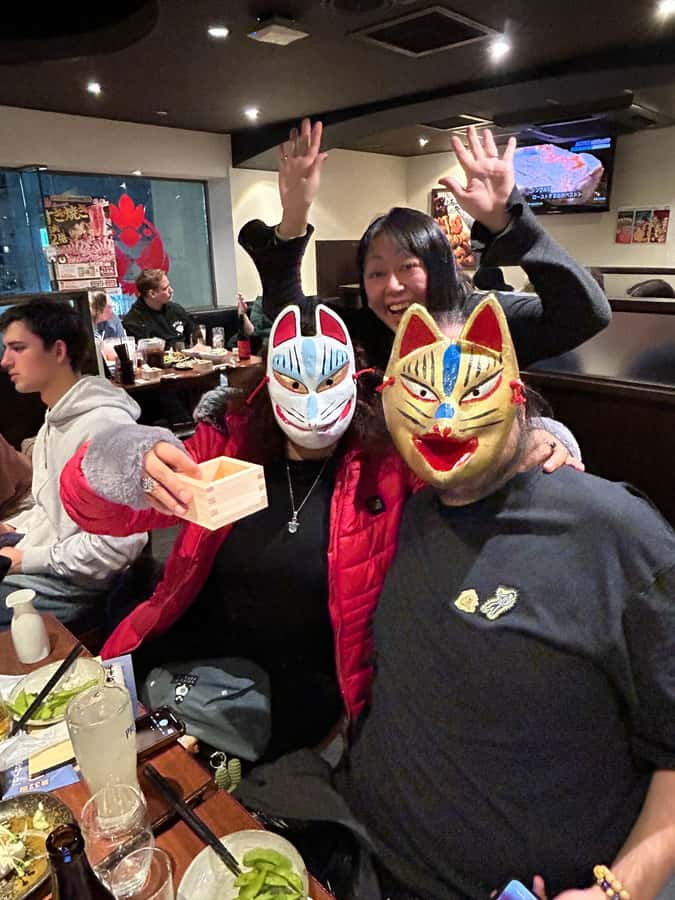
The tour is ultimately built around the surreal midnight transition, when you swap typical city crowds for a glowing world on the shrine route. That’s why the parade viewing and lantern imagery are the core attraction.
Even though this isn’t a long tour, it feels like a complete arc. You get lead-up warmth (izakaya if you choose the longer option), a brief reset (water park), shrine meaning (Oji Shrine visit), and then the viewing moments that let the fox story hit you at full impact.
If you get anxious waiting for midnight, focus on what’s happening around you. The glow and performer procession are the payoff, and the reserved zone helps you stay positioned instead of losing sightlines while the group shifts.
Price and Value: Is JPY 10,000 or JPY 15,000 Worth It?
You’re paying around $64 per person for a 2 to 3 hour experience, depending on which option you pick.
Option A, 2 hours (JPY 10,000): Fox procession viewing plus shrine visit.
Option B, 3 hours (JPY 15,000): Fox procession viewing, shrine visit, plus snacks with one drink.
Here’s how to judge value. This is not an all-day tour with big transport savings. The money mostly buys you two things:
- Time saved and hassle reduced through the reserved viewing zone.
- A guided structure that ties the shrine setting to the parade legend.
If you’re the kind of person who would otherwise show up early to hunt for a good spot, the reserved area alone is often the difference between a stressful night and a smooth one. If you just want the main viewing, the shorter option can be good value.
If you’re cold easily or you like eating before you stand outside for long stretches, the longer option makes sense. The extra cost is basically paying for the comfort and warmth of the bar stop, plus the one included drink and snacks. The meal itself is described as sufficient and enjoyable, and friendly hosts add to the human side of the night.
Where the value can feel thin is in storytelling depth. The overall experience depends on the guide’s energy and how much explanation you get at each stop. If you want a nonstop narrative and a very hands-on, detailed walkthrough, you may find the pacing a bit basic and more stop-to-stop than you expected. The reserved seating helps, but it does not replace your need for context.
Logistics That Actually Matter on the Ground
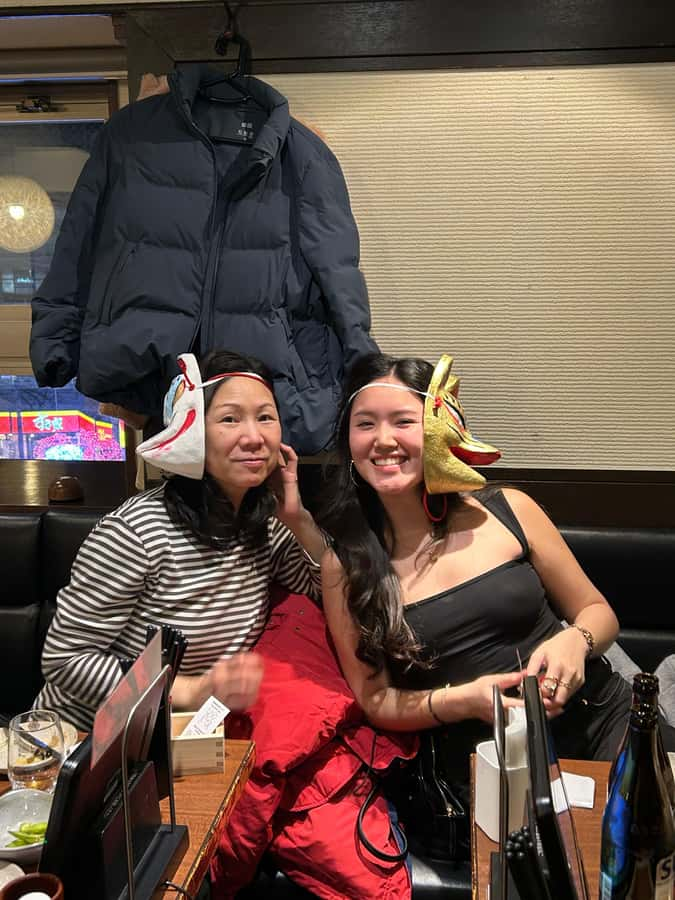
Meeting point: you meet at the north entrance of JR Oji Station, Kehin Tohoku line. If you’re coming from Tokyo Metro Namboku Line Oji Station, use Exit 3 and go to the north entrance at ground level. The guide will show you the fox mask, which helps confirm you’re with the right group.
Duration: 2 hours or 3 hours depending on the selected option.
Language: live guide in English or Chinese.
What you should bring:
- Comfortable shoes
- Warm clothing
- Camera
What you should know:
- No flash photography
- No smoking
- No alcoholic drinks in the vehicle
The tour is not recommended if you have back problems, heart problems, or serious medical conditions, and it’s not suitable for pregnant travelers. It’s also not recommended for children under 12, and wheelchair access is not supported.
If any of those apply to you, it may be better to look for a different viewing plan that offers more flexibility and fewer standing moments.
Who This Oji Fox Tradition Tour Suits Best
I’d point this tour toward people who want a meaningful New Year’s Eve without committing to a long day. It’s great if you like:
- Japanese folklore and shrine traditions
- nighttime photography with lantern light
- structured plans that handle the hard parts of crowd logistics
It’s also a good fit for small groups of adults who prefer not to spend hours figuring out where to stand. The reserved viewing zone is designed for people who value certainty.
I’d skip it if you:
- need lots of wheelchair-friendly access
- have health constraints that make standing in winter hard
- expect a super detailed, stop-by-stop explanation at every moment
Should You Book It?
Book this tour if your priority is seeing the fox parade and the kitsunebi lantern glow from a good spot without hunting for positioning all night. The experience is built around that payoff, and the reserved viewing helps a lot.
Don’t book it if you want a long, meandering shrine day with plenty of time to explore at your own pace. This runs on a tight schedule, and the flow can feel like following the route more than staying in one place for ages.
My practical call: choose the shorter (2 hour) option if you mainly care about the parade and shrine visit. Choose the longer (3 hour) option if you want the warm izakaya break and you’ll enjoy one drink and snacks before you stand outside at midnight.
FAQ
Where is the meeting point?
You meet at the north entrance of JR Oji Station, Kehin Tohoku line.
How long is the tour?
You can choose two options: about 2 hours, or about 3 hours.
What is included in the 2-hour option?
The 2-hour option includes fox procession viewing and a shrine visit.
What is included in the 3-hour option?
The 3-hour option includes fox procession viewing, a shrine visit, and snacks with one drink.
What languages are the guides?
The live tour guide is available in English and Chinese.
What should I bring?
Bring comfortable shoes, warm clothing, and a camera.
Are there any rules about photography or alcohol?
Flash photography is not allowed. Smoking is not allowed. Alcoholic drinks are not allowed in the vehicle.
Who should avoid this tour?
It is not recommended for travelers with back problems or heart problems or other serious medical conditions, and it is not suitable for pregnant travelers or children under 12. It’s also not suitable for wheelchair users.





