
REVIEW · CYCLING AND E-BIKE TOURS
Tsuwano Cycling Tour with Local Guide
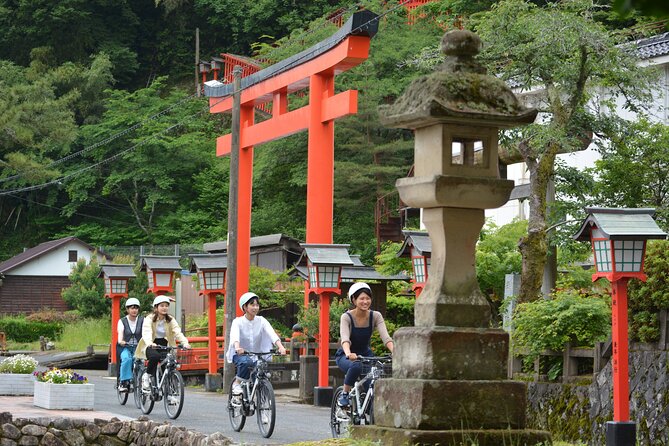
Tsuwano feels like a time machine on wheels. This 3 hour electric bike tour uses the Edo-period Hyakkeizu One Hundred Sceneries of Tsuwano to help you see how a small town stayed itself. I especially love the guide-led stories that connect paintings, streets, and shrine legends without turning it into a lecture. Electric bikes also keep the pace easy, even if you are not feeling sporty.
The second thing I like a lot is how the stops feel different from each other. You roll along main-town streets, then slow down at quiet shrine grounds, and finish with an extra meaningful finale, a cedar tree that has watched Tsuwano for more than 1,000 years. A practical consideration: this is a short 3 hour loop, so if you want to linger for a long time at every stop, you might feel a bit rushed.
In This Review
- Key highlights you will actually care about
- Tsuwano by electric bike, with Edo-era Hyakkeizu as your guide
- Price and value: what $99 buys you in 3 hours
- Route pacing and group size, why the tour feels relaxed
- Stop-by-stop: Tonomachi Street to Yasaka Shrine
- Narutaki jinja: a quieter pause with waterfall views and meditation
- Washibara Hachiman and the stories behind Yabusame
- Tsuwano Shrine to the 1,000-year cedar finale
- What to expect from the guide, and the names you might hear
- Who this tour suits best
- Should you book the Tsuwano Cycling Tour with Local Guide
- FAQ
- How long is the Tsuwano Cycling Tour?
- How much does the tour cost?
- Is this tour done on an electric bike?
- What is included in the $99 price?
- Are snacks included?
- Where do I meet for the tour?
- How many people can be in a group?
- Are admission tickets required for the stops?
- What if weather is poor or I need to cancel?
Key highlights you will actually care about
- Hyakkeizu pairing, where Edo-era scenes help you read Tsuwano like a living map
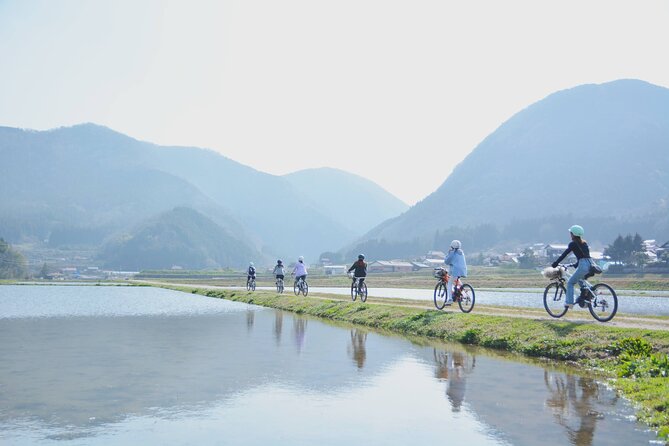
- Electric bike touring, built for comfort and a steady, non-rushed flow
- A local guide who explains, including easy-to-follow background on shrine ties and town lore
- Multiple shrines in one loop, with free entry time built into the tour
- A calm moment on Narutaki jinja, where you practice simple meditation near the waterfall area
- Horseback archery context at Washibara, tied to the Yabusame ritual story
Tsuwano by electric bike, with Edo-era Hyakkeizu as your guide
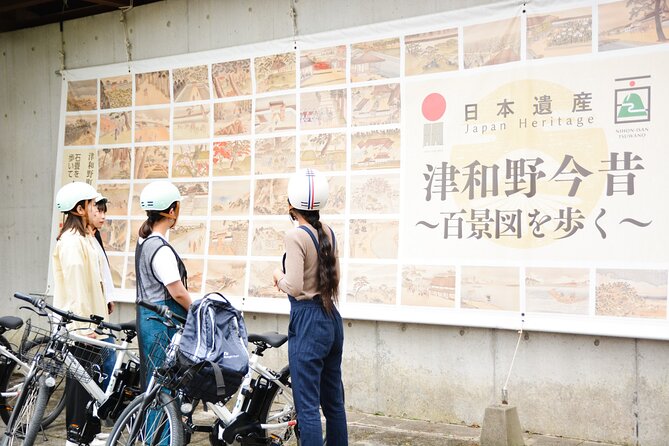
Tsuwano is a small rural town in Shimane Prefecture, and it has done something rare in Japan: it has kept a lot of its older character intact. The big theme here is the Hyakkeizu, One Hundred Sceneries of Tsuwano, a set of Edo-period paintings recognized as a Japan Heritage site. Instead of treating it like a museum piece, the tour uses it as a way to interpret what you see right now.
The clever part is how the Hyakkeizu frame helps you notice details you would otherwise miss. You are not just passing by shrines and streets. You are learning how the town looked in the late Edo era, then comparing that feeling to the present. I love that because it makes ordinary corners feel meaningful fast.
Price and value: what $99 buys you in 3 hours
For $99, you are getting a guided electric bike experience that lasts about 3 hours, capped at a small group size (maximum 6 people). The price also includes bicycle use and a guide, which matters in rural areas where biking can be easier than figuring out routes solo.
You also get a clear structure: six scheduled stops, each set aside for about 30 minutes. Admission tickets are listed as free for each stop. That means you can plan your money around one ticket, not a string of add-on fees.
The only clear extra cost is simple: snacks are not included. If you are the type who likes to snack during sightseeing, plan to bring something or buy it before you start, so you are not thinking about food mid-ride.
Route pacing and group size, why the tour feels relaxed
This is designed as a first-tour option in Tsuwano, meaning it is meant to give you a foundation quickly. The small group size helps a lot. With up to 6 people, the guide can slow down when you have questions, and it is easier to keep the group together on a tight schedule.
You also ride an electric bike, which changes the whole vibe. The goal is not training. It is sight-seeing with stops that actually let you look, listen, and ask what something means. Even in a short 3 hour window, that pacing makes the experience feel complete instead of rushed.
Another small but useful detail: the meeting point is near public transportation, and the tour ends back at the same place. That makes the logistics feel painless, especially if you are only spending part of a day in Shimane.
Stop-by-stop: Tonomachi Street to Yasaka Shrine
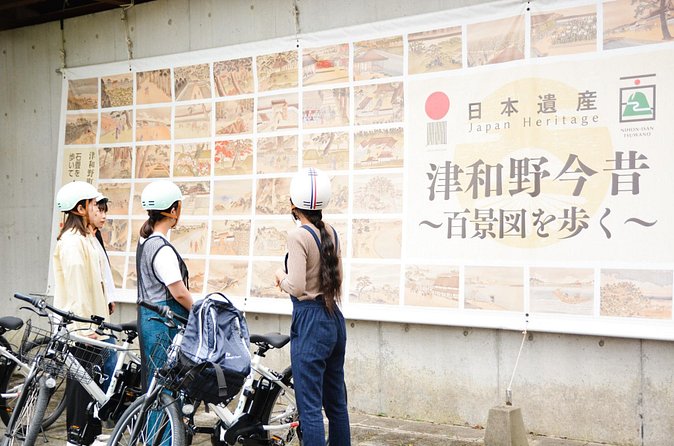
Stop 1: Tonomachi Street
This is the main street of Tsuwano, and the tour starts you right where the town’s daily energy would be. Riding here with a guide is more useful than walking alone because you can cover ground quickly while still getting context. The stop is set for about 30 minutes, with admission listed as free.
Stop 2: Yasaka Shrine
After the town street, you shift into shrine history. This stop focuses on the shrine’s background and stories tied to the Hyakkeizu, the One Hundred Sceneries paintings. In other words, you are learning why these places mattered enough to be painted, and what legends those scenes were connected to. Admission is listed as free, and the time here is also about 30 minutes.
What I like about this sequence is the contrast. You get a feel for the town layout first, then you see how spirituality and local story connect to specific locations.
Narutaki jinja: a quieter pause with waterfall views and meditation
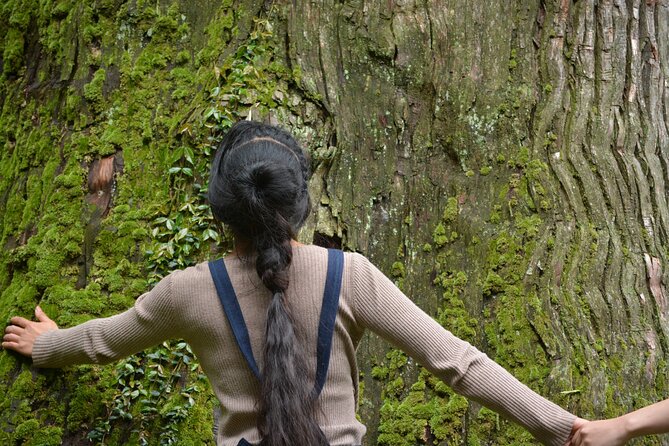
Stop 3: Narutaki jinja Shrine
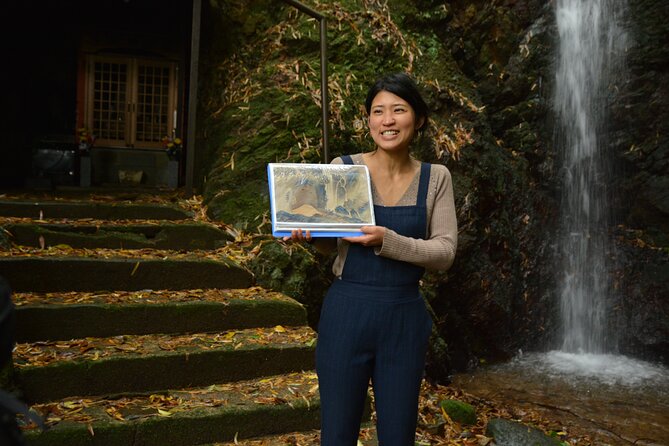
This one is built around a hidden waterfall spot and a calmer mood. You explore the area, learn about Tsuwano history, and practice simple meditation. The meditation part is short and approachable by design, but it changes the tone of the tour, from sightseeing to actually slowing your attention.
If you tend to rush through travel stops, this is the moment that can reset you. You are still on a guided schedule, but the experience pushes you to be present in a way that photos alone usually cannot.
Practical note: the tour is electric bike riding plus shrine-area walking time. It is not described as intense, but you should expect some time off the bike while you explore the waterfall spot.
Washibara Hachiman and the stories behind Yabusame
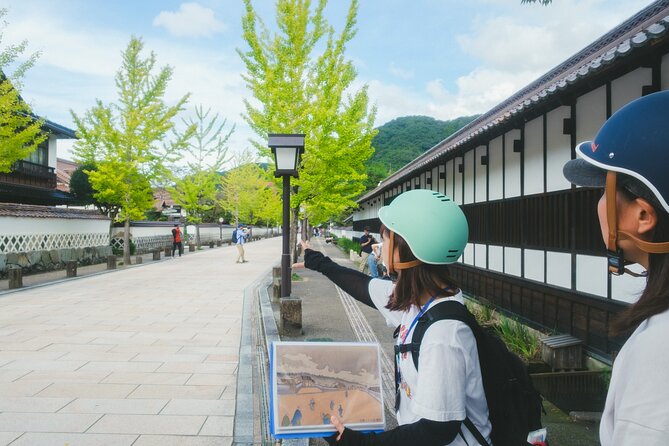
Stop 4: Washibara Hachiman Shrine
Here the tour turns toward a specific cultural ritual story. You learn about the large joyato (stone lantern) and the baba (horse track), connected to the Yabusame horseback archery ritual. This is one of those places where the physical objects explain history.
What makes it valuable is that it is not just dates and names. The guide’s job is to connect the shrine features to the ritual meaning, so you understand what you are looking at. When you see a stone lantern and horse track and you know what they link to, the place stops being scenery and becomes a story you can follow.
Stop 5: Tsuwano Shrine
After Washibara, you end up in a more rural-feeling shrine setting. The tour is about enjoying the surrounding countryside views and learning stories of the former lords of the Tsuwano domain. This stop helps tie together the Hyakkeizu theme with the town’s older political era.
Tsuwano Shrine to the 1,000-year cedar finale
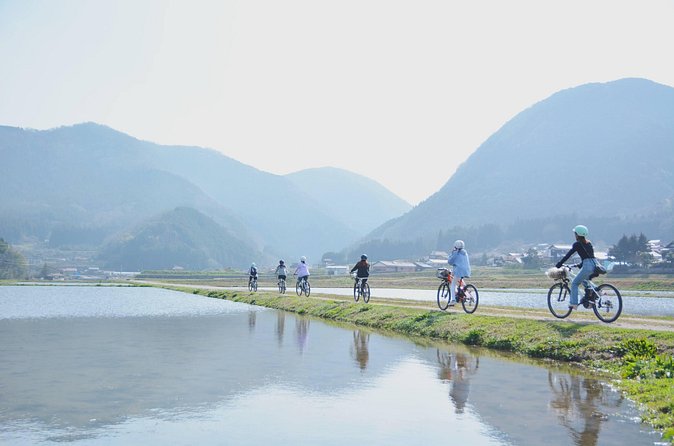
Stop 6: Washibara Hachiman Shrine, giant cedar tree finale
At the end, the tour revisits Washibara Hachiman for a standout moment: a giant cedar tree that has watched over Tsuwano for more than 1,000 years.
This ending works well because it lands on time itself. You start the whole tour with Edo-period paintings, then you end with something that has outlasted them all. It gives the tour a satisfying feeling of continuity: past to present to the long present.
What to expect from the guide, and the names you might hear
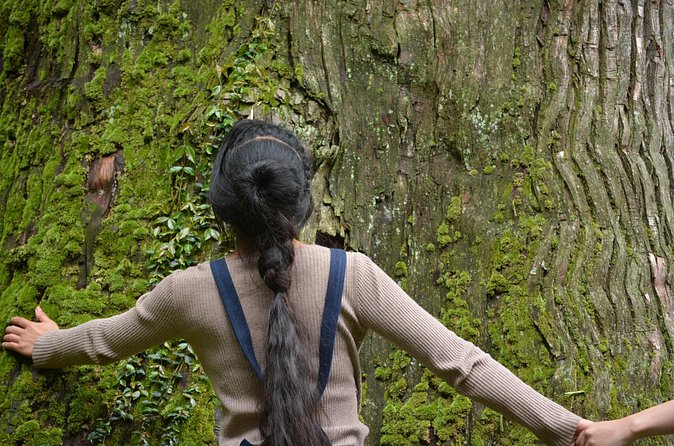
The tour is powered by the local guide, and the guidance quality is the recurring strength. You will get explanations and anecdotes, and the guide is typically the kind of person who can connect the Hyakkeizu paintings to what you can see on the street.
From past tours, guides mentioned by name include Yui, Ale, and Alessandro. I like that because it signals consistency in storytelling, not just a standard script. The pacing also matters. Many visitors note that the schedule feels manageable, helped by the electric bikes and a careful rhythm.
If you care about understanding how a place works culturally, this is where the tour pays off. You are not just collecting checkmarks. You are learning a way to read Tsuwano.
Who this tour suits best
This tour fits best if you want a structured way to understand Tsuwano in a limited amount of time. It is also ideal as a first visit, because it gives you the big theme (Hyakkeizu) plus multiple shrine stops that explain local identity.
If you like small-town details, calm pauses, and a guide who talks in a clear, practical way, you will probably enjoy it. And if physical effort is a concern, the electric bike format and the tour’s steady pacing are built for comfort.
Should you book the Tsuwano Cycling Tour with Local Guide
Yes, if your goal is a meaningful first look at Tsuwano. The Hyakkeizu concept turns a short ride into a story you can follow, and the mix of streets, shrines, and quiet moments keeps it from feeling like a checklist.
You might skip it only if you prefer to wander without guidance, or if you want to spend long hours at one site. This tour is timed and designed for breadth, not deep staying power.
If you are planning a half-day in Shimane and want something both active and reflective, this is a strong pick.
FAQ
How long is the Tsuwano Cycling Tour?
The tour lasts about 3 hours.
How much does the tour cost?
The price is listed as $99.
Is this tour done on an electric bike?
Yes. The tour is described as an electric bike cycling tour.
What is included in the $99 price?
Included are bicycle use and a guide.
Are snacks included?
No. Snacks are not included.
Where do I meet for the tour?
The start point is Tsuwano Eki mae Ushiroda, Tsuwano, Kanoashi District, Shimane 699-5605, Japan. The tour ends back at the meeting point.
How many people can be in a group?
The maximum group size is 6 travelers.
Are admission tickets required for the stops?
Admission tickets are listed as free for the stops described.
What if weather is poor or I need to cancel?
The experience requires good weather. If it is canceled due to poor weather, you are offered a different date or a full refund. Free cancellation is available up to 24 hours in advance for a full refund.
Cycling and E-Bike Tours, side by side.
 ★ 5.0Hidden Kyoto E-Biking tourFrom $1161,843 reviews
 ★ 5.0Tokyo Guided Small-Group Biking TourFrom $1061,250 reviews
 ★ 5.0Tokyo Great Cycling TourFrom $99811 reviews
 ★ 5.0Tokyo Top Highlights 3h Guided E-bike TourFrom $63714 reviews
 ★ 5.03h Tokyo E-Bike Tour: Hidden Gems, and Local Life with guideFrom $63670 reviews
 ★ 5.0Arashiyama Bamboo Forest & Hidden Gems Bike Tour (Early Bird)From $106613 reviews
 ★ 5.05 Top Highlights of Kyoto Full Day Bike Tour (E-bike option)From $172511 reviews
 ★ 5.0Full Day Biking Tour Exploring the Best of KyotoFrom $119498 reviews
Filed on these lists too