
REVIEW · MOUNT FUJI DAY TRIPS
3 Day Japan Highlights Tour: Tokyo, Mt.Fuji, Nara, Kyoto, Osaka
Three days, five capitals, and less stress. This highlights-heavy route links Japan’s classic stops with a small-group pace and an English-speaking guide, plus comfort between regions. I love the English-speaking guide level of clarity, and I love how often you get chances for Mt. Fuji views, even with real-world timing. One drawback to plan for: several key sights have separate admission fees, and lunch and dinner are not included.
You start from Narita (and in many cases, pickup is offered), then roll onward toward coastal Kamakura and the Hakone volcano-lake area. The big payoff is that you’re not bouncing around on your own, which matters when you only have three days.
In This Review
- Key highlights to know before you go
- Comfort-First Small Group With Real Guidance
- Narita Start and How Pickup Fits In
- Kamakura’s Great Buddha, Hasedera Gardens, and Enoshima Coast
- Hakone Ropeway, Owakudani Steam, and a Crater-Lake Cruise
- Mt. Fuji Day: Ponds, Shrines, Wind Cave, and Waterfalls
- Nara’s Deer Park and Todai-ji’s Giant Buddha
- Kyoto Without the Worst Crowds: Kiyomizu and the Tea Moment at Entoku-in
- Arashiyama Bamboo, Fushimi Inari, and Osaka’s Dotonbori Night Energy
- Price and Value: What Your $1,310.55 Actually Covers
- Best Fit: Who Will Love This Route
- Should You Book This 3-Day Japan Highlights Tour?
- FAQ
- What is the starting point for the tour?
- Is pickup offered?
- How long is the tour?
- What is included in the tour price?
- Are lunch and dinner included?
- What group size should I expect?
- Are admission tickets included for each stop?
- Which places have extra admission fees?
- Is there an optional tea ceremony?
- Can I cancel and get a refund?
Key highlights to know before you go
- Small group size (max 23 people) keeps the pace human and the guidance practical.
- Mt. Fuji viewpoints on clear mornings or clear days are built into multiple stops.
- Hakone crater lake experience includes a ropeway and a pirate-ship style cruise option.
- World Heritage Nara deer park and Todai-ji anchor day three with iconic sights.
- Kyoto planning that aims to avoid the worst crowd moments, including Kiyomizu and Fushimi Inari timing.
- Osaka Dotonbori at night wraps the trip with easy energy and bright street food alley vibes.
Still weighing up options in Narita? These are the ones our reviewers rated highest.
- Narita Airport (NRT) Private Transfer to Central Tokyo
★ 4.5 · 300 reviews - Private arrival Transfer from Narita Airport(NRT) to central Tokyo city
★ 4.5 · 128 reviews - Narita Airport(NRT): Private Transfer to Tokyo/Yokohama 1-9pax
★ 5.0 · 47 reviews - From Narita Airport: Private Layover or Transit Guided Tour
★ 4.8 · 29 reviews
Comfort-First Small Group With Real Guidance
If you want Japan highlights without turning your trip into a daily logistics puzzle, this tour is built for you. The vehicle is air-conditioned, there is WiFi on board, and you move between areas with a guide who can translate what matters.
I also like the group size. With a maximum of 23 people, you’re less likely to feel swallowed by the chaos, and it is easier for the guide to keep everyone oriented. On the road, that small-group feel matters because you can actually ask questions and get answers that help the next stop click.
One more practical note I appreciate: the tour uses mobile tickets. That is handy when you are moving quickly between shrines, temples, and scenic viewpoints.
Narita Start and How Pickup Fits In
The tour starts at Narita Airport Terminal 2 or 3 Station. If you are arriving through Tokyo or Narita, this is a straightforward way to begin, without forcing you to instantly navigate train transfers while you are still jet-lagged.
The overview also says pickup is offered, which is a big deal if you are staying in the Tokyo area or want a smoother “door to bus” start. Either way, expect the first moments to be about getting grouped up, then heading out toward Kamakura and the coast.
And because the tour ends in a different location, you will want to plan your Osaka-day or next-journey timing with that in mind. The tour hours are listed as running from 8:00 AM to 8:00 PM, which gives you a sense of the active window.
Kamakura’s Great Buddha, Hasedera Gardens, and Enoshima Coast
Your first day leans hard into coastal history and scenery. You begin with Kotoku-in, the Great Buddha of Kamakura, a bronze statue that dates back to the era when Kamakura held national importance. It is a quick stop, about 30 minutes, but it sets the tone: this trip is about seeing the recognizable icons without wasting hours.
Next is Hasedera Temple, known for a major wooden sculpture of the goddess of mercy and for its gardens and ocean views. It is a 40-minute stop, and it is one of those places where you can slow down without losing momentum for the rest of the day.
Then you head to Enoshima Island, which mixes a shrine complex, sea caves, and a public bath. The time here is about one hour, and it is a good chance to switch gears from temple interiors to sea air and easy photo breaks. If you want lunch, this is also where seafood options are part of the picture.
- Airport transfer: Narita, Haneda (Tokyo), HND-NRT Airport shuttle★ 4.5 · 26 reviews
- 3 Day Japan Highlights Tour: Tokyo, Mt.Fuji, Nara, Kyoto, Osaka★ 5.0 · 22 reviews
- Private Transfer from Narita Airport to Yokohama Port and City★ 4.5 · 17 reviews
- Japan Unlimited WiFi Router – Narita Airport Pickup★ 3.5 · 15 reviews
- [Narita Airport Terminals 1, 2] 40-60km Sawara Itako Historic Bike Tour★ 5.0 · 13 reviews
Hakone Ropeway, Owakudani Steam, and a Crater-Lake Cruise
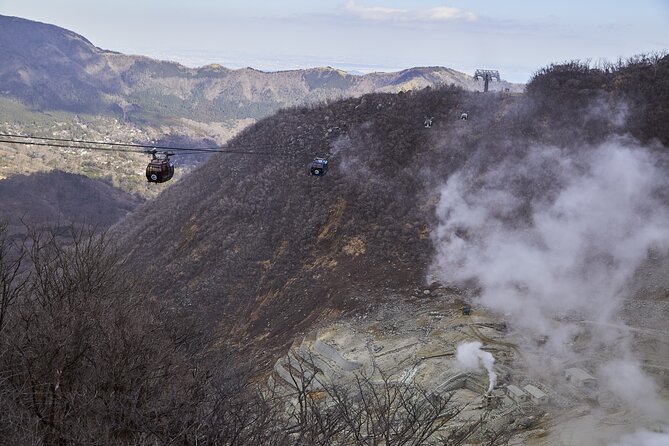
Hakone is the tour’s “wow, nature is doing its own thing” section. You take the Hakone ropeway, which includes a foot bath and gondola views down the mountain. The ropeway has an admission cost listed at 2,000 yen, so budget for it.
After that comes Owakudani Hell Valley, where you can see sulphur steam vents from the crater valley. The stop is short, about 15 minutes, but it is the kind of place that gives you a sensory memory. You can also try the famous kuro-tamago black eggs boiled in the sulphur springs, though the tour frames it as an eating option rather than a required activity.
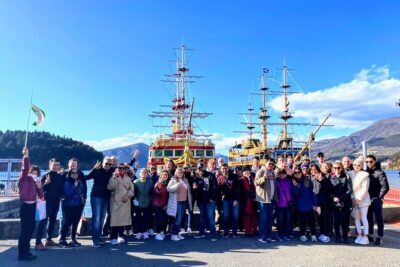
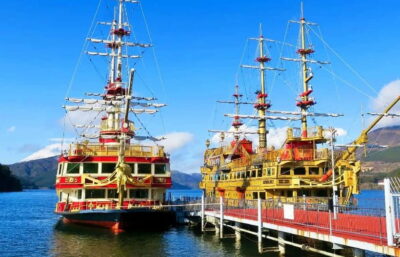
Your next move is Hakone Pirate Ship at Tōgendai Port, a cruise across an extinct volcano crater lake. The timing is about one hour, and you get Mt. Fuji views on clear days, which is exactly what you hope for in a three-day window. The admission cost is listed as 1,700 yen.
You finish Hakone with Hakone Jinja, where a shrine presence sits by the waters and includes options like visiting the torii gate area. Then you transfer with a scenic drive segment called Lake Ashinoko Sky Line, which is included and is specifically tied to Mt. Fuji views on clear days, plus the chance to spot local wildlife like deer and raccoon dogs.
Practical takeaway: Hakone is your best bet for Fuji drama, but it is also the section where weather can make or break the view. If you get clear skies, you will feel like the route is working for you.
Mt. Fuji Day: Ponds, Shrines, Wind Cave, and Waterfalls
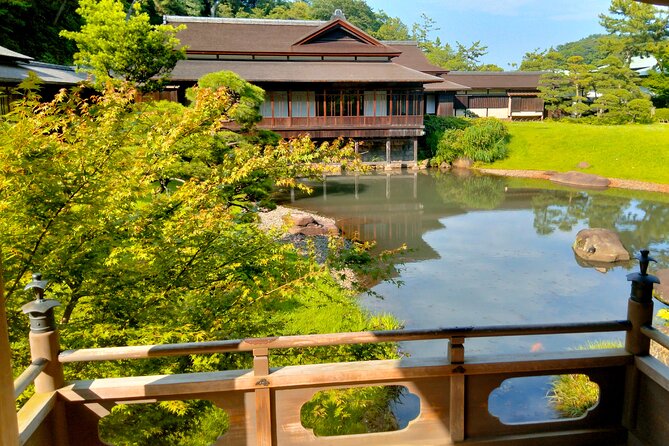
Day two is packed with Fuji-adjacent stops that each give you a different “angle” on the mountain and the surrounding countryside. It starts with Fuji, a short stop to taste local specialties and catch views near the tea plantations.
Then you go to Oshino Hakkai, a folk village with eight crystal-clear ponds. The stop is about one hour with free admission, and it is a nice break because you can walk at an easy pace and browse local shops without feeling rushed.
Next is Kitaguchi Hongu Fuji Sengen Jinja Shrine, described as an ancient shrine dating back to 100 A.D. The time here is around 30 minutes. If you like seeing the older layers of Japan, this stop gives you that kind of grounding without demanding a long hike.
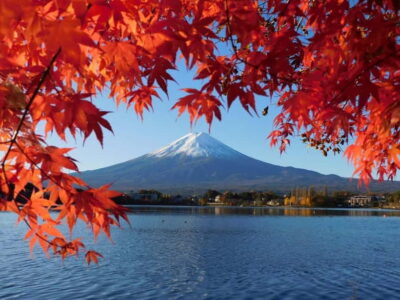
After that, you visit Oishi Park, where views of Mt. Fuji from Lake Kawaguchi are best on clear mornings. The stop is short, about 20 minutes, but this is a classic “stand, look, breathe” moment, and it is built for people who want Fuji photos that actually feel worth it.
You then head to Saiko Iyashi no Sato Nemba, a traditional thatched-roof village where the experience can include dressing in kimono or samurai armor. The admission is listed at 500 yen, and the time is about one hour. This is one of the more “hands-on” stops, where you can choose to participate in the dress-up vibe or just explore the village layout and views.
From there you shift underground with Fugaku Wind Cave, which is essentially lava tubes. It is about 30 minutes, with admission listed at 300 yen. The fun detail here is that the cave is described as a natural refrigerator with ice most of the year, so it is likely to feel cooler than the outside air.
You also get a short walk in Aokigahara Forest at the foot of Mt. Fuji, about 10 minutes, with free admission. The tour data frames it as one of Japan’s most infamous forests, so keep it simple: treat it as a brief guided grounding stop, not a long nature day.
Then come Shiraito Falls, with a short walk to two waterfalls and local snacks. The time is about 40 minutes, and it stays light on logistics because the main work is walking a bit and enjoying the views.
The final chapter of day two is Nagoya, with an evening focus around Sakae, roughly one hour to explore shops and restaurants. It is not trying to be a second Kyoto. It is a chance to experience modern city shopping and dinner-adjacent wandering before the historic heaviness of Nara and Kyoto.
Nara’s Deer Park and Todai-ji’s Giant Buddha
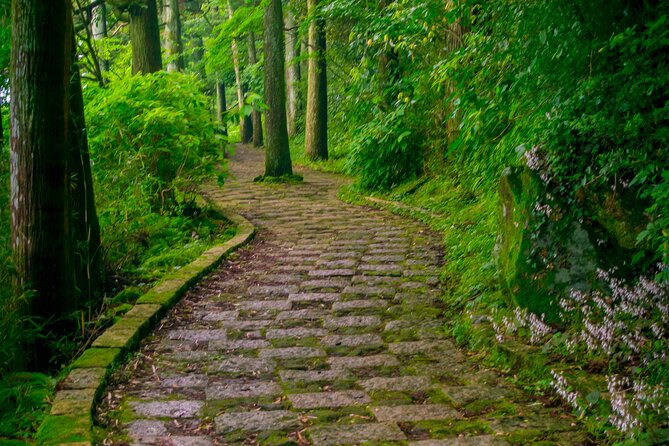
Day three starts with Nara Park, a guided walk for about two hours through the area filled with deer. The tour description calls the deer over friendly, which matters because it shapes how you should behave: slow down, be calm, and follow your guide’s lead on how close you get.
Next is Todai-ji Temple, founded in 738. It houses the world’s largest bronze Buddha statue inside a massive wooden temple, and it is worth the time for anyone who likes scale. The listed admission is 800 yen, and the stop is about one hour.
Todai-ji also works as a cultural reset after the Fuji and Hakone day. Nara’s feel is more spacious and grounded, and you can usually appreciate the craftsmanship and size without feeling like you’re racing a schedule.
Kyoto Without the Worst Crowds: Kiyomizu and the Tea Moment at Entoku-in
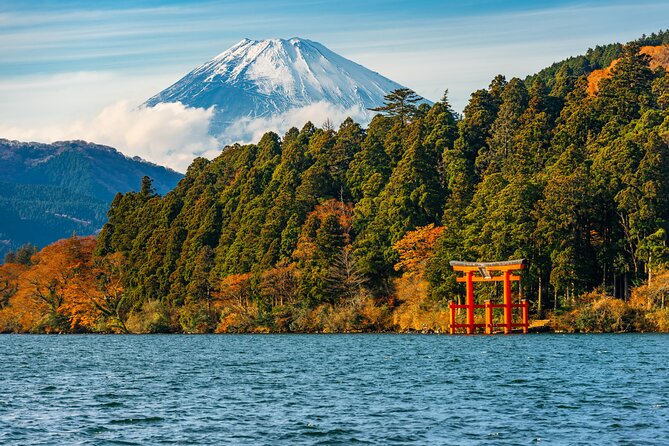
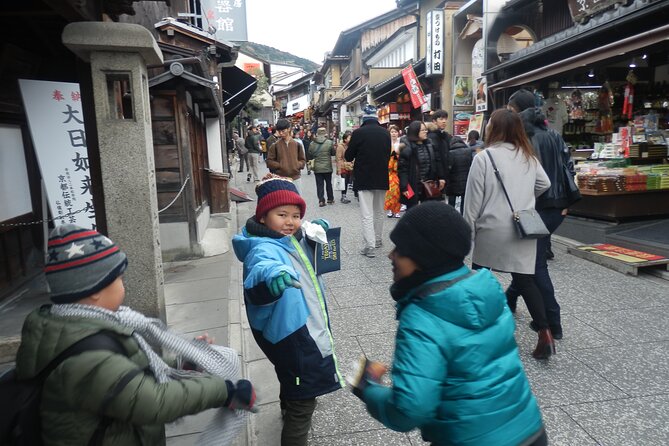
Kyoto here is a mix of big-name icons and more personal spaces, with guidance designed to help you dodge the worst crowd timing. Kiyomizu-dera is a World Heritage stop, with traditional shops nearby. The admission is listed at 500 yen, and the time is about one hour. The tour specifically mentions taking routes to avoid most crowds, which is smart for a place that can get jammed.
After Kiyomizu, there is an elegant change of pace at Entoku-in, described as the family home and traditional garden of Toyotomi Hideyoshi’s wife Nene, built in 1605. The time is about 40 minutes, with a short tea ceremony available for an extra fee of 1,300 yen. Even if you skip the tea ceremony, this stop gives you something quieter and more reflective than the main streets.
Arashiyama Bamboo, Fushimi Inari, and Osaka’s Dotonbori Night Energy
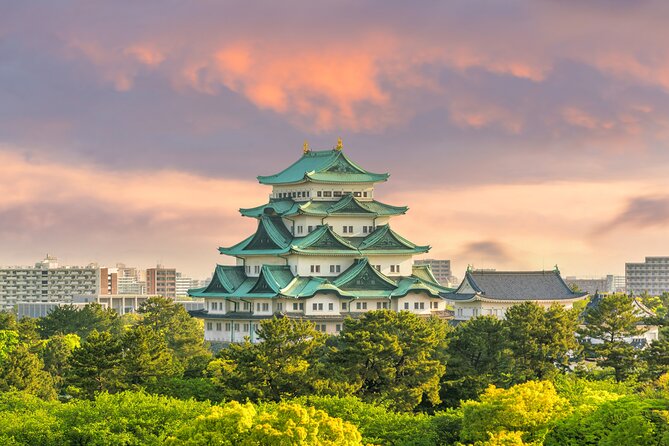
Next you head to Arashiyama Bamboo Forest for about one hour. If time is tight, the tour mentions an alternative option: the less crowded bamboo grove at Kotoku-in temple. Either way, this is where the scenery changes from temple buildings and mountain views to a more atmospheric walkway experience.
Then it is off to Fushimi Inari-taisha Shrine, famous for over 10,000 orange torii gates that form tunnels up the mountain. The time is around 40 minutes, with free admission. For many people, this is the photo stop that makes the trip feel instantly “Kyoto,” but it is also a place where you can choose how far up you go based on energy and how many steps your legs can handle.
You close the trip in Osaka with Dotonbori, spending about one hour exploring the back-street alleys in this entertainment district. Admission is free here, and the value is the easy, late-day atmosphere. If you want a trip-ending stroll with a lot of visual stimulation, Dotonbori delivers.
Price and Value: What Your $1,310.55 Actually Covers
At $1,310.55 per person for about three days, this is not a budget tour. It is paying for three things you cannot easily replicate solo in Japan without careful planning.
First, you get transportation in an air-conditioned vehicle with WiFi on board, plus parking fees and road tolls covered. Those costs add up fast, especially when your route covers multiple regions like Kamakura, Hakone, Fuji-area stops, Nara, Kyoto, and Osaka.
Second, you get 3-star accommodation with breakfast on two mornings. That can be a real value lever because you are not just buying sightseeing tickets. You are paying for a structured multi-night rhythm.
Third, you get a guided flow across many sites. Many of these stops are short, with times like 20 to 40 minutes. That only works if someone is managing the timing, route choices, and the on-the-ground explanations in English.
What is not included is also important for value math. Lunch and dinner are not included, and several attractions list extra admissions, including Hakone ropeway (2,000 yen), Hakone pirate ship cruise (1,700 yen), Todai-ji (800 yen), Kiyomizu-dera (500 yen), Saiko Iyashi no Sato Nemba (500 yen), and Fugaku Wind Cave (300 yen). There is also an optional tea ceremony at Entoku-in for 1,300 yen.
My practical advice: budget for those fees and carry cash in yen. If you do that, this tour becomes a smooth, high-coverage route rather than a surprise-spend machine.
Best Fit: Who Will Love This Route
This tour is described as suitable for all ages and different fitness levels, with a route that can be tailored to your interests. You will likely love it if you want a clear hit list of classic regions, but you do not want to stitch together trains, timing, and translation every day.
It also suits first-timers well. The combination of big icons (Great Buddha, Todaiji, Kiyomizu, Fushimi Inari) and scenic “value shots” (Hakone crater lake, Fuji viewpoints, Oshino ponds) makes it easier to come home feeling like you actually saw the heart of Japan.
If you already know Japan well and you want deep off-the-map detours, this might feel a little too structured. The stops are many, and the time at each one is often around an hour or less.
Should You Book This 3-Day Japan Highlights Tour?
I think you should book it if your priorities are comfort, major sights, and good odds of Mt. Fuji views within a short time window. The small-group size, the included vehicle and breakfast, and the way the route connects historic areas make it a strong choice for people who want results, not planning homework.
Skip it if you hate paying extra for admissions, or if you want long, unhurried time in just one place. This is a sampler platter, not a slow-brew vacation. If that trade-off works for your style, you are going to have a very satisfying three days.
FAQ
What is the starting point for the tour?
The tour starts at Narita Airport Terminal 2 and 3 Station in Japan (Narita, Chiba).
Is pickup offered?
Yes. The tour overview says pickup is offered, and the start is based on Narita and the Tokyo area arrival options.
How long is the tour?
The duration is listed as 3 days (approx.).
What is included in the tour price?
Included items are WiFi on board, an air-conditioned vehicle, parking fees, road tolls, 3 star accommodation, and breakfast (2).
Are lunch and dinner included?
No. Lunch and dinner are not included.
What group size should I expect?
The maximum group size is 23 people.
Are admission tickets included for each stop?
Not all of them. The data lists specific admission prices for several stops, while some viewpoints and areas are free and Lake Ashinoko Sky Line is listed as included.
Which places have extra admission fees?
Examples listed with admissions include Hakone Ropeway (2,000 yen), Hakone pirate ship cruise (1,700 yen), Todai-ji (800 yen), Kiyomizu-dera (500 yen), Saiko Iyashi no Sato Nemba (500 yen), and Fugaku Wind Cave (300 yen).
Is there an optional tea ceremony?
Yes. Entoku-in includes a tea ceremony option with an extra fee of 1,300 yen.
Can I cancel and get a refund?
Yes. You can cancel up to 6 days in advance for a full refund. If you cancel 2 to 6 days before, it is 50%. If you cancel within 2 days, there is no refund.
Newest Narita write-ups from the Loving Japan desk


Mount Fuji Day Trips, side by side.
 ★ 5.0Mt Fuji and Hakone 1-Day Bus Tour Return by Bullet TrainFrom $16326,383 reviews
 ★ 4.0Mt Fuji & Hakone Cruise, Drum Show Bullet Train 1 Day from TokyoFrom $1497,413 reviews
 ★ 4.4Tokyo Mt Fuji 5th St & Hakone Cruise Bus Tour w/Bullet TrainFrom $1545,024 reviews
 ★ 4.5From Tokyo: Mount Fuji Full-Day Sightseeing TripFrom $684,970 reviews
 ★ 4.7Mt. Fuji Tour, Hakone Ropeway, Owakudani, Lake AshiFrom $544,002 reviews
 ★ 4.4Mt.Fuji,Kawaguchiko Oishi Park,Arakurayama Sengen ParkFrom $542,682 reviews
 ★ 4.2Mt. Fuji 5th Station & Hakone Cruise 1-Day Bus TourFrom $1292,381 reviews
 ★ 4.7Mt Fuji Top 5 Spots Day Tour: Arakurayama Park,Oshino HakkaiFrom $532,066 reviews
Filed on these lists too