
REVIEW · OKINAWA ISLANDS AND BEACHES
Afternoon Adventure: Okinawa Local Cycling with Spectacular Views
Shuri’s hills and Naha’s streets in one smooth ride. This half-day cycling outing threads together everyday Okinawa with Ryukyu Kingdom landmarks, so you get the history without the museum-stuffed pace. You start right by Makishi Monorail, grab your bike, and head out on a route built for looking around, not just getting from A to B.
What I love most is the way it mixes real neighborhood life with major-feeling sights, and it does that without needing a private guide or a complicated plan. The other win is practical safety tech and communication, since the helmet setup includes built-in audio so your group can stay in sync while riding through turns and tighter streets.
One consideration: this tour depends on weather, and if precipitation probability tops 70 percent or conditions get severe, they may adjust plans and notify you the day before. If you are visiting during a rain-prone window, it is smart to keep your expectations flexible and pack a layer for late evening.
In This Review
- Key Highlights to Look For
- Why This Ride Works Better Than a Bus Tour in Naha
- Getting Set Up Near Makishi Monorail, Fast and Friendly
- Tsuboya Yachimun Dori: Pottery Streets With a Ryukyu Backstory
- Asato Shotengai and Everyday Okinawa Neighborhood Rhythm
- Shurikinjocho Stone-Path Road: Cobblestones, Shrines, and the Ryukyu Capital
- Shurijo Castle Park and the Shureimon Gate Photo Moment
- Shurisakiyamacho Viewpoint: Panoramic Naha City Reset
- Price and Value: Is $99.10 Really Fair for a Half-Day?
- Who This Tour Suits Best (and Who Might Not Love It)
- Practical Tips to Make Your Ride Smooth
- Should You Book This Okinawa Local Cycling Tour?
- FAQ
- How long is the Okinawa local cycling tour?
- How much does the tour cost?
- Where do I meet the guide?
- What is included in the price?
- Are there fees for the places you stop at?
- Is there anything I should bring for the ride?
- What happens if the weather is bad?
- Can I cancel for free?
- How many people are in a group?
Key Highlights to Look For
- Small group size (max 5), which makes it easier to move at a human pace and get answers on the fly.
- e-CHARIty e-bikes that help with the climb toward Shuri Castle area, including for first-time riders.
- Helmet microphones, which make communication smoother when you ride together.
- Tsuboya Yachimun Dori pottery streets, tied to the Ryukyu Kingdom’s history of gathering kilns.
- Shurijo Castle Park and Shureimon gate photo moments, with seasonal plants and dramatic stonework.
- A dedicated viewpoint stop in Shurisakiyamacho for panoramic Naha city views.
Island hopping from Naha, reviewed
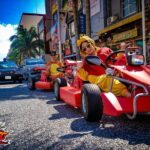
- Official Street Go-Kart Tour – Okinawa Shop
★ 5.0 · 699 reviews - Naha: North Okinawa Sightseeing Tour & Churaumi Aquarium
★ 4.4 · 472 reviews - Okinawa: From Naha: Kerama Islands 1-day snorkeling tour
★ 4.4 · 423 reviews - From Naha: Tokashiki Island Day Trip by Boat
★ 4.3 · 385 reviews
Why This Ride Works Better Than a Bus Tour in Naha
Naha can feel like two cities at once. There is the quick, obvious stuff close to the main streets, and then there are neighborhoods where life moves on its own schedule. This cycling tour is built for slipping between those worlds. You spend real time on the road, with a guide steering you past the places you might walk by without understanding what you are seeing.
The first big advantage is speed with a human feel. You cover ground that would take too long by foot, but you are not stuck staring out a bus window. When the route turns into side streets and stone-paved roads, you slow down naturally. Your eyes have space to notice temple details, pottery storefront rhythms, and the small house styles that still show up around the edges of the tourist core.
The second advantage is that the tour is anchored in Shuri Castle area. Shuri is not just a stop, it is a whole story. Riding in gets you closer to the sense of place, because you are climbing and descending the same way locals and daily life do. The view stop at Shurisakiyamacho then acts like a reward, a moment to take in Naha City from above and reset your brain before the ride back.
Getting Set Up Near Makishi Monorail, Fast and Friendly
Meet at the shop at 3-chōme-13-20 Makishi in Naha, with Makishi Monorail station nearby (a one-minute walk). This is good planning. You can arrive without a long taxi puzzle, and you are already positioned in the part of town where Naha feels most alive on a normal afternoon.
Pick-up is simple: you grab your bicycle and get a short briefing focused on safe riding. That is not just a formality. In places like Shuri town streets and stone-path roads, your biggest risks are not speed. It is traffic flow, tight corners, and staying aware of what is ahead. The guide’s job is to keep the group moving smoothly, and the helmet microphones help you do that without constant head-turning.
Group size is capped at five people. That matters. Smaller groups mean you are not constantly waiting for a slow rider to catch up, and it is easier for the guide to adjust on the spot if someone needs to pause or asks an extra question. From the overall vibe of the guides people talk about, the team is good at friendly, patient explanations, not just calling out directions.
Practical tip: the ride starts in the afternoon, so bring something for colder evening air. That is explicitly recommended, and it is smart on Okinawa too, where the temperature can shift once the sun dips and you are moving under open sky.
Tsuboya Yachimun Dori: Pottery Streets With a Ryukyu Backstory
Your ride takes you to Tsuboya Yachimun Dori, a pottery area with deep roots in Ryukyu history. The word Yachimun means pottery in Okinawan language, and the neighborhood’s story is tied to how the Ryukyu Kingdom organized craft production. About 300 years ago, pottery kilns from scattered locations were gathered and brought together in this area.
What I like about stopping here on a bike is that it is not just a photo stop. You move through the street at a pace where you can actually notice kiln-related details, the layout of small shops, and the general rhythm of a working craft district. You also get a clear cultural explanation rather than guessing. The guide helps you connect what you see to why the area became important.
If you are the type who likes art, craft, or food culture, this stop pays off. Even if you do not buy anything, you leave with a better framework for what pottery neighborhoods represent in Okinawa, not just what they look like from the outside.
A drawback to keep in mind: Tsuboya is a street district, so you may be on sidewalks and near storefront traffic at certain moments. The bike ride is still guided and managed, but you will want to stay attentive at crosswalks and when the group bunches up for explanations.
Cover Naha on two wheels instead
- Afternoon Adventure: Okinawa Local Cycling with Spectacular Views★ 5.0 · 92 reviews
- Naha: Guided E-Bike Tour of the 12 Zodiac Temples★ 4.9 · 50 reviews
- E-Bike Nature Tour in Shuri★ 5.0 · 25 reviews
Asato Shotengai and Everyday Okinawa Neighborhood Rhythm

After Tsuboya, the route continues through areas that feel more local than iconic. You pass near Asato Shotengai, an area once known as a red-light district. In the evening it turns into a lively food and izakaya zone, but during afternoon hours it reads differently. You get a sense of the same streets, in a different mood, before the crowds arrive.
Right after that, you cycle through parts of Naha where some traditional houses remain. This is where cycling beats sightseeing by train or on foot. You can glide past the edges of residential life and still keep a clear route. You notice how neighborhoods sit next to commercial streets, and how Okinawa’s daily atmosphere survives next to the more tour-friendly center.
This is also a good part of the day for conversation. When the stops are less “big-ticket” and more “life around here,” questions come easy. Ask the guide what is changing, or what locals pay attention to in these districts. The group size helps, so you are not shouting over everyone else.
Shurikinjocho Stone-Path Road: Cobblestones, Shrines, and the Ryukyu Capital

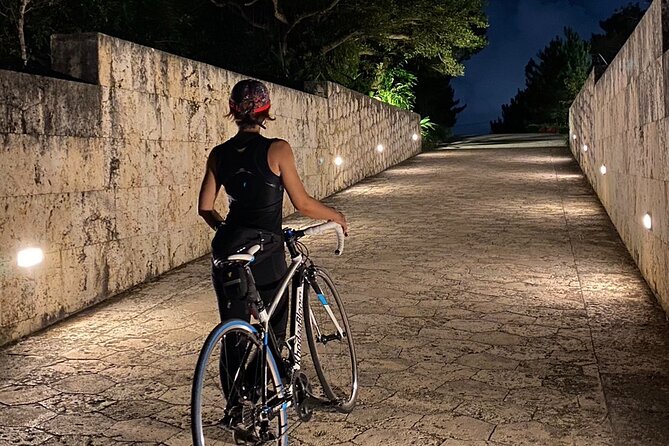
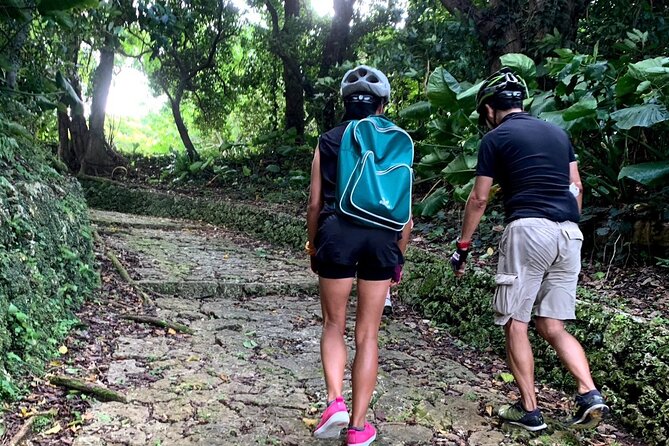
The Shuri Castle town area is where the ride starts to feel special. You explore Shurikinjocho Stone-Path Road, a cobblestone-street environment surrounded by temples and sacred shrines. The stones matter here. When you ride on a stone-path route, the pace slows naturally. You cannot rush, and you cannot treat it like a quick commute.
The guide frames this area as part of Shuri’s former role as capital of the Ryukyu Kingdom. That context changes everything you see. Temples and shrines stop being random architectural details and start reading like part of a larger political and spiritual geography.
In practical terms, you should expect more stop-and-look moments. You will likely spend about an hour in this zone. The route also often includes tighter turns and junction points, the kind where the helmet microphones help the group stay coordinated. If you are a nervous rider, this is where the e-bike assistance earns its keep, especially if you are dealing with uneven surfaces or short uphill stretches.
One more plus: these are the kinds of places where a photo looks better because you also feel the street texture. You are not just capturing a gate or sign. You are capturing the atmosphere of a historic town lane.
Shurijo Castle Park and the Shureimon Gate Photo Moment
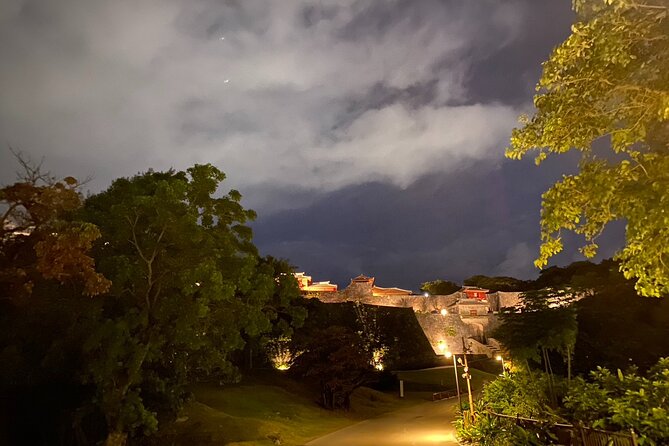
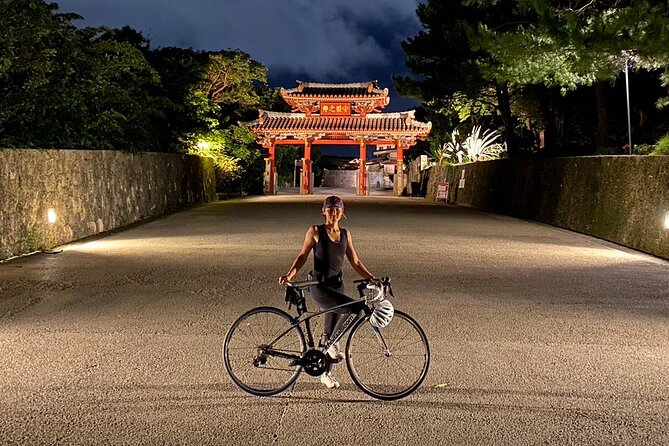
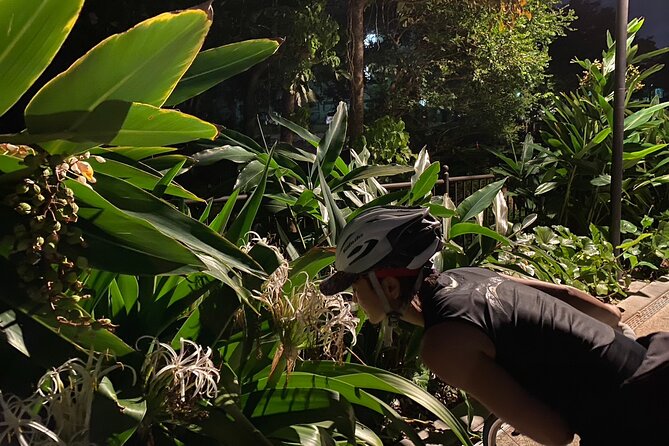
Next comes Shurijo Castle Park, where the mood turns quieter and greener. You leisurely pass through the park, with plants that show seasonal brilliance. You also get the chance to see the illuminated stone walls and the Shureimon gate, which is famous for being photogenic.
Even if you are not traveling with a serious camera, this stop works because it is visually strong in multiple directions. Stone walls give you structure, the gate gives you a focal point, and the park paths give you a natural way to frame shots without walking a long distance.
Timing helps too. Since this is a guided ride with a half-day window, you are not stuck wandering too long without a plan. You can linger where it feels right, listen to explanations, and then move on before your energy drops.
Potential drawback: this portion is described as leisurely, but you are still on a bike route. If you are someone who likes to stand still and read every sign, the ride format may feel a touch “active.” The upside is that the guide keeps the route moving, so you end up seeing multiple layers of Shuri without exhausting yourself.
Shurisakiyamacho Viewpoint: Panoramic Naha City Reset
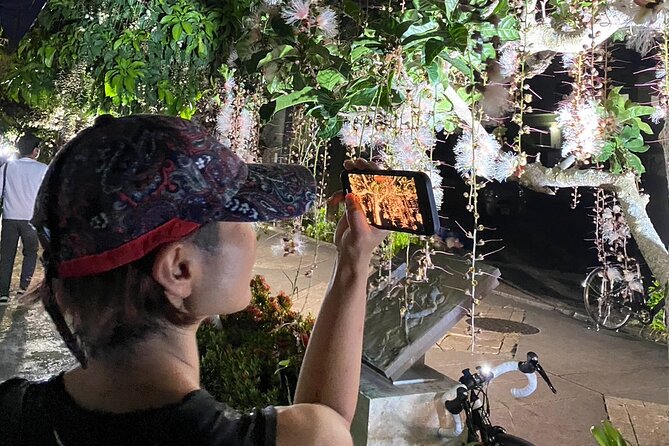
The route finishes with Shurisakiyamacho, a viewpoint stop with a panoramic view of Naha City. The tour sets aside about 20 minutes here, which is enough time to get oriented and take photos without turning it into an hour-long delay.
For me, this is the best kind of ending stop. You have already climbed and explored Shuri town streets, and now your brain gets a wide-angle payoff. From that height, Naha makes more sense, because you can see the city arrangement that the narrow streets hide.
If you are riding in the late afternoon, consider timing your photos around the angle you prefer. The guide can suggest the best side of the viewpoint based on what you want to photograph, and having a small group makes it easier to get a clear spot without blocking others.
Price and Value: Is $99.10 Really Fair for a Half-Day?
At $99.10 per person, this tour sits in the “worth it if you want guidance and convenience” zone. Here is why it can feel like good value.
First, the core components are included: bicycle use, an instructed cycling helmet (with installed audio for communication), and a cycling guide. You are also getting bike rental, not just a pointer to a public bike stand. For a city like Naha where your best route choices may be unclear as a first-time visitor, that guidance saves time and confusion.
Second, the stops are marked as admission ticket free in the tour’s stop plan. That matters because it keeps your total cost predictable. You are paying for the route, the pacing, and the local explanations, not stacking paid entry fees.
Third, you get a small group experience. When max group size is five, your attention from the guide is more focused. You can ask direct questions. You can also feel safer, because the guide can manage the group instead of juggling a crowd.
What is not included is also clear: camera mounts and a mobile phone holder are not provided. If you plan to film while riding or you rely on a phone for navigation, bring your own setup or expect a more traditional “stop and shoot” style.
Who gets the most value? People who want history plus street-level atmosphere, and who prefer active sightseeing over slow wandering. If you only want the biggest headline attractions with zero walking and zero riding, you might feel this is too “hands-on.”
Who This Tour Suits Best (and Who Might Not Love It)
This is best for:
- First-time cyclists who want support, since the bikes are power assisted and help with the Shuri-area climbs.
- Travelers who enjoy local culture more than packaged checklists.
- People who like small group pacing and conversation with a guide.
It may be less ideal if:
- You have strong discomfort with riding in busy road conditions, even when a guide is managing the route.
- You need long periods of uninterrupted standing still at every point. The format is active, with timed stops.
Bike sizing is worth a note. There is mention of smaller “Mama-chan” style bikes for shorter riders and kids, and there is a suggestion that having extra small mountain bikes would help. If you are very short or traveling with children, it is smart to ask the shop ahead of time what bike size will be used.
Family info is also practical: children aged 1 to 5 can have a child seat attached to the parent’s bicycle, but you should consult staff for details. That is a meaningful option if you want to include a toddler in the plan.
Practical Tips to Make Your Ride Smooth
A few small choices can make the difference between a fun afternoon and an annoying one.
Wear and carry:
- Bring a layer for cooler evening air even if the afternoon starts warm.
- Wear comfortable shoes with grip. Stone-path roads and cobblestones are easier when you are steady on your feet.
- If you plan to use your phone for photos, bring your own mount or plan for handheld shooting during stops, since a phone holder is not included.
Riding mindset:
- Stay close to the guide and keep an eye on the road, especially at turns.
- Use the helmet audio if you are given instructions. Communication is part of the safety design here.
Weather backup:
- The tour depends on good weather. If precipitation probability goes above 70 percent or severe weather hits, plans may change and you will get notice the day before.
- If you hate surprises, pick a day with a weather buffer in your schedule so one changed plan does not ruin your whole itinerary.
Should You Book This Okinawa Local Cycling Tour?
I think you should book it if you want a smart mix of Naha street life and Shuri’s historic heart, and you like sightseeing where you control your pace by how long you spend at each viewpoint. The small group setup, the power-assisted bikes, and the communication-friendly helmet system make it a strong choice for many riders, including people who might not be confident on a manual bike.
I would skip or at least rethink if you want only car-free, zero-motion touring, or if your trip dates are fixed to one weather-dependent afternoon. In Okinawa, weather can shift quickly, and this tour is honest about that.
If you do book, you will get the best experience by treating it like a guided bike walk plus city exploration. Show up ready to pedal, listen for the story behind each street, and take your time at the Shuri viewpoint so the ride ends with something you can actually feel, not just snap and forget.
FAQ
How long is the Okinawa local cycling tour?
It runs about 3 hours to 3 hours 30 minutes.
How much does the tour cost?
The price is $99.10 per person.
Where do I meet the guide?
Meet at 3-chōme-13-20 Makishi, Naha, Okinawa 900-0013, Japan, near Makishi Monorail station.
What is included in the price?
The tour includes bicycle use, an installed cycling helmet, a cycling guide, and bike rental.
Are there fees for the places you stop at?
The listed stops are marked as ticket free for admissions.
Is there anything I should bring for the ride?
Bring something to wear in case it gets colder in the evening. Camera mounts and a mobile phone holder are not included.
What happens if the weather is bad?
If the precipitation probability exceeds 70 percent or there is severe weather, they may change the plan and contact you the day before.
Can I cancel for free?
Yes, you can cancel for a full refund if you cancel at least 24 hours in advance.
How many people are in a group?
The tour has a maximum of 5 travelers.
Bicycles and E-Bikes We Have Ridden

Okinawa, Island by Island


Newest Naha write-ups from the Loving Japan desk



Okinawa Islands and Beaches, side by side.
 ★ 5.0Official Street Go-Kart Tour – Okinawa ShopFrom $36699 reviews
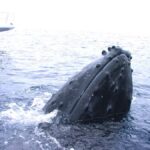
 ★ 4.4Naha: North Okinawa Sightseeing Tour & Churaumi AquariumFrom $50472 reviews
 ★ 4.4From Naha: Kerama Islands 1-day snorkeling tourFrom $81423 reviews
 ★ 4.3From Naha: Tokashiki Island Day Trip by BoatFrom $58385 reviews
 ★ 4.7Naha, Okinawa: Keramas Island Snorkeling Day Trip with LunchFrom $70370 reviews
 ★ 5.0[Miyako Island/Half Day] Sea Turtle SnorkelingFrom $45337 reviews
 ★ 5.0Okinawa Ishigaki Blue Cave Snorkeling TourFrom $45332 reviews
 ★ 4.5Snorkeling in the Blue Cave area【Okinawa Prefecture: Free feeding & photo images!English and Chinese speaking guide available!From $19249 reviews
Filed on these lists too