
REVIEW · OKINAWA ISLANDS AND BEACHES
Okinawa:Kerama Islands experience Diving/Snorkeling/WhaleWatching
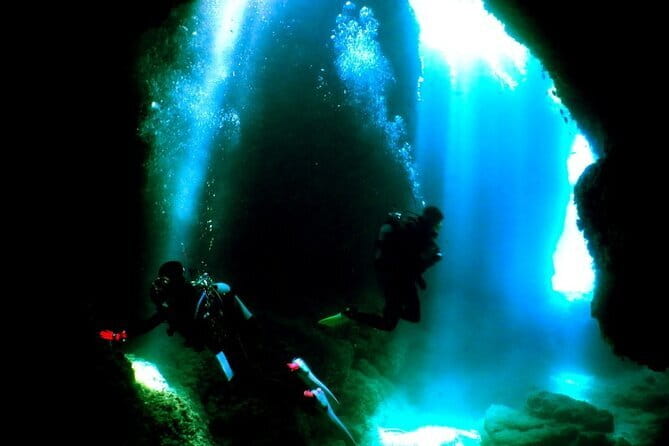
Kerama Islands is where Okinawa feels impossibly clear. This is a day on the water built for first-timers, with scuba and snorkel options plus winter whale watching depending on conditions. You visit two to three island stops in a single morning-to-afternoon run, with guided instruction that starts on land and continues on the surface.
Two things I especially like: the staff are all trained instructors with first aid experience, and the tour is designed so you can participate even if you cant swim. Second, you get small but meaningful extras like 2 to 3 underwater photos and practical onboard support, including free motion sickness medication by reservation.
One possible drawback to consider: the highlights are nature-based, so you might not spot sea turtles or whales, even though the hunt is part of the plan. Conditions matter, and the operator may not be able to guarantee sightings.
In This Review
- Key things to know before you go
- First contact at Miegusuku Port, then right into the rhythm
- The intro scuba setup is built around comfort, not bravado
- What I’d watch for if you are equipment-sensitive
- Snorkel option stays real, not an afterthought
- The sea-turtle search, and what it actually means
- Where you might go: Zamami, Tokashiki, Kuroshima, and Maejima
- Whale watching in winter, January 12 to March 31
- Photos and video: the small thing that helps you remember clearly
- Food on board, and how to plan since lunch is not included
- Safety, gear rules, and the health check reality
- Value for the price: why $96.67 can make sense
- Who this tour fits best (and who might want a different plan)
- Should you book this Kerama Islands experience?
- FAQ
- What time does the Kerama Islands experience start?
- Is pickup available from Naha?
- What is included in the price?
- Is whale watching included?
- Do you guarantee sea turtles?
- If I cant swim, can I still join?
- Is lunch included?
- Is there free cancellation?
Key things to know before you go
- Beginner-first scuba support: expect clear instruction, surface practice, and calm pacing for people new to scuba.
- Choose your water comfort: you can snorkel instead of scuba, and even non-swimmers can join with life support gear.
- Nature sightings are not guaranteed: sea turtles and whales are possible, not promised.
- Winter whale watching window: included only from January 12 to March 31, and it can be canceled for weather.
- Photo and video perks: plan for 2 to 3 underwater photos as a gift, with an FHD video option.
- Small group vibe: the tour caps at 15 travelers, which usually means less waiting and more attention.
Island hopping from Naha, reviewed
- Official Street Go-Kart Tour – Okinawa Shop
★ 5.0 · 699 reviews - Naha: North Okinawa Sightseeing Tour & Churaumi Aquarium
★ 4.4 · 472 reviews - Okinawa: From Naha: Kerama Islands 1-day snorkeling tour
★ 4.4 · 423 reviews - From Naha: Tokashiki Island Day Trip by Boat
★ 4.3 · 385 reviews
First contact at Miegusuku Port, then right into the rhythm
The day starts early, with the meeting point at Miegusuku Port around 7:30 am, and the activity typically runs about 7 hours total. If you want pickup, it’s offered within Naha city, but it can depend on shuttle capacity. This matters because a late pickup can mean rushing the pre-checks and getting a little less calm time before boarding.
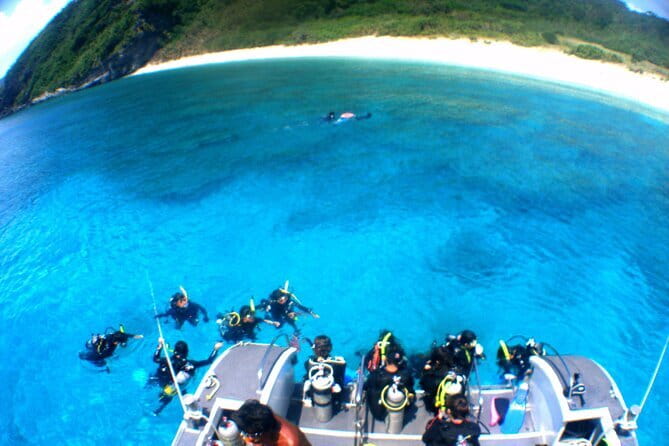
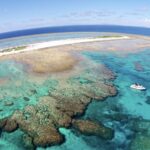
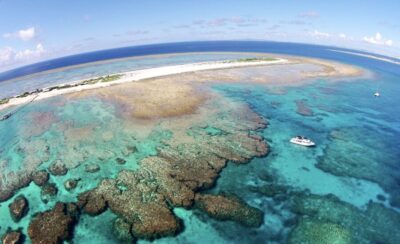
Once everyone’s set, you head out by boat and spend the day island-hopping through the Kerama group. The route can include Zamami Island, Tokashiki Island, Kuroshima Island, and Maejima Island, and you’ll typically hit two to three underwater stops in one outing.
That “two to three stops” pacing is part of the value. You get variety without spending the whole day in transit, and you also get enough time at each location to actually enjoy what you came for: clear water, coral, and fish.
The intro scuba setup is built around comfort, not bravado
This tour is especially aimed at people who do not have a scuba license, people who are curious but nervous, and even people who can’t swim. The core idea is simple: you get thorough guidance in stages, so you’re not suddenly thrown into the deep end.
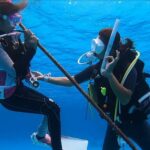
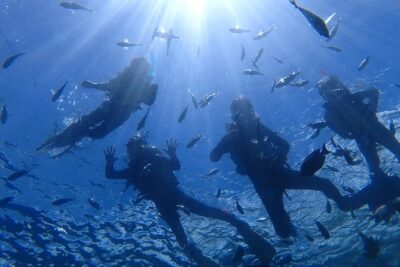
Before you go underwater, the guide covers equipment and safety on land, then repeats key points again before entering the water. After that, you practice at the surface so you can get your bearings, try breathing routines, and feel what your gear is doing. That repetition is one of the best parts of the experience because it reduces the “I missed something” stress that can happen when you’re brand new.
You’ll also wear safety gear. For safety, you’re asked to wear a wetsuit or life jacket, and floating rings are provided. If you choose scuba, a free swim bladder rental is available but requires a reservation, so add it ahead of time if you think it could help you feel more relaxed.
Also worth noting: all staff are instructors and have completed first aid training. That doesn’t mean every moment will be effortless, but it does mean there’s a real safety mindset, and not just casual enthusiasm.
What I’d watch for if you are equipment-sensitive
The reviews include a couple of complaints about equipment handling and perceived safety. I can’t verify what happened in any one case, but it’s still smart to take control early. When they fit your gear, do a quick check before you step in: confirm your regulator feels right, breathe a few times, and tell an instructor immediately if anything seems off. If you ever feel your situation is unsafe, speak up right away, even if you feel awkward.
Back in the water. Other trips off Naha
- Naha, Okinawa: Keramas Island Snorkeling Day Trip with Lunch★ 4.7 · 370 reviews
- Naha, Okinawa: Kerama Islands Half-Day Whale Watching Tour★ 4.4 · 241 reviews
- Naha, Okinawa: Kerama Islands Full-Day Intro-Diving Trip★ 4.6 · 203 reviews
- From Naha: Snorkeling Tour to Kerama by Ferry★ 4.3 · 151 reviews
- Naha: Full-Day Snorkeling Experience in the Kerama Islands, Okinawa★ 5.0 · 128 reviews
Snorkel option stays real, not an afterthought
If you’d rather snorkel, you’re not sidelined. The tour is designed to run snorkelers and scuba participants on the same day, with safety attention and guidance from instructors.
For snorkelers, the biggest advantage is that you can still experience the coral and fish without dealing with scuba pressure and buoyancy. You still get the “in-water animals and scenery” side of the Kerama Islands experience, and you can decide how far to go based on your comfort level.
And yes, it’s possible to go in even if you can’t swim, as long as you use the provided support gear and follow the staff instructions.
The sea-turtle search, and what it actually means
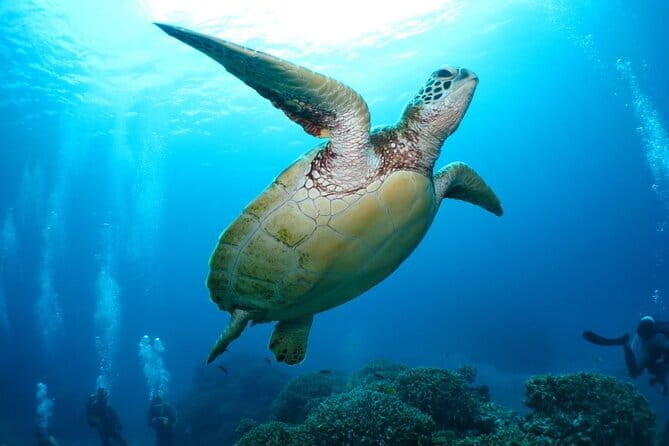
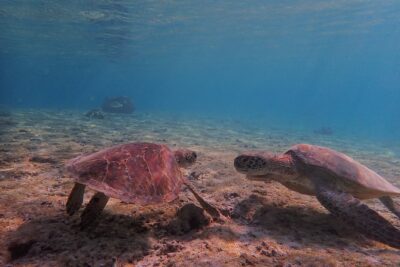
A major theme of the day is underwater wildlife, especially sea turtles. The operator frames it as a search through different underwater locations around the Kerama Islands.
Here’s the practical expectation: you may see turtles, or you might not. The tour is honest about that, and it makes sense. Visibility can be excellent, but turtles move, and currents shift. Even when the water is clear enough to see the seabed, animal sightings still depend on timing.
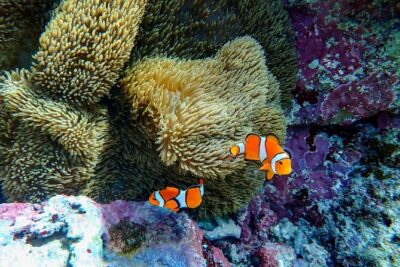
So how do you make the most of it? Focus on the full underwater picture, not just the single goal. Coral gardens, varied fish life, and the sheer clarity of the water can still be the win, even if turtles are hiding that day.
Where you might go: Zamami, Tokashiki, Kuroshima, and Maejima
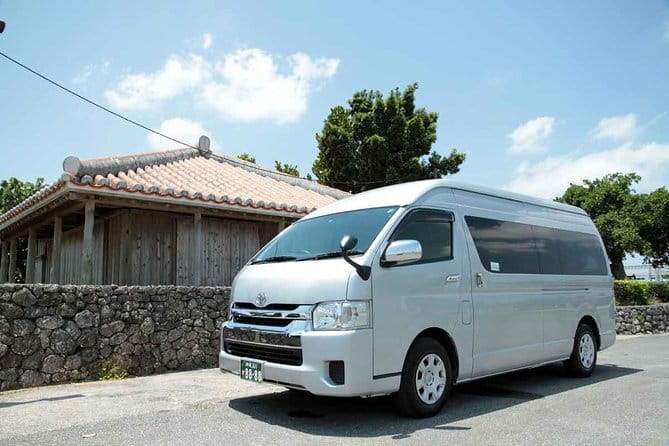
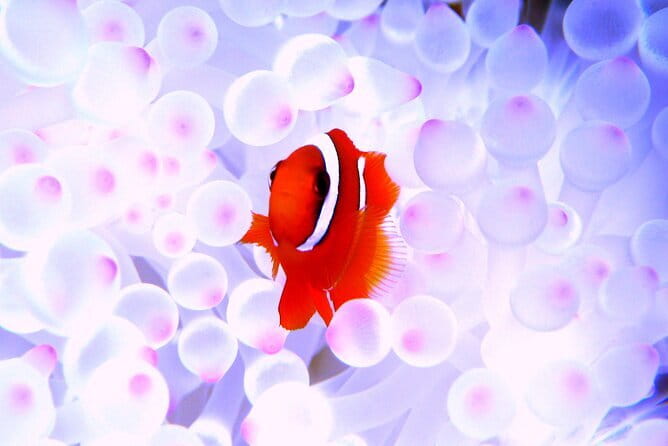
You’ll visit two to three carefully selected spots during the day. The islands listed are Zamami, Tokashiki, Kuroshima, and Maejima, and the underwater locations are chosen for what you can see and the likelihood of wildlife.
Without pretending every stop is identical, think of it like this: the Kerama group offers multiple “flavors” of the same clear ocean world. Different spots often mean different coral shapes, different fish activity levels, and different chances at turtle encounters.
A good mindset for each stop is simple:
- pay attention to the guide’s animal explanations
- follow positioning cues so you don’t waste the best visibility looking the wrong way
- keep your movements calm so you blend into the underwater scene
You’ll also likely get short, guided “where to look” prompts. One review specifically highlighted learning about animals while in the water, and that kind of info makes the whole experience feel less like floating around and more like understanding what you’re seeing.
Whale watching in winter, January 12 to March 31
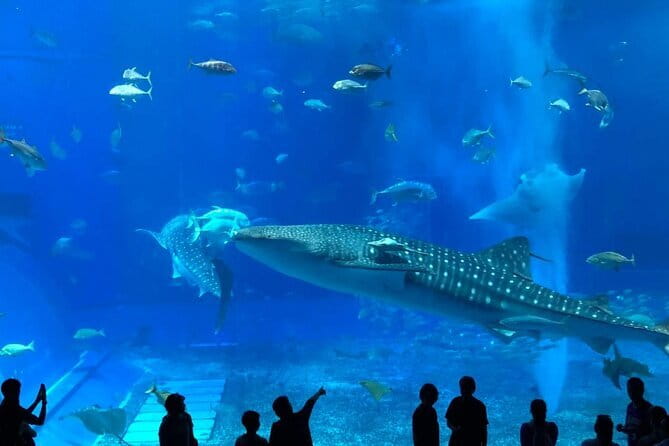
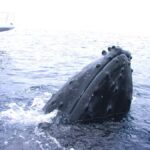
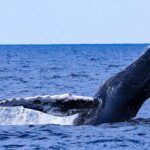
If you’re going during the winter window, whale watching is included from January 12 to March 31. That’s a big deal because it turns a typical scuba/snorkel day into a two-part nature experience.
But again, it’s weather-dependent. The tour notes that you may not see whales depending on sea conditions. If whale watching is your top priority, plan to treat it as a bonus, not a guarantee, and be flexible with how you judge the day.
When whale watching is active, the best value is that it keeps the schedule aligned with your ocean time. You’re already out on the water for the marine scenery, so you’re not adding a separate full day or a separate trip window just to chase whales.
Photos and video: the small thing that helps you remember clearly
A fun practical perk: you get 2 to 3 underwater photos as a gift, downloadable on Facebook. There’s also an FHD video service option if you want more than still shots.
This is worth it for first-timers because you might be focused on breathing, positioning, and staying relaxed underwater. Later, it’s nice to have images that capture the coral and fish without you needing to operate a camera while also learning scuba basics.
If you care about photos, I’d treat the photo time like part of the instruction. Follow the guide’s cues on where to face and how to hold your body, so the photos look natural and not like frantic arm-waving.
Food on board, and how to plan since lunch is not included
Lunch is not included. That’s a key budgeting point. The tour includes tea and water, and you might get snacks for children under 12, but adults should plan for their own meal.
Since the experience runs about 7 hours, I’d suggest bringing a plan for energy. Even if the boat day feels laid-back, you’ll be tired from sun, wind, and the mental focus of new equipment.
If you want to keep it simple, carry a small snack for the trip, then eat before you go, or after you return, depending on your timing.
Safety, gear rules, and the health check reality
Safety is emphasized clearly. You’re told to wear a wetsuit or life jacket, floating support is provided, and staff have first aid training.
You’ll also do a health check. The tour lists conditions that can prevent participation, including various respiratory issues like past or present asthma, wheezing, long-term lung disease, and several neurological or cardiovascular concerns. There’s also a rule about alcohol: if you drink alcohol within the hour, you may be refused.
If you’re on any medication, or if you have any past surgeries or chronic conditions, be ready to share details. The operator also states that they cannot provide refunds even if you don’t pass the health check and can’t participate. That’s not meant to be scary, but it is meant to be honest, so you can avoid last-minute disappointment.
Value for the price: why $96.67 can make sense
At $96.67 per person, this is priced for affordability while still packing in a lot: equipment use for snorkel and scuba, ship fare and insurance, tea and water, and guided instruction. Add in the photo gift and it starts to feel like a solid deal for people who want a structured introduction without spending a premium day-trip price.
The real value depends on your goal:
- If you want to try scuba for the first time, the instruction structure and surface practice are where you get your money’s worth.
- If you mainly want the ocean and coral, snorkel is still supported with instructor attention and safety gear.
- If you’re traveling in the whale season window, included whale watching can make the day feel extra complete, even if whales are not guaranteed.
The flip side is that nature sightings drive expectations. You might not see turtles, and whale watching can be canceled or disappointing if conditions are rough.
Who this tour fits best (and who might want a different plan)
This is a strong match if:
- you’re a first-timer who wants clear guidance and reassurance
- you can’t swim but still want to join, using the provided support
- you want a small-group day, capped at 15 travelers
- you’re traveling as a mixed group, since snorkel and scuba participants can be on the same boat
It might be less ideal if:
- you’re extremely equipment particular and already hate surprises
- you only judge trips by one animal sighting, since sea turtles and whales are not promised
- you can’t handle a health-screening requirement, especially if you’re close to the cutoff conditions
Should you book this Kerama Islands experience?
I think it’s worth booking if you want an affordable, beginner-friendly ocean day with real instruction and safety focus. The combination of intro scuba support, the snorkel option, and the winter bonus of whale watching can give you a lot of value in a single outing.
Book with a clear mindset. Go for the water clarity, coral, fish, and learning the routine. Treat turtle sightings and whale sightings as bonuses that can happen when timing and conditions line up.
If that sounds like your kind of day, you’ll likely have a memorable Kerama experience without the pressure to be an expert.
FAQ
What time does the Kerama Islands experience start?
The start time is 7:30 am, departing from Miegusuku Port in Naha.
Is pickup available from Naha?
Yes, pickup is offered within Naha city, but it may not be available if the shuttle bus is full.
What is included in the price?
The tour includes snorkeling equipment, scuba equipment, ship fare and insurance, tea and water, plus seasickness medicine if desired. Underwater photos are also included as a gift (2 to 3).
Is whale watching included?
Yes, whale watching is included from January 12 to March 31. You may not see whales depending on weather and sea conditions.
Do you guarantee sea turtles?
No. The tour specifically notes you may not be able to spot any sea turtles.
If I cant swim, can I still join?
The tour states you can participate even if you cant swim, and it provides safety support such as wetsuits or life jackets and floating rings.
Is lunch included?
No. Lunch is not included, so plan your own food for a roughly 7-hour day.
Is there free cancellation?
Yes. Free cancellation is available up to 24 hours before the experience start time for a full refund.
Back in the Water
Okinawa, Island by Island

Newest Naha write-ups from the Loving Japan desk

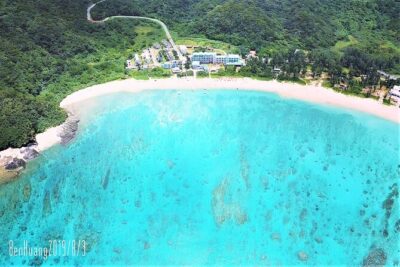

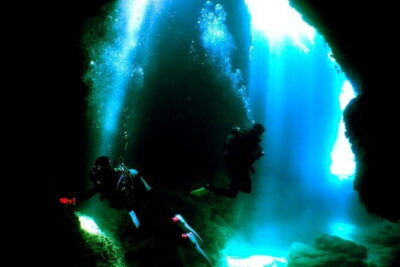

Okinawa Islands and Beaches, side by side.
 ★ 5.0Official Street Go-Kart Tour – Okinawa ShopFrom $36699 reviews
 ★ 4.4Naha: North Okinawa Sightseeing Tour & Churaumi AquariumFrom $50472 reviews
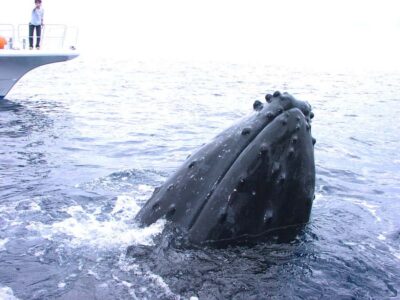 ★ 4.4From Naha: Kerama Islands 1-day snorkeling tourFrom $81423 reviews
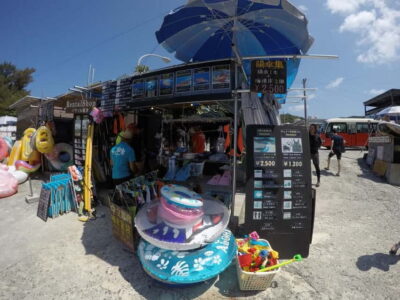 ★ 4.3From Naha: Tokashiki Island Day Trip by BoatFrom $58385 reviews
 ★ 4.7Naha, Okinawa: Keramas Island Snorkeling Day Trip with LunchFrom $70370 reviews
 ★ 5.0[Miyako Island/Half Day] Sea Turtle SnorkelingFrom $45337 reviews
 ★ 5.0Okinawa Ishigaki Blue Cave Snorkeling TourFrom $45332 reviews
 ★ 4.5Snorkeling in the Blue Cave area【Okinawa Prefecture: Free feeding & photo images!English and Chinese speaking guide available!From $19249 reviews
Filed on these lists too